Qualified Personal Residence Trusts Qprts
Description
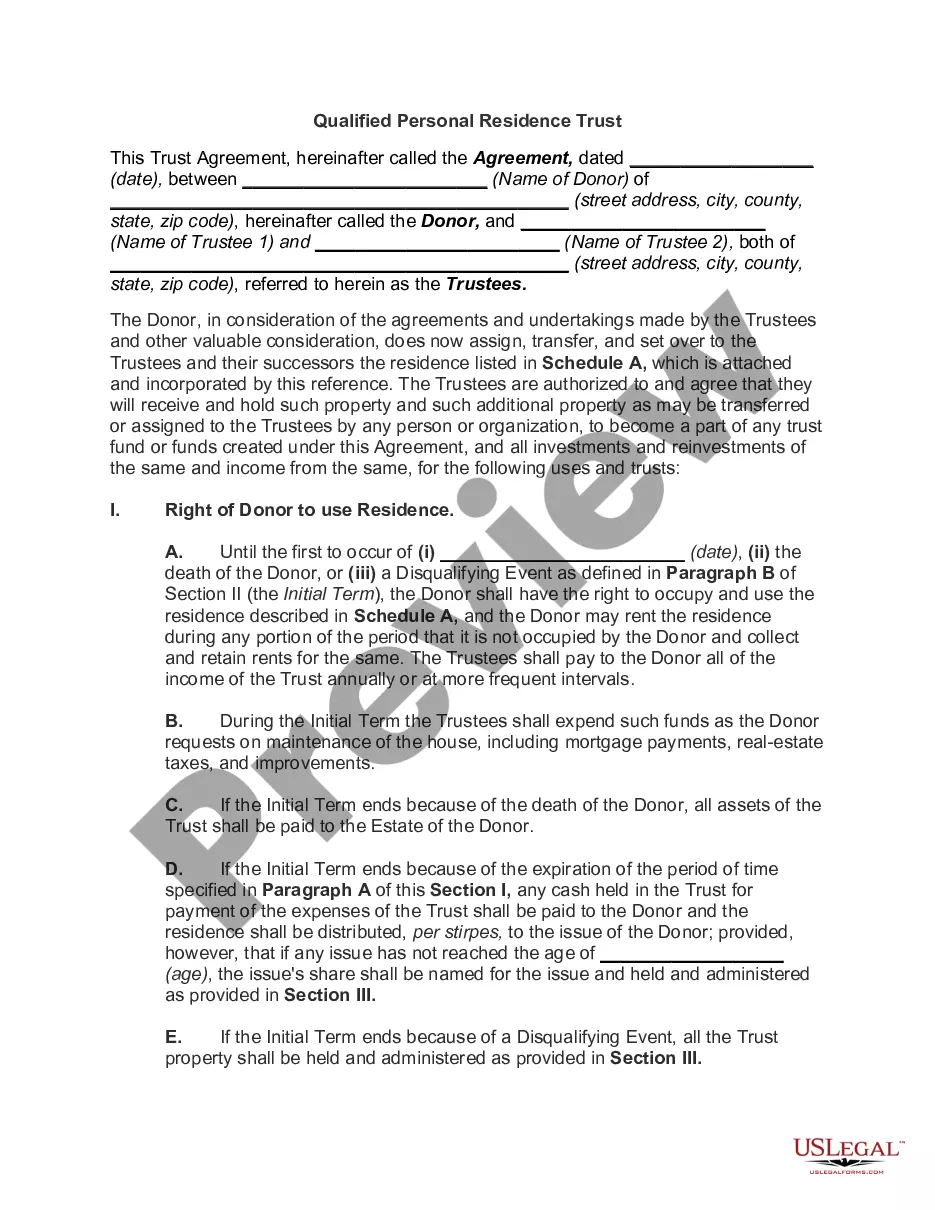
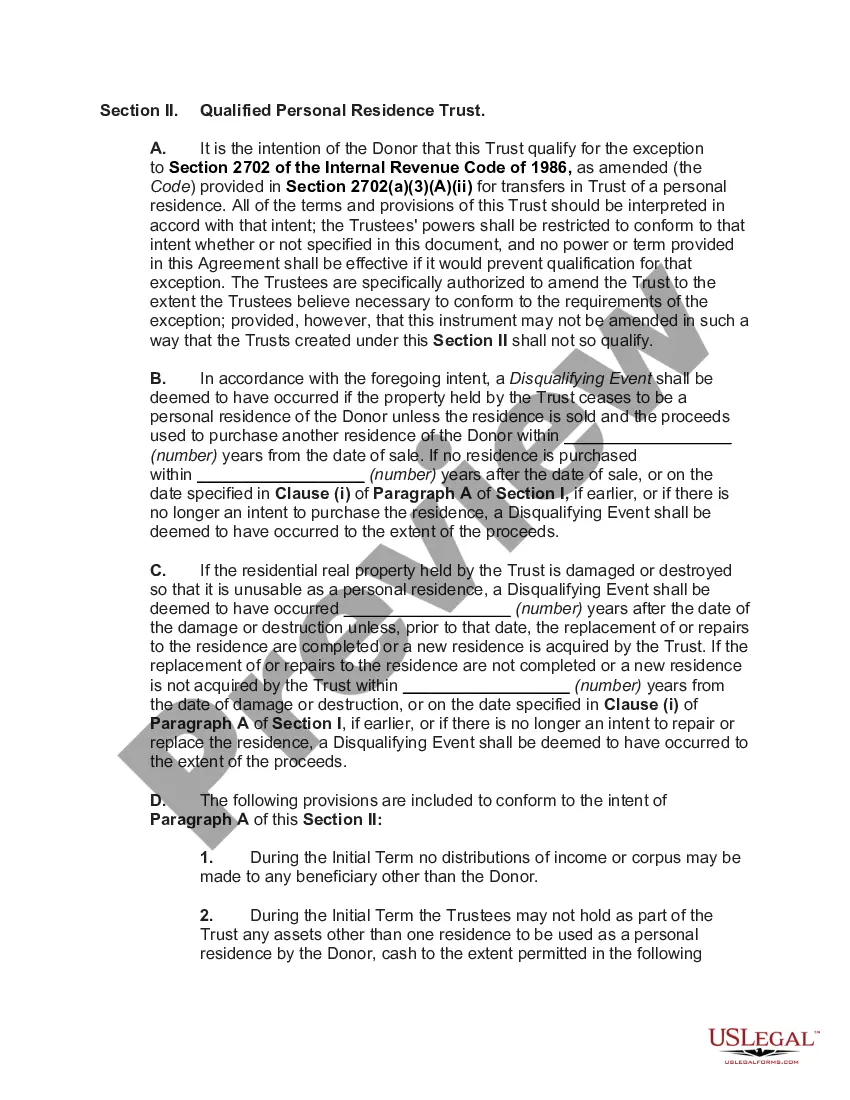
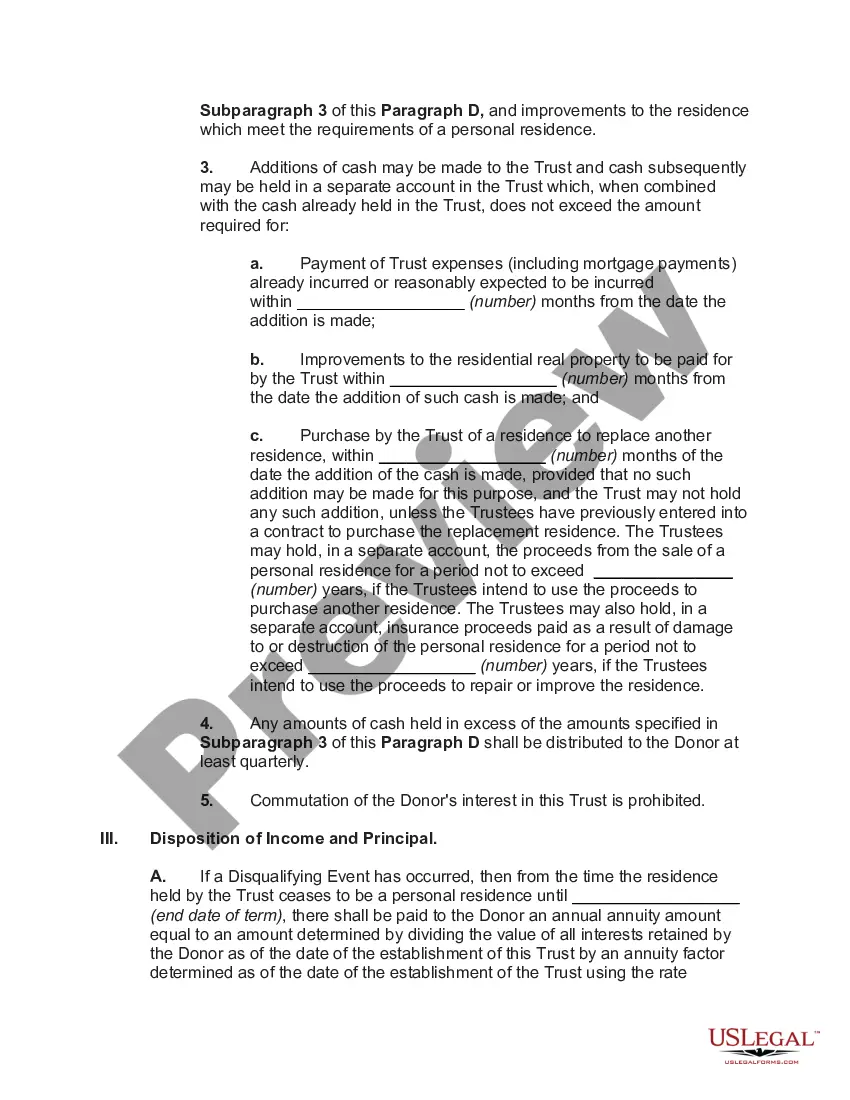
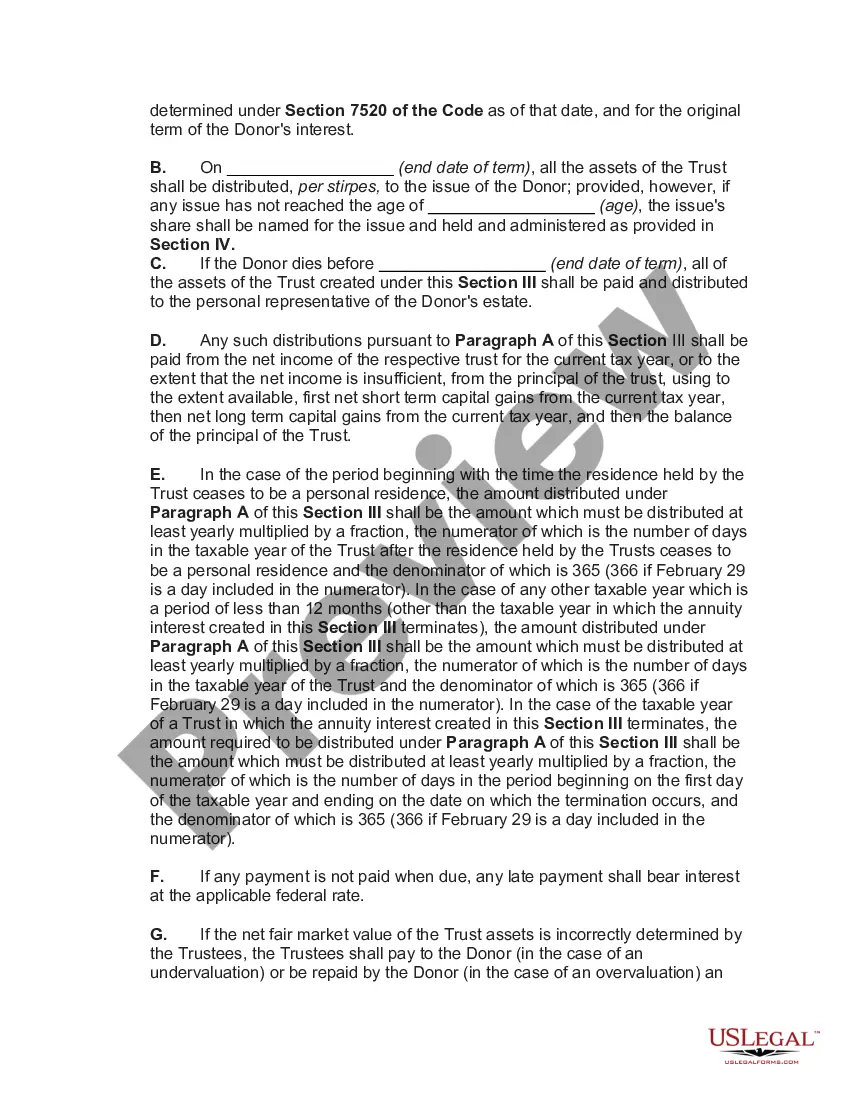
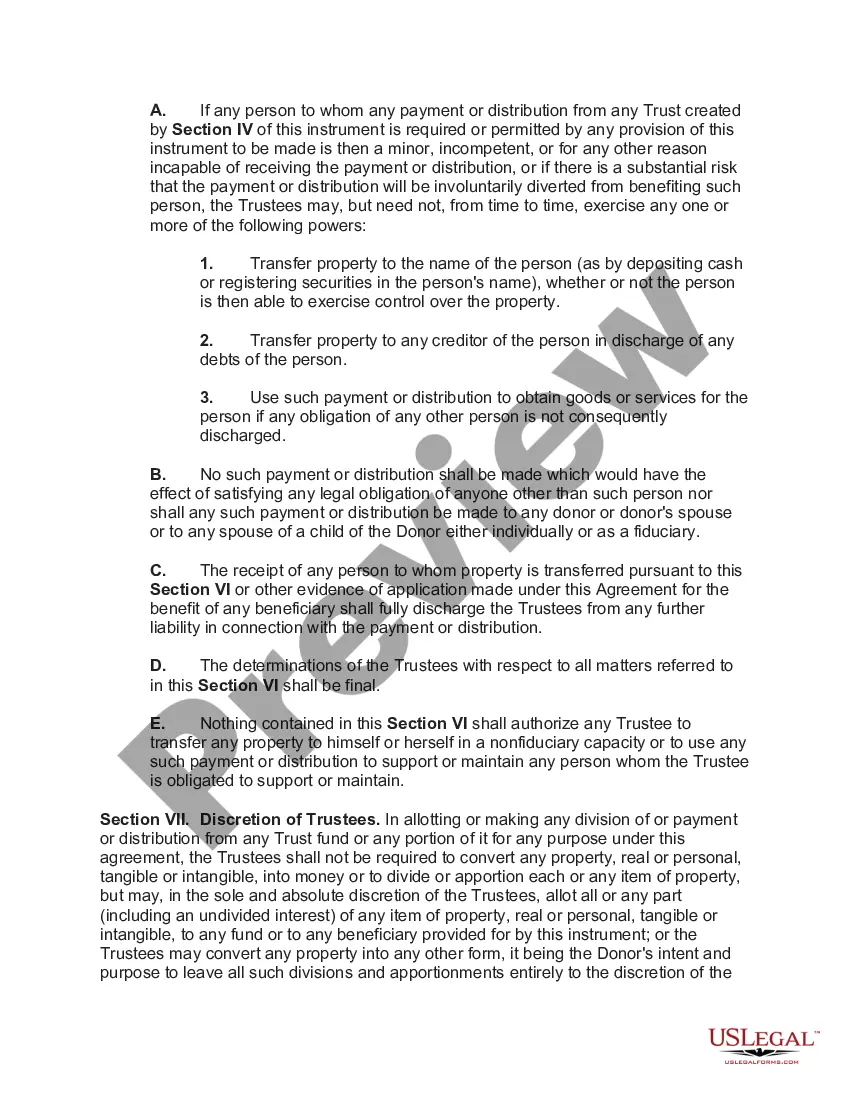
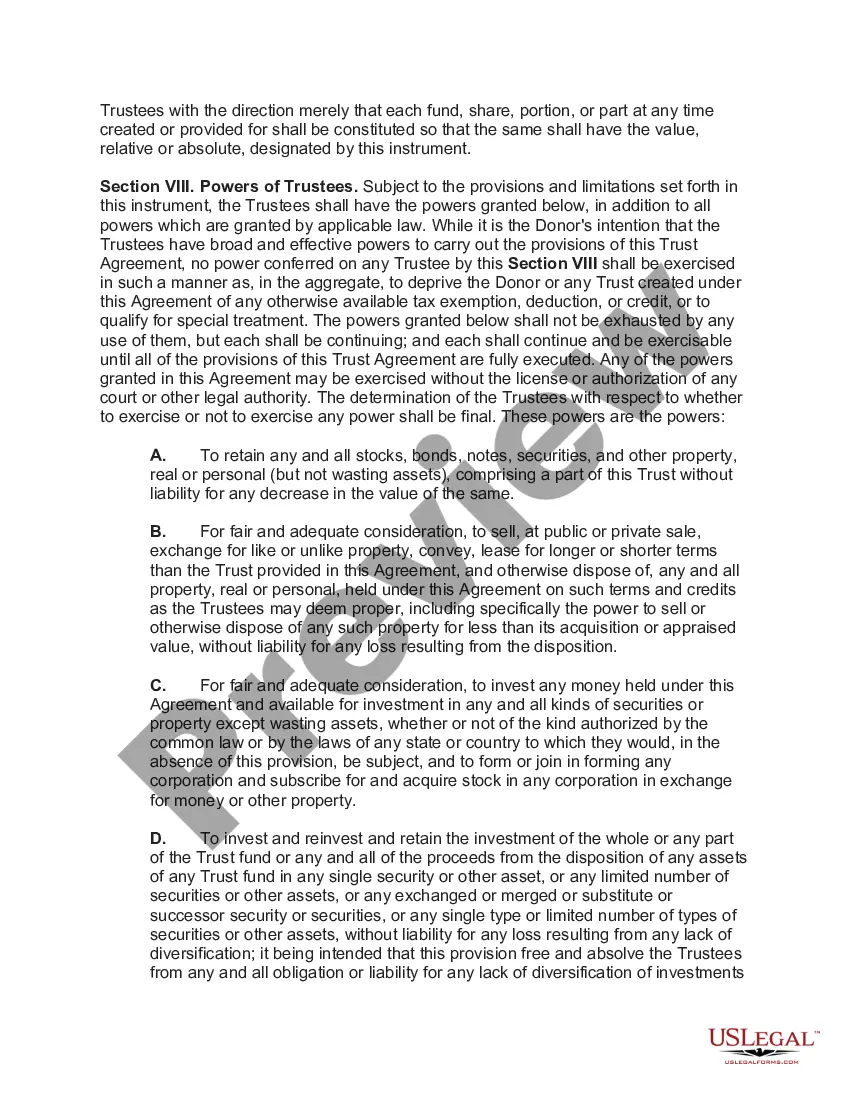

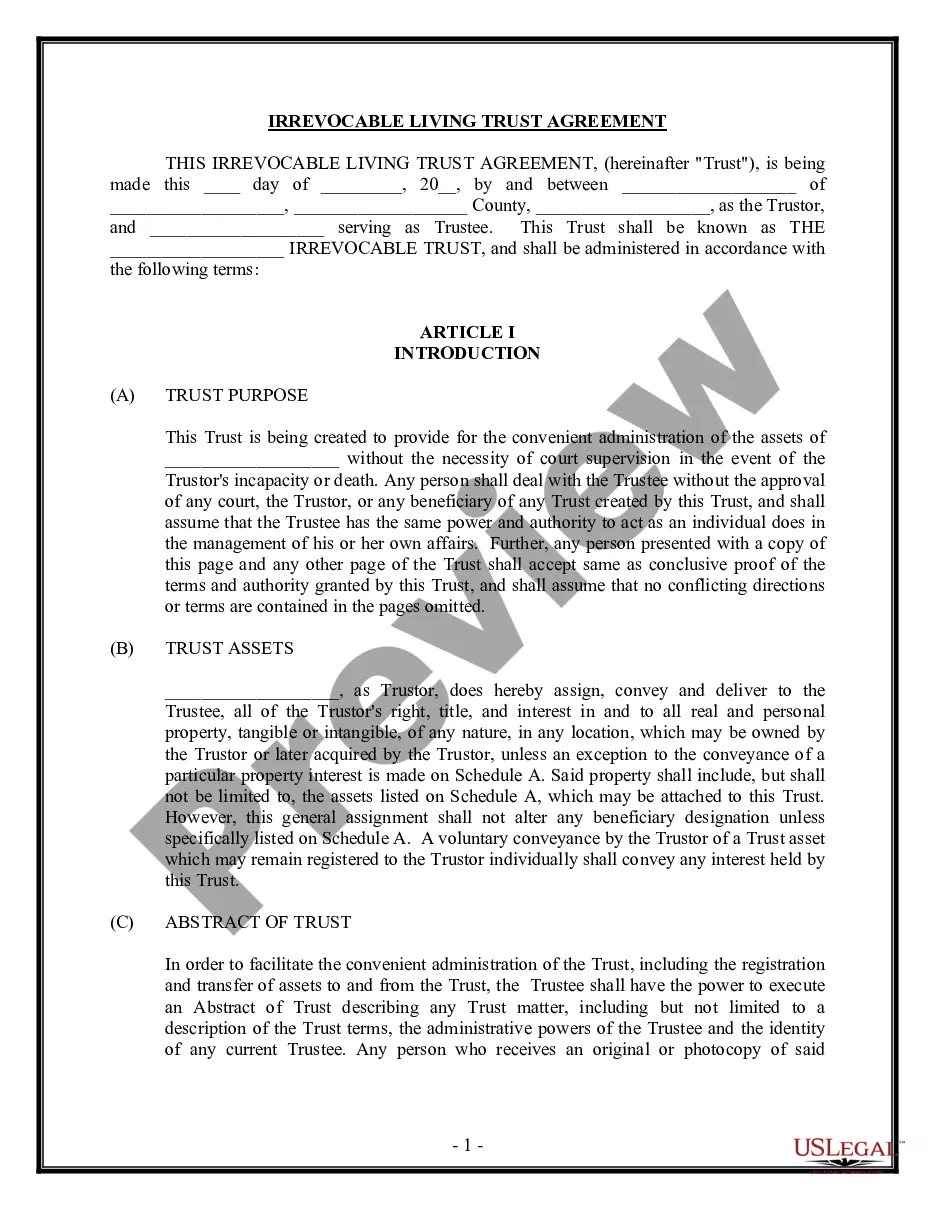
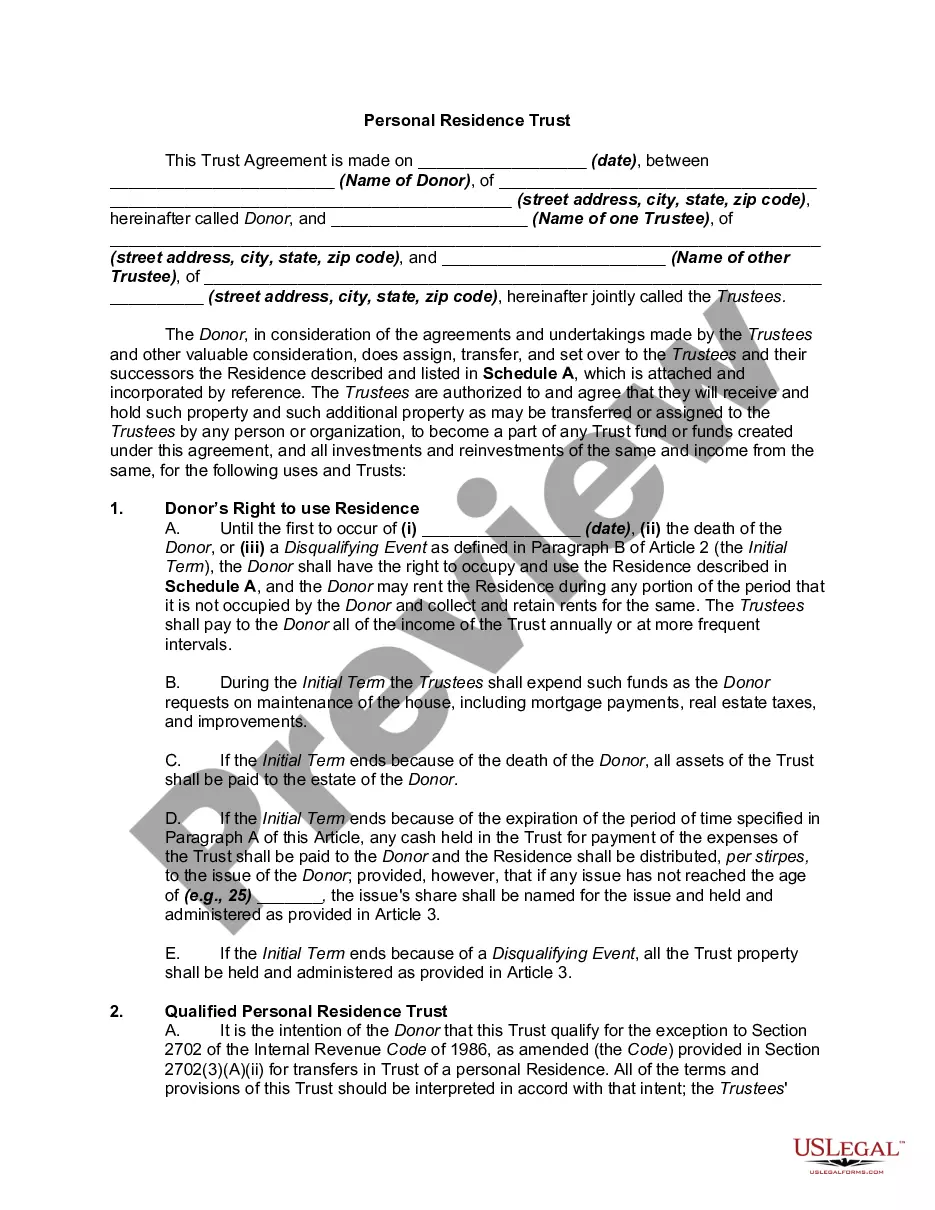
Get your form ready online
Our built-in tools help you complete, sign, share, and store your documents in one place.
Make edits, fill in missing information, and update formatting in US Legal Forms—just like you would in MS Word.
Download a copy, print it, send it by email, or mail it via USPS—whatever works best for your next step.
Sign and collect signatures with our SignNow integration. Send to multiple recipients, set reminders, and more. Go Premium to unlock E-Sign.
If this form requires notarization, complete it online through a secure video call—no need to meet a notary in person or wait for an appointment.
We protect your documents and personal data by following strict security and privacy standards.

Make edits, fill in missing information, and update formatting in US Legal Forms—just like you would in MS Word.

Download a copy, print it, send it by email, or mail it via USPS—whatever works best for your next step.

Sign and collect signatures with our SignNow integration. Send to multiple recipients, set reminders, and more. Go Premium to unlock E-Sign.

If this form requires notarization, complete it online through a secure video call—no need to meet a notary in person or wait for an appointment.

We protect your documents and personal data by following strict security and privacy standards.
Looking for another form?








How to fill out Qualified Personal Residence Trust?
- Access your existing account by logging in to the US Legal Forms site. Ensure your subscription is active; renew if necessary.
- For new users, begin by reviewing the form preview and description to identify the correct QPRT that fits your needs and complies with local laws.
- If adjustments are needed, utilize the Search function to find additional templates until you find the one that suits your requirements.
- Proceed to purchase the chosen document by clicking on the Buy Now button and selecting your preferred subscription plan. Creating an account will give you access to the extensive library.
- Finalize your purchase by entering your payment details via credit card or PayPal.
- Download your QPRT form and save it to your device. You can always access it in the My Forms section of your profile for future reference.
Using US Legal Forms allows individuals and attorneys to quickly and efficiently execute legal documents. With over 85,000 editable legal forms available, it's easy to find what you need.
Empower your estate planning process today by leveraging the robust resources of US Legal Forms. Start your journey now!
Form popularity
FAQ
A successor trustee and a personal representative serve different roles in estate management. A successor trustee oversees a trust, ensuring that its terms are fulfilled after the original trustee passes away or can no longer serve. In contrast, a personal representative, often called an executor, manages a will and handles estate settlement. Understanding these roles is essential for effective estate planning.
Yes, a Qualified Personal Residence Trust (QPRT) can include a vacation home. This feature allows you to protect your cherished second home while taking advantage of tax benefits. Including a vacation home in a QPRT can be a strategic way to pass down your property to heirs while minimizing estate taxes. It’s advisable to consult a professional for guidance on the implications.
The main difference between a Qualified Personal Residence Trust (QPRT) and a Personal Residence Trust (PRT) lies in their tax considerations. A QPRT specifically qualifies for certain tax benefits under IRS rules, making it a favorable option for estate planning. Conversely, a PRT may not offer the same tax advantages as a QPRT. Understanding these differences is vital for effective estate management.
A Qualified Personal Residence Trust (QPRT) can be a smart estate planning tool for many people, especially those with substantial homes. It allows you to transfer your residence to beneficiaries while potentially minimizing estate taxes. However, whether it is right for you depends on your financial situation and long-term goals. It is wise to engage with professionals to evaluate if a QPRT aligns with your needs.
Yes, you can sell a house that is in a Qualified Personal Residence Trust (QPRT). However, it is crucial to understand how the sale may impact your estate planning. Selling the home will require some adjustments to the trust terms, and it might affect the gift tax benefit associated with the original property. Always consult with a legal expert to navigate the complexities of your specific situation.
Yes, Qualified Personal Residence Trusts (QPRTs) may need to file a tax return under certain circumstances. Generally, if the trust generates income or is considered a separate tax entity, it will be required to file Form 1041. However, if there are no income-producing assets within the QPRT, it may not need to file a return. To ensure compliance, consider using reliable services like US Legal Forms to assist with your QPRT-related tax inquiries.
While Qualified Personal Residence Trusts (QPRTs) offer significant tax benefits, they also come with downsides. If you pass away before the trust term ends, the value of your home might still be included in your estate, which can negate potential benefits. Additionally, once you transfer your home to a QPRT, you cannot switch it back without complications. It’s essential to carefully consider these factors and possibly consult a professional for advice tailored to your situation.
To set up Qualified Personal Residence Trusts (QPRTs), you typically begin by consulting with a qualified estate planning attorney. This expert will guide you through drafting the necessary legal documents, which outline the terms of the trust. After that, you'll transfer your home into the QPRT, allowing you to live in it for a specified term. Setting up a QPRT effectively helps in reducing your taxable estate while allowing you to enjoy your residence.
To report a Qualified Personal Residence Trust (QPRT) on IRS Form 709, you need to provide details such as the fair market value of the property on the transfer date and the term of the trust. You will also need to indicate any gifts made to the trust during the year. Seeking guidance from a tax professional can help ensure you complete the form accurately.
Qualified Personal Residence Trusts (QPRTs) are usually required to file a tax return if they possess income-generating assets. The trust must report its income each year on IRS Form 1041. If you seek clarity on this process or need assistance with filing, US Legal Forms can offer useful resources and templates.