Personal Trader
Description
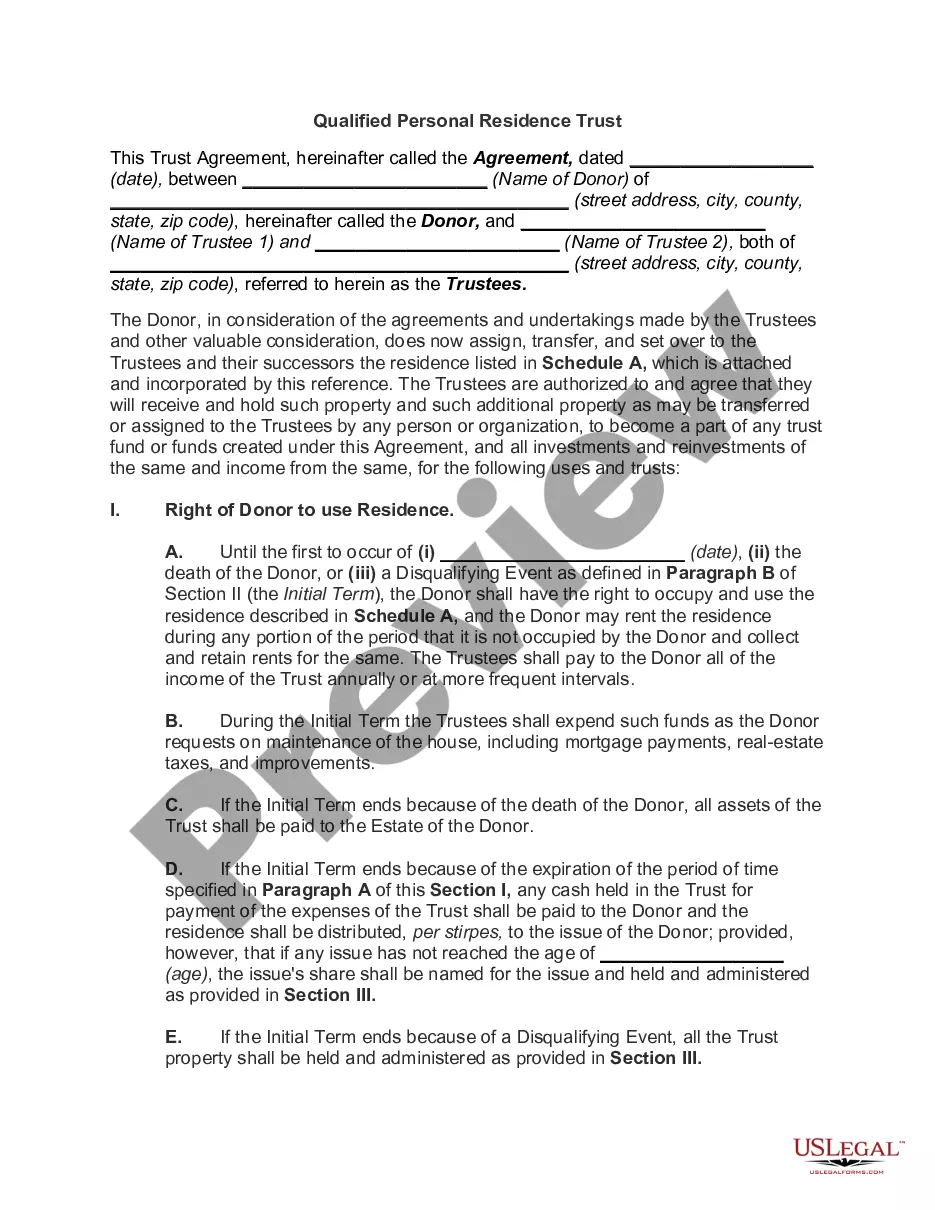
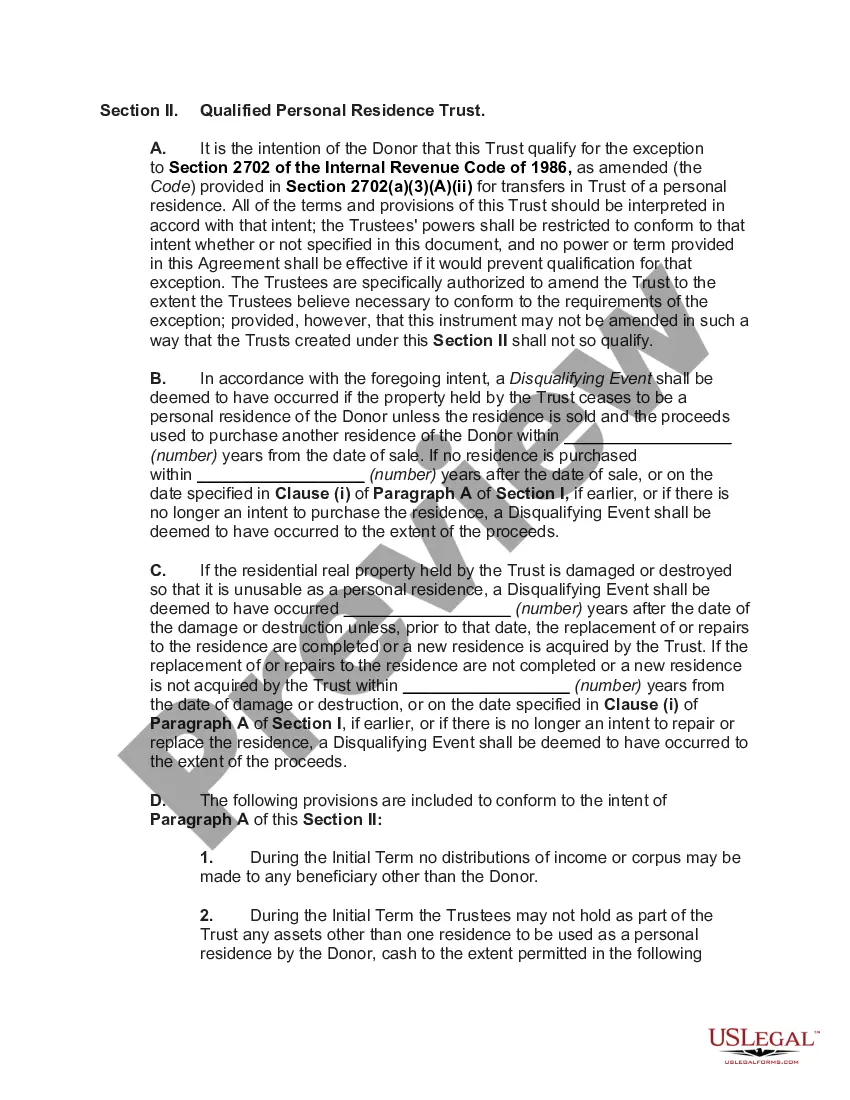
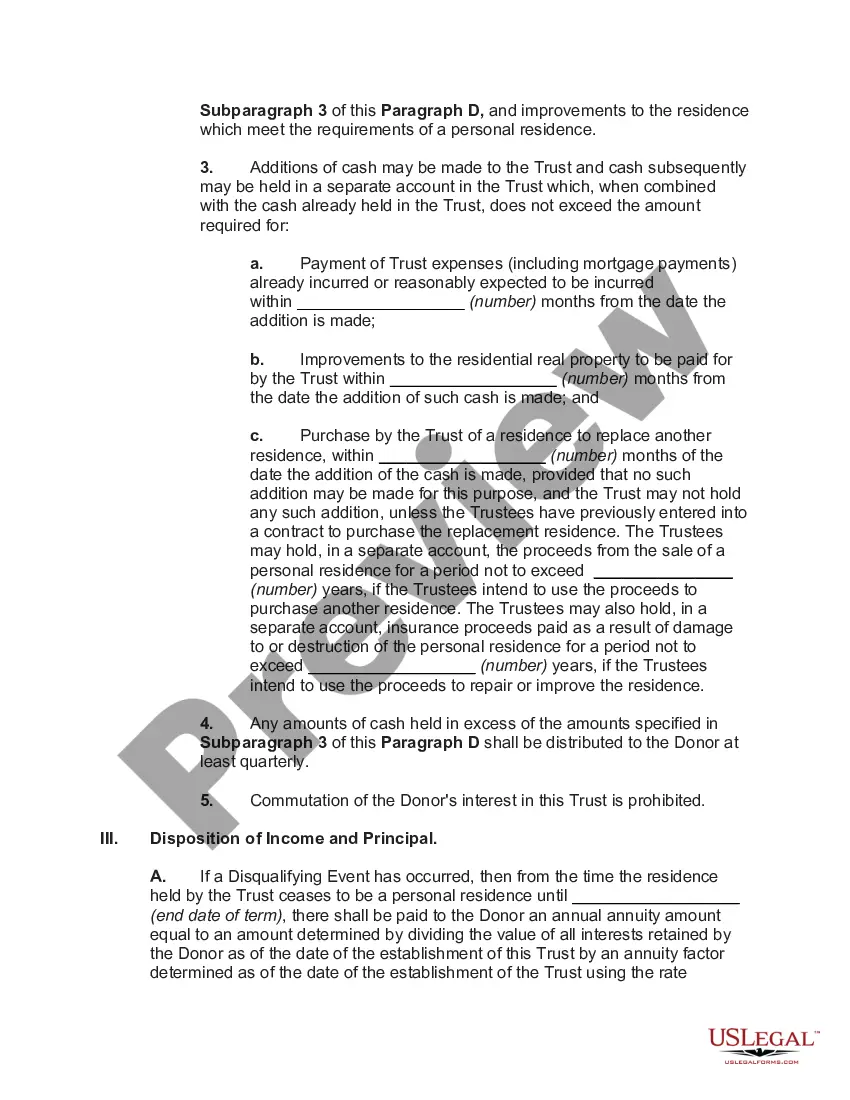
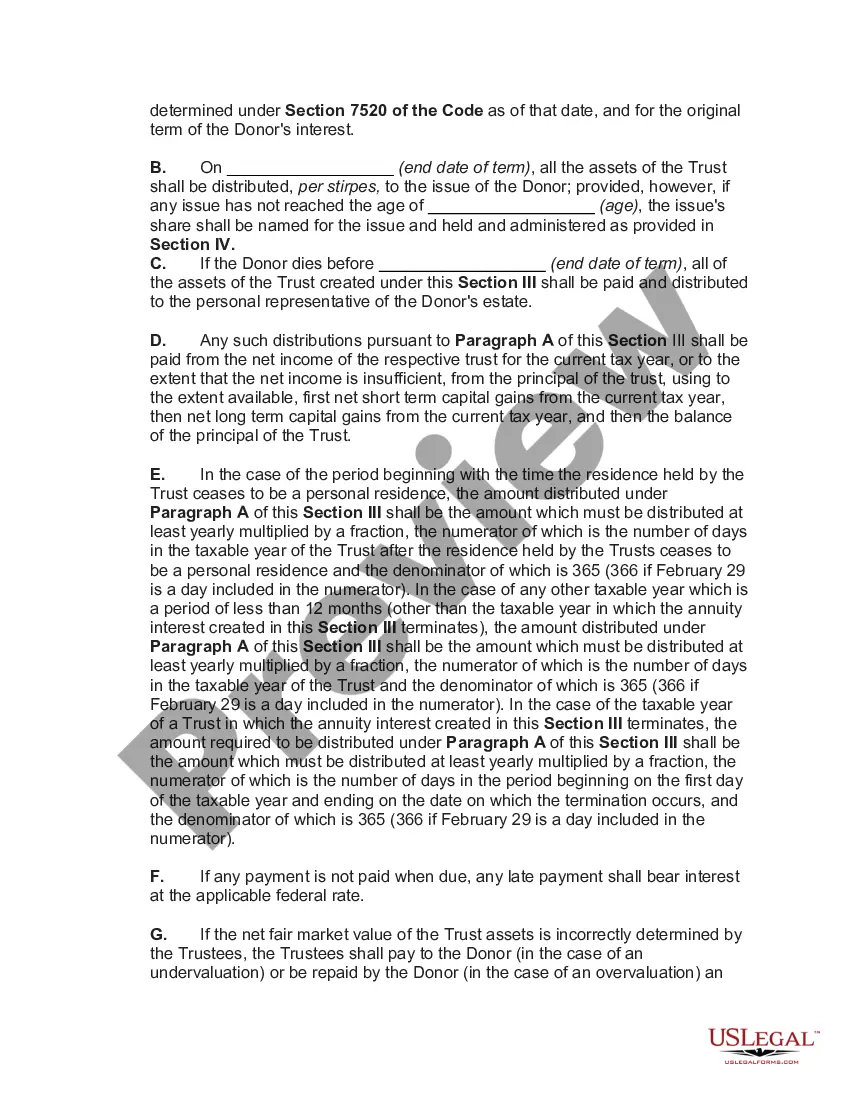

Get your form ready online
Our built-in tools help you complete, sign, share, and store your documents in one place.
Make edits, fill in missing information, and update formatting in US Legal Forms—just like you would in MS Word.
Download a copy, print it, send it by email, or mail it via USPS—whatever works best for your next step.
Sign and collect signatures with our SignNow integration. Send to multiple recipients, set reminders, and more. Go Premium to unlock E-Sign.
If this form requires notarization, complete it online through a secure video call—no need to meet a notary in person or wait for an appointment.
We protect your documents and personal data by following strict security and privacy standards.

Make edits, fill in missing information, and update formatting in US Legal Forms—just like you would in MS Word.

Download a copy, print it, send it by email, or mail it via USPS—whatever works best for your next step.

Sign and collect signatures with our SignNow integration. Send to multiple recipients, set reminders, and more. Go Premium to unlock E-Sign.

If this form requires notarization, complete it online through a secure video call—no need to meet a notary in person or wait for an appointment.

We protect your documents and personal data by following strict security and privacy standards.
Looking for another form?

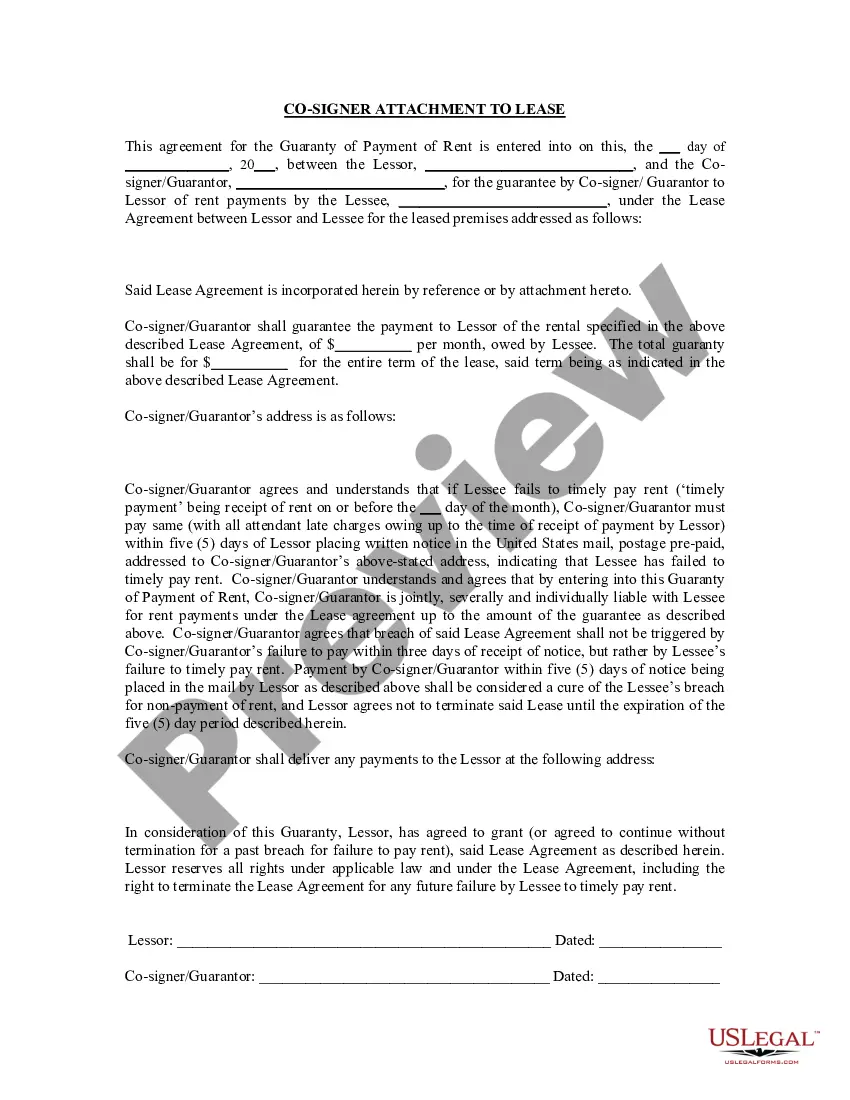




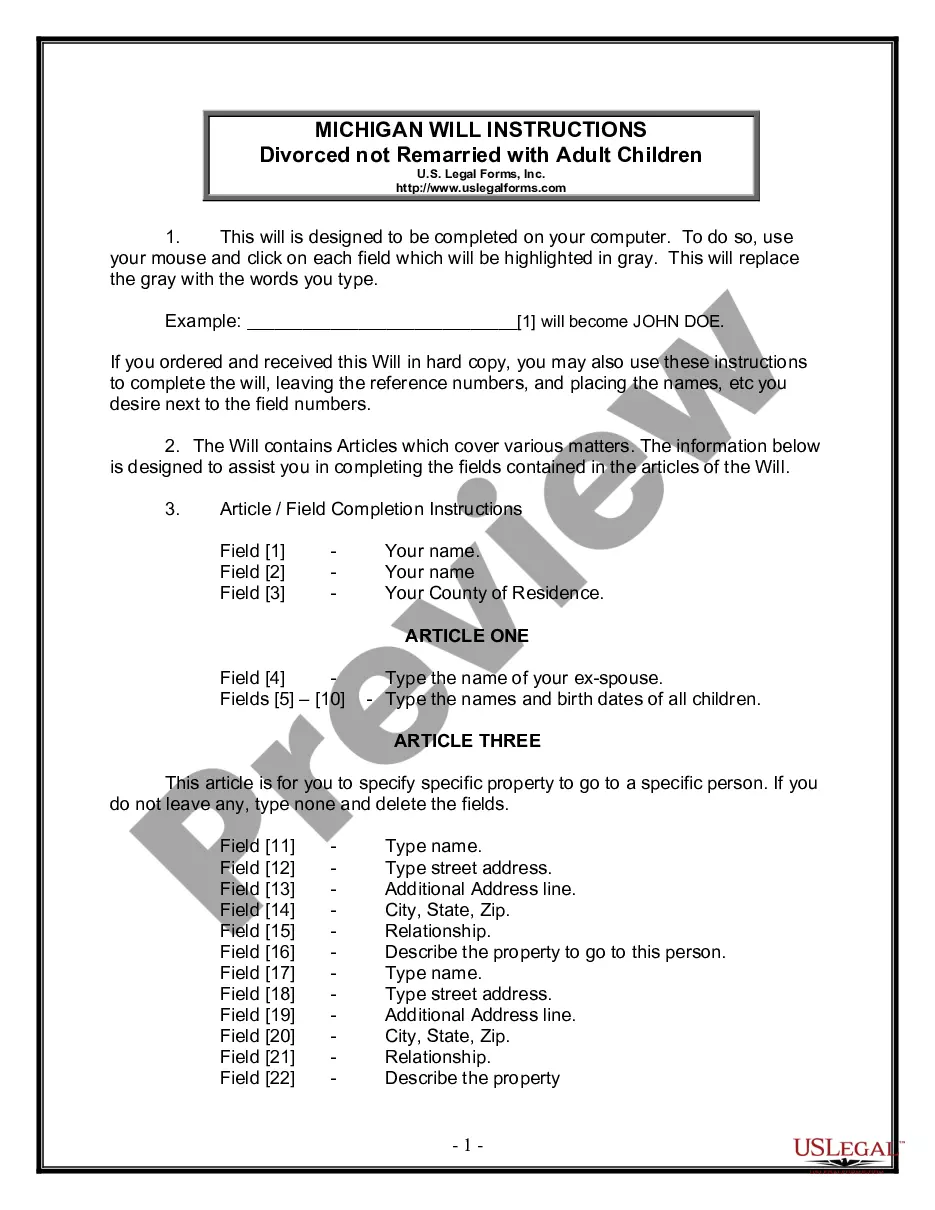


How to fill out Qualified Personal Residence Trust?
- Log in to your existing US Legal Forms account and ensure your subscription is active. Click the Download button to retrieve the form you need.
- If you're new, begin by reviewing the form previews and descriptions. Confirm that the document aligns with your requirements and local laws.
- Should you need another template, utilize the Search tab to find additional forms that meet your criteria.
- Select your desired document and click the Buy Now button to choose a subscription plan. You will need to register for an account to access all resources.
- Complete your purchase by entering your payment details, either via credit card or PayPal.
- Finally, download the form to your device. You can always return to the My Forms section in your profile to access it later.
By utilizing US Legal Forms, personal traders can easily navigate legal requirements and maintain compliance. Their extensive library ensures you find the precise documents necessary to support your trading activities.
Start your journey with US Legal Forms today and streamline your legal document needs!
Form popularity
FAQ
The 3 5 7 rule in trading serves as a guideline for managing risk and establishing profit targets. It suggests taking three trades a week, aiming for five percent profits per trade, and limiting losses to seven percent. As a personal trader, adopting this rule can help you maintain discipline and encourage long-term profitability.
To earn $500 a day as a personal trader, focus on developing a disciplined trading plan. Identify high-probability trades and set realistic profit targets. Utilize tools and resources that help with market analysis and consider automating aspects of your trading with reliable software to enhance efficiency.
The income of a day trader can vary widely based on experience, capital, and market conditions. Some personal traders earn a modest return, while others achieve substantial gains. Realistically, new traders should aim for steady growth rather than large profits initially, understanding that consistent, small wins can accumulate over time.
Earning $500 a day as a personal trader is feasible, but it requires dedication and a solid trading strategy. You need to understand the market dynamics, manage risks effectively, and make informed decisions. Building a consistent income takes time and involves continuous learning and refinement of your approach.
A personal trader is someone who manages their own investment portfolio, buying and selling assets based on their financial goals and market analysis. This role provides individuals with the freedom to make personalized trading decisions. Many turn to platforms like US Legal Forms to access resources that can help streamline their trading process and improve their trading strategy.
The income of a personal trader varies greatly depending on several factors, including market conditions and the trader's skills. Some traders may earn a modest sum, while others achieve significant profits through successful strategies. Ultimately, your potential income as a personal trader depends on your experience, capital invested, and risk management practices.
A personal trade can refer to a scenario where an individual trader purchases shares of a company they believe will perform well. For instance, if you buy shares of a tech firm after analyzing its earnings report, that transaction illustrates a personal trade. This kind of trading allows you to express your investment strategy and goals directly.
The $25,000 minimum requirement is mandated by the SEC for anyone wishing to be classified as a pattern day trader. This regulation aims to ensure that traders have enough capital to support their trading activities and manage risks effectively. By having this minimum amount in your trading account, you can avoid restrictions and engage in day trading strategies more freely.
An individual trader is a person who buys and sells financial instruments, like stocks or options, primarily for their own account. Unlike institutional traders, individual traders often operate on a smaller scale and may use their own capital to make trades. This role allows them to make investment decisions based on personal research and market analysis, focusing on their unique financial goals.
Your classification as a trader stems from the volume and frequency of your trades, as well as your intention behind each trade. Personal traders are actively involved in the market, making trades with the aim of generating profit on a regular basis. If your primary focus is trading versus investing, you are more likely to be classified as a trader. Always ensure your trading activities are documented clearly to support this classification.