Qdot
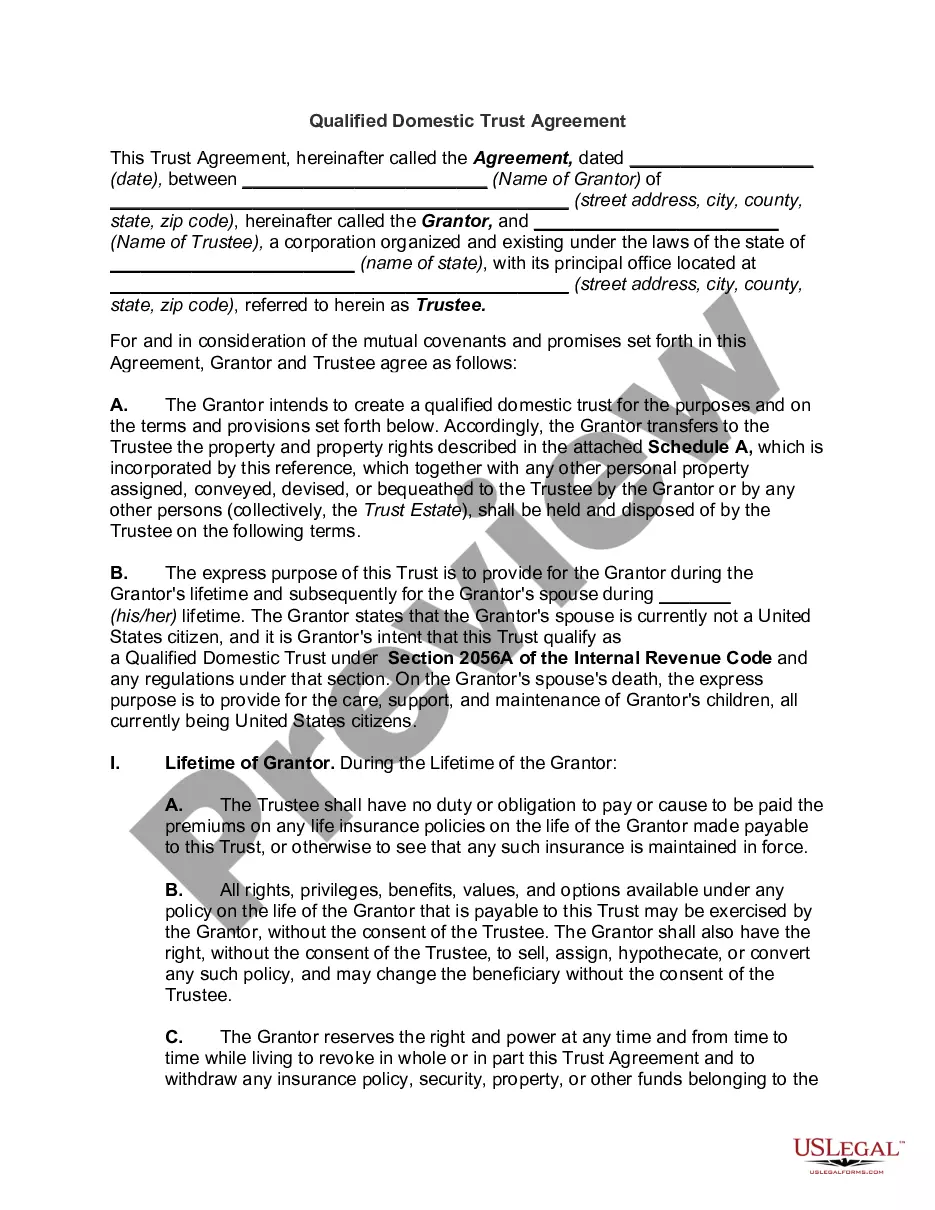
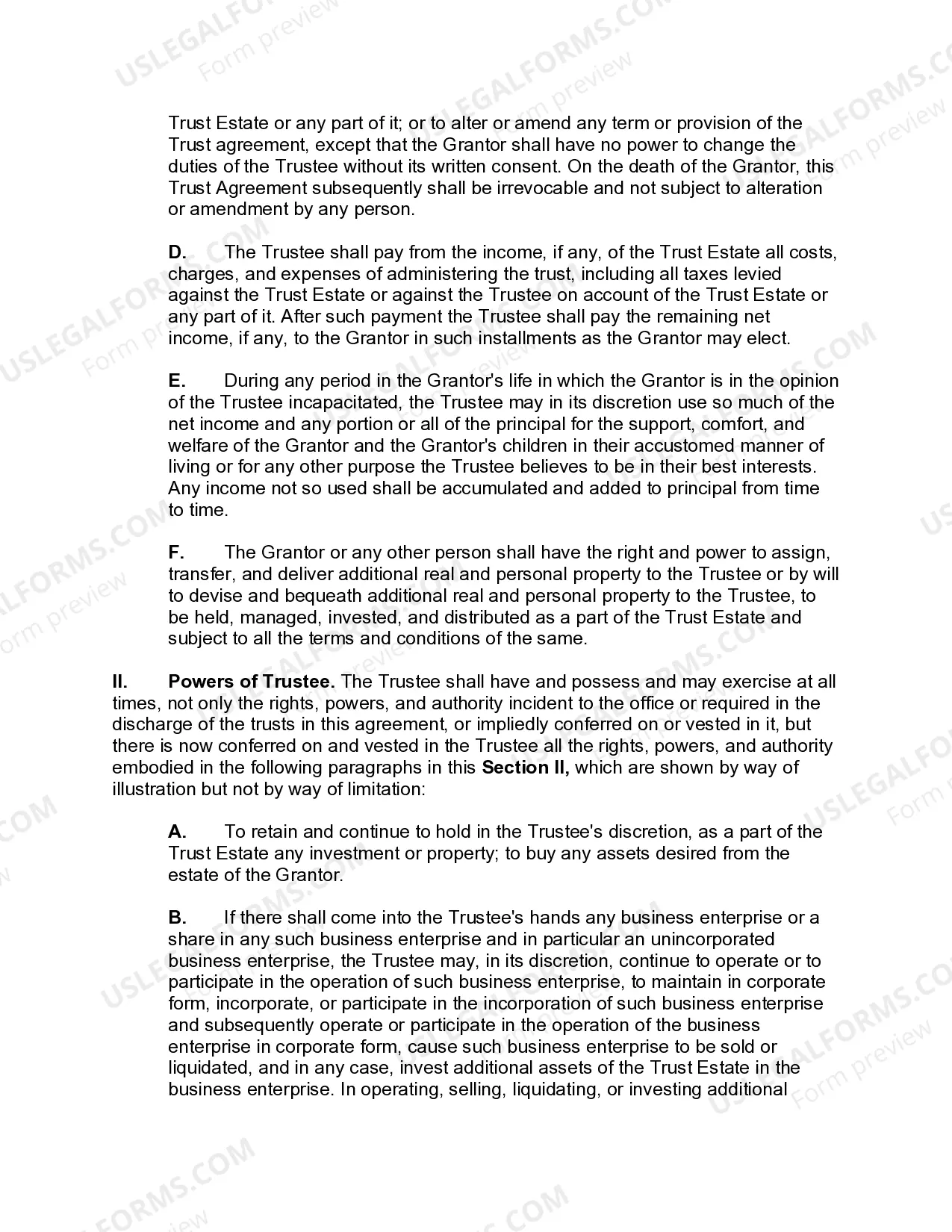
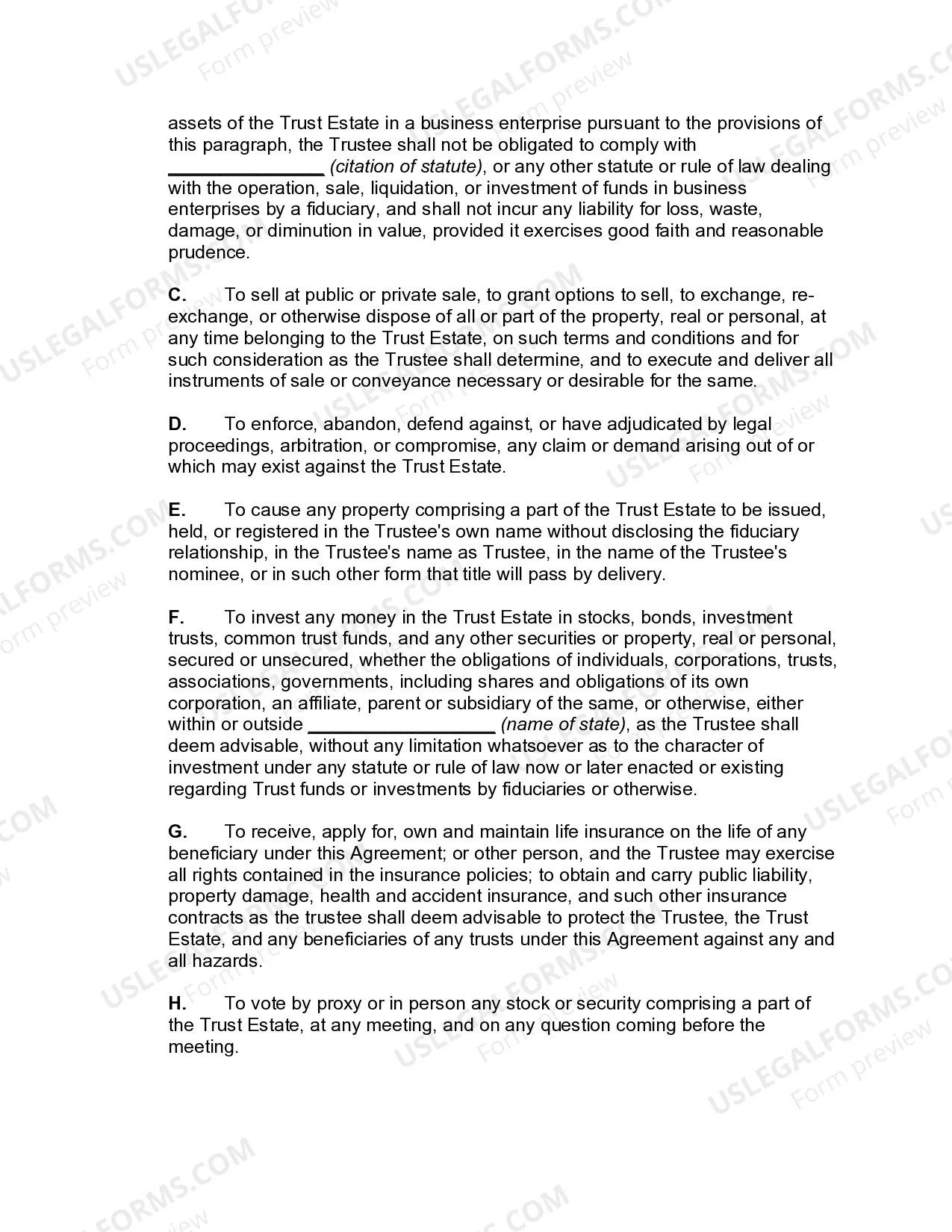
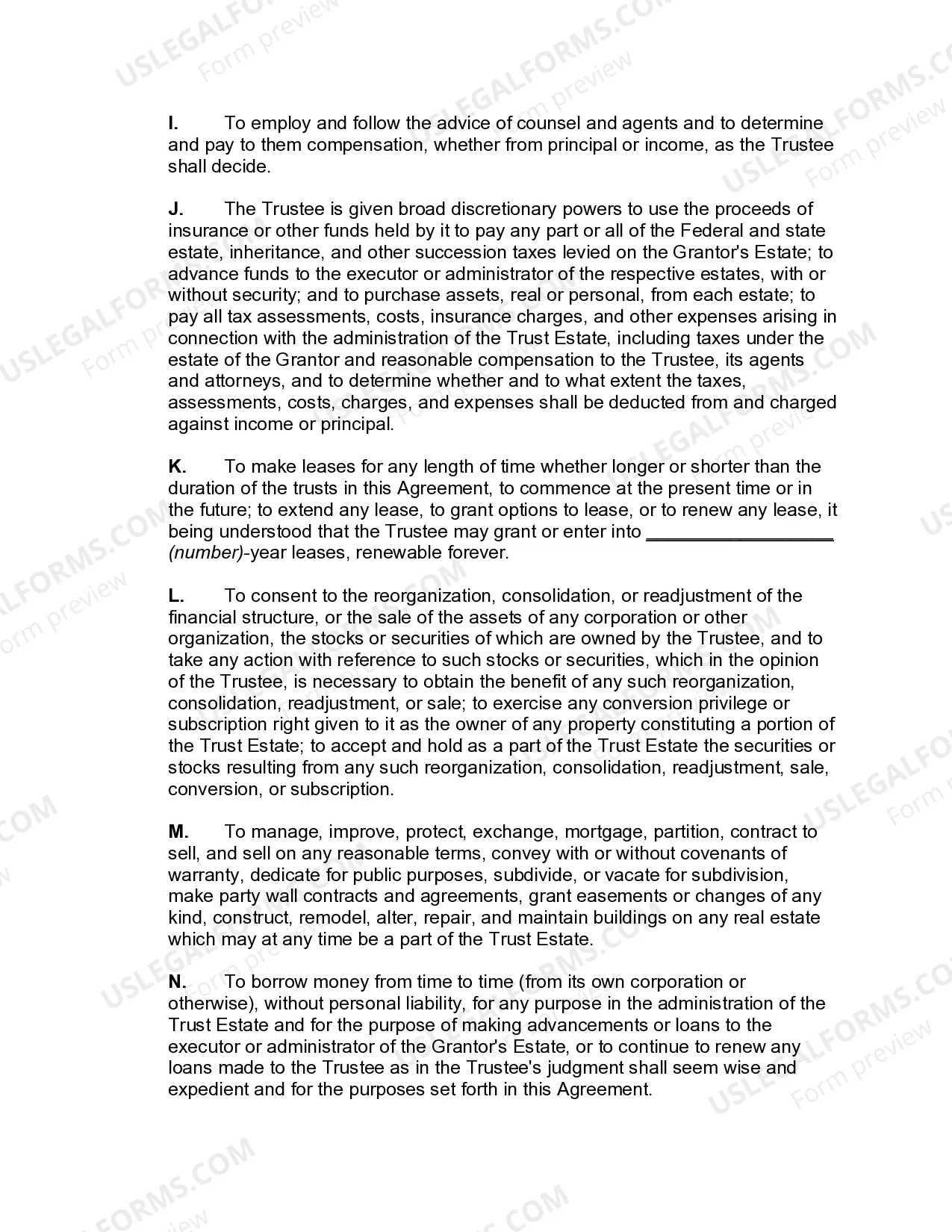
Description
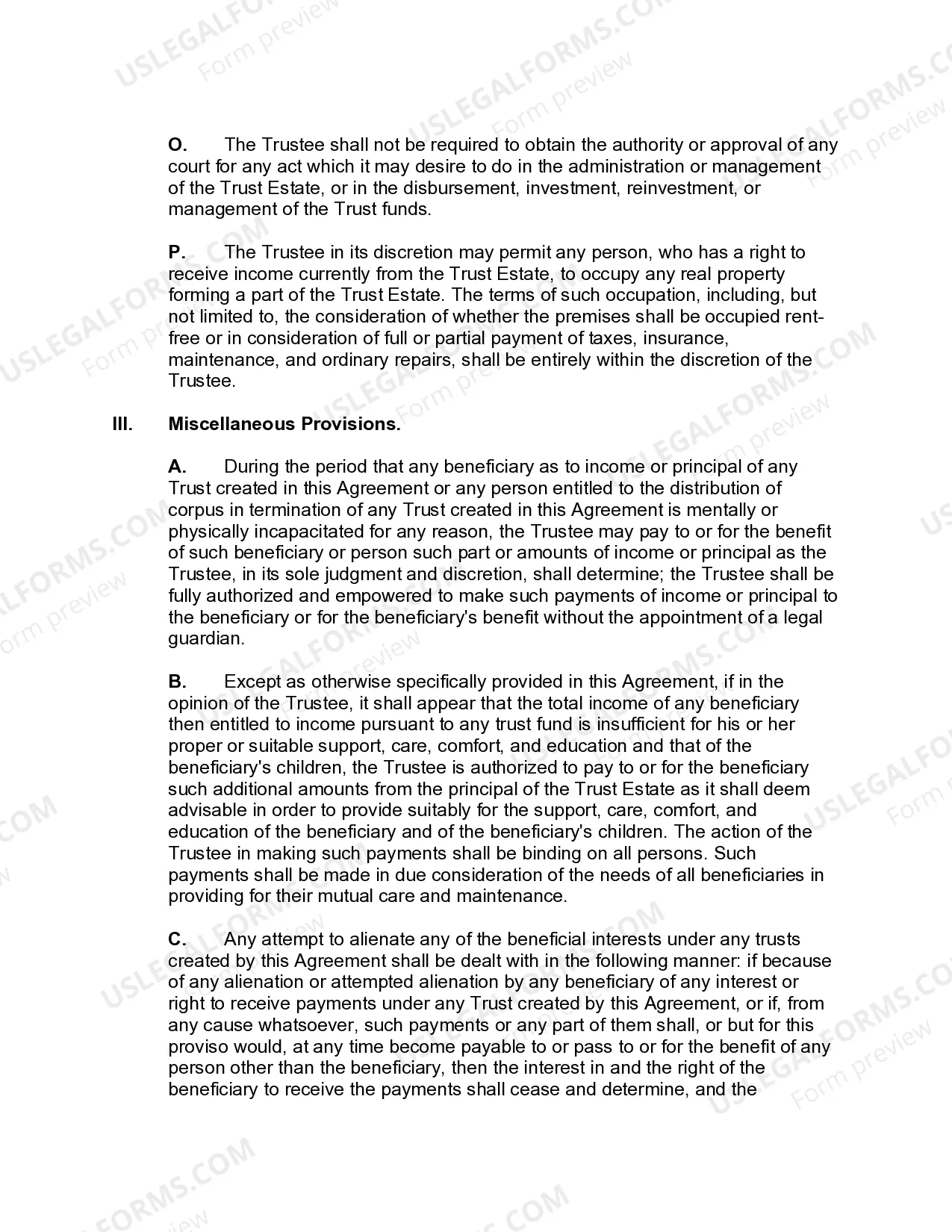
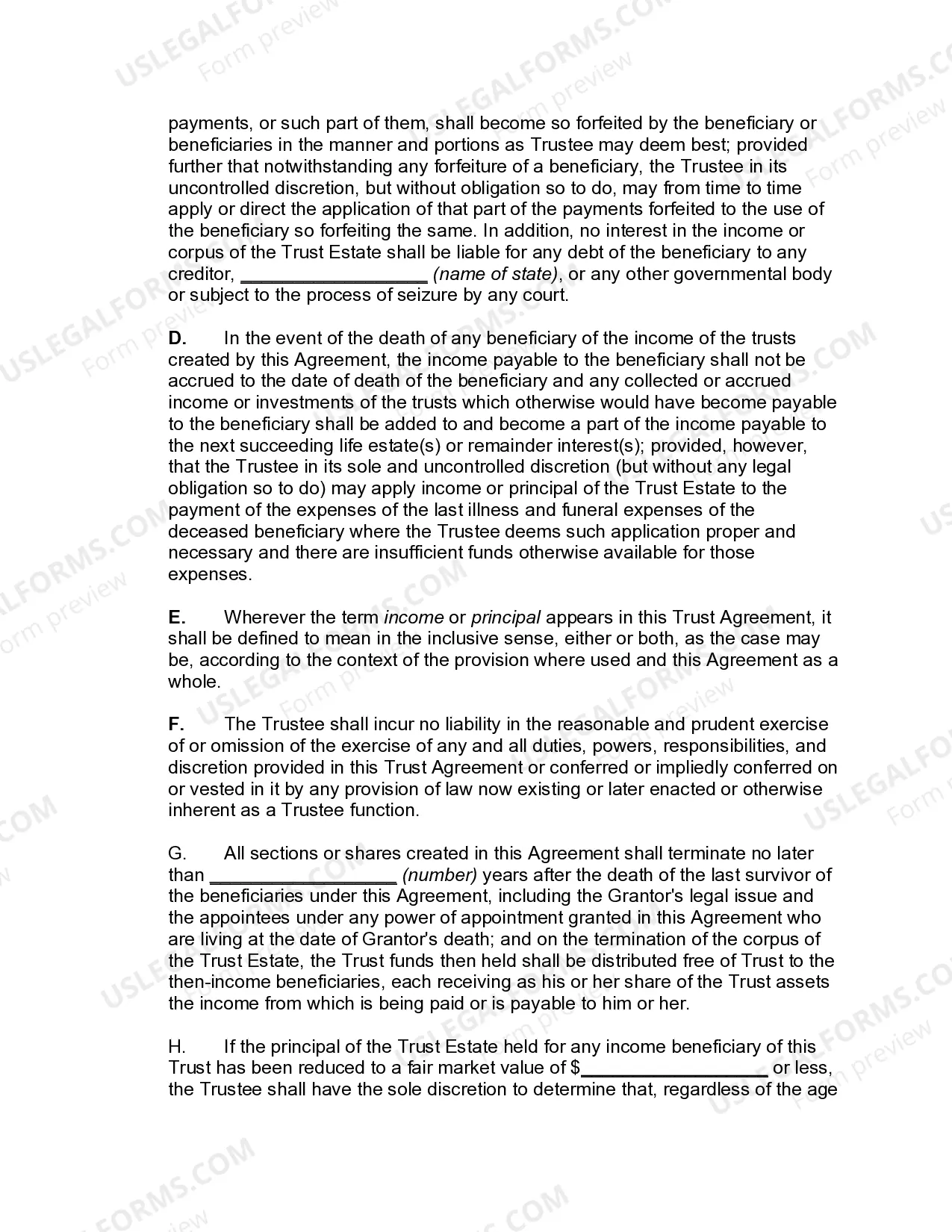
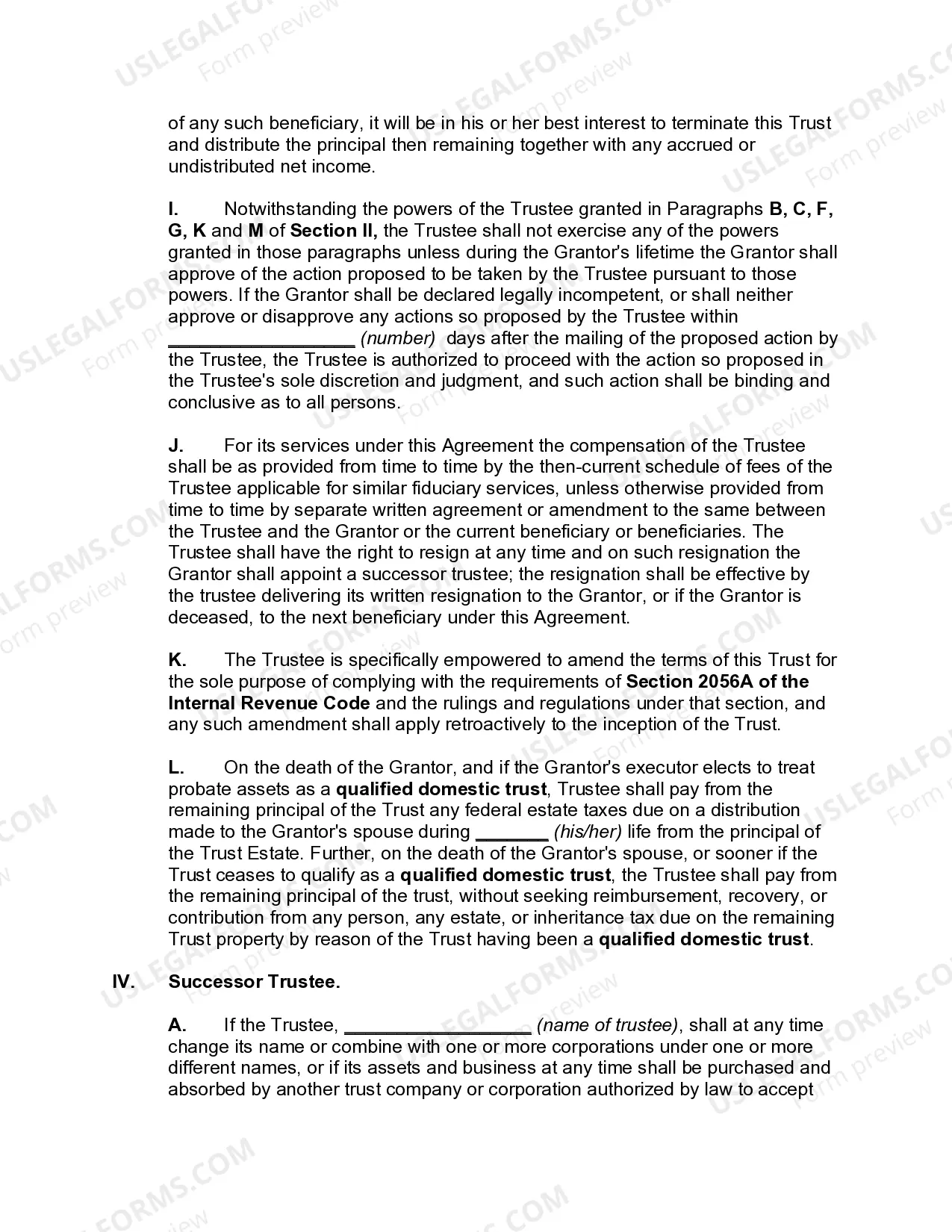
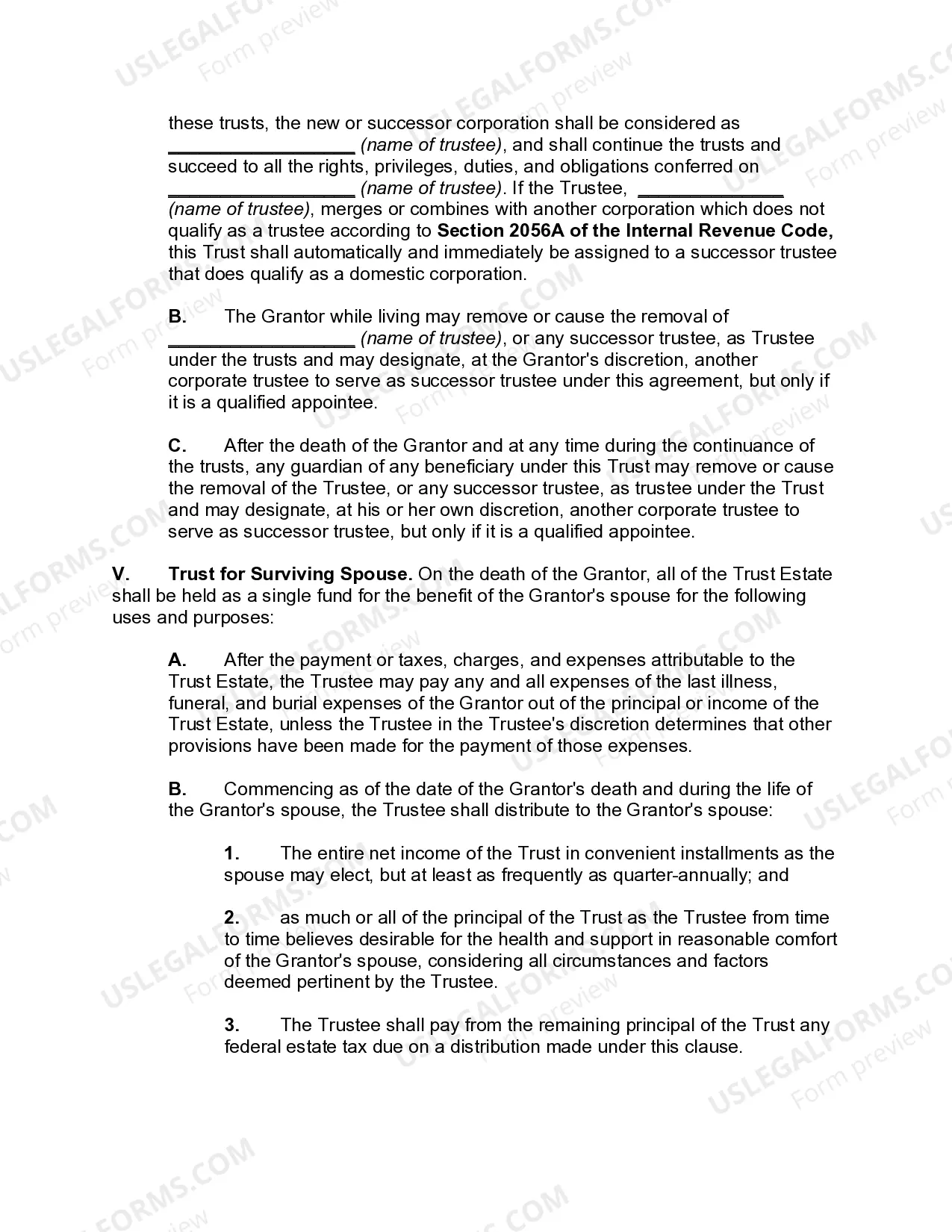
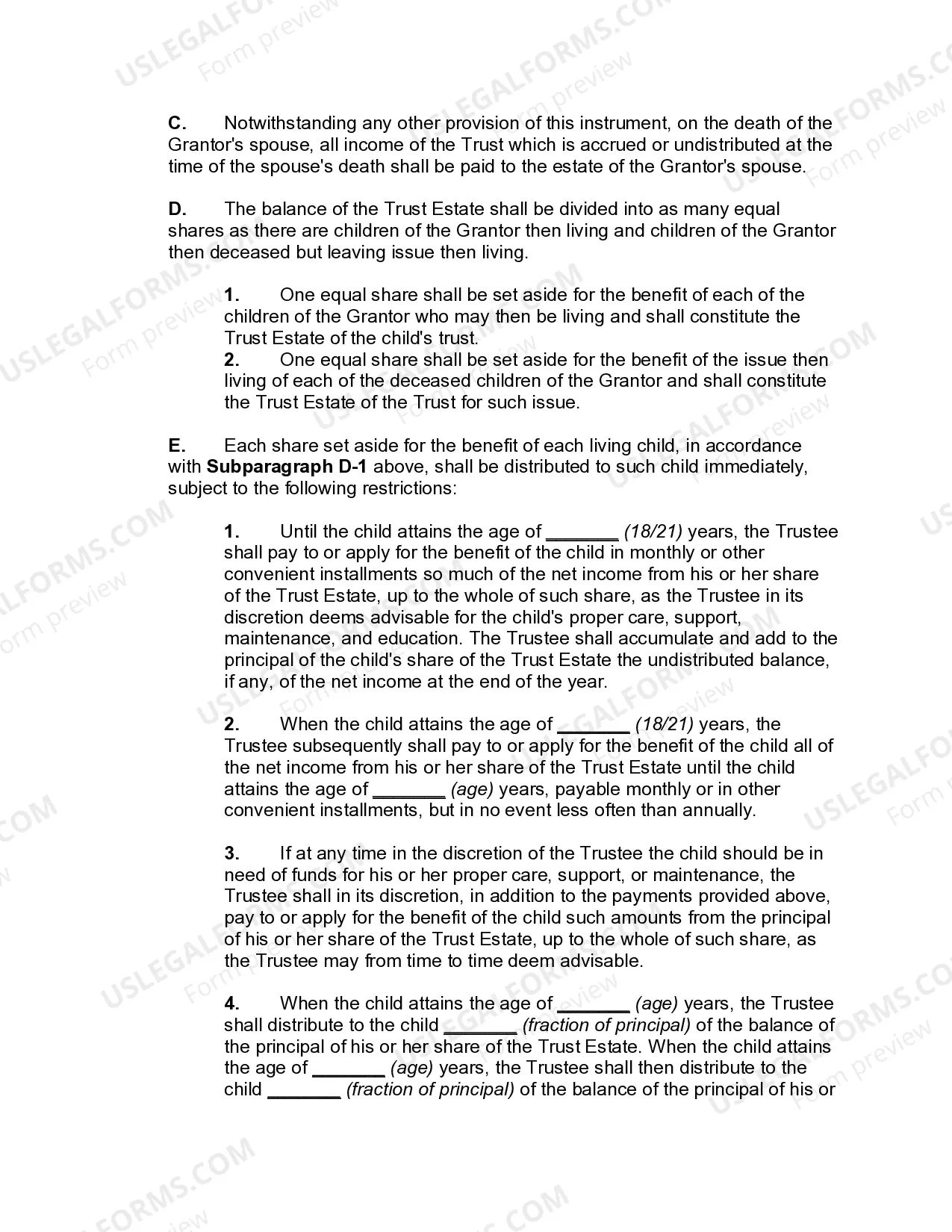
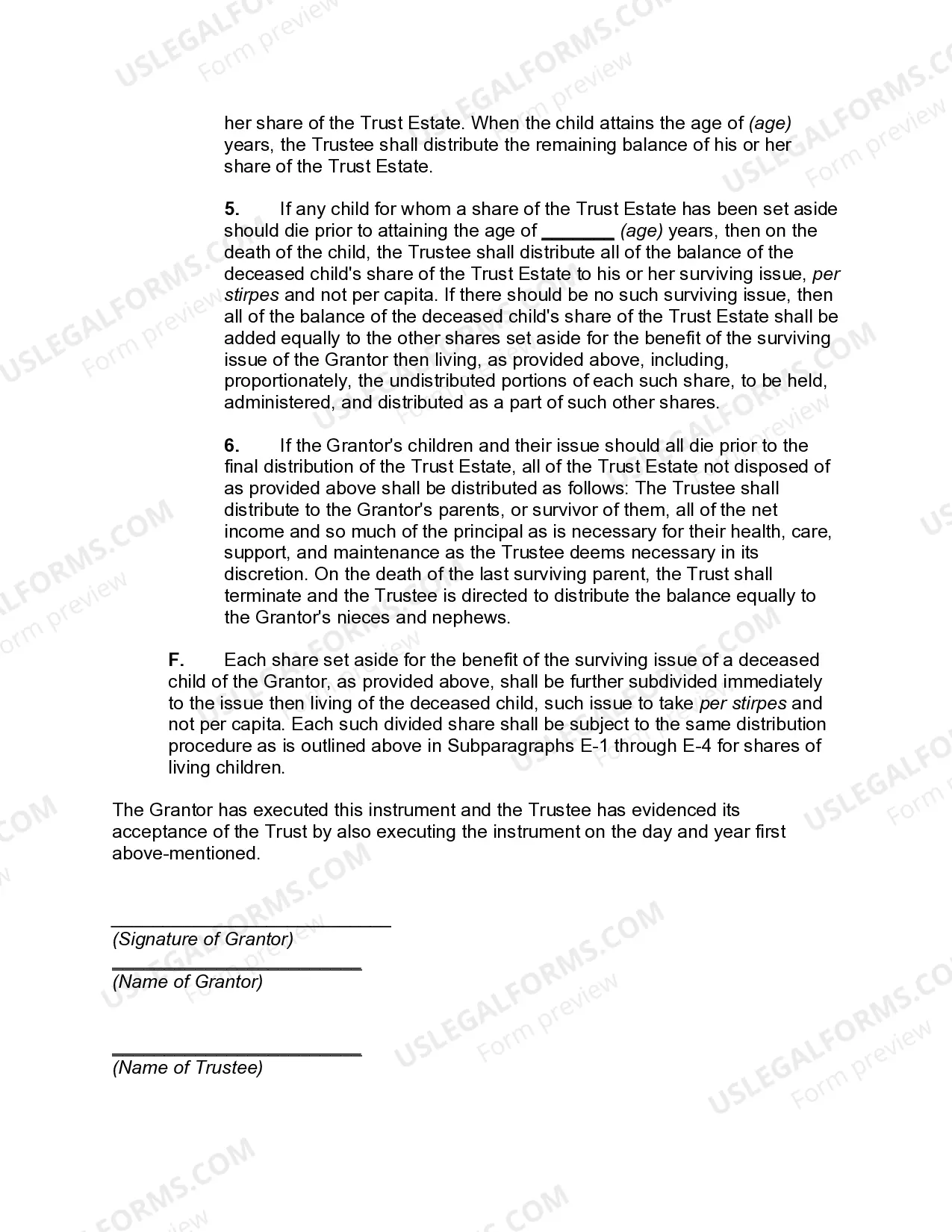

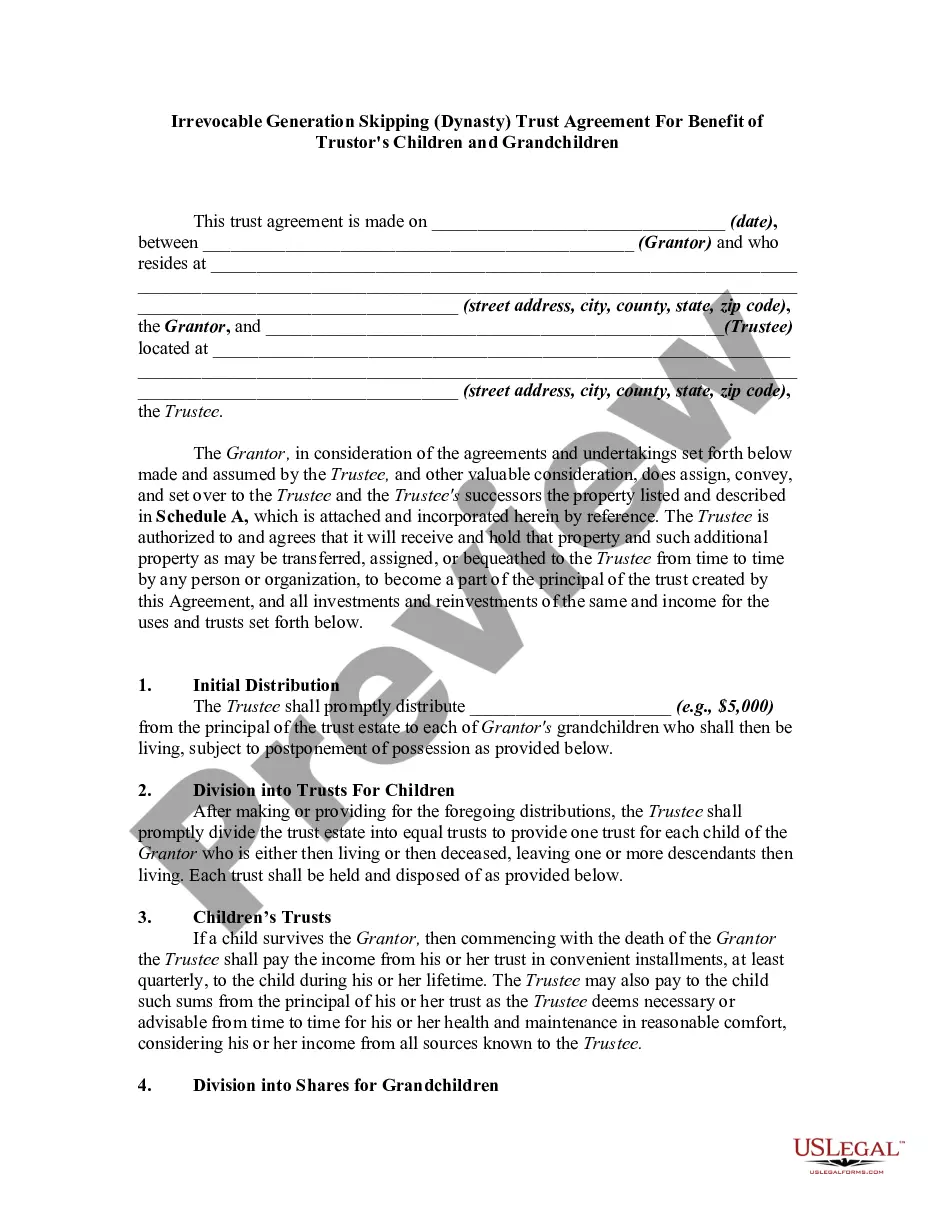

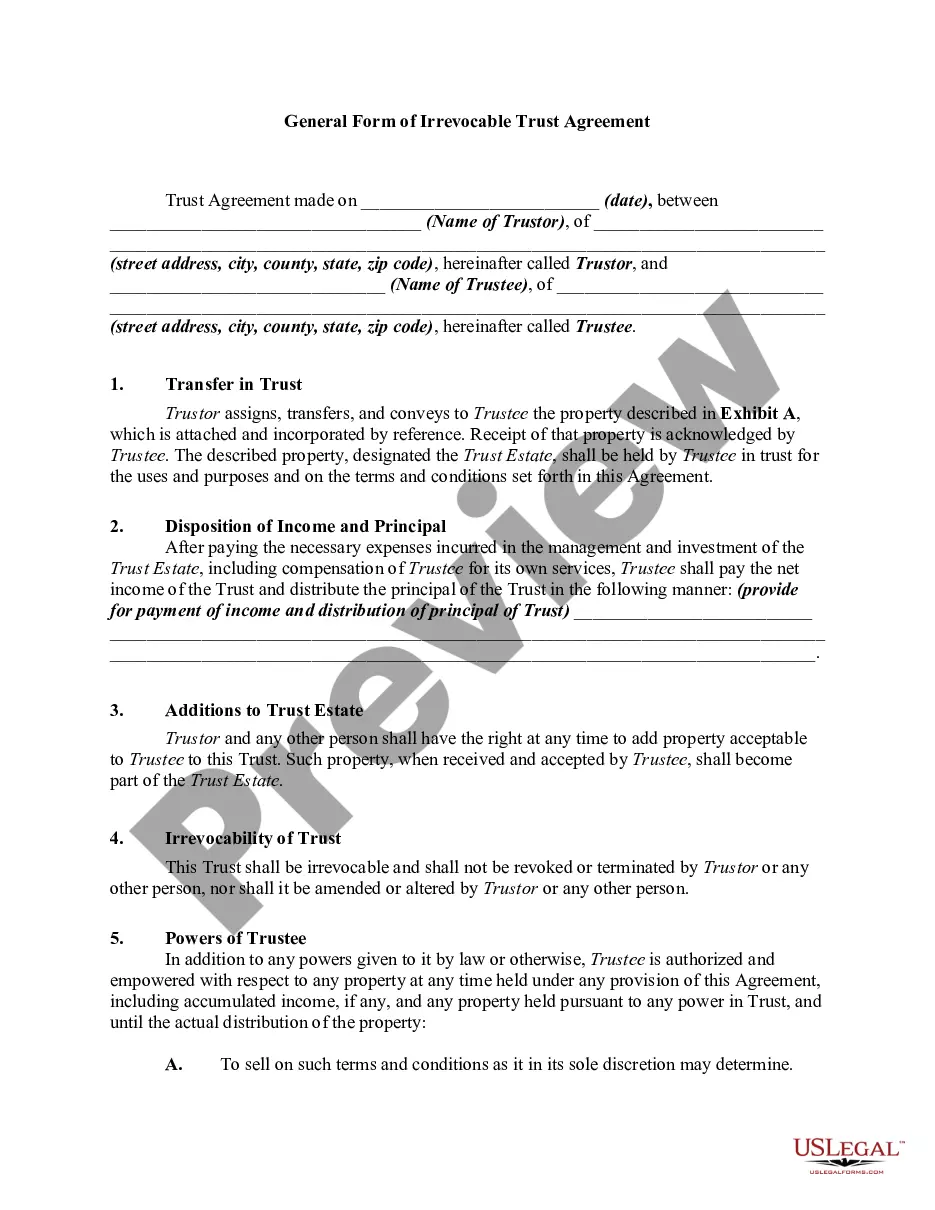
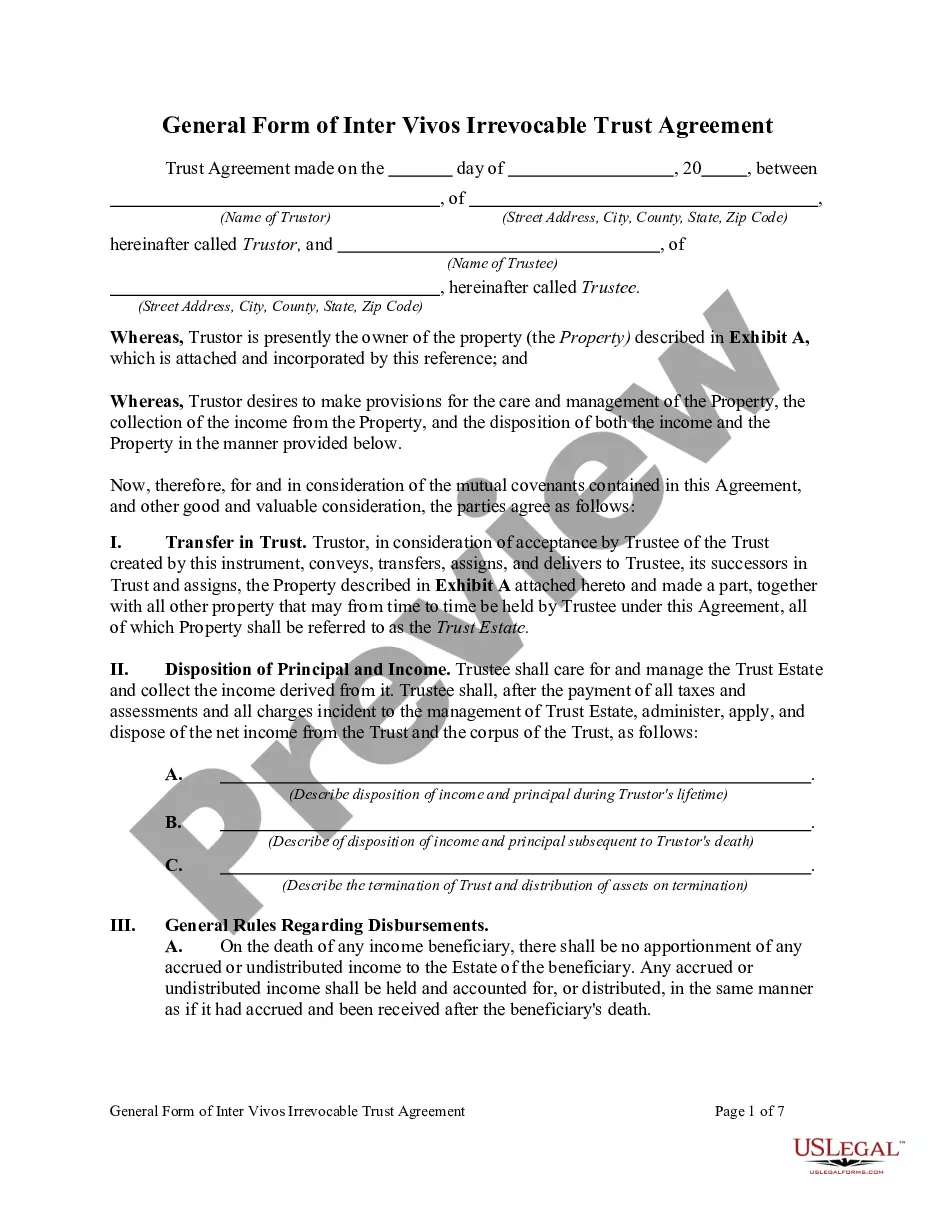
Get your form ready online
Our built-in tools help you complete, sign, share, and store your documents in one place.
Make edits, fill in missing information, and update formatting in US Legal Forms—just like you would in MS Word.
Download a copy, print it, send it by email, or mail it via USPS—whatever works best for your next step.
Sign and collect signatures with our SignNow integration. Send to multiple recipients, set reminders, and more. Go Premium to unlock E-Sign.
If this form requires notarization, complete it online through a secure video call—no need to meet a notary in person or wait for an appointment.
We protect your documents and personal data by following strict security and privacy standards.

Make edits, fill in missing information, and update formatting in US Legal Forms—just like you would in MS Word.

Download a copy, print it, send it by email, or mail it via USPS—whatever works best for your next step.

Sign and collect signatures with our SignNow integration. Send to multiple recipients, set reminders, and more. Go Premium to unlock E-Sign.

If this form requires notarization, complete it online through a secure video call—no need to meet a notary in person or wait for an appointment.

We protect your documents and personal data by following strict security and privacy standards.
Looking for another form?
How to fill out Qualified Domestic Trust Agreement?
- Log in to your Qdot account if you're a returning user; ensure your subscription is active. If needed, renew it according to your payment plan.
- For first-time users, start by reviewing the Preview mode and description of the legal form you need. Confirm that it meets your requirements and is compliant with your local jurisdiction.
- If the form is not suitable, utilize the Search feature at the top to find a more appropriate template. Once found, continue to the next step.
- Purchase the document by clicking on the Buy Now button, selecting your preferred subscription plan, and registering for an account to access the library's resources.
- Complete your purchase by entering your credit card information or using your PayPal account to secure the subscription.
- Finally, download the form directly to your device. You can revisit it anytime in the My Forms section of your Qdot profile.
In conclusion, US Legal Forms through Qdot offers unparalleled convenience with its vast library and user-friendly interface.
Start today and make your legal documentation task easier!
Form popularity
FAQ
A Qualified Terminable Interest Property (QTIP) trust has distinct requirements. First, the trust must provide all income generated to the surviving spouse during their lifetime. Additionally, the trust must specify that the assets will go to the designated beneficiaries after the spouse's death. For comprehensive guidance on setting up a QTIP trust, visit US Legal Forms to access reliable templates and information.
A QDOT trust needs to meet certain conditions to qualify for tax benefits. It must contain provisions that give the U.S. trustee authority over distributions of the trust income. Furthermore, it must ensure that the trust pays any federal estate tax that becomes due. Using US Legal Forms can assist you in drafting a compliant Qdot trust, ensuring you meet all legal requirements.
Filling out a withholding exemption form involves providing accurate personal information and claiming the appropriate number of allowances. First, gather details such as your filing status and total annual income. Make sure to review the instructions carefully to ensure proper completion. US Legal Forms provides templates and guidance to help you fill out this form correctly, making the process easier.
To establish a Qualified Domestic Trust (QDT), you must meet specific criteria. First, the trust must be created for the benefit of your spouse, who is not a U.S. citizen. Additionally, the trust must comply with IRS regulations, and you must ensure that the funds are managed properly for tax benefits. Utilizing resources like US Legal Forms can simplify the process of setting up a QDT.
The primary difference between a QTIP, or Qualified Terminable Interest Property trust, and a Qdot lies in the beneficiary's citizenship status. A QTIP can be utilized by U.S. citizens to provide income to a surviving spouse, while a Qdot specifically caters to non-citizen spouses. Both trusts provide tax benefits, but they are structured differently under U.S. law.
U.S. citizen can serve as the executor of a U.S. estate, but there may be some technicalities to consider. Specifically, the court might require a local representative to handle certain duties. It's advisable to consult a legal expert to navigate the rules and regulations governing estate administration in your state.
Yes, a non-U.S. citizen can create a trust, including a Qdot, to manage and protect their assets. The trust must comply with U.S. laws and regulations, which can be complex. It's important to work with a legal professional to ensure that the trust is established correctly, particularly if it involves U.S. property or assets.
To establish a Qdot, the trust must meet certain criteria set by the IRS. Importantly, the trust must be created under U.S. law and the non-citizen spouse must be the sole beneficiary. Furthermore, the trust should be funded with assets outlined in the will, and it must meet specific reporting and administrative requirements to benefit from tax exemptions.
A Qdot, or Qualified Domestic Trust, is a special type of trust designed to allow non-citizen spouses to benefit from a decedent's estate without immediate taxation. This trust provides a legal structure that helps protect assets for the surviving spouse while complying with U.S. laws. Using a Qdot ensures that your non-citizen spouse can access the estate's benefits, but it presents specific requirements and limitations.
Qdot represents a central concept in estate planning, particularly concerning the distribution of wealth to beneficiaries. Essentially, Qdot allows you to defer estate taxes on assets that pass to your surviving spouse, ensuring they can maintain their financial stability without an immediate tax burden. This feature is crucial for couples looking to optimize their financial strategies while adhering to tax regulations. Consider using the US Legal Forms platform to find the right documents and guidance to effectively utilize Qdot in your estate planning.