Dot For Dot Meaning
Description
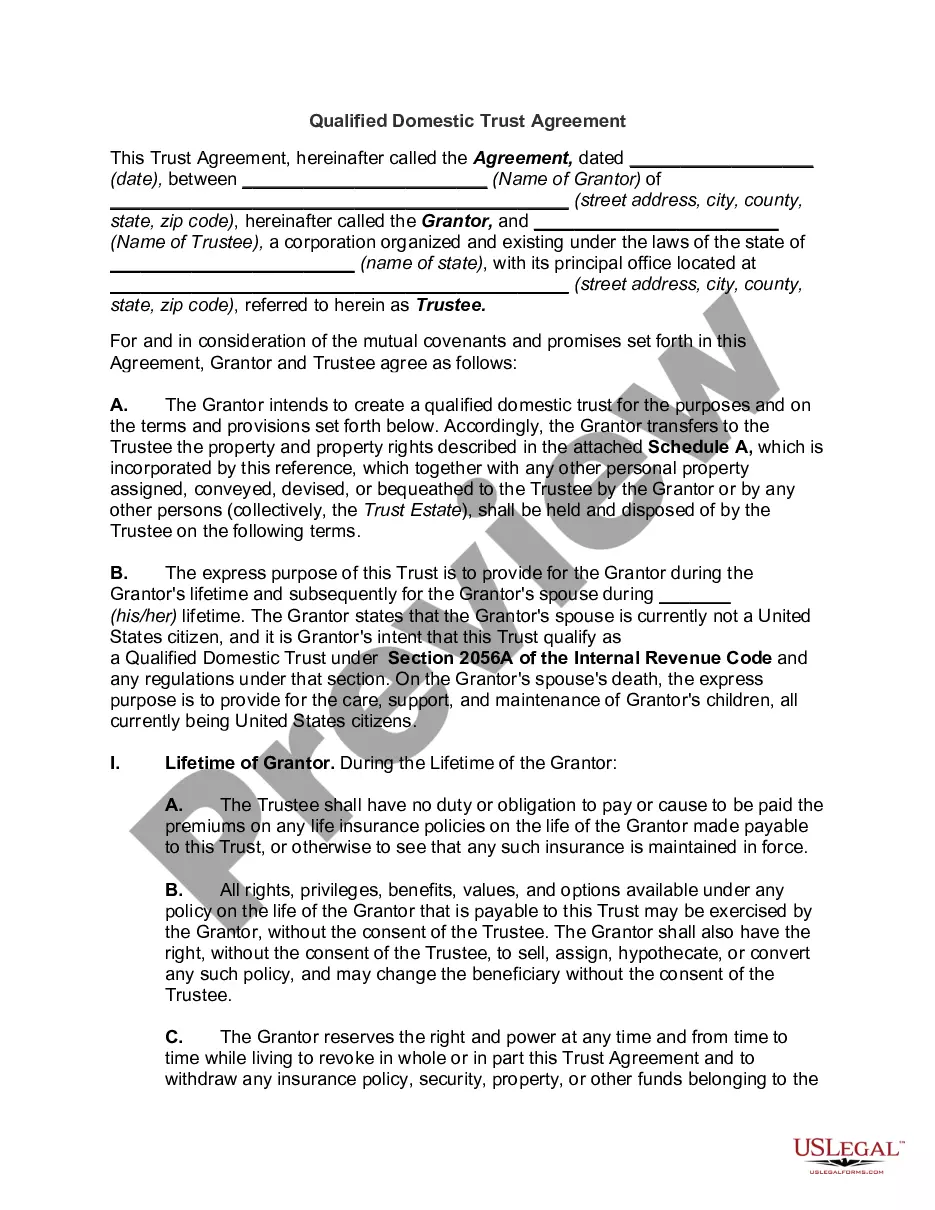
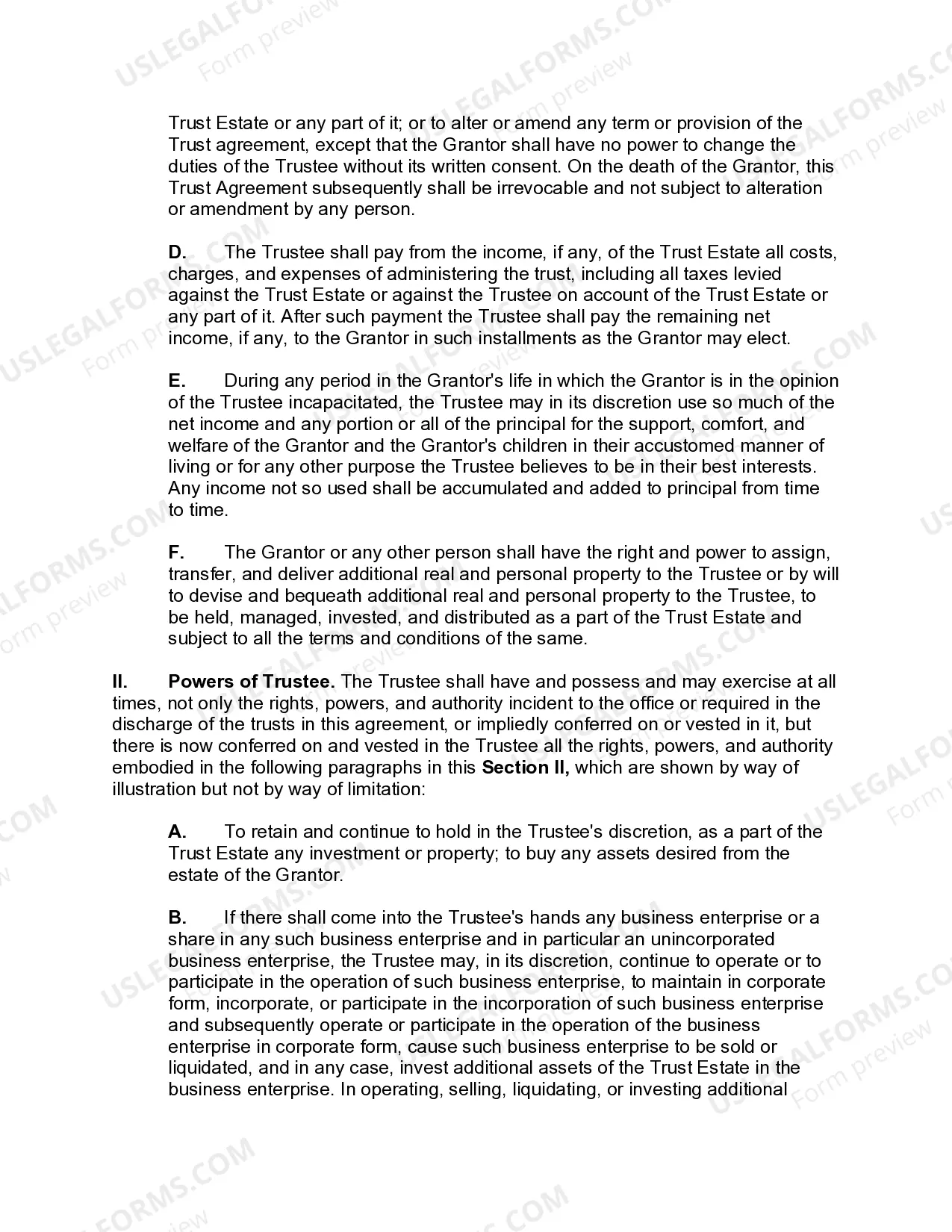
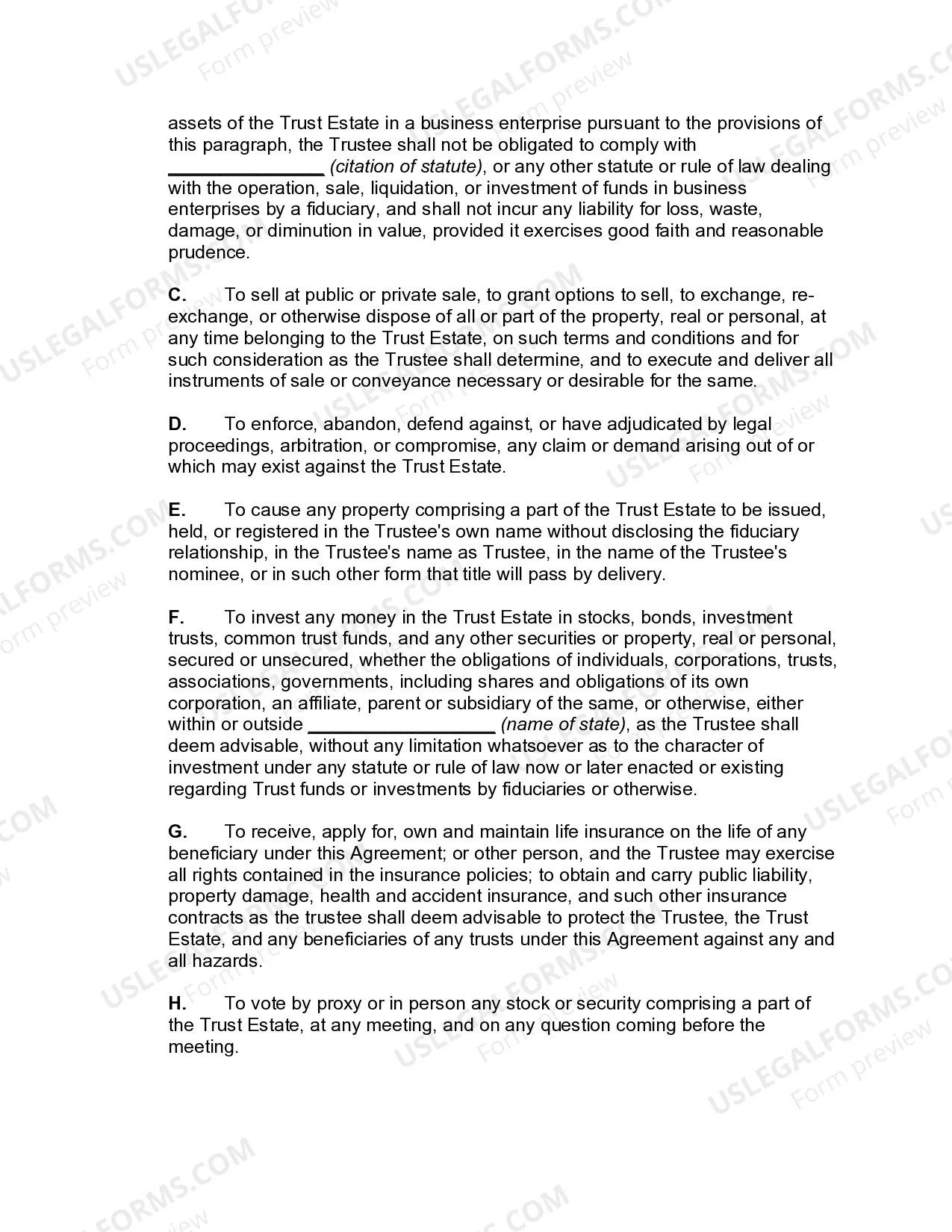
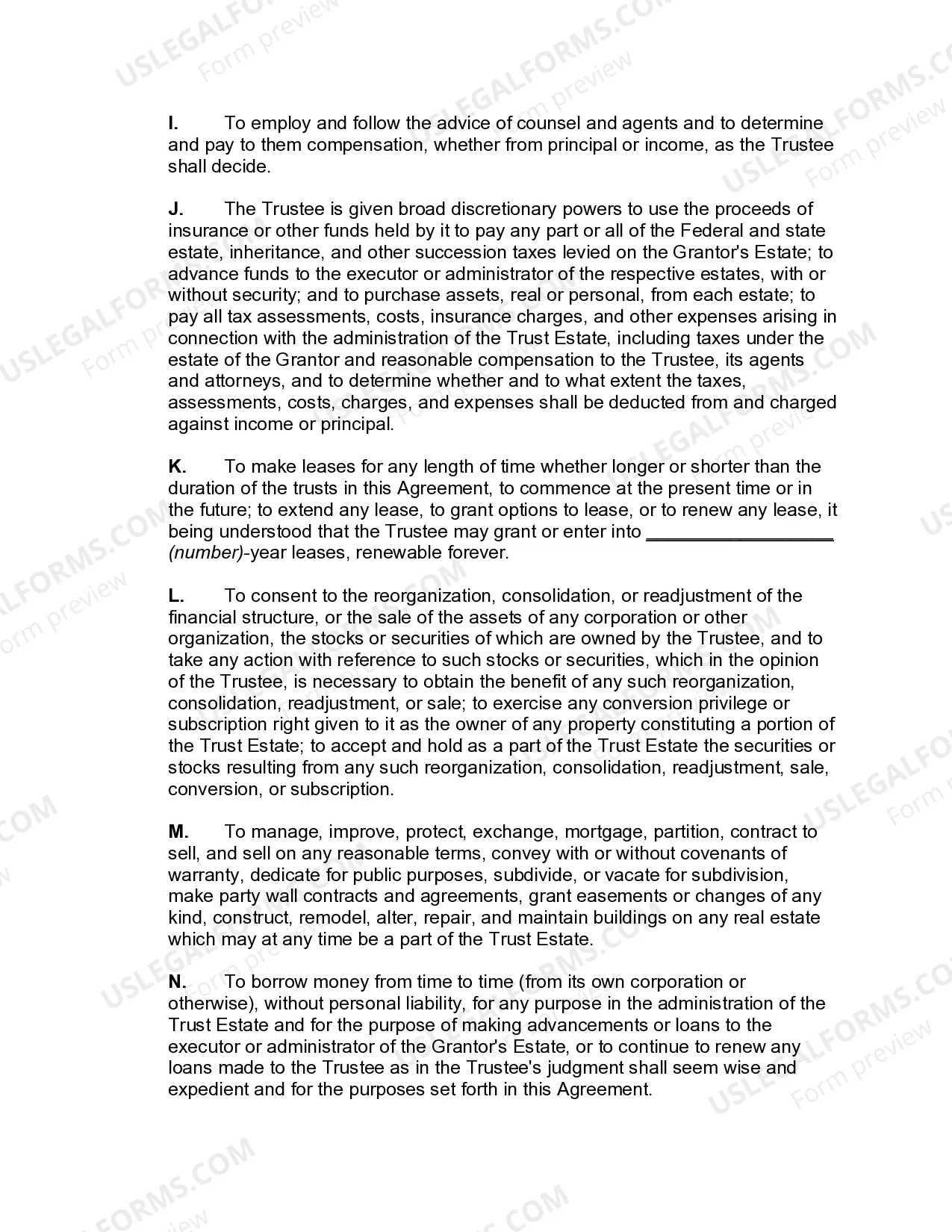
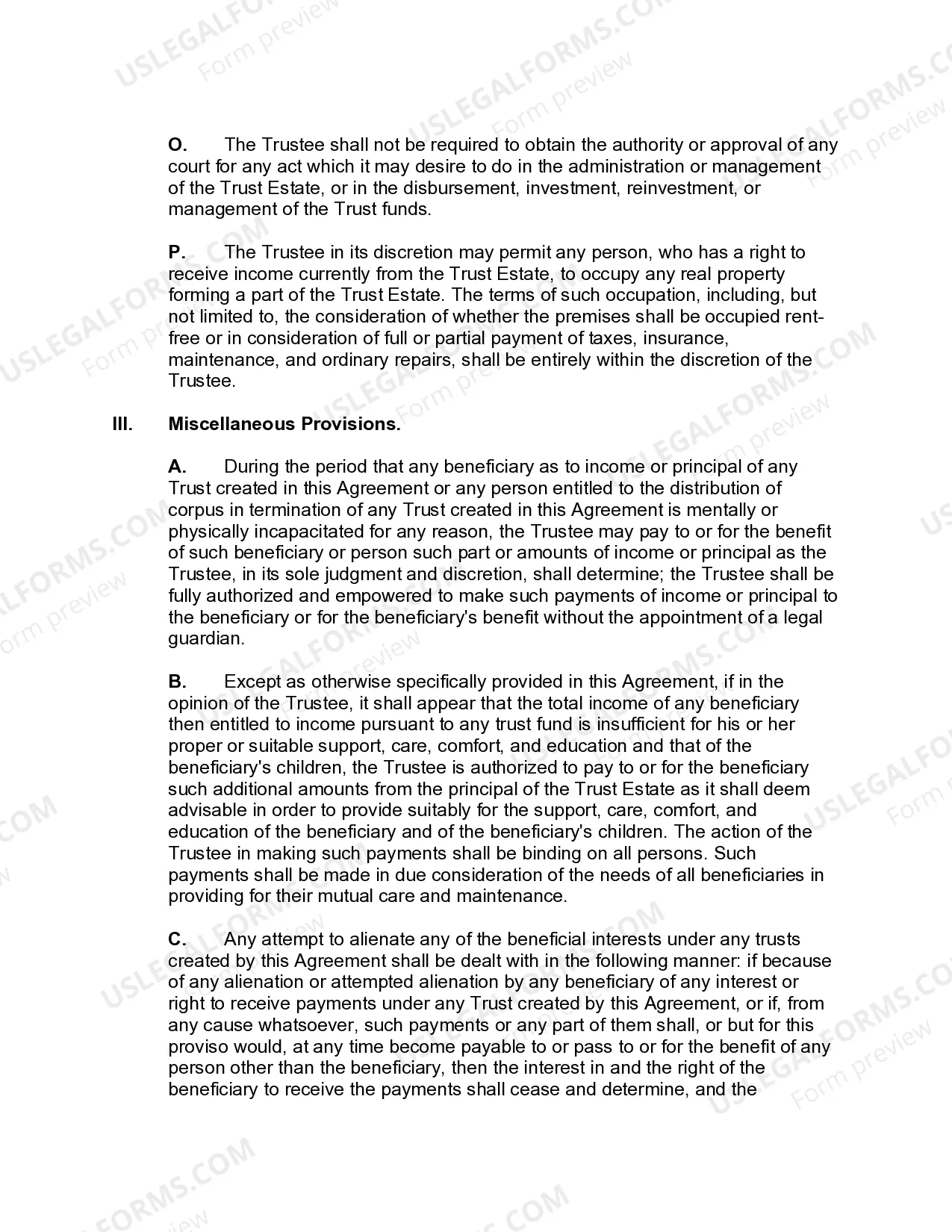
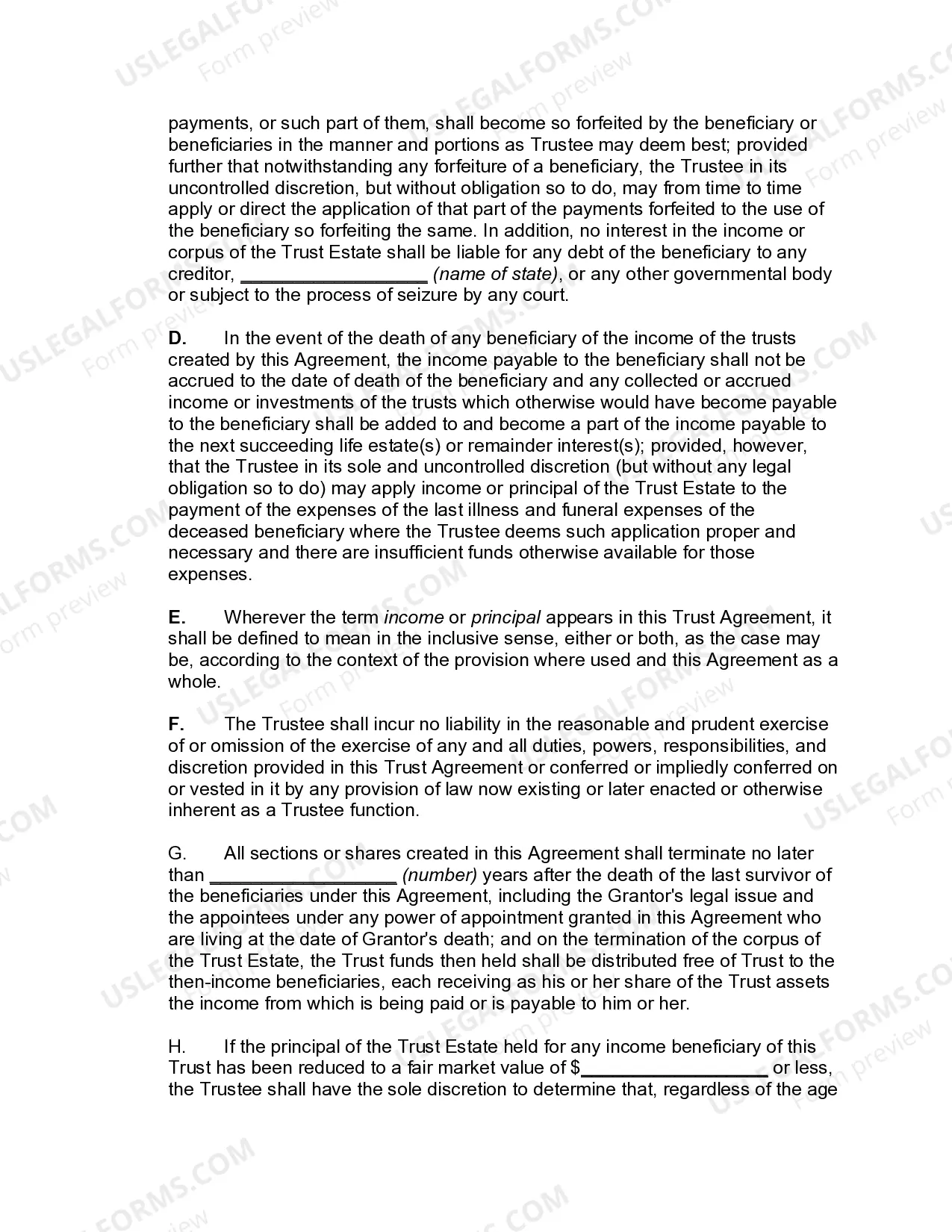
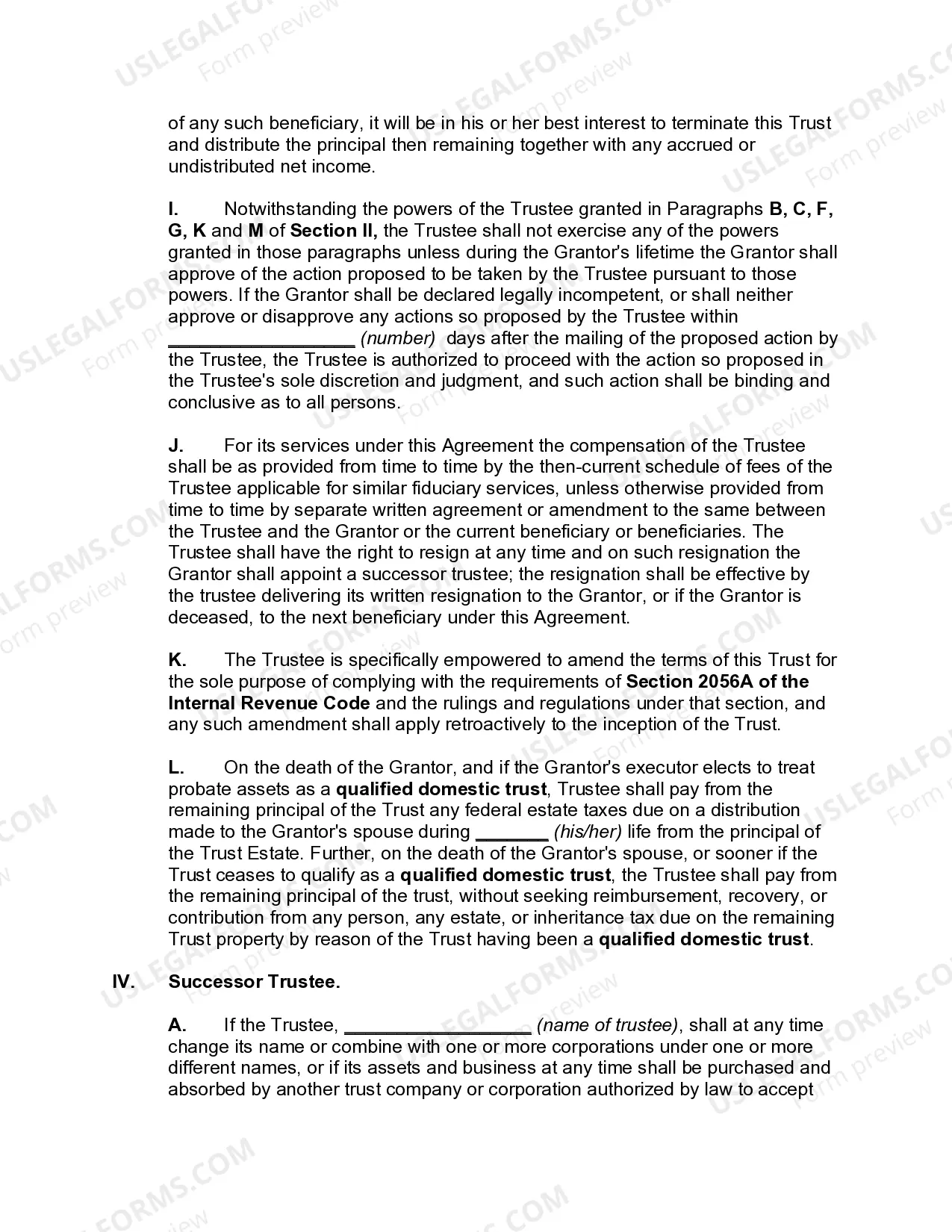
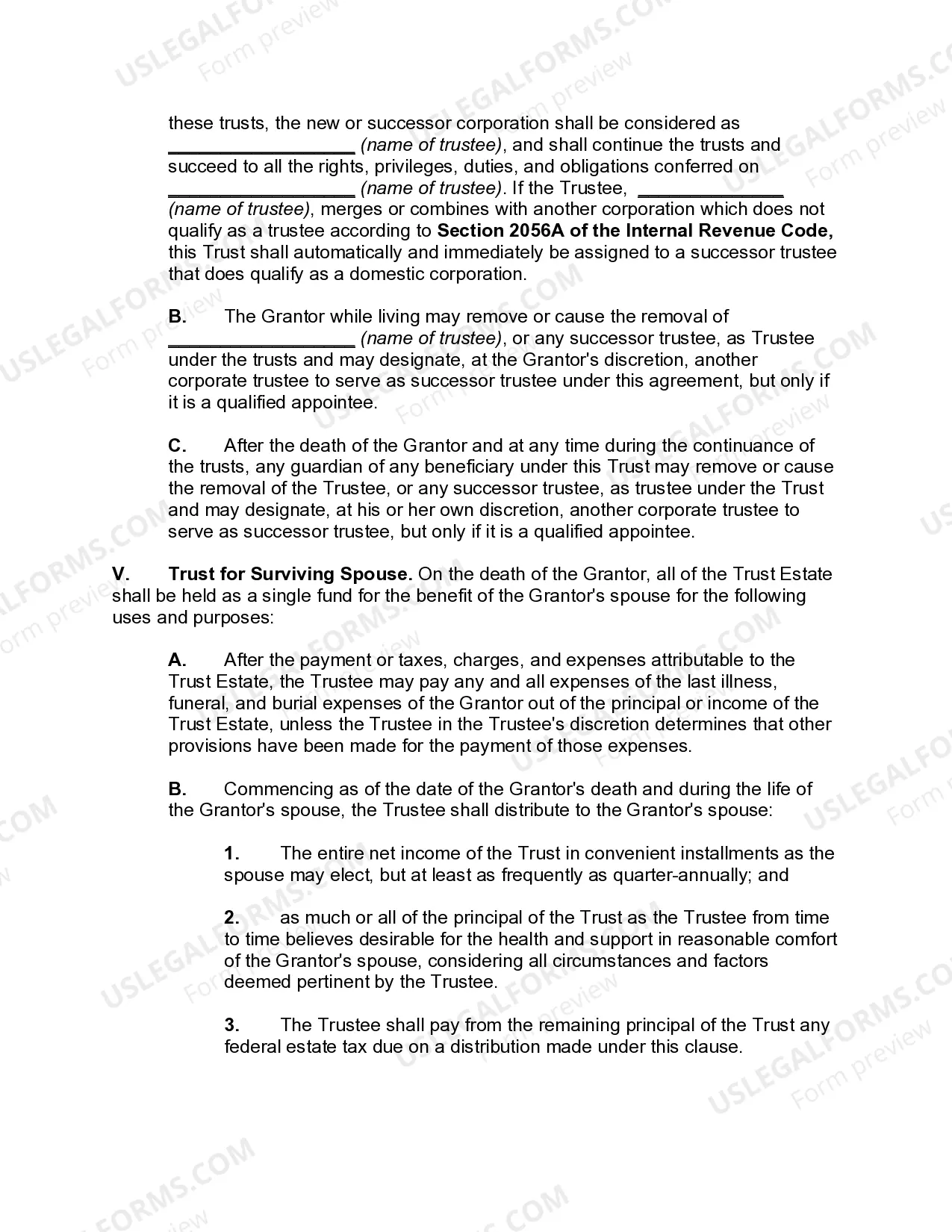
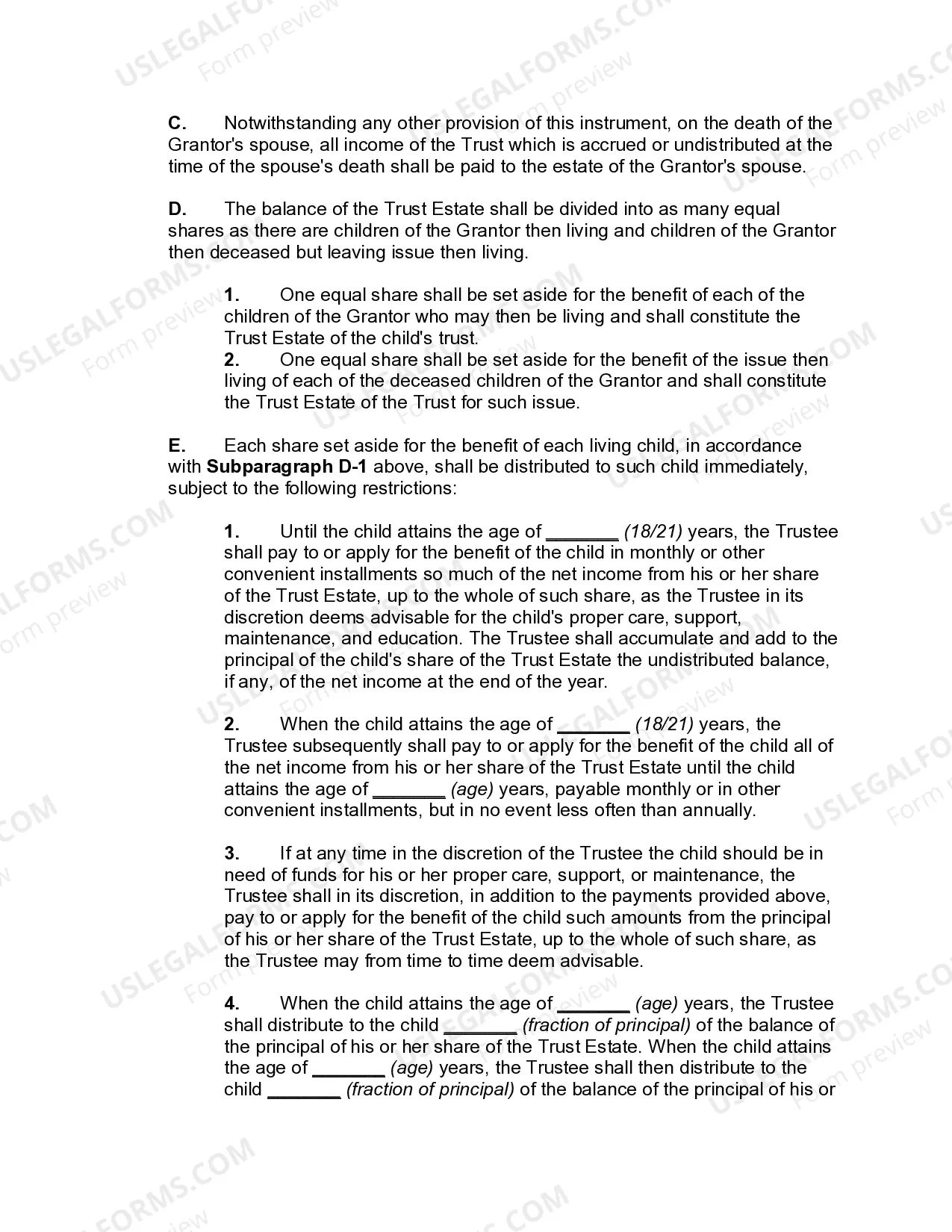
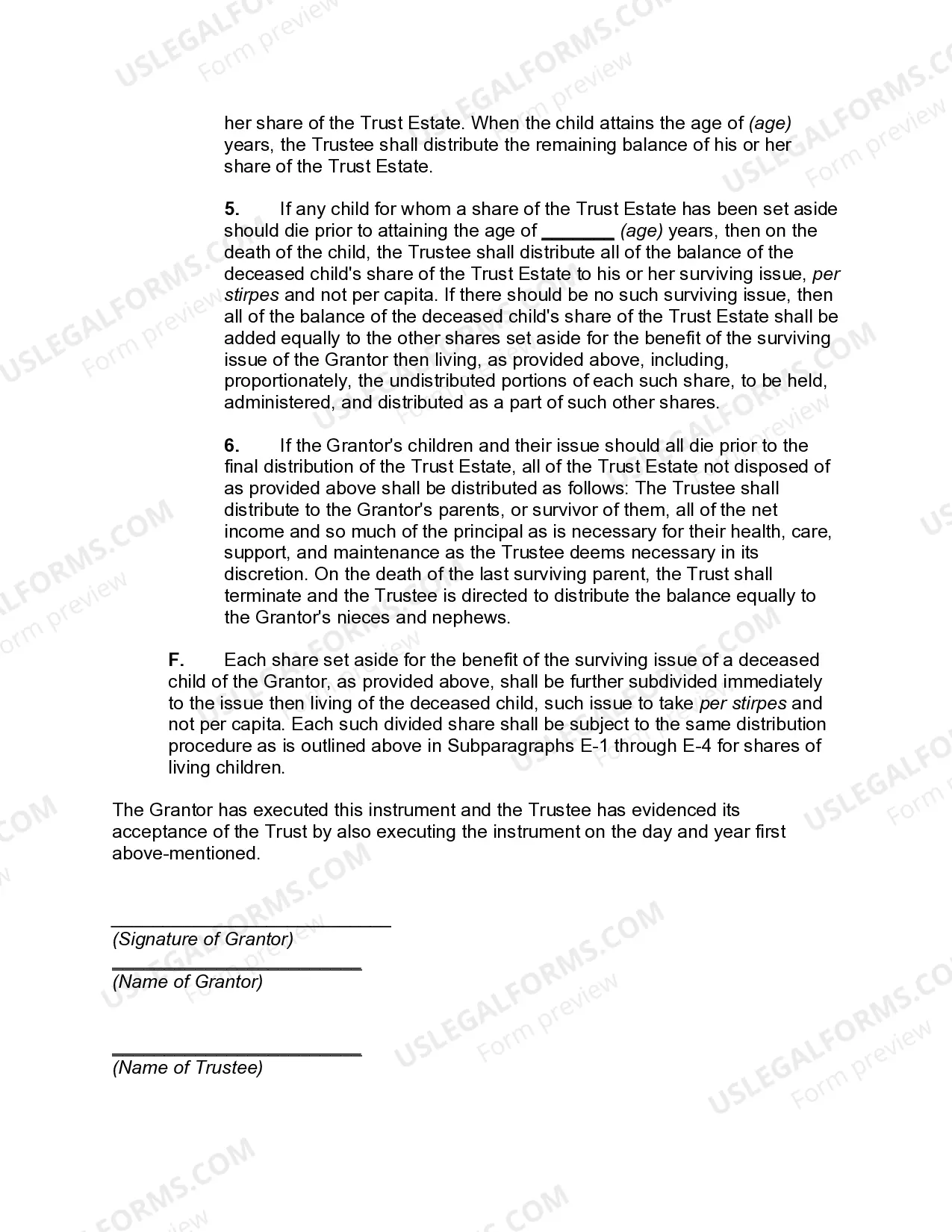

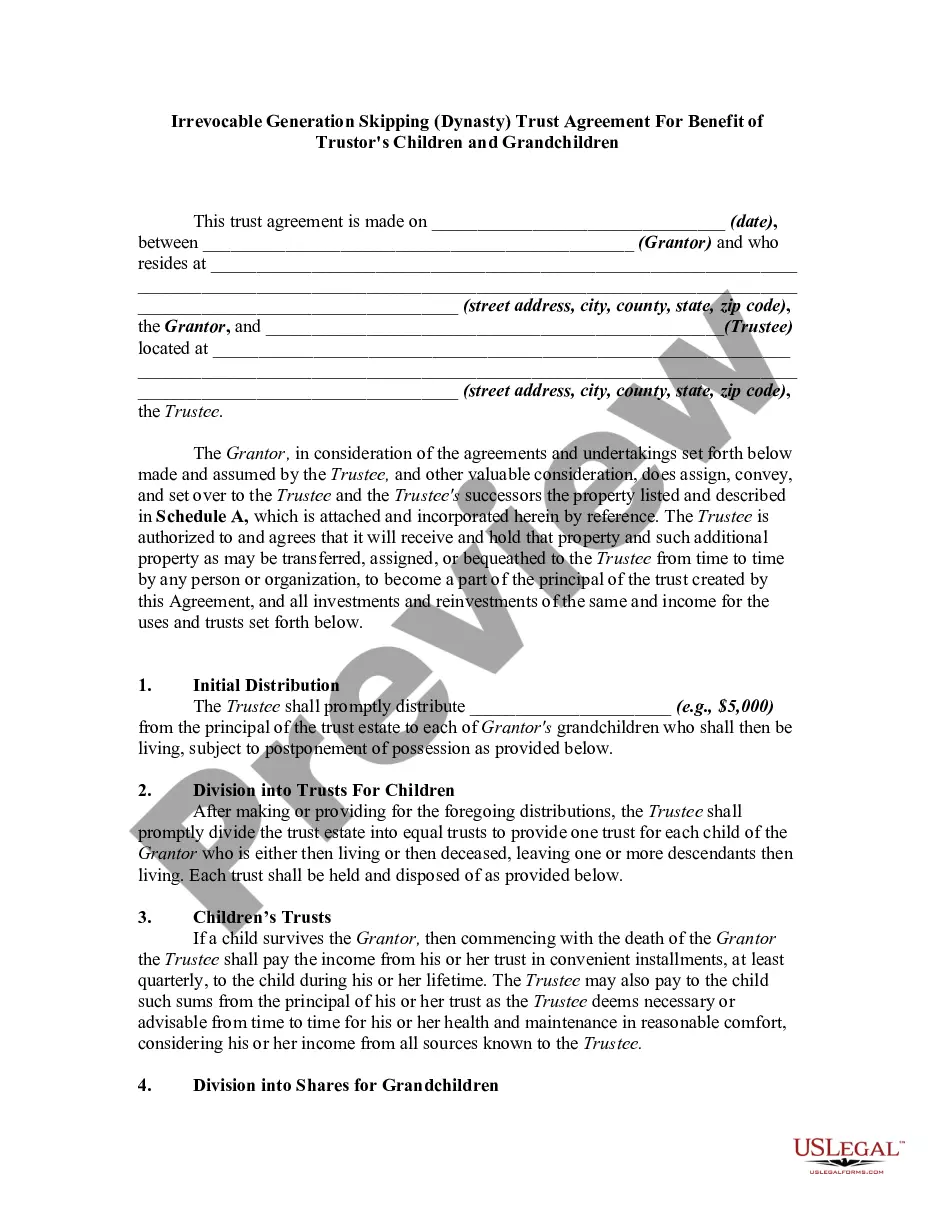

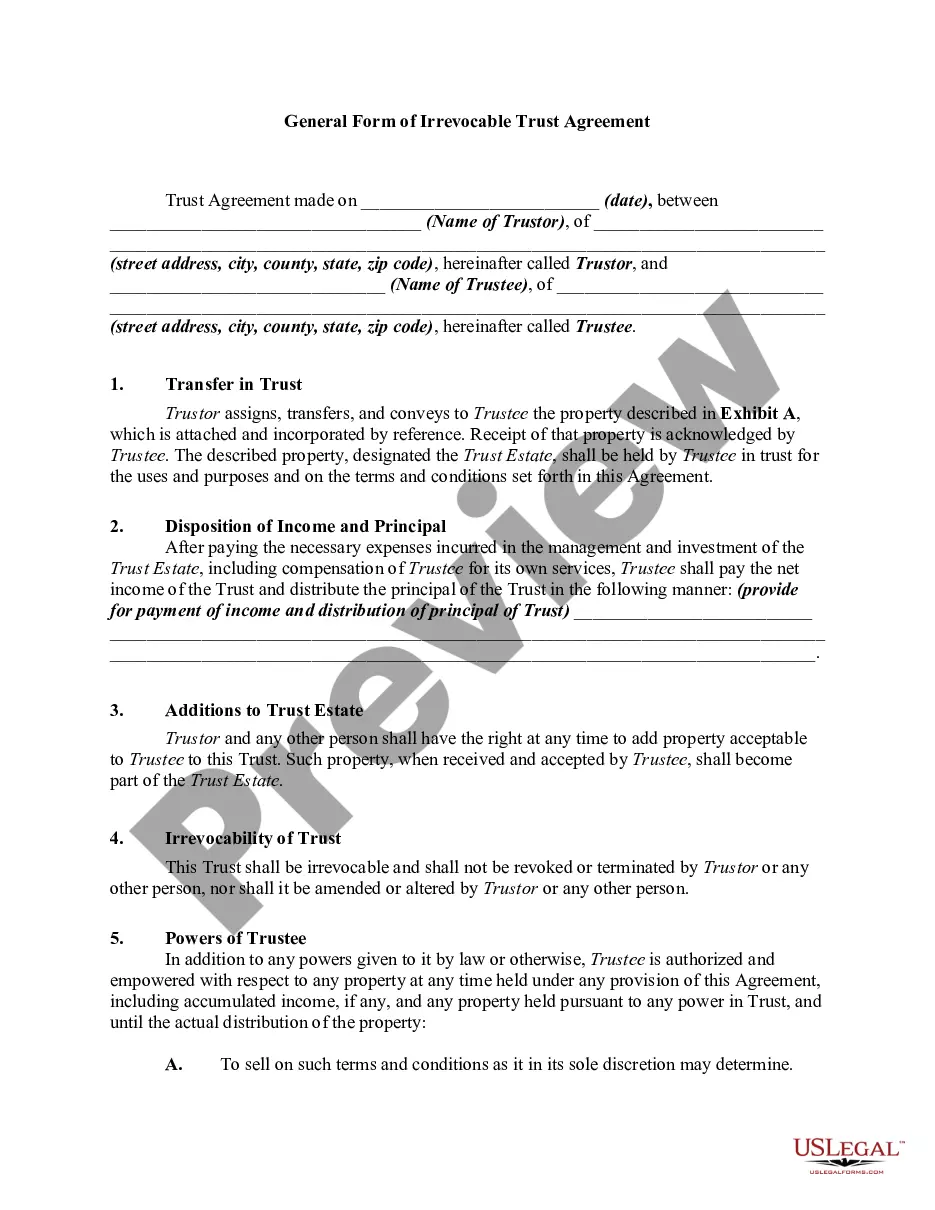
Get your form ready online
Our built-in tools help you complete, sign, share, and store your documents in one place.
Make edits, fill in missing information, and update formatting in US Legal Forms—just like you would in MS Word.
Download a copy, print it, send it by email, or mail it via USPS—whatever works best for your next step.
Sign and collect signatures with our SignNow integration. Send to multiple recipients, set reminders, and more. Go Premium to unlock E-Sign.
If this form requires notarization, complete it online through a secure video call—no need to meet a notary in person or wait for an appointment.
We protect your documents and personal data by following strict security and privacy standards.

Make edits, fill in missing information, and update formatting in US Legal Forms—just like you would in MS Word.

Download a copy, print it, send it by email, or mail it via USPS—whatever works best for your next step.

Sign and collect signatures with our SignNow integration. Send to multiple recipients, set reminders, and more. Go Premium to unlock E-Sign.

If this form requires notarization, complete it online through a secure video call—no need to meet a notary in person or wait for an appointment.

We protect your documents and personal data by following strict security and privacy standards.
Looking for another form?






How to fill out Qualified Domestic Trust Agreement?
- Log in to your existing account at US Legal Forms and access your saved templates. If your subscription is inactive, make sure to renew it before proceeding.
- For new users, begin by browsing the extensive library. Utilize the Preview mode and form descriptions to choose the document that aligns with your needs and follows your local regulations.
- Should you need alternate templates, use the Search tab to find the correct form easily. Confirm it matches your requirements before moving on.
- Click the Buy Now button and select a subscription plan that suits your needs. You'll need to create an account to access the full library.
- Proceed to payment by inputting your credit card information or using a PayPal account for a smooth transaction.
- After purchase, download your form. You can save it directly to your device and access it anytime from the My Forms menu in your profile.
Once you've successfully downloaded your document, you can easily fill it out at your convenience. This access allows you to handle your legal matters efficiently.
US Legal Forms empowers your document generation processes with ease. Start today to ensure you craft legally sound documents without hassle!
Form popularity
FAQ
DOT requirements involve several regulations that govern safety, insurance, and vehicle registration for transportation businesses. You must maintain accurate records, meet vehicle maintenance standards, and comply with safety regulations. Understanding the dot for dot meaning will help you identify what is required for your specific type of transportation business, ensuring you stay compliant.
To obtain a DOT license, you first need to register with the FMCSA and apply for your DOT number. After receiving your DOT number, you may need to meet specific state regulations depending on your location. Grasping the dot for dot meaning is crucial in navigating this process smoothly and ensuring compliance with federal and state laws.
Filing for your DOT number involves submitting an application through the FMCSA. You can complete this application online, where you will provide essential information about your business structure and vehicle usage. Understanding the dot for dot meaning can help you ensure you provide the correct information during your application process.
To get your own DOT number, start by visiting the official Federal Motor Carrier Safety Administration (FMCSA) website. You will need to complete the application process, which includes providing information about your business and its operations. It's important to understand the dot for dot meaning, as this number identifies your company in the transportation industry.
While having a CDL is not a universal requirement for a DOT number, it becomes necessary if you operate a commercial vehicle that exceeds federal weight limits. The objective is to ensure safety and compliance during operations involving commercial transportation. Knowing the dot for dot meaning can help you evaluate your specific situation effectively. Resources from U.S. Legal Forms can further clarify these requirements for you.
Obtaining a DOT number involves a simple application process through the FMCSA. You will need to provide your business details, including type of transportation, and any vehicles involved. Understanding the dot for dot meaning will enhance your application's accuracy and ensure you meet all regulations. U.S. Legal Forms is an excellent resource for completing this process smoothly.
Yes, it is possible to possess a DOT number without holding a CDL. The DOT number is primarily for identification and tracking purposes of carriers, while the CDL is about operating certain vehicles. Therefore, grasping the dot for dot meaning is crucial, whether or not you hold a CDL. U.S. Legal Forms can provide resources tailored to your specific business needs.
To obtain a DOT number, you must register with the Federal Motor Carrier Safety Administration (FMCSA) and provide specific information about your company. This includes details about your vehicle types, operations, and safety measures in place. Understanding the dot for dot meaning will streamline your application process and help ensure compliance with federal laws. U.S. Legal Forms can assist you in gathering the required documentation and completing the application.
Yes, you can receive a DOT physical examination even if you do not hold a CDL. The purpose of a DOT physical is to determine whether you are physically fit to operate a commercial vehicle, which might be necessary even if you are not currently licensed. Knowing the dot for dot meaning helps you prepare for the necessary evaluations. U.S. Legal Forms can guide you through finding healthcare providers who perform these physicals.
No, you do not necessarily need a Commercial Driver's License (CDL) to obtain a DOT number. However, if your operation involves driving commercial vehicles that require a CDL, then you will need one. It's essential to grasp the dot for dot meaning to ensure your operations align with DOT regulations. U.S. Legal Forms offers resources to help you navigate these requirements effectively.