Setting Up Trust For Child
Description


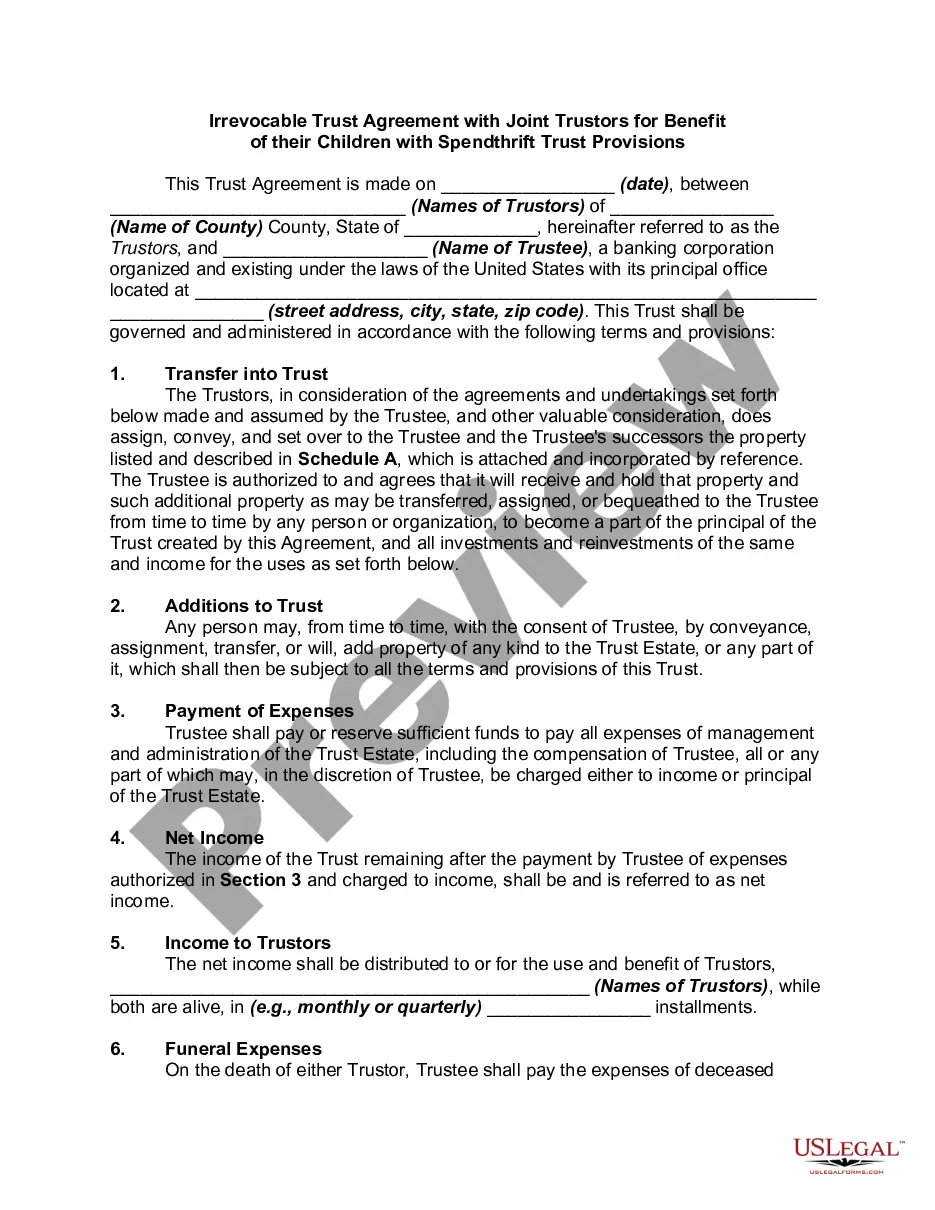
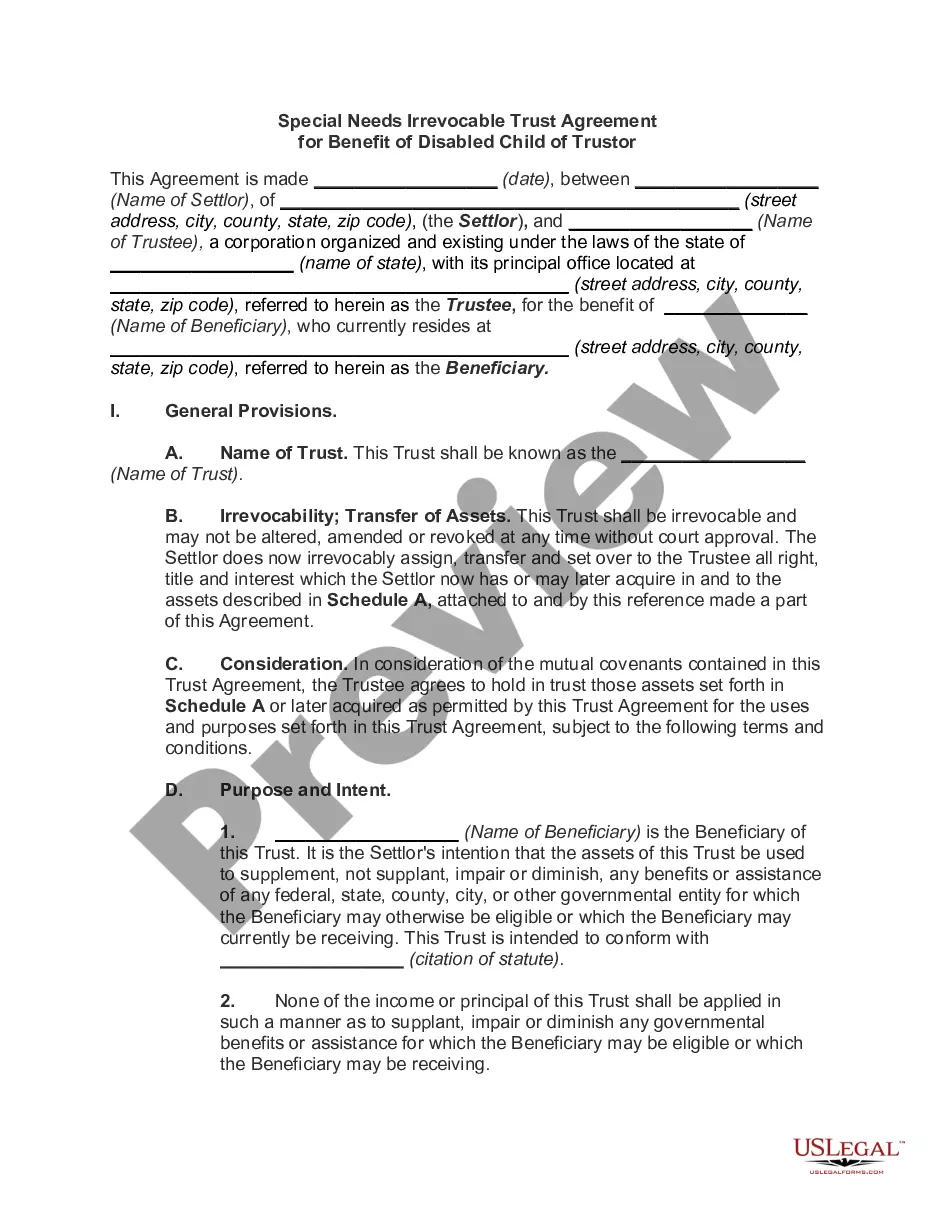
Get your form ready online
Our built-in tools help you complete, sign, share, and store your documents in one place.
Make edits, fill in missing information, and update formatting in US Legal Forms—just like you would in MS Word.
Download a copy, print it, send it by email, or mail it via USPS—whatever works best for your next step.
Sign and collect signatures with our SignNow integration. Send to multiple recipients, set reminders, and more. Go Premium to unlock E-Sign.
If this form requires notarization, complete it online through a secure video call—no need to meet a notary in person or wait for an appointment.
We protect your documents and personal data by following strict security and privacy standards.

Make edits, fill in missing information, and update formatting in US Legal Forms—just like you would in MS Word.

Download a copy, print it, send it by email, or mail it via USPS—whatever works best for your next step.

Sign and collect signatures with our SignNow integration. Send to multiple recipients, set reminders, and more. Go Premium to unlock E-Sign.

If this form requires notarization, complete it online through a secure video call—no need to meet a notary in person or wait for an appointment.

We protect your documents and personal data by following strict security and privacy standards.
Looking for another form?



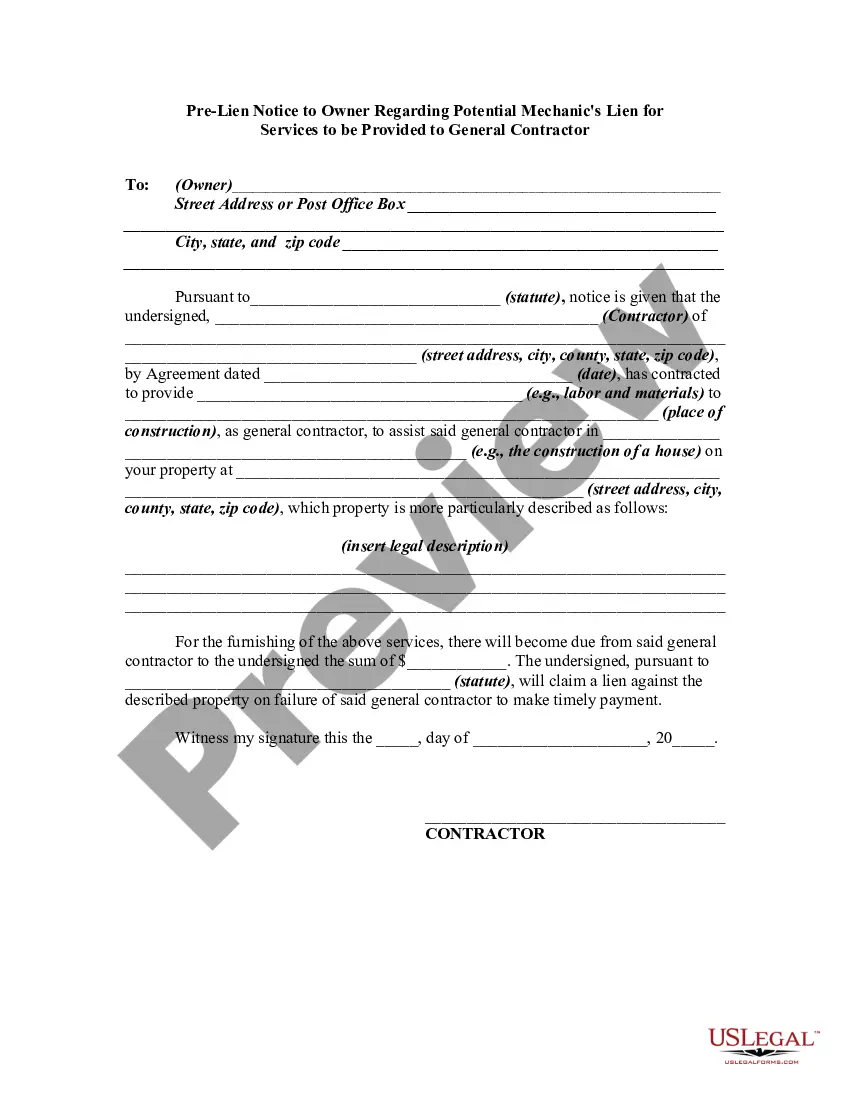






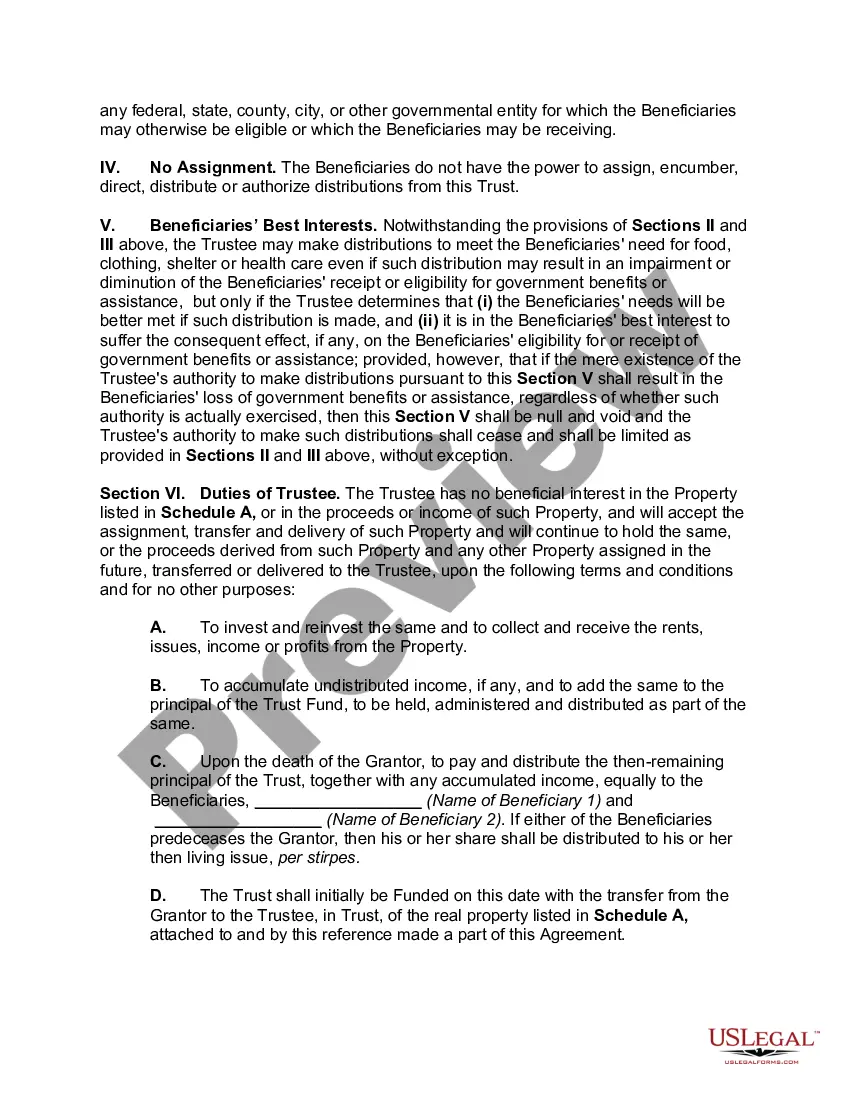
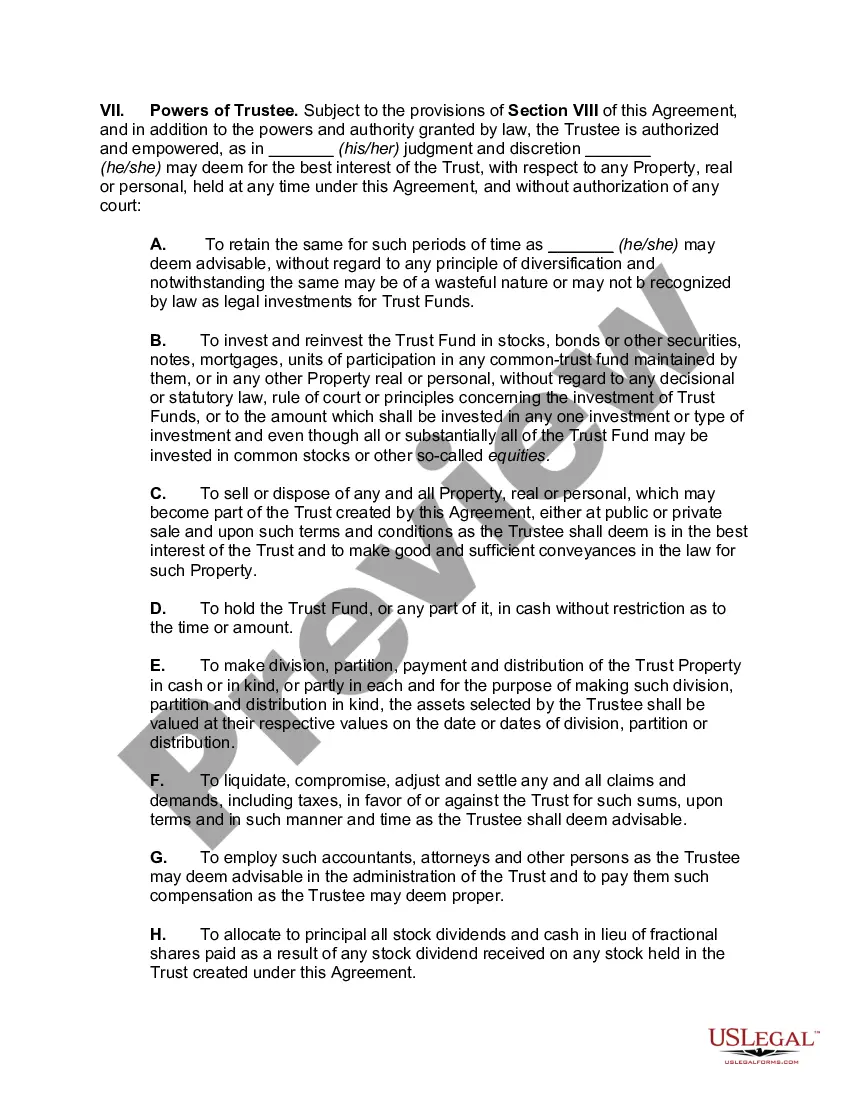
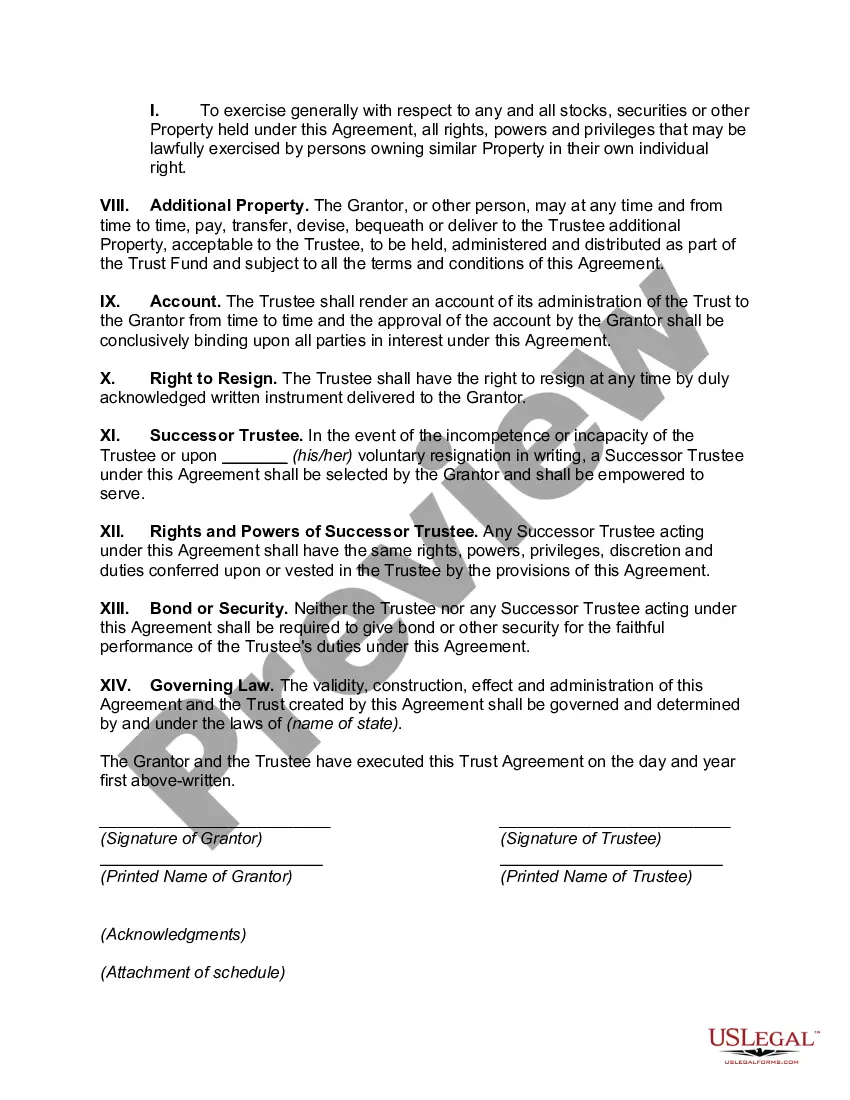
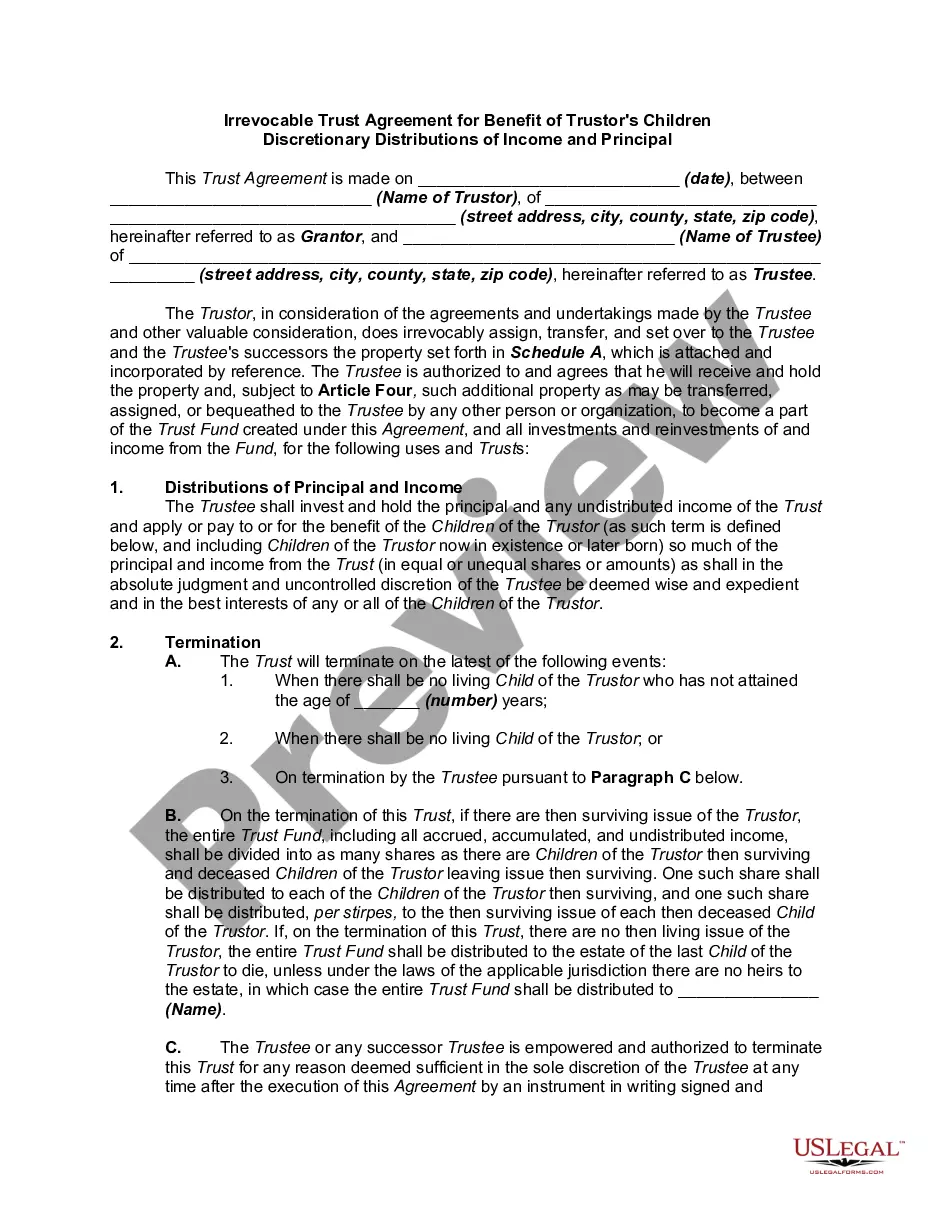
How to fill out Irrevocable Trust Agreement Setting Up Special Needs Trust For Benefit Of Multiple Children?
It’s widely known that you cannot instantly qualify as a legal expert, nor can you swiftly grasp the nuances of preparing Setting Up Trust For Child without possessing a specialized skill set.
Drafting legal documents is a lengthy undertaking that demands particular education and expertise.
So why not entrust the creation of the Setting Up Trust For Child to the specialists.
You can revisit your documents from the My documents section at any time.
If you’re already a client, you can simply Log In, and find and download the template from the same section.
- Find the form you require by utilizing the search feature at the upper portion of the page.
- Preview it (if this option is available) and review the accompanying description to ascertain if Setting Up Trust For Child is what you need.
- If you require another form, start your search anew.
- Sign up for a complimentary account and select a subscription plan to acquire the form.
- Select Buy now. Once the transaction is finalized, you can download the Setting Up Trust For Child, fill it out, print it, and send or mail it to the appropriate individuals or organizations.
Form popularity
FAQ
Whether your parents should put their assets in a trust depends on their overall financial situation and goals. Setting up trust for child can benefit succession planning and protect assets from probate. However, it may not be necessary if their financial needs are simple. Encouraging them to consult with a financial planner or attorney can provide clarity and align their wishes with sound financial strategies.
Putting assets in a trust can have downsides, which are essential to understand when setting up trust for child. One concern is the loss of control over those assets; once placed in a trust, you cannot easily access them if needed. Additionally, transferring assets to the trust may trigger tax implications or affect your eligibility for financial aid or benefits. Evaluating these factors is crucial before proceeding.
The best type of trust for a child often depends on your specific goals. A custodial trust or a revocable living trust can be effective for managing assets until your child reaches maturity. These trusts allow you to set specific guidelines for asset distribution and ensure your child is financially protected. It's advisable to work with a knowledgeable legal professional to tailor the trust to your child's needs.
When setting up trust for child, it’s important to recognize potential downfalls. A trust can complicate your estate plan and may require ongoing legal fees for management. Furthermore, if not structured correctly, it might not provide the intended tax benefits, reducing the financial support to your child. Consulting a professional can help you navigate these challenges.
One of the biggest mistakes parents make when setting up a trust fund is failing to communicate their intentions clearly. It is vital that your children understand the purpose of the trust and how it functions. Without this understanding, the trust may not fulfill its intended role in providing guidance and financial security.
The best way to set up a trust for children involves selecting a trustworthy trustee and clearly outlining the terms of the trust. It is crucial to determine the assets to place in the trust and specify how and when your child will access these resources. Utilizing tools provided by platforms like USLegalForms can simplify this process and ensure your trust is set up correctly.
A trust fund can be a smart choice for your child, as it offers financial support while allowing for controlled distribution of assets. This strategy helps safeguard your child’s inheritance from potential mismanagement or undue influence. A well-structured trust fund can provide stability and security for their future.
Setting up a trust for your child can be a worthwhile investment in their future. By establishing a trust, you can protect assets and ensure they are used for your child's benefit when needed. This adds a layer of financial security that can help them during key life events such as education or purchasing a home.
While putting the house in your name may seem beneficial, it is often wiser for your parents to consider setting up a trust for child. This arrangement can help protect the home from potential legal issues or debts, while also providing a structured plan for eventual transfer. Additionally, it may offer tax benefits that a direct transfer might not. It’s essential to discuss these options with a professional to make the most informed decision.
Choosing between gifting a house and setting up a trust for child requires careful consideration of your financial situation and goals. Gifting a house may seem straightforward, but it can lead to tax implications and affect your child's eligibility for financial aid or government benefits. On the other hand, a trust provides more control over the asset and may offer estate tax advantages. Consulting an attorney can clarify the best option for your circumstances.