Sample Excuse Letter For Jury Duty
Description
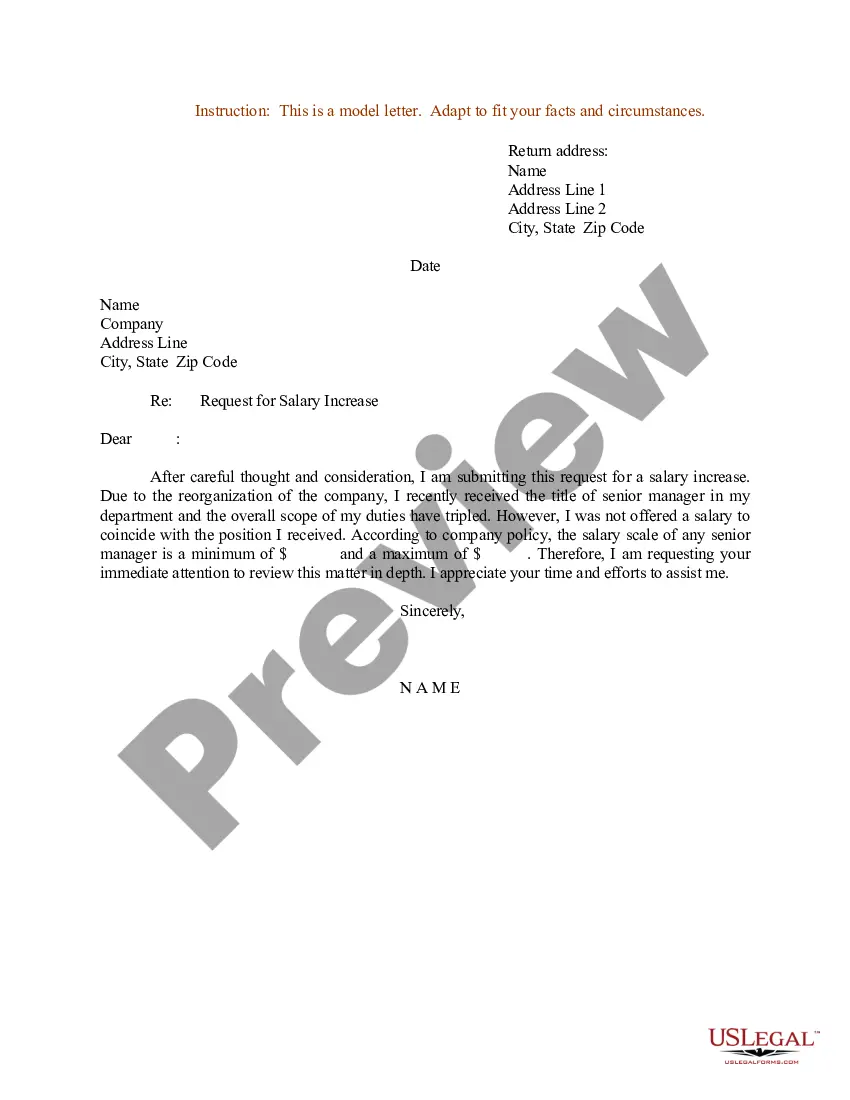

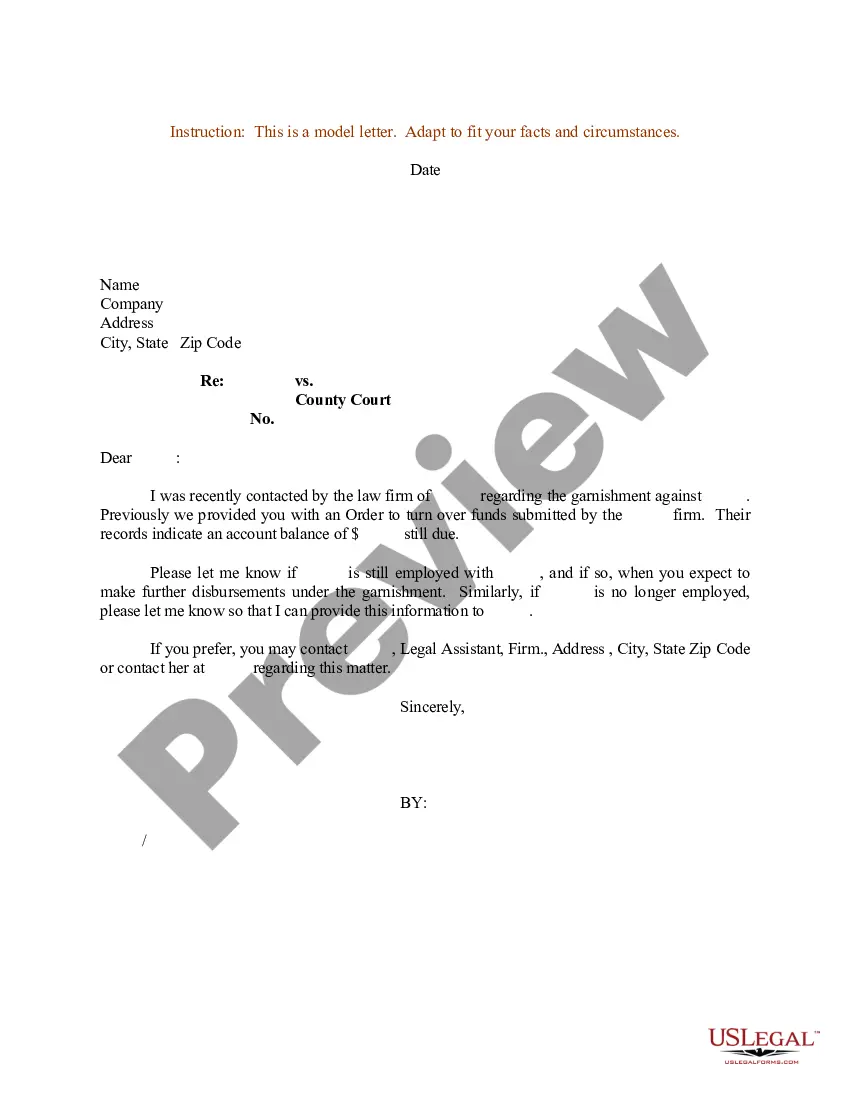
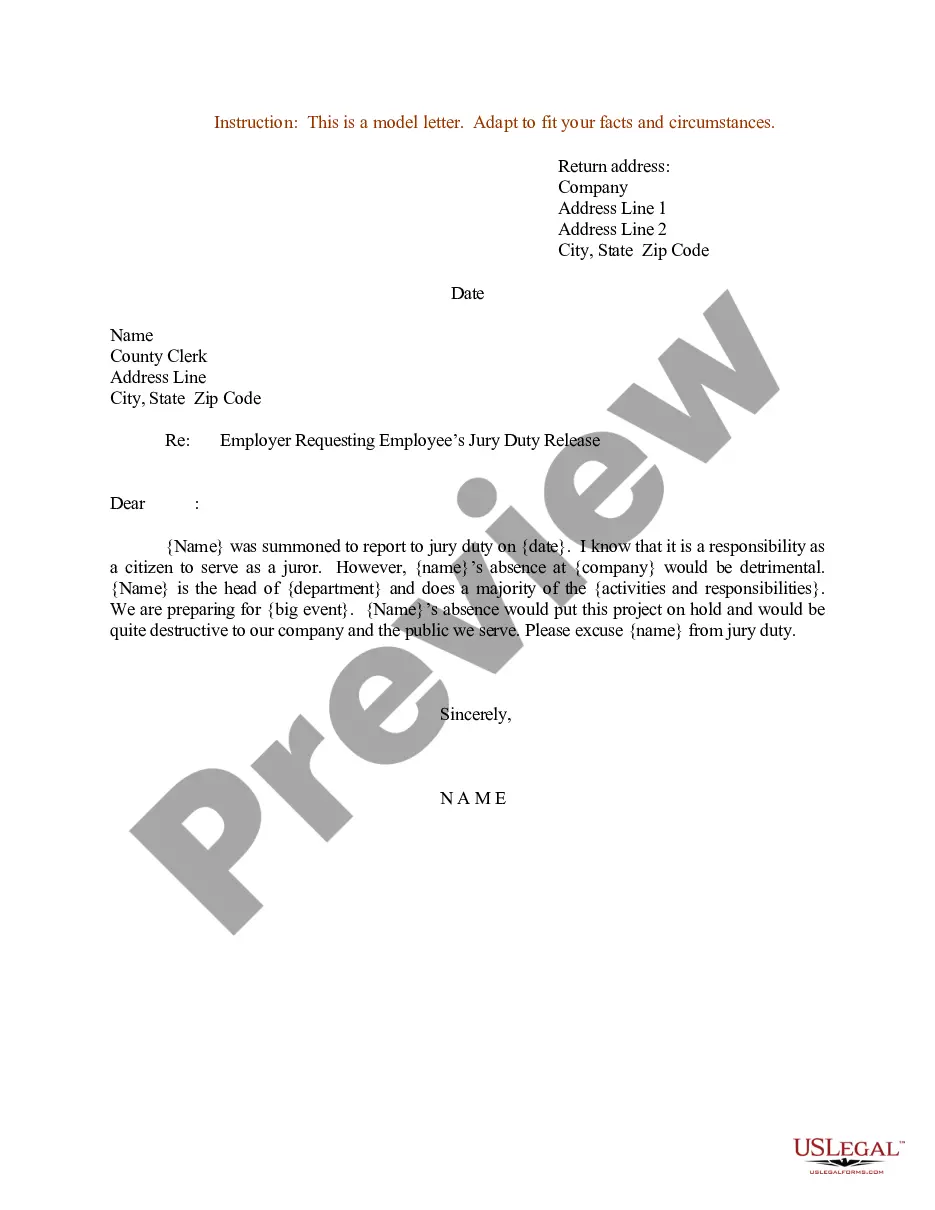
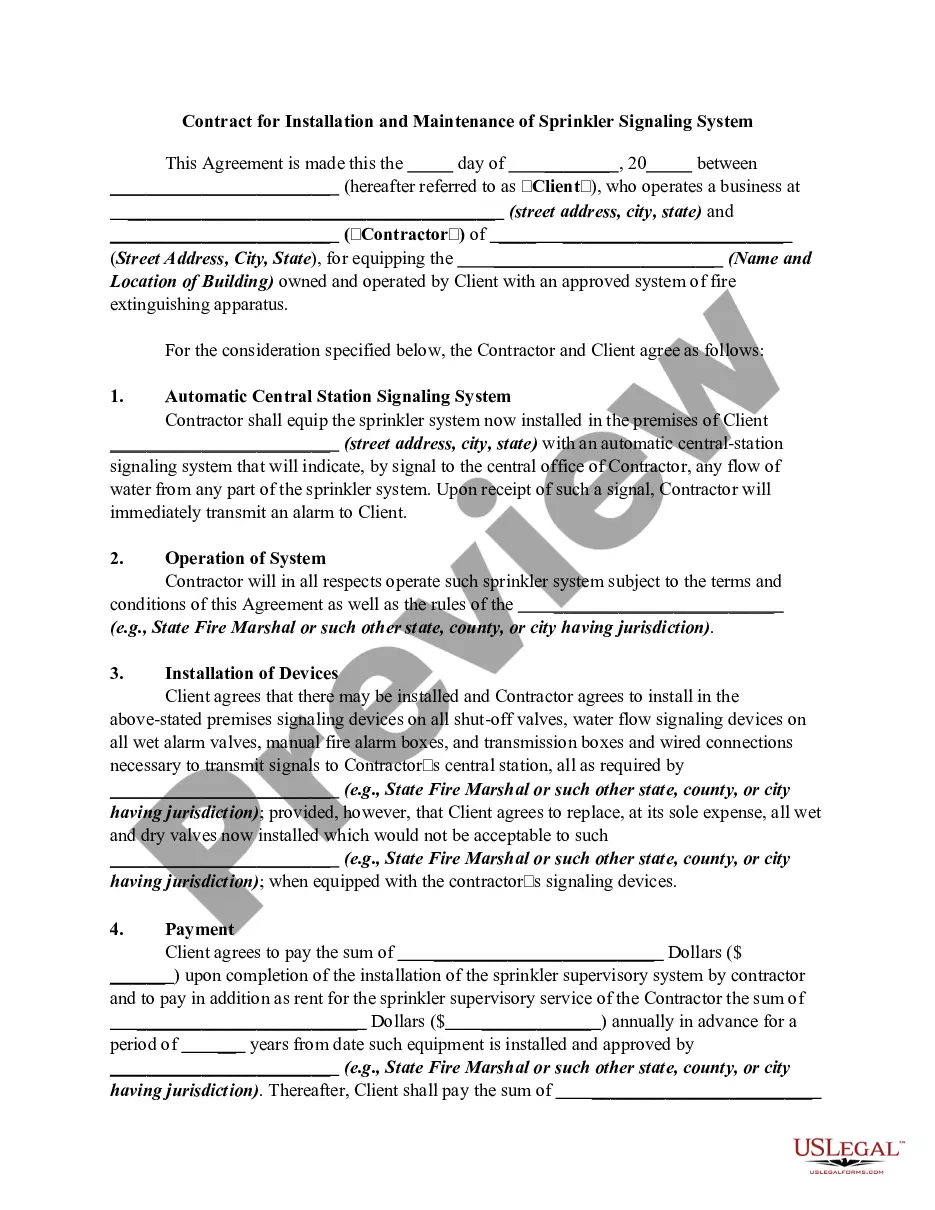
Get your form ready online
Our built-in tools help you complete, sign, share, and store your documents in one place.
Make edits, fill in missing information, and update formatting in US Legal Forms—just like you would in MS Word.
Download a copy, print it, send it by email, or mail it via USPS—whatever works best for your next step.
Sign and collect signatures with our SignNow integration. Send to multiple recipients, set reminders, and more. Go Premium to unlock E-Sign.
If this form requires notarization, complete it online through a secure video call—no need to meet a notary in person or wait for an appointment.
We protect your documents and personal data by following strict security and privacy standards.

Make edits, fill in missing information, and update formatting in US Legal Forms—just like you would in MS Word.

Download a copy, print it, send it by email, or mail it via USPS—whatever works best for your next step.

Sign and collect signatures with our SignNow integration. Send to multiple recipients, set reminders, and more. Go Premium to unlock E-Sign.

If this form requires notarization, complete it online through a secure video call—no need to meet a notary in person or wait for an appointment.

We protect your documents and personal data by following strict security and privacy standards.
Looking for another form?
How to fill out Sample Letter For Employee Requesting Release From Jury Duty Because Of Financial Hardship?
Managing legal documents and procedures can be an arduous addition to your schedule.
Sample Apology Letter For Jury Duty and similar documents typically necessitate searching for them and figuring out how to fill them out properly.
As a result, whether you are dealing with financial, legal, or personal issues, having a comprehensive and accessible online repository of forms at your disposal will be extremely beneficial.
US Legal Forms is the premier online platform for legal templates, featuring over 85,000 state-specific documents and various tools that will assist you in finishing your paperwork swiftly.
Is this your first experience using US Legal Forms? Register and create a free account in a matter of minutes, and you’ll gain access to the document library and Sample Apology Letter For Jury Duty. After that, follow the steps outlined below to finalize your document.
- Browse the collection of relevant documents available to you with just a single click.
- US Legal Forms provides state- and county-specific documents that you can download anytime.
- Protect your document management processes with a high-quality service that enables you to prepare any form in just a few minutes without any additional or hidden costs.
- Simply Log In to your account, find Sample Apology Letter For Jury Duty, and obtain it immediately from the My documents section.
- You can also access previously saved documents.
Form popularity
FAQ
(b) Motion to Dismiss in the Appellate Court. - At any time after a notice of appeal has been filed and after the expiration of the 21-day period prescribed by Rule 1: 1 , any party to an appeal may file a motion in the appellate court to dismiss the appeal.
The ?Petition for Proceeding in Civil Case Without Payment of Fees or Costs? is a form that allows a person who has little income (or who has very high expenses) to ask a Virginia court to ?waive? (which means ?not require?) the fees associated with civil court actions.
Five days' notice is required to the opposing party and the court. Motions may be typed by either party, may be filed on the General Notice and Motion Form or may be filed on one of the appropriate forms provided by the Supreme Court of Virginia (located here).
If you can't afford the fees, you can request a waiver by filing a "Petition for Proceeding in a No-Fault Divorce Without Payment of Fees or Costs." Beyond the filing fees, your costs will depend on whether you get a "pure" do-it-yourself divorce or you need some help with the process.
To file a Motion to Quash, send it directly to the judge who is hearing the case. (If you are not sure who that is, contact the clerk of the court where the case is being heard and request information about the name of the judge and the proper address to whom it should be mailed or emailed.)
This form is used as a report of divorce or annulment for the Department of Health-Division of Vital Records in Richmond, Virginia. The information contained in this form is used for statistical purposes by the State. No Final Order of Divorce will be entered by the Court without a completed VS-4 form.
Motions may be filed for the same purposes recognized by the courts of record in the Commonwealth. Unless otherwise ordered by the commission, any response to a motion must be filed within 14 days of the filing of the motion, and any reply by the moving party must be filed within 10 days of the filing of the response.
Upon a properly filed petition, the court will usually issue the ?Rule to Show Cause? commanding the defaulting party to appear at a scheduled court hearing and demonstrate why he or she should not adjudged to be in contempt and then compelled to comply to take or not take certain action.
