Insurance Beneficiary Spouse Form Template
Description
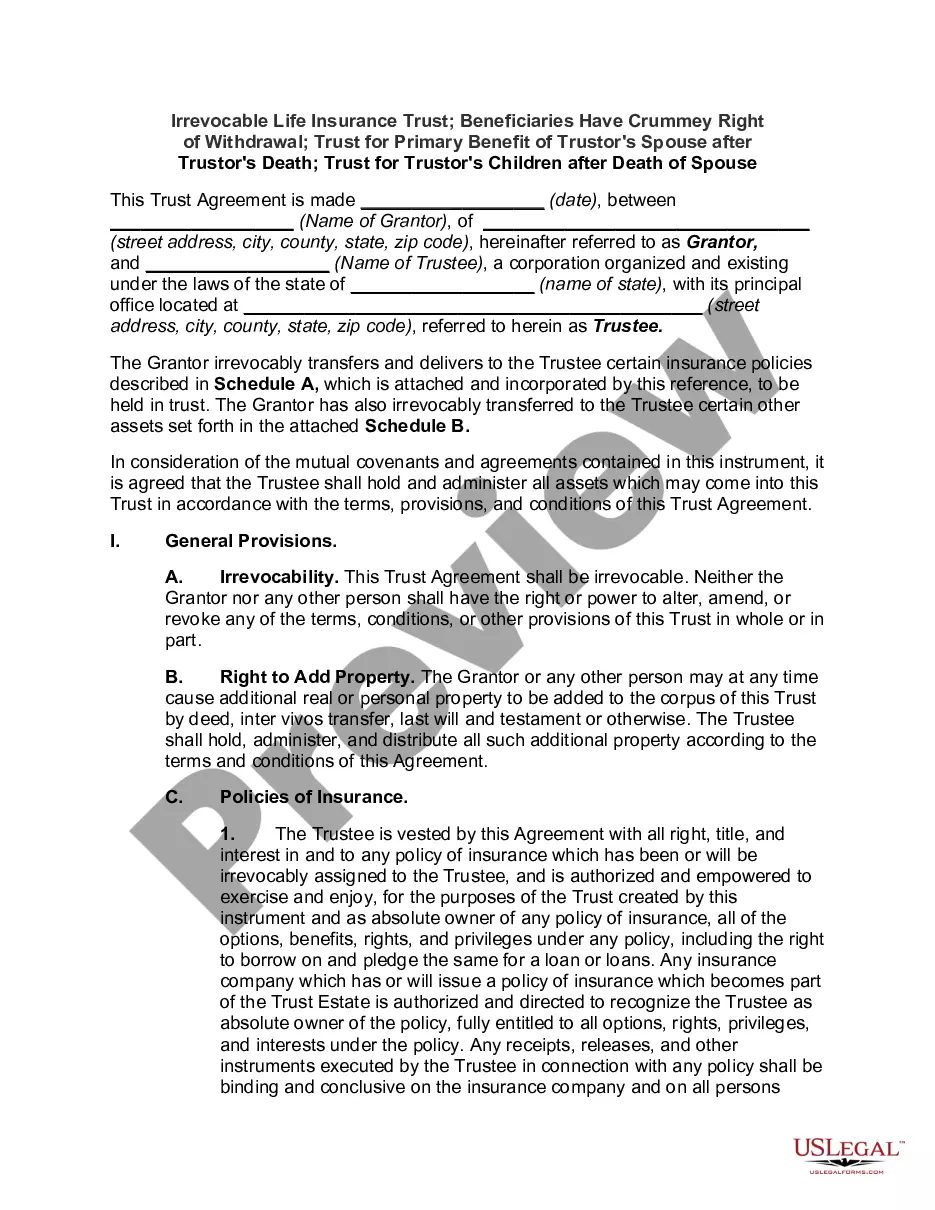
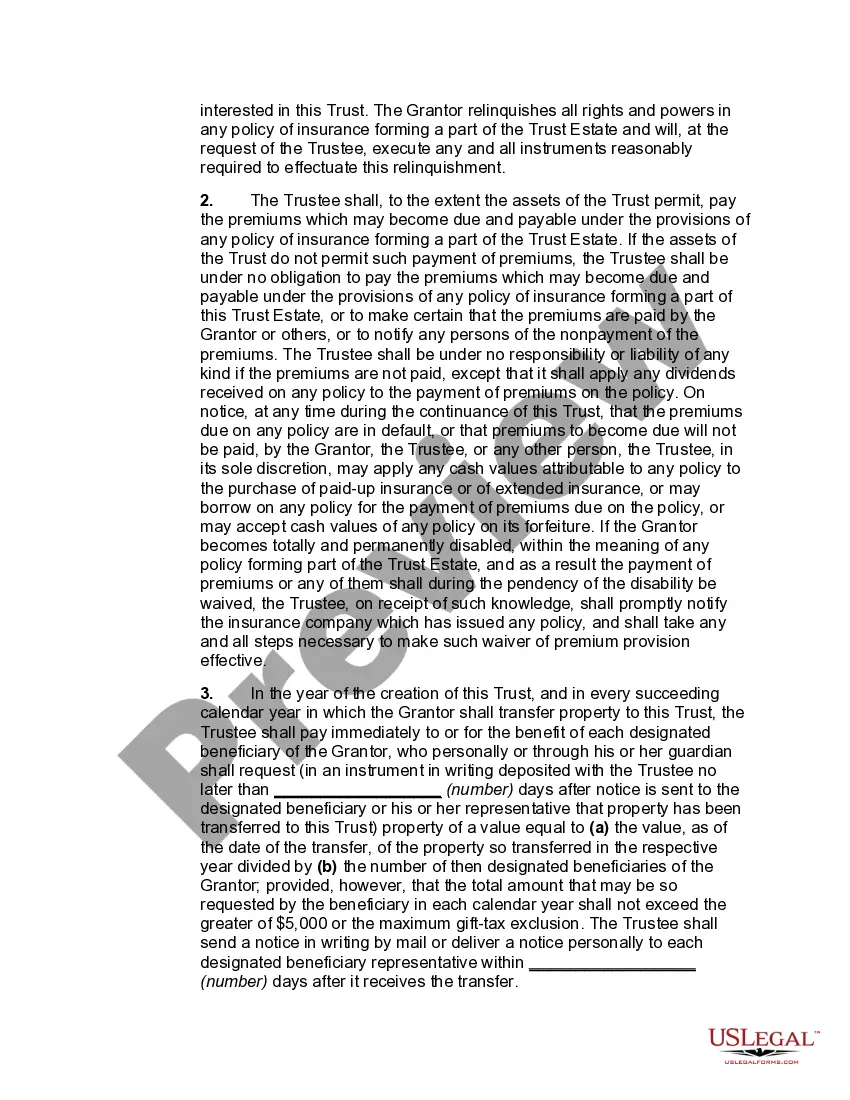
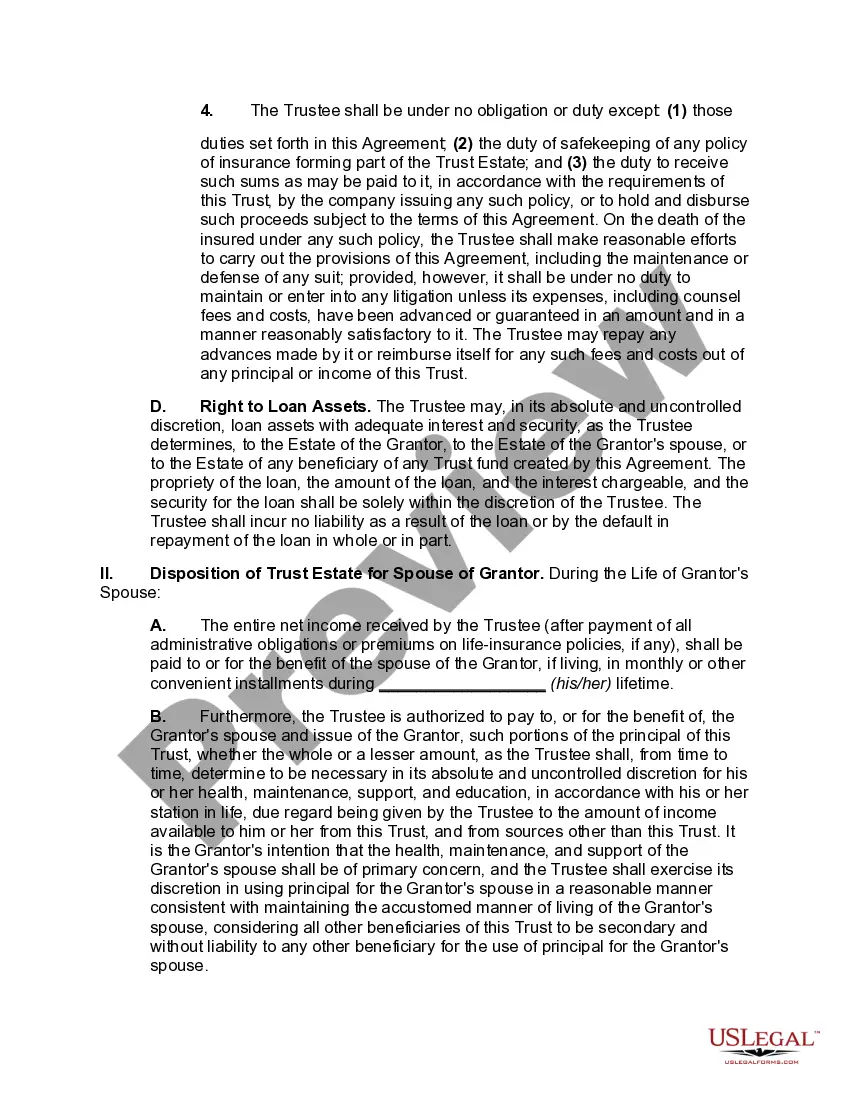
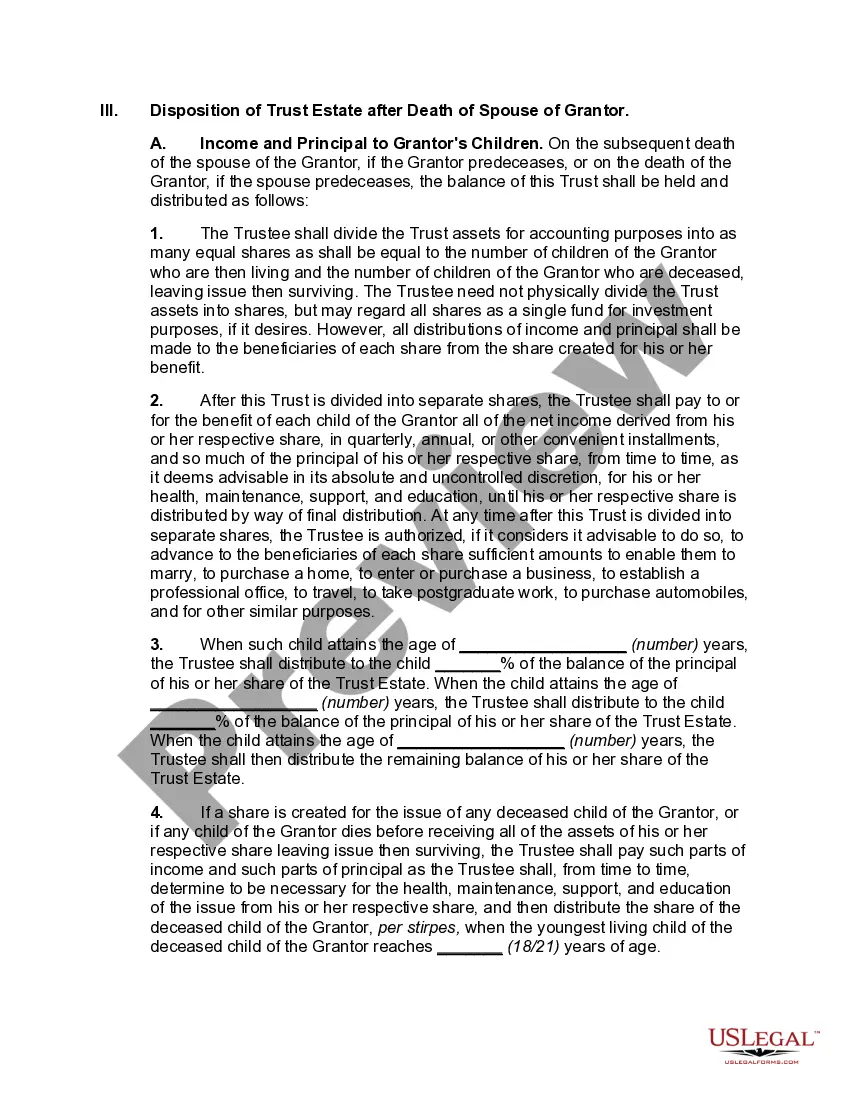
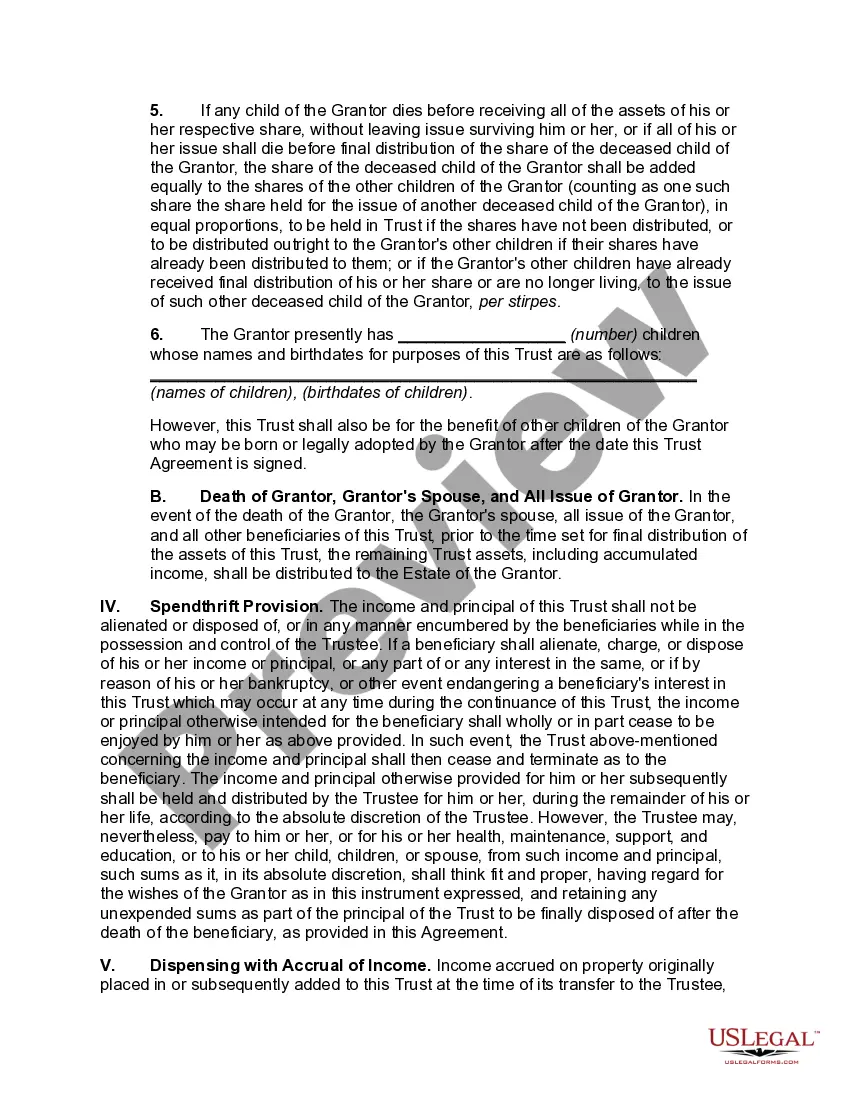
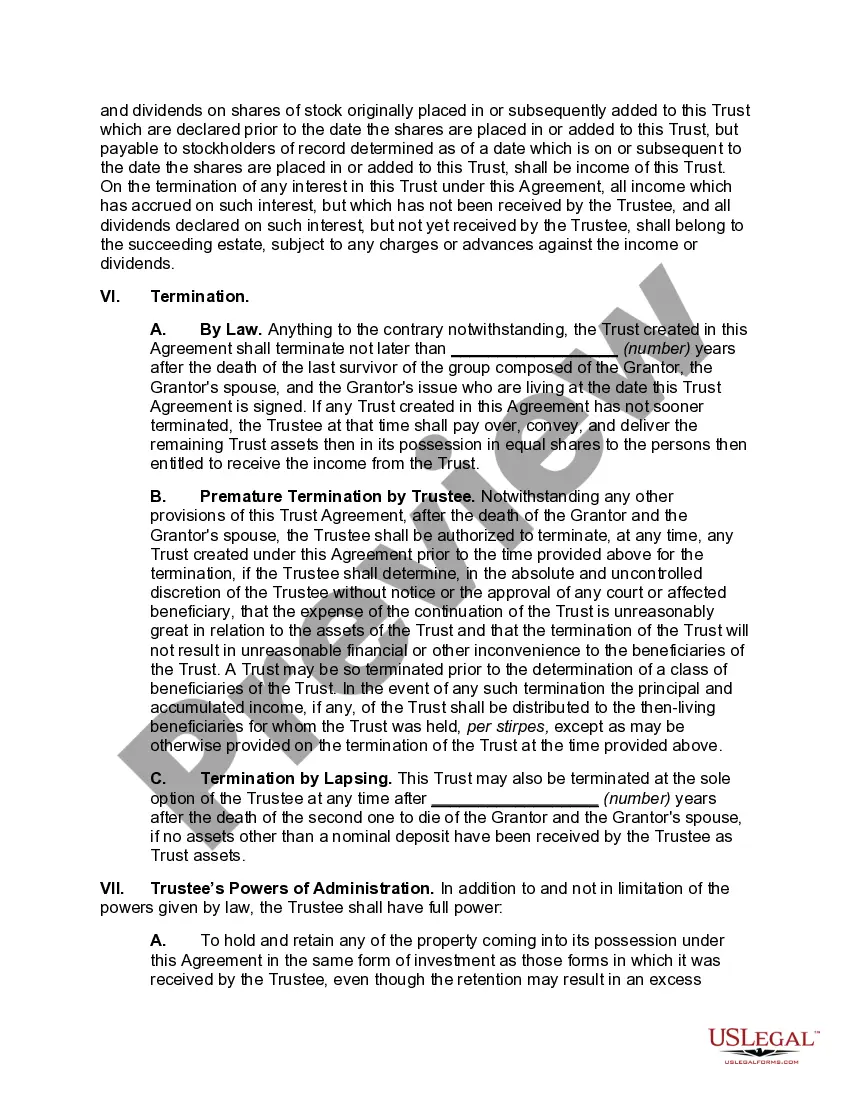
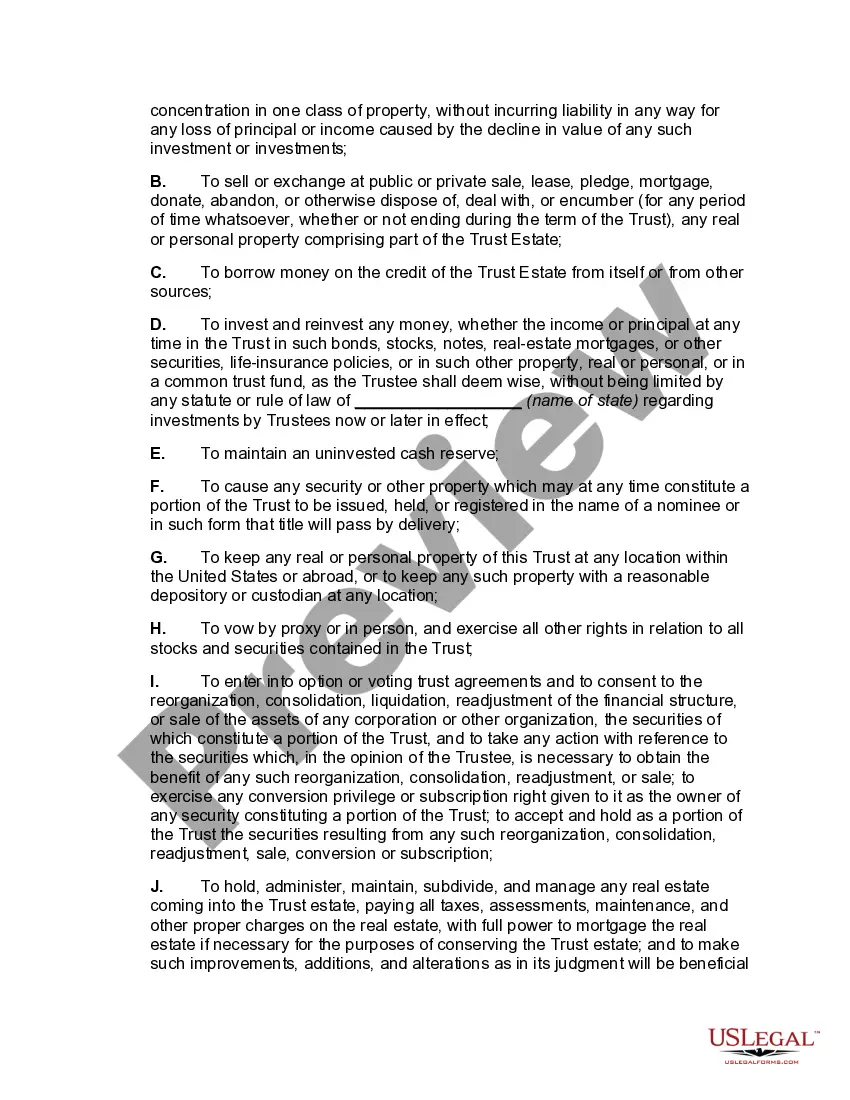
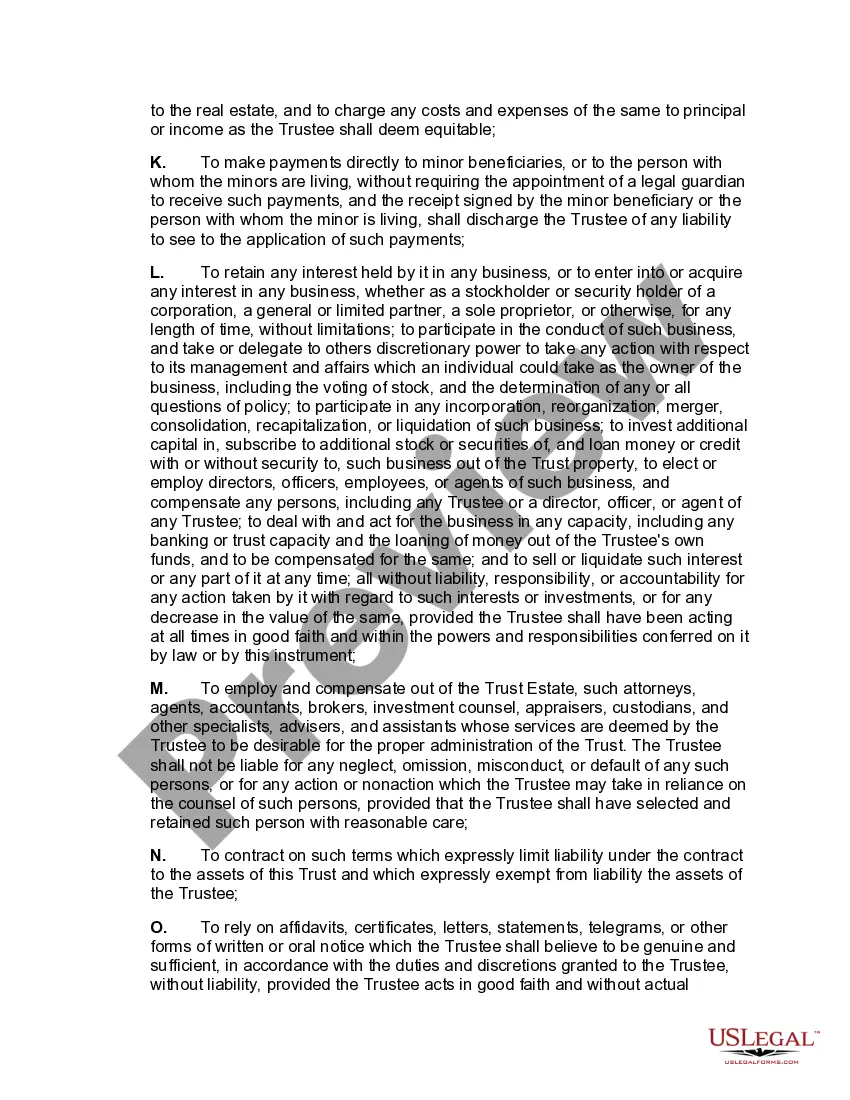
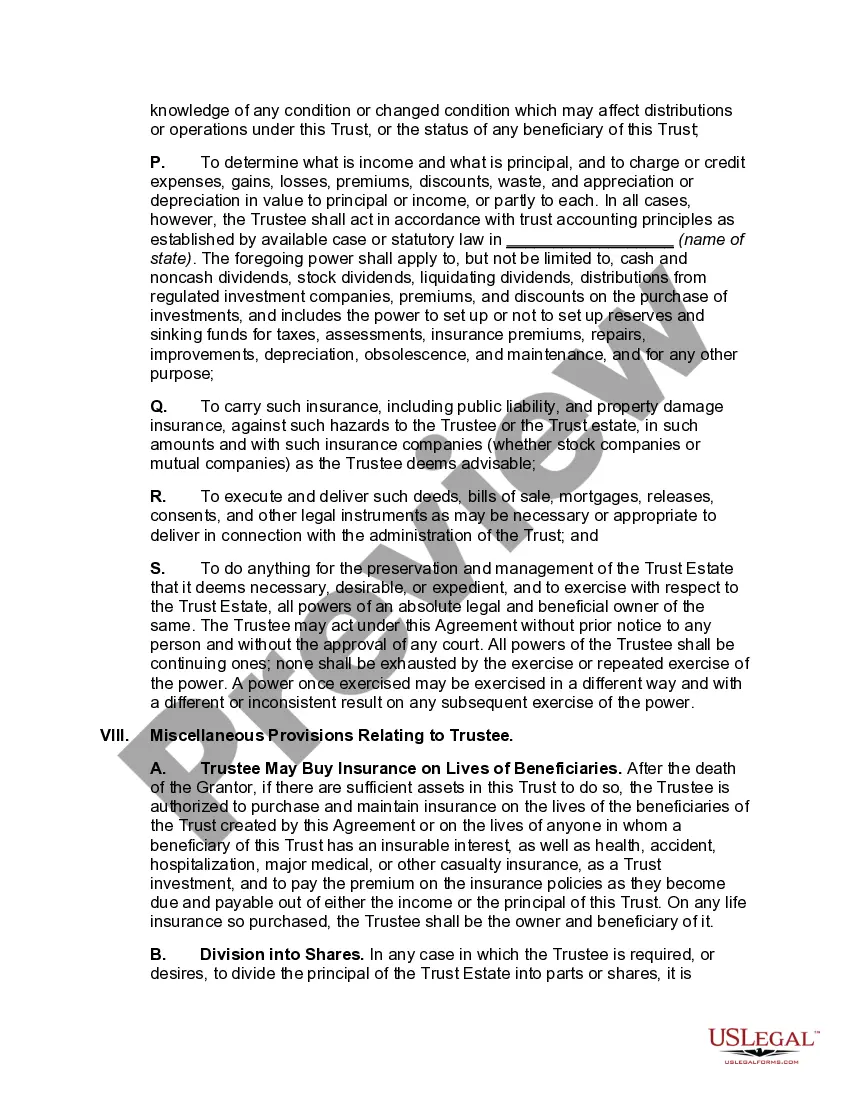
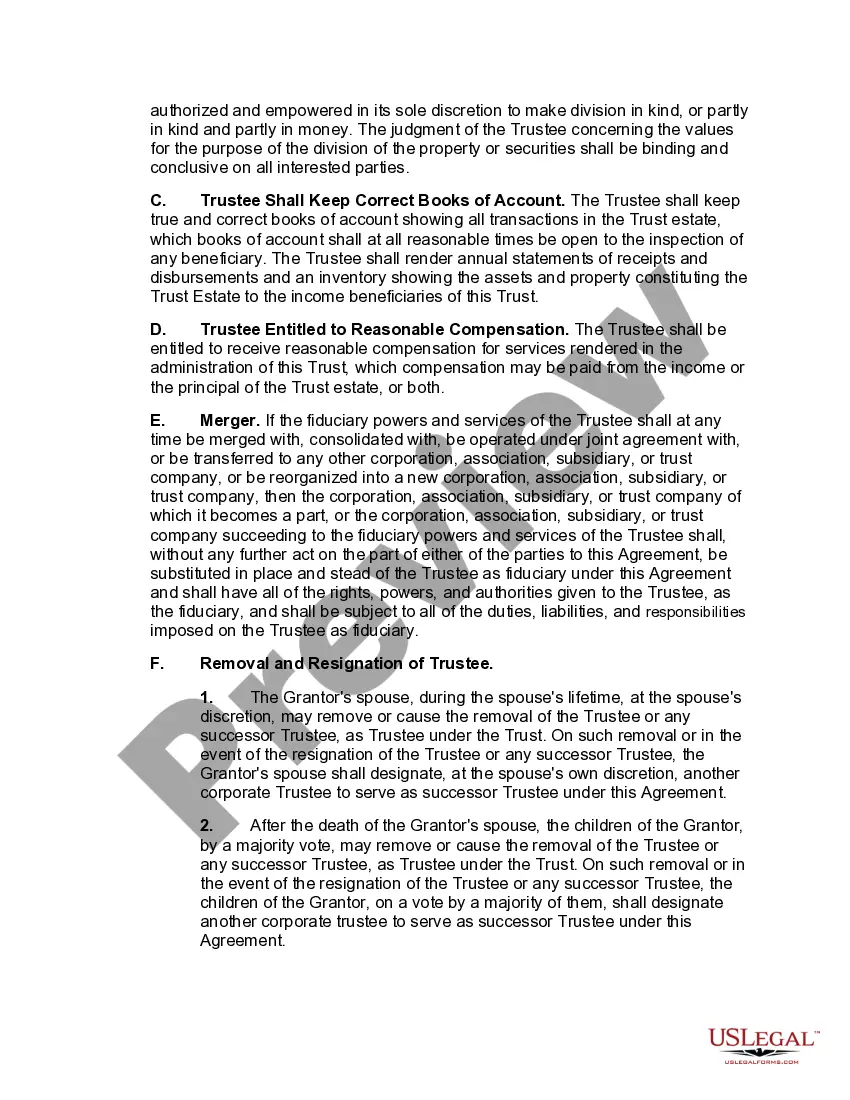

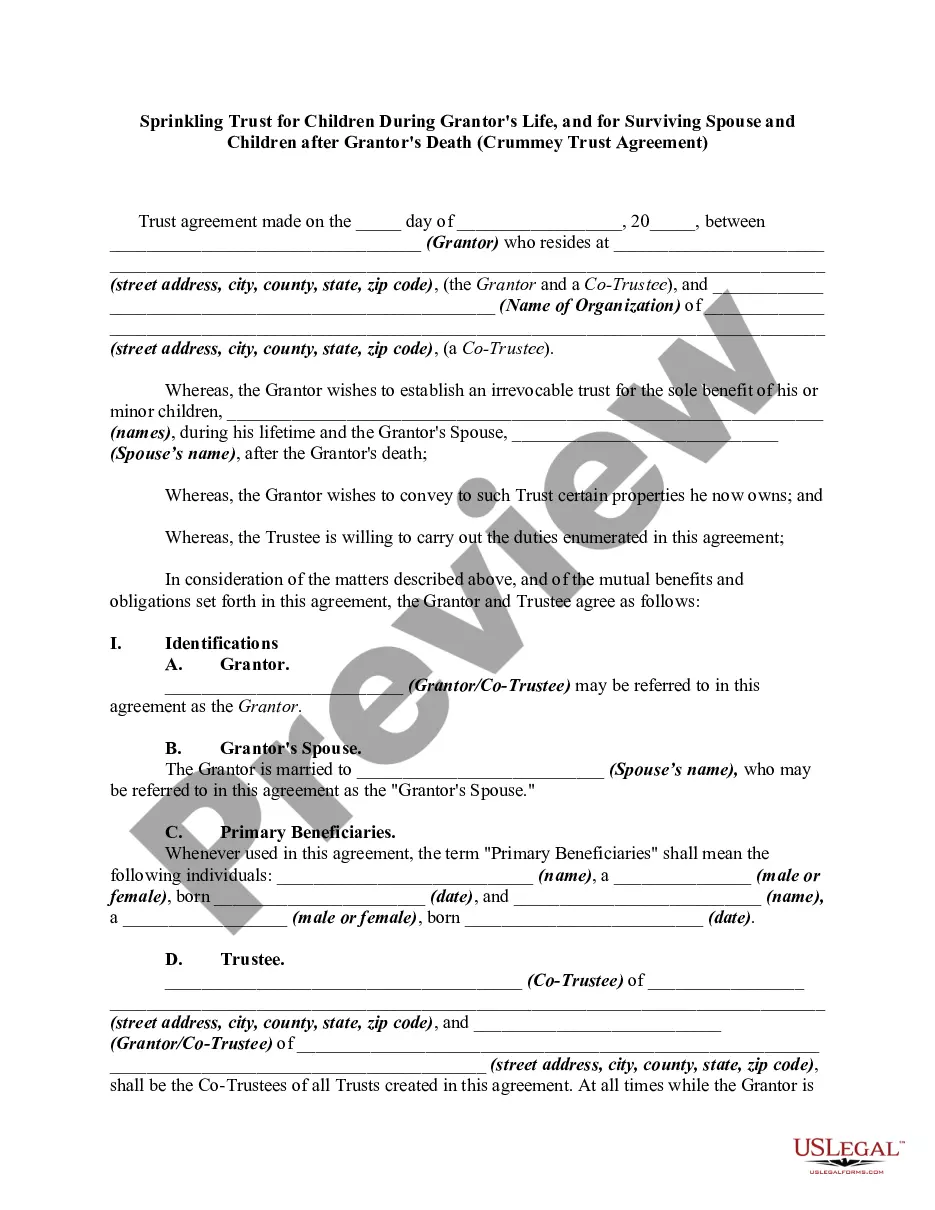
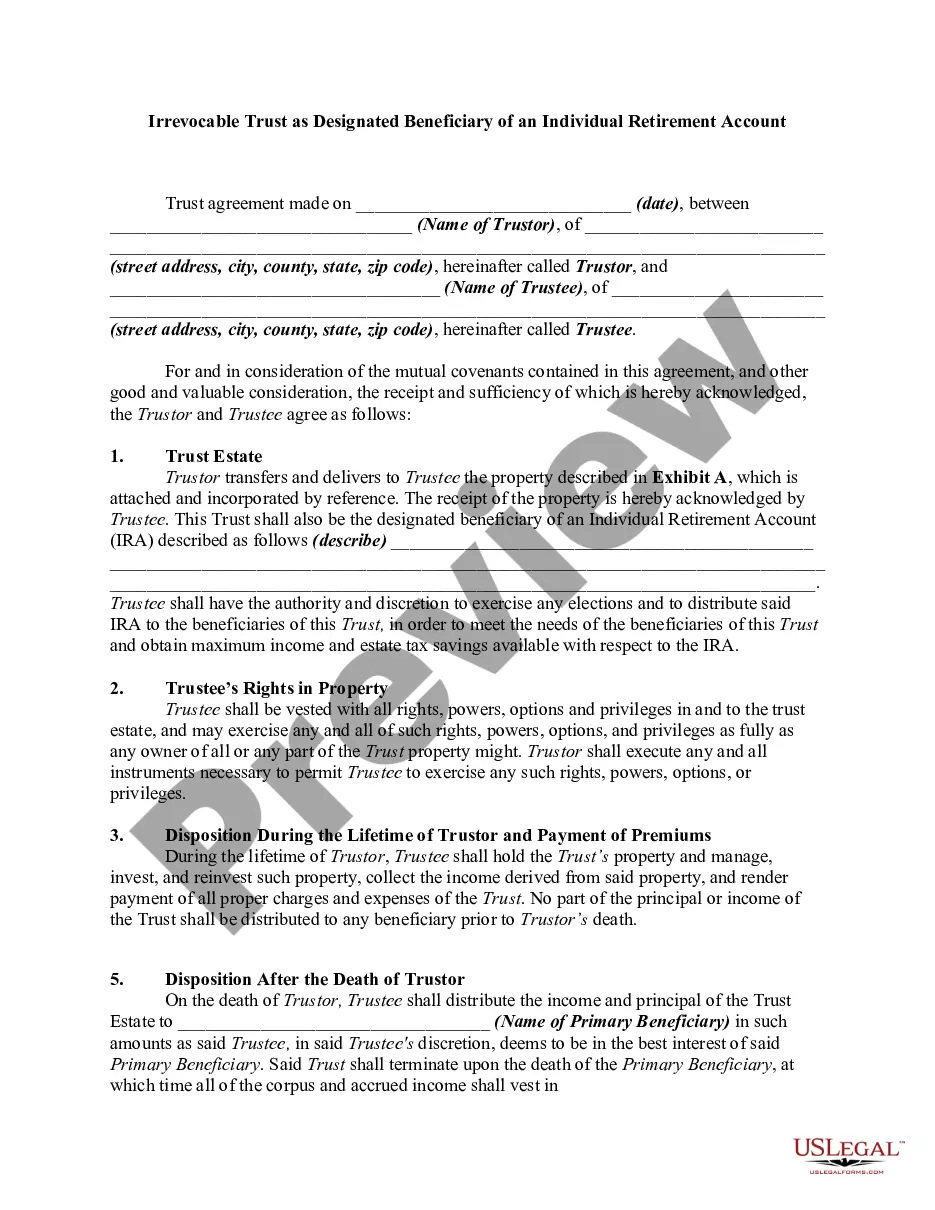
Get your form ready online
Our built-in tools help you complete, sign, share, and store your documents in one place.
Make edits, fill in missing information, and update formatting in US Legal Forms—just like you would in MS Word.
Download a copy, print it, send it by email, or mail it via USPS—whatever works best for your next step.
Sign and collect signatures with our SignNow integration. Send to multiple recipients, set reminders, and more. Go Premium to unlock E-Sign.
If this form requires notarization, complete it online through a secure video call—no need to meet a notary in person or wait for an appointment.
We protect your documents and personal data by following strict security and privacy standards.

Make edits, fill in missing information, and update formatting in US Legal Forms—just like you would in MS Word.

Download a copy, print it, send it by email, or mail it via USPS—whatever works best for your next step.

Sign and collect signatures with our SignNow integration. Send to multiple recipients, set reminders, and more. Go Premium to unlock E-Sign.

If this form requires notarization, complete it online through a secure video call—no need to meet a notary in person or wait for an appointment.

We protect your documents and personal data by following strict security and privacy standards.
Looking for another form?









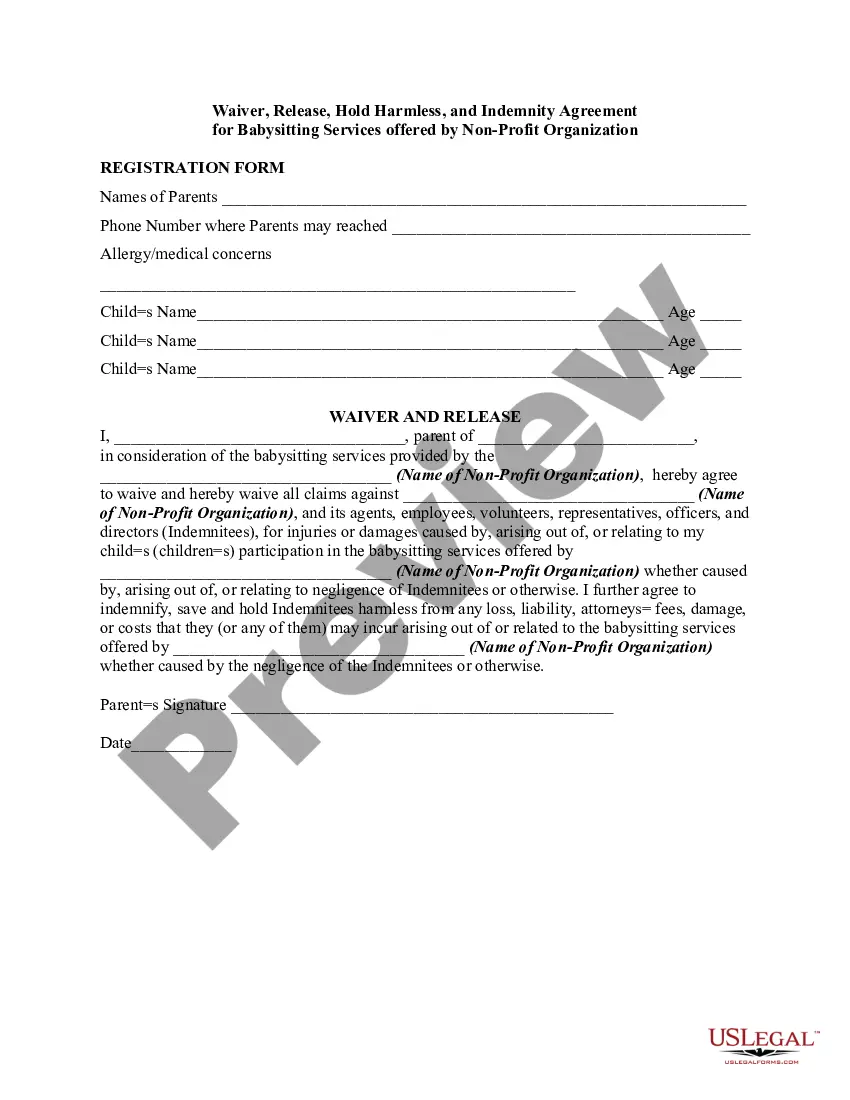
How to fill out Irrevocable Life Insurance Trust - Beneficiaries Have Crummey Right Of Withdrawal?
Whether for business purposes or for personal affairs, everybody has to handle legal situations at some point in their life. Completing legal papers demands careful attention, starting with picking the proper form template. For example, if you select a wrong version of a Insurance Beneficiary Spouse Form Template, it will be turned down once you send it. It is therefore important to get a dependable source of legal documents like US Legal Forms.
If you have to get a Insurance Beneficiary Spouse Form Template template, stick to these simple steps:
- Get the template you need using the search field or catalog navigation.
- Look through the form’s information to make sure it fits your case, state, and county.
- Click on the form’s preview to view it.
- If it is the wrong document, get back to the search function to locate the Insurance Beneficiary Spouse Form Template sample you require.
- Get the file if it meets your needs.
- If you have a US Legal Forms account, just click Log in to access previously saved files in My Forms.
- In the event you don’t have an account yet, you can download the form by clicking Buy now.
- Select the correct pricing option.
- Finish the account registration form.
- Pick your transaction method: use a bank card or PayPal account.
- Select the document format you want and download the Insurance Beneficiary Spouse Form Template.
- Once it is saved, you can fill out the form by using editing applications or print it and complete it manually.
With a vast US Legal Forms catalog at hand, you don’t need to spend time searching for the appropriate template across the internet. Make use of the library’s straightforward navigation to get the right template for any occasion.
Form popularity
FAQ
Hear this out loud PauseWhile married people typically choose to name each other as their insurance beneficiaries, single people can choose to name anyone who is either related to them or who might depend on them financially. You may also be able to name a partner or good friend to whom you're not married.
Hear this out loud Pausechange of name only. If the policy has joint ownership, all owners must sign any form submitted. Complete the Request for Change of Beneficiary form by listing the full given name for each person being named. Indicate their address, social security number, date of birth, and relationship to the insured person.
Hear this out loud PauseMost beneficiary designations will require you to provide a person's full legal name and their relationship to you (spouse, child, mother, etc.). Some beneficiary designations also include information like mailing address, email, phone number, date of birth and Social Security number.
Most life insurance policies will pay out the death benefit to the named beneficiaries after the policyholder dies. However, in community property states, the policyholder's spouse is automatically considered the beneficiary.
Hear this out loud PauseIt depends on your state of residence. If you reside in a ?community property state? (Arizona, California, Idaho, Louisiana, Nevada, New Mexico, Texas, Washington, Wisconsin), you need your spouse's consent to designate any primary beneficiary other than your spouse. This need arises from state property law.