Secured Party Creditor In Court
Description
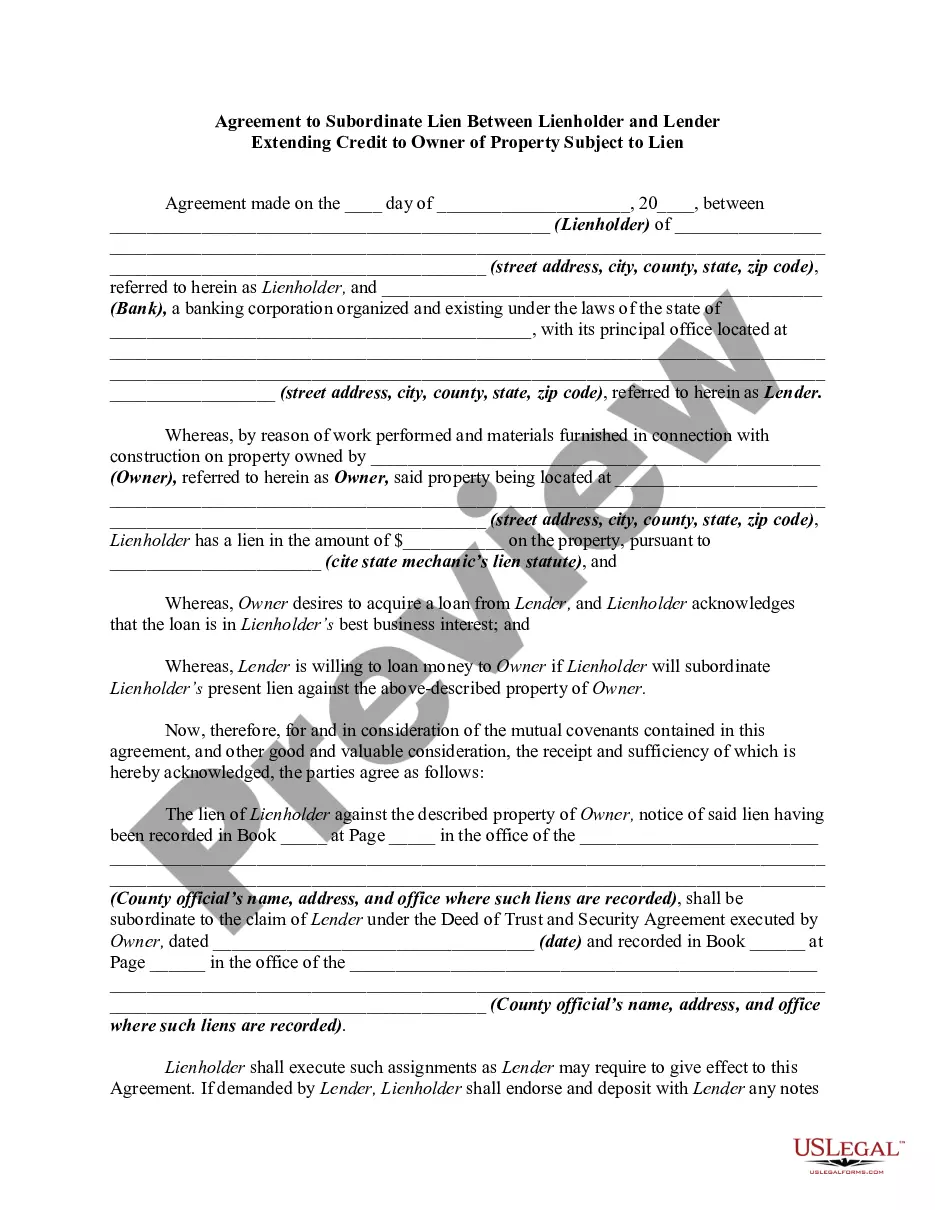
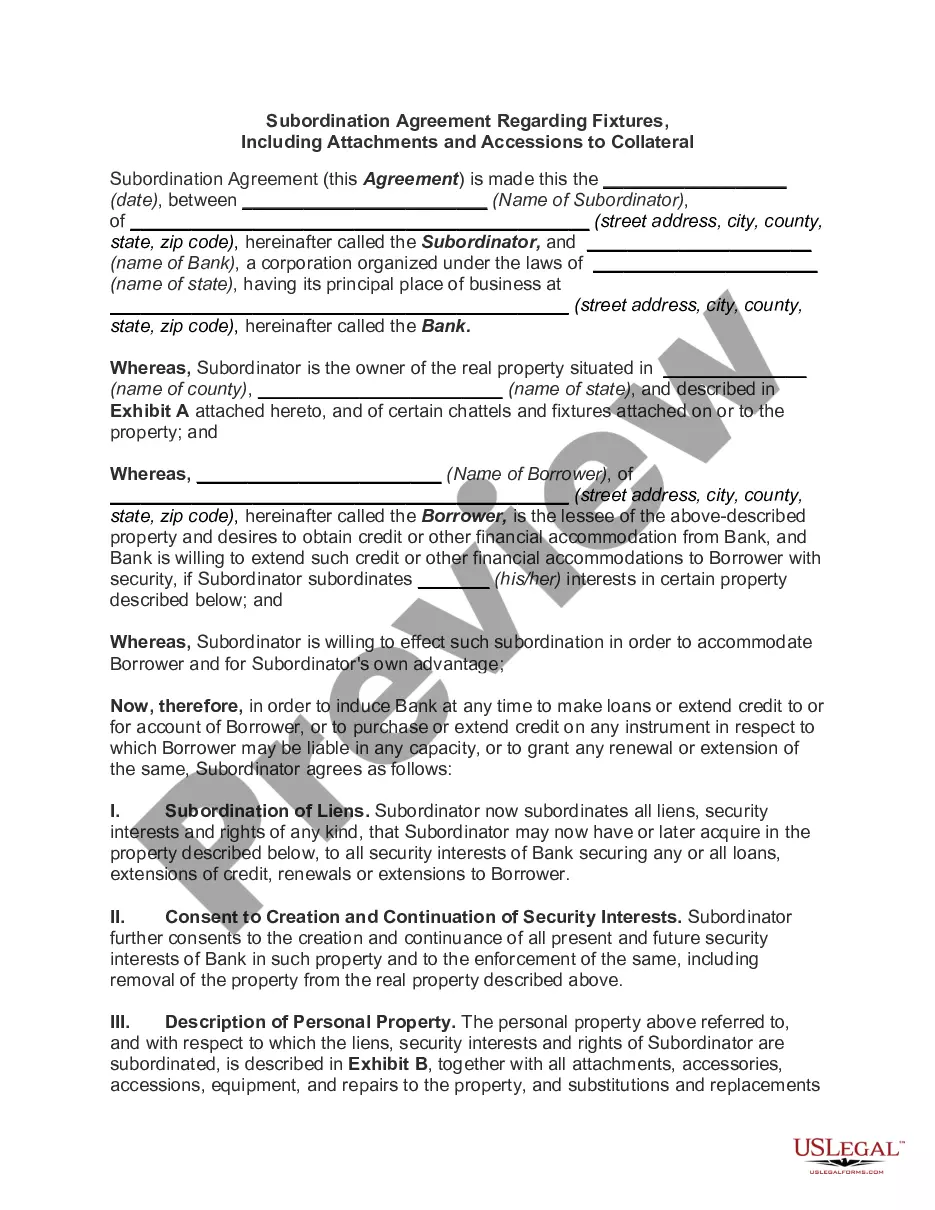
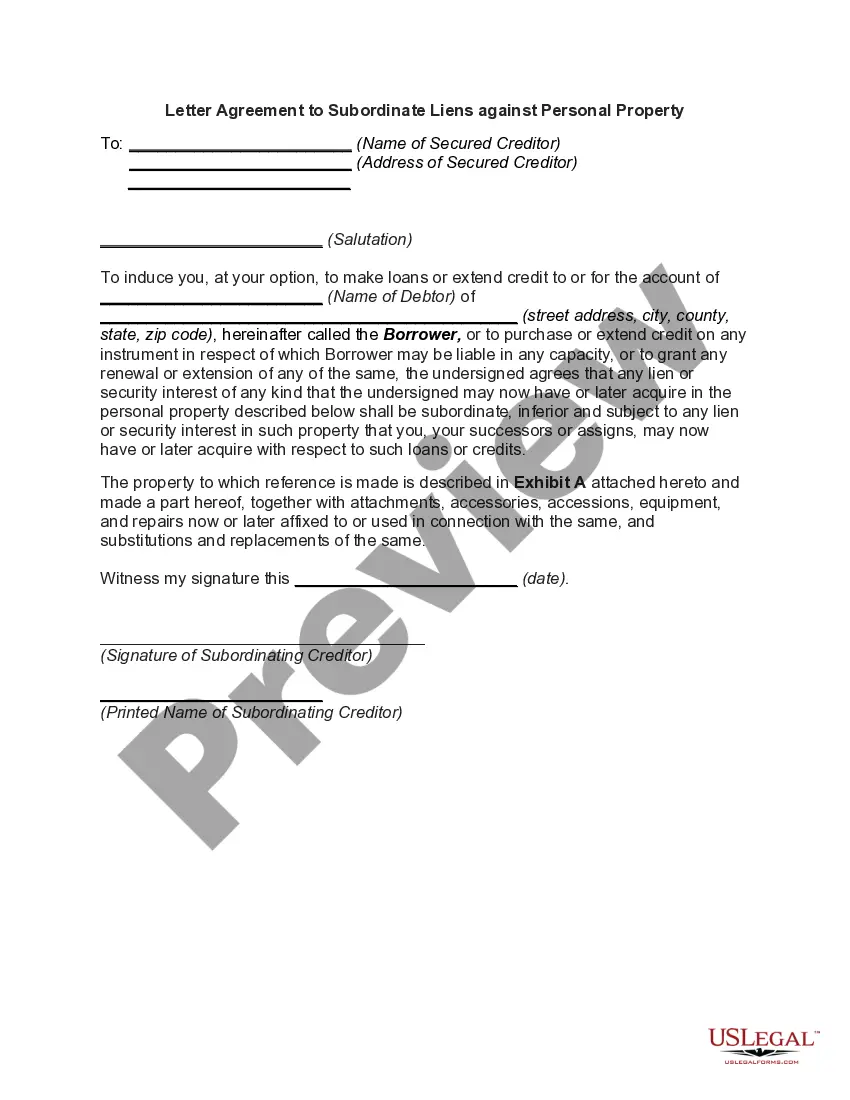
Get your form ready online
Our built-in tools help you complete, sign, share, and store your documents in one place.
Make edits, fill in missing information, and update formatting in US Legal Forms—just like you would in MS Word.
Download a copy, print it, send it by email, or mail it via USPS—whatever works best for your next step.
Sign and collect signatures with our SignNow integration. Send to multiple recipients, set reminders, and more. Go Premium to unlock E-Sign.
If this form requires notarization, complete it online through a secure video call—no need to meet a notary in person or wait for an appointment.
We protect your documents and personal data by following strict security and privacy standards.

Make edits, fill in missing information, and update formatting in US Legal Forms—just like you would in MS Word.

Download a copy, print it, send it by email, or mail it via USPS—whatever works best for your next step.

Sign and collect signatures with our SignNow integration. Send to multiple recipients, set reminders, and more. Go Premium to unlock E-Sign.

If this form requires notarization, complete it online through a secure video call—no need to meet a notary in person or wait for an appointment.

We protect your documents and personal data by following strict security and privacy standards.
Looking for another form?









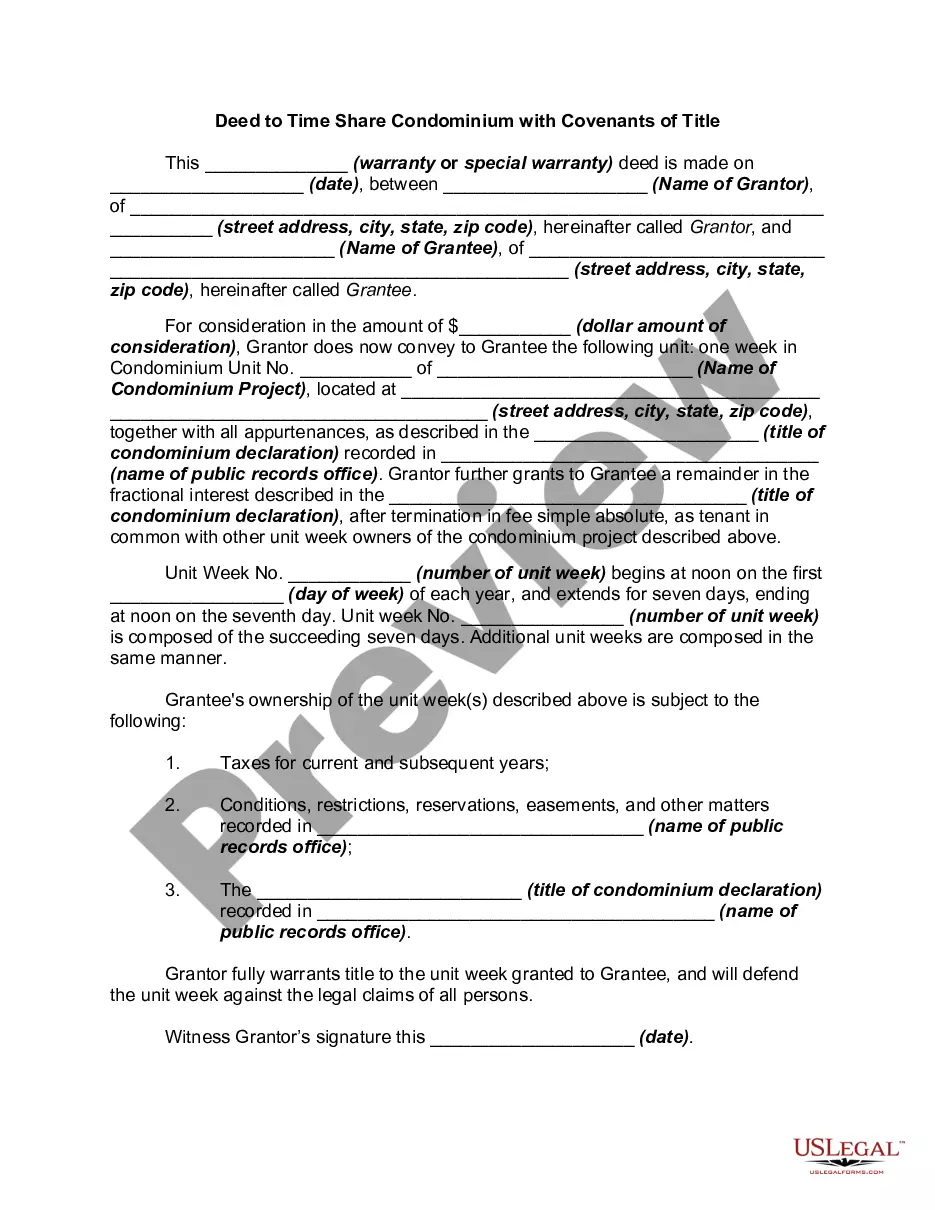
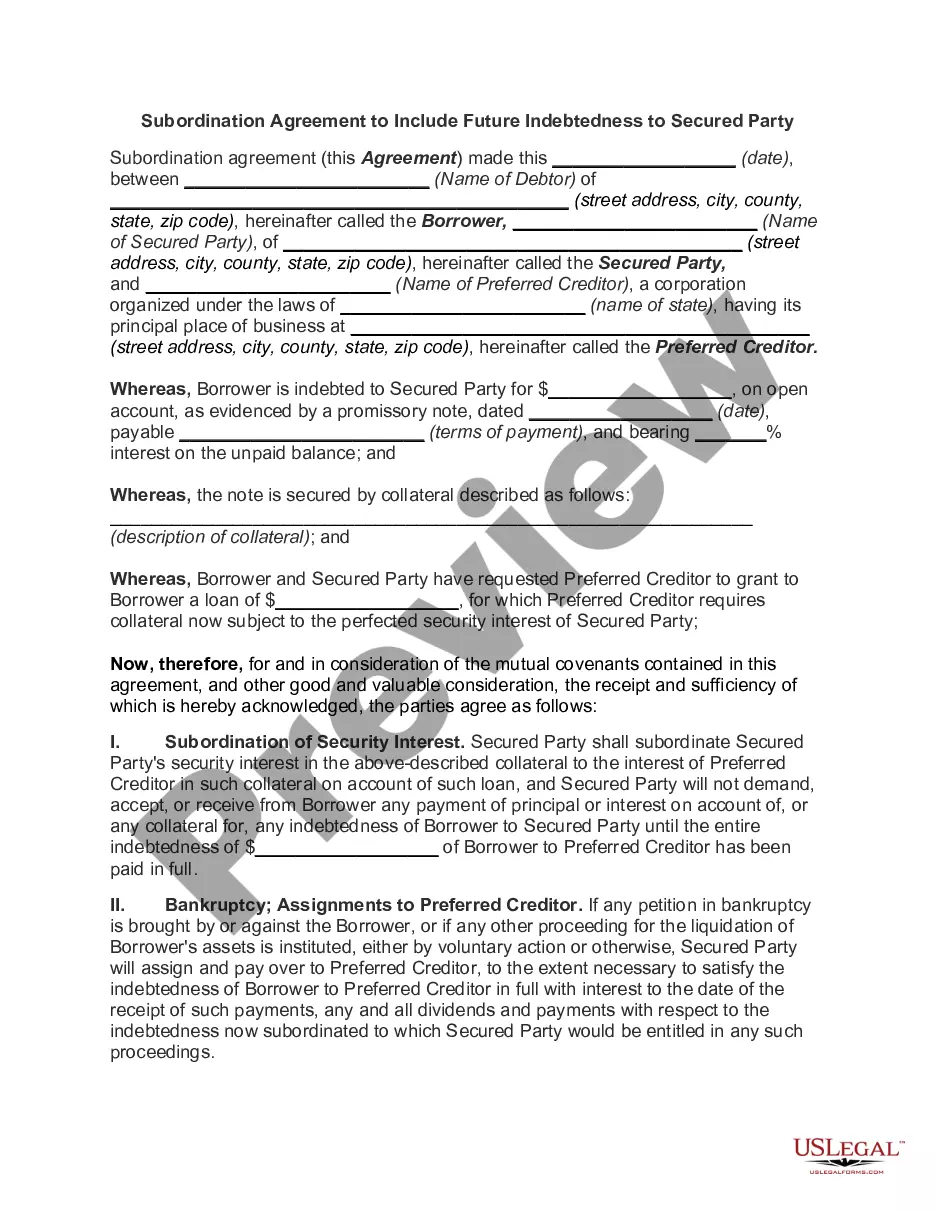
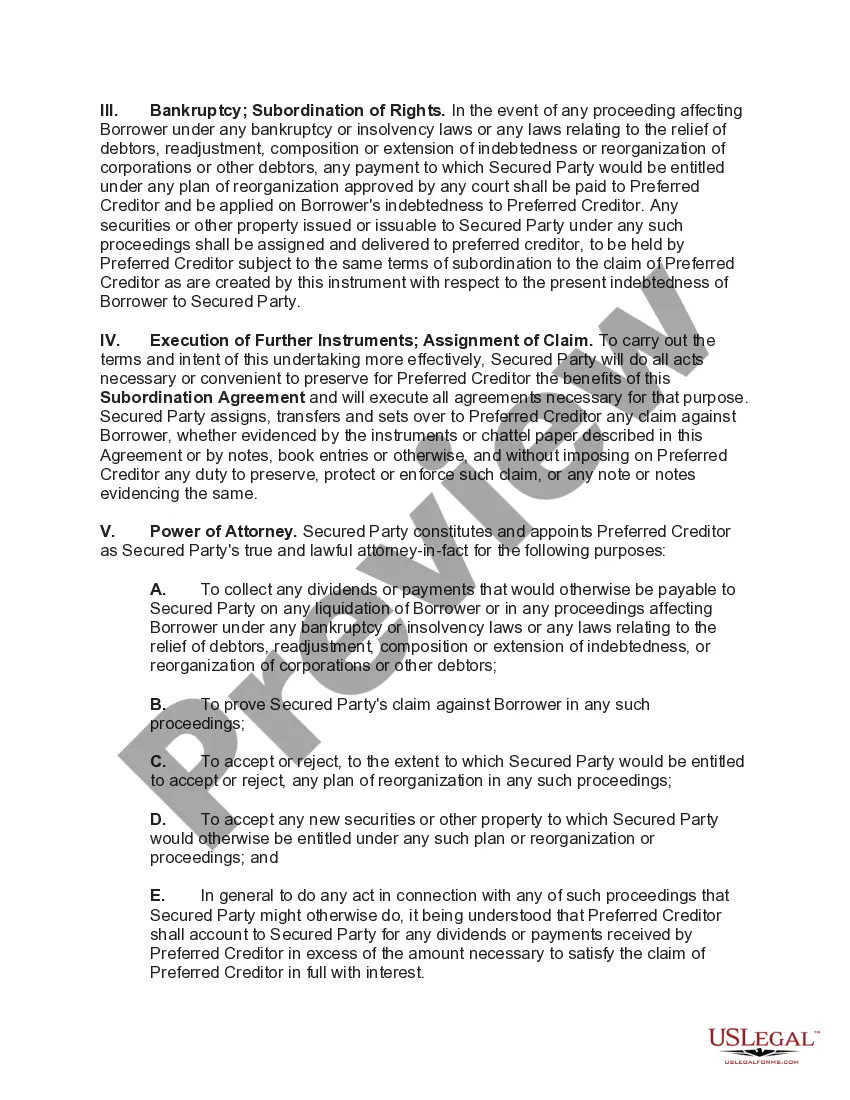
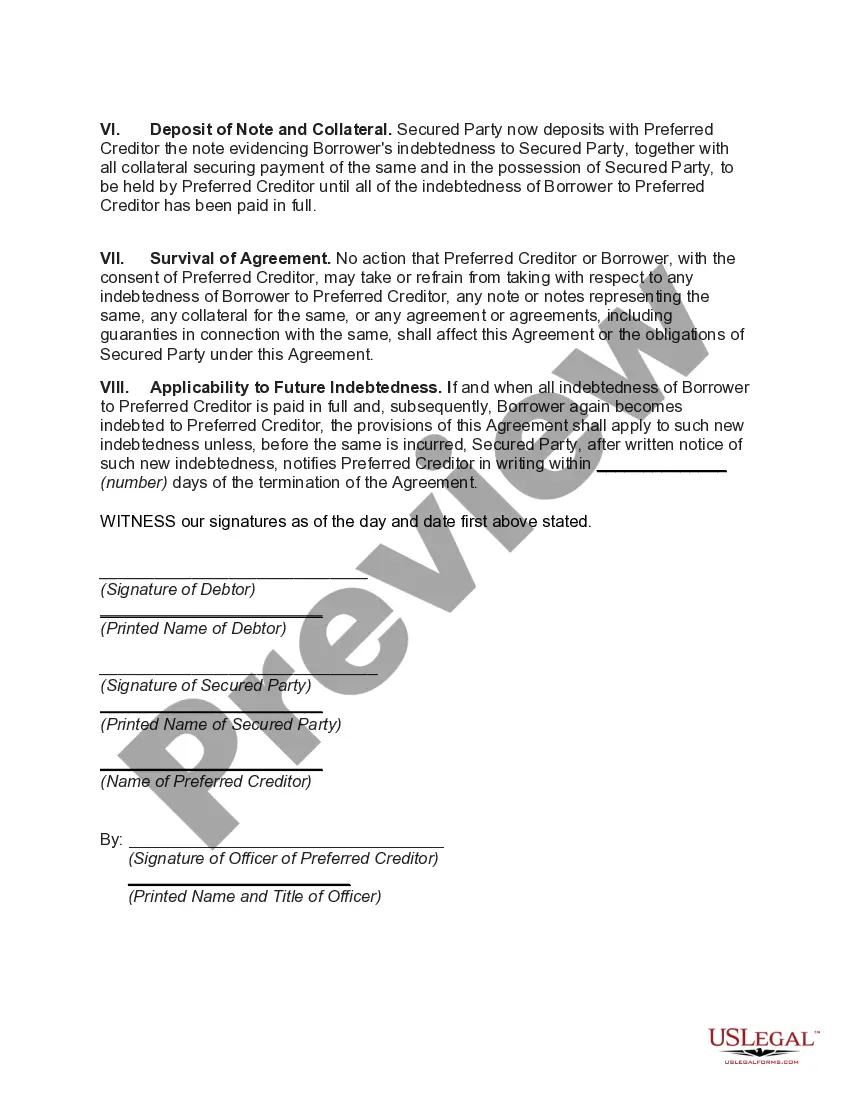
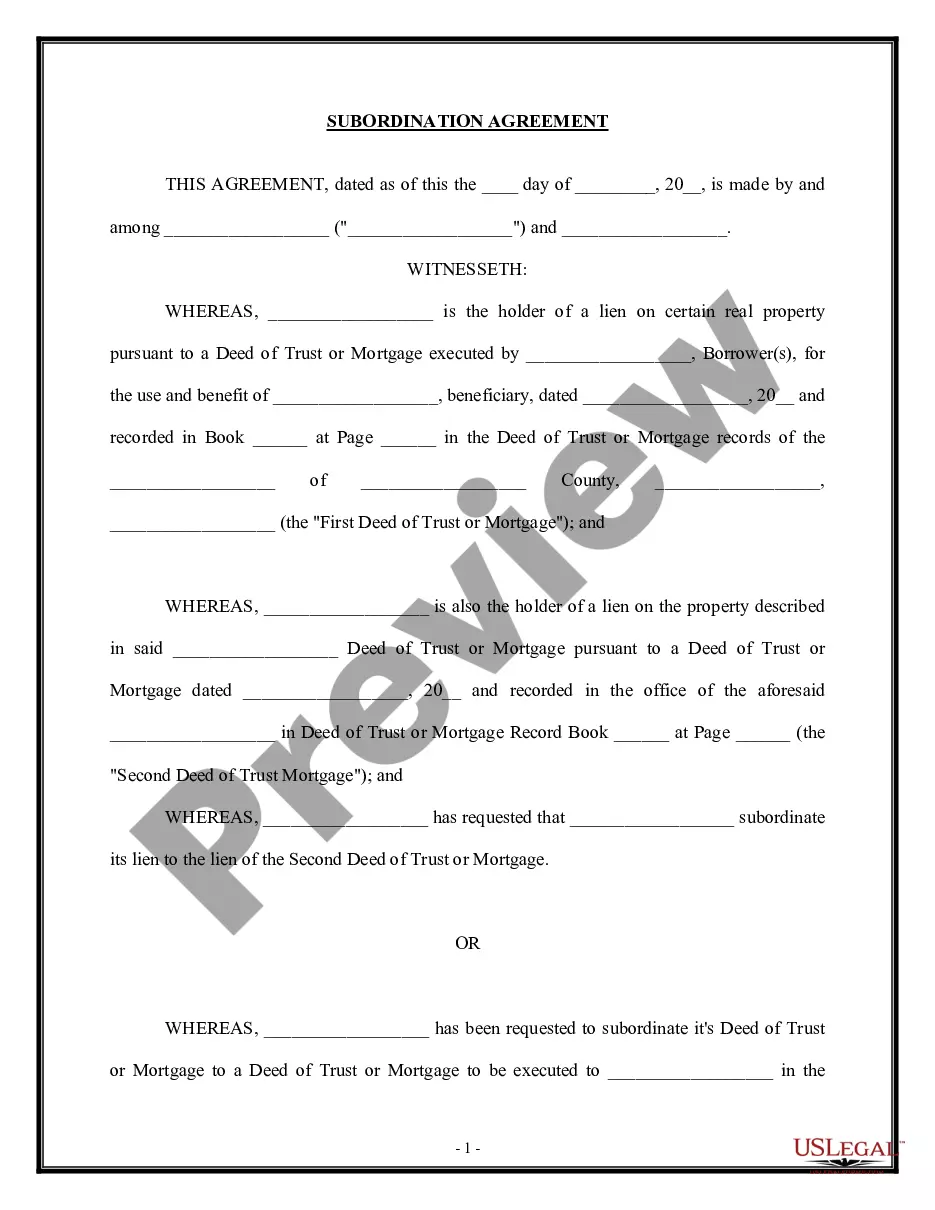
How to fill out Subordination Agreement To Include Future Indebtedness To Secured Party?
Properly composed official documentation is one of the crucial assurances for preventing problems and legal disputes, but acquiring it without legal assistance might require time.
Whether you need to swiftly locate a current Secured Party Creditor In Court or any other documents for employment, family, or business circumstances, US Legal Forms is always available to assist.
The procedure is even simpler for current users of the US Legal Forms library. If your subscription is active, you only need to Log In to your account and click the Download button next to the selected document. Additionally, you can access the Secured Party Creditor In Court at any time later, as all documents ever obtained on the platform remain accessible within the My documents tab of your profile. Save time and money on preparing official documents. Try US Legal Forms right now!
- Ensure that the form is appropriate for your situation and locality by reviewing the description and preview.
- Search for another example (if necessary) through the Search bar in the header of the page.
- Click Buy Now once you find the suitable template.
- Select the pricing option, Log In to your account, or create a new one.
- Choose your preferred payment method to purchase the subscription plan (via credit card or PayPal).
- Select PDF or DOCX file format for your Secured Party Creditor In Court.
- Click Download, then print the template to complete it or add it to an online editor.
Form popularity
FAQ
An example of secured debt is a mortgage, where the property itself serves as collateral. If the borrower defaults on mortgage payments, the lender can initiate foreclosure proceedings to reclaim the property. Understanding the role of secured party creditors in court when dealing with secured debts, such as mortgages or auto loans, can help you navigate your financial obligations more effectively.
Other secured creditors can include banks, financial institutions, and individuals who provide loans backed by collateral. These creditors have specific agreements detailing their rights to recover debts through the sale of secured assets. If you find yourself involved in a situation with multiple secured party creditors in court, understanding each party's rights can be crucial for your strategy.
A secured creditor of a company holds a security interest in the company's assets, which means they have a legal claim to specific assets in the event of a default. This arrangement provides the secured party creditor in court with certain advantages, particularly during proceedings related to bankruptcy or debt recovery. Essentially, secured creditors have a priority over unsecured creditors when it comes to the distribution of assets.
To file as a secured party creditor, one must complete a financing statement that identifies the collateral and the parties involved. This document must be filed with the appropriate state office as mandated by UCC regulations. Proper filing establishes the secured party's rights and creates a public record of the security interest. Resources from UsLegalForms can simplify this filing process, ensuring all requirements are met efficiently.
Creditors, including secured parties, may pursue several remedies if a debtor defaults. These can include obtaining a judgment against the debtor, garnishing wages, or seizing assets. Understanding these options ensures a secured party creditor in court can take informed actions. Platforms like UsLegalForms can provide essential guidance throughout this process.
In a bankruptcy proceeding, a secured creditor typically does not need to file a proof of claim to enforce their rights. However, doing so may clarify their position and potential recovery. This filing serves to protect the secured party creditor in court by ensuring their interest is documented and recognized. In some cases, UsLegalForms can assist creditors in preparing the necessary claim forms.
In the event of liquidation, secured creditors receive payment from the sale of their collateral. This means they often regain some or all of their investment, rather than waiting for residual value after unsecured claims are addressed. Any shortfall against the total debt after liquidation can potentially lead to claims as unsecured creditors. Thus, the role of the secured party creditor in court becomes vital during these proceedings.
During liquidation, secured creditors are treated preferentially compared to unsecured creditors. They possess a legal claim to specific collateral backing their loans. Therefore, when a company's assets are sold, secured creditors receive the proceeds from the sale of their collateral before any distributions are made to unsecured creditors. Understanding this distinction is crucial for navigating financial reorganizations.
The process of a secured creditor involves several steps to enforce their rights in court. Initially, the secured party should establish their security interest through proper documentation. When seeking to collect a debt, they may need to file a lawsuit and present evidence supporting their claim. This establishes the secured party creditor in court and helps secure the best possible outcome.
Being a secured party creditor means having a formal agreement that grants you rights over an asset to secure debt repayment. This status provides a layer of protection that unsecured creditors do not possess. In case of any legal disputes, a secured party creditor in court can leverage their status to expedite the recovery of debts.
