Surety General Indemnity Agreement
Description
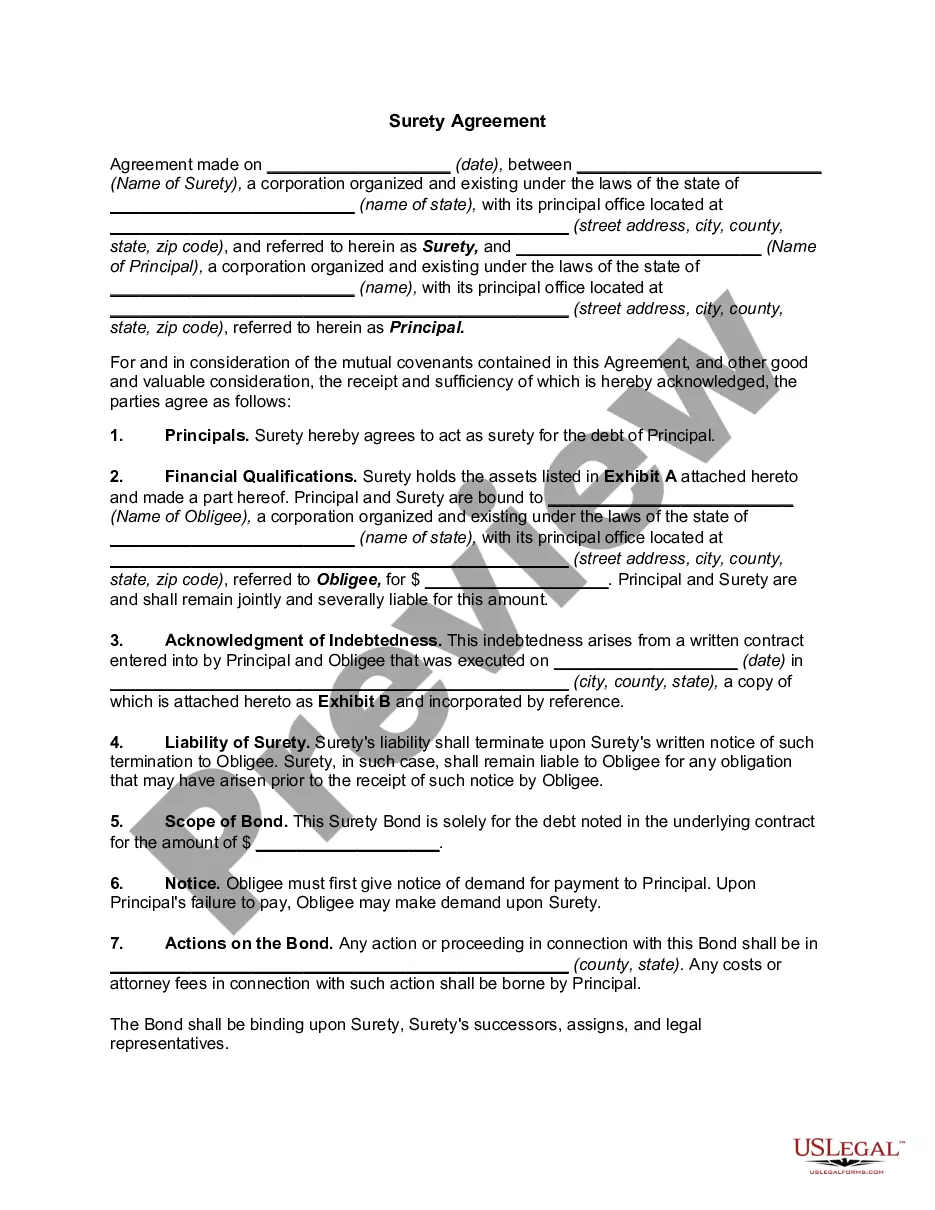
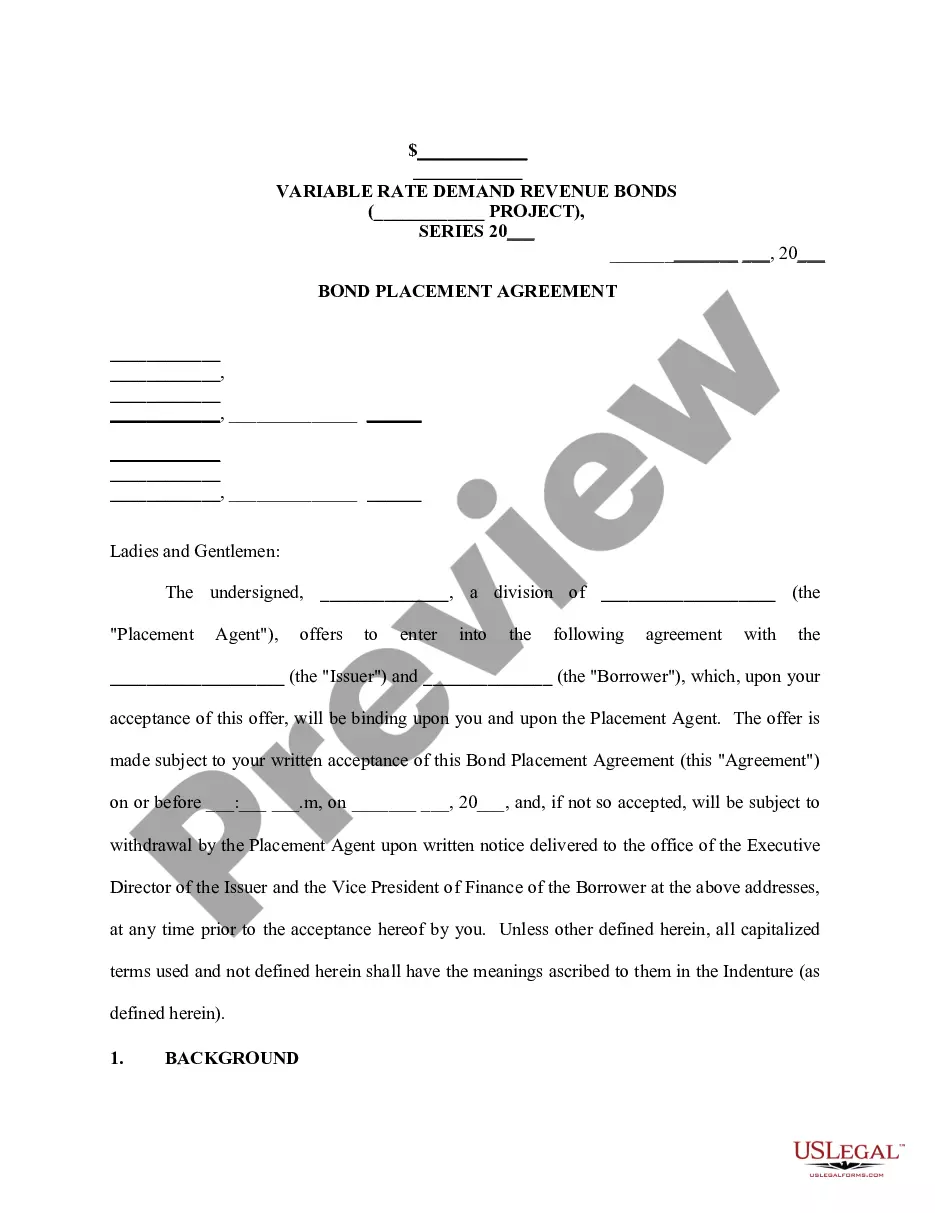
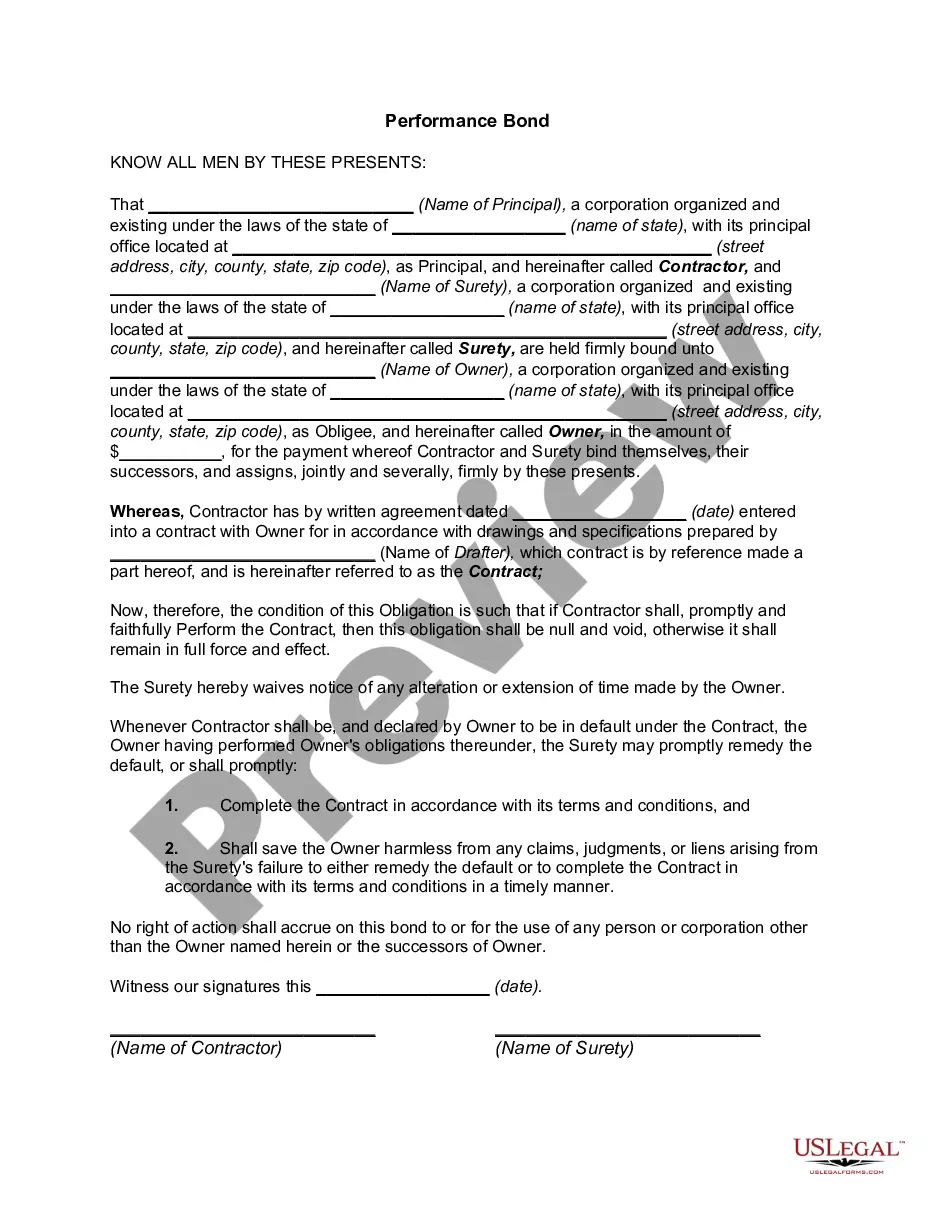
How to fill out Surety Agreement?
- If you're a returning user, log in to your account and download the necessary form by clicking the Download button. Ensure your subscription remains active; renew if necessary.
- For new users, inspect the Preview mode and read the form description thoroughly to ensure you select the correct agreement that meets your local jurisdiction requirements.
- If the desired template doesn't match your needs, utilize the Search tab to explore other options until you find the correct document.
- Once satisfied, click the Buy Now button and choose a subscription plan that best suits your needs, ensuring you set up an account to access the library.
- Complete your purchase using your credit card or PayPal for subscription payment.
- Finally, download your surety general indemnity agreement and save it to your device. You can access this document anytime from the My Forms section of your profile.
In conclusion, US Legal Forms offers a user-friendly platform with a robust collection of templates, ensuring you find what you need easily. Their support from premium experts aids in creating precisely executed legal documents.
Start your journey today towards efficient legal solutions with US Legal Forms!
Form popularity
FAQ
The general indemnification clause is a provision in contracts that obligates one party to compensate another for losses or damages incurred as a result of certain actions. This clause provides essential protection, particularly in the context of surety general indemnity agreements, by clarifying each party’s responsibilities. A well-structured indemnification clause ensures that responsibilities are clearly defined, minimizing potential conflicts.
To draft a good indemnity clause, start by clearly defining the responsibilities of each party involved. Specify the conditions under which indemnification occurs and outline any limits to liabilities. Utilizing templates from US Legal Forms can ease this process, guiding you to create precise and effective clauses that address your specific needs.
An indemnity clause could specify that one party will compensate the other for any losses resulting from negligence or breaches of contract. For instance, it may say that the indemnitor must indemnify the surety for claims stemming from failure to perform as per the contract. Including such clauses ensures both parties are aware of their liabilities.
An example of a general indemnity clause might state that the indemnitor agrees to indemnify and hold harmless the surety against any claims, demands, or costs arising from the execution of the bond. This clause outlines the indemnitor's obligation to cover any potential losses or damages. Such clarity helps both parties understand their roles and reduces potential disputes during business transactions.
A surety indemnity agreement is a contract that outlines the responsibilities of the indemnitor to reimburse the surety for any claims that arise against a bond. This agreement serves as a protective measure for the surety, ensuring they are financially safeguarded. You can navigate the complexities of these agreements with resources from platforms like US Legal Forms, which provide templates and guidance to simplify the process.
A general indemnity bond is a type of bond where the indemnitor agrees to compensate the surety for any losses incurred due to the principal's failure to fulfill contract obligations. Essentially, it provides a safety net for the surety, ensuring they are reimbursed for any payouts. Understanding this bond is crucial for businesses looking to establish financial security and protect their interests.
The purpose of a surety general indemnity agreement is to protect the surety company from financial loss. It ensures that if an obligation under a bond is breached, the indemnitor will compensate the surety for any claims, losses, or expenses incurred. This arrangement helps maintain trust and accountability between all involved parties, promoting smoother business operations.
Generally, a Surety general indemnity agreement does not explicitly need to be notarized. However, notarization can enhance credibility and prevent future disputes. It is wise to consult your state’s requirements, as certain jurisdictions may have specific guidelines for indemnity agreements. If you're using platforms like USLegalForms, they can guide you through this process ensuring compliance.
Certain agreements, particularly those related to significant financial transactions, often require notarization. This includes contracts such as wills, property deeds, and sometimes, a Surety general indemnity agreement. Notarization helps establish authenticity, adding an extra layer of protection for all parties involved. Always verify local requirements to ensure proper protocol is followed.
To create a Surety general indemnity agreement, you need to include clear terms outlining each party's responsibilities. Typically, this includes the names of the indemnitors and indemnitees, a description of the obligations being secured, and signatures from all parties involved. Additionally, the agreement should comply with local laws, so consulting a legal expert might be beneficial.