Surety Agreement Get For Theft
Description
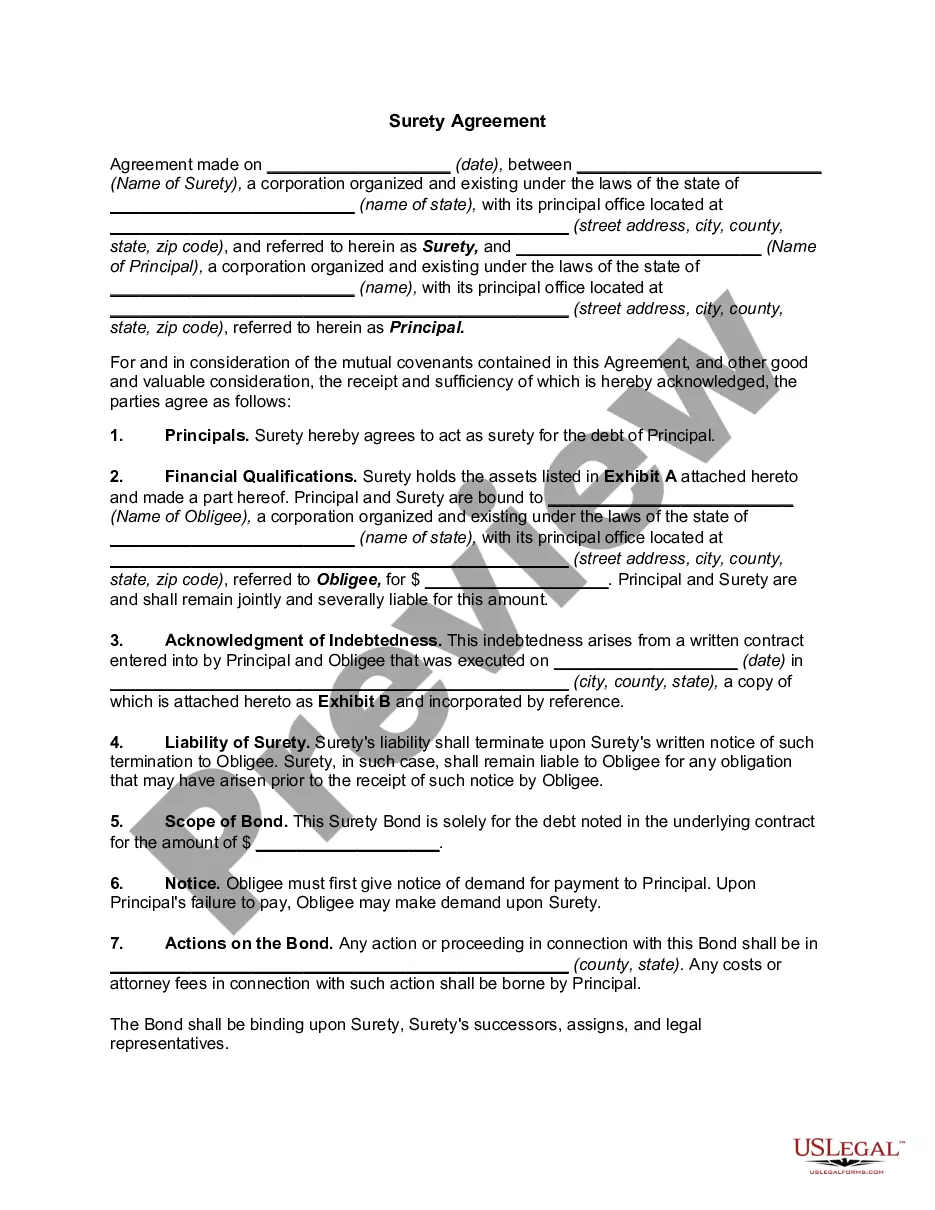
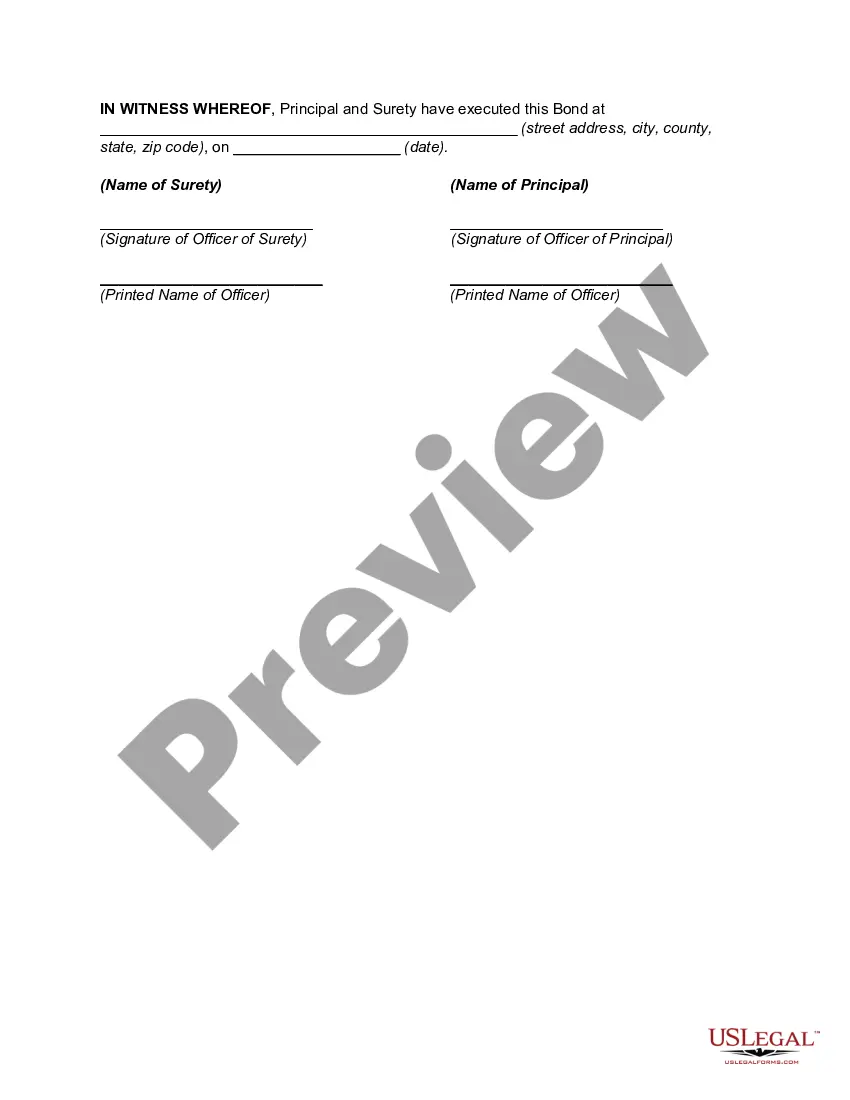
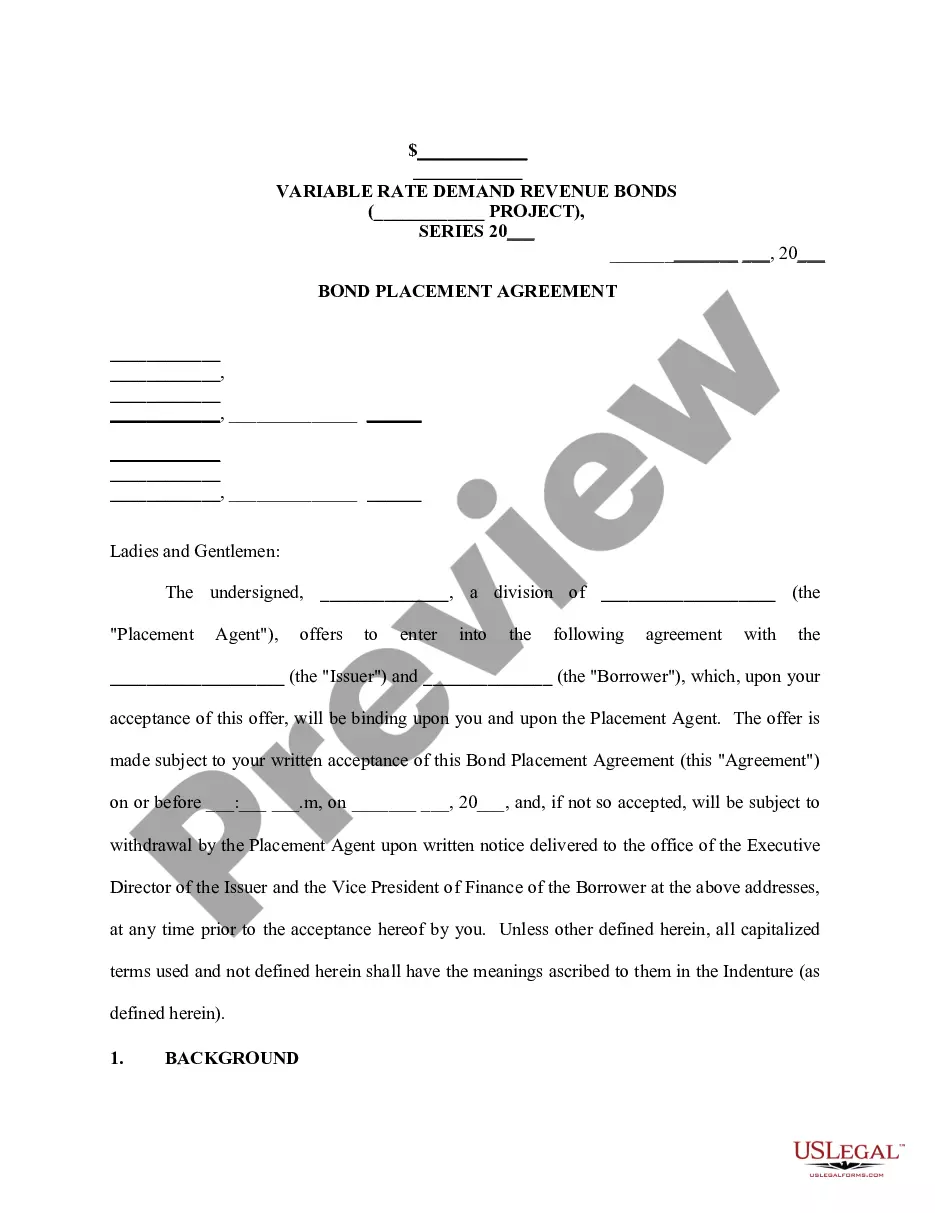
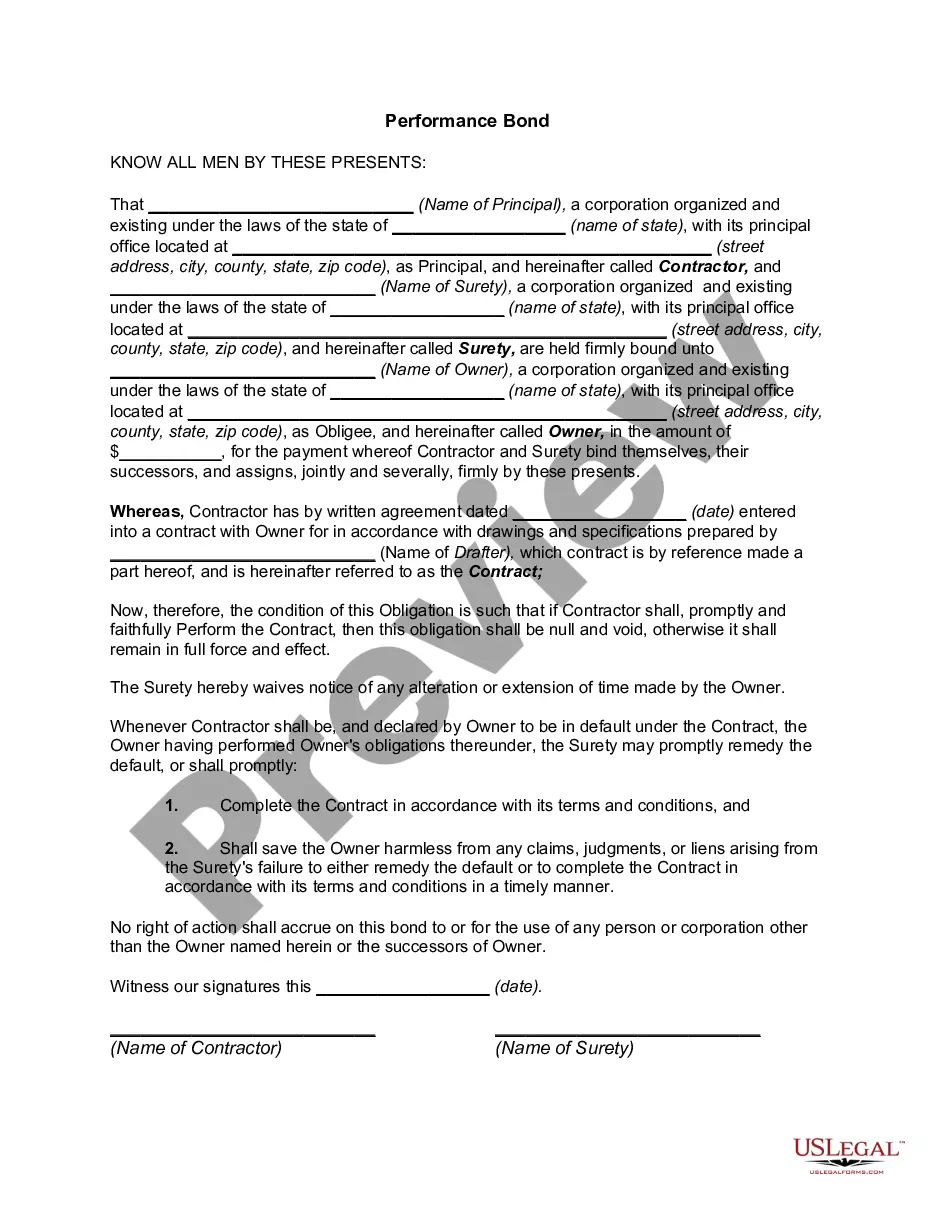
How to fill out Surety Agreement?
- If you're a returning user, log in to your account and locate the surety agreement template. Ensure your subscription is active; renew if necessary.
- For new users, start by reviewing the form preview and description to confirm it meets your legal needs.
- If you need a different template, utilize the Search tab to find the appropriate form that aligns with your requirements.
- Once you’ve identified the correct document, click on the Buy Now button and select your preferred subscription plan.
- Complete your purchase by entering your payment information or logging in to PayPal.
- After payment, download the form to your device and access it anytime via the My Forms section of your profile.
US Legal Forms provides unparalleled access to over 85,000 legal templates, making it simpler for both individuals and lawyers to draft and execute necessary legal documents accurately. With their robust library, you won’t face the frustrating limitations common in other services.
Take control of your legal needs today. Visit US Legal Forms to streamline your surety agreement process and ensure you have the most comprehensive legal resources at your fingertips!
Form popularity
FAQ
The purpose of a surety agreement is to create a binding commitment where a third party guarantees the performance of the principal's duties. It offers protection to the obligee and fosters trust in business transactions. When you consider utilizing a surety agreement to get for theft, you strengthen the trust between involved parties and reduce potential risks.
A surety agreement is a contract involving three parties: the principal, the obligee, and the surety. This agreement ensures that if the principal fails to meet their responsibilities, the surety will assume that obligation. Understanding a surety agreement is essential when looking to get for theft, as it can safeguard against financial losses.
A surety bond does not typically cover theft directly, as it primarily guarantees the fulfillment of contractual obligations. However, a surety agreement designed for theft can provide specific protection based on the terms set within the bond. It is important to clearly outline such protections when seeking a surety agreement to get for theft.
The main purpose of a surety is to provide financial assurance that contractual obligations will be met. This creates trust between parties, as the presence of a surety offers protection against default. By using a surety agreement to get for theft, you protect yourself from potential losses and enhance overall confidence in the transaction.
A surety bond acts as a guarantee that the obligations outlined in an agreement will be fulfilled. It provides financial protection and peace of mind, as it assures that a surety will back the principal's commitments. Utilizing a surety agreement to get for theft can enhance your financial security in various situations.
A guarantee involves one party promising to fulfill another's obligation if they fail to do so. In contrast, a surety agreement also includes a third party, known as the surety, which commits to satisfying the obligation if the primary party defaults. Understanding this difference is crucial when considering a surety agreement to get for theft, as it better outlines responsibilities.
A surety is usually provided by a surety bond company, which assesses the risks involved and determines whether they can cover the obligations. In essence, when you pursue a surety agreement for theft, it's this company that stands behind the bond as a guarantee. Their expertise ensures both parties in the agreement are held accountable and protected throughout the contract's life.
The principal, who is the party requiring the bond, typically pays for a surety bond. This payment is made to the surety company issuing the bond, often based on the bond amount and the assessed risk. In the case of a surety agreement for theft, this financial responsibility ensures compliance and trust in the contractual obligations.
Someone would agree to be a surety to provide financial backing and help ease risk for another party. This role often builds trust between individuals and entities in various agreements, such as a surety agreement for theft. Additionally, being a surety can lead to favorable financial arrangements or help someone achieve necessary compliance for business activities, benefiting both parties.
Getting surety involves a few straightforward steps. Firstly, you assess your need for a surety agreement for theft, which is essential for your compliance or financial assurance. Next, you will want to work with a qualified surety company, like those found on USLegalForms. They will help you navigate the application process and evaluate your qualifications.