Living Trust Form Sample For Single
Description
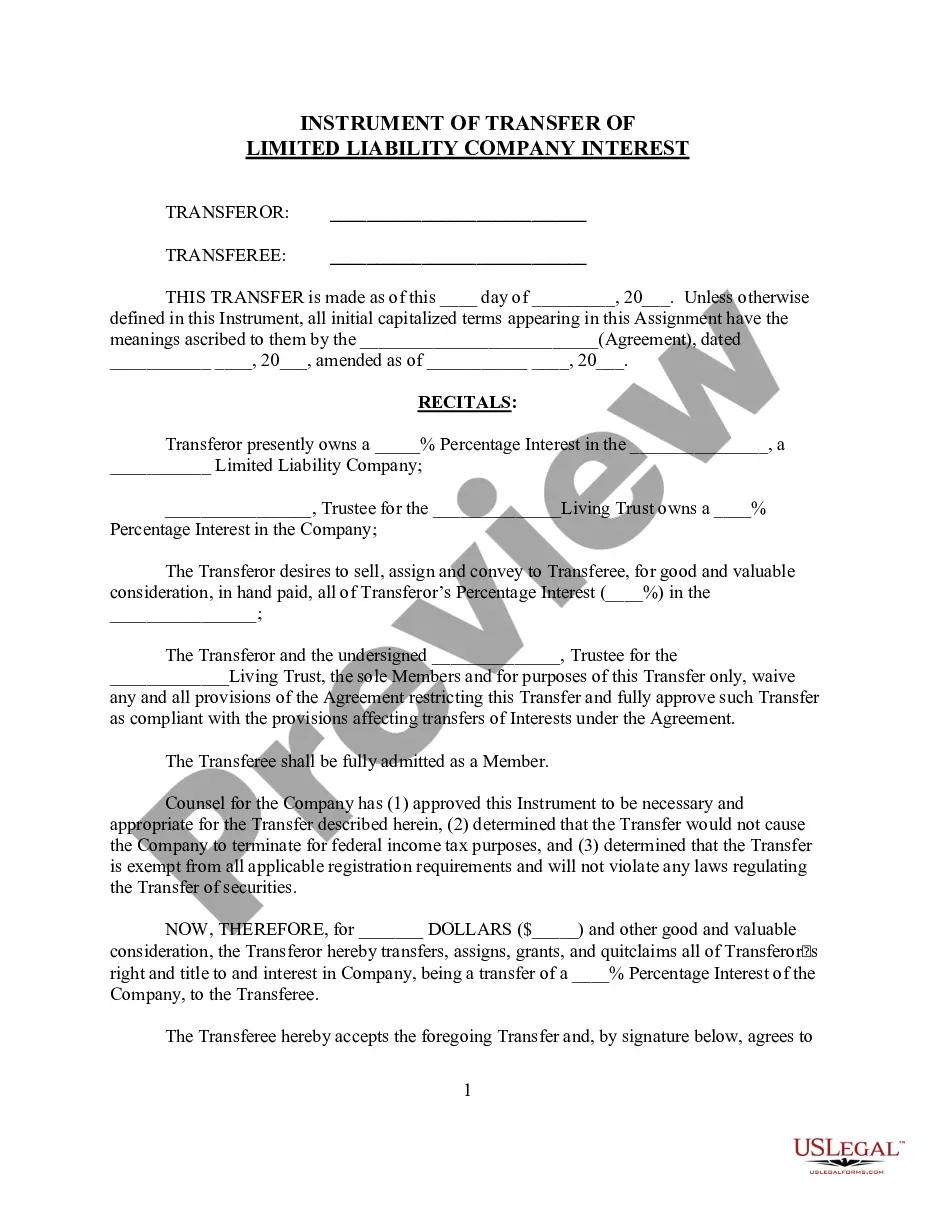
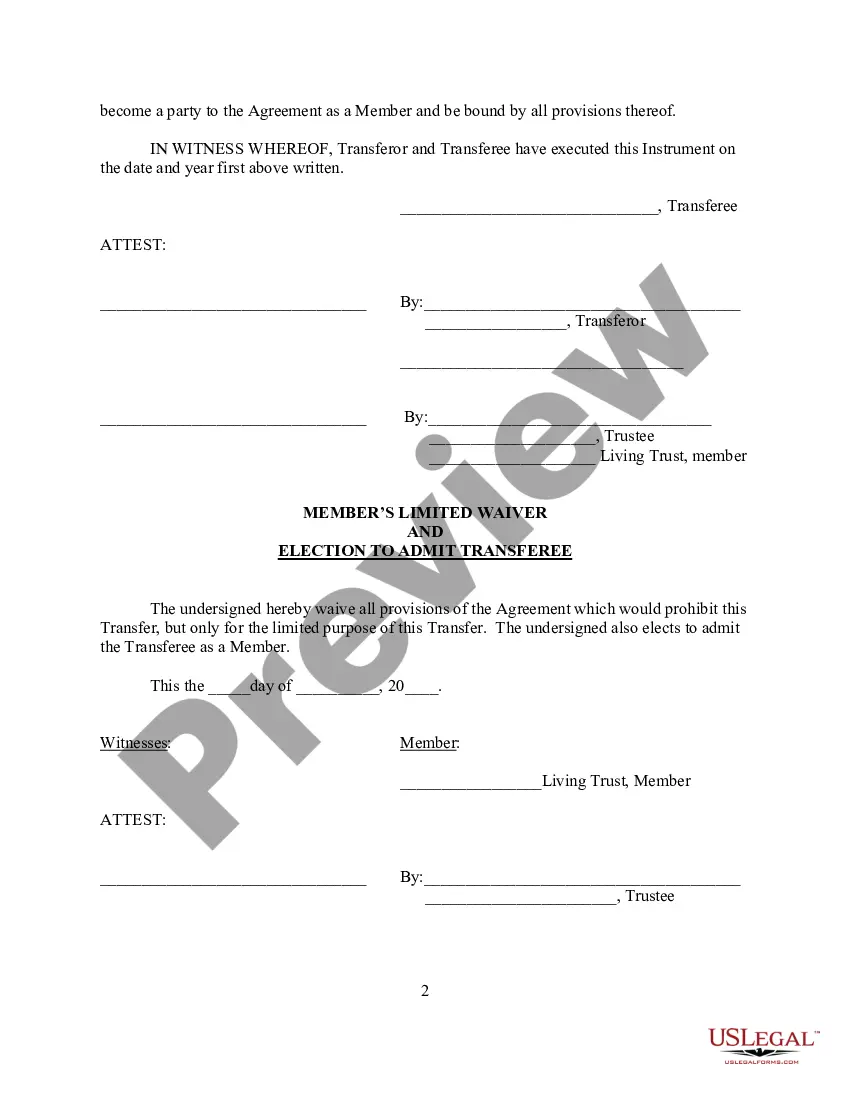
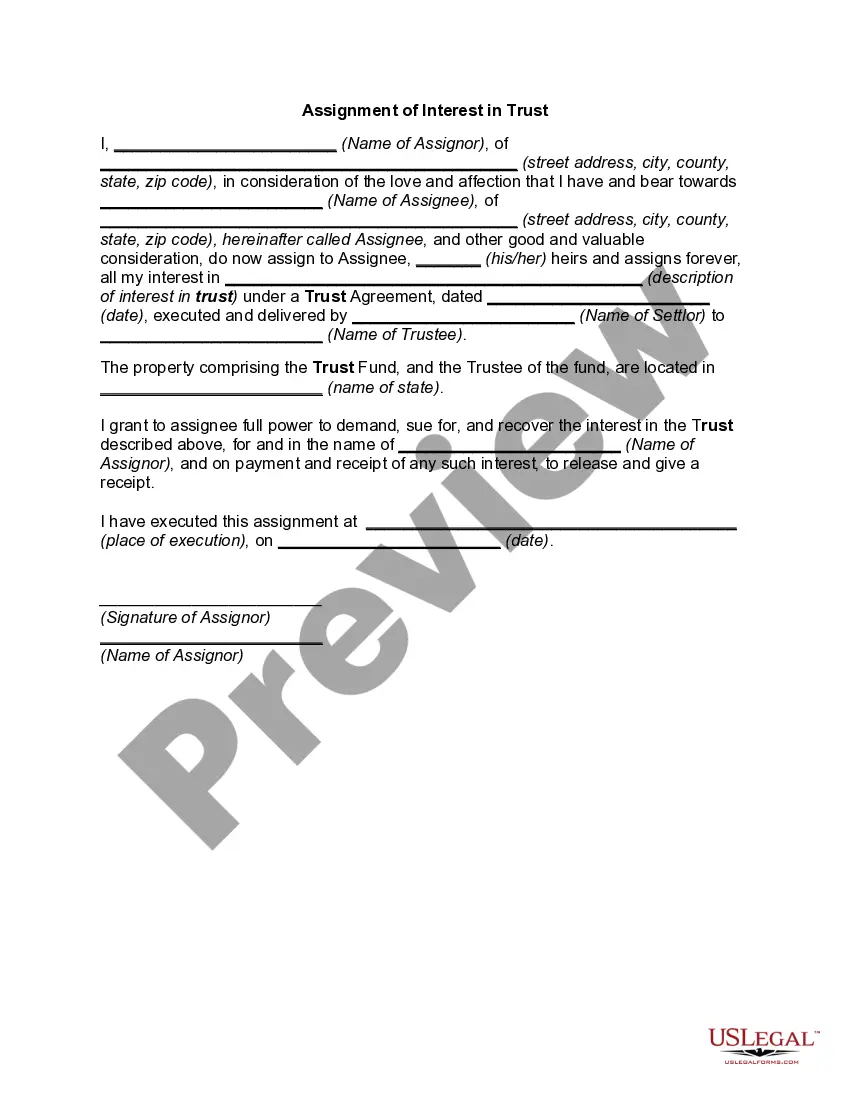
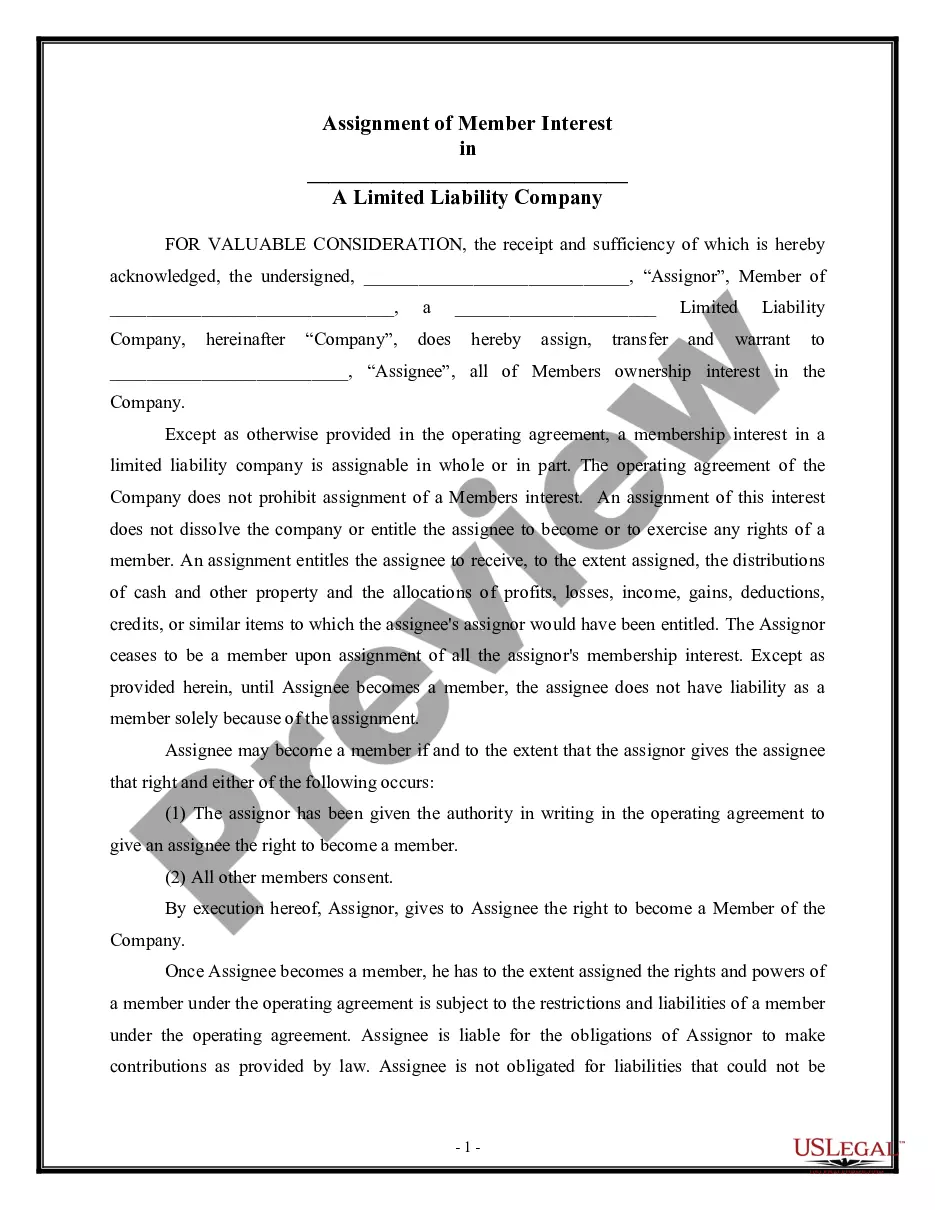
Get your form ready online
Our built-in tools help you complete, sign, share, and store your documents in one place.
Make edits, fill in missing information, and update formatting in US Legal Forms—just like you would in MS Word.
Download a copy, print it, send it by email, or mail it via USPS—whatever works best for your next step.
Sign and collect signatures with our SignNow integration. Send to multiple recipients, set reminders, and more. Go Premium to unlock E-Sign.
If this form requires notarization, complete it online through a secure video call—no need to meet a notary in person or wait for an appointment.
We protect your documents and personal data by following strict security and privacy standards.

Make edits, fill in missing information, and update formatting in US Legal Forms—just like you would in MS Word.

Download a copy, print it, send it by email, or mail it via USPS—whatever works best for your next step.

Sign and collect signatures with our SignNow integration. Send to multiple recipients, set reminders, and more. Go Premium to unlock E-Sign.

If this form requires notarization, complete it online through a secure video call—no need to meet a notary in person or wait for an appointment.

We protect your documents and personal data by following strict security and privacy standards.
Looking for another form?








How to fill out Assignment Of LLC Company Interest To Living Trust?
It’s clear that you cannot become a legal authority in a single night, nor can you swiftly learn how to prepare a Living Trust Form Sample For Single without possessing a dedicated background.
Producing legal documents is a lengthy endeavor requiring specific education and expertise. So why not entrust the creation of the Living Trust Form Sample For Single to the professionals.
With US Legal Forms, one of the most comprehensive libraries of legal documents, you can discover everything from court filings to templates for in-house communication. We understand the significance of compliance and observance of federal and state statutes and regulations.
You can regain access to your forms from the My documents section at any time. If you are an existing client, you can simply Log In and locate and download the template from the same section.
Regardless of the purpose of your documentation—whether legal, financial, or personal—our platform is here to assist you. Explore US Legal Forms today!
- Begin by using the search bar at the top of the page to locate the form you need.
- If available, preview it and review the accompanying description to ascertain if the Living Trust Form Sample For Single meets your needs.
- If you require a different form, start your search again.
- Create a free account and choose a subscription plan to purchase the form.
- Select Buy now. Once the transaction is complete, you can obtain the Living Trust Form Sample For Single, complete it, print it, and send or mail it to the necessary parties or institutions.
Form popularity
FAQ
The statute of limitations on debt in Texas is four years. This section of the law, introduced in 2019, states that a payment on the debt (or any other activity) does not restart the clock on the statute of limitations.
You have the right to send what's referred to as a ?drop dead letter. '' It's a cease-and-desist motion that will prevent the collector from contacting you again about the debt. Be aware that you still owe the money, and you can be sued for the debt.
The truth is that there are no magic words to stop a debt collector from collecting the debt. In case you are wondering what the 11 word phrase to stop debt collectors is supposed to be its ?Please cease and desist all calls and contact with me immediately.?
Garnishment of Savings Accounts Savings accounts are not exempt from being garnished in Texas. That means, if a creditor goes to court and successfully sues for bank account garnishment, funds in a savings account can be withdrawn to satisfy the debt.
The debt collector has a certain amount of time to file the suit, called the "statute of limitations." In Texas, the statute of limitations for debt is 4 years. After that time passes, they can no longer file a lawsuit to collect the debt.
You can sue the debt collector for violating the FDCPA. If you sue under the FDCPA and win, the debt collector must generally pay your attorney's fees and may also have to pay you damages. If you're having trouble with debt collection, you can submit a complaint with the CFPB.
Don't provide personal or sensitive financial information Never give out or confirm personal or sensitive financial information ? such as your bank account, credit card, or full Social Security number ? unless you know the company or person you are talking with is a real debt collector.
If you are struggling with debt and debt collectors, Farmer & Morris Law, PLLC can help. As soon as you use the 11-word phrase ?please cease and desist all calls and contact with me immediately? to stop the harassment, call us for a free consultation about what you can do to resolve your debt problems for good.