Living Trust Form Blank With Name
Description
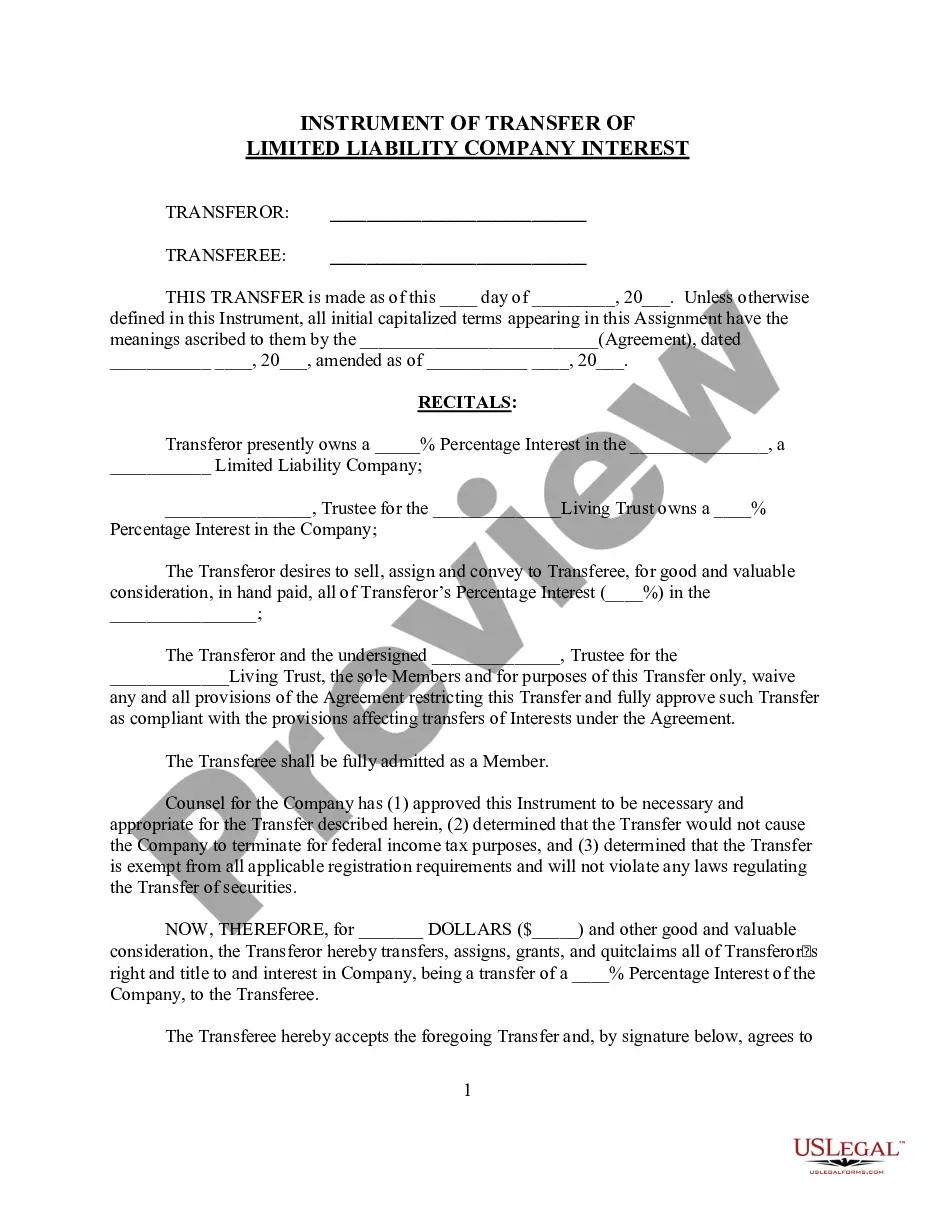
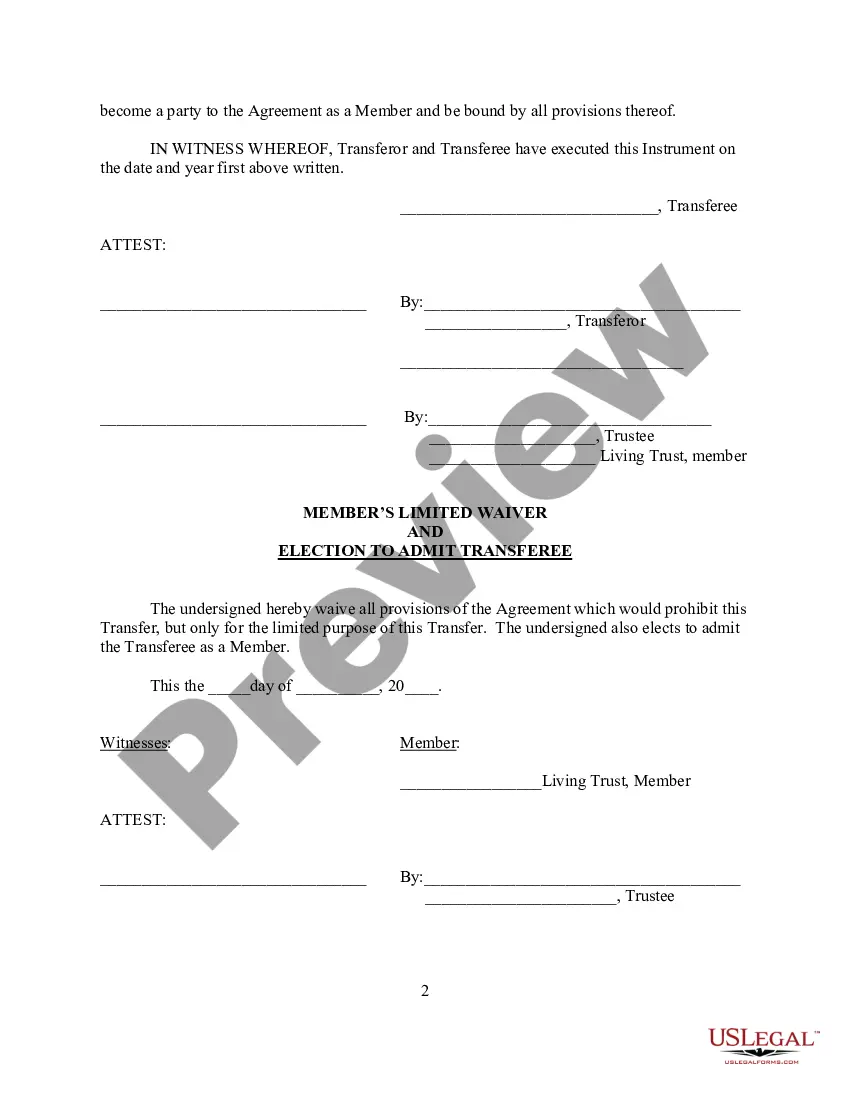
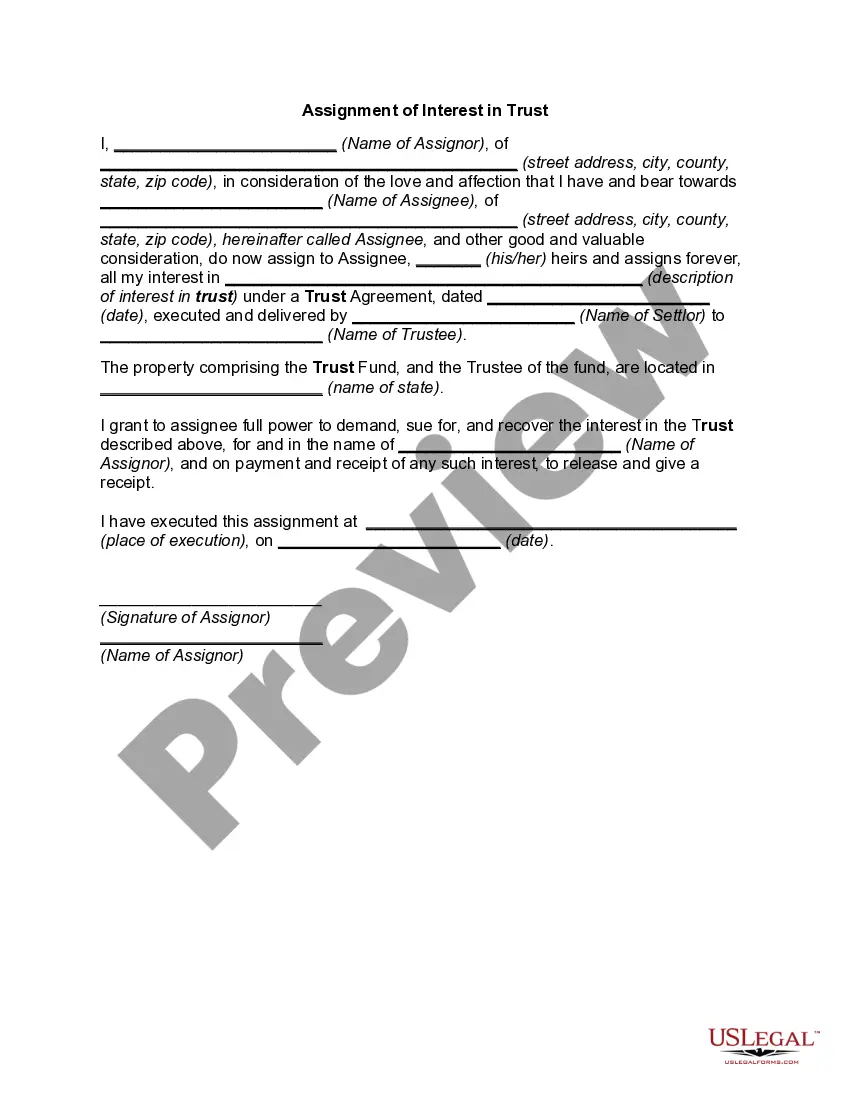
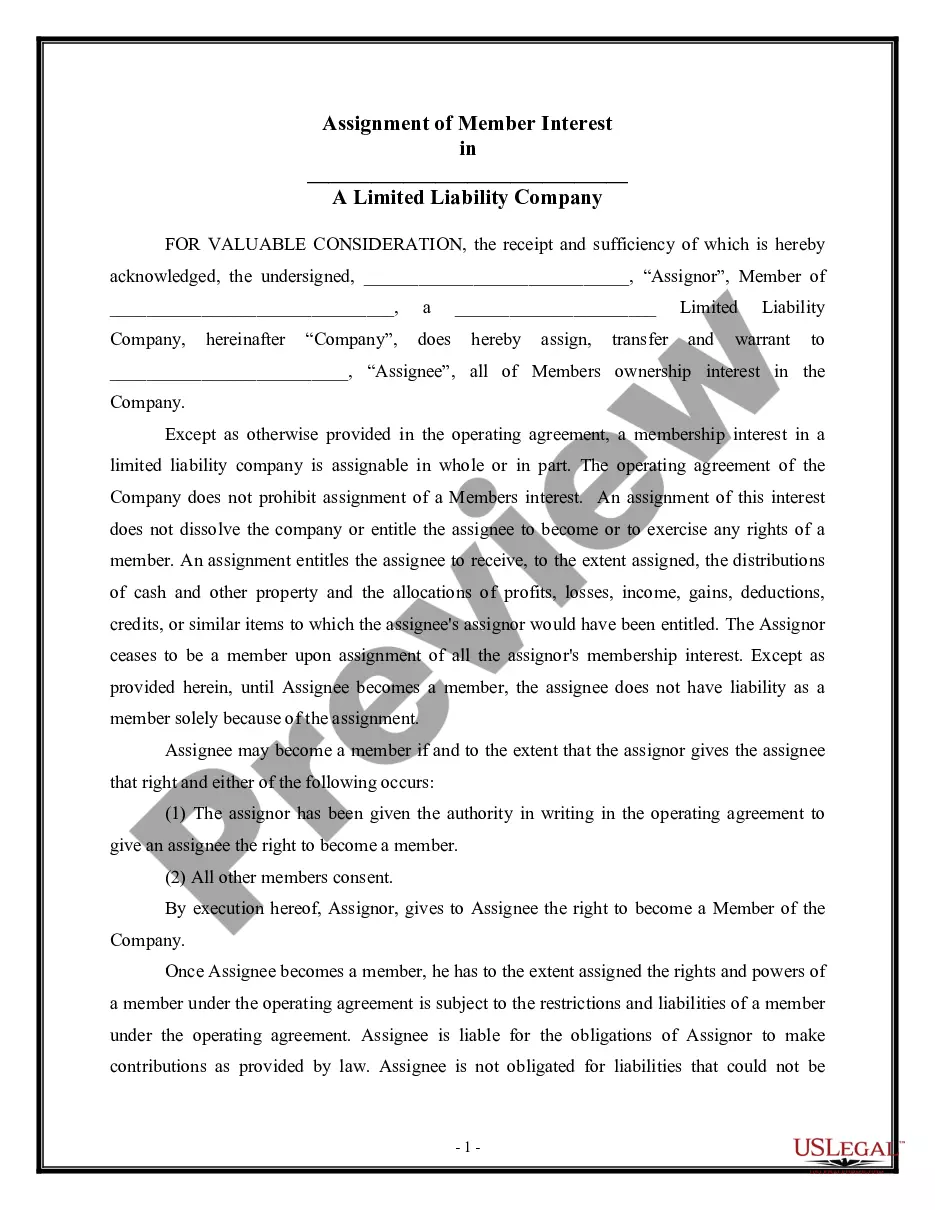
Get your form ready online
Our built-in tools help you complete, sign, share, and store your documents in one place.
Make edits, fill in missing information, and update formatting in US Legal Forms—just like you would in MS Word.
Download a copy, print it, send it by email, or mail it via USPS—whatever works best for your next step.
Sign and collect signatures with our SignNow integration. Send to multiple recipients, set reminders, and more. Go Premium to unlock E-Sign.
If this form requires notarization, complete it online through a secure video call—no need to meet a notary in person or wait for an appointment.
We protect your documents and personal data by following strict security and privacy standards.

Make edits, fill in missing information, and update formatting in US Legal Forms—just like you would in MS Word.

Download a copy, print it, send it by email, or mail it via USPS—whatever works best for your next step.

Sign and collect signatures with our SignNow integration. Send to multiple recipients, set reminders, and more. Go Premium to unlock E-Sign.

If this form requires notarization, complete it online through a secure video call—no need to meet a notary in person or wait for an appointment.

We protect your documents and personal data by following strict security and privacy standards.
Looking for another form?






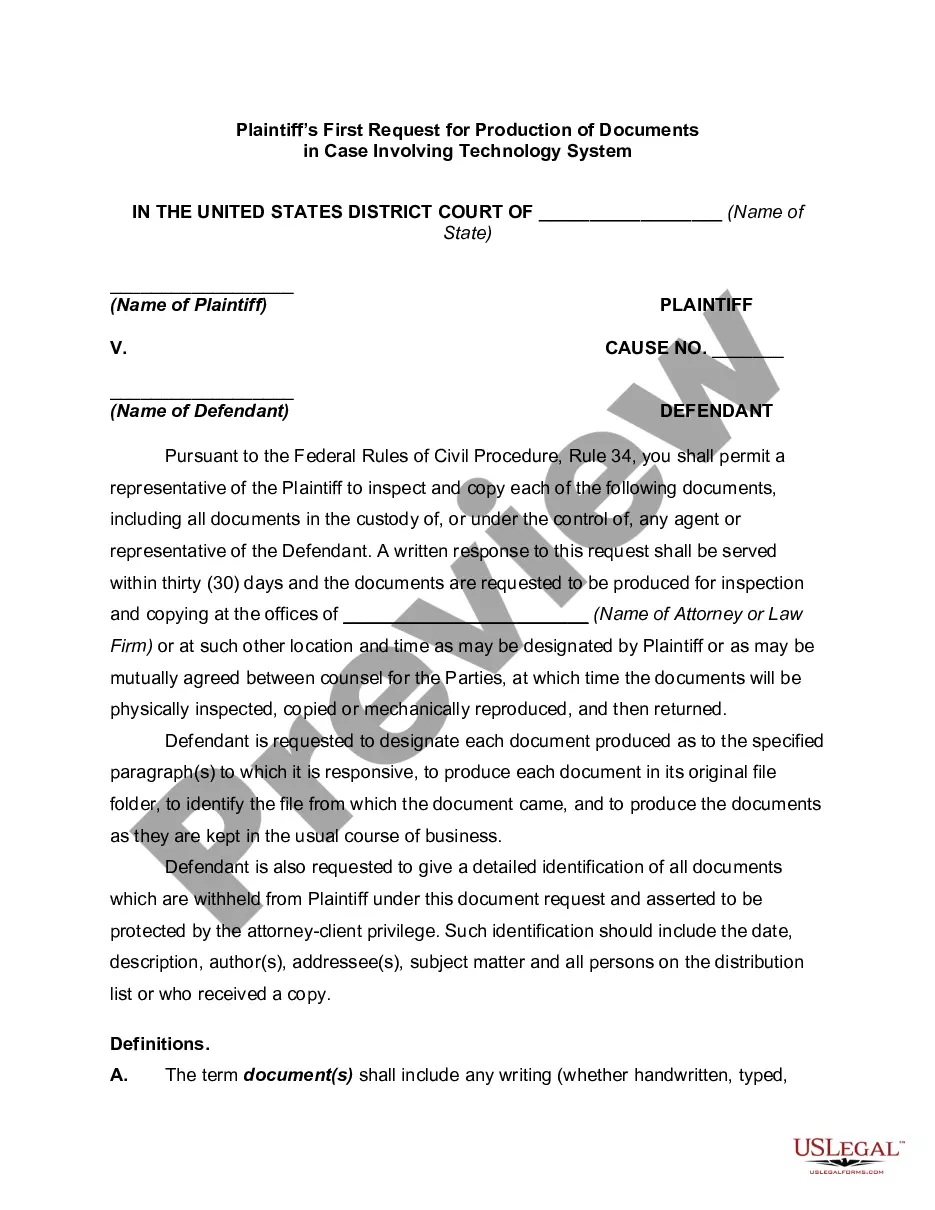



How to fill out Assignment Of LLC Company Interest To Living Trust?
Regardless of whether for professional reasons or personal issues, everyone must handle legal matters at some point in their lives.
Completing legal documentation requires meticulous attention, starting from selecting the appropriate form template.
Once it is downloaded, you can fill out the form using editing software or print it and finish it manually. With a comprehensive US Legal Forms catalog available, you don’t need to waste time searching for the correct template on the internet. Utilize the library’s straightforward navigation to obtain the suitable template for any circumstance.
- For instance, if you choose an incorrect version of the Living Trust Form Blank With Name, it will be rejected upon submission.
- Thus, it is essential to have a reliable source of legal documents like US Legal Forms.
- If you need to obtain a Living Trust Form Blank With Name template, follow these simple steps.
- Locate the template you require by utilizing the search bar or catalog navigation.
- Review the form’s details to ensure it aligns with your situation, state, and county.
- Click on the form’s preview to view it.
- If it is the incorrect form, return to the search feature to find the Living Trust Form Blank With Name template you need.
- Download the template if it suits your requirements.
- If you already possess a US Legal Forms account, click Log in to access previously saved documents in My documents.
- In case you don’t have an account yet, you can download the form by clicking Buy now.
- Select the appropriate pricing option.
- Complete the account registration form.
- Choose your payment method: you can utilize a credit card or PayPal account.
- Select the document format you desire and download the Living Trust Form Blank With Name.
Form popularity
FAQ
An example of a living trust name could be 'The Smith Family Trust' or 'The Johnson Revocable Trust'. This name usually incorporates the family name or the primary grantor's name, followed by a descriptor like 'Family Trust' or 'Revocable Trust'. Choosing a clear and descriptive name helps in identifying the trust and its purpose. When using a living trust form blank with name, you can easily customize it to reflect your family's identity and intentions.
To fill a living trust, start by obtaining a living trust form blank with name from a reliable source. You will need to provide essential information such as the name of the trust, the grantor's details, and the beneficiaries. Once you have filled in the necessary sections, ensure you sign the document in front of a notary to make it legally binding. Using platforms like US Legal Forms can simplify this process, as they offer comprehensive guidance and templates tailored for your needs.
Yes, you can file a living trust without a lawyer by using a living trust form blank with name. Many individuals opt for this route to save costs and have direct control over their estate planning. However, it is advisable to double-check state regulations to ensure that your trust complies with all legal requirements.
A blank trust refers to a trust document that has not yet been filled out with specific details. Using a living trust form blank with name allows you to customize the trust according to your preferences. This flexibility ensures that your intentions are clearly stated, and your assets are managed according to your wishes.
To establish a living trust, you will need a completed living trust form blank with name, a list of your assets, and any relevant estate planning documents. This paperwork ensures that your trust is set up correctly and protects your assets. You may also want to include instructions for distributing your assets upon your passing.
You can create a living trust by yourself, especially with a living trust form blank with name. This option allows you to customize the trust according to your specific needs without hiring a lawyer. However, it is important to review your state’s laws and guidelines to ensure proper compliance.
Yes, you can fill out your own trust using a living trust form blank with name. Many people prefer to create their own trusts to save on legal fees and to ensure their wishes are clearly outlined. However, it is crucial to understand the legal requirements in your state to ensure the trust is valid.
To create a valid trust, you must have a settlor, a trustee, and beneficiaries. The settlor is the person who establishes the trust, while the trustee manages the trust assets. Beneficiaries receive the benefits of the trust. When you utilize a living trust form blank with name, you can easily meet these requirements.