Technology Transfer Agreement With Human Face
Description
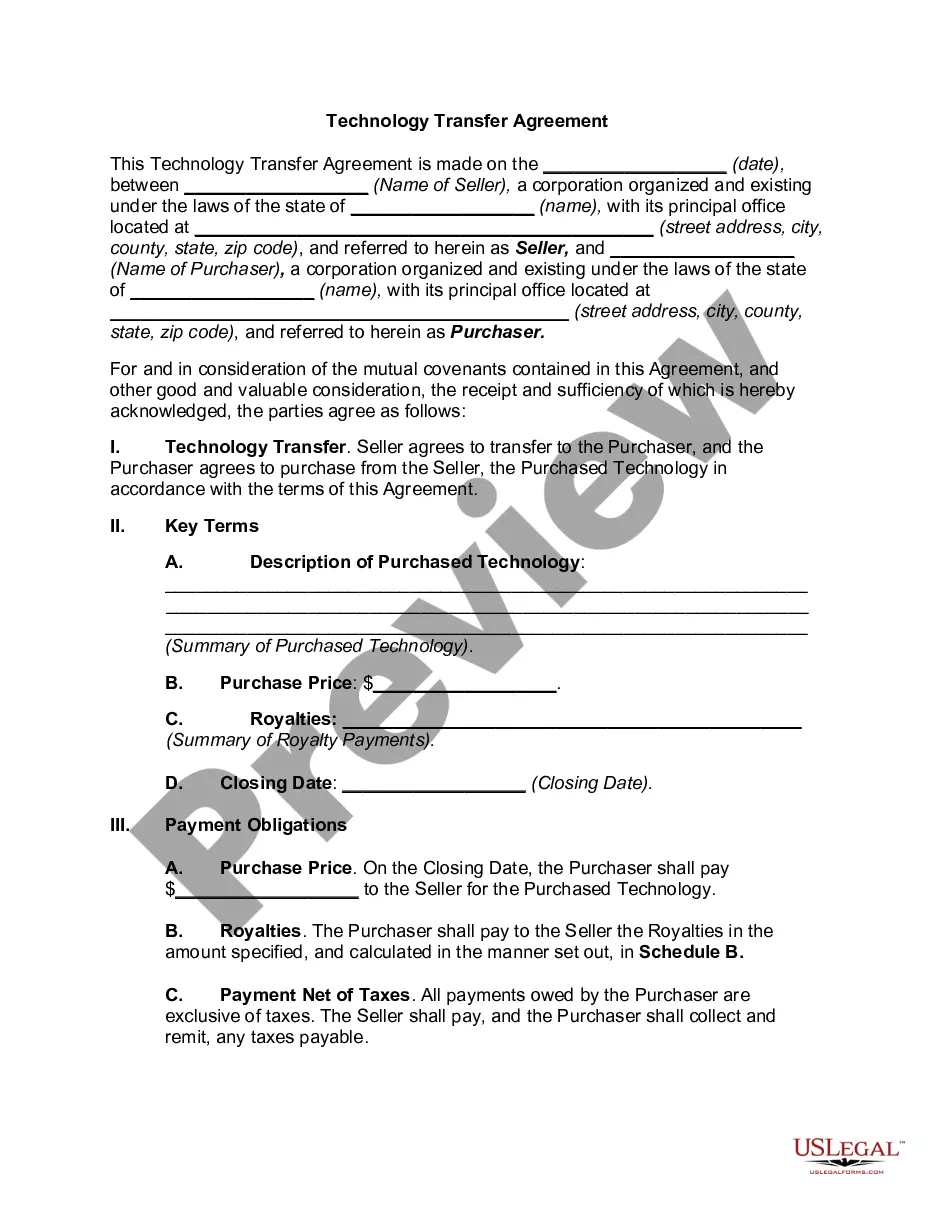
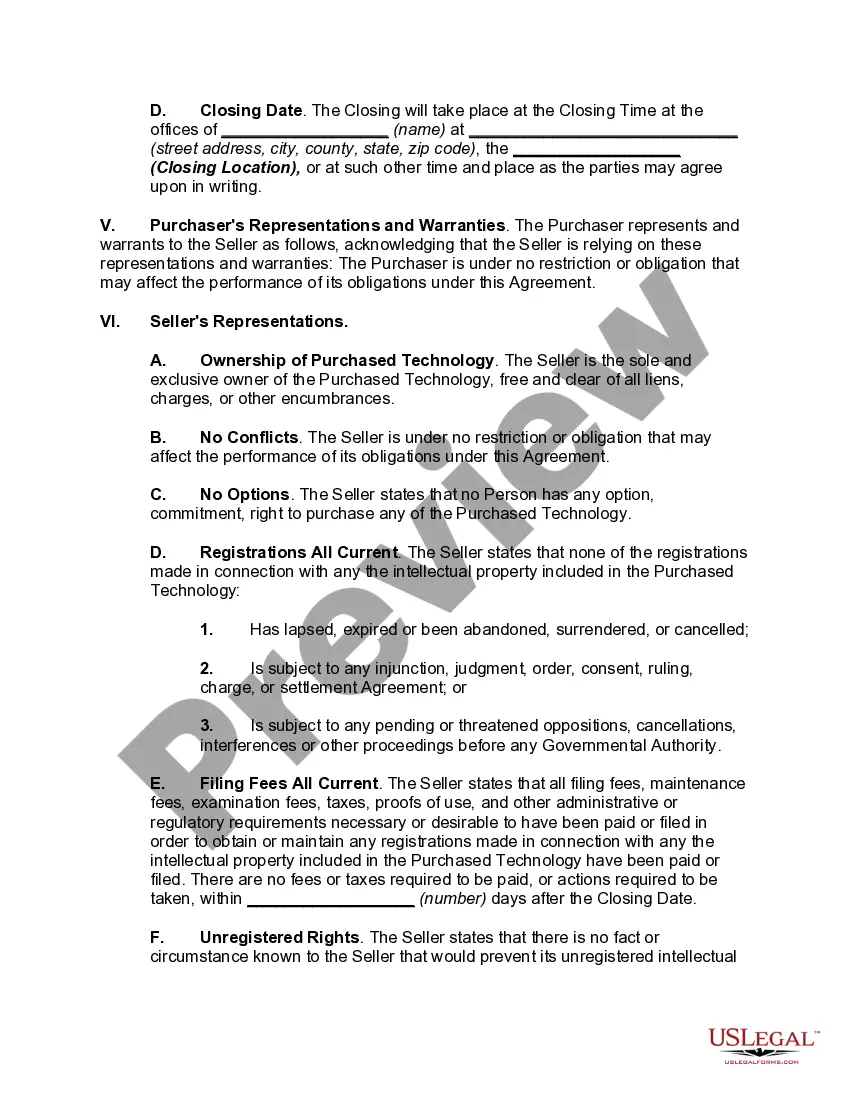
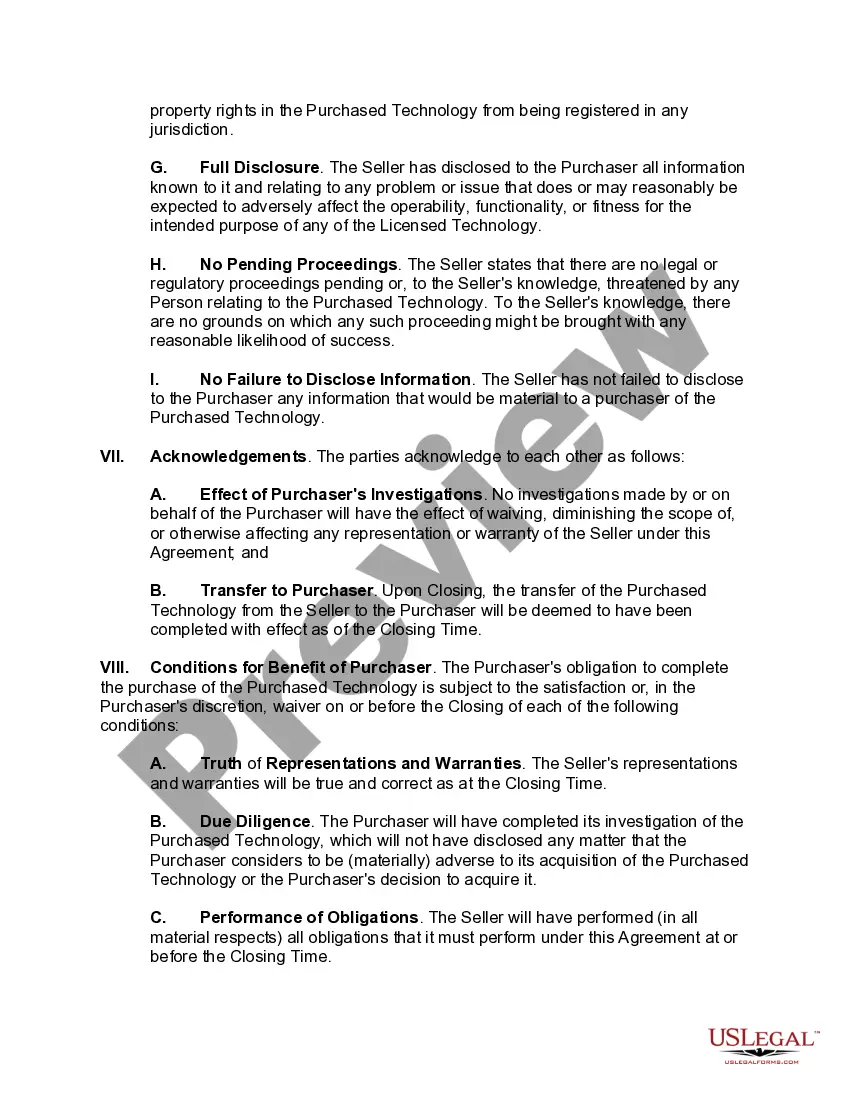
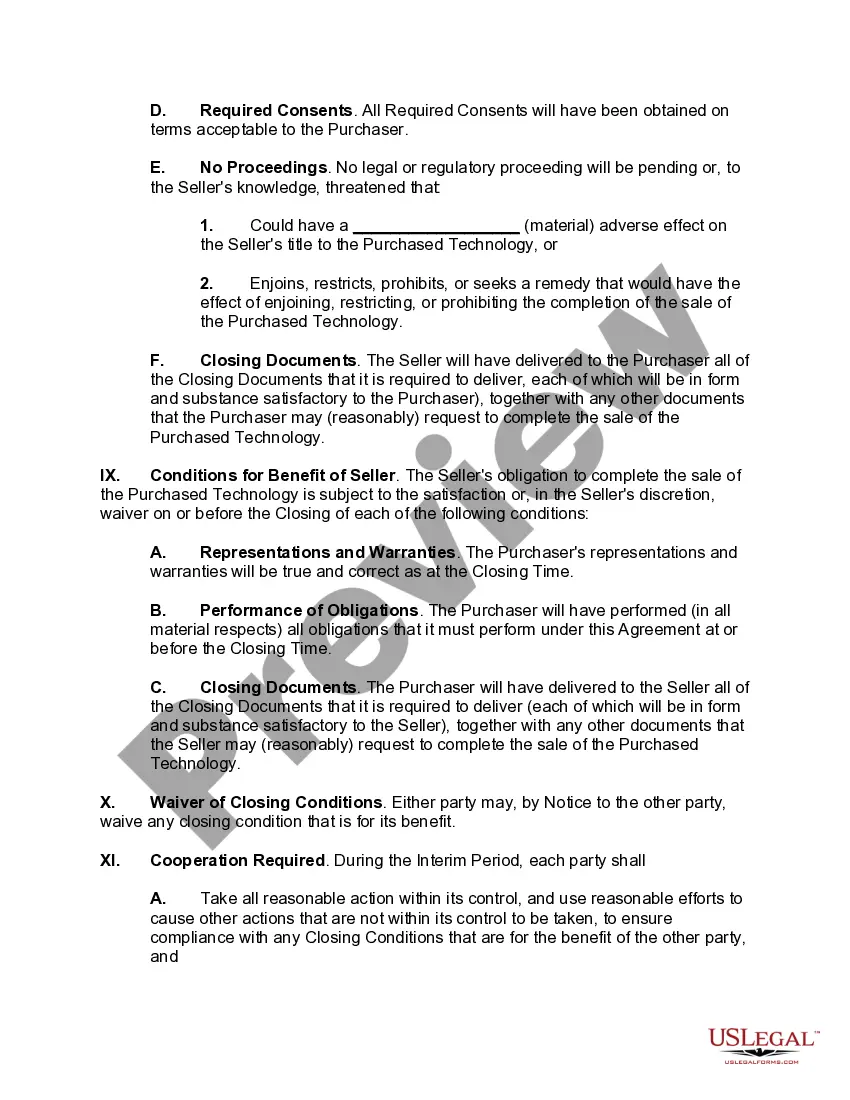
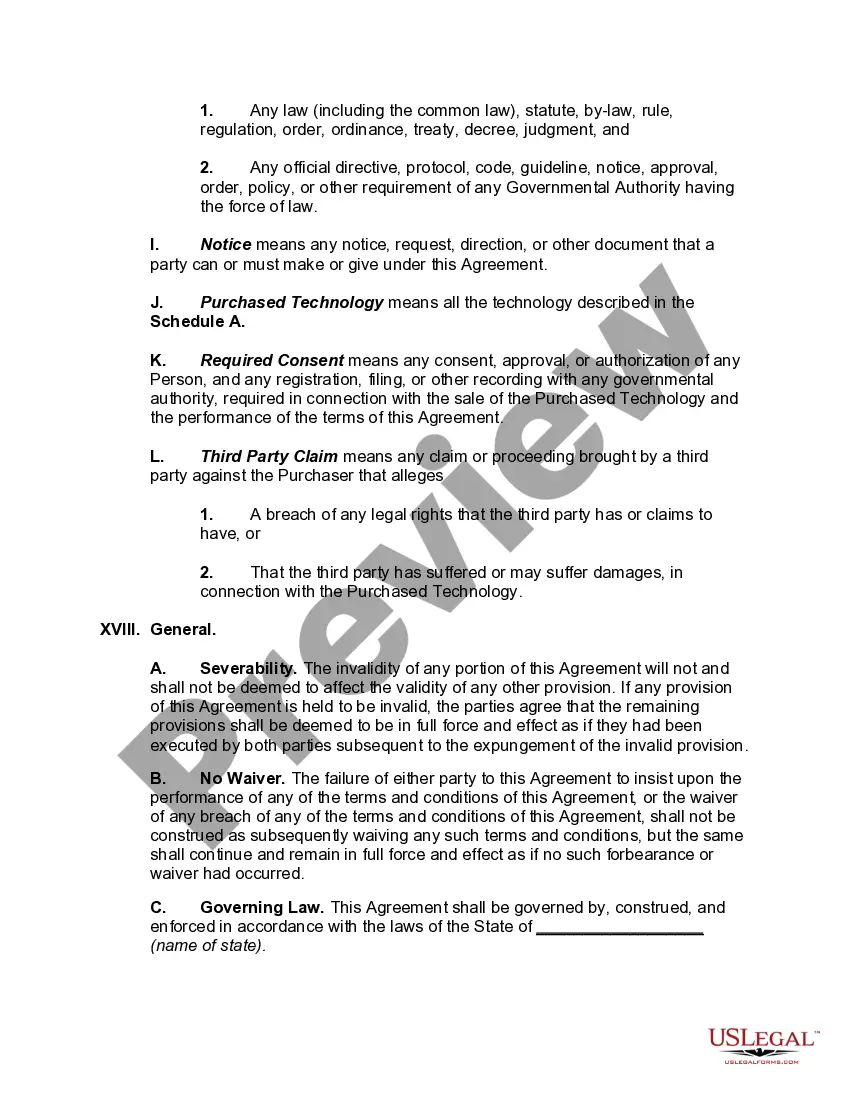
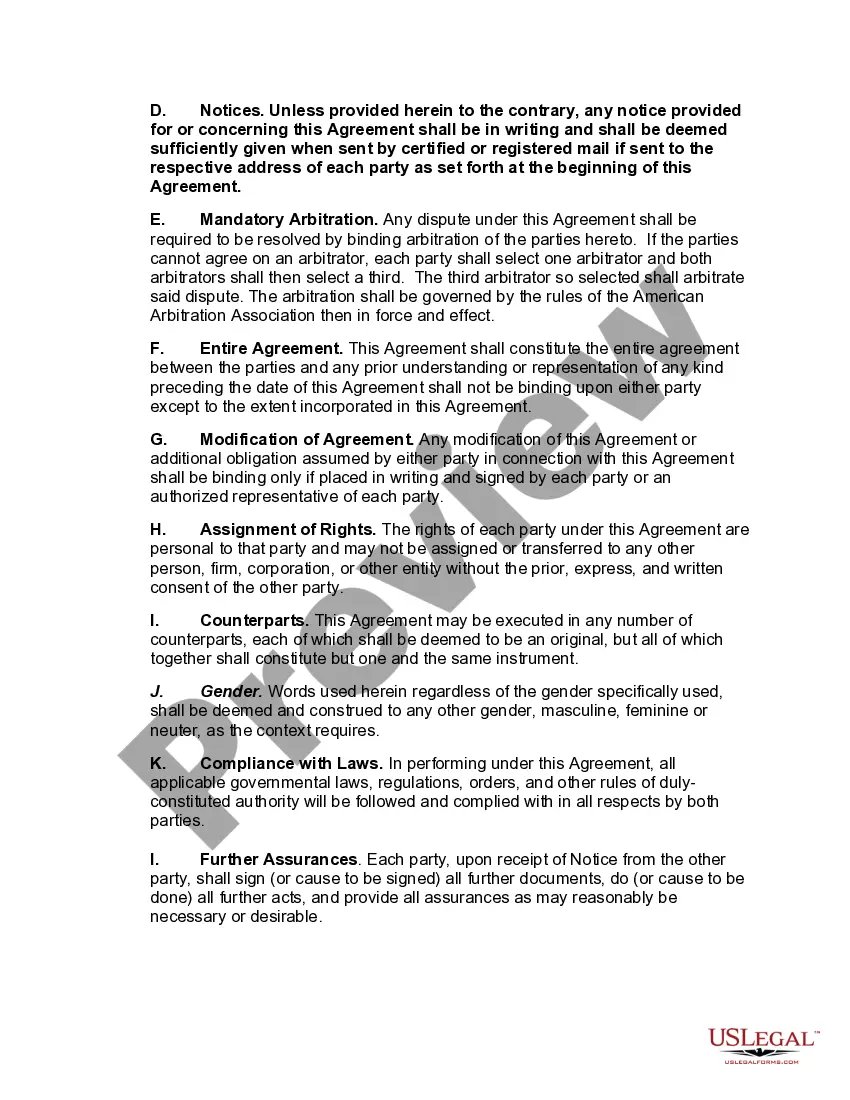

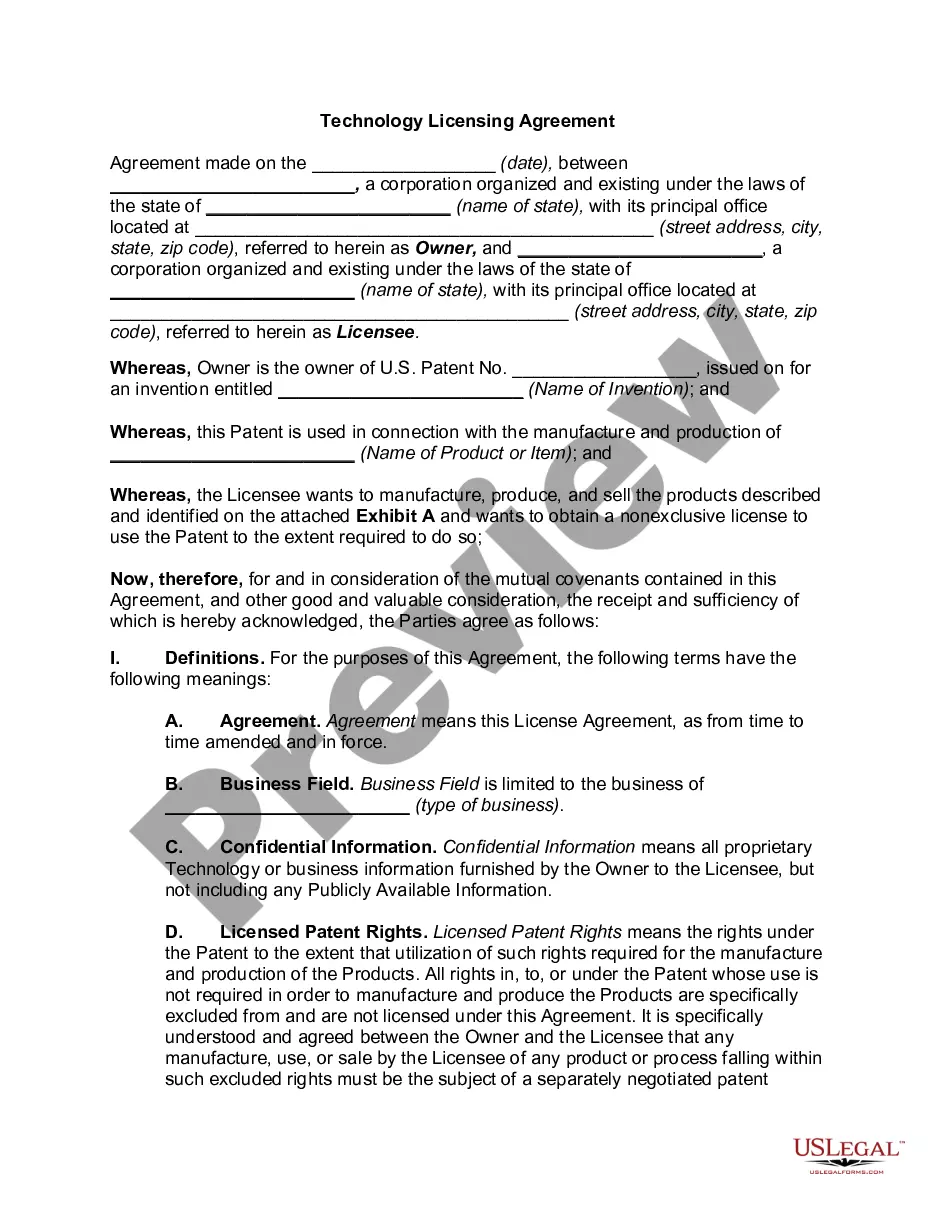
Get your form ready online
Our built-in tools help you complete, sign, share, and store your documents in one place.
Make edits, fill in missing information, and update formatting in US Legal Forms—just like you would in MS Word.
Download a copy, print it, send it by email, or mail it via USPS—whatever works best for your next step.
Sign and collect signatures with our SignNow integration. Send to multiple recipients, set reminders, and more. Go Premium to unlock E-Sign.
If this form requires notarization, complete it online through a secure video call—no need to meet a notary in person or wait for an appointment.
We protect your documents and personal data by following strict security and privacy standards.

Make edits, fill in missing information, and update formatting in US Legal Forms—just like you would in MS Word.

Download a copy, print it, send it by email, or mail it via USPS—whatever works best for your next step.

Sign and collect signatures with our SignNow integration. Send to multiple recipients, set reminders, and more. Go Premium to unlock E-Sign.

If this form requires notarization, complete it online through a secure video call—no need to meet a notary in person or wait for an appointment.

We protect your documents and personal data by following strict security and privacy standards.
Looking for another form?







How to fill out Technology Transfer Agreement?
No matter if you frequently handle documents or occasionally need to submit a legal report, it is crucial to have a reference point where all the examples are relevant and current.
The first step you should take with a Technology Transfer Agreement With Human Face is to ensure that it is the latest version, as it determines whether it can be submitted.
If you want to make your quest for the most recent document samples easier, search for them on US Legal Forms.
Use the search function to locate the desired form.
- US Legal Forms is a repository of legal documents featuring nearly any template you might seek.
- Look for the forms you need, check their applicability immediately, and learn more about how to utilize them.
- With US Legal Forms, you gain access to about 85,000 form templates across various fields.
- Acquire the Technology Transfer Agreement With Human Face samples in just a few clicks and store them anytime in your account.
- An account with US Legal Forms provides you with the comfort of accessing all the templates you need with greater ease and less hassle.
- Simply click Log In at the website's header and open the My documents area to have all the forms you require readily available, without needing to spend time searching for the correct template or verifying its authenticity.
- To acquire a form without an account, follow these instructions.
Form popularity
FAQ
Technology Transfer ProcessStep 1: Invention Disclosure.Step 2: Evaluation.Step 3: Patent Application.Step 4: Assessment and Marketing.Step 5: Licensing of Patents.Step 6: Commercialization.
Technology transfer is the movement of data, designs, inventions, materials, software, technical knowledge or trade secrets from one organisation to another or from one purpose to another. The technology transfer process is guided by the policies, procedures and values of each organisation involved in the process.
We found that technology transfer consists of three phases: preparation, installation and utilization. These three phases are influenced by three types of factors: technological, organizational and environmental.
Technology transfer involves the implementation of scientific or technological information in a context different from that for which it was developed.
Based on this model the transfer scope consists of four types of technologies: General knowledge, Specific knowledge, Hardware, and Behaviors. This model categorizes the transfer methods in the TT process as 1) Impersonal communication, 2) Personal communication, 3) Group interaction, and 4) Physical relocation.
