Technology Transfer Agreement Template
Description
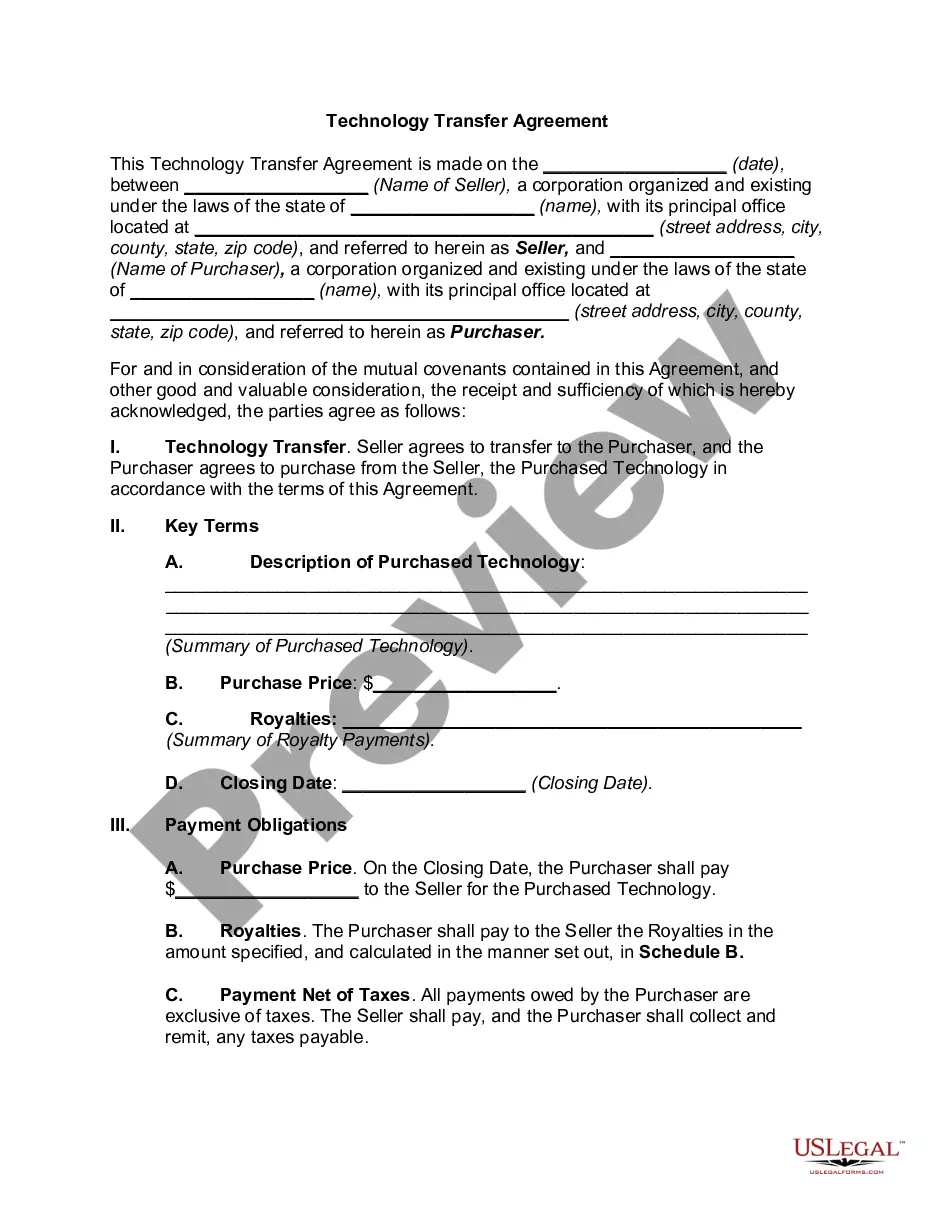
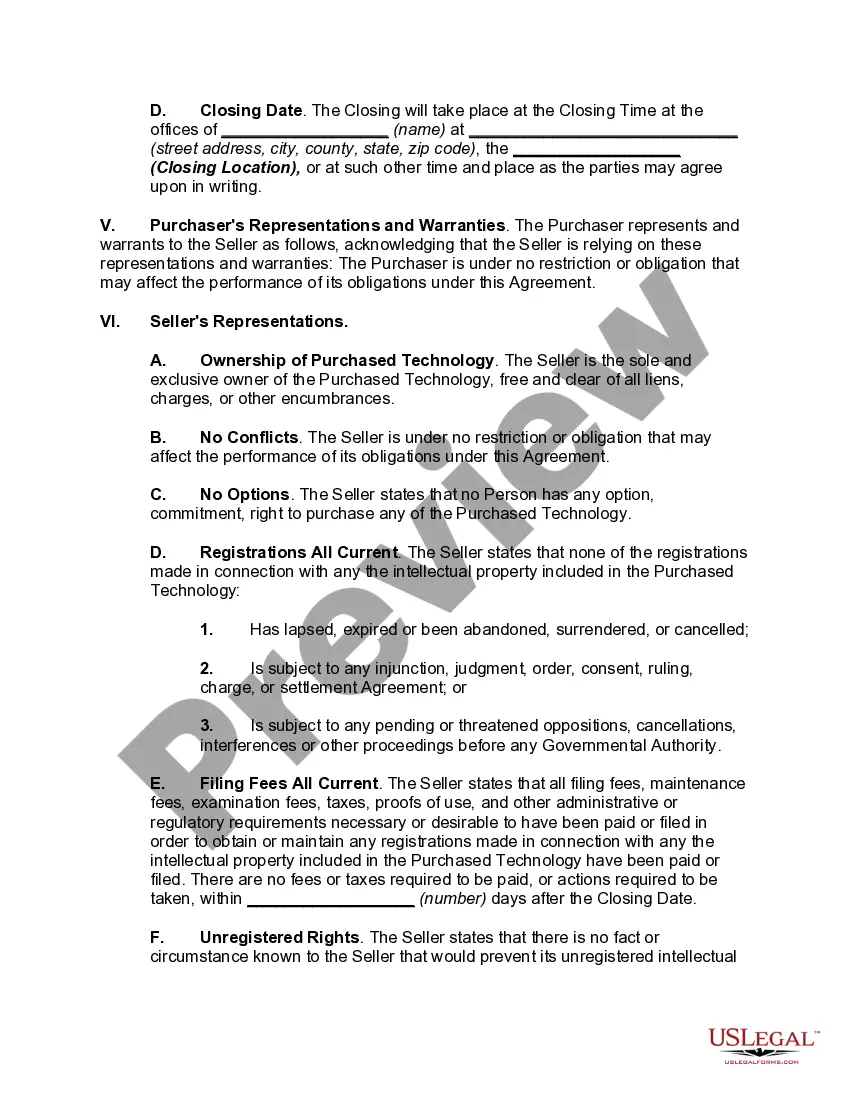
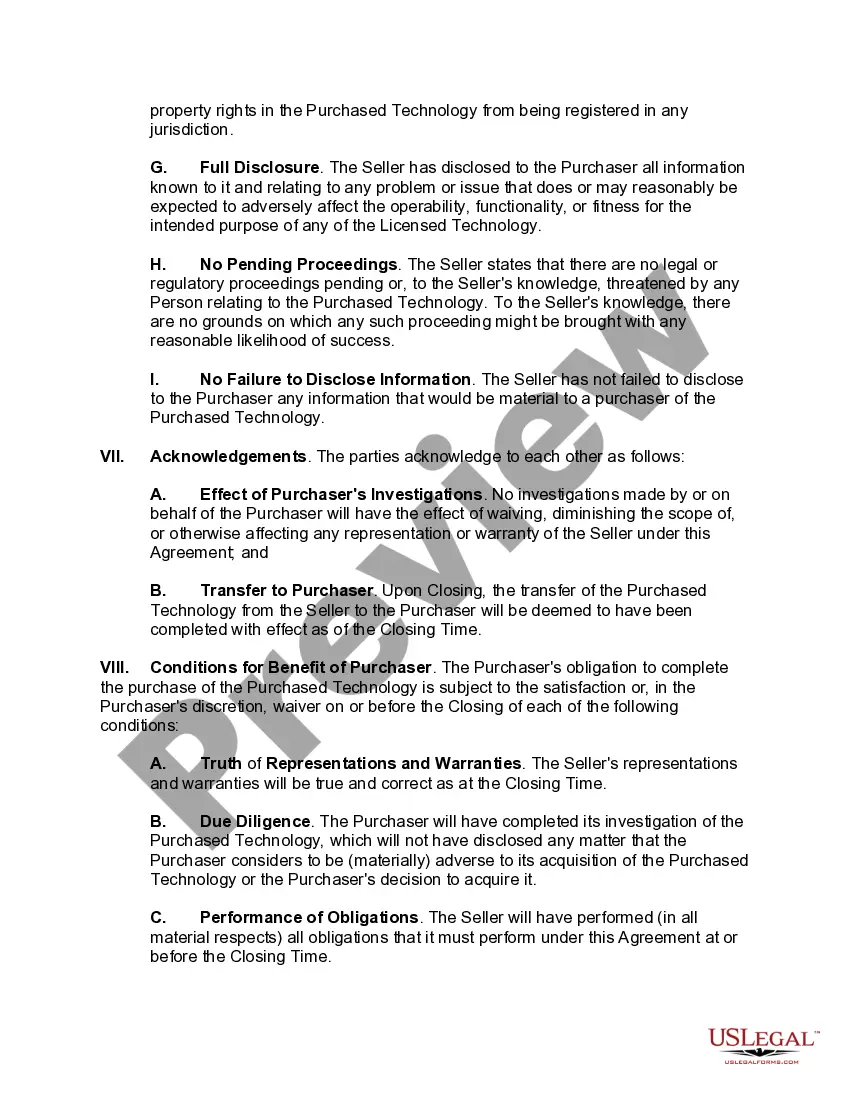
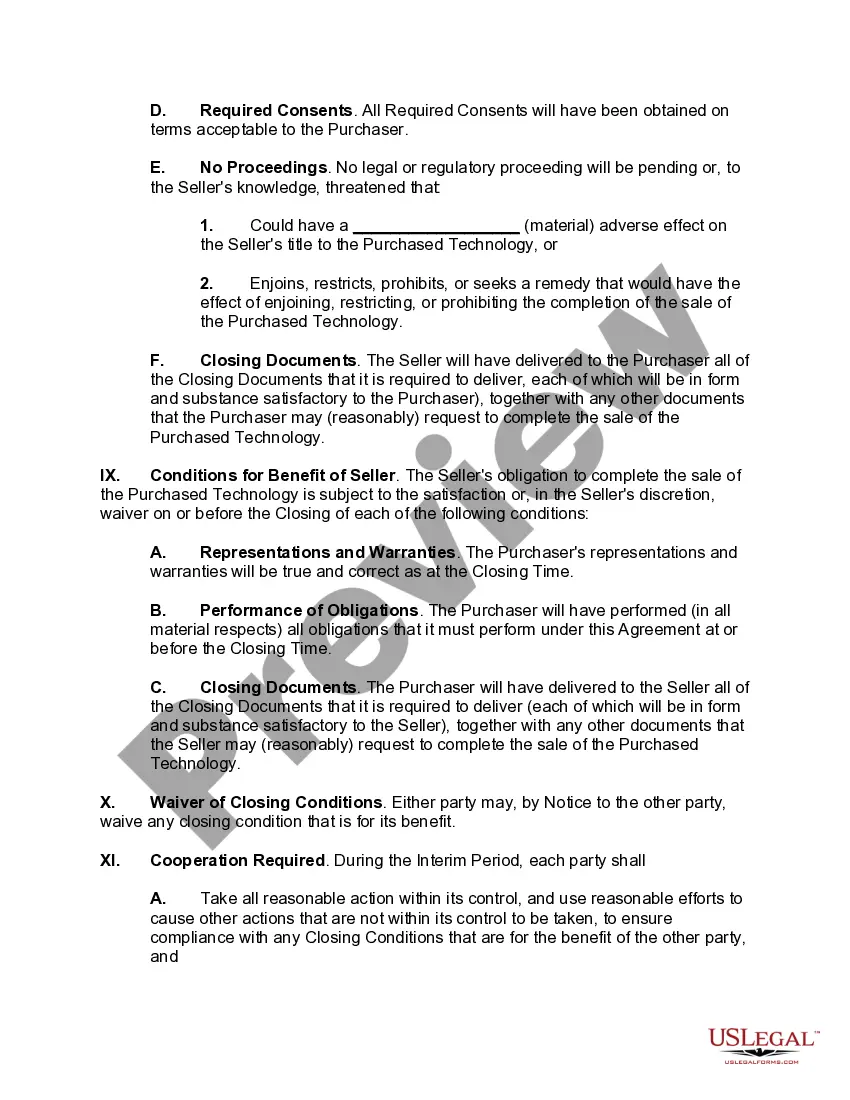
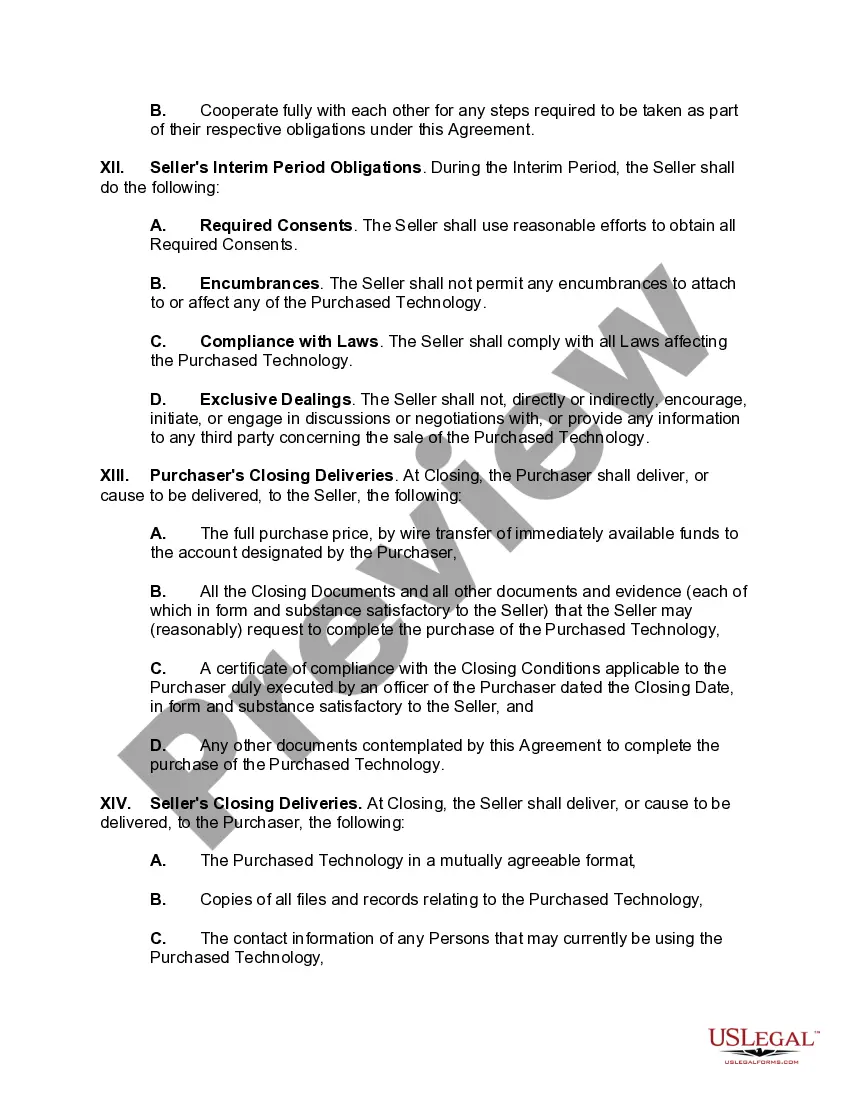
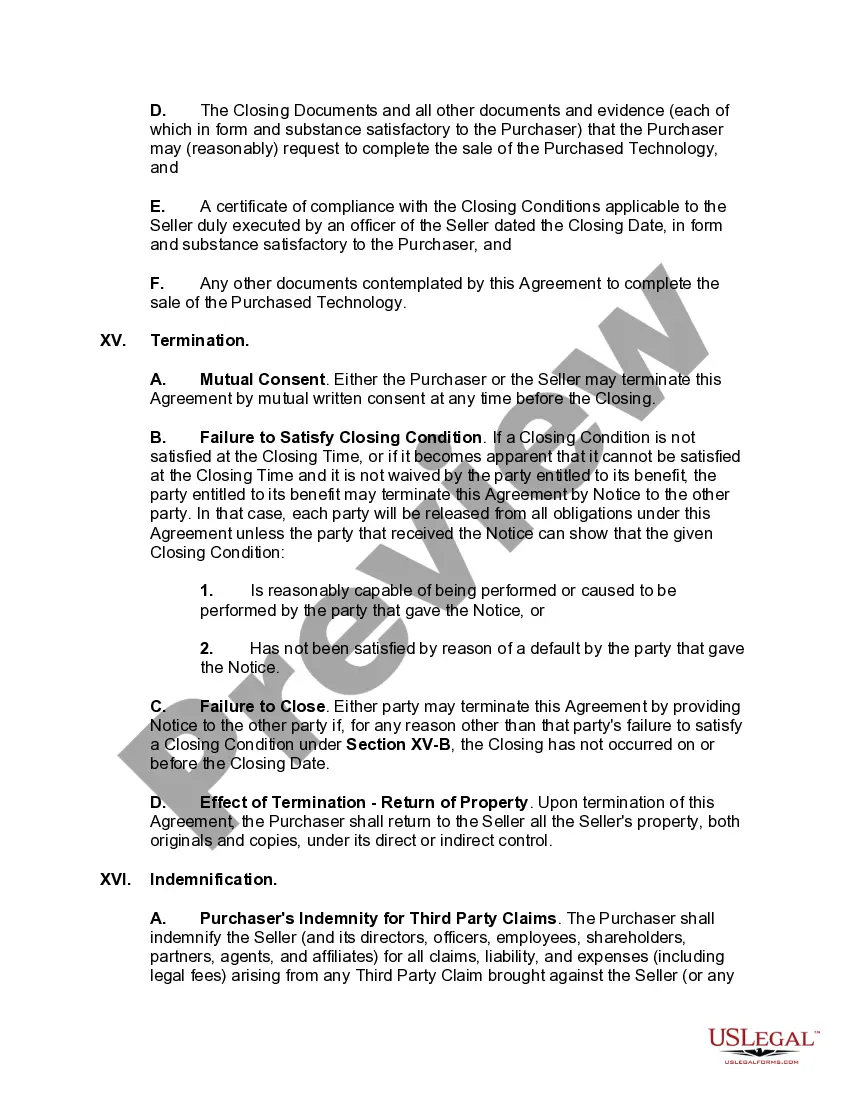
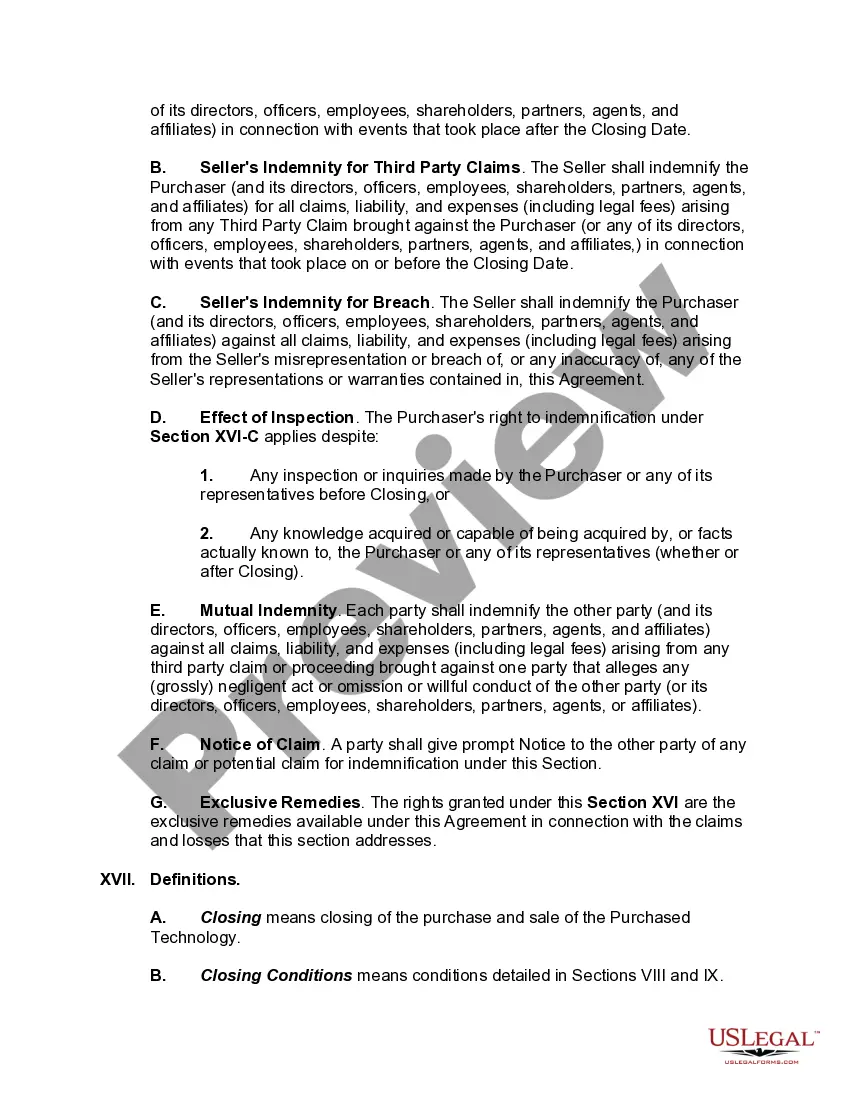
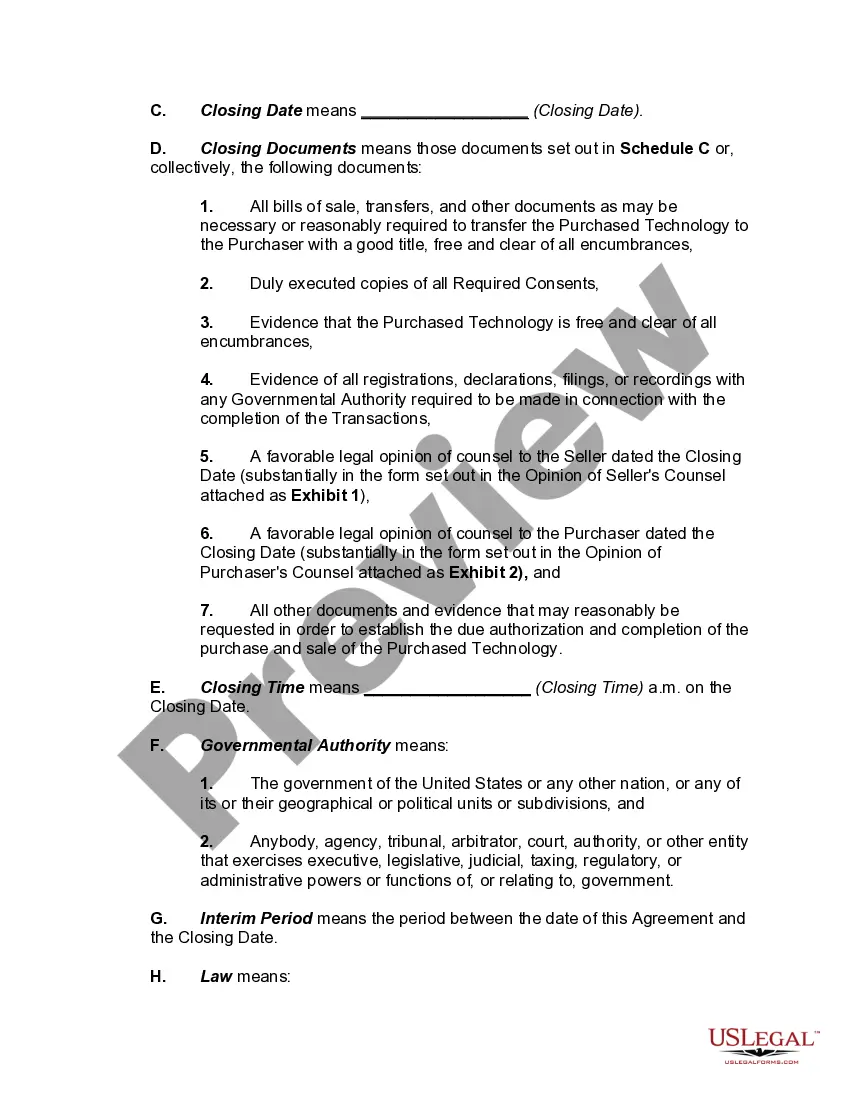
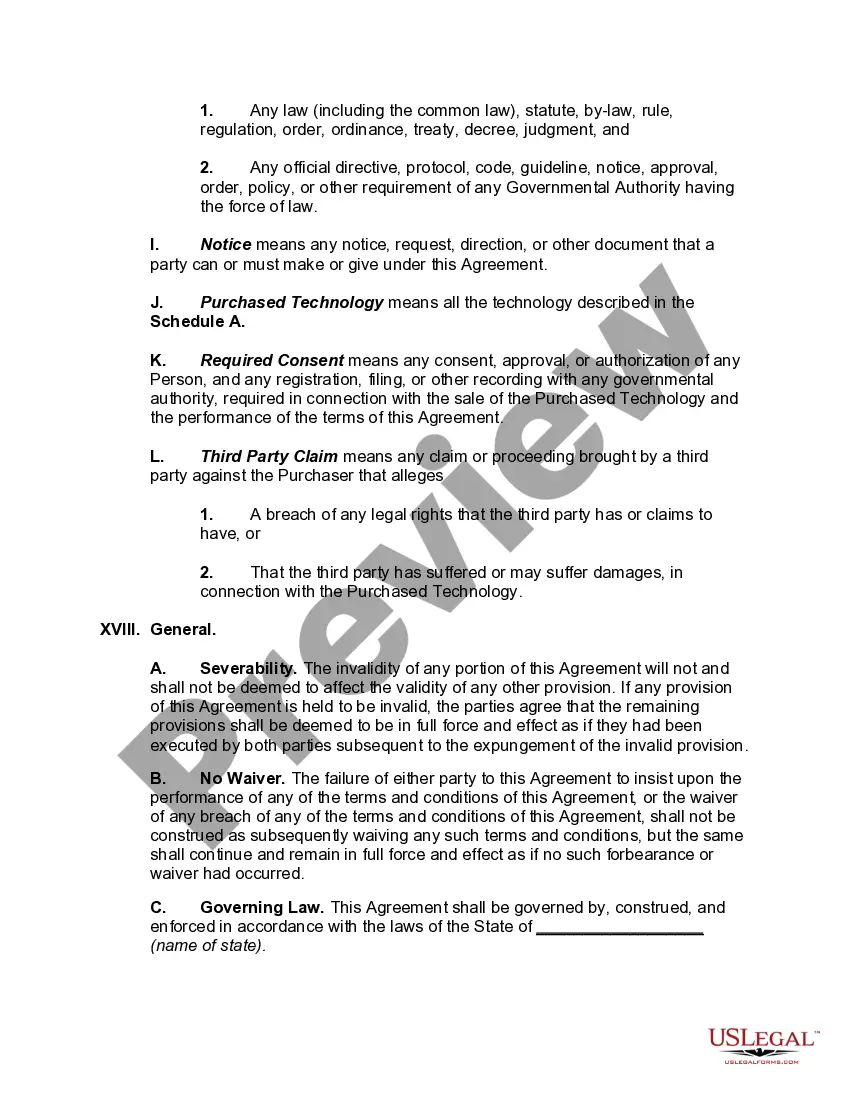
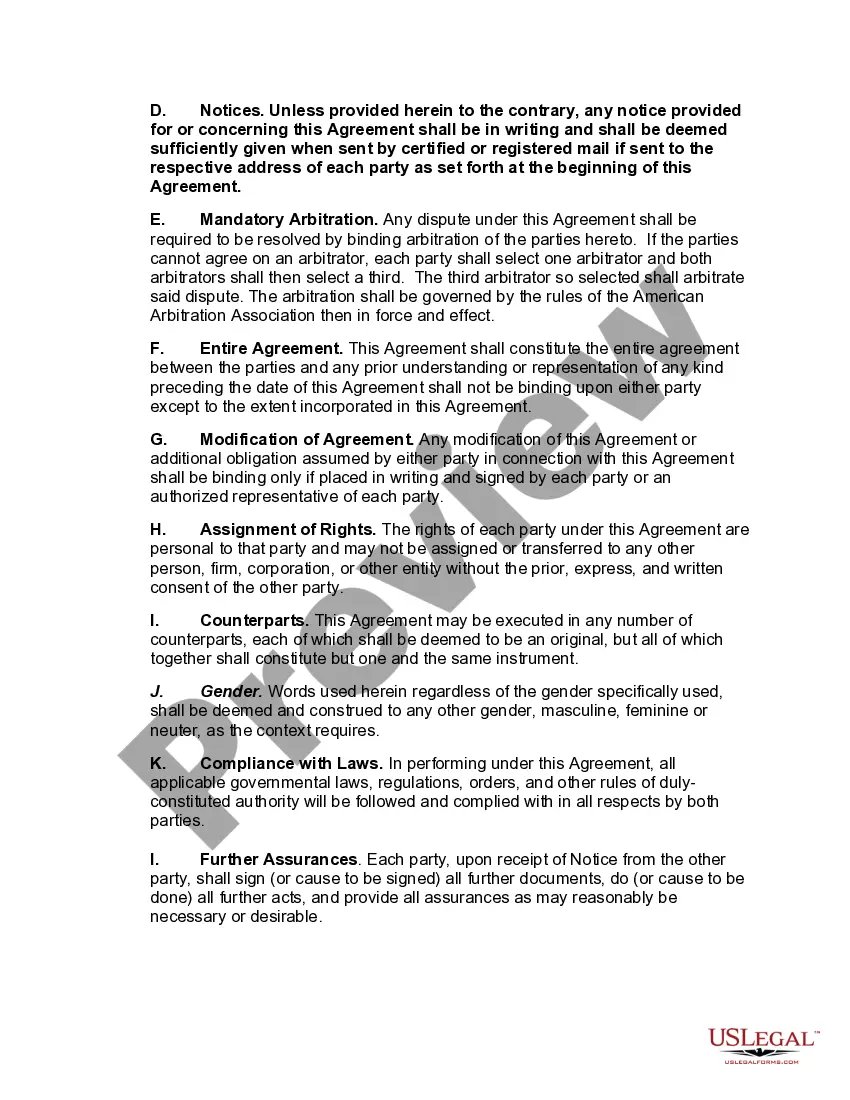

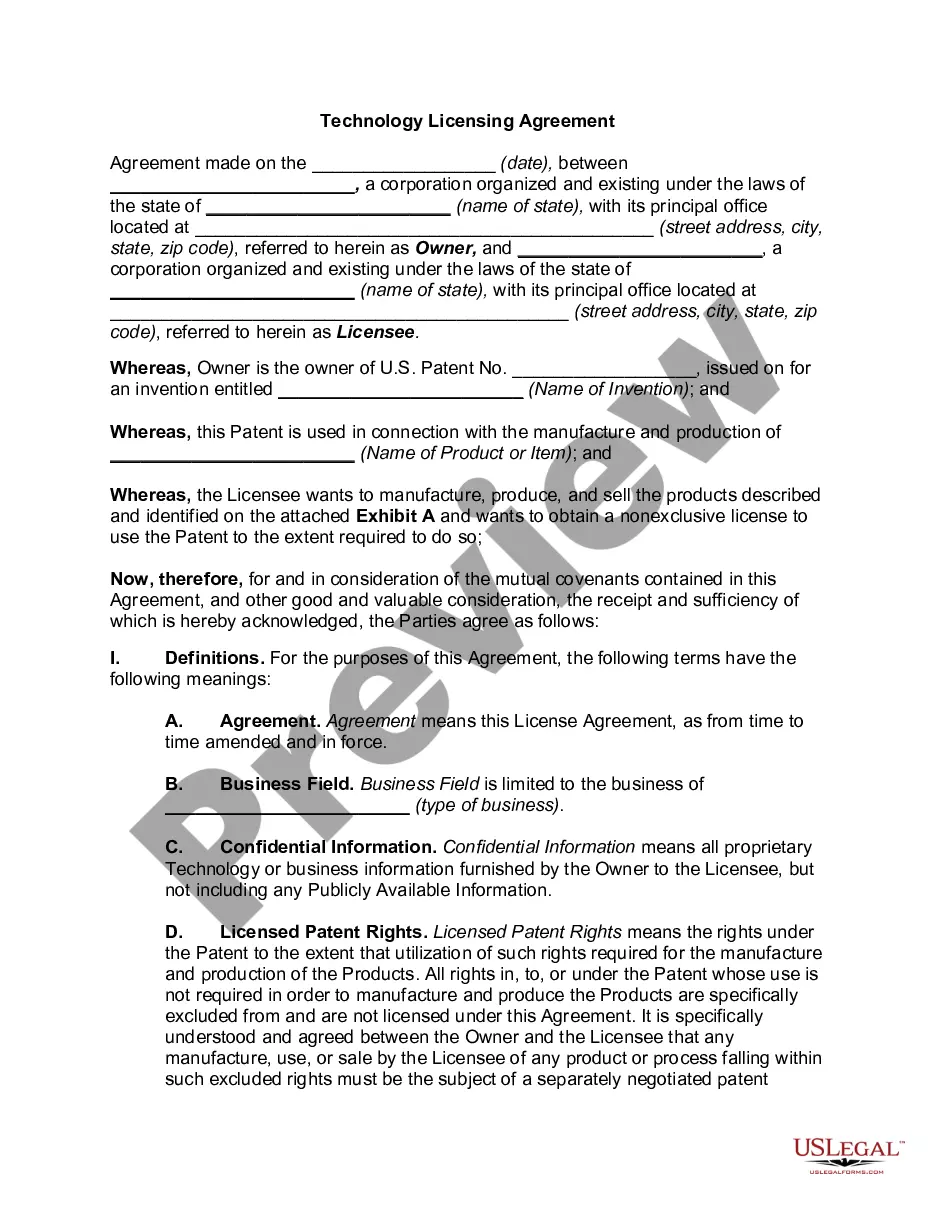
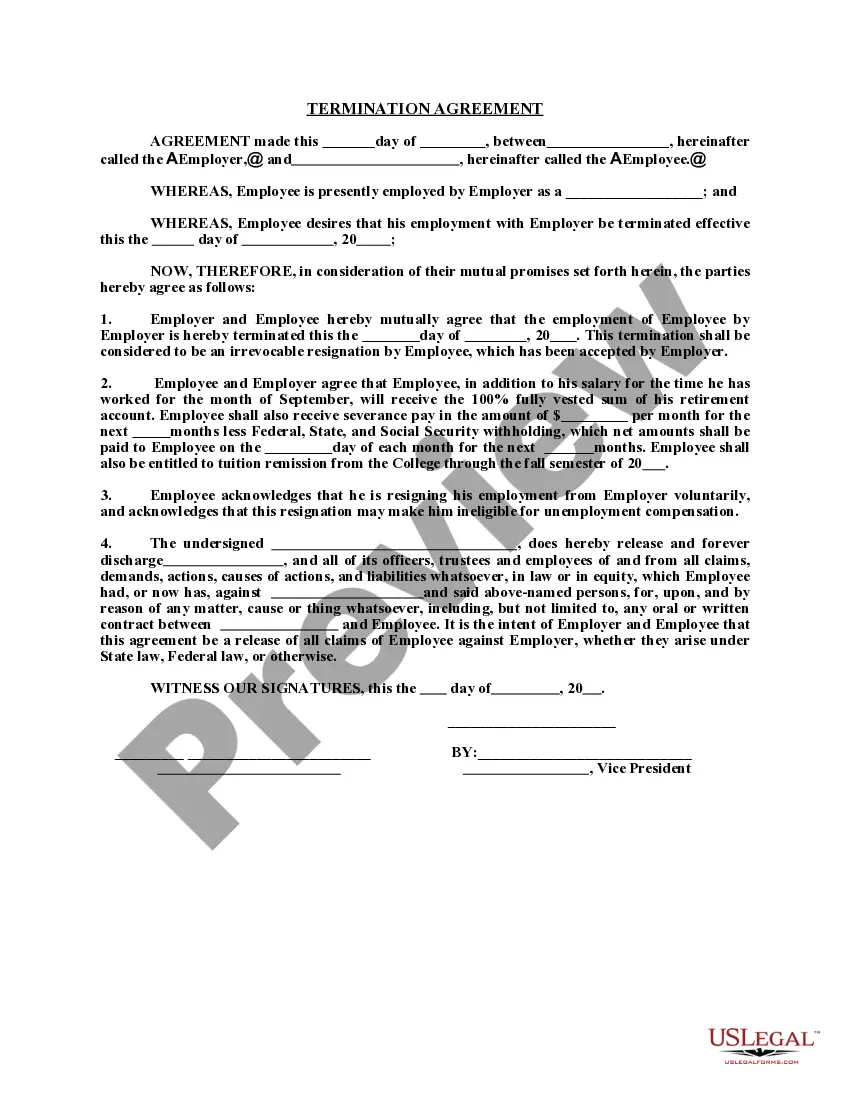



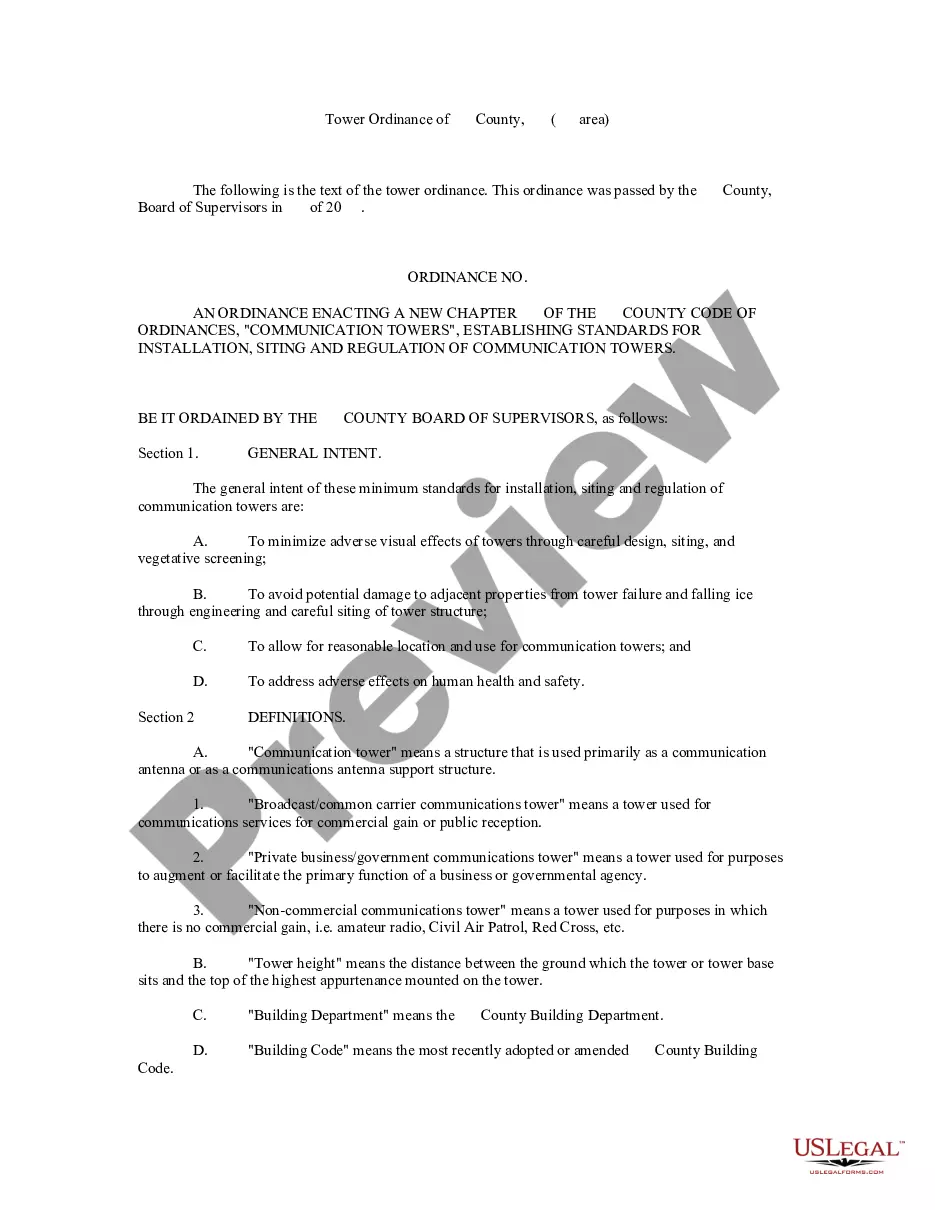
How to fill out Technology Transfer Agreement?
- Log into your US Legal Forms account if you're an existing user; otherwise, create a new account to get started.
- Explore the extensive library and preview the technology transfer agreement template. Verify that it aligns with your specific jurisdiction's requirements.
- If you encounter any issues, utilize the Search feature to find other relevant templates that may better suit your needs.
- Select the 'Buy Now' option associated with your chosen document and pick a subscription plan that fits your needs.
- Complete your purchase by entering your payment information, using either a credit card or PayPal for convenience.
- Once your transaction is successful, download the template onto your device for immediate access and future use.
Completing a technology transfer agreement is crucial in protecting intellectual property and ensuring smooth business operations. By following these simple steps within the US Legal Forms platform, you can easily access the legal documents you need.
Start your journey today with US Legal Forms; streamline your legal document handling with our expert resources!
Form popularity
FAQ
The technology development process involves several steps, beginning with idea generation and evaluation. Next, developers create a prototype to assess feasibility, followed by rigorous testing and refinement. Finally, a finalized product is prepared for market transfer, often accompanied by a technology transfer agreement template to formalize partnerships. Effective management of each step enhances innovation and success.
Technology transfer operates at various levels, including individual, organizational, and societal. At the individual level, inventors share ideas with companies, while at the organizational level, businesses collaborate to innovate. The societal level often involves public-private partnerships aiming to accelerate technology deployment. Using a technology transfer agreement template can streamline these transactions and ensure clarity.
The steps of technology transfer typically include identifying the technology, assessing its potential, and preparing the necessary documentation. One crucial component is the technology transfer agreement template, which outlines terms and conditions for sharing. After documentation, the technology is then licensed or assigned to a partner for development. Open communication throughout the process ensures successful collaboration.
Technology transfer refers to the process of sharing or distributing technologies between entities. It usually involves transferring knowledge, skills, or products from one organization to another or from research institutions to the market. The main types include internal transfer within an organization, bilateral transfer between two parties, and multilateral transfer involving multiple stakeholders. To facilitate this process, a technology transfer agreement template is essential for clearly defining roles and expectations.
The five major types of technology transfer agreements include licensing agreements, material transfer agreements, research collaboration agreements, non-disclosure agreements, and joint development agreements. Each serves a distinct purpose, allowing parties to protect their interests while fostering innovation. Incorporating a technology transfer agreement template can simplify the formation of these agreements.
A common technology transfer example is when a university licenses its research findings to a startup seeking commercial applications. This channel connects academic research with the marketplace, facilitating innovation and growth. To navigate this process, consider utilizing a technology transfer agreement template to ensure all aspects are covered.
There are several types of technology transfer, including licensing agreements, joint ventures, and collaborations between universities and businesses. Each type has its unique structure and purpose, tailored to the needs of both parties. Using a technology transfer agreement template can help you select the best type for your specific situation.
Technology transfer encompasses the movement of knowledge, skills, and innovations from one organization to another. This can be in the form of inventions, processes, or methodologies. A technology transfer agreement template outlines the terms governing this transfer, ensuring clarity and mutual benefit.
An example of technology transfer includes the licensing of a patented invention from a research institution to a private company. This process enables businesses to utilize cutting-edge research, driving innovation and commercial application. By utilizing a technology transfer agreement template, you can facilitate this exchange smoothly.
The TRIPS agreement, or Trade-Related Aspects of Intellectual Property Rights, establishes international standards for intellectual property protection, influencing technology transfer. It encourages member countries to create a legal framework that fosters innovation and technology sharing across borders. By setting minimum standards for patent protection and enforcement, TRIPS promotes the flow of technology to developing nations. Understanding the implications of the TRIPS agreement is essential for anyone drafting a technology transfer agreement, and a technology transfer agreement template can guide this process.