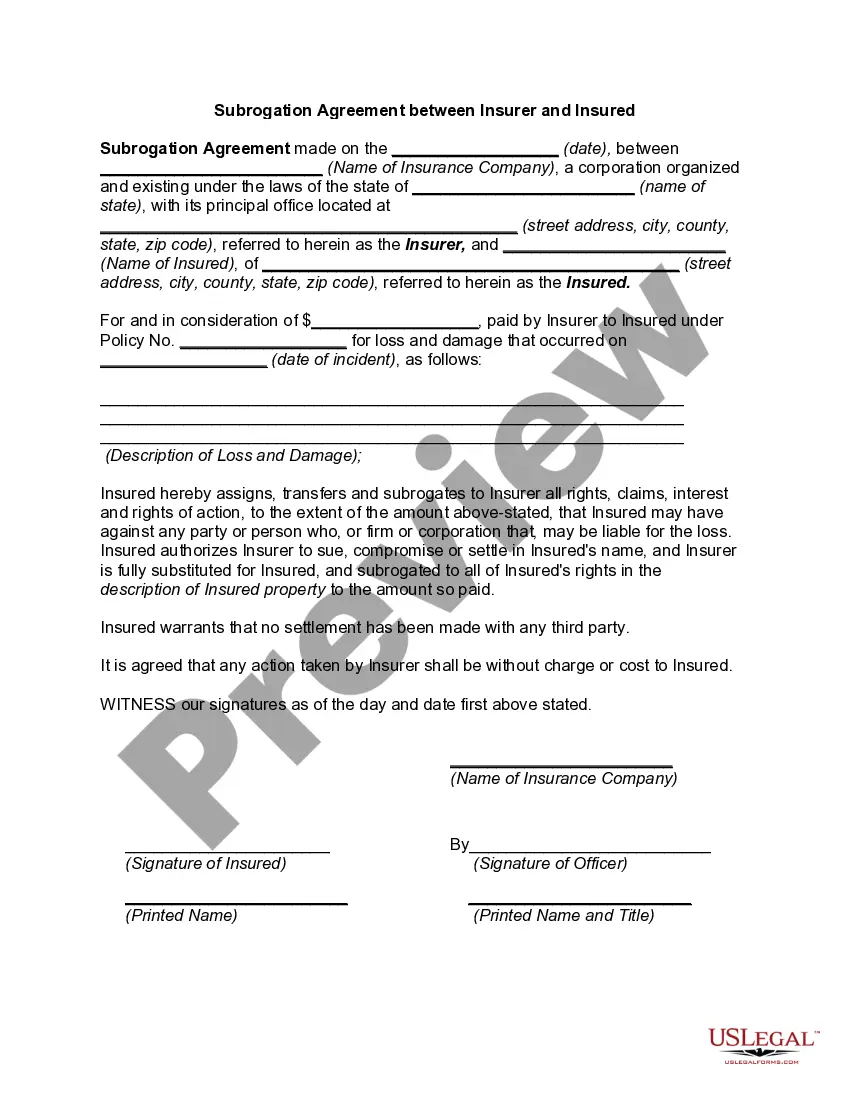
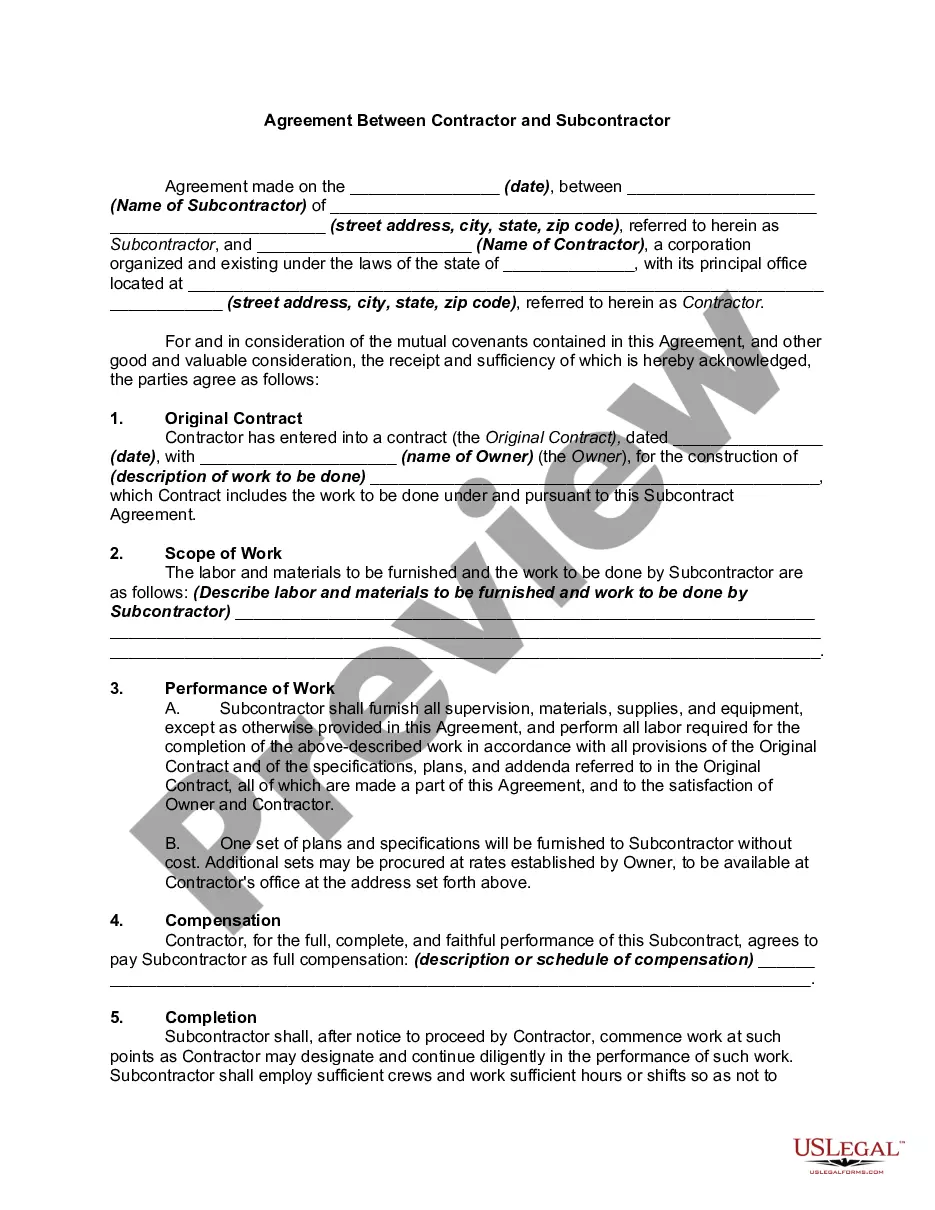
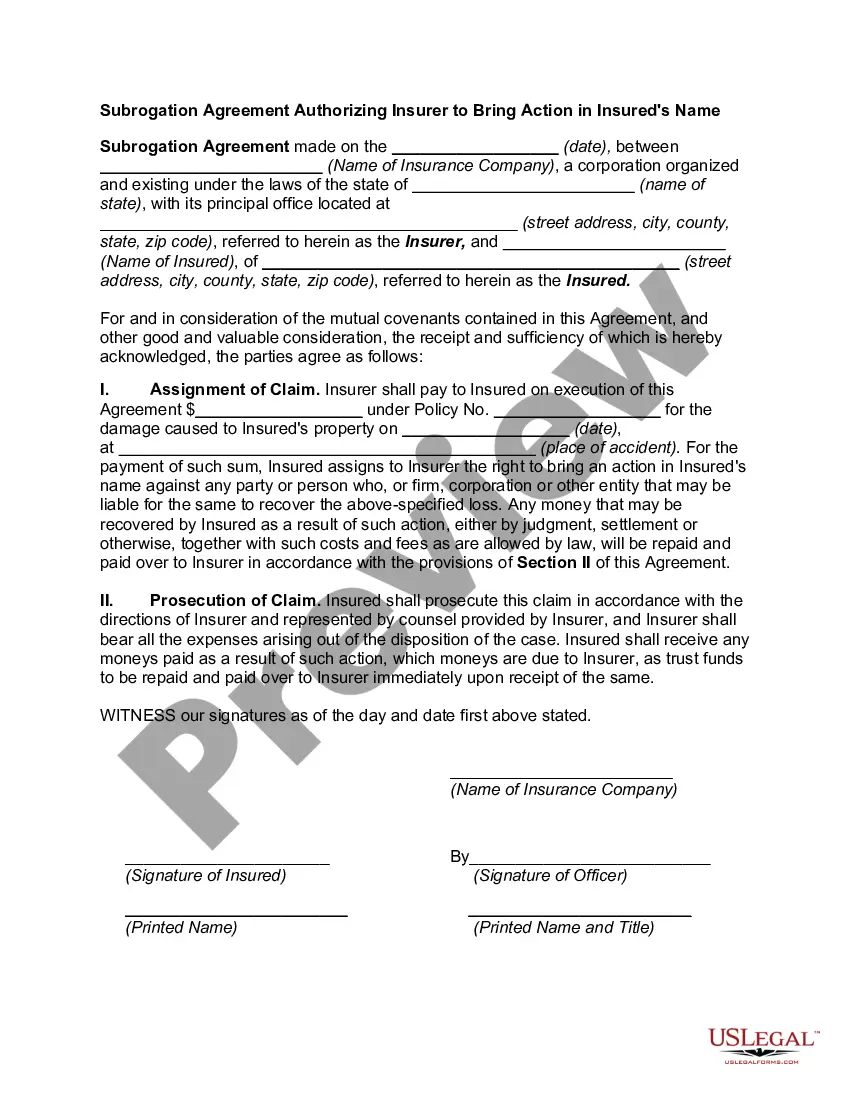
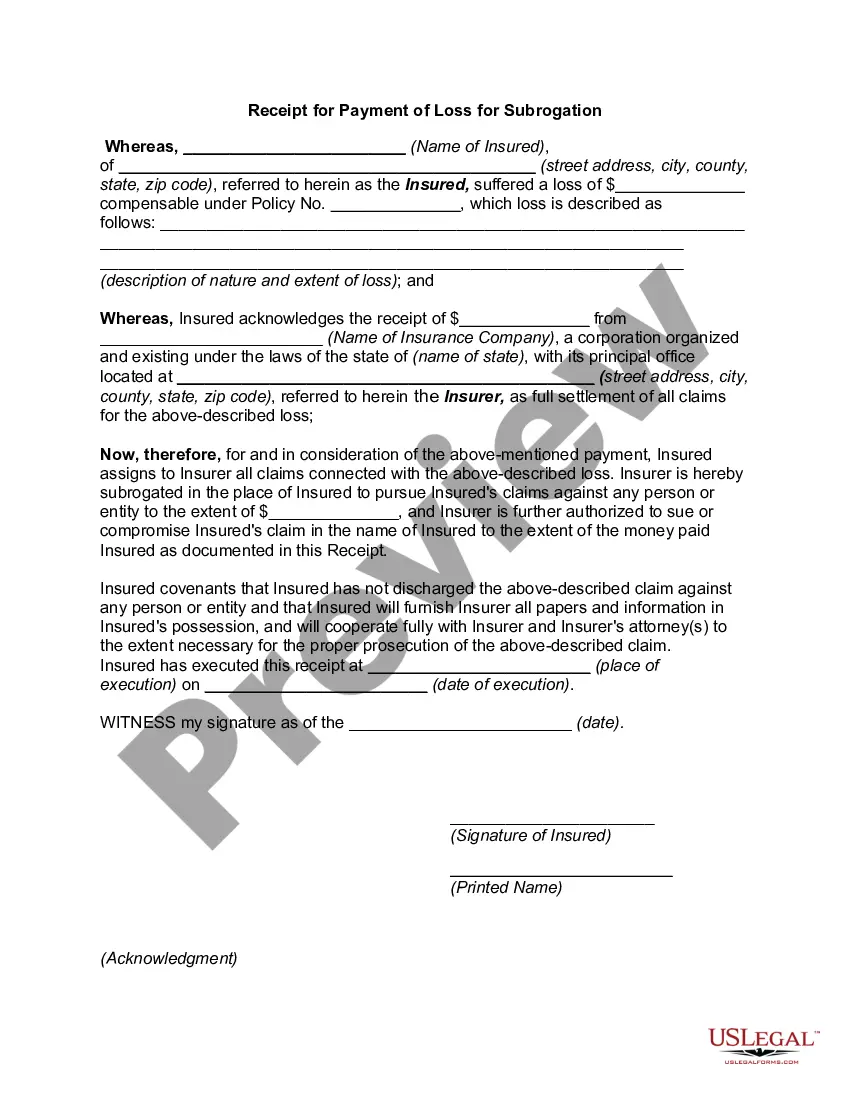
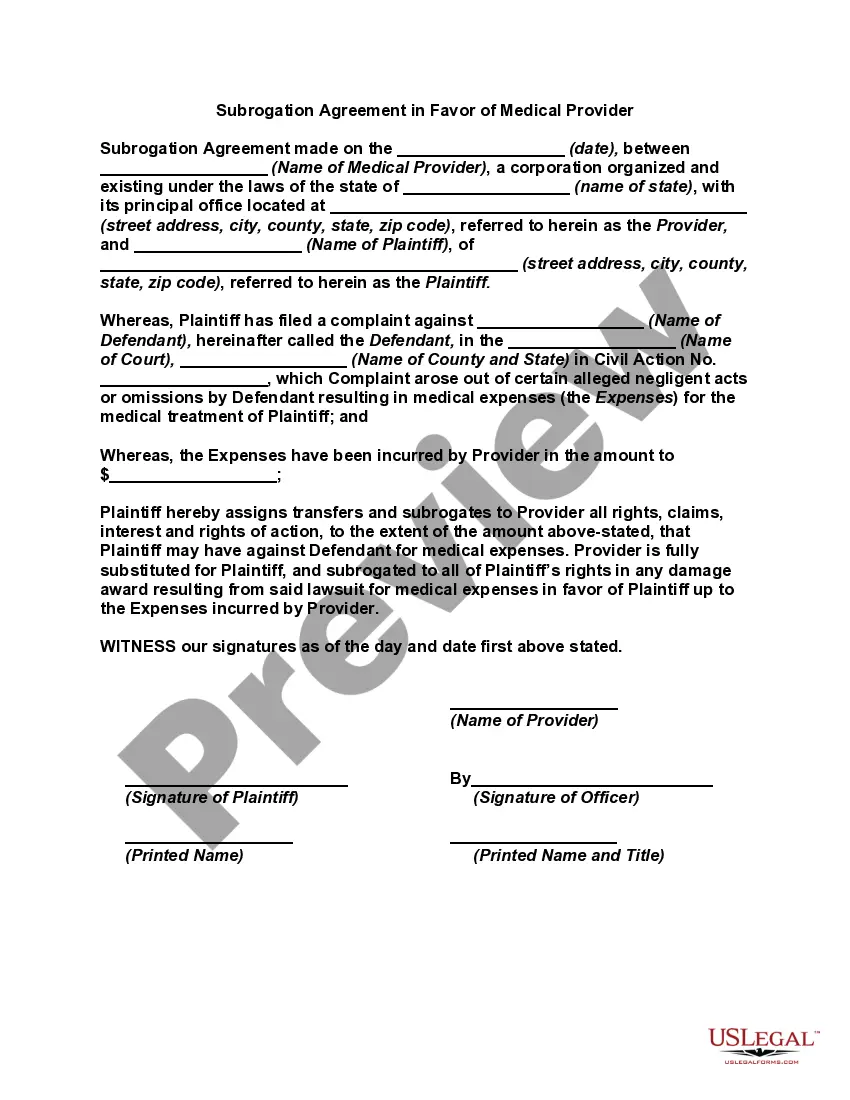
Subrogation Statement With Insurance Company
Description
Get your form ready online
Our built-in tools help you complete, sign, share, and store your documents in one place.
Make edits, fill in missing information, and update formatting in US Legal Forms—just like you would in MS Word.
Download a copy, print it, send it by email, or mail it via USPS—whatever works best for your next step.
Sign and collect signatures with our SignNow integration. Send to multiple recipients, set reminders, and more. Go Premium to unlock E-Sign.
If this form requires notarization, complete it online through a secure video call—no need to meet a notary in person or wait for an appointment.
We protect your documents and personal data by following strict security and privacy standards.

Make edits, fill in missing information, and update formatting in US Legal Forms—just like you would in MS Word.

Download a copy, print it, send it by email, or mail it via USPS—whatever works best for your next step.

Sign and collect signatures with our SignNow integration. Send to multiple recipients, set reminders, and more. Go Premium to unlock E-Sign.

If this form requires notarization, complete it online through a secure video call—no need to meet a notary in person or wait for an appointment.

We protect your documents and personal data by following strict security and privacy standards.
Looking for another form?





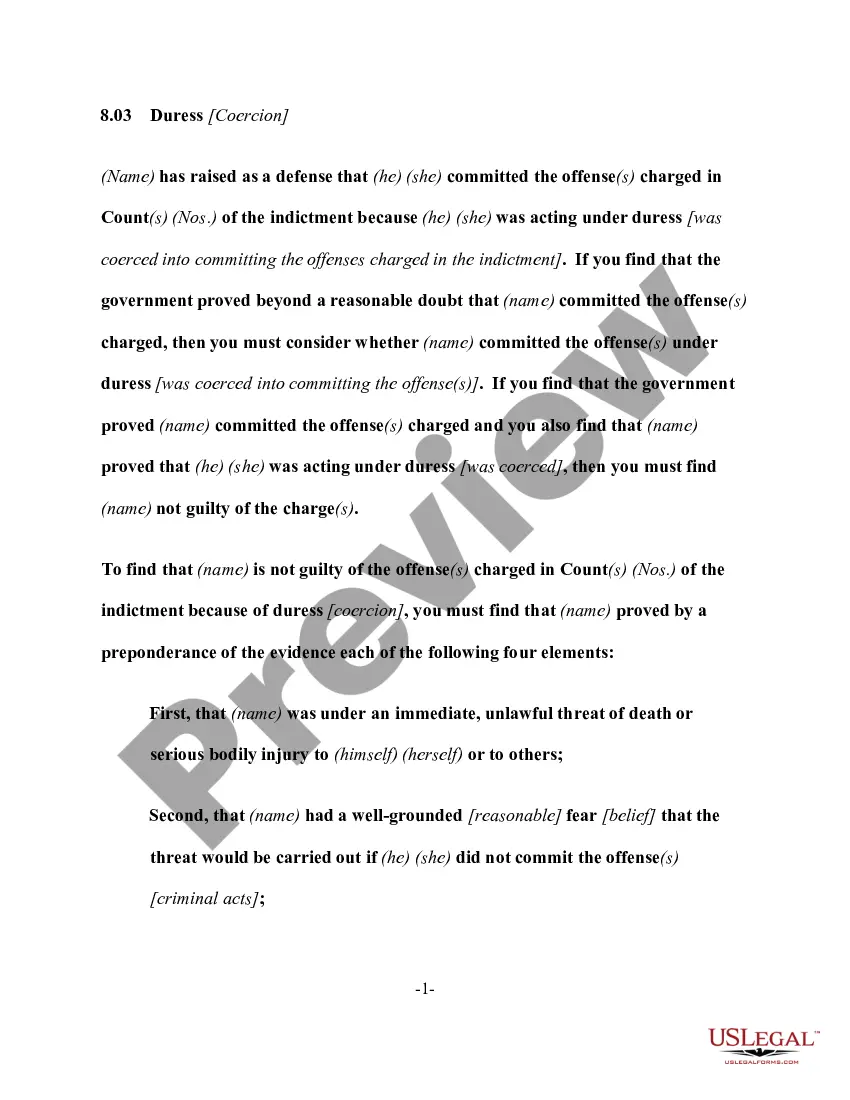



How to fill out Subrogation Agreement Between Insurer And Insured?
Whether for commercial objectives or for individual matters, everyone must confront legal issues eventually in their life.
Filling out legal documents necessitates meticulous focus, starting from selecting the appropriate form template.
With a vast US Legal Forms catalog available, you never need to waste time searching for the suitable template online. Utilize the library’s user-friendly navigation to find the correct form for any occasion.
- For instance, if you select an incorrect version of the Subrogation Statement With Insurance Company, it will be turned down once submitted.
- Hence, it is crucial to have a reliable source of legal papers like US Legal Forms.
- If you need to procure a Subrogation Statement With Insurance Company template, adhere to these simple steps.
- Search for the template you require using the search bar or catalog navigation.
- Review the form’s description to confirm it aligns with your situation, province, and county.
- Click on the form’s preview to inspect it.
- If it is the wrong form, return to the search feature to locate the Subrogation Statement With Insurance Company example you need.
- Download the file once it meets your specifications.
- If you already possess a US Legal Forms account, simply click Log in to access previously saved templates in My documents.
- If you do not have an account yet, you can acquire the form by clicking Buy now.
- Choose the correct pricing option.
- Fill out the account registration form.
- Select your payment method: use a bank card or PayPal.
- Choose the document format you prefer and download the Subrogation Statement With Insurance Company.
- After it is saved, you can complete the form with the aid of editing software or print it out and fill it out manually.
Form popularity
FAQ
As part of the car insurance claims process, your insurer will tell you if it will file a subrogation claim. This doesn't mean your insurance company will do this for every not-at-fault claim. Keep in mind that state laws vary, so some claims or expenses may not be eligible for subrogation.
If you were at-fault in the accident and are uninsured, then you may receive a subrogation letter from the other driver's insurance company seeking reimbursement directly from you. There is no requirement to respond, but it can be in your best interests to reply.
Subrogation claims rely on fault, and insurance companies can only file claims against those they can prove are liable for property damage. If you can demonstrate that you are not liable for the property damage, the insurance company will have no grounds for their claim, and you will not have to pay it.
As to the format, a subrogation letter should include: Letter creation date. The name of the insured and the name of the at-fault party. The sum paid to the insured. Summary of the damages. Request for the policy number of the recipient. Request to contact the insurance company and contact details.
One example of subrogation is when an insured driver's car is totaled through the fault of another driver. The insurance carrier reimburses the covered driver under the terms of the policy and then pursues legal action against the driver at fault.