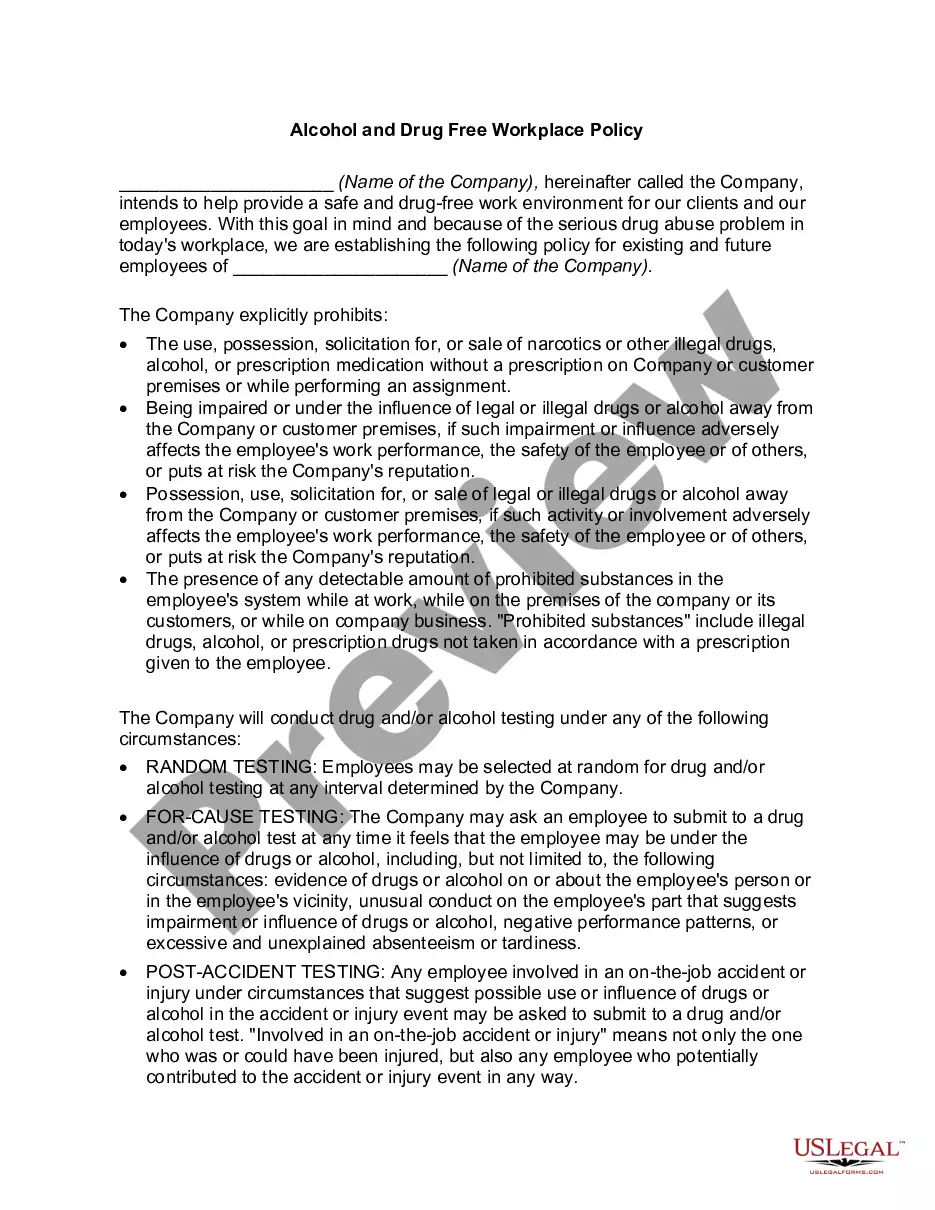
Workplace Policy Drug With A Medical Device
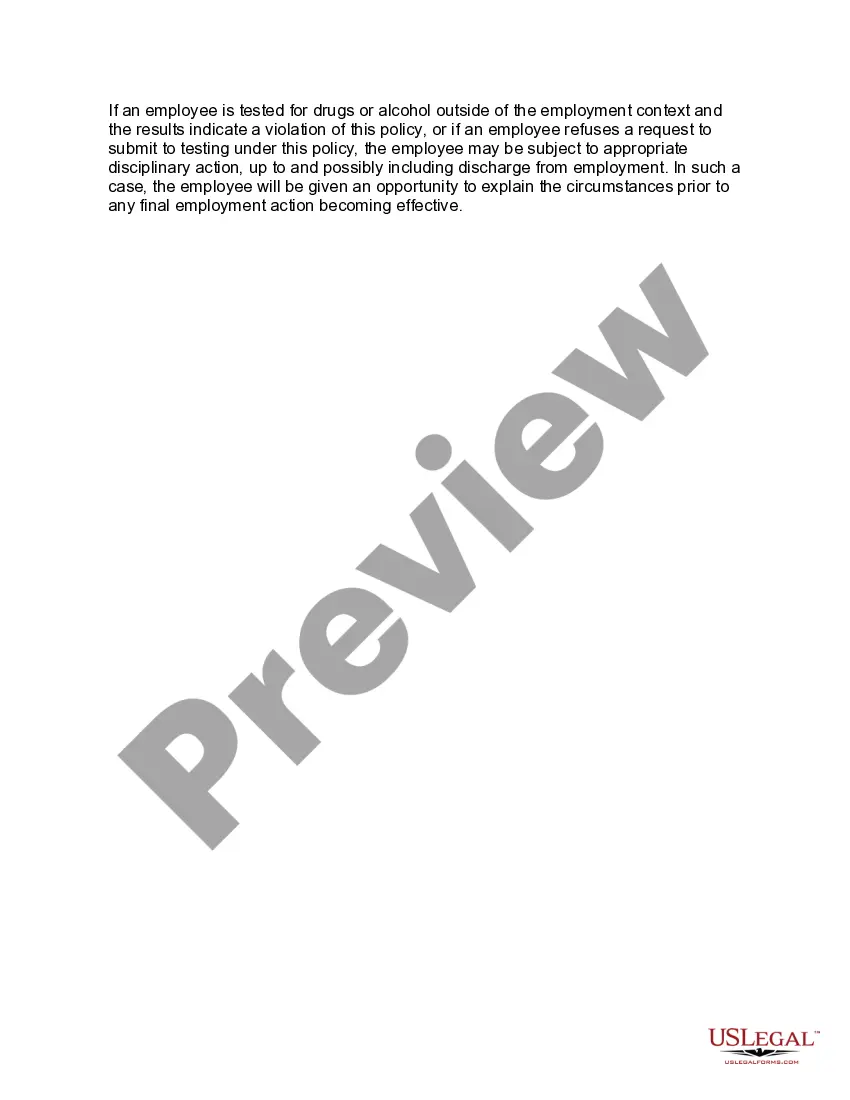
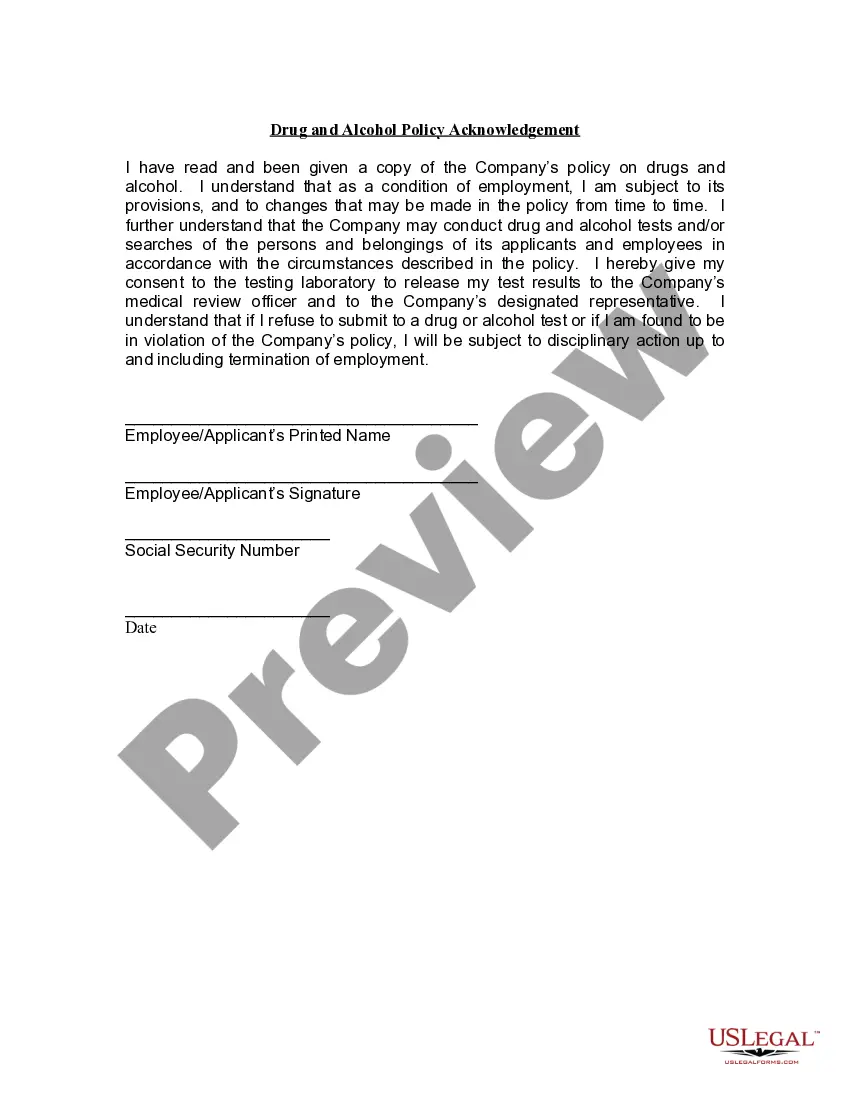
Description
Get your form ready online
Our built-in tools help you complete, sign, share, and store your documents in one place.
Make edits, fill in missing information, and update formatting in US Legal Forms—just like you would in MS Word.
Download a copy, print it, send it by email, or mail it via USPS—whatever works best for your next step.
Sign and collect signatures with our SignNow integration. Send to multiple recipients, set reminders, and more. Go Premium to unlock E-Sign.
If this form requires notarization, complete it online through a secure video call—no need to meet a notary in person or wait for an appointment.
We protect your documents and personal data by following strict security and privacy standards.

Make edits, fill in missing information, and update formatting in US Legal Forms—just like you would in MS Word.

Download a copy, print it, send it by email, or mail it via USPS—whatever works best for your next step.

Sign and collect signatures with our SignNow integration. Send to multiple recipients, set reminders, and more. Go Premium to unlock E-Sign.

If this form requires notarization, complete it online through a secure video call—no need to meet a notary in person or wait for an appointment.

We protect your documents and personal data by following strict security and privacy standards.
Looking for another form?



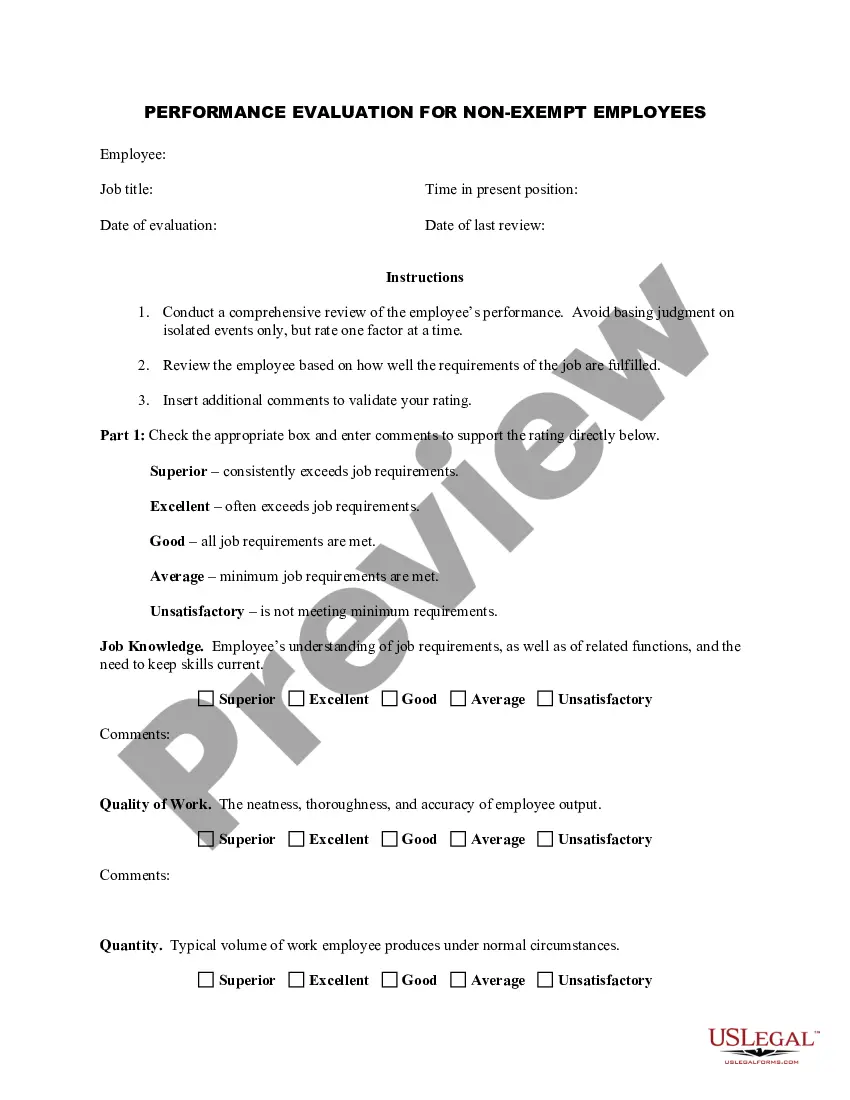
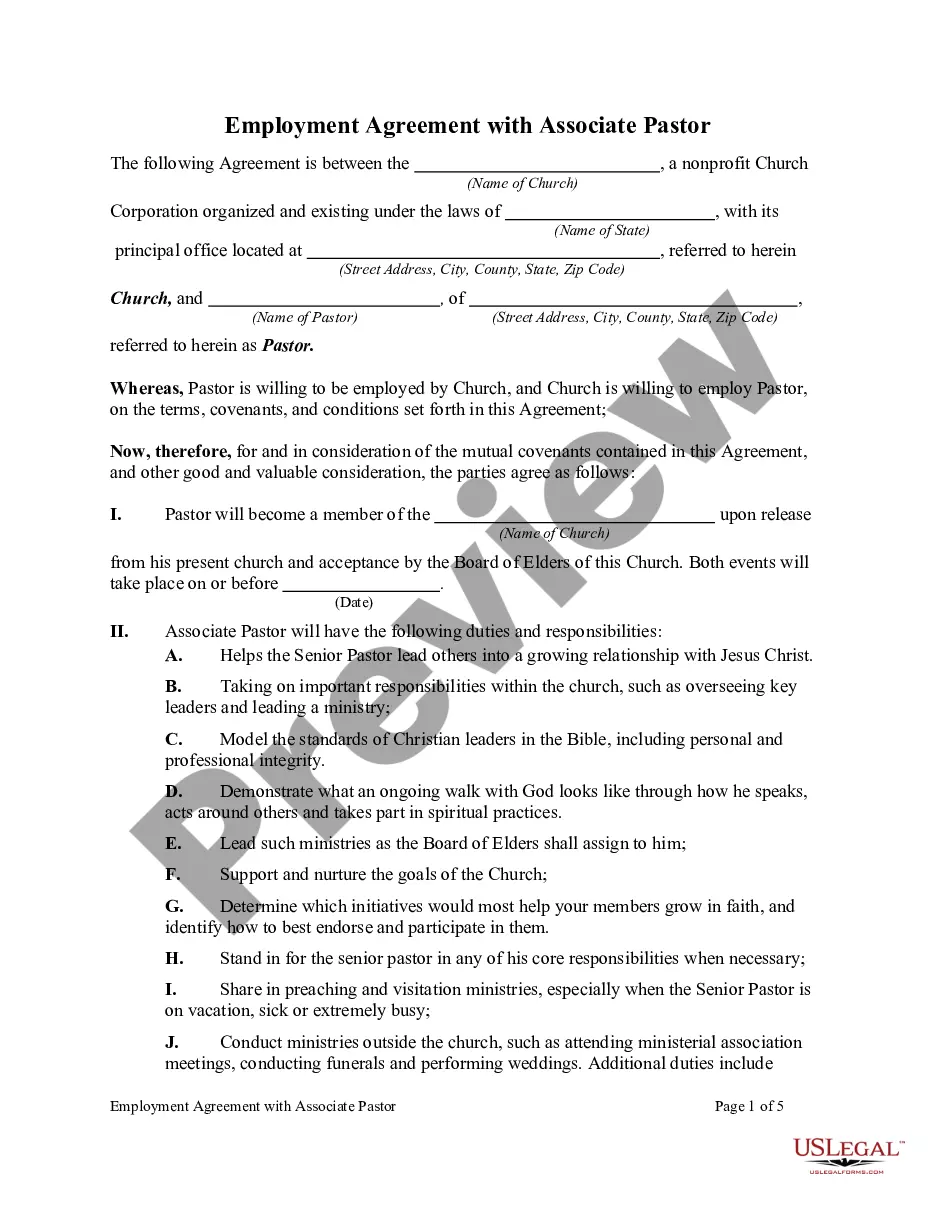
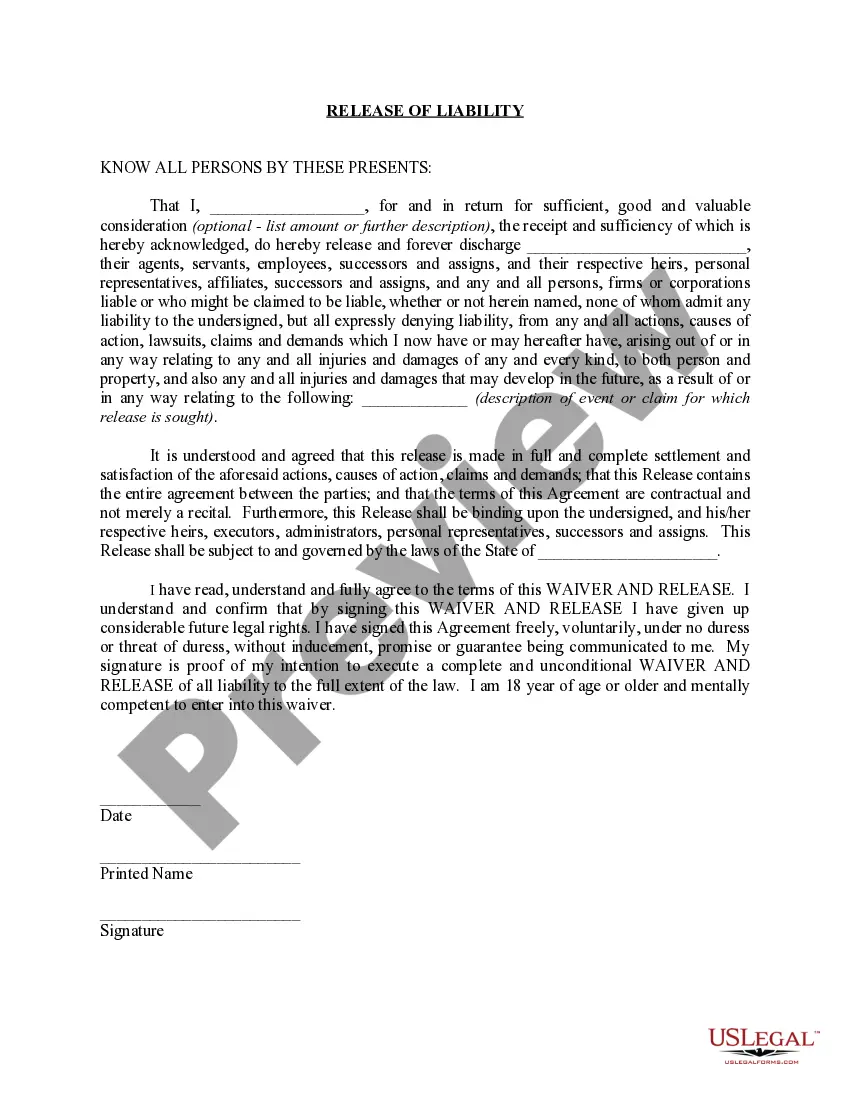



How to fill out Alcohol And Drug Free Workplace Policy?
- Log in to your existing US Legal Forms account to access your subscription and navigate to the desired form template.
- Make sure to review the preview mode and form description to ensure it meets your local jurisdiction requirements.
- If necessary, utilize the search feature to find the appropriate template that addresses your specific needs.
- Select the document and click on the 'Buy Now' button, then choose a subscription plan that fits your requirements.
- Complete your purchase by providing your payment information via credit card or PayPal.
- Once completed, download your form to your device and access it anytime through the My Forms section of your account.
In conclusion, US Legal Forms empowers you with the tools needed to efficiently create your workplace policies. With an extensive library and expert assistance, you can ensure your documents are precise and legally compliant.
Start your journey today and facilitate your legal needs with US Legal Forms!
Form popularity
FAQ
The FDA guidance on Medical Device Reporting (MDR) outlines procedures for manufacturers and user facilities to report adverse events. This guidance emphasizes the importance of timely and accurate reporting to protect patient safety and foster transparent communication. By following the workplace policy drug with a medical device, organizations can ensure they are aligned with FDA expectations and fulfill their reporting responsibilities effectively.
Medical device requirements encompass a broad range of regulations that ensure the safety, performance, and quality of devices used in healthcare settings. These may include design specifications, manufacturing standards, and testing protocols to evaluate safety and efficacy. Adopting a workplace policy drug with a medical device is vital for meeting these requirements and protecting patient health.
Medical device reporting requirements include timely reporting of device failures, injuries, or deaths to appropriate regulatory bodies such as the FDA. Devices that are involved in incidents must be documented, with sufficient information provided to allow for investigations. Following a workplace policy drug with a medical device helps organizations fulfill these critical reporting requirements effectively.
Medical device compliance refers to adhering to the regulations set by governing bodies, particularly the FDA, for the safe production and use of medical devices. This ensures that devices meet quality standards and have the necessary approvals before reaching the market. Integrating a workplace policy drug with a medical device can streamline compliance processes and safeguard patient welfare.
The 803 reporting requirements outline the obligations of manufacturers, importers, and device user facilities to report adverse events to the FDA. These reports must include significant information about the incident, such as the device involved, the nature of the event, and patient outcomes. Adhering to these requirements often aligns with the workplace policy drug with a medical device, maintaining safety standards in medical practice.
Medical device reporting is essential when a device causes or may cause serious injury, death, or malfunction that impacts patient safety. It includes any device-related incidents that compromise the effectiveness or safety of medical treatments. Following the workplace policy drug with a medical device ensures that all such reporting is handled properly and efficiently.
When you report a medical device failure or an associated injury or death, your supervisor should take immediate steps to ensure your safety and the safety of others. They should document the incident clearly and provide the necessary details for further investigation. Additionally, they need to follow the workplace policy drug with a medical device to ensure compliance with reporting standards.
RA, or regulatory affairs, in medical devices emphasizes the importance of product compliance and safety standards. This sector ensures that medical devices meet all legal requirements for marketing and use. As you establish a workplace policy drug with a medical device, recognizing the value of RA can guide you in avoiding legal pitfalls and enhancing patient safety.
The role of regulatory affairs is to ensure that companies comply with health regulations and laws. They facilitate the necessary approvals for products, manage documentation, and communicate with regulatory agencies. By involving regulatory affairs in developing a workplace policy drug with a medical device, you can significantly streamline the approval process and reduce compliance risks.
Medical affairs in medical devices refers to the department responsible for bridging the gap between clinical and commercial perspectives. This team provides scientific support, engages with healthcare professionals, and ensures that clinical data is communicated effectively. When integrating a workplace policy drug with a medical device, understanding the role of medical affairs can enhance communication and trust.