Workplace Drug Policies With The Us
Description
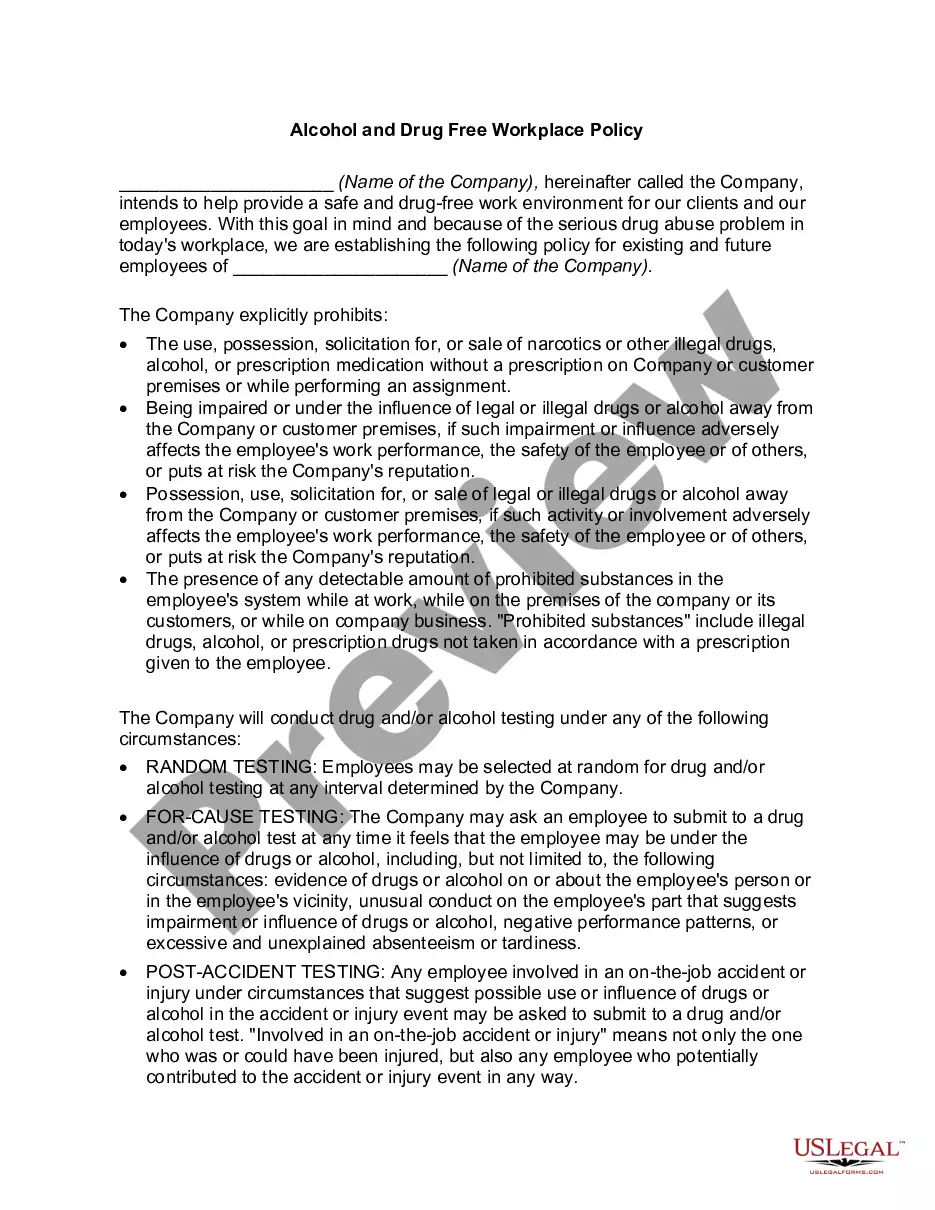
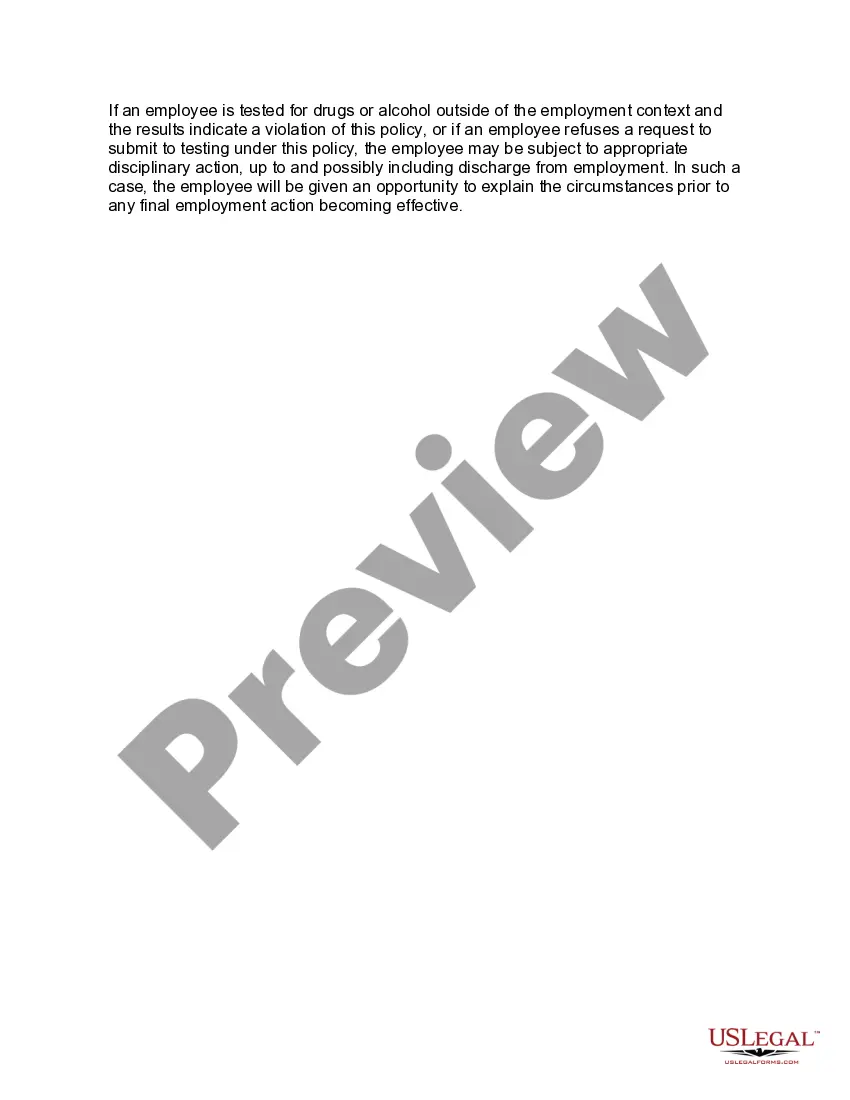
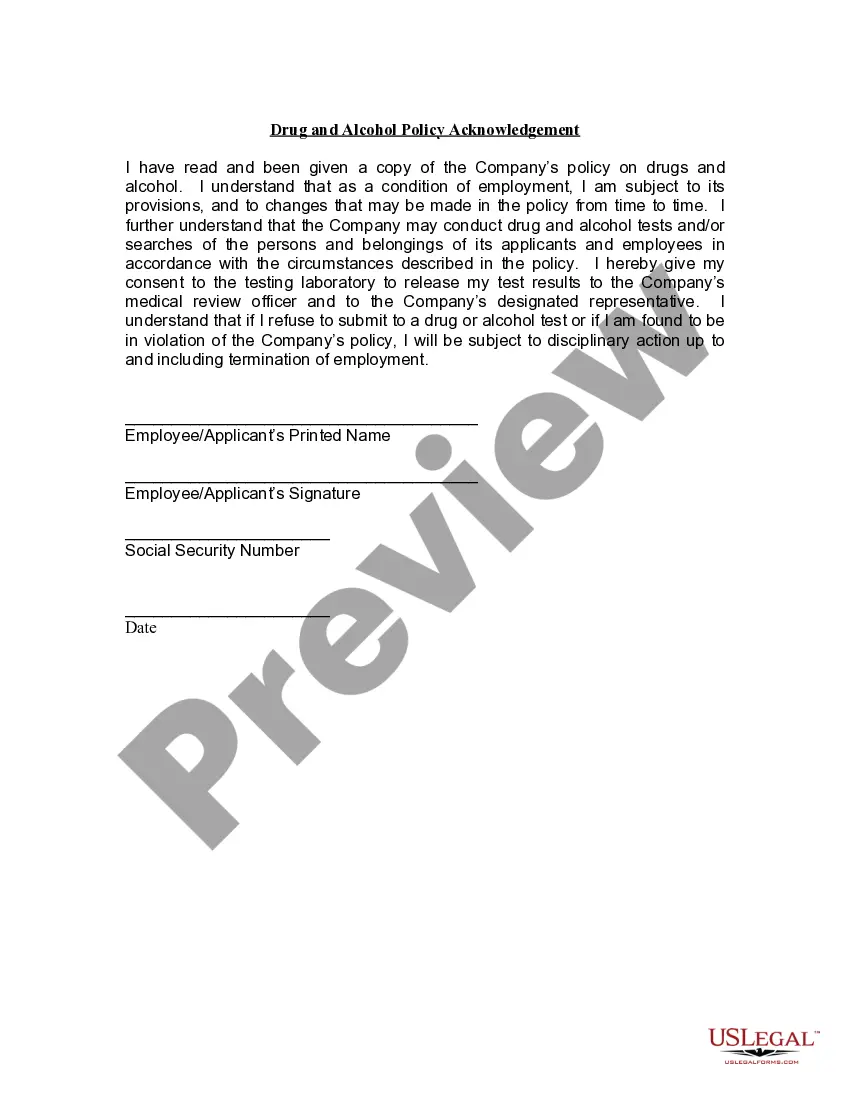
Get your form ready online
Our built-in tools help you complete, sign, share, and store your documents in one place.
Make edits, fill in missing information, and update formatting in US Legal Forms—just like you would in MS Word.
Download a copy, print it, send it by email, or mail it via USPS—whatever works best for your next step.
Sign and collect signatures with our SignNow integration. Send to multiple recipients, set reminders, and more. Go Premium to unlock E-Sign.
If this form requires notarization, complete it online through a secure video call—no need to meet a notary in person or wait for an appointment.
We protect your documents and personal data by following strict security and privacy standards.

Make edits, fill in missing information, and update formatting in US Legal Forms—just like you would in MS Word.

Download a copy, print it, send it by email, or mail it via USPS—whatever works best for your next step.

Sign and collect signatures with our SignNow integration. Send to multiple recipients, set reminders, and more. Go Premium to unlock E-Sign.

If this form requires notarization, complete it online through a secure video call—no need to meet a notary in person or wait for an appointment.

We protect your documents and personal data by following strict security and privacy standards.
Looking for another form?






How to fill out Alcohol And Drug Free Workplace Policy?
- Access your account at US Legal Forms. If you have previously registered, log in to download the required template by selecting the Download button. Verify that your subscription is active; if not, renew it according to your plan.
- For first-time users, start by exploring the Preview mode to review the form description, ensuring the template aligns with your legal needs and complies with local regulations.
- If you require a different template, utilize the Search tab to find alternatives that match your requirements.
- Once you identify the correct document, proceed to purchase it by clicking the Buy Now button and selecting your preferred subscription plan. Account registration is necessary for access.
- Complete the transaction by entering your payment information, either through credit card details or a PayPal account.
- Download your selected template and save it to your device. You can easily access this document anytime through the My Forms section of your profile.
US Legal Forms empowers individuals and attorneys by providing a vast selection of legal documents, ensuring that you have all the tools necessary for effective policy implementation.
Streamline your compliance efforts and create robust workplace drug policies today—visit US Legal Forms to get started!
Form popularity
FAQ
To determine if your position is designated as TDP, you should review your employer's workplace drug policies with the US. Typically, employers classify positions based on safety sensitivity and the potential impact on others. You can consult your human resources department or employee handbook for guidance on your specific role. Understanding your classification helps ensure compliance with company policies and promotes a safe work environment.
OSHA addresses substance abuse in the workplace through various workplace drug policies with the US. They emphasize the importance of maintaining a safe work environment and encourage employers to implement clear drug policies that comply with the law. Moreover, OSHA provides guidelines for employers to develop strategies focused on prevention, education, and support, ensuring that workers are informed about the risks of substance abuse. By fostering a culture of safety and accountability, OSHA helps organizations minimize risks associated with substance use on the job.
Federal employees may undergo drug testing randomly or based on specific job requirements. Often, the frequency depends on the agency and the nature of the job. Many federal agencies enforce rigorous workplace drug policies with the US to ensure compliance and safety. Employees should be aware of their agency's specific drug testing schedule and adhere to these standards.
An example of a workplace drug policy might include a zero-tolerance stance toward drug use and clear procedures for drug testing. This could outline the consequences of failing a drug test, such as termination or rehabilitation programs. Workplace drug policies with the US often stress the importance of reporting to work unimpaired and maintaining a safe environment. Companies often incorporate such policies into employee handbooks and training.
A federal employee drug test panel typically includes a range of substances that may include marijuana, cocaine, amphetamines, and opiates. These tests are conducted to uphold workplace drug policies with the US and ensure a safe working environment. The panel can vary based on specific job requirements, and it's vital for employers to communicate these policies clearly to their employees. Understanding what substances are being tested helps employees prepare and comply.
Employers have a vital responsibility to maintain a safe workplace by addressing substance abuse issues proactively. This includes creating and enforcing a clear drug policy, providing education on the dangers of substance abuse, and offering support programs for employees in need. Employers should also be prepared to take corrective steps when violations occur, which is essential for fostering a healthy and productive work environment. You can find robust resources on USLegalForms to help you fulfill these responsibilities in line with workplace drug policies with the US.
A practical example of a drug policy might include a section that prohibits any employee from working under the influence of drugs or alcohol. It should state the procedures for drug testing, the types of tests performed, and how employees can report substance abuse anonymously. This ensures accountability while establishing a zero-tolerance approach. Referencing templates on USLegalForms can help you develop comprehensive workplace drug policies with the US.
Writing a drug policy involves understanding the specific needs of your workplace. Start by outlining the objectives of the policy, such as promoting a safe work environment and complying with the law. Clearly define what constitutes substance abuse and outline the consequences for violations. Using a structured template can streamline this process, and platforms like USLegalForms provide examples that help you create effective workplace drug policies with the US.