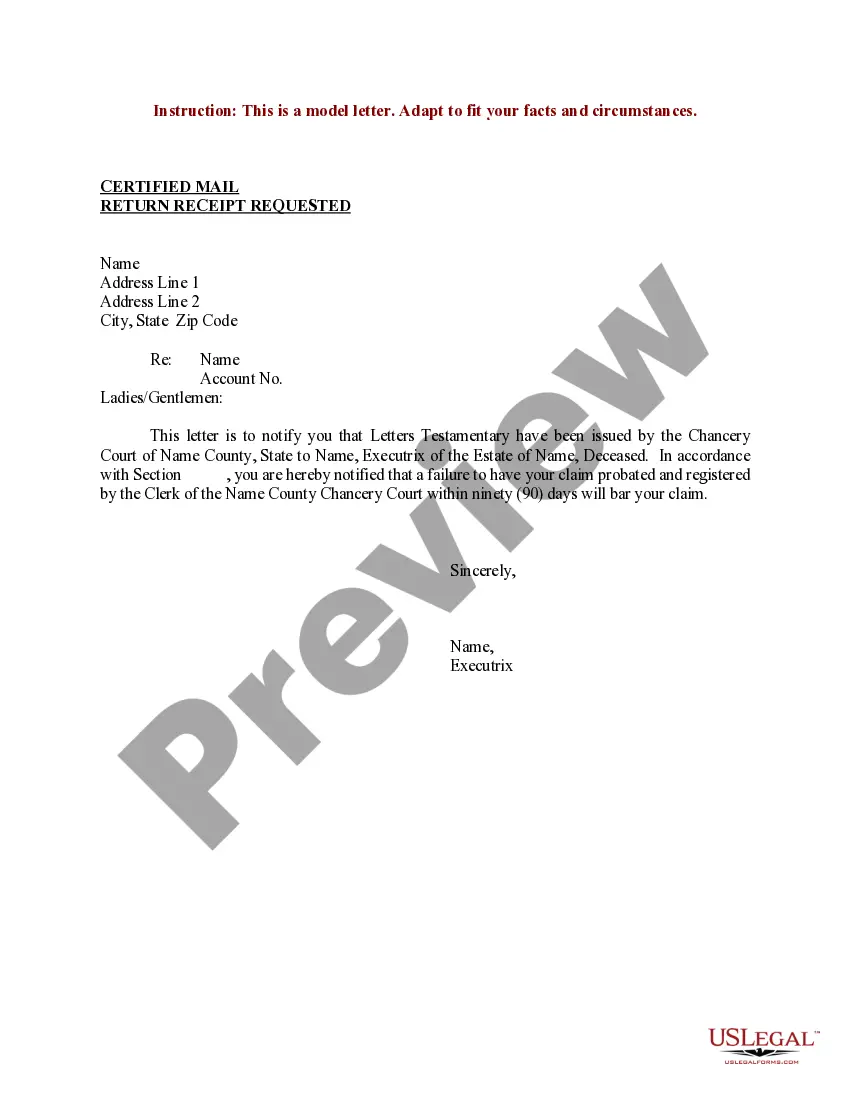
Letters Testamentary In Florida
Description
Get your form ready online
Our built-in tools help you complete, sign, share, and store your documents in one place.
Make edits, fill in missing information, and update formatting in US Legal Forms—just like you would in MS Word.
Download a copy, print it, send it by email, or mail it via USPS—whatever works best for your next step.
Sign and collect signatures with our SignNow integration. Send to multiple recipients, set reminders, and more. Go Premium to unlock E-Sign.
If this form requires notarization, complete it online through a secure video call—no need to meet a notary in person or wait for an appointment.
We protect your documents and personal data by following strict security and privacy standards.

Make edits, fill in missing information, and update formatting in US Legal Forms—just like you would in MS Word.

Download a copy, print it, send it by email, or mail it via USPS—whatever works best for your next step.

Sign and collect signatures with our SignNow integration. Send to multiple recipients, set reminders, and more. Go Premium to unlock E-Sign.

If this form requires notarization, complete it online through a secure video call—no need to meet a notary in person or wait for an appointment.

We protect your documents and personal data by following strict security and privacy standards.
Looking for another form?
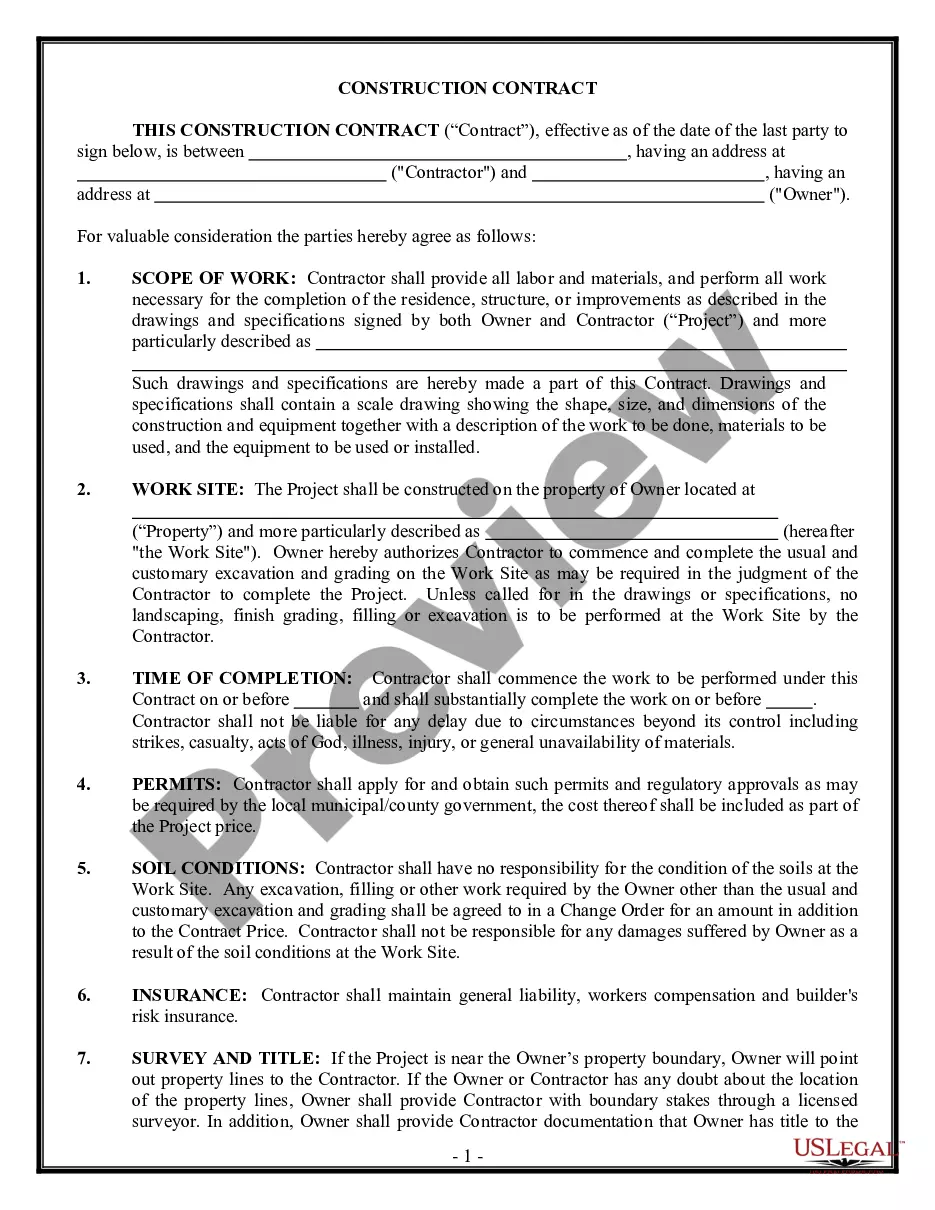
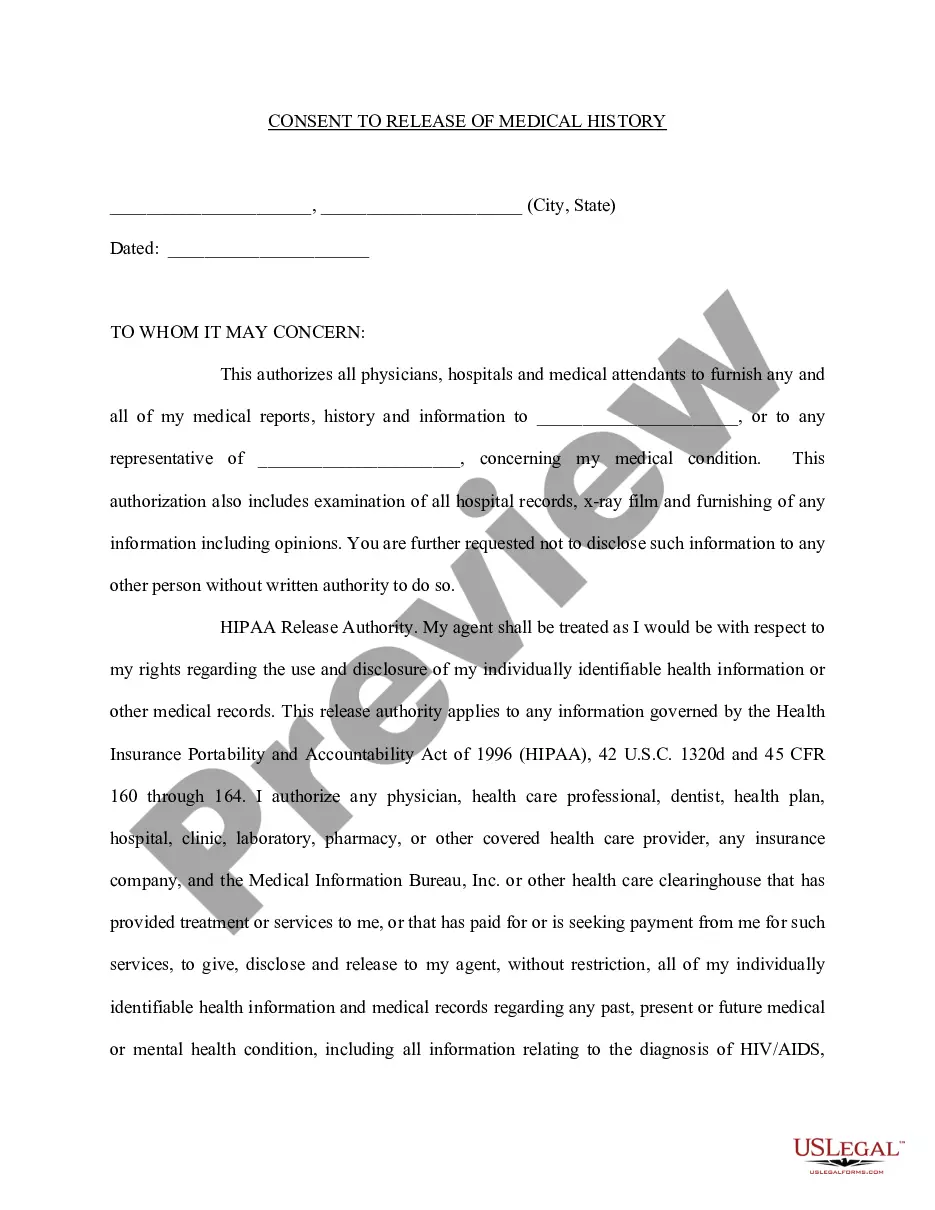
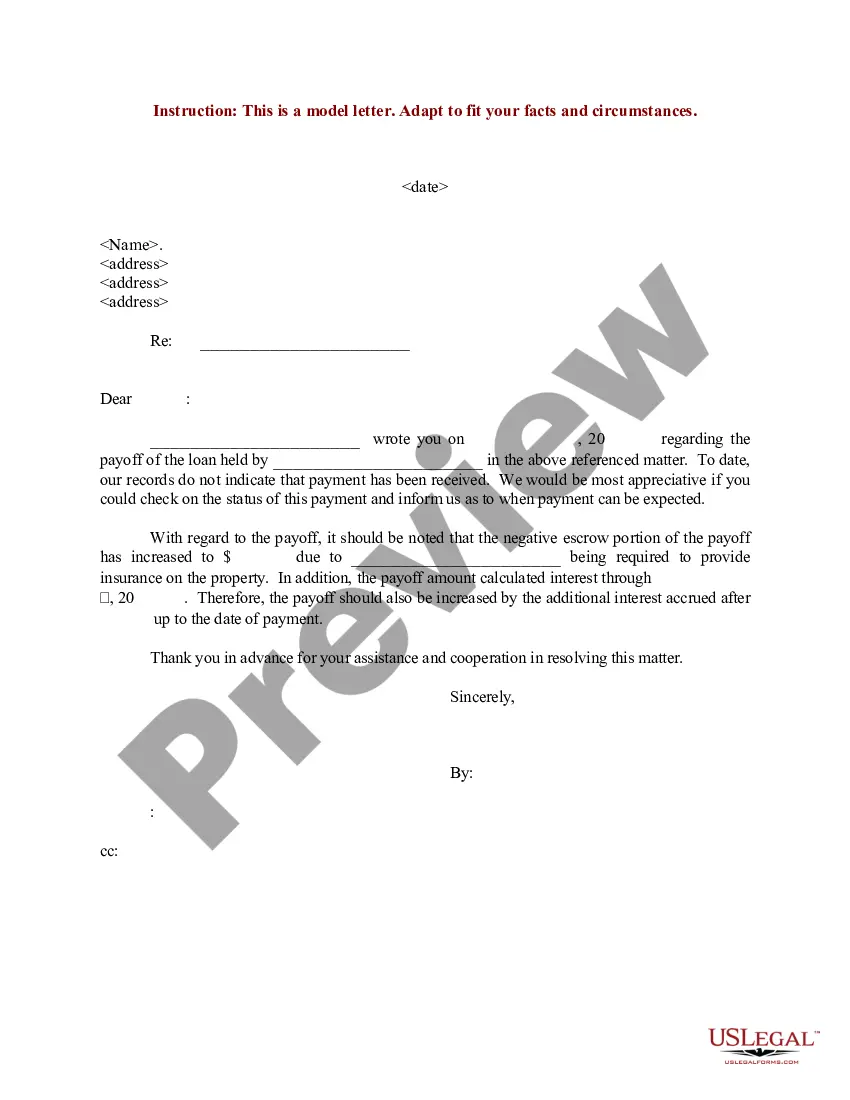
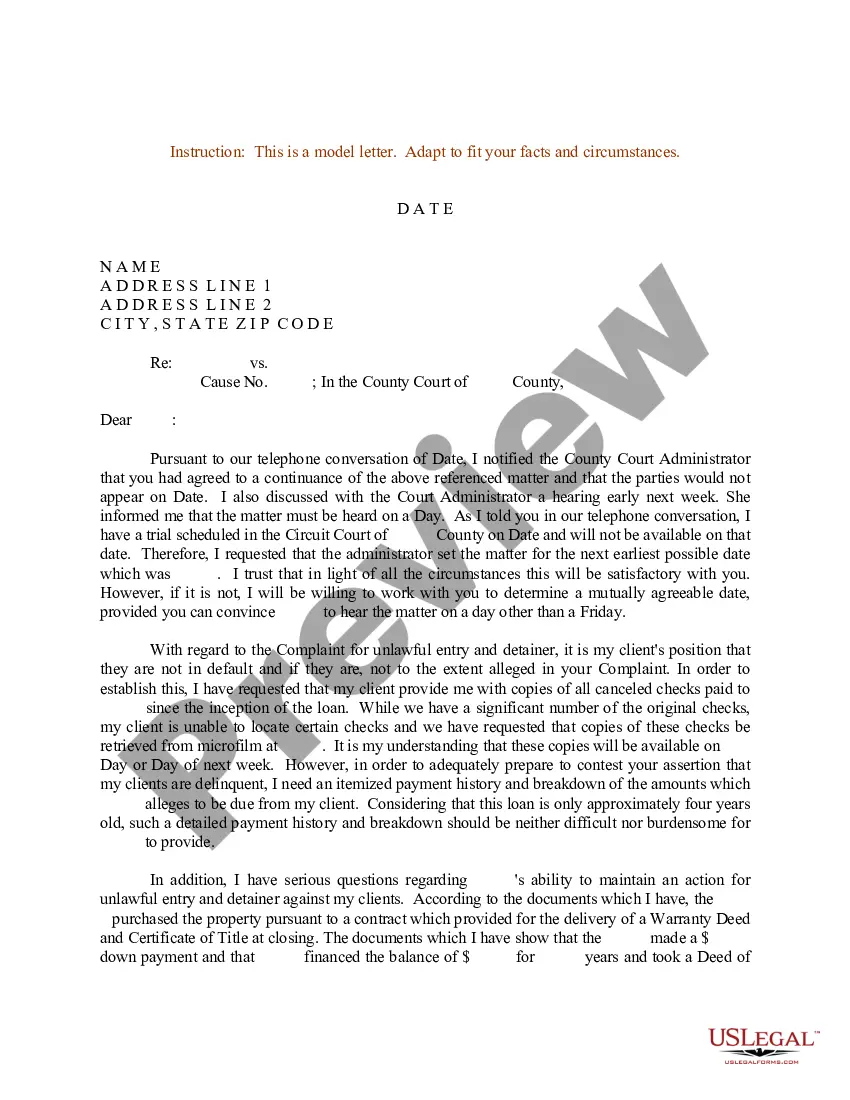
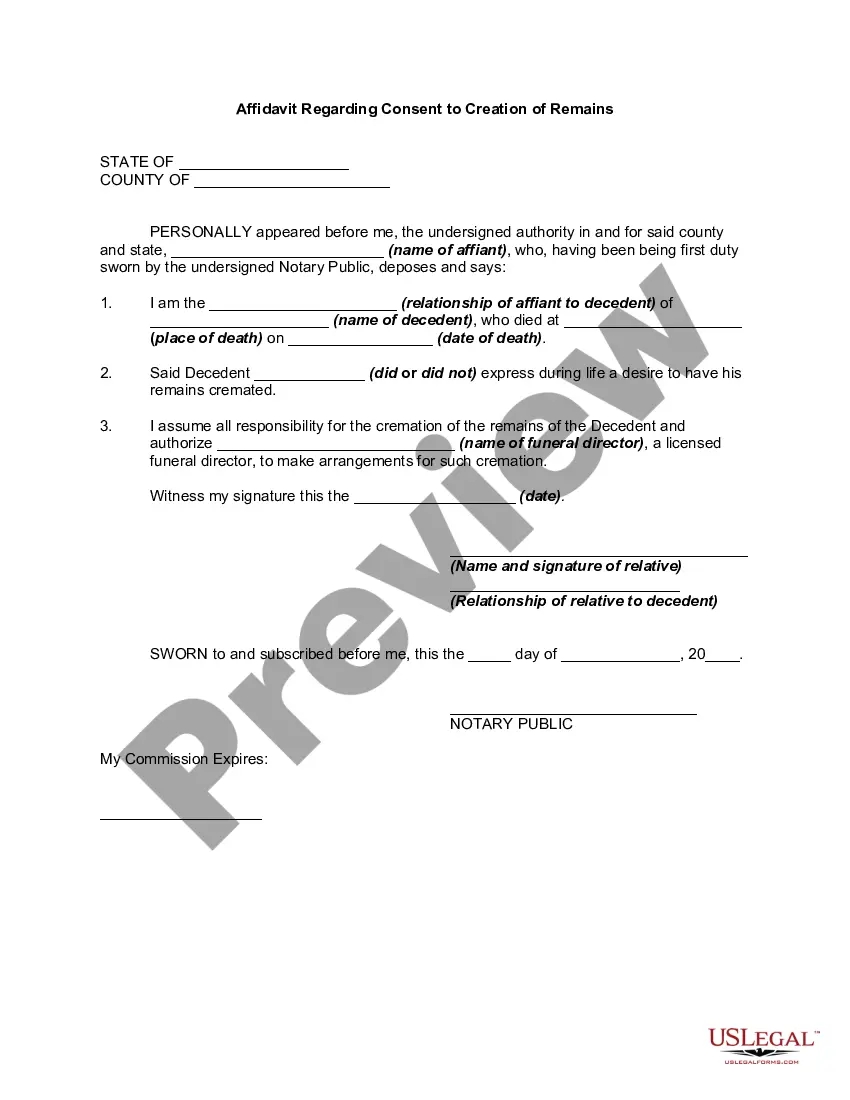
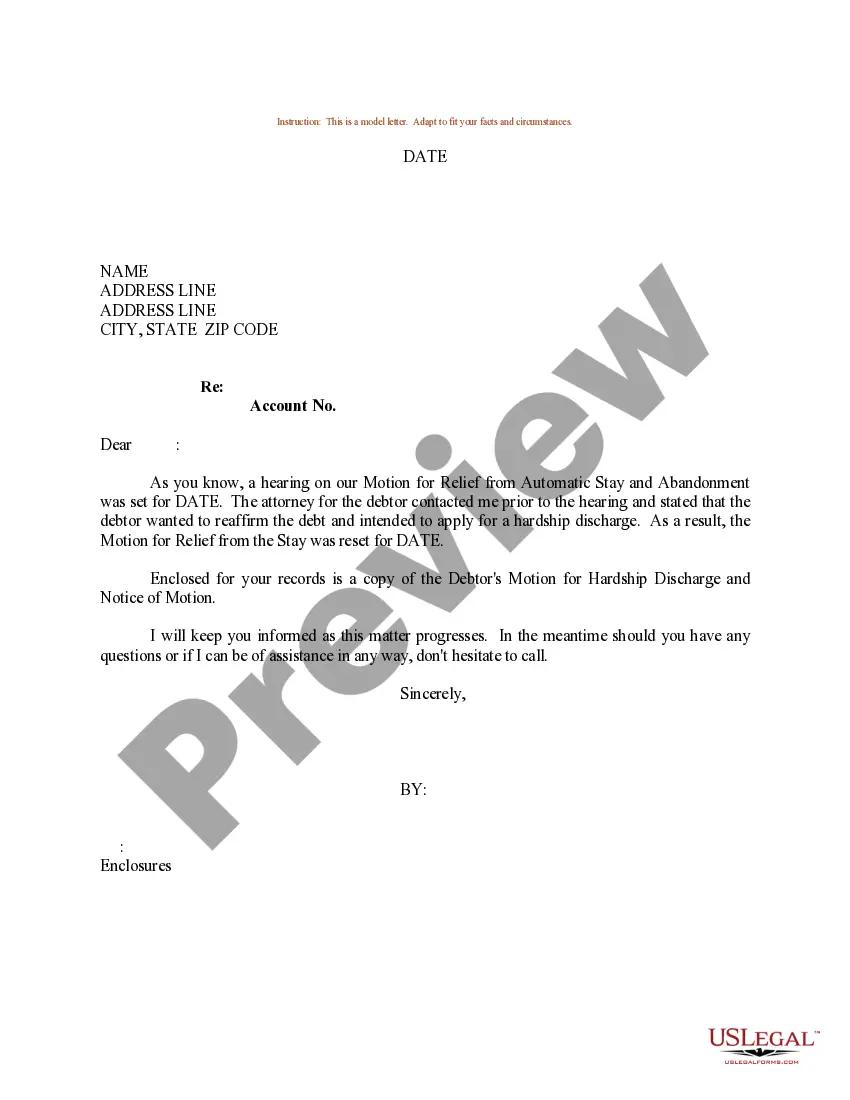
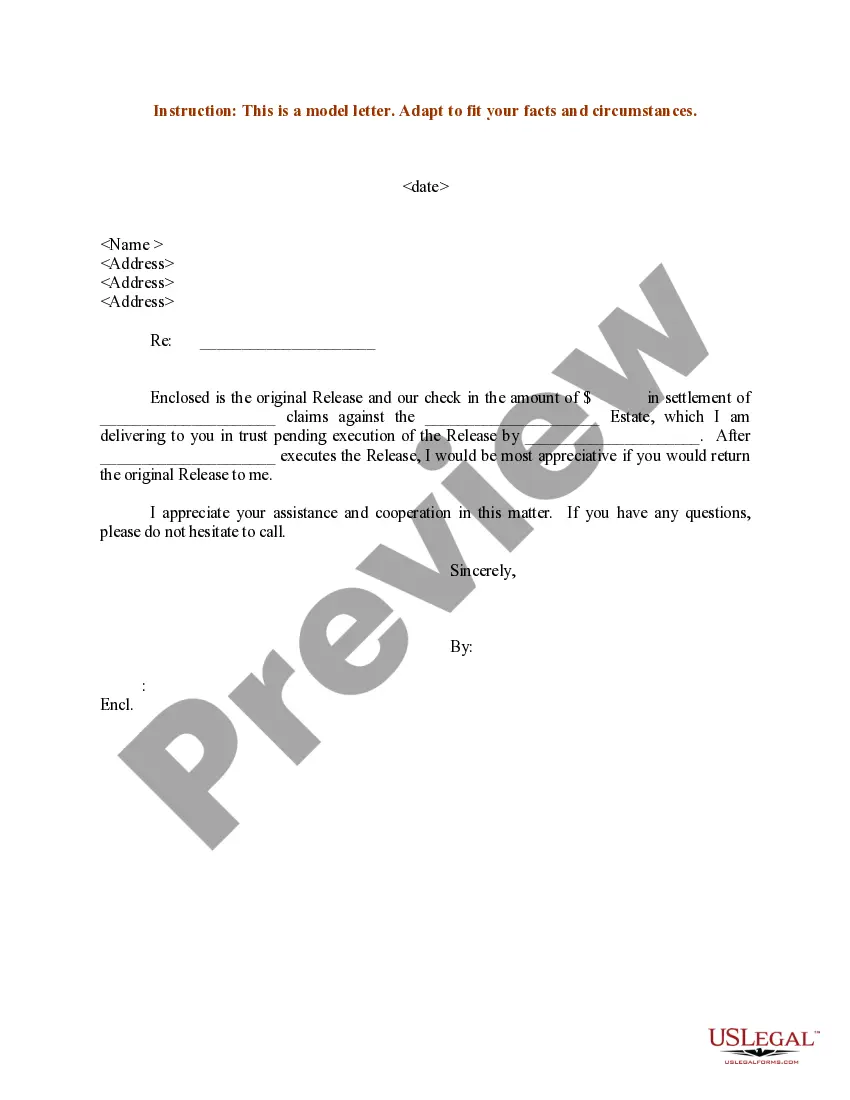
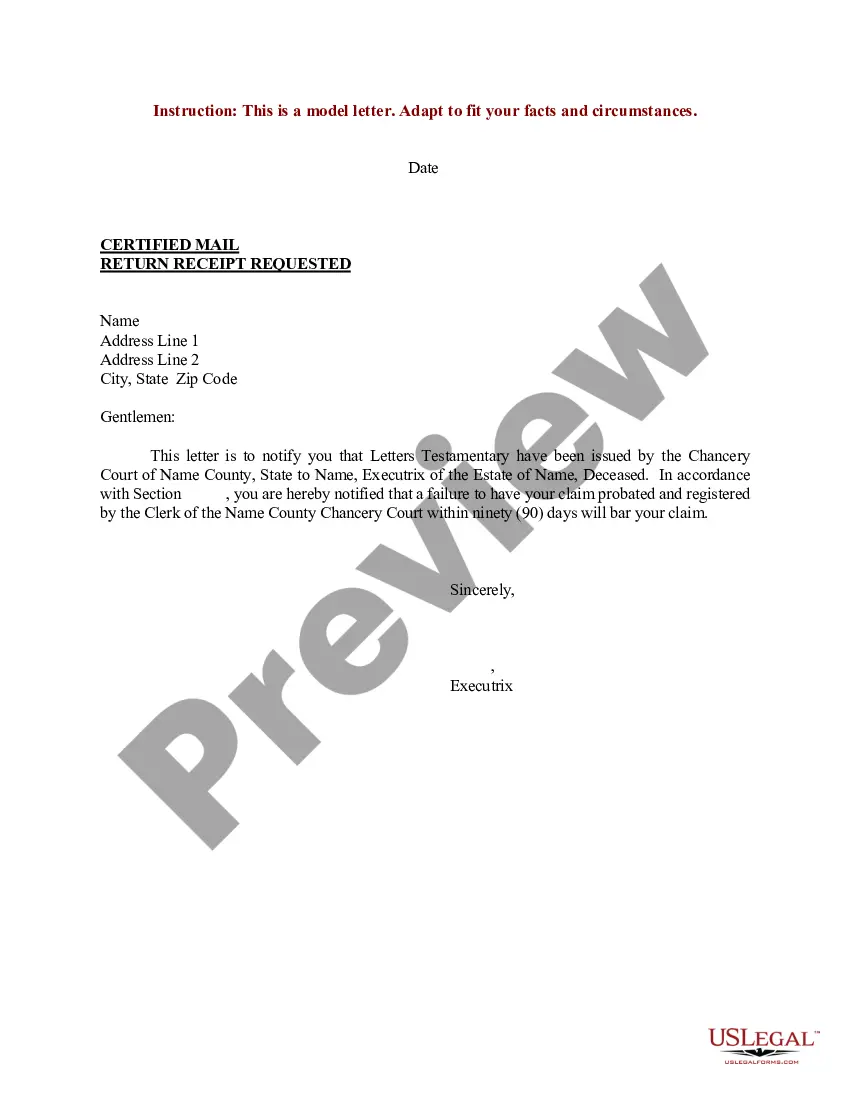
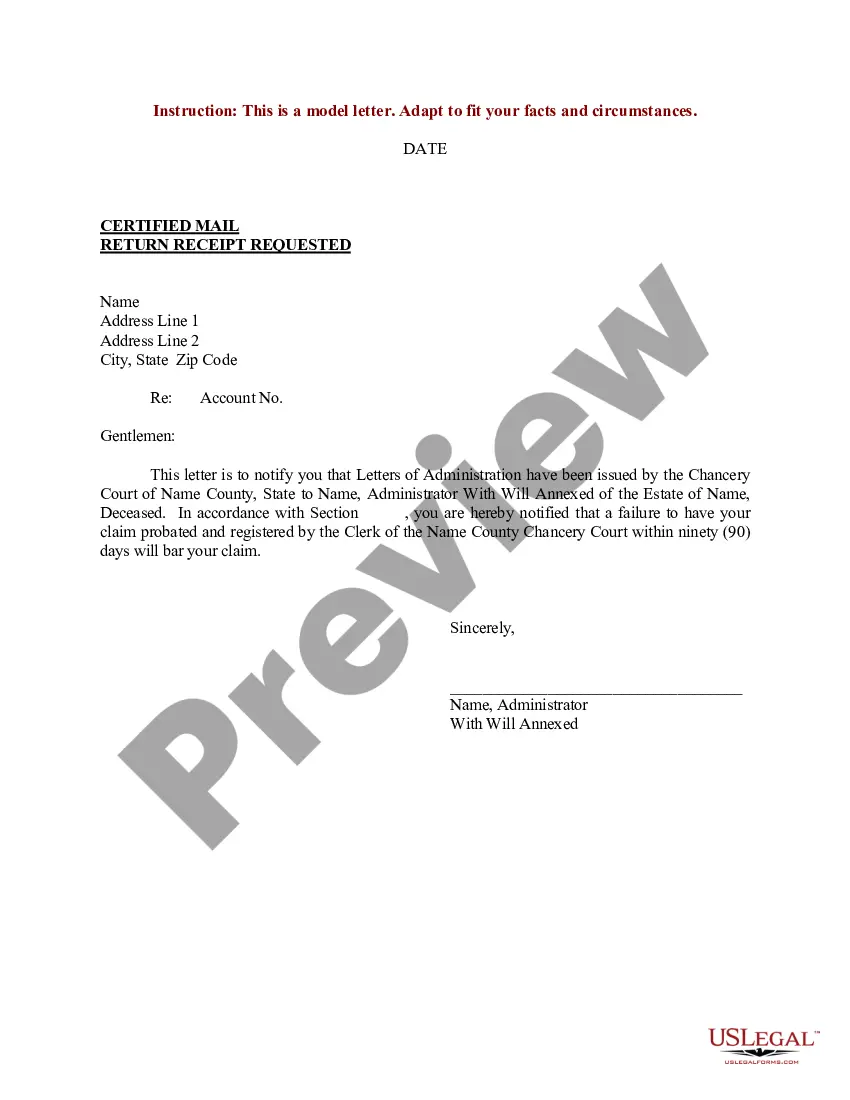
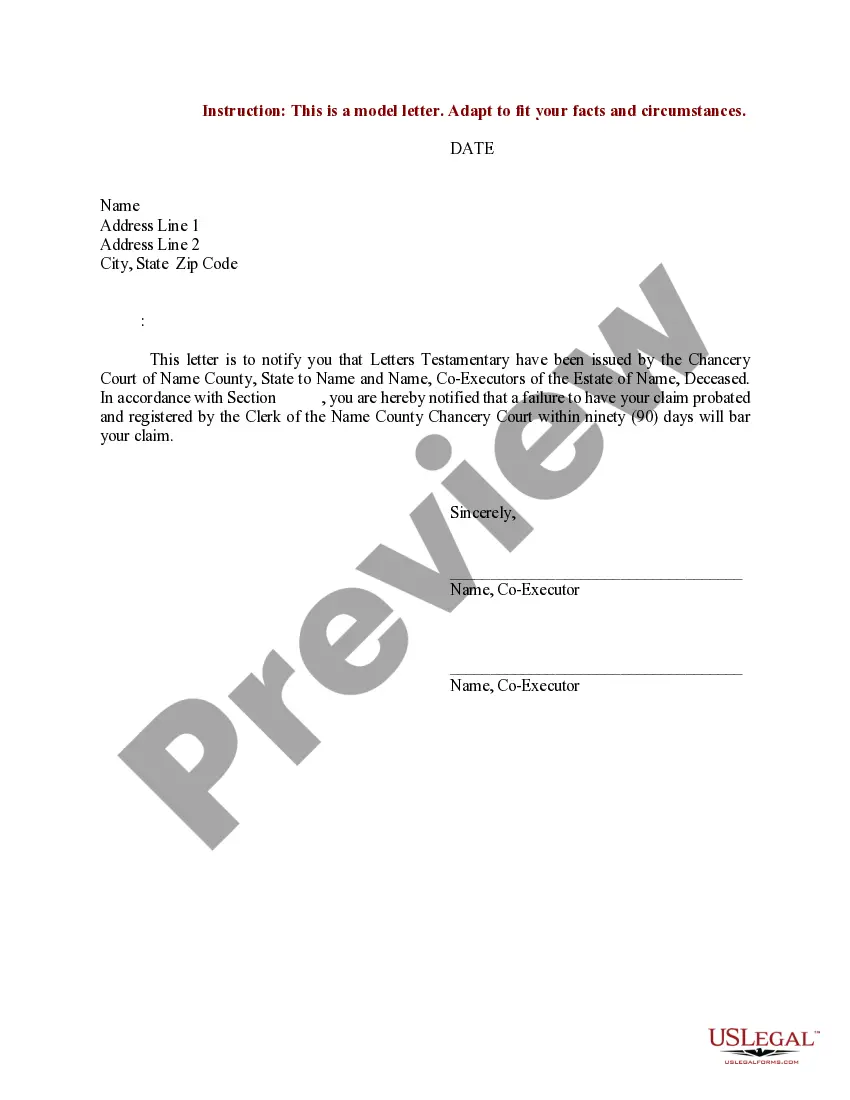
How to fill out Sample Letter For Letters Testamentary And Registration Of Claim?
Utilizing legal document examples that comply with both federal and local statutes is essential, and the web provides numerous choices to select from.
However, what is the purpose of spending time searching for the suitable Letters Testamentary in Florida template online when the US Legal Forms digital library already compiles such formats in a single location.
US Legal Forms stands as the premier online legal repository, featuring over 85,000 fillable documents created by attorneys for all professional and personal situations.
Examine the template using the Preview option or via the text outline to confirm it fits your needs.
- Navigating is straightforward, with all files categorized by state and intended use.
- Our specialists keep current with legislative modifications, ensuring that your forms are always up to date and compliant when acquiring a Letters Testamentary in Florida from our platform.
- Acquiring a Letters Testamentary in Florida is quick and easy for both existing and new users.
- If you possess an account with an active subscription, Log In and download the document template you require in your chosen format.
- If you are a new visitor to our site, adhere to the steps below.
Form popularity
FAQ
Another name for Letters testamentary in Florida is 'letters of authority.' This legal document grants the executor the power to manage the deceased’s estate. Knowing these terms can be helpful when discussing estate matters or seeking assistance with legal forms. For those navigating this process, USLegalForms offers resources to simplify obtaining these essential documents.
The primary difference lies in the circumstances under which they are issued. Letters testamentary in Florida are granted when a valid will exists, appointing an executor to manage the estate. In contrast, a letter of administration is issued when there is no will, appointing someone to take care of the estate's affairs. Understanding this distinction is crucial during the estate distribution process.
To avoid probate, consider options such as establishing a living trust or designating payable-on-death beneficiaries for your accounts. These strategies allow your assets to transfer directly to your heirs without the need for probate, simplifying the process. Always consult with a legal professional to ensure your planning aligns with your goals and that your estate meets Florida laws. Utilizing tools from USLegalForms can help streamline this planning.
Obtaining Letters testamentary in Florida typically requires going through the probate process. Probate is the legal procedure that validates a will and allows for the distribution of assets. Without this process, you may not secure the authority to act on behalf of the deceased. Therefore, it's essential to understand probate requirements if you seek Letters testamentary.
While it’s not legally required to hire a lawyer to obtain a Letter of testamentary in Florida, having legal guidance can be beneficial. A lawyer can help ensure your petition is correctly completed and filed, potentially speeding up the process. They can also assist in navigating any complexities that arise during probate. Using resources from uslegalforms can simplify this process, providing the tools you need to handle the situation confidently.
The time frame to receive a Letter of testamentary in Florida can vary, typically taking around 30 to 60 days. This duration includes the time needed for court processing and scheduling a hearing. If everything is in order, the court usually grants the letters shortly after the hearing. For smoother navigation through this process, consider using uslegalforms to access necessary forms and gain insight into probate procedures.
In Florida, obtaining a Letter of testamentary starts with filing a petition for probate and submitting the original will to your local probate court. You must include necessary forms that detail the deceased's assets and a notarized affidavit. After the court schedules a hearing, it will issue the letters if it finds the will valid. These letters give you authority to administer the estate and carry out the deceased’s wishes.
To acquire letters of testamentary, you first need to file a petition for probate in your local probate court. Include the deceased's will and necessary documents, such as your identification and relationship to the deceased. The court will review the submitted information during a hearing, and if everything is in order, it will grant you letters of testamentary. This document will empower you to act on behalf of the estate, managing assets and fulfilling the terms of the will.
To obtain letters of administration without a will in Florida, you must file a petition with the probate court. This petition should include details about the deceased, their assets, and any heirs. The court will then review your application and, if approved, issue letters of administration. This allows you to manage the estate of the deceased in accordance with Florida law.
An alternative to a letter of testamentary is a letter of administration. This document is used when there is no will, and it appoints an administrator to handle the estate. While letters testamentary in Florida give authority to an executor named in a will, letters of administration serve a similar purpose for intestate estates.