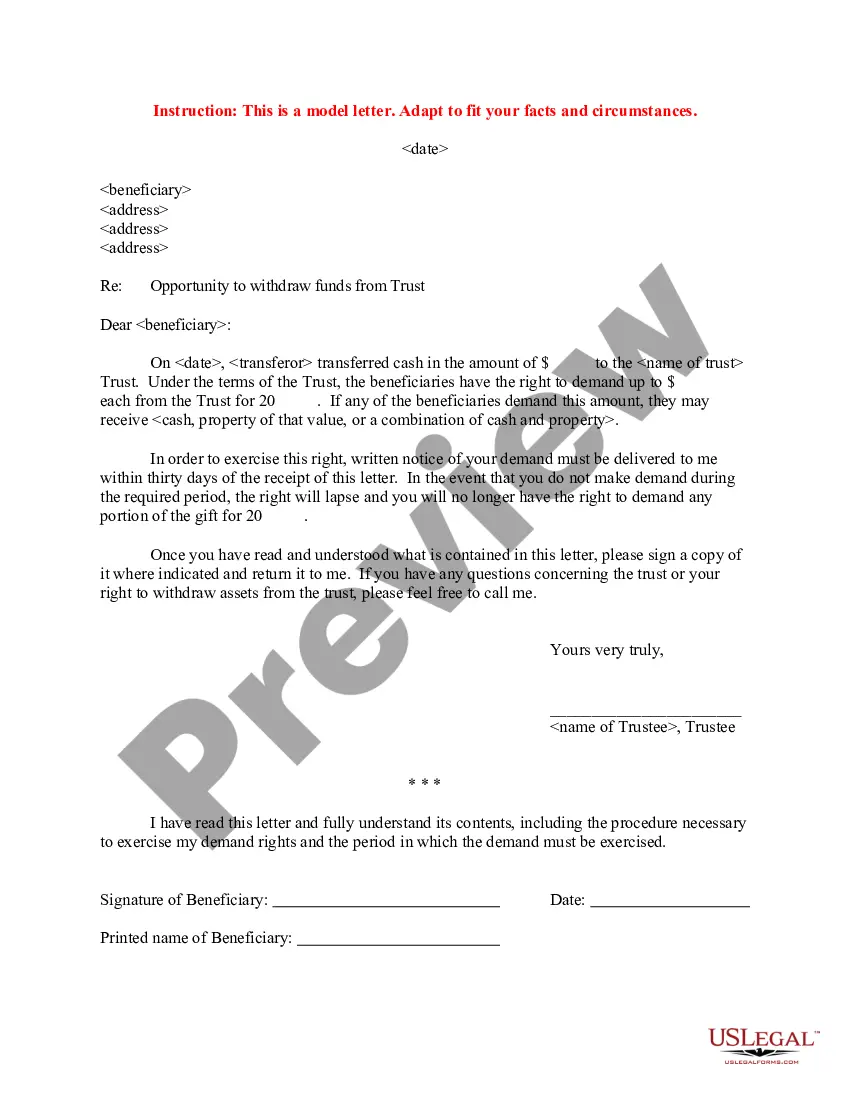
Beneficiaries Of Trust
Description
Get your form ready online
Our built-in tools help you complete, sign, share, and store your documents in one place.
Make edits, fill in missing information, and update formatting in US Legal Forms—just like you would in MS Word.
Download a copy, print it, send it by email, or mail it via USPS—whatever works best for your next step.
Sign and collect signatures with our SignNow integration. Send to multiple recipients, set reminders, and more. Go Premium to unlock E-Sign.
If this form requires notarization, complete it online through a secure video call—no need to meet a notary in person or wait for an appointment.
We protect your documents and personal data by following strict security and privacy standards.

Make edits, fill in missing information, and update formatting in US Legal Forms—just like you would in MS Word.

Download a copy, print it, send it by email, or mail it via USPS—whatever works best for your next step.

Sign and collect signatures with our SignNow integration. Send to multiple recipients, set reminders, and more. Go Premium to unlock E-Sign.

If this form requires notarization, complete it online through a secure video call—no need to meet a notary in person or wait for an appointment.

We protect your documents and personal data by following strict security and privacy standards.
Looking for another form?

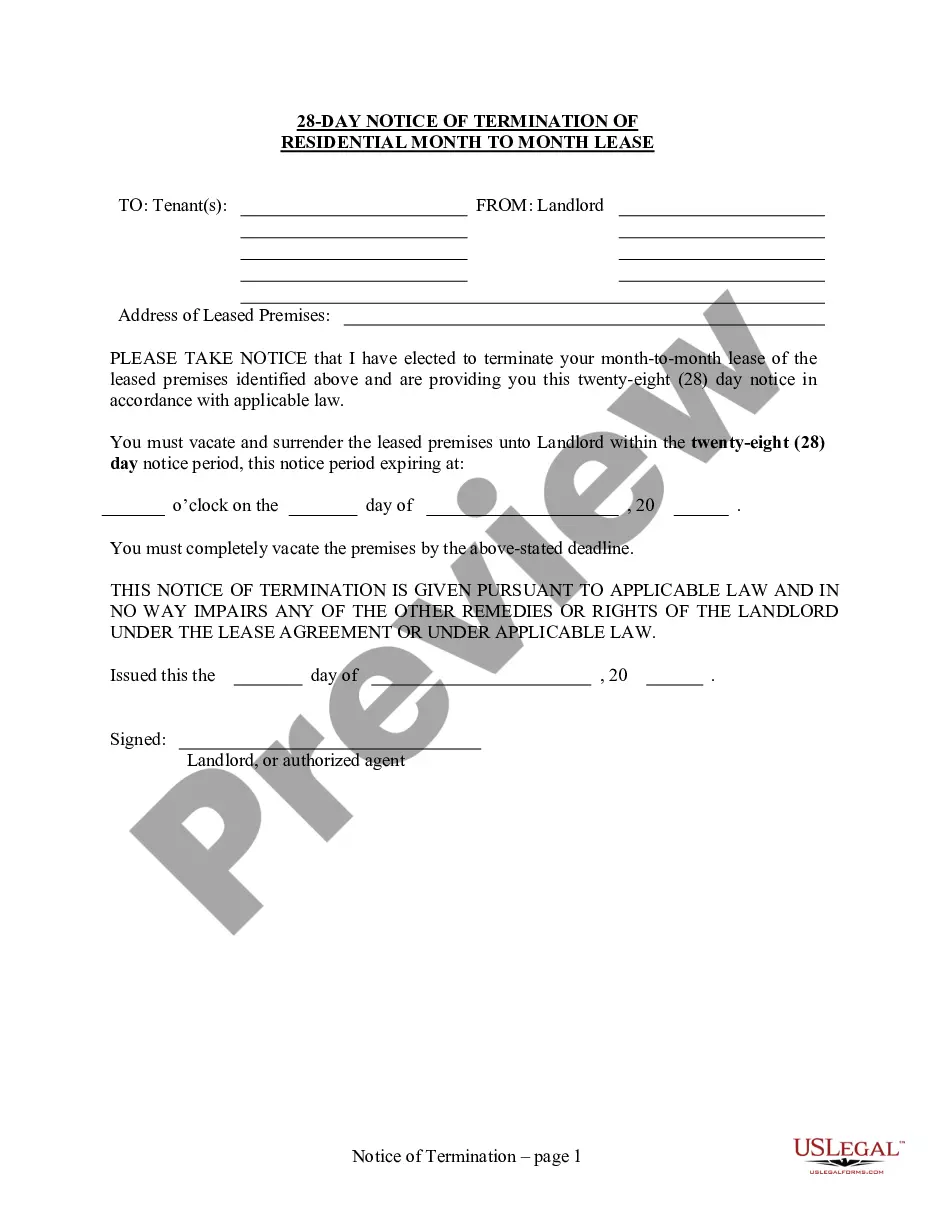




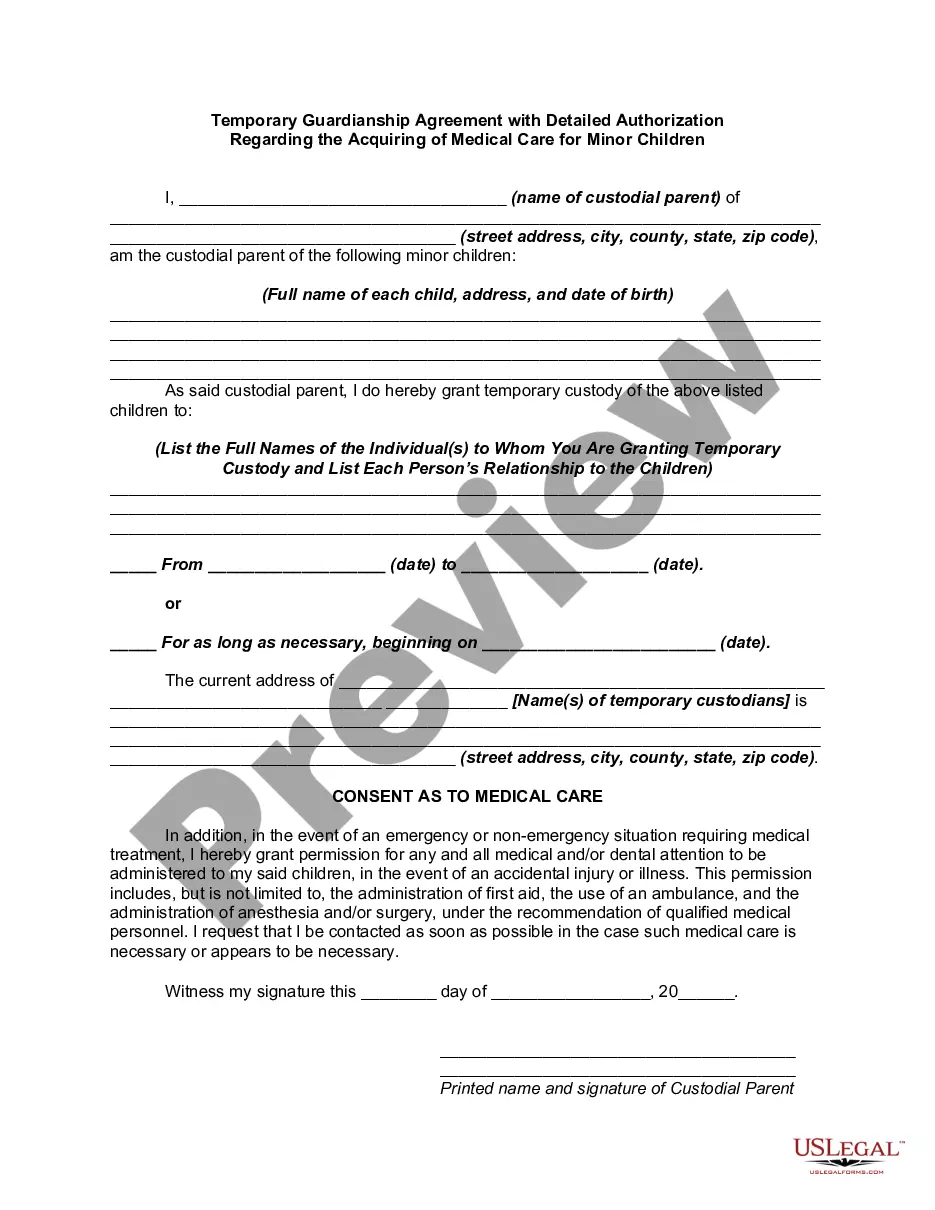

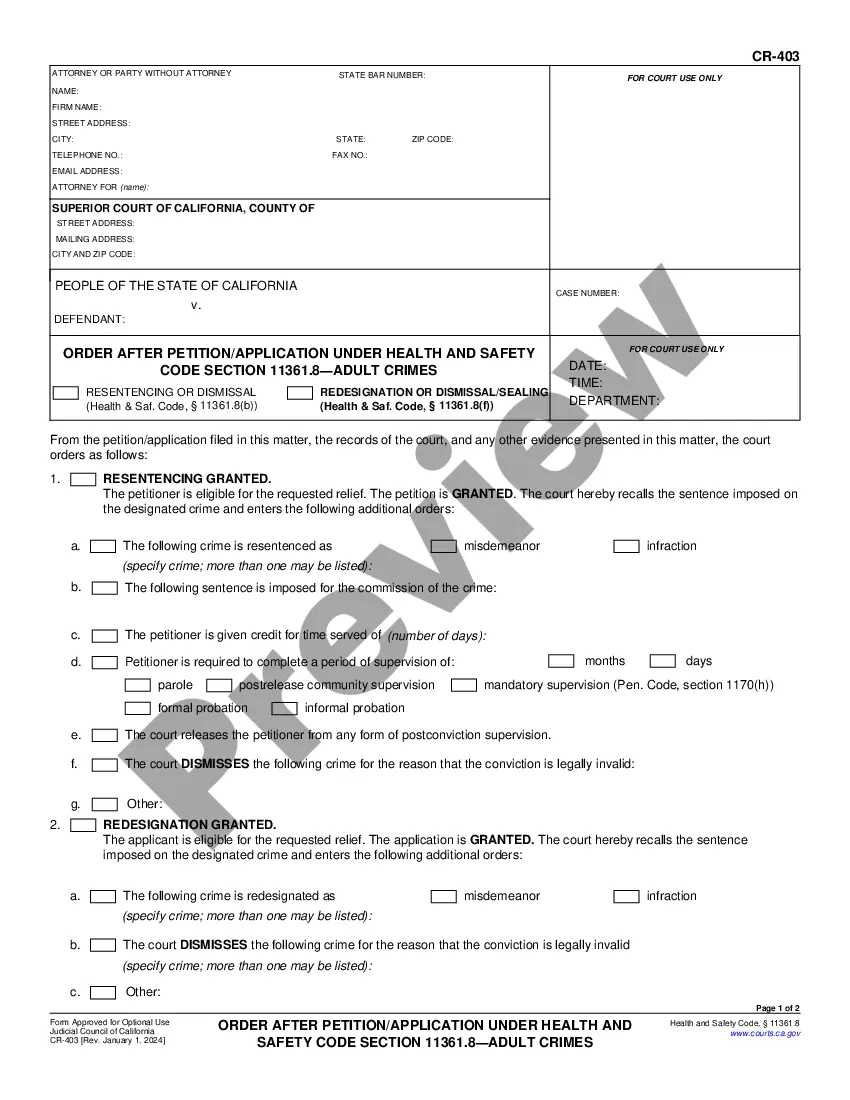

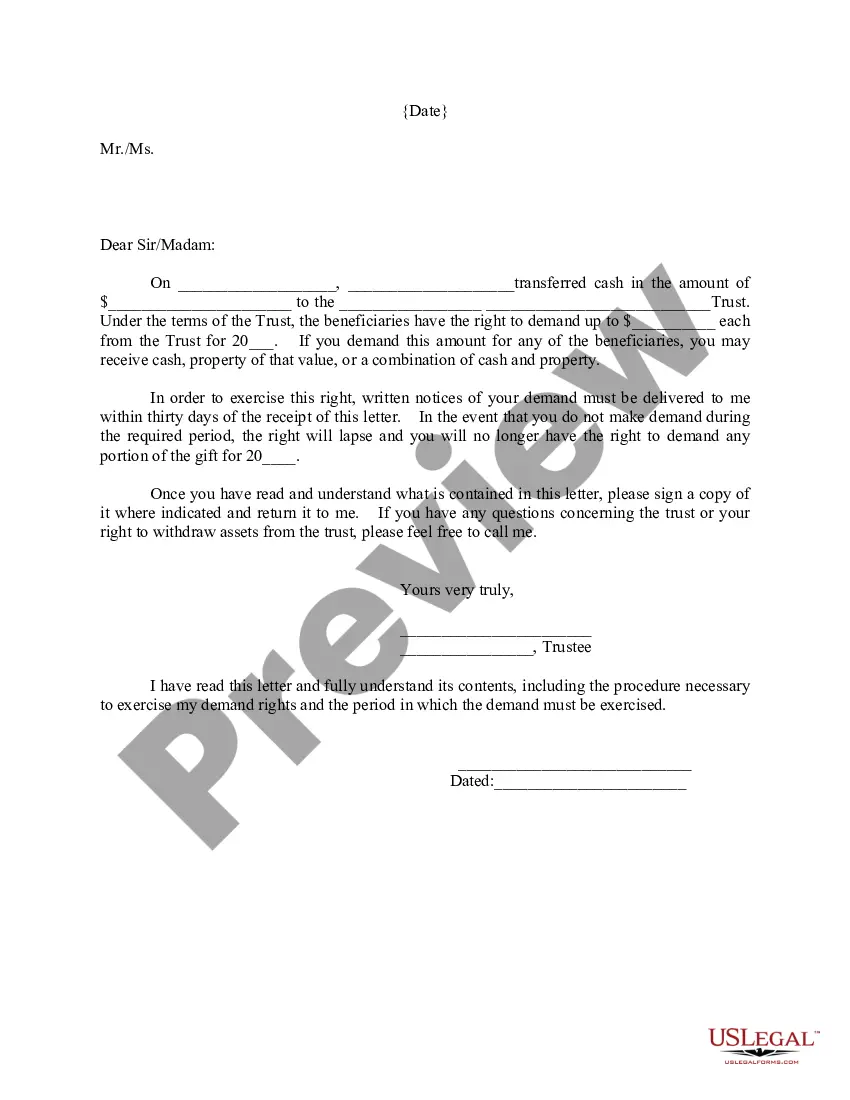
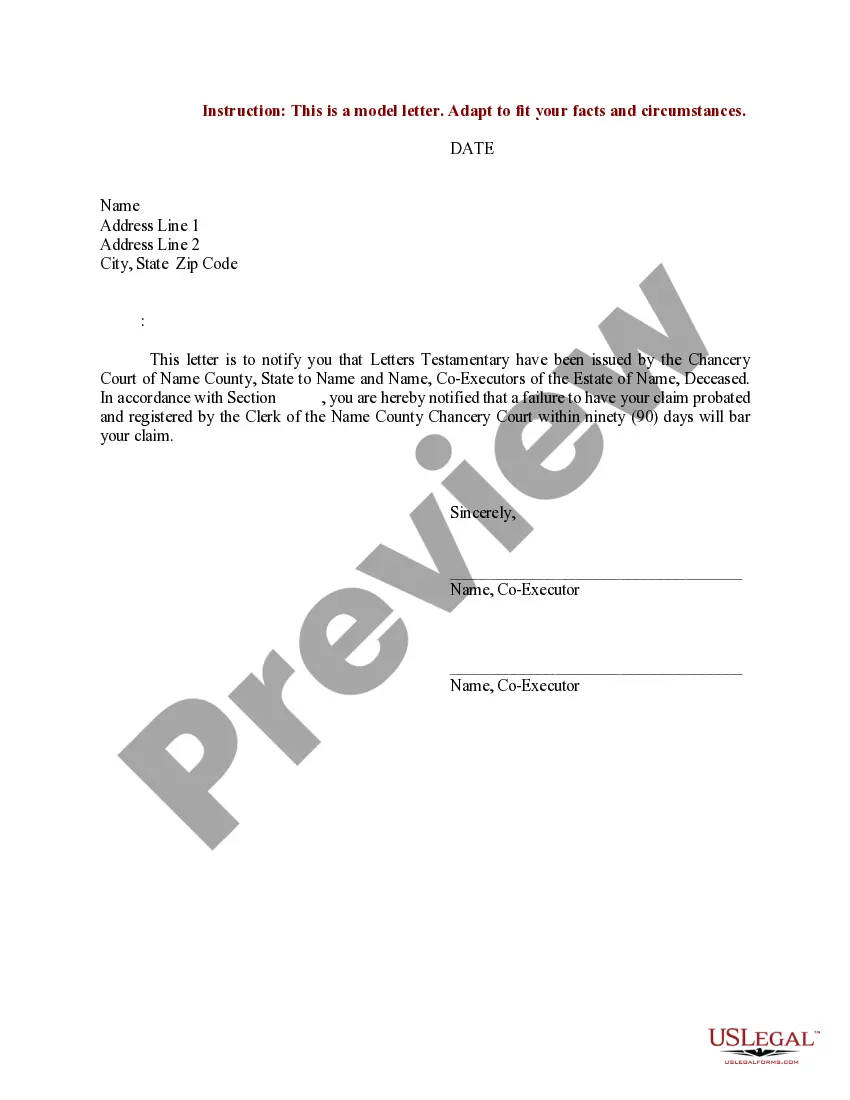
How to fill out Sample Letter To Beneficiaries Regarding Trust Money?
- If you're a returning user, simply log in to your account and select the desired form template. Make sure to verify the validity of your subscription.
- For first-time users, start by exploring the Preview mode and detailed descriptions of the forms to find one that aligns with your specific requirements and complies with local laws.
- If you need a different template, utilize the Search feature located at the top of the page to scan for alternatives that meet your criteria.
- Once you've identified the appropriate document, click 'Buy Now' and choose your preferred subscription plan. Remember, account registration is necessary to unlock access to the extensive library.
- To finalize your order, input your payment details using either a credit card or PayPal to complete the subscription purchase.
- After your payment is confirmed, download the selected form and store it on your device for immediate use. You can revisit it anytime via the My Forms section of your profile.
In conclusion, US Legal Forms provides a robust library of over 85,000 editable legal forms, along with premium expert assistance, ensuring that users can create precise and legally sound documents.
Don't hesitate to start your legal journey today—explore the vast resources available at US Legal Forms!
Form popularity
FAQ
A trustee is responsible for managing the trust's assets according to the trust document and has a fiduciary duty to act in the best interests of the beneficiaries of trust. In contrast, beneficiaries are the individuals or entities that receive benefits from the trust. Understanding this distinction is crucial for effective trust administration. If you need assistance navigating these roles, resources from USLegalForms can provide clarity and support.
The beneficiaries of a trust can be individuals, organizations, or entities listed within the trust document. This group can include primary beneficiaries, contingent beneficiaries, and final beneficiaries. Clear identification of beneficiaries is essential to ensure that distributions are made according to the trust's intentions. Using a platform like USLegalForms can help in drafting a comprehensive trust document that outlines all beneficiary roles.
Beneficiaries of a family trust usually include family members such as children, spouses, or other relatives designated by the trust creator. A family trust aims to provide financial support and protect the family's wealth across generations. Understanding the specific beneficiaries helps maintain family harmony and achieve the intended financial goals. Consulting with estate planning experts can help navigate these familial dynamics.
The final beneficiaries of a trust are those who will inherit the trust's remaining assets after all specific distributions have been made. They typically receive their shares only after the death of the primary beneficiary or when certain conditions are met. Identifying final beneficiaries is vital for effective estate planning. This ensures that all parties involved clearly understand their rights and expected outcomes.
Beneficiaries of trust receive various benefits, such as property, financial assets, or income generated from the trust's holdings. The exact nature of these benefits depends on the terms set by the trust creator. It's crucial to review the trust document to understand what you are entitled to as a beneficiary. Engaging with professionals can help clarify these details and ensure you receive what you deserve.
The primary beneficiary of a trust is the individual or entity that will receive the main benefits from the trust's assets. Typically, this person is explicitly named in the trust document. It is essential to clearly identify the primary beneficiary to ensure that the trust's intentions are honored. Understanding who the primary beneficiary is can help you navigate the complexities of trust law.
As a beneficiary of trust, you typically do not file a Form 1041; this responsibility falls to the trust's fiduciary. However, if you receive income distributions from the trust, you must report that income on your personal tax return. Staying informed about your tax responsibilities ensures smooth management of your trust-related income.
You will need to file Form 1041 if the trust has a gross income of $600 or more, or if there are any non-resident alien beneficiaries of trust. Additionally, if the trust’s income requires filing, the fiduciary must complete this form. Understanding the tax obligations of trust can help beneficiaries know their responsibilities.
In the year of death, you generally need to file Form 1040 for your personal tax return if you were alive at any point during the year. Conversely, if you are dealing with a trust as a beneficiary of trust, you will likely need to file Form 1041 for the trust income generated after the date of death. It’s advisable to consult a tax professional to navigate these requirements accurately.
Yes, you can typically add beneficiaries to a trust, provided you follow the procedures outlined in the trust document. You may need to amend the trust agreement or create a separate document, depending on the trust's terms. Adding beneficiaries of trust can be a straightforward process, but you may want to consult a legal professional to ensure all requirements are met.