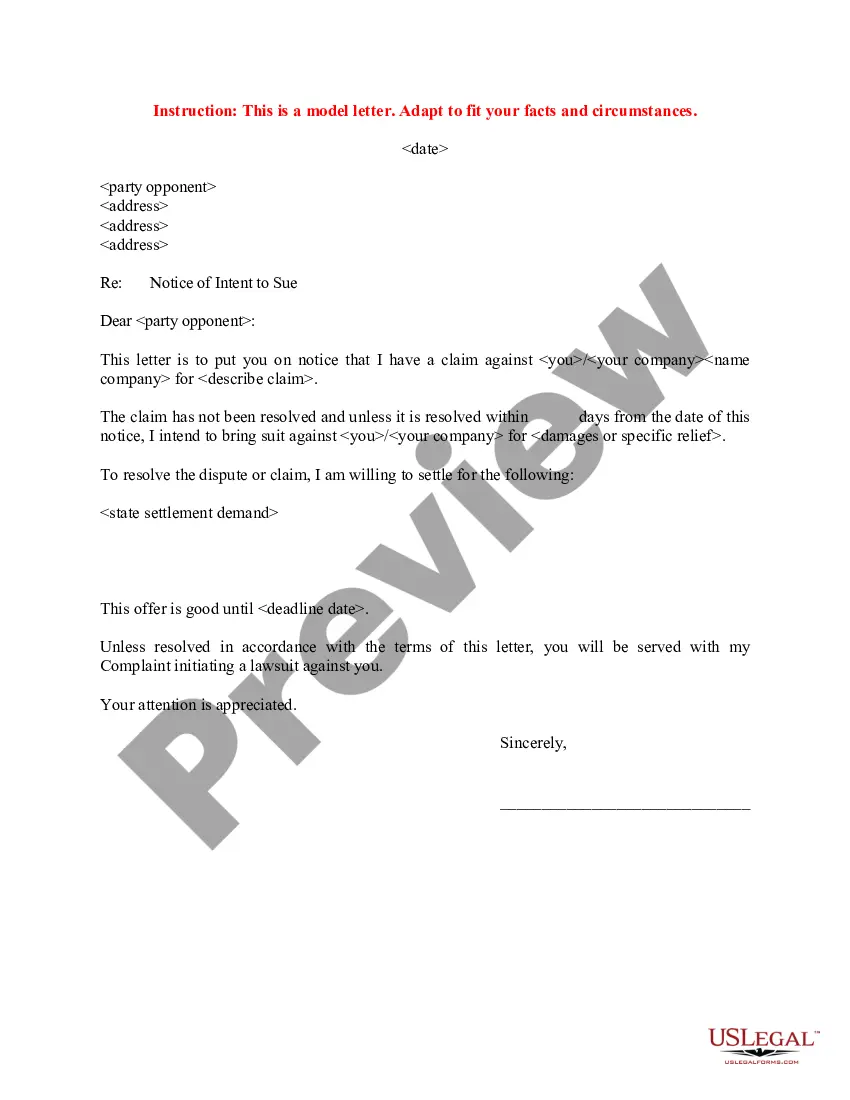
Demand Letter Response Format
Description
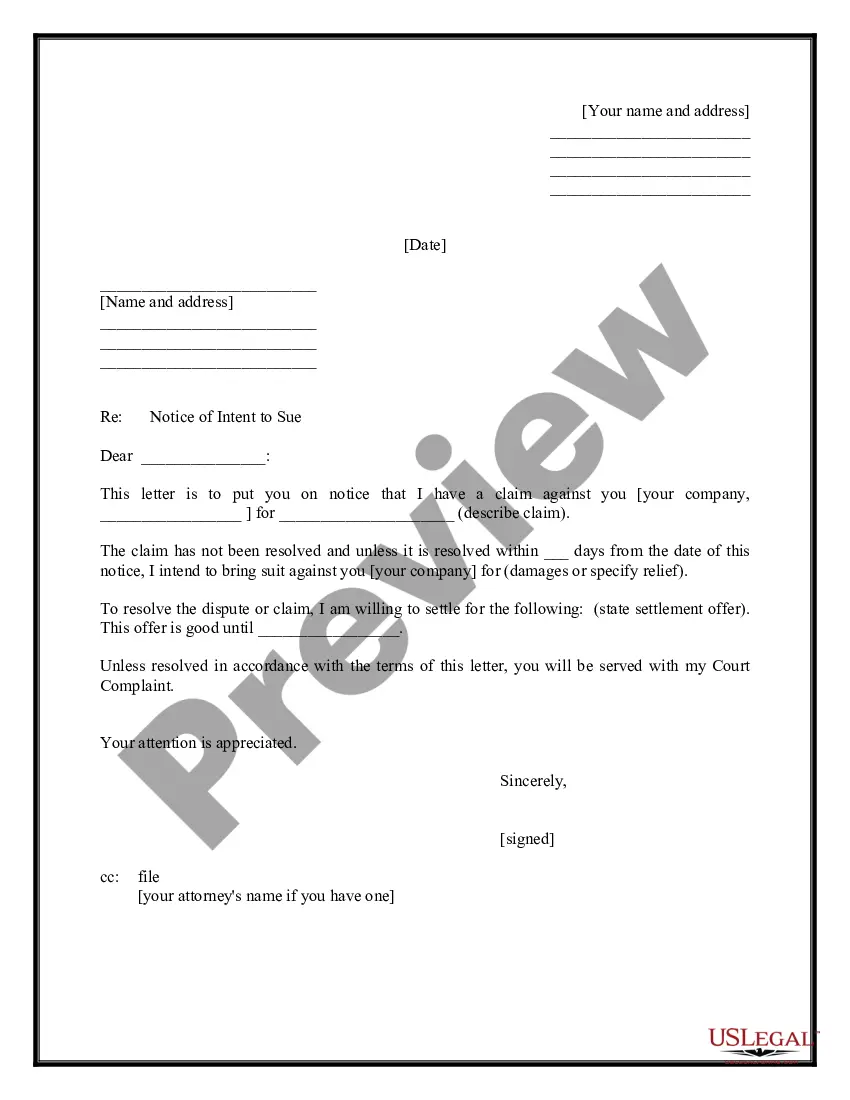
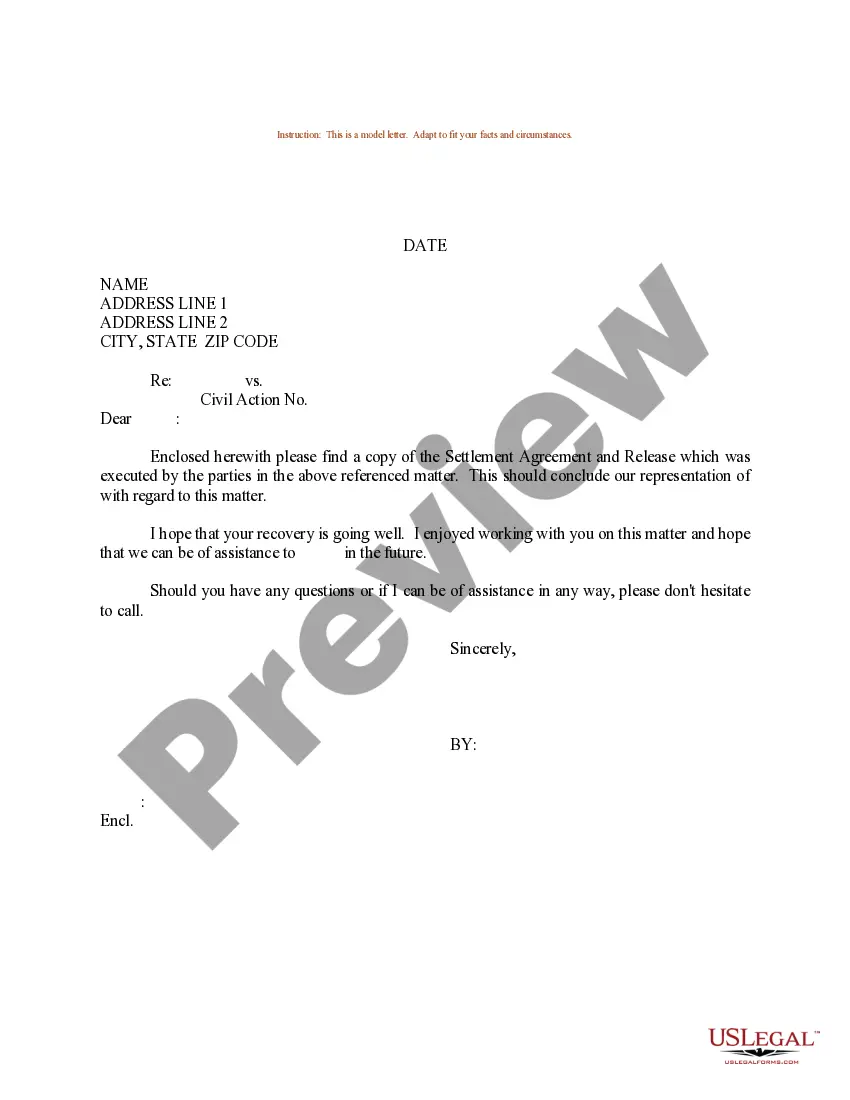
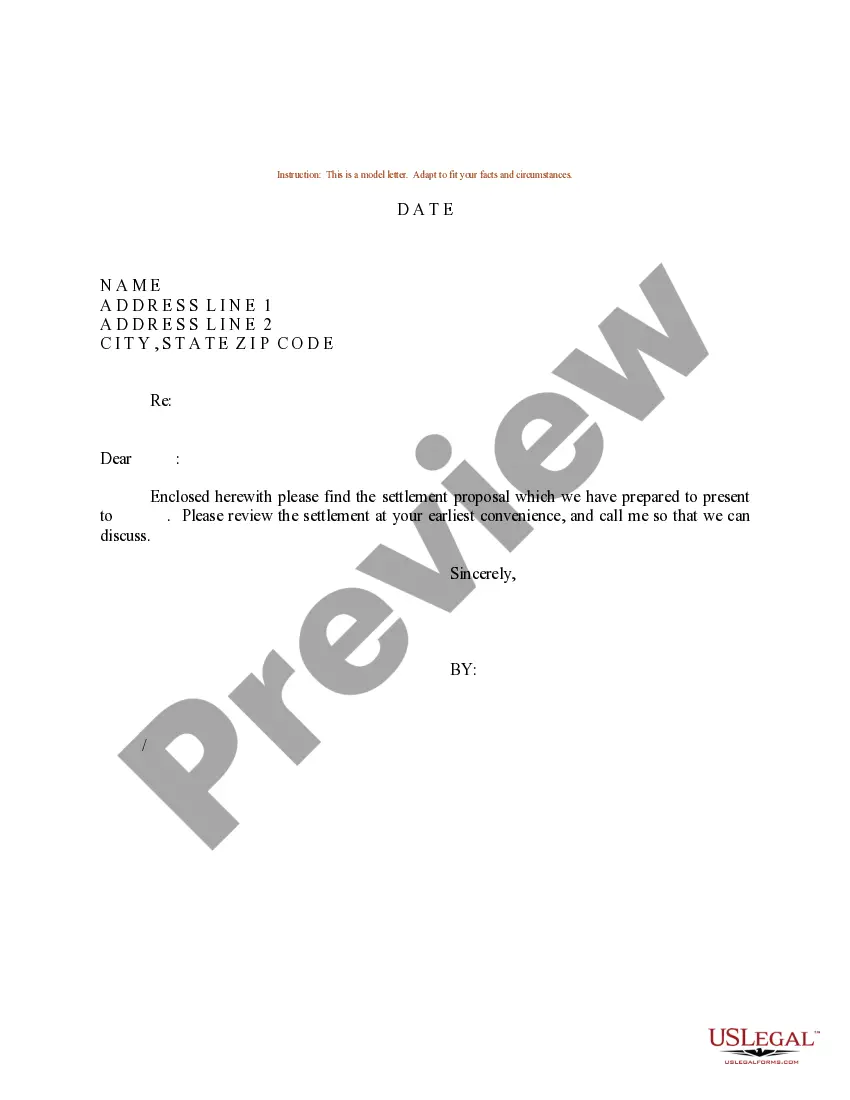
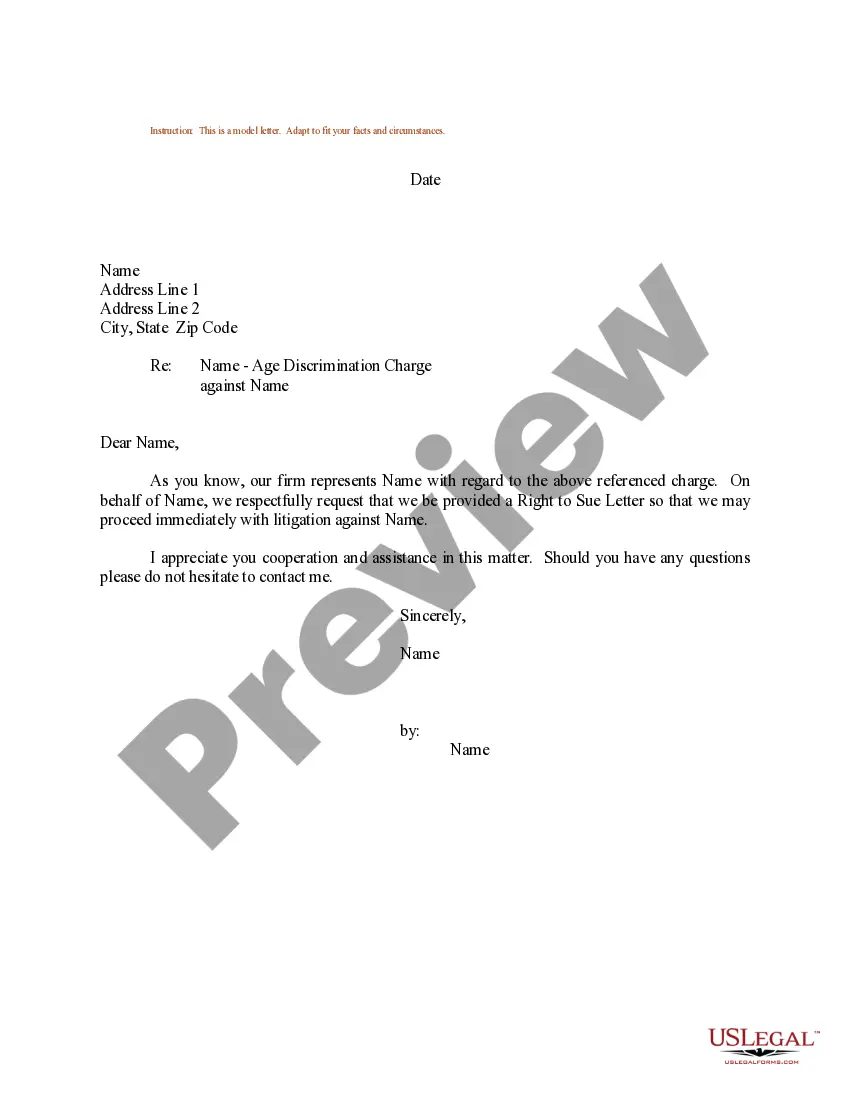
How to fill out Sample Letter Of Intent To Sue - With Settlement Demand?
Whether for corporate reasons or personal matters, everyone must address legal issues at some point in their lives.
Completing legal documents requires meticulous attention, starting from selecting the correct form template.
Once it is saved, you can complete the form using editing software or print it and fill it out manually. With an extensive US Legal Forms catalog available, you will never have to waste time searching for the right template online. Utilize the library’s simple navigation to locate the suitable form for any situation.
- For example, if you choose an incorrect version of a Demand Letter Response Format, it will be rejected upon submission.
- Thus, it is vital to obtain a trustworthy source of legal documents like US Legal Forms.
- If you need to acquire a Demand Letter Response Format template, follow these straightforward steps.
- Retrieve the sample you need using the search bar or catalog navigation.
- Review the form’s details to confirm it fits your circumstance, state, and locality.
- Click on the form’s preview to examine it.
- If it is the wrong form, return to the search feature to find the Demand Letter Response Format template you need.
- Obtain the template if it corresponds with your requirements.
- If you already possess a US Legal Forms account, simply click Log in to access previously stored documents in My documents.
- If you do not have an account yet, you can get the form by clicking Buy now.
- Choose the correct pricing option.
- Fill out the account registration form.
- Select your payment method: you can utilize a credit card or PayPal account.
- Choose the document format you prefer and download the Demand Letter Response Format.
Form popularity
FAQ
Responding to a demand letter involves several key steps. First, review the letter carefully and identify the main issues. Then, structure your response using a clear demand letter response format, addressing each point thoughtfully. If necessary, you can also include any evidence supporting your position. Utilizing US Legal Forms can streamline this process and ensure that your response is professional and effective.
Common mistakes in demand letters include vague language, lack of supporting evidence, and failing to adhere to the demand letter response format. Many individuals overlook the importance of clarity and specificity, which can weaken their position. Additionally, neglecting to state a clear resolution can lead to confusion. Using templates from US Legal Forms can help avoid these pitfalls.
Yes, you can respond to a demand letter without a lawyer. However, doing so requires a clear understanding of the demand letter response format. It's essential to address the points raised in the letter directly and provide a factual and professional response. If you're unsure, consider using resources like US Legal Forms to guide you through the process.
To reply to a demand letter, first review the content carefully and determine the key issues raised. Organize your response logically, addressing each point clearly and succinctly. Utilizing an appropriate demand letter response format can enhance your reply's effectiveness. For assistance, you can explore the templates available on US Legal Forms to ensure your response meets legal standards.
Common mistakes in demand letters include lack of clarity, overly emotional language, and insufficient details. It is essential to maintain a professional tone while clearly stating your request. Additionally, ensure you follow the proper demand letter response format, as this will help you avoid ambiguity and strengthen your position. US Legal Forms offers resources to help you craft a precise and effective demand letter.
To reply to a demand for an explanation, start by acknowledging the request and outlining the points you need to address. Clearly state your position and provide any necessary details in a structured manner. Using the right demand letter response format is crucial, as it ensures your reply is professional and effective. Consider using templates from US Legal Forms to guide you through the process.
Your Case & Evidence Counter the cardholder's claim as clearly and concisely as possible. Explain why the original transaction was valid. Your letter should be a high-level list of the evidence in your dispute response package. Since the actual evidence is included, there's no need for great detail, though.
Draft a response If you decide to respond to the demand, draft a response that is clear, concise, reasonable, and professional. Your response should address the issues raised in the demand letter and provide any relevant information or documentation to support your company or position.
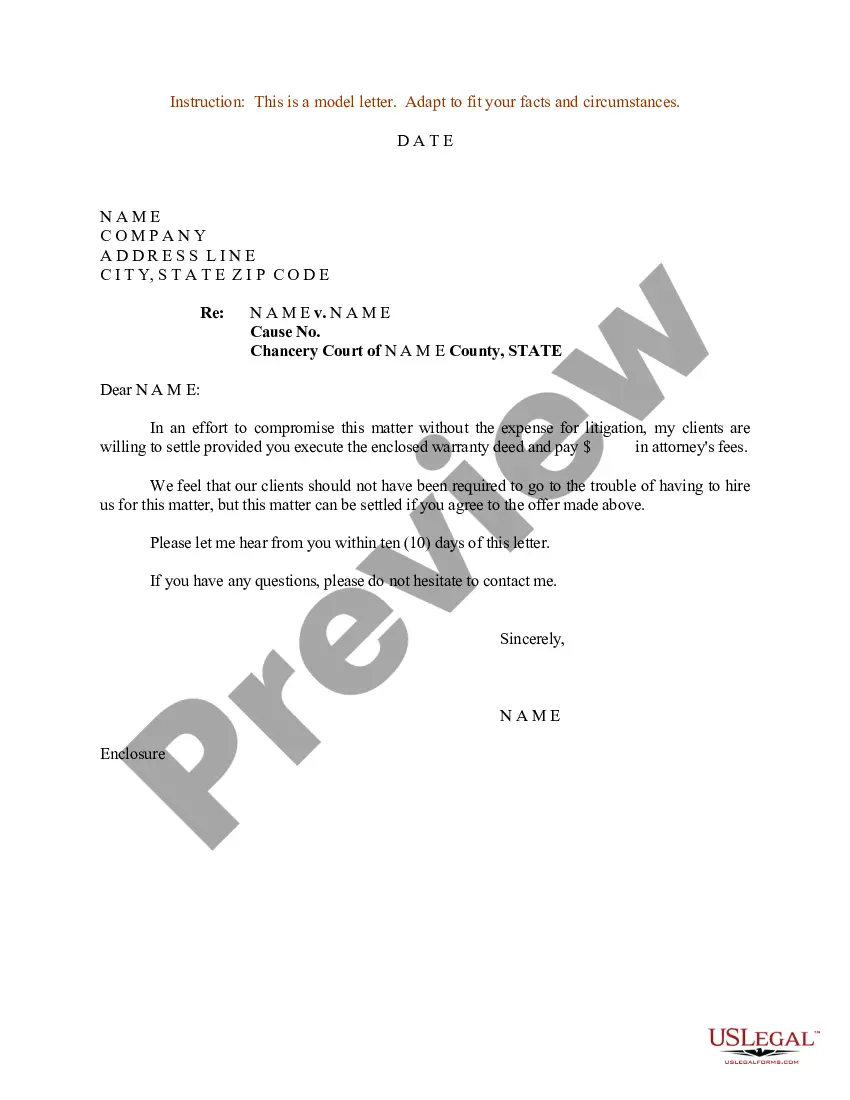
How do you write a formal Demand Letter? Explain why you're writing the letter. ... Give details about the issue at hand. ... Attach evidence, if you've got it. ... State the terms of your settlement (optional) ... Provide party details.
Your rebuttal response should include your contact information, an outline of the cardholder's claim, your case and evidence outlining why the cardholder's claim is false, and an explanation of your desired outcome.