Corporation Assets For Personal Use
Description
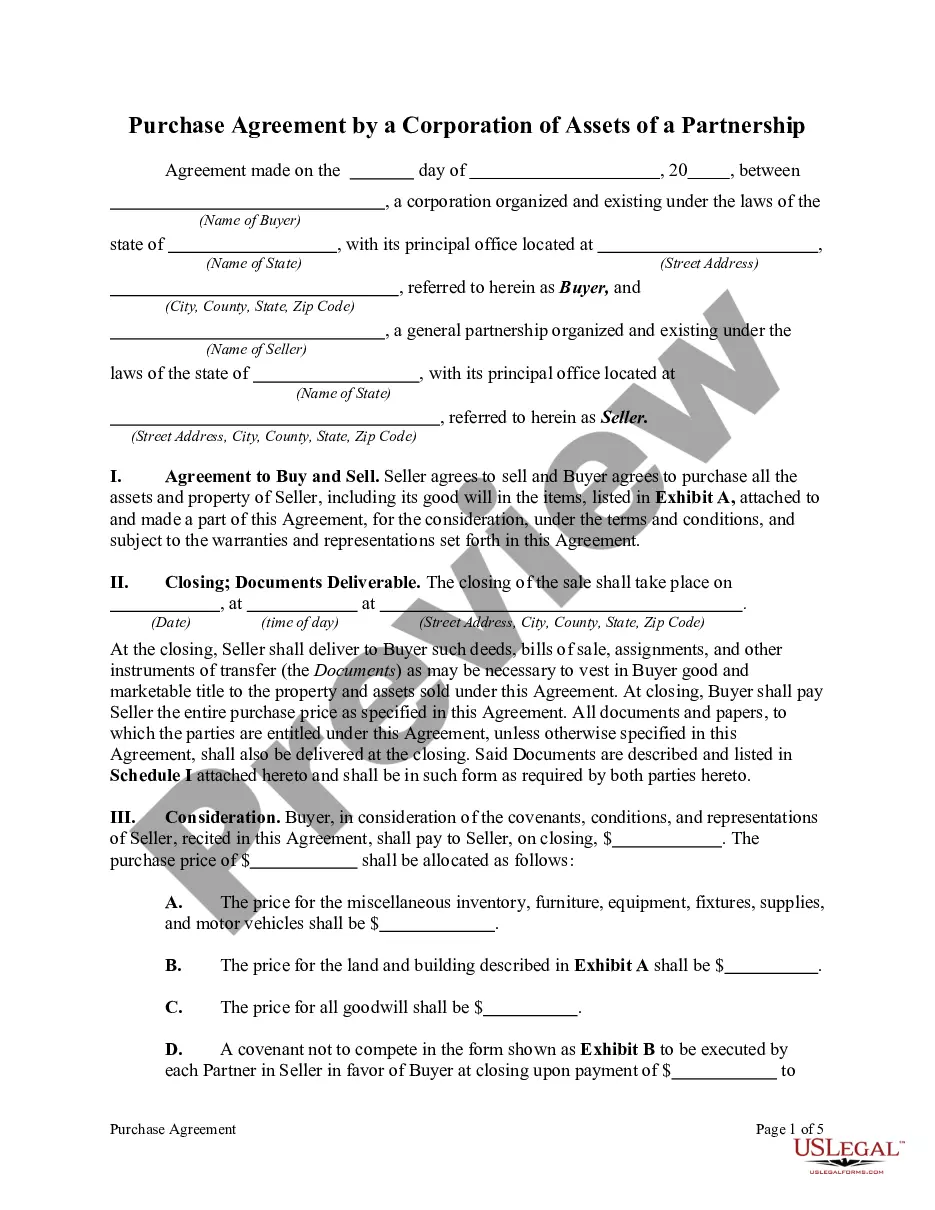
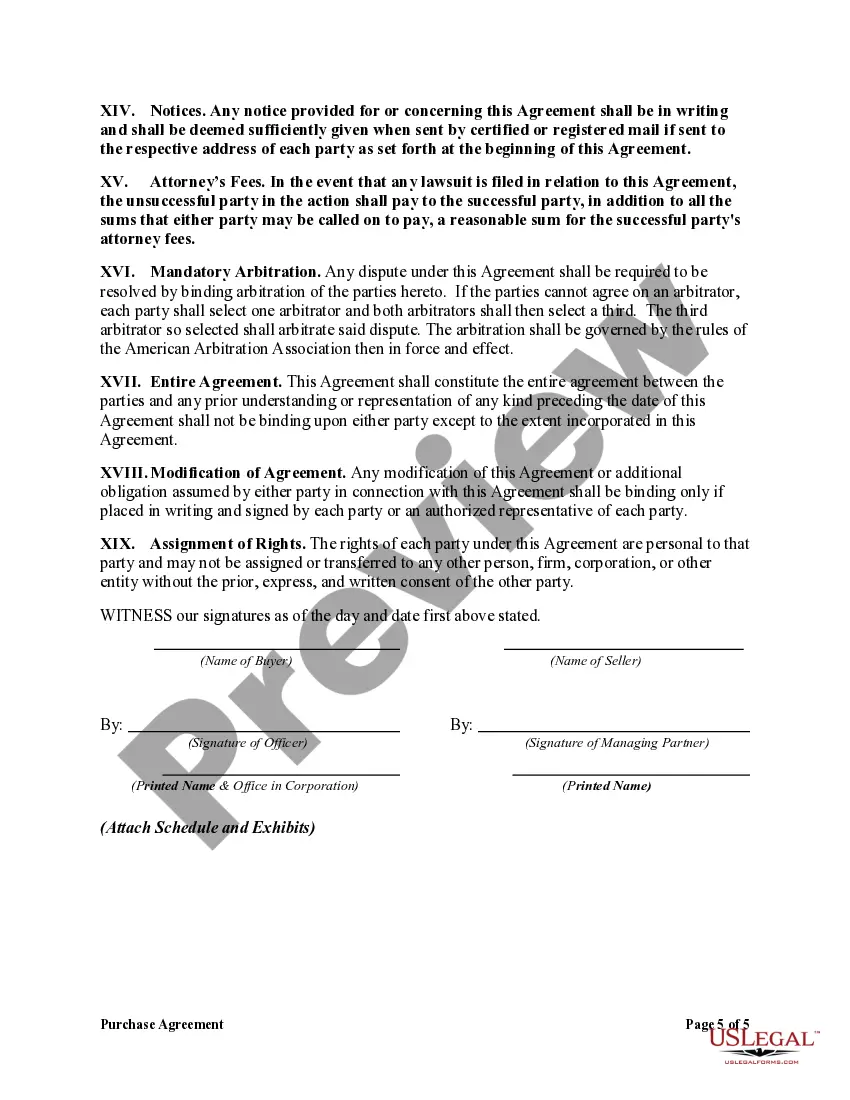
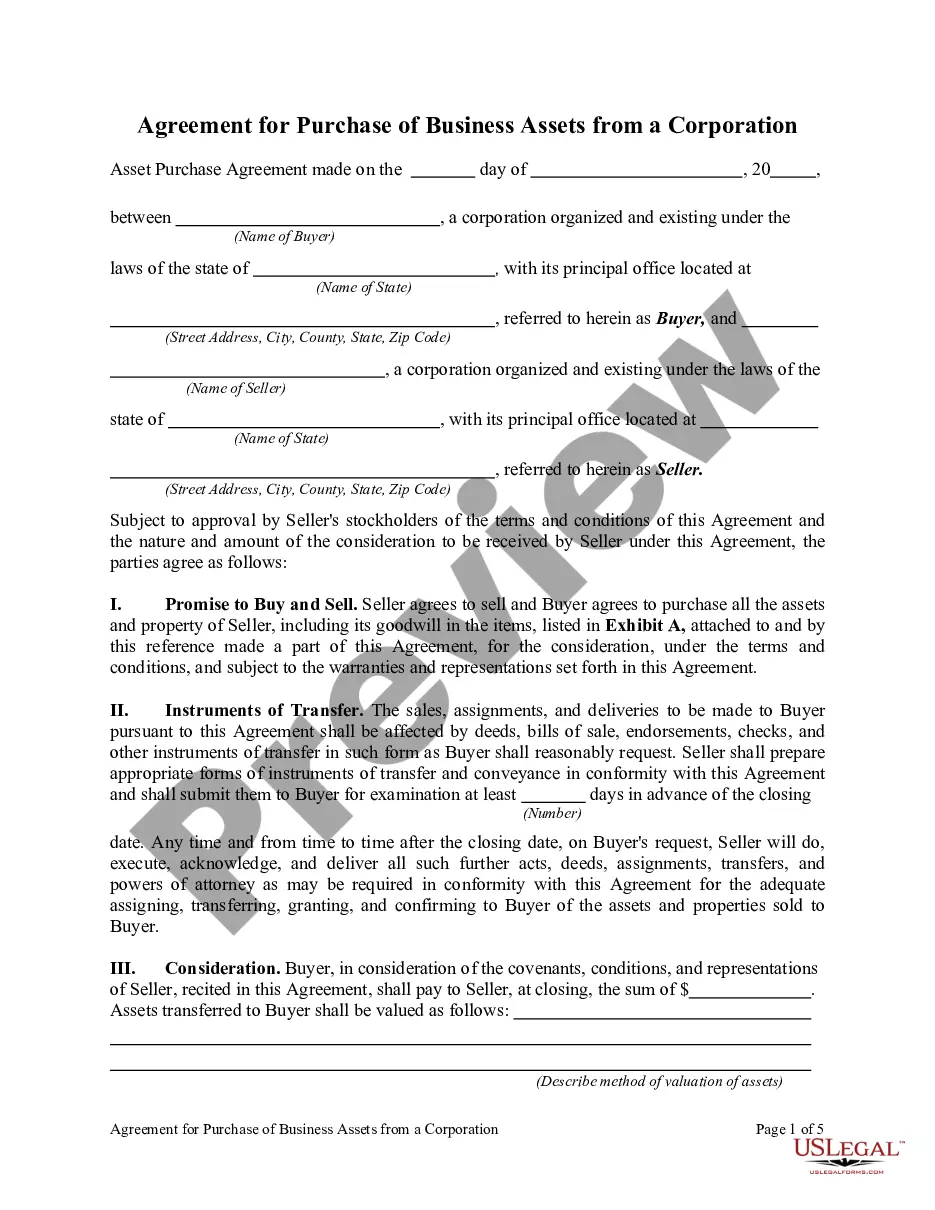
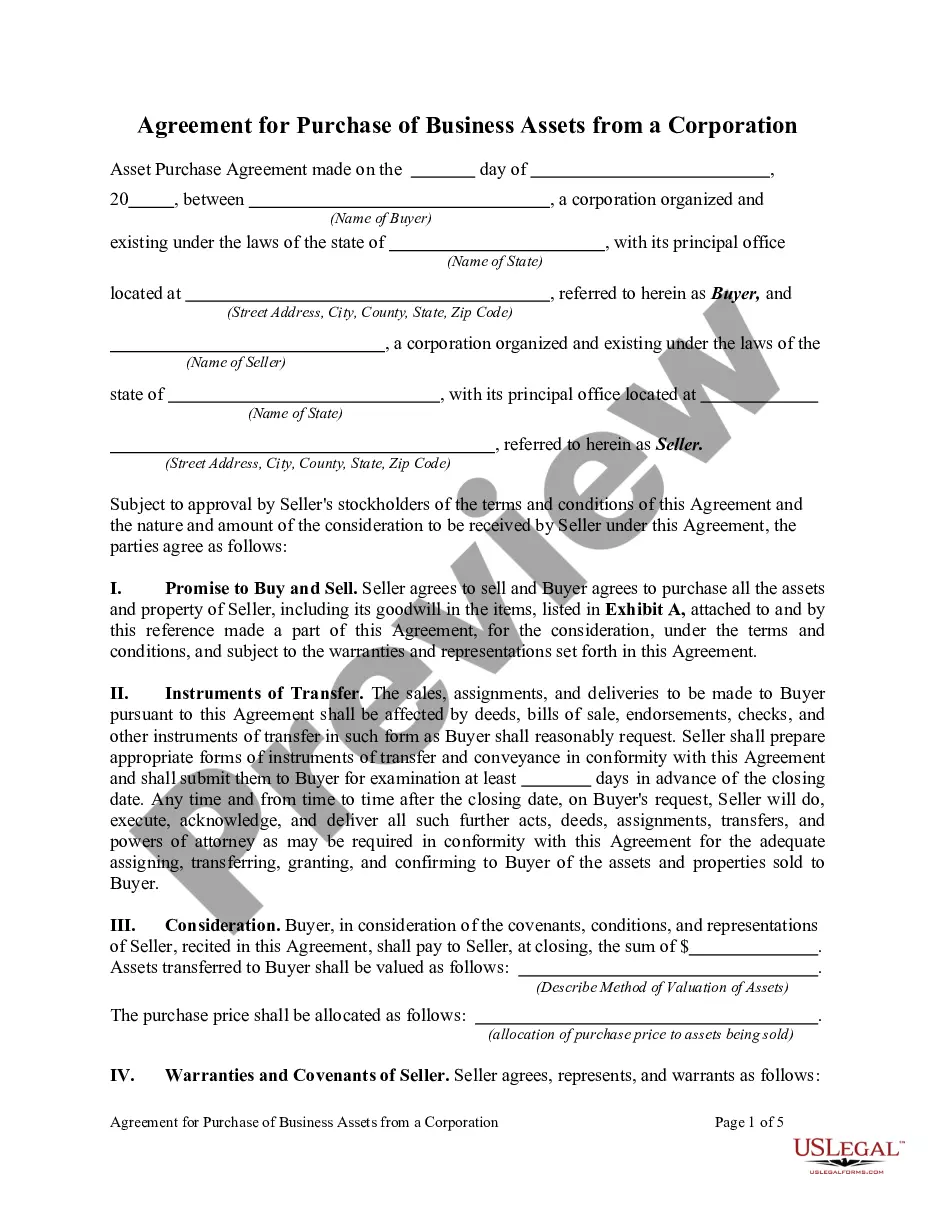
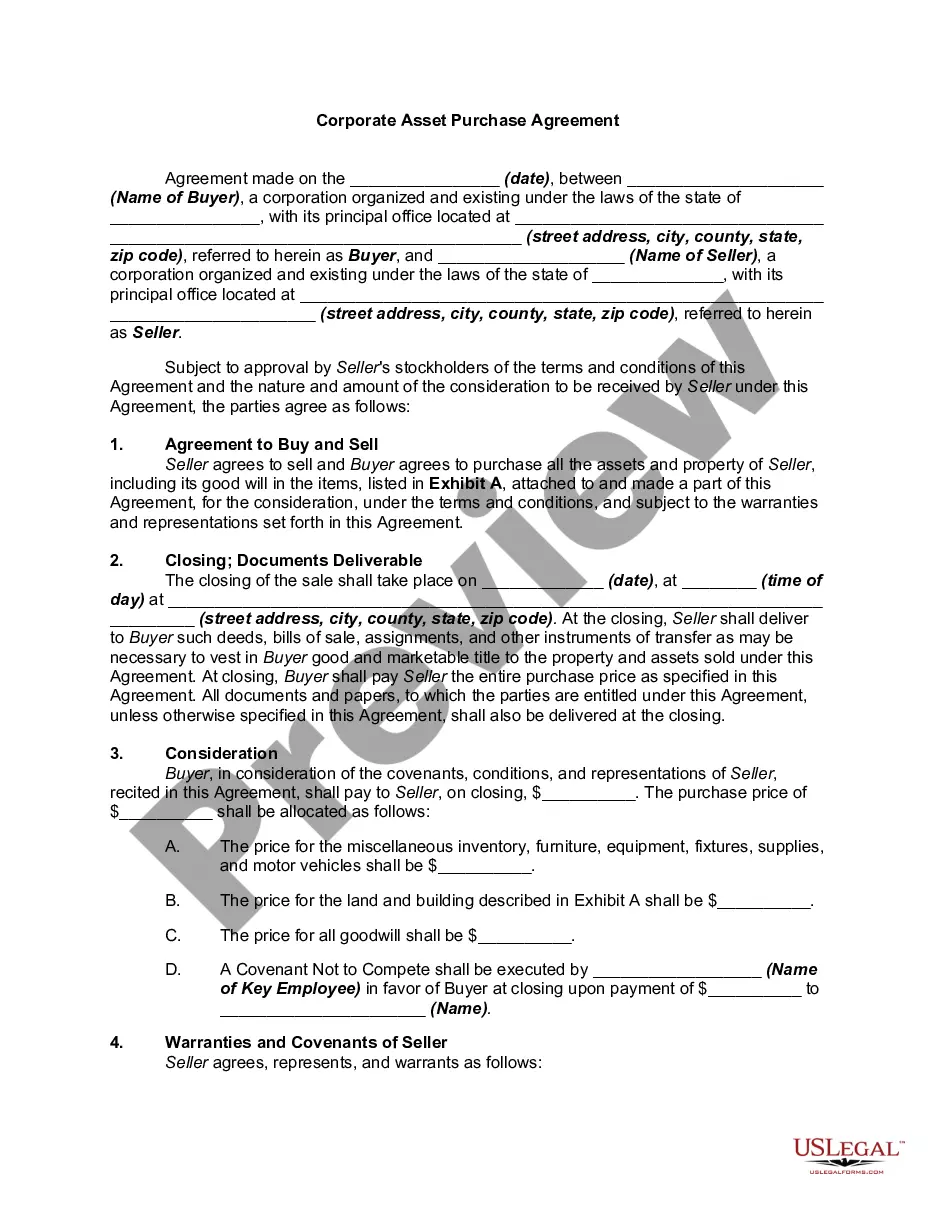
Get your form ready online
Our built-in tools help you complete, sign, share, and store your documents in one place.
Make edits, fill in missing information, and update formatting in US Legal Forms—just like you would in MS Word.
Download a copy, print it, send it by email, or mail it via USPS—whatever works best for your next step.
Sign and collect signatures with our SignNow integration. Send to multiple recipients, set reminders, and more. Go Premium to unlock E-Sign.
If this form requires notarization, complete it online through a secure video call—no need to meet a notary in person or wait for an appointment.
We protect your documents and personal data by following strict security and privacy standards.

Make edits, fill in missing information, and update formatting in US Legal Forms—just like you would in MS Word.

Download a copy, print it, send it by email, or mail it via USPS—whatever works best for your next step.

Sign and collect signatures with our SignNow integration. Send to multiple recipients, set reminders, and more. Go Premium to unlock E-Sign.

If this form requires notarization, complete it online through a secure video call—no need to meet a notary in person or wait for an appointment.

We protect your documents and personal data by following strict security and privacy standards.
Looking for another form?





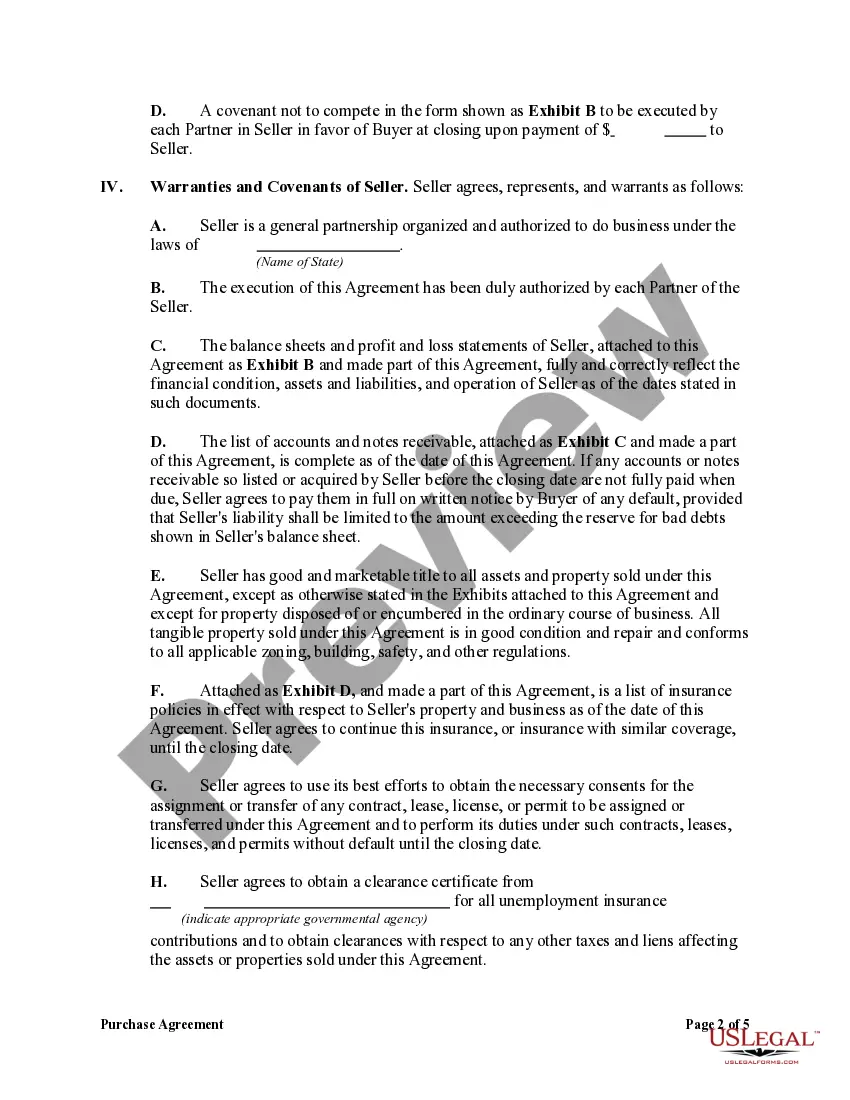
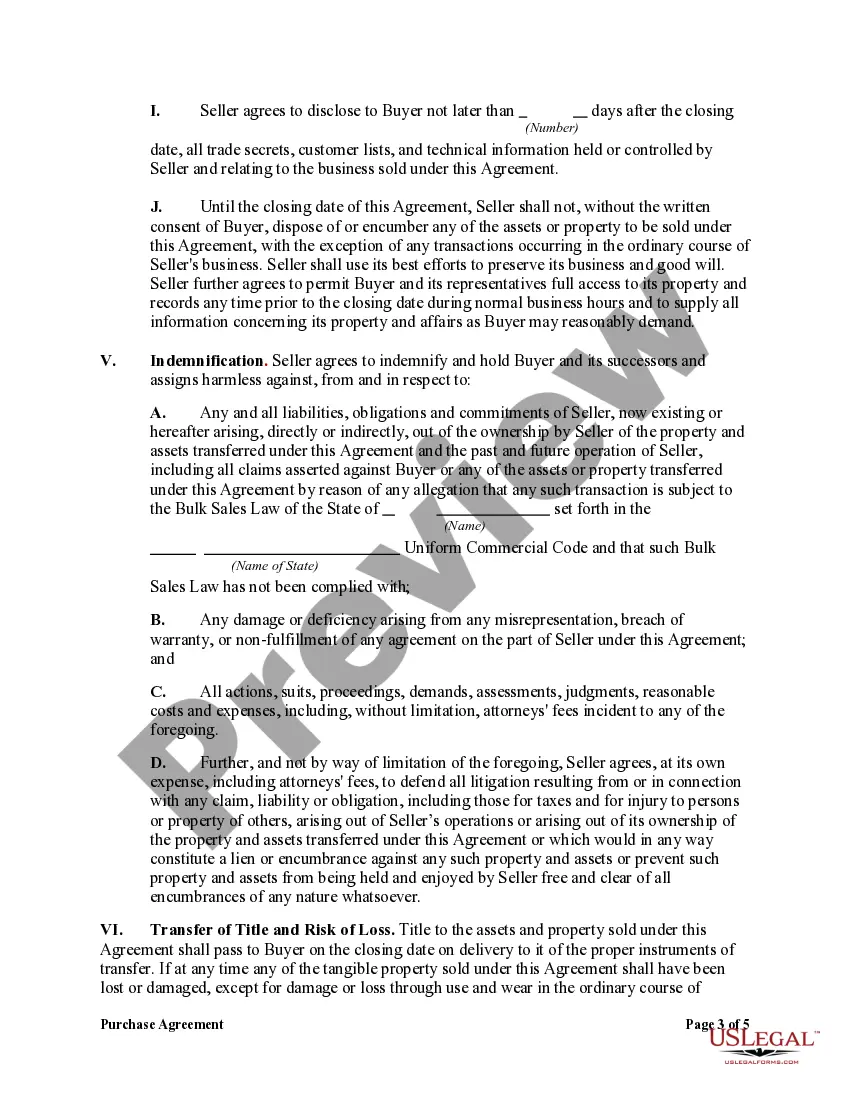
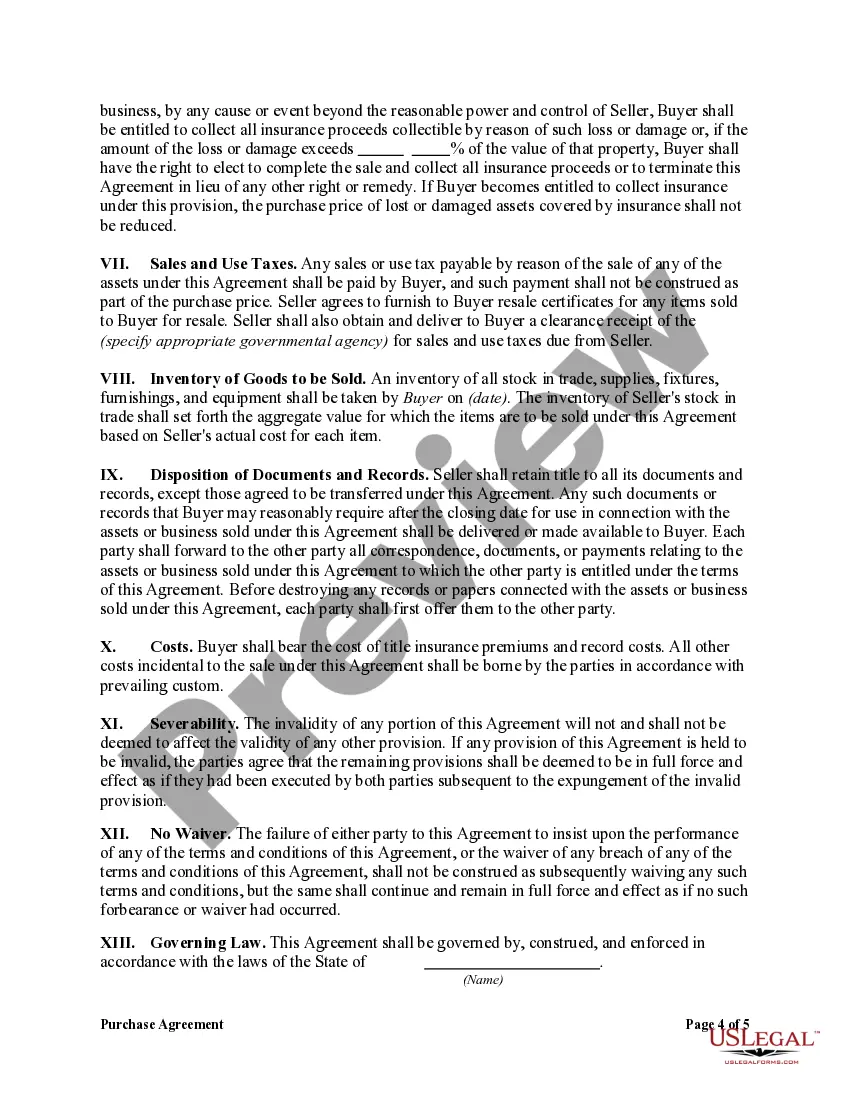
How to fill out Purchase Agreement By A Corporation Of Assets Of A Partnership?
Managing legal documents can be exasperating, even for the most seasoned professionals.
When you are seeking a Corporation Assets For Personal Use and lack the time to devote to finding the correct and current version, the process can become overwhelming.
US Legal Forms caters to all needs you might have, from personal to corporate documents, all conveniently in one place.
Employ cutting-edge tools to manage and address your Corporation Assets For Personal Use.
Here’s what to do next after acquiring the document you need: Verify it is the correct form by reviewing it and checking its details; Ensure that the template is accepted in your jurisdiction; Select Buy Now when you are prepared; Choose a subscription option; Select the required format, and Download, fill out, eSign, print, and submit your document; Benefit from the US Legal Forms online library, supported by 25 years of expertise and reliability. Streamline your daily document management into a simple and user-friendly procedure today.
- Access an extensive resource of articles, tutorials, and guides relevant to your situation and requirements.
- Save time and energy seeking the documents you require, utilizing US Legal Forms’ sophisticated search and Review function to locate Corporation Assets For Personal Use and obtain it.
- If you hold a membership, Log In to your US Legal Forms account, search for the form, and retrieve it.
- Visit the My documents section to review the documents you have stored and manage your files as you see fit.
- If you are a first-time user of US Legal Forms, create a free account to gain unlimited access to the platform’s benefits.
- Utilize a powerful online form repository to handle these matters effectively.
- US Legal Forms is a top player in online legal documents, offering over 85,000 state-specific legal forms accessible at any time.
- Obtain state- or county-specific legal and business documents effortlessly.
Form popularity
FAQ
While you can use company assets for personal use in certain situations, it is critical to do so within legal boundaries. Misusing company assets may trigger tax liabilities or legal consequences, especially if not disclosed properly. To protect yourself and your business, it’s advisable to document all personal use of company assets. US Legal Forms can guide you in understanding the legalities and help you maintain transparency in asset management.
Using corporation assets for personal use is generally not advisable without following specific guidelines. Such use can lead to tax complications and potential legal issues, particularly if it appears as if you are mixing personal and business finances. It’s essential to establish a clear distinction between personal and business assets. Consulting resources like US Legal Forms can provide clarity on how to manage these assets correctly.
The $2500 expense rule allows businesses to deduct certain purchases as expenses without needing to capitalize them. This means that if you acquire corporation assets for personal use under this threshold, you may not need to track them as long-term assets. However, it's crucial to keep proper records and ensure compliance with tax laws. Understanding the implications of this rule can help you optimize your asset management with the assistance of platforms like US Legal Forms.
Transferring corporation assets for personal use is possible but requires careful consideration. You must ensure that the transfer aligns with IRS regulations and does not violate any corporate governance rules. Additionally, it's important to document the transaction properly to avoid potential tax implications. Seeking guidance from professionals, such as those at US Legal Forms, can help you navigate this process smoothly.
To get assets out of a corporation for personal use, you should first assess the type of assets you want to withdraw. You can choose to distribute profits through dividends or sell the property to yourself at a fair market value. However, keep in mind that you may incur taxes on these transactions. Utilizing the US Legal Forms platform can simplify this process by providing the necessary forms and guidance to ensure compliance and proper documentation.
Yes, forming a corporation can offer protection for your personal assets. When you establish a corporation, it becomes a separate legal entity. This means that the corporation's debts and liabilities do not typically impact your personal finances. Therefore, if you face legal issues or financial troubles related to the corporation, your personal assets are usually shielded from claims against the corporation.
Once you occupy the home as your personal residence, you will no longer be able to take any of the deductions you took when the property was a rental. This means you will get no depreciation deduction and you can't deduct the cost of repairs.
Selling Business Assets to Yourself (You won't be able to sell yourself any property that's leased or currently used as collateral for a loan or debt.) If you can sell business assets to yourself, you'll need to buy them at a fair market price. Your business will also need to pay taxes on the sale.
As a general rule, a write-off is achieved by shifting the balance in an asset account over to an expense account. However the exact process can vary, depending on the asset involved.
In order to deduct the cost of a business asset, you will need to choose whether to claim the cost all at once or to spread these deductions across the useful life of the asset by claiming depreciation. When you depreciate an asset, you deduct a portion of the asset's cost each year for its entire useful life.