Uniform Commercial Code For Dummies
Description
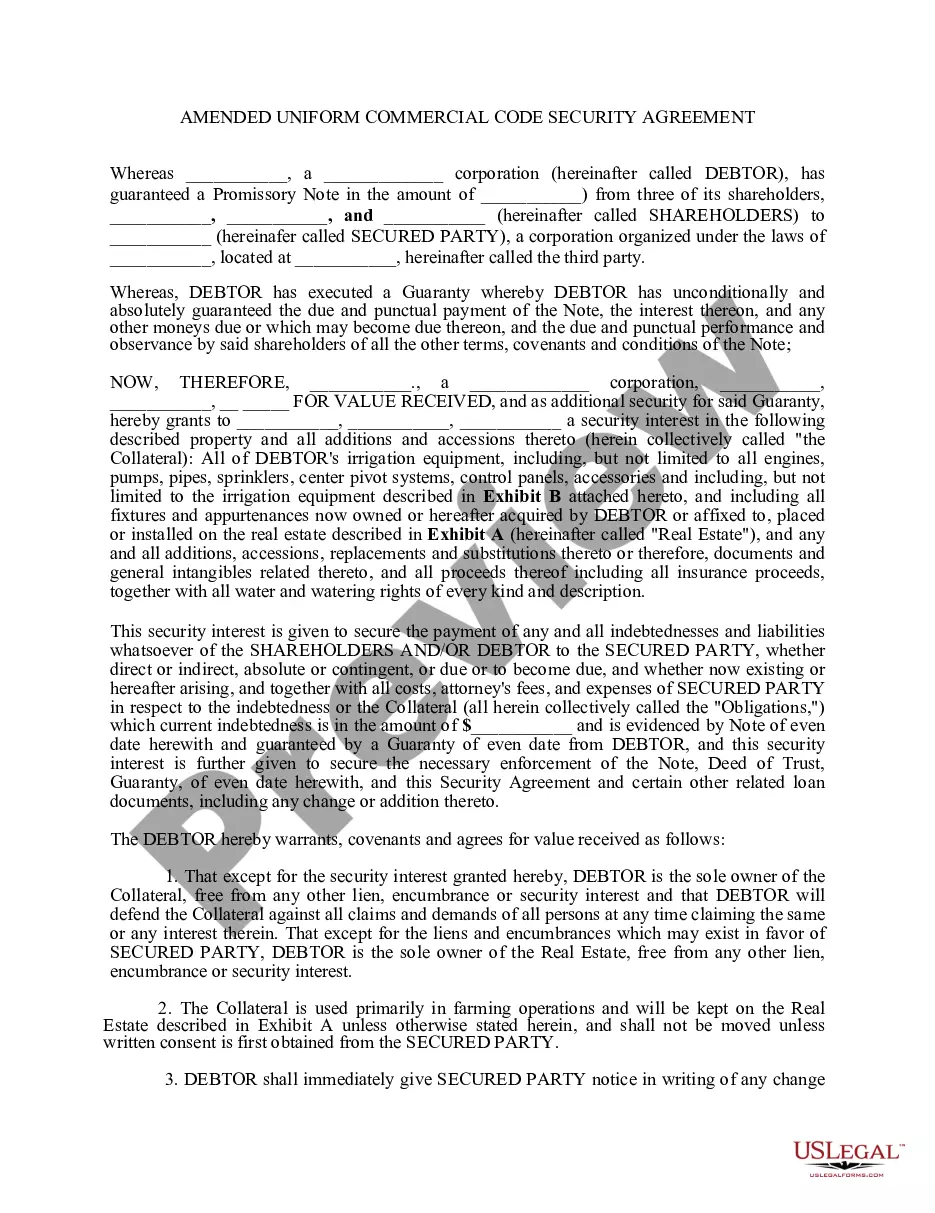
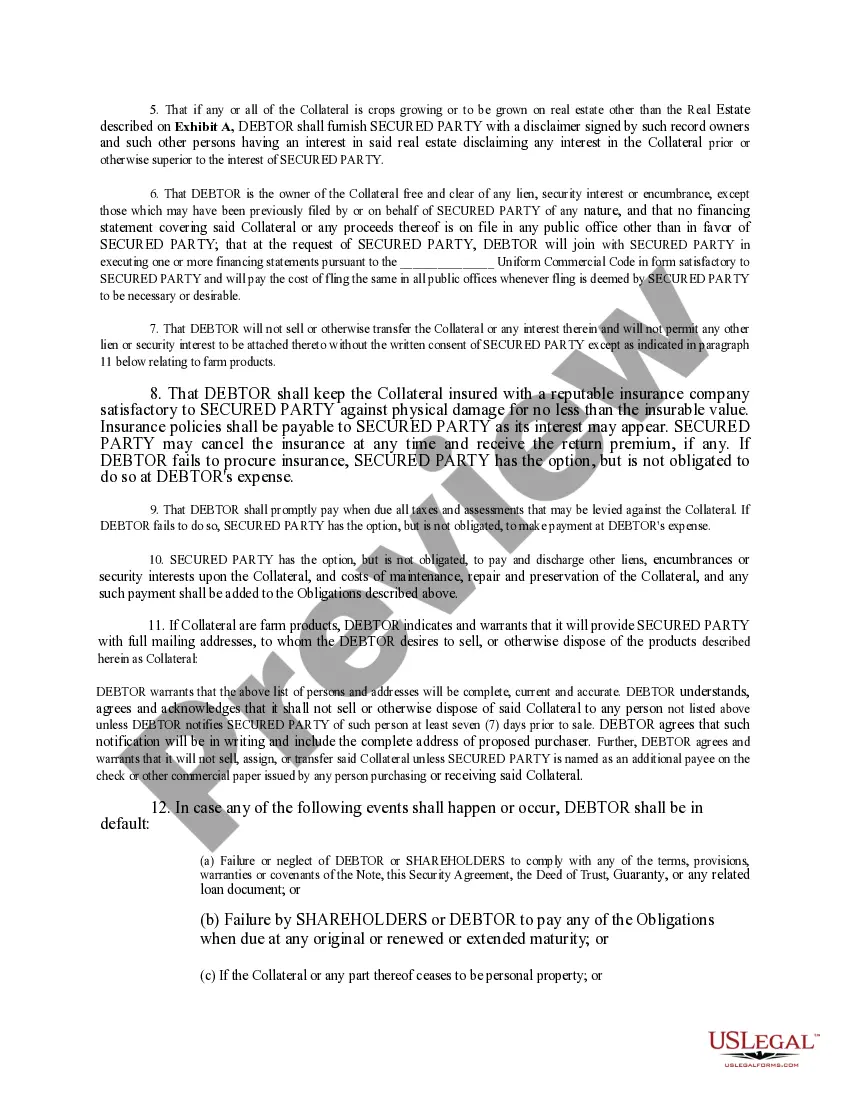
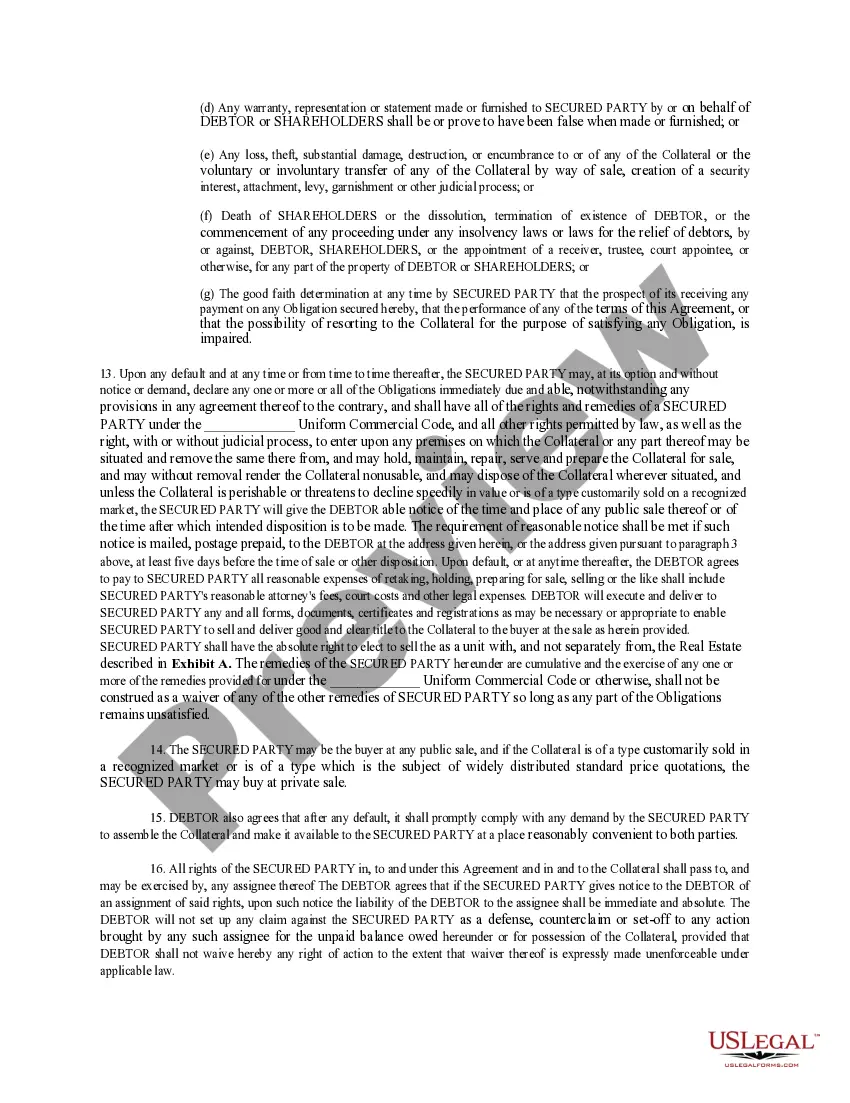
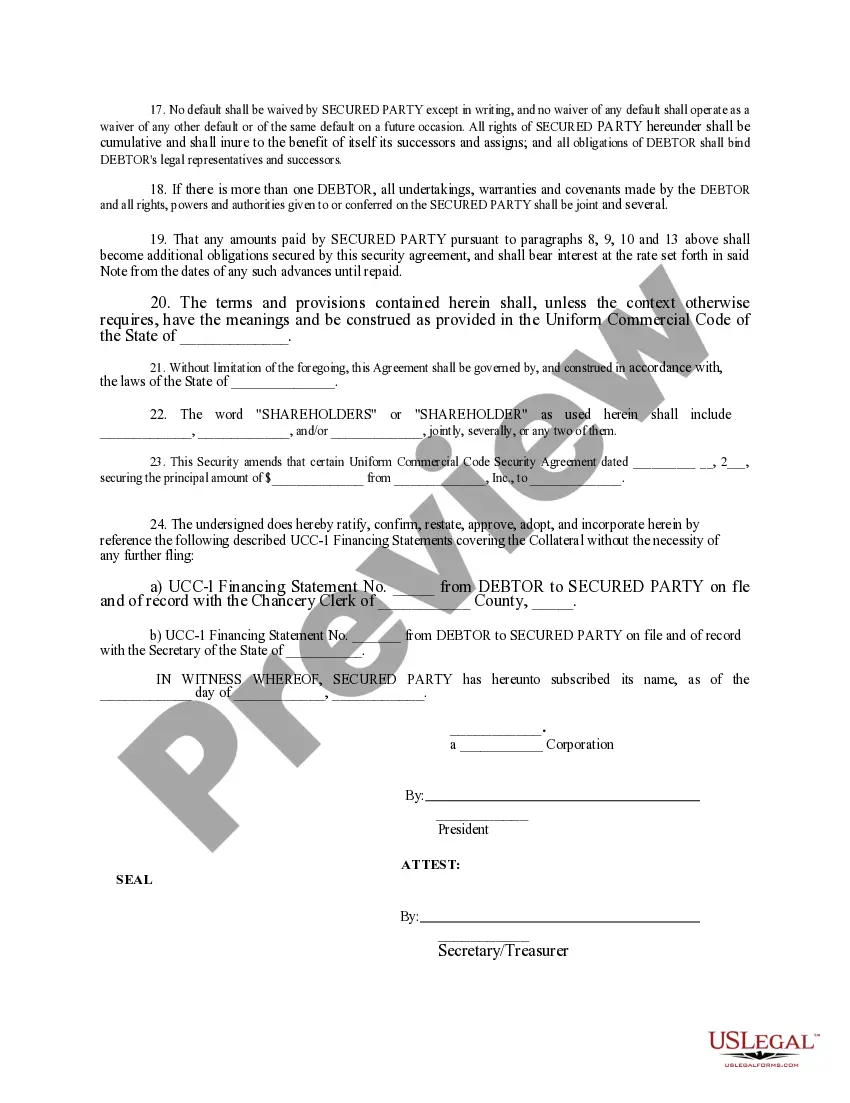
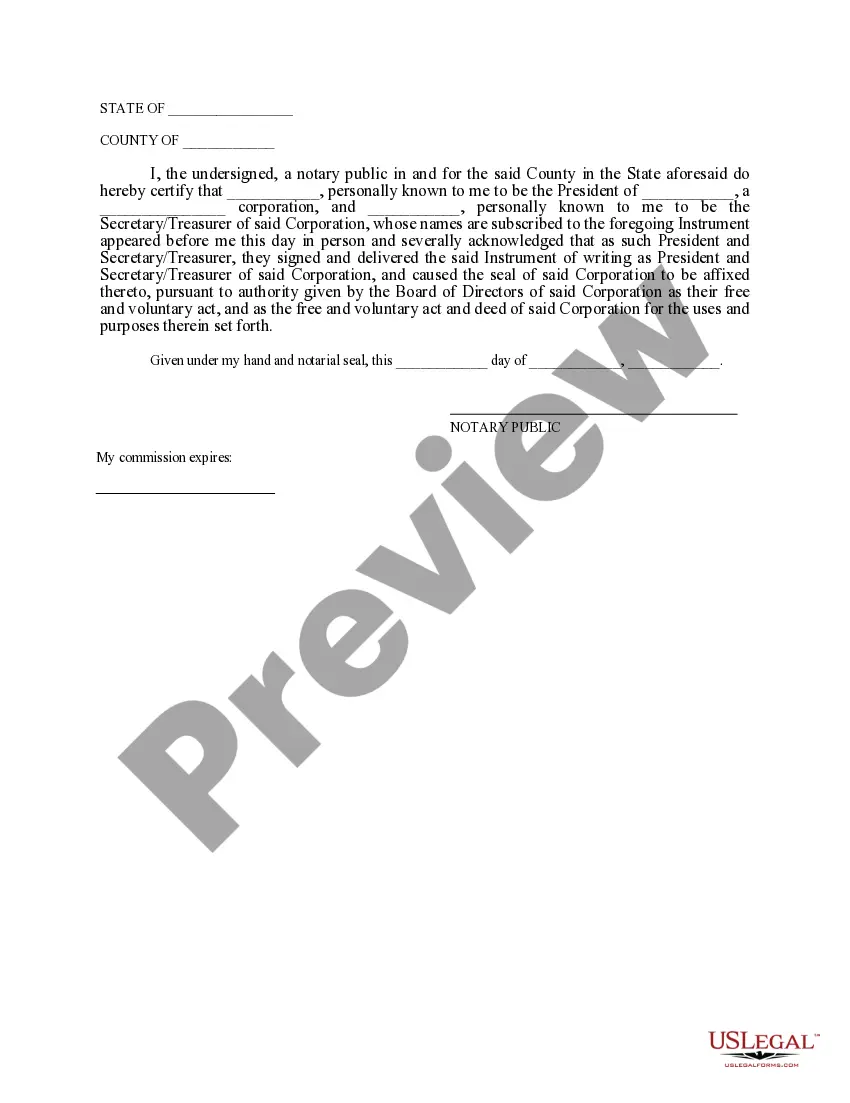
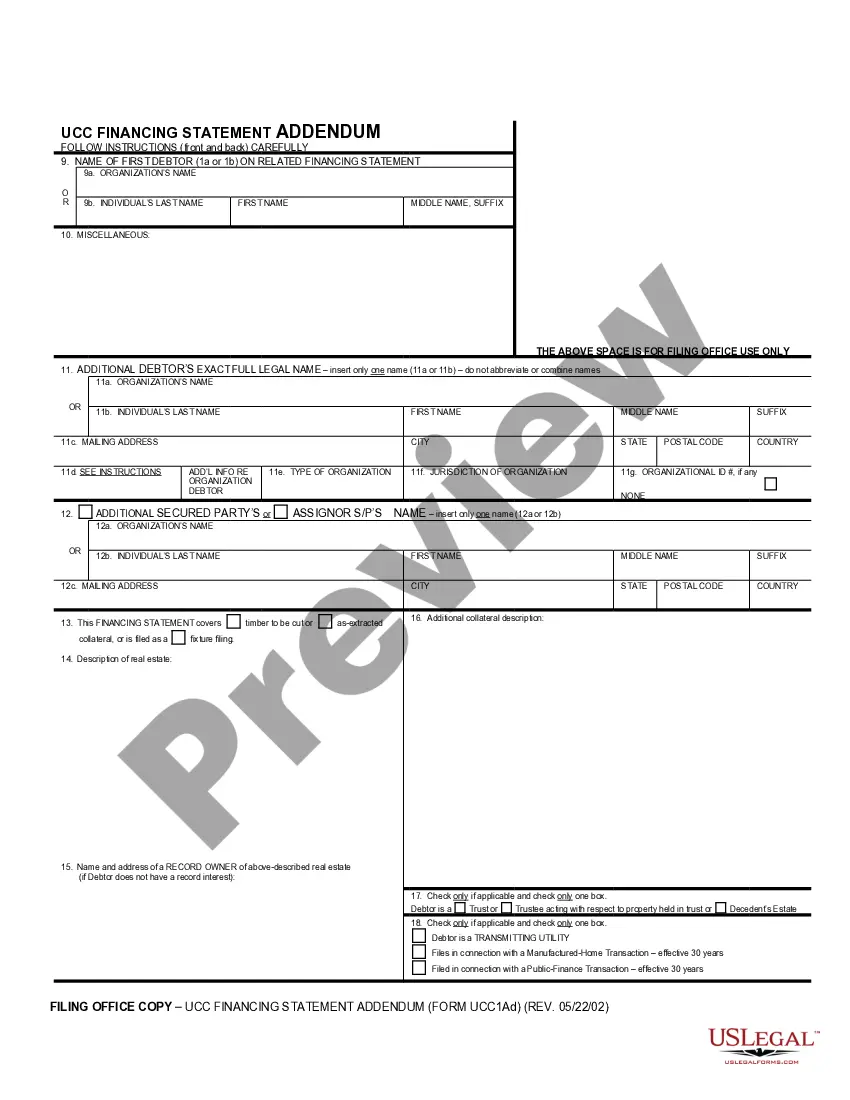

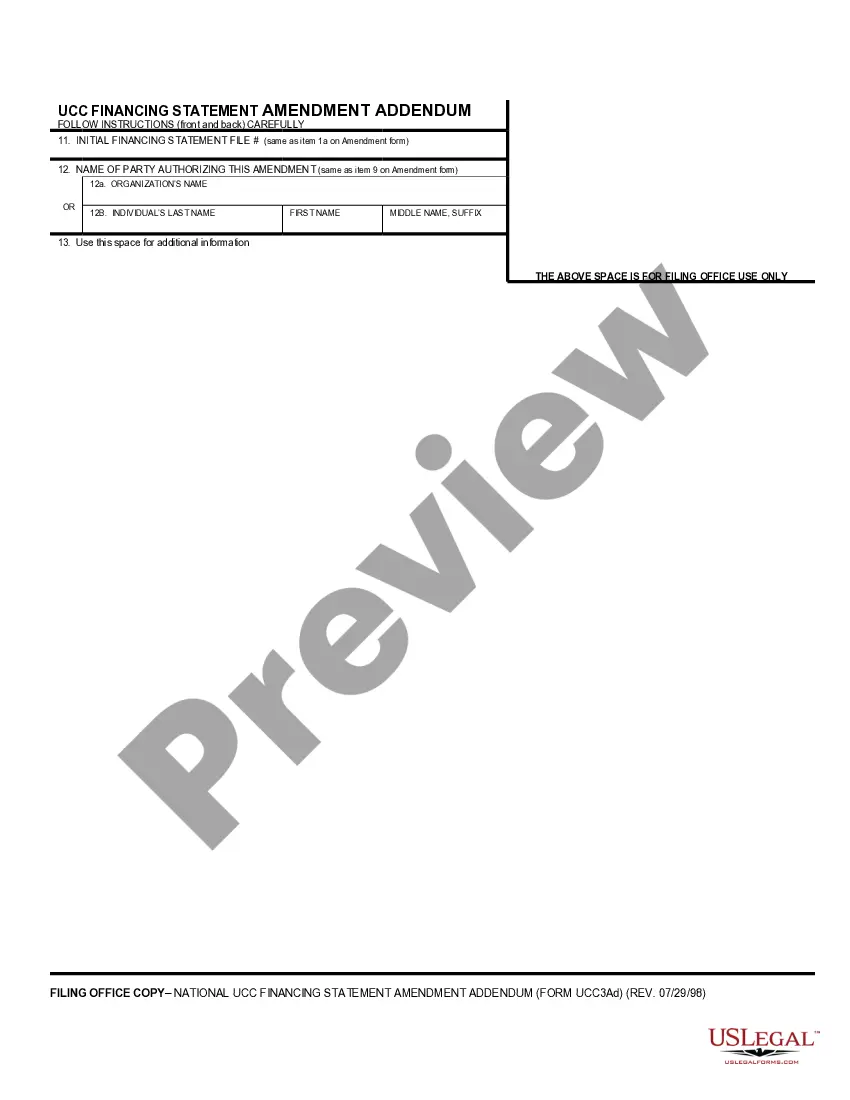
Get your form ready online
Our built-in tools help you complete, sign, share, and store your documents in one place.
Make edits, fill in missing information, and update formatting in US Legal Forms—just like you would in MS Word.
Download a copy, print it, send it by email, or mail it via USPS—whatever works best for your next step.
Sign and collect signatures with our SignNow integration. Send to multiple recipients, set reminders, and more. Go Premium to unlock E-Sign.
If this form requires notarization, complete it online through a secure video call—no need to meet a notary in person or wait for an appointment.
We protect your documents and personal data by following strict security and privacy standards.

Make edits, fill in missing information, and update formatting in US Legal Forms—just like you would in MS Word.

Download a copy, print it, send it by email, or mail it via USPS—whatever works best for your next step.

Sign and collect signatures with our SignNow integration. Send to multiple recipients, set reminders, and more. Go Premium to unlock E-Sign.

If this form requires notarization, complete it online through a secure video call—no need to meet a notary in person or wait for an appointment.

We protect your documents and personal data by following strict security and privacy standards.
Looking for another form?
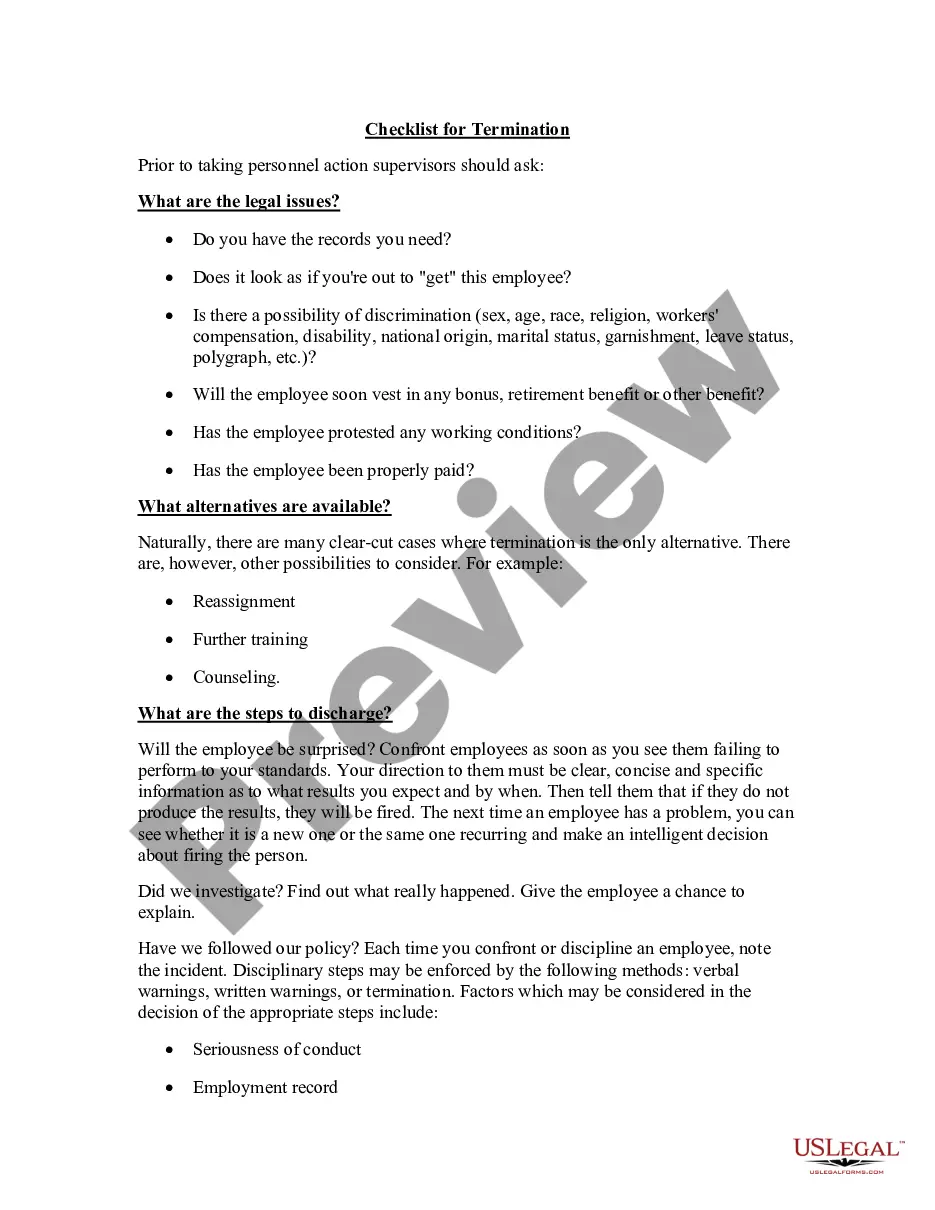
How to fill out Amended Uniform Commercial Code Security Agreement?
Creating legal documents from the ground up can occasionally feel overwhelming.
Some situations may require extensive research and a significant financial commitment.
If you’re looking for a simpler and more budget-friendly method of developing Uniform Commercial Code For Dummies or any other documents without unnecessary complications, US Legal Forms is readily available.
Our online repository of over 85,000 current legal forms addresses nearly every facet of your financial, legal, and personal situations. With a few clicks, you can swiftly access state- and county-compliant forms meticulously prepared by our legal experts.
Ensure that the form you select meets the criteria of your state and county. Choose the most appropriate subscription plan to purchase the Uniform Commercial Code For Dummies. Download the form, then complete, sign, and print it. US Legal Forms prides itself on a solid reputation and over 25 years of experience. Join us now and make form completion a straightforward and efficient process!
- Utilize our platform whenever you require dependable and trustworthy services where you can conveniently search for and retrieve Uniform Commercial Code For Dummies.
- If you’re familiar with our site and already have an account, simply Log In, choose the form, and download it, or re-download it at any moment from the My documents section.
- Haven't registered yet? No worries. It only takes a few minutes to sign up and explore the library.
- However, prior to diving into downloading Uniform Commercial Code For Dummies, consider these guidelines.
- Review the form preview and descriptions to confirm that you are viewing the document you require.
Form popularity
FAQ
The purpose of the UCC is to provide a consistent and clear set of rules governing commercial transactions, which simplifies the buying and selling process across state lines. It aims to protect the rights of parties involved in transactions, ensuring fairness and predictability. For those seeking to navigate these legal waters, the UCC acts as a critical framework in commerce.
To fill out a UCC-1 form, start by entering the debtor's name, ensuring it matches the legal name on record. Next, provide the secured party's name, which will be the creditor who holds the interest in the property. Lastly, accurately describe the collateral involved in the transaction. For a comprehensive guide on completing this form and much more, check out resources on the Uniform Commercial Code for dummies.
A UCC filing is a legal notice that a creditor files to establish their interest in a debtor's personal property. In simpler terms, it protects lenders by informing other parties of their rights to the property if the debtor defaults. Understanding this concept is crucial for anyone looking to grasp the basics of the Uniform Commercial Code for dummies.
The UCC applies to contracts for the sale of goods to or by a merchant. Under the UCC, additional consideration is not necessary to modify a written contract, as long as the modification is entered into in good faith.
The Uniform Commercial Code (UCC) is a comprehensive set of laws governing all commercial transactions in the United States. It is not a federal law, but a uniformly adopted state law. Uniformity of law is essential in this area for the interstate transaction of business.
The Uniform Commercial Code (UCC) is a set of business laws that regulate financial contracts and transactions employed across states. The UCC code consists of nine separate articles, each of which covers separate aspects of banking and loans.
The sale of 1,000 widgets from one company to another is a good example of a UCC application. UCC lien against collateral. A lien can be described as a right to keep a certain property belonging to another person until they pay a debt they own. UCC lien is a claim against business assets.
Article 9, which governs Secured Transactions, is one of the most important sections of the UCC. The rules in Article 9 cover transactions where there is a debt involved and a creditor has an interest in the debtor's property.