Lawyer For Deposition
Description
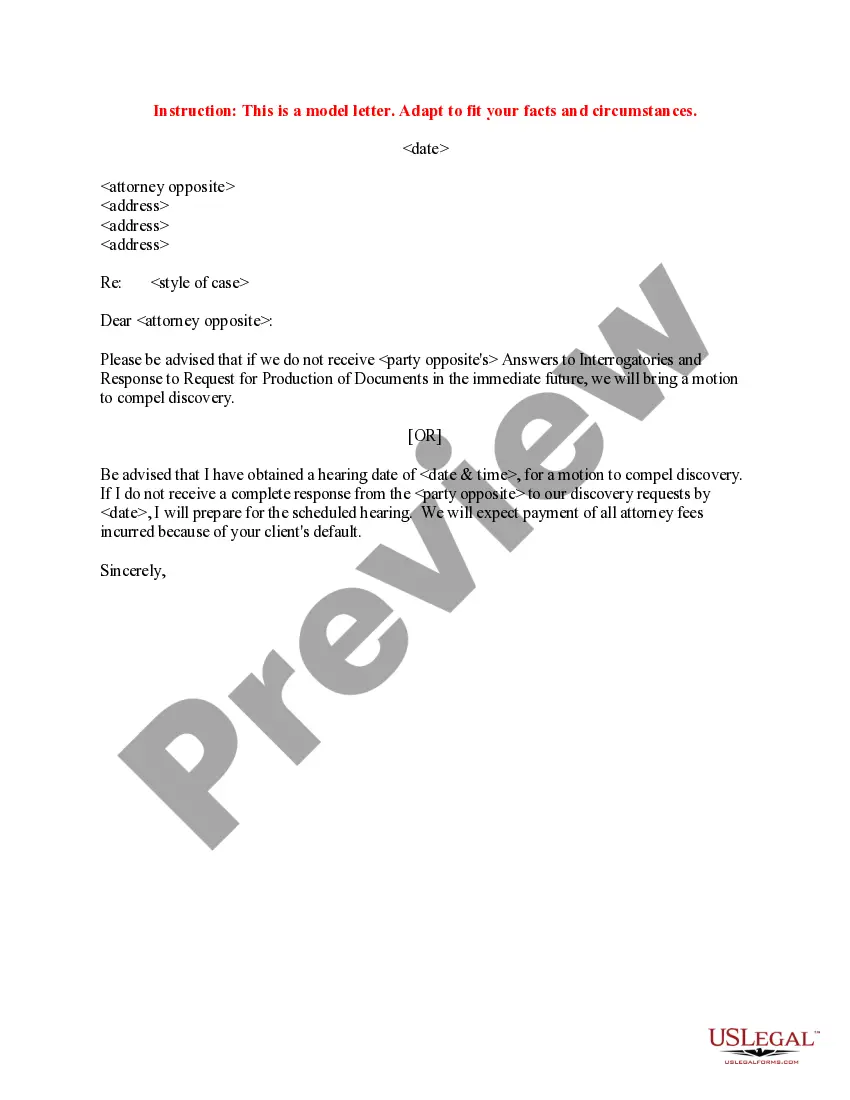
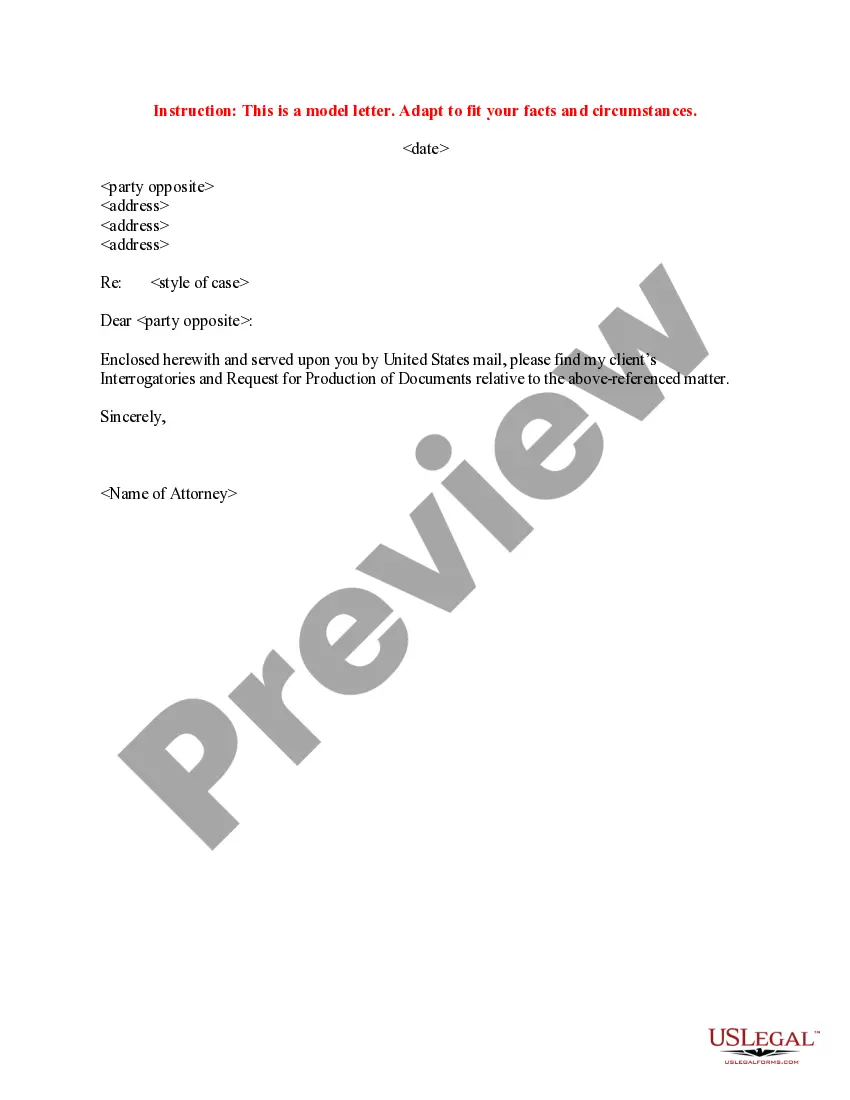
Get your form ready online
Our built-in tools help you complete, sign, share, and store your documents in one place.
Make edits, fill in missing information, and update formatting in US Legal Forms—just like you would in MS Word.
Download a copy, print it, send it by email, or mail it via USPS—whatever works best for your next step.
Sign and collect signatures with our SignNow integration. Send to multiple recipients, set reminders, and more. Go Premium to unlock E-Sign.
If this form requires notarization, complete it online through a secure video call—no need to meet a notary in person or wait for an appointment.
We protect your documents and personal data by following strict security and privacy standards.

Make edits, fill in missing information, and update formatting in US Legal Forms—just like you would in MS Word.

Download a copy, print it, send it by email, or mail it via USPS—whatever works best for your next step.

Sign and collect signatures with our SignNow integration. Send to multiple recipients, set reminders, and more. Go Premium to unlock E-Sign.

If this form requires notarization, complete it online through a secure video call—no need to meet a notary in person or wait for an appointment.

We protect your documents and personal data by following strict security and privacy standards.
Looking for another form?
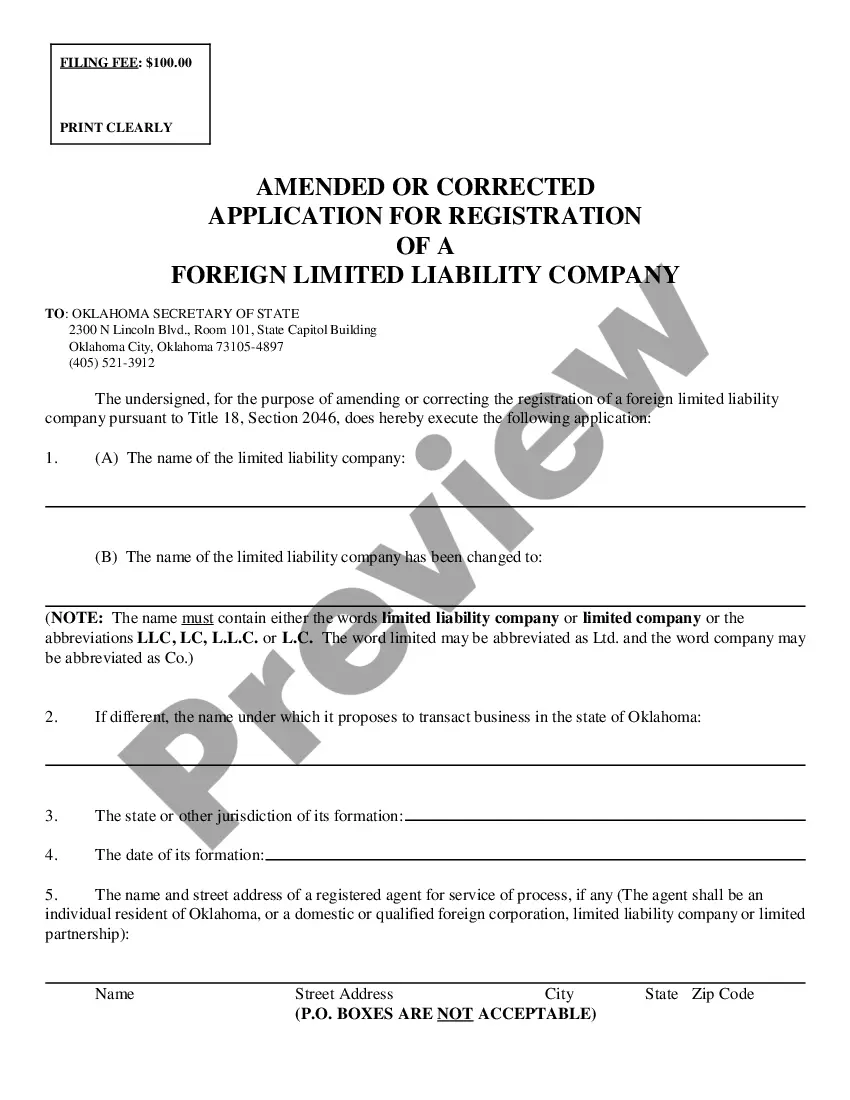

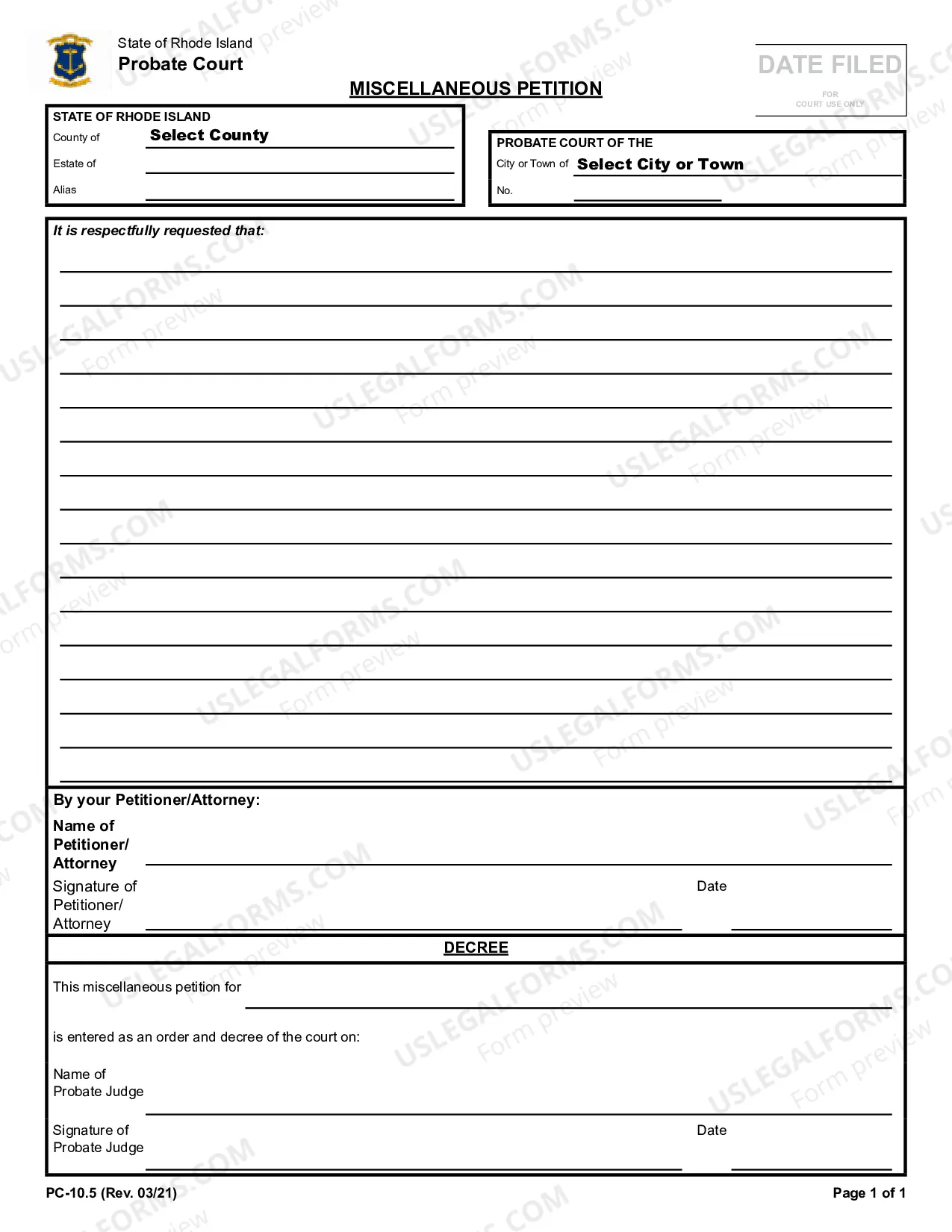





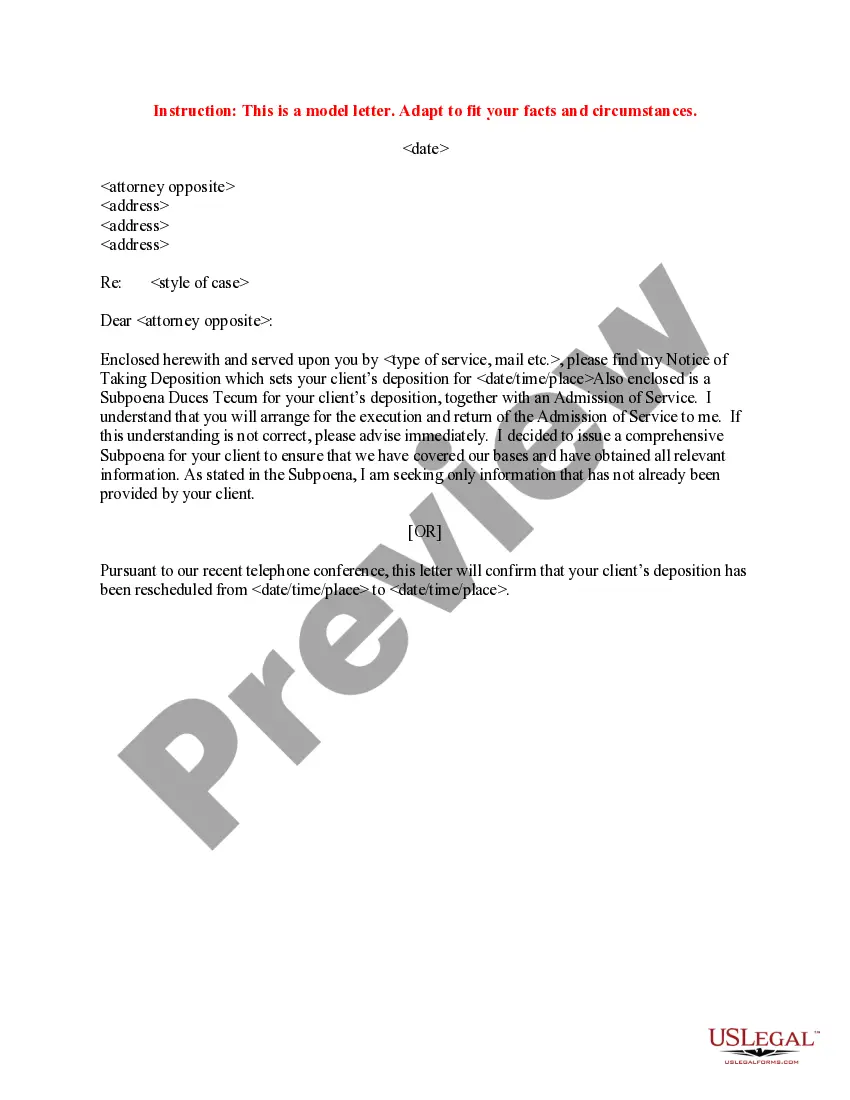
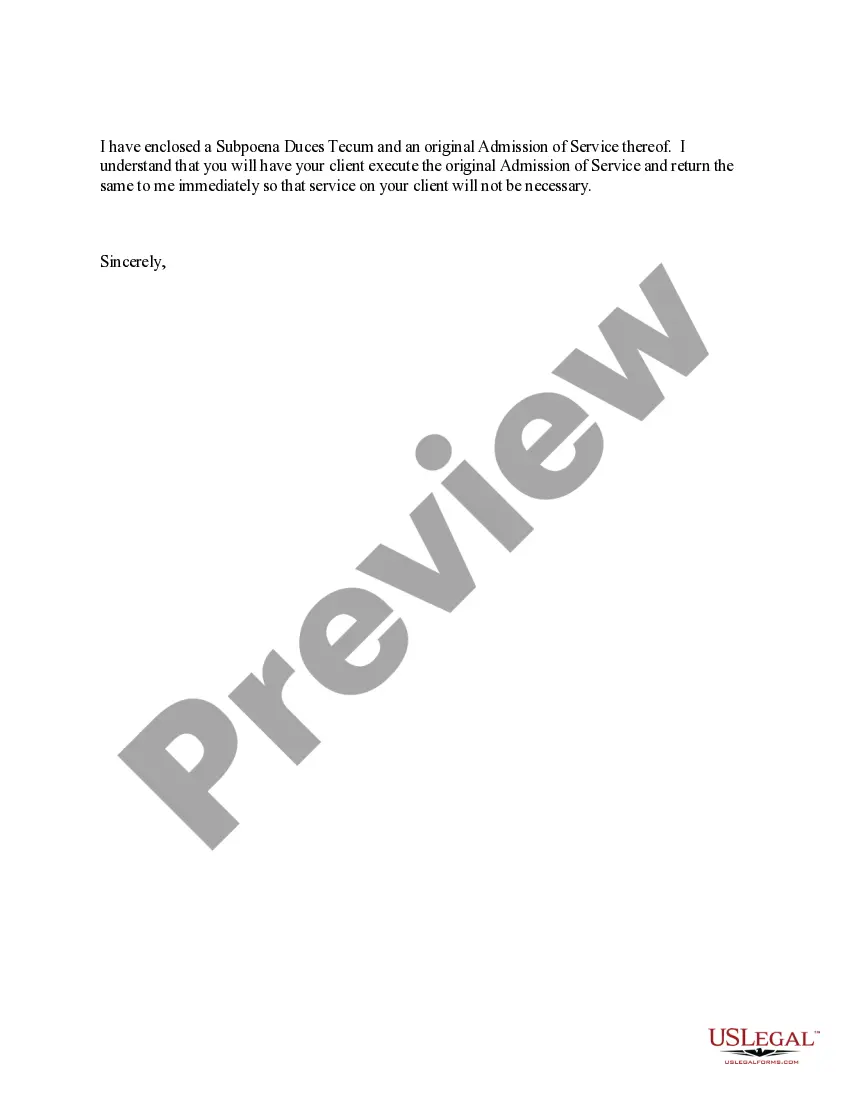
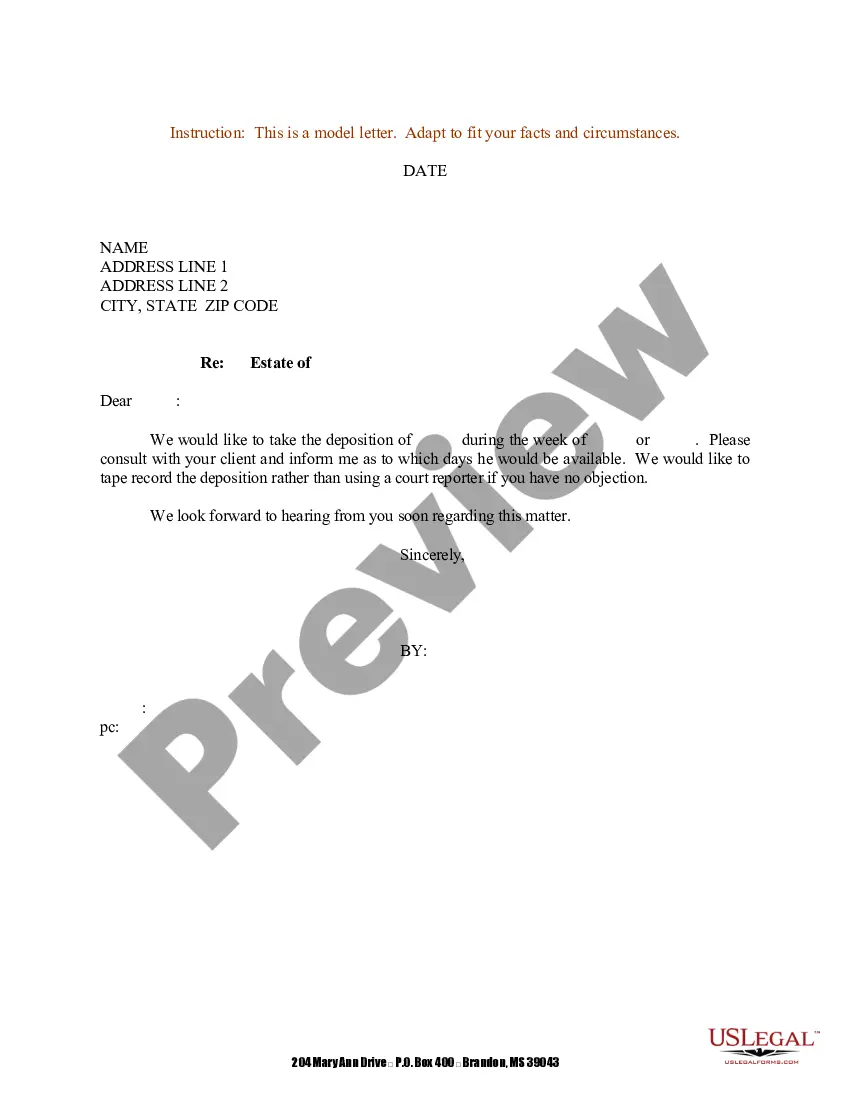
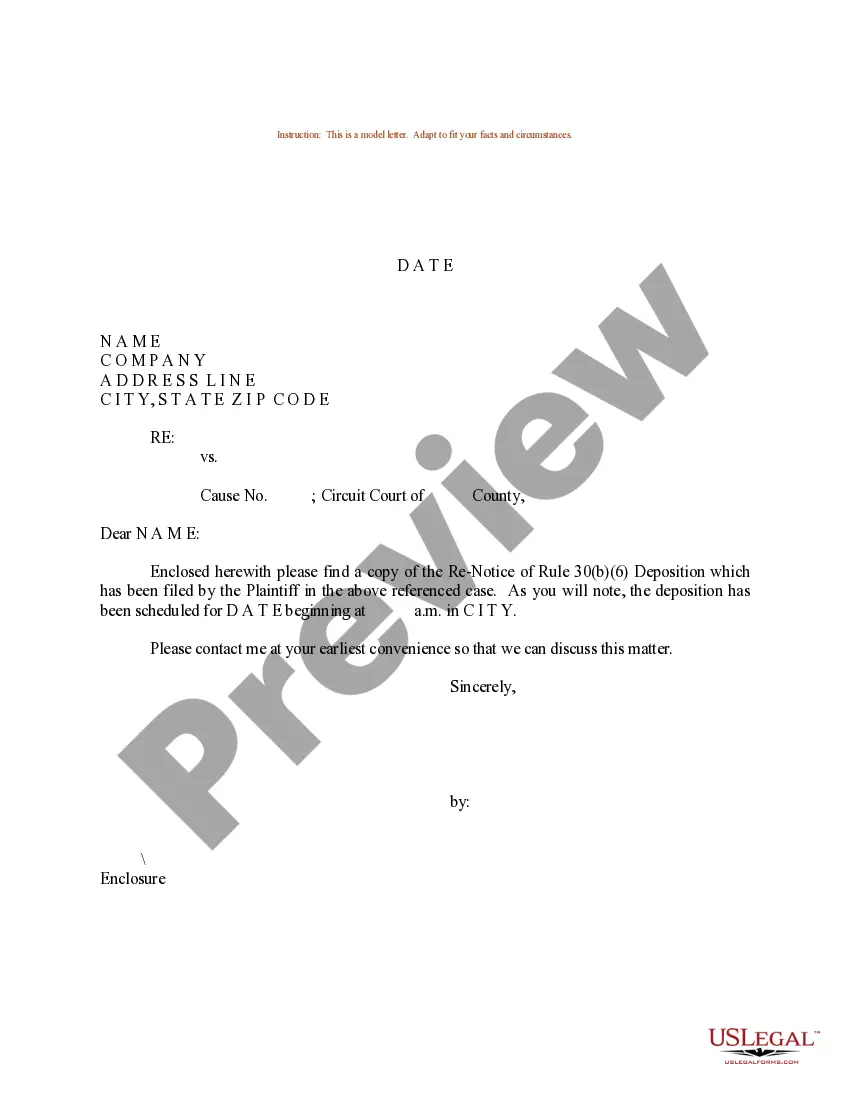
How to fill out Discovery - Sample Letter To Opposing Counsel Regarding Deposition And Subpoena Duces Tecum?
Managing legal documents and processes can be a lengthy addition to the day.
Attorney For Deposition and similar forms generally require you to search for them and comprehend how to fill them out correctly.
Consequently, whether you are dealing with financial, legal, or personal issues, utilizing a comprehensive and user-friendly online repository of forms readily available will be very beneficial.
US Legal Forms is the leading online platform for legal templates, providing over 85,000 state-specific documents and an array of tools that will assist you in completing your paperwork swiftly.
Is this your first experience with US Legal Forms? Register and create a free account in a few minutes to gain access to the form library and Attorney For Deposition. Then, follow the steps below to complete your document: Ensure you have found the correct form using the Preview option and reviewing the form details. Select Buy Now when ready, and pick the monthly subscription plan that suits you best. Click Download and then fill out, eSign, and print the document. US Legal Forms has 25 years of experience helping clients manage their legal documents. Locate the form you need today and streamline any process effortlessly.
- Explore the collection of pertinent documents accessible with a single click.
- US Legal Forms offers state- and county-specific documents available for download at any time.
- Safeguard your document management processes with a quality service that enables you to prepare any form in minutes without additional or concealed charges.
- Simply Log In to your account, find Attorney For Deposition and obtain it instantly in the My documents section.
- You can also access forms you have previously downloaded.
Form popularity
FAQ
Lawyer Preparation Identify Key Issues in the Case. Don't go to the deposition without first clearly identifying the key issues in the case. ... Determine Objectives for Each Issue. ... Build Deposition Outline and Divide Into Individual Chapters. ... Copy Documents That Support Each Chapter. ... Research the Witness.
Deposition DON'Ts: Guess or speculate. ?I don't know? or ?I can't remember? is acceptable. Be anxious or stressed out. It will affect what you say and how you appear. Be defensive or angry. Never argue with the attorney. Offer information not requested. ... Talk too much or ramble. ... Talk too little. ... Be too extreme.
A deposition will not automatically lead to a settlement offer. If either side requires additional information, interrogatories (written questions and answers) could follow.
JF: A deposition is an opportunity for parties in a civil lawsuit to obtain testimony from a witness under oath prior to trial. It's part of the discovery process by which parties gather facts and information so they can be better prepared at trial to present their claims and defenses.
Using terms like ?never? and ?always? in your deposition answers may do more harm than good. Answering questions with these terms may make it sound like you are being definitive about various topics. On the other hand, doing so may make you seem stubborn and unwilling to adapt or negotiate with an opposing party.