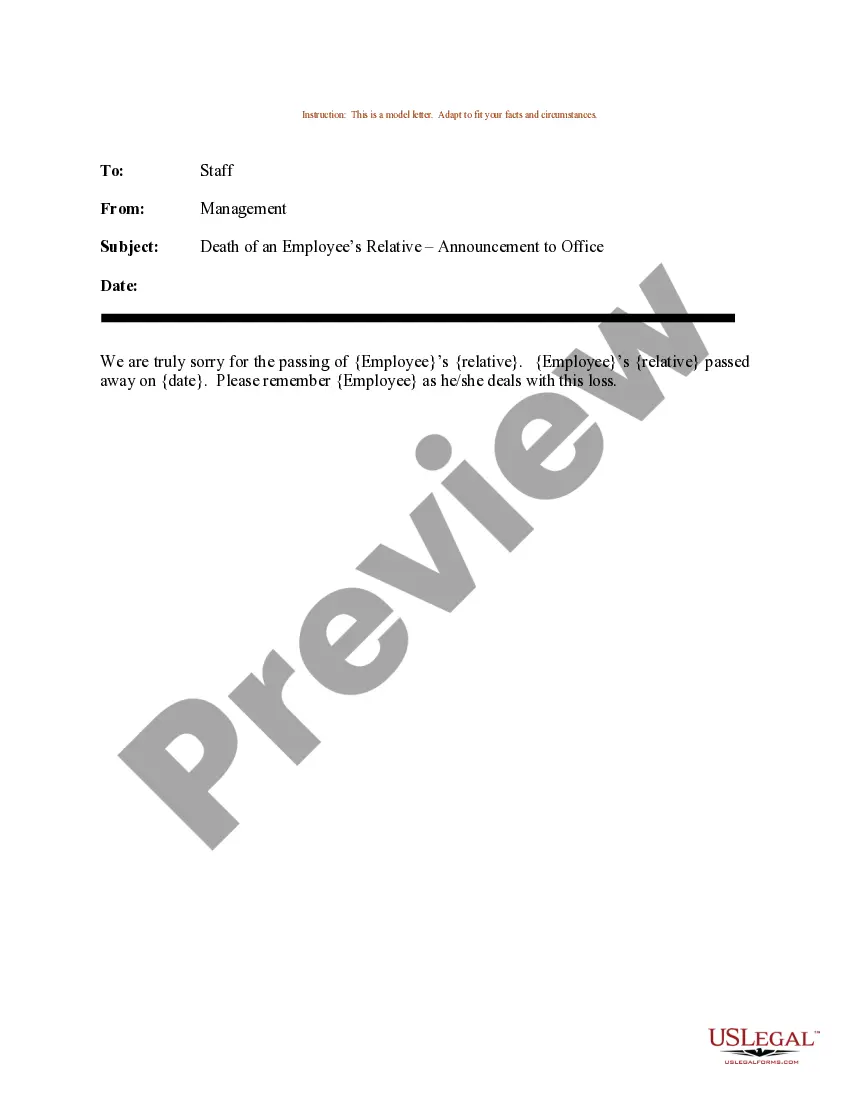
Death Email To Staff
Description
Get your form ready online
Our built-in tools help you complete, sign, share, and store your documents in one place.
Make edits, fill in missing information, and update formatting in US Legal Forms—just like you would in MS Word.
Download a copy, print it, send it by email, or mail it via USPS—whatever works best for your next step.
Sign and collect signatures with our SignNow integration. Send to multiple recipients, set reminders, and more. Go Premium to unlock E-Sign.
If this form requires notarization, complete it online through a secure video call—no need to meet a notary in person or wait for an appointment.
We protect your documents and personal data by following strict security and privacy standards.

Make edits, fill in missing information, and update formatting in US Legal Forms—just like you would in MS Word.

Download a copy, print it, send it by email, or mail it via USPS—whatever works best for your next step.

Sign and collect signatures with our SignNow integration. Send to multiple recipients, set reminders, and more. Go Premium to unlock E-Sign.

If this form requires notarization, complete it online through a secure video call—no need to meet a notary in person or wait for an appointment.

We protect your documents and personal data by following strict security and privacy standards.
Looking for another form?
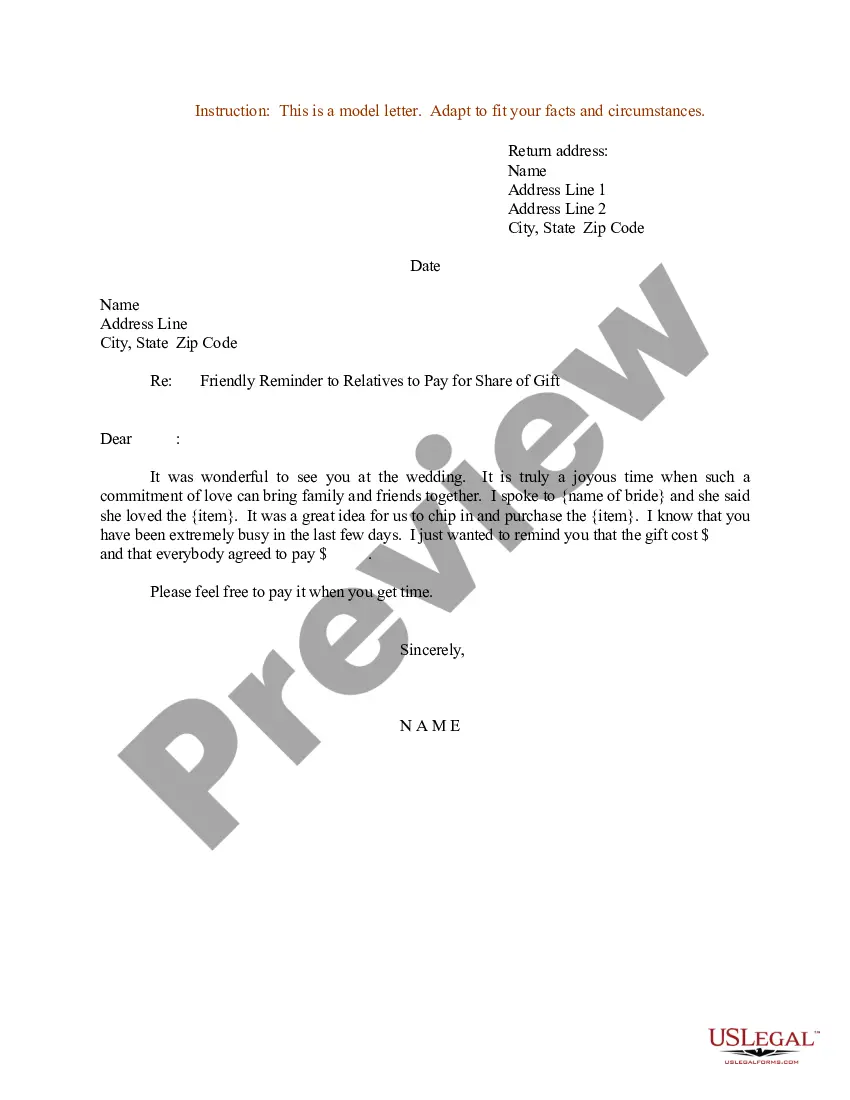
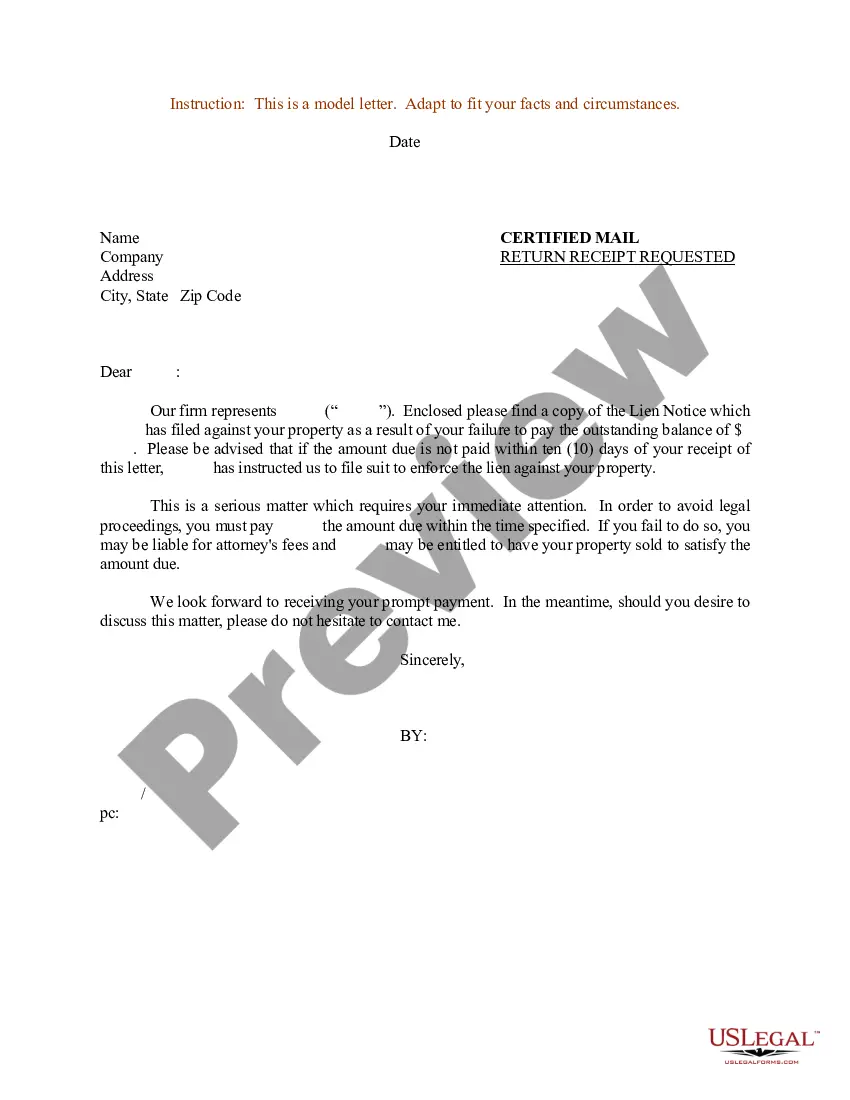
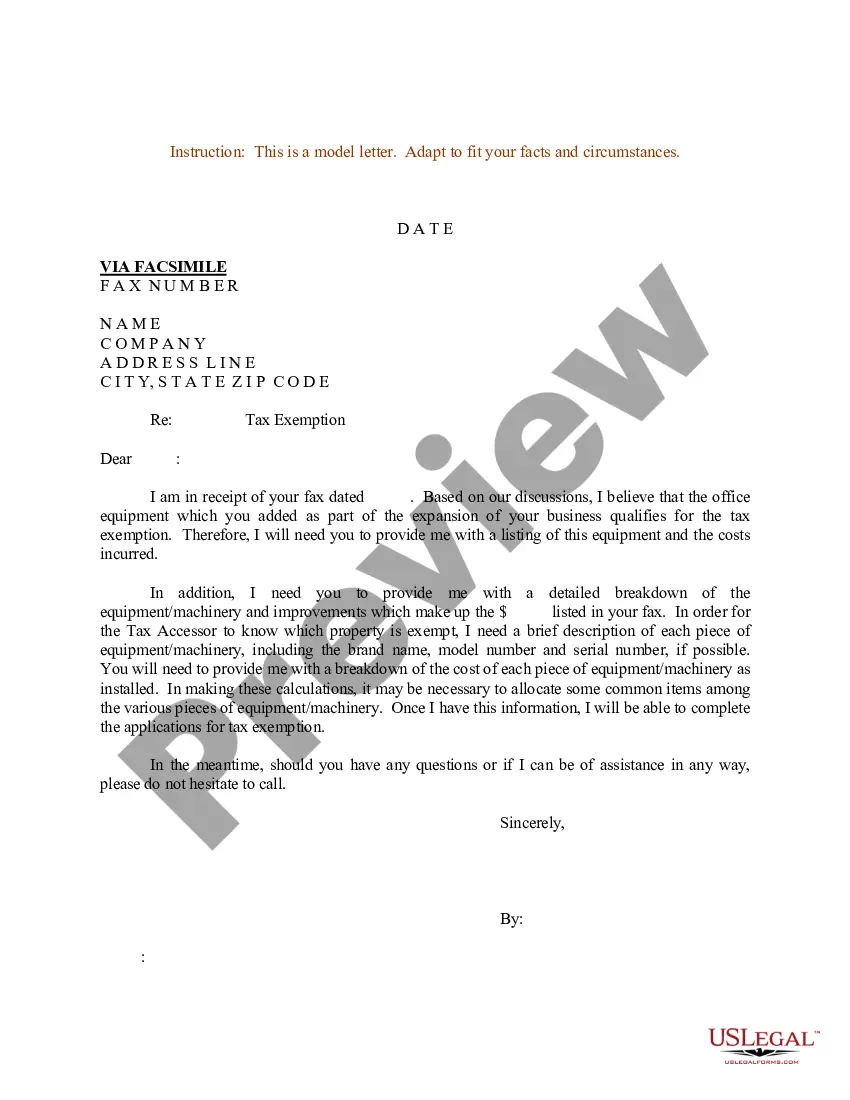
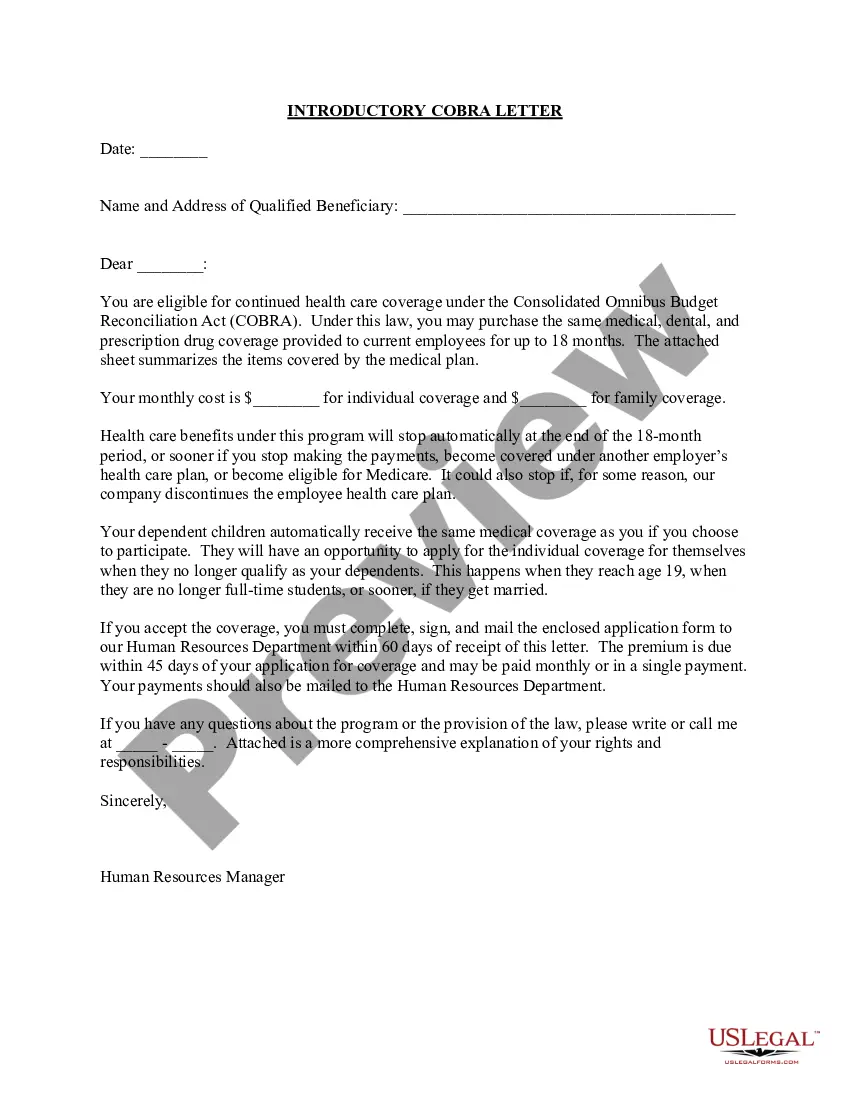
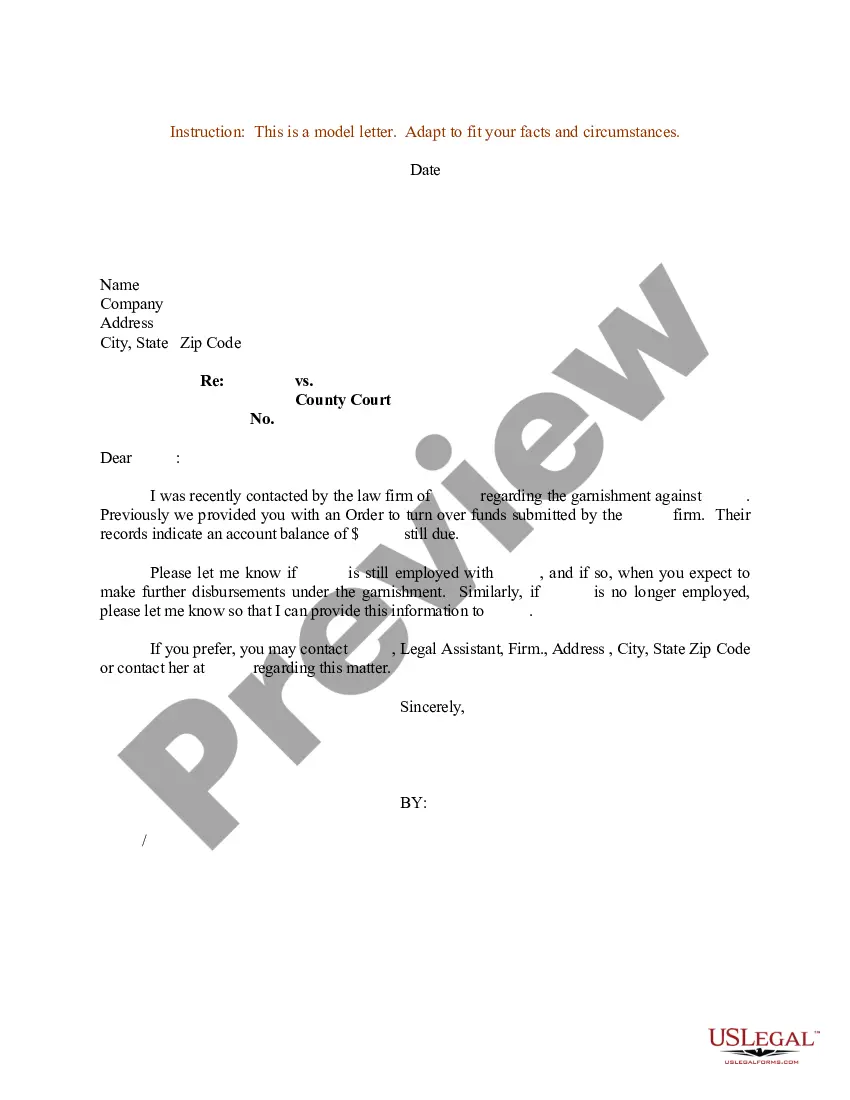
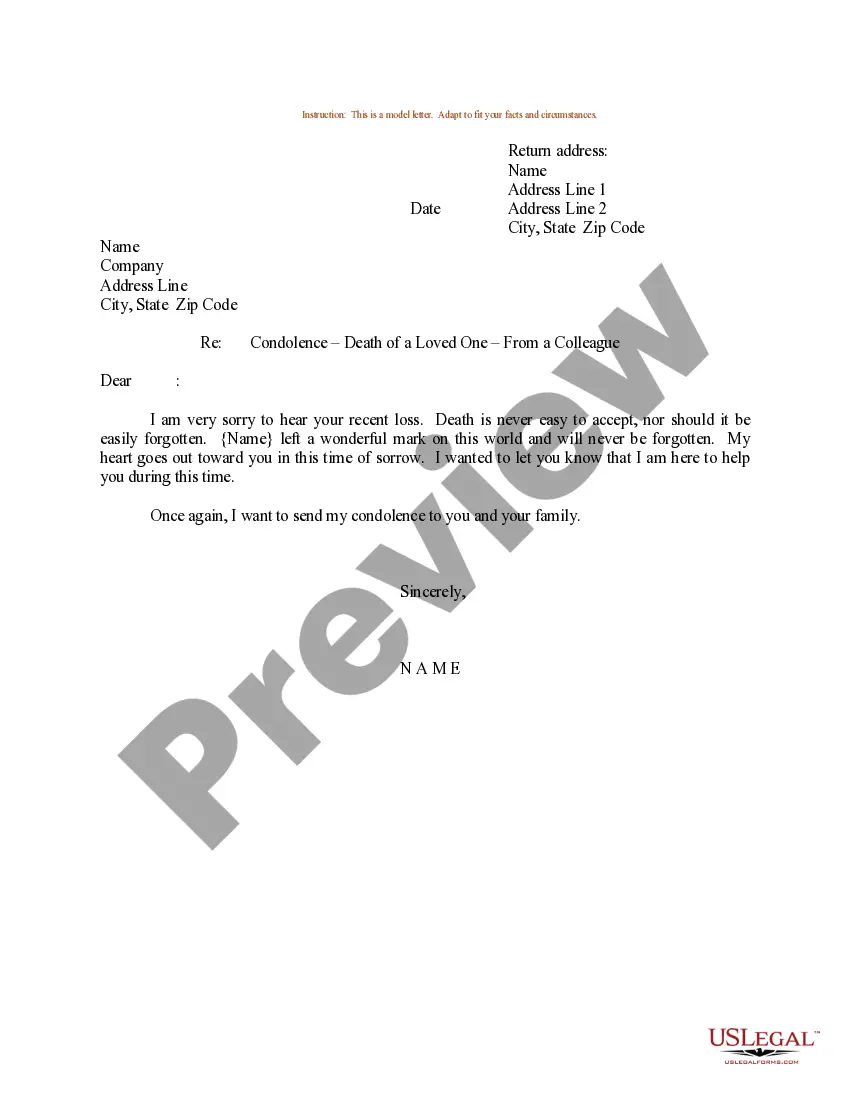
How to fill out Sample Letter For Death Of An Employee's Relative - Announcement To Office?
Whether for commercial purposes or personal matters, everyone must navigate legal situations at some stage in their lives.
Completing legal documentation requires meticulous attention, starting from choosing the correct template.
After it is downloaded, you can fill out the form using editing software or print it and complete it by hand. With a vast US Legal Forms catalog available, you don't need to waste time searching for the right template online. Utilize the library’s straightforward navigation to find the suitable form for any occasion.
- For example, if you select an incorrect version of a Death Email To Staff, it will be rejected when you submit it.
- Thus, it is essential to have a reliable source for legal documents such as US Legal Forms.
- If you need to acquire a Death Email To Staff template, follow these straightforward steps.
- Locate the template you require by using the search bar or browsing the catalog.
- Review the form's details to ensure it corresponds with your situation, state, and locality.
- Click on the form's preview to evaluate it.
- If it is the incorrect form, return to the search feature to find the Death Email To Staff template you need.
- Obtain the document once it aligns with your requirements.
- If you possess a US Legal Forms account, simply click Log in to access previously saved documents in My documents.
- If you do not have an account yet, you can download the form by clicking Buy now.
- Choose the correct pricing option.
- Complete the account registration form.
- Select your payment method: use a credit card or PayPal account.
- Choose the file format you prefer and download the Death Email To Staff.
Form popularity
FAQ
To respectfully say 'died,' consider using phrases like 'passed away,' 'departed,' or 'has gone to rest.' These alternatives express the concept more gently and show sensitivity toward the feelings of the audience. When composing a death email to staff, using softer language maintains the decorum appropriate for the situation. Uslegalforms offers resources to help you find the right words for these delicate communications.
Conflicts of Interest. (2) there is a significant risk that the representation of one or more clients will be materially limited by the lawyer's responsibilities to another client , a former client or a third person or by a personal interest of the lawyer.
Consumer reporting agencies may only report records of arrests, or records of convictions, that occurred within the last 7 years. Consumer reporting agencies may not report records that antedate the report by more than 7 years.
Connecticut Practice Book, Rules of Professional Conduct, Rule 1.15. The Rules of Professional Conduct, Rule 1.15 Safekeeping Property, provides lawyers with a framework for handling their clients' funds. Attorneys are responsible for maintaining and monitoring their clients' trust accounts properly.
(a) A lawyer shall abide by a client's decisions concerning the objectives of representation, subject to paragraphs (c), (d), and (e), and shall consult with the client as to the means by which they are to be pursued.
Unauthorized Practice of Law; Multijurisdictional Practice of Law. (a) A lawyer shall not practice law in a jurisdiction in violation of the regulation of the legal profession in that jurisdiction, or assist another in doing so.
When a lawyer has been directly involved in a specific transaction, subsequent representation of other clients with materially adverse interests in that transaction clearly is prohibited.
Conflicts of Interest. (2) there is a significant risk that the representation of one or more clients will be materially limited by the lawyer's responsibilities to another client , a former client or a third person or by a personal interest of the lawyer.
Safekeeping Property. (a) A lawyer shall hold property of clients or third persons that is in a lawyer's possession in connection with a representation separate from the lawyer's own property, in ance with the provisions of the New Hampshire Supreme Court Rules.