28 Usc 1441 And 1446
Description
Get your form ready online
Our built-in tools help you complete, sign, share, and store your documents in one place.
Make edits, fill in missing information, and update formatting in US Legal Forms—just like you would in MS Word.
Download a copy, print it, send it by email, or mail it via USPS—whatever works best for your next step.
Sign and collect signatures with our SignNow integration. Send to multiple recipients, set reminders, and more. Go Premium to unlock E-Sign.
If this form requires notarization, complete it online through a secure video call—no need to meet a notary in person or wait for an appointment.
We protect your documents and personal data by following strict security and privacy standards.

Make edits, fill in missing information, and update formatting in US Legal Forms—just like you would in MS Word.

Download a copy, print it, send it by email, or mail it via USPS—whatever works best for your next step.

Sign and collect signatures with our SignNow integration. Send to multiple recipients, set reminders, and more. Go Premium to unlock E-Sign.

If this form requires notarization, complete it online through a secure video call—no need to meet a notary in person or wait for an appointment.

We protect your documents and personal data by following strict security and privacy standards.
Looking for another form?
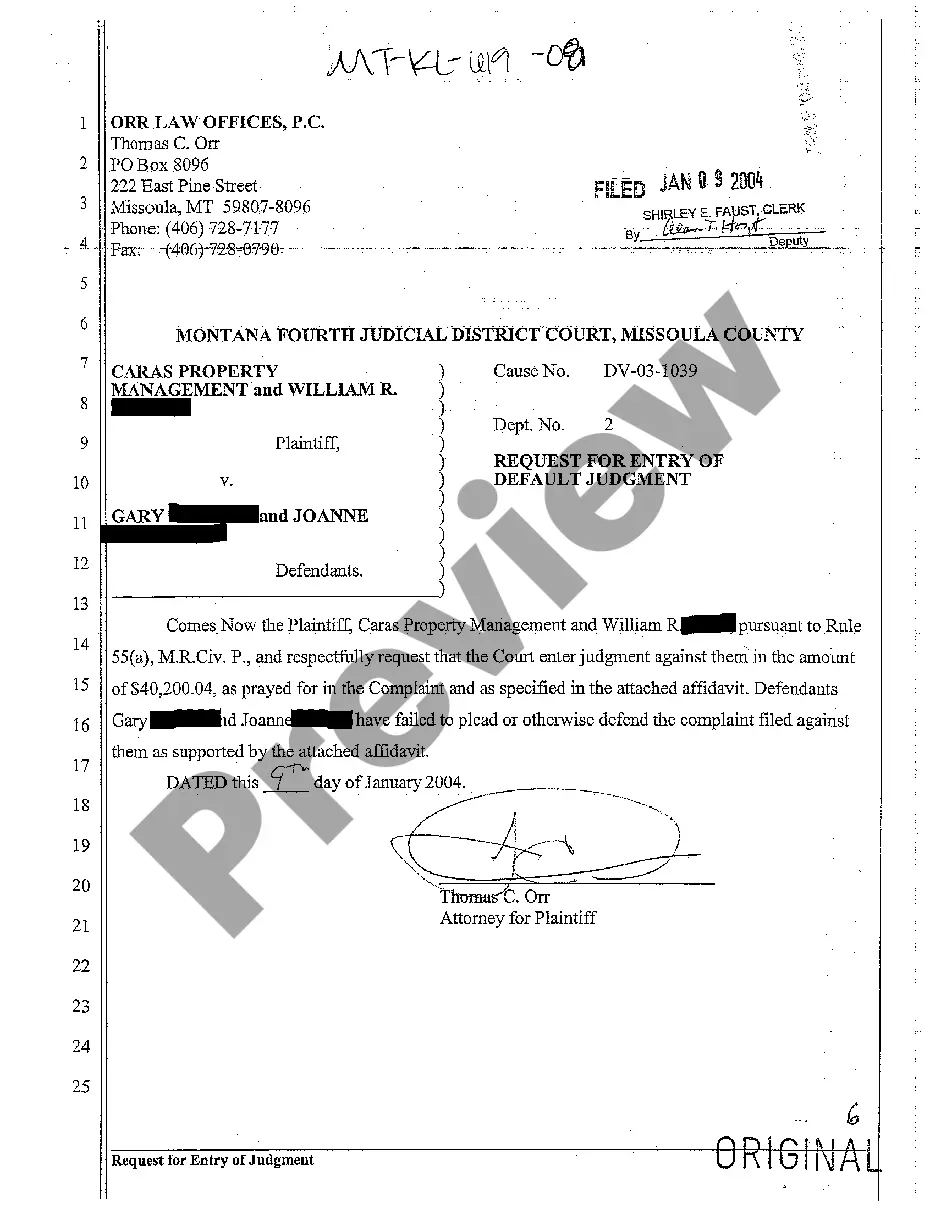
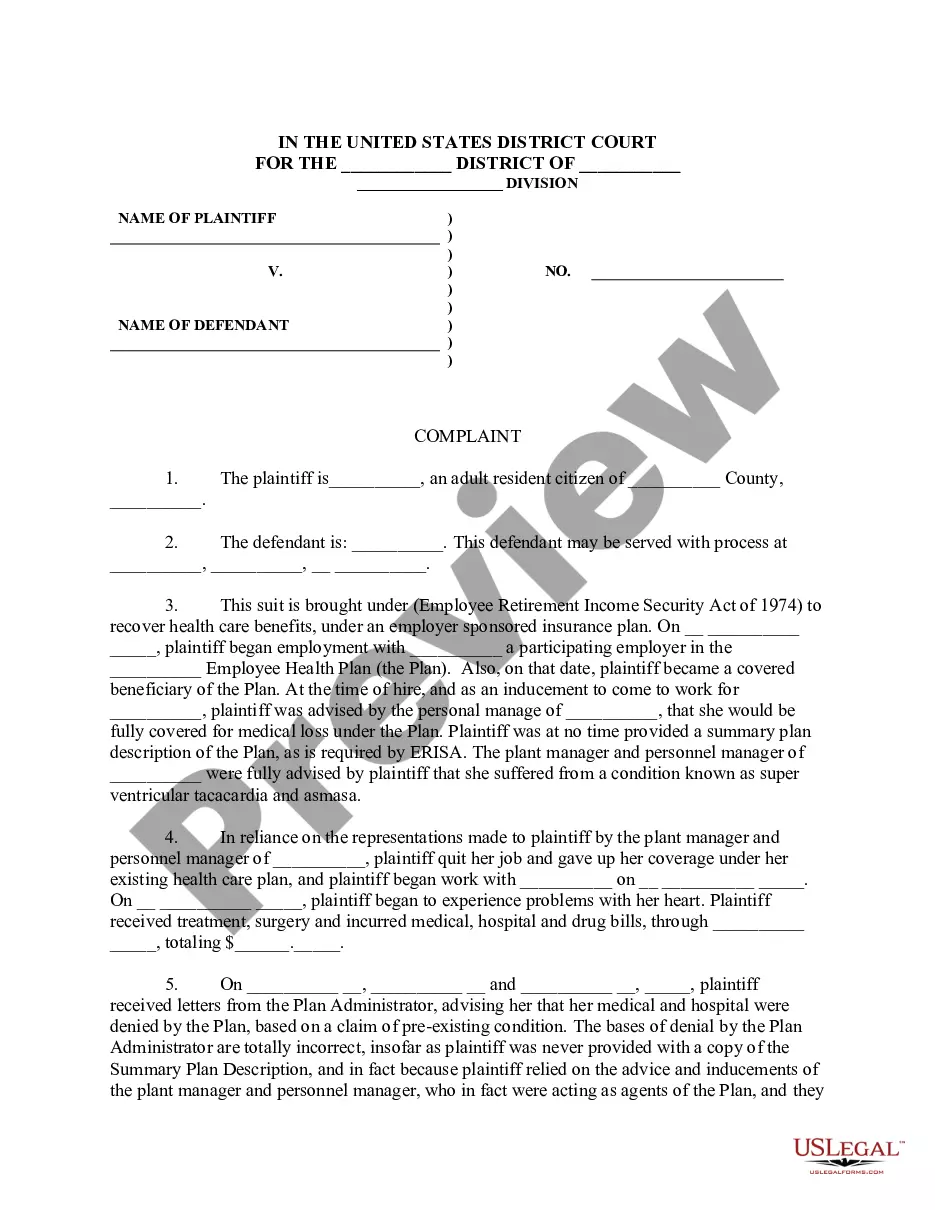





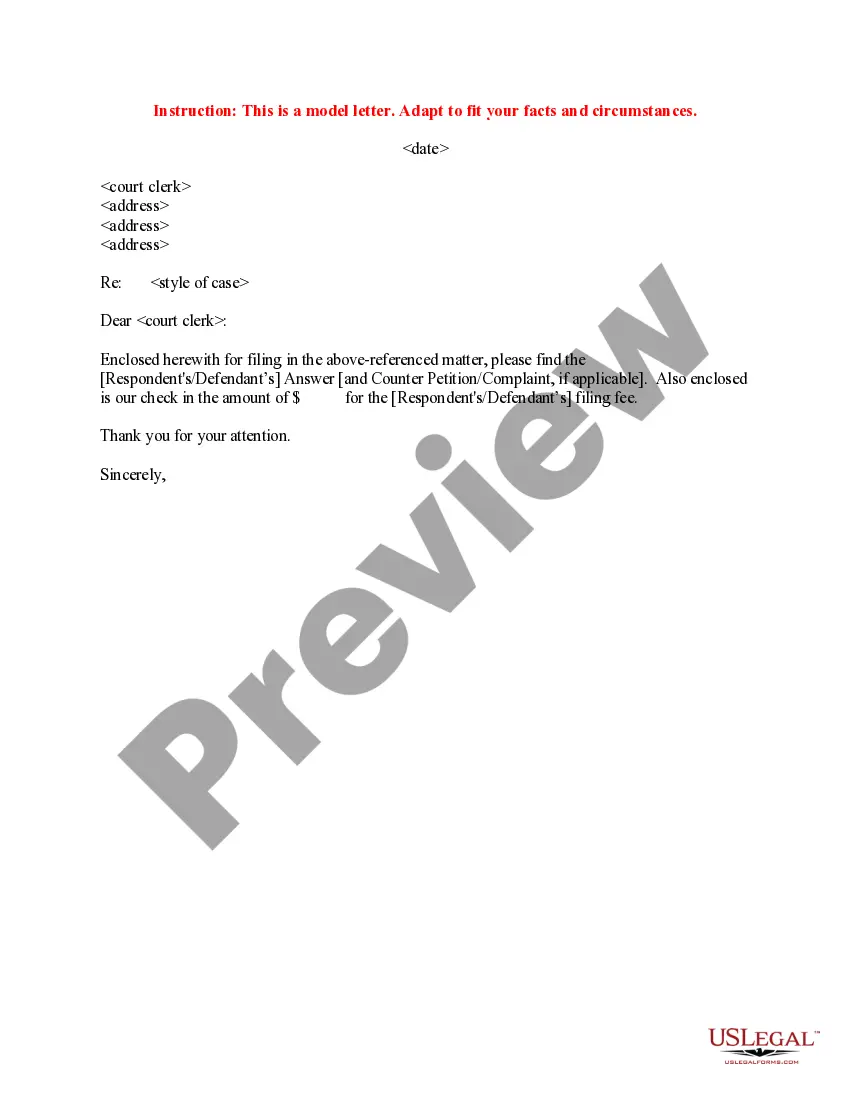
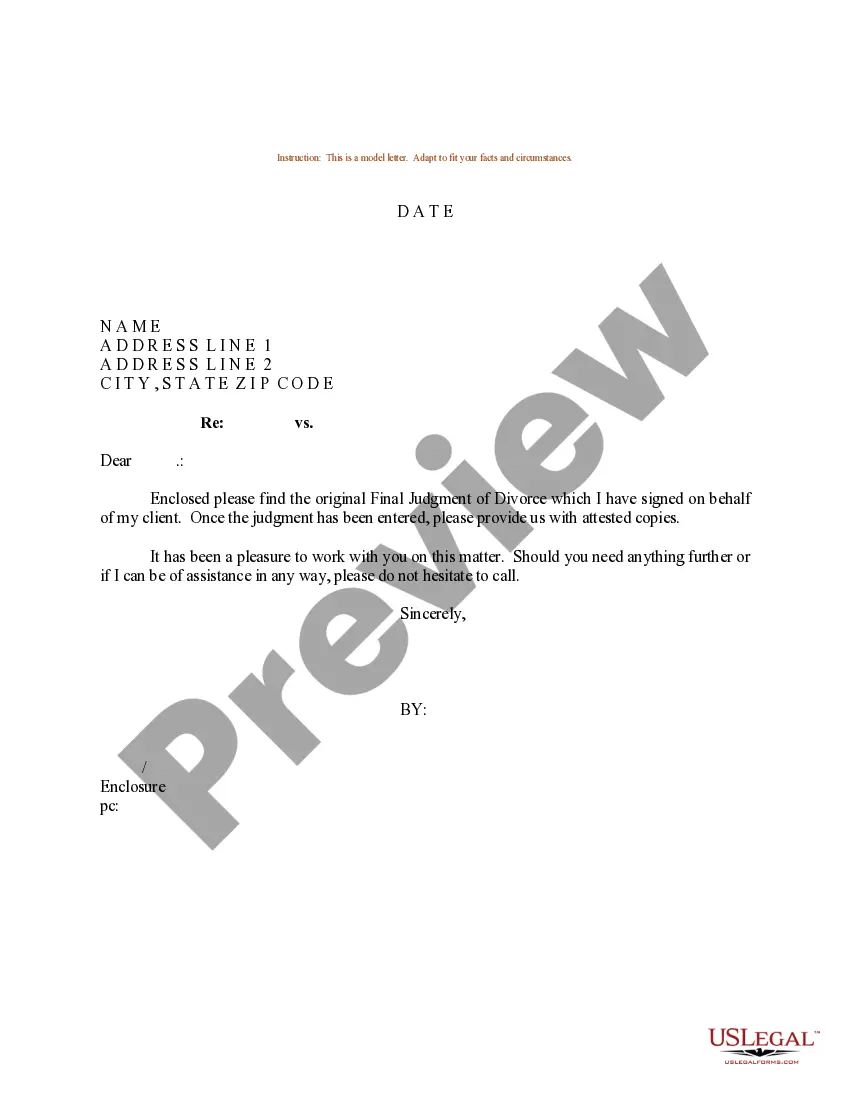
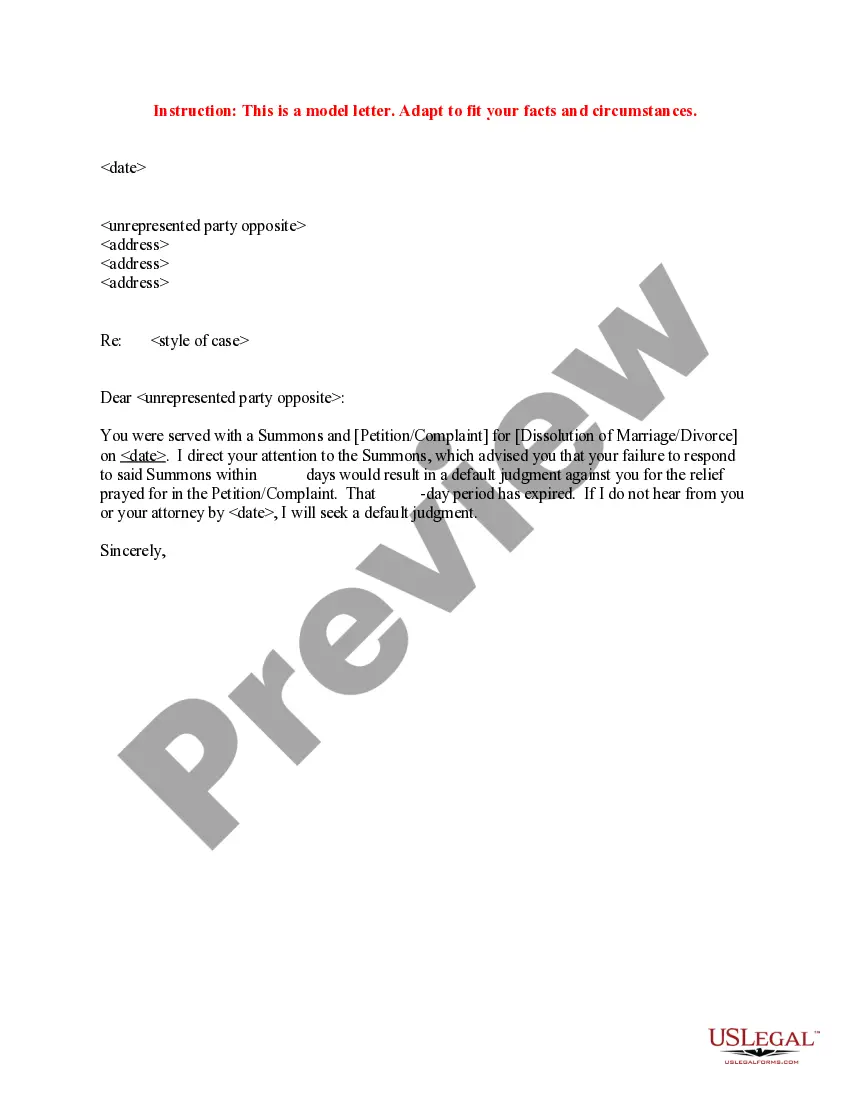
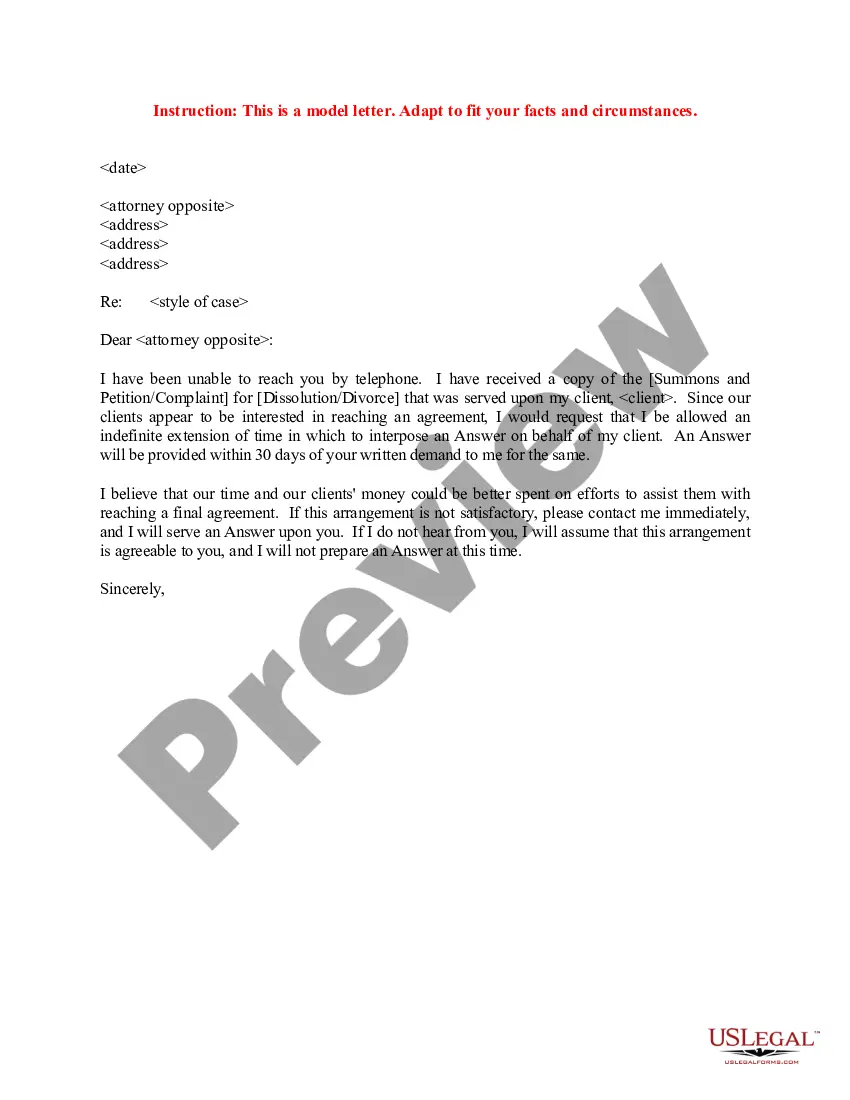
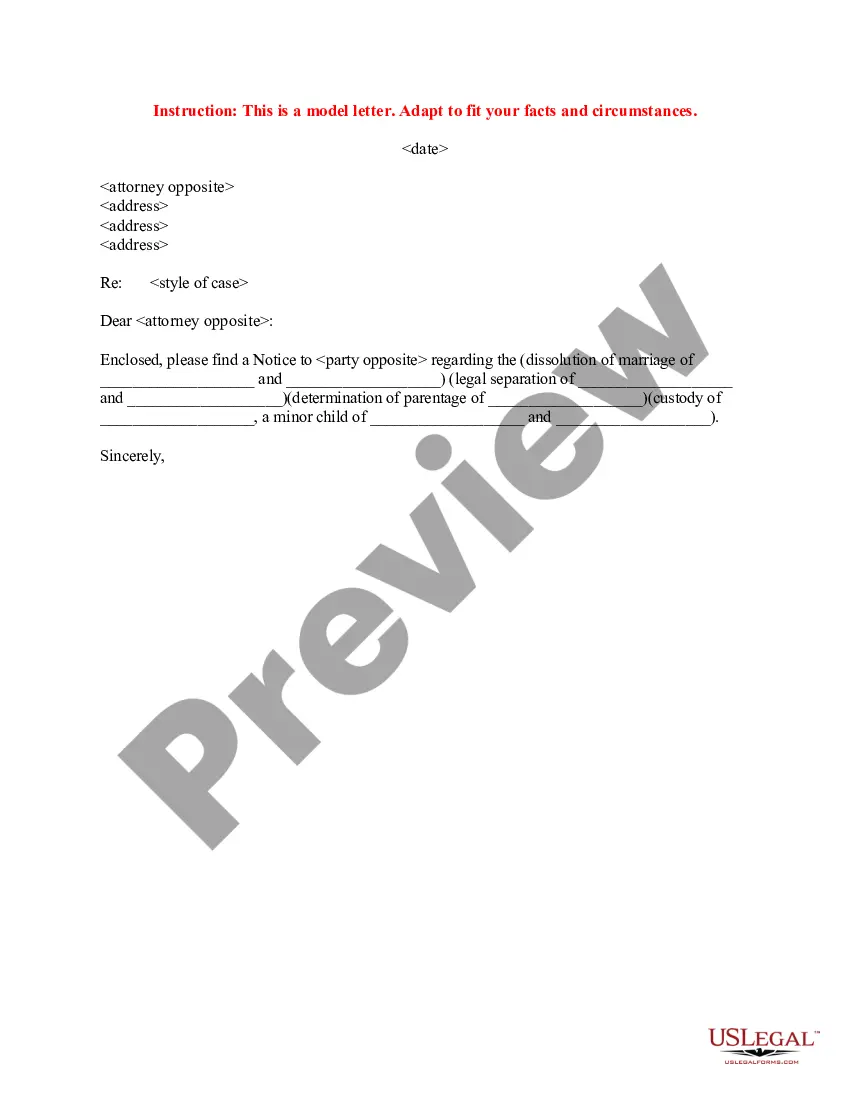
How to fill out Sample Letter To Court Clerk Regarding Filing Answer - Cover Letter?
Whether for business purposes or for individual affairs, everyone has to deal with legal situations sooner or later in their life. Completing legal paperwork requires careful attention, starting with choosing the correct form sample. For instance, if you choose a wrong version of the 28 Usc 1441 And 1446, it will be rejected when you submit it. It is therefore essential to have a dependable source of legal papers like US Legal Forms.
If you need to get a 28 Usc 1441 And 1446 sample, follow these simple steps:
- Get the template you need by using the search field or catalog navigation.
- Look through the form’s information to make sure it matches your situation, state, and county.
- Click on the form’s preview to examine it.
- If it is the wrong form, go back to the search function to find the 28 Usc 1441 And 1446 sample you require.
- Download the template when it meets your needs.
- If you already have a US Legal Forms profile, click Log in to gain access to previously saved files in My Forms.
- If you don’t have an account yet, you may download the form by clicking Buy now.
- Select the correct pricing option.
- Finish the profile registration form.
- Select your payment method: use a credit card or PayPal account.
- Select the file format you want and download the 28 Usc 1441 And 1446.
- After it is saved, you can fill out the form by using editing software or print it and complete it manually.
With a large US Legal Forms catalog at hand, you do not have to spend time seeking for the appropriate template across the internet. Utilize the library’s simple navigation to get the proper form for any situation.
Form popularity
FAQ
See 28 U.S.C. § 1332. One seemingly simple way to destroy diversity jurisdiction and curb federal power is to name a non-diverse defendant?with sometimes limited ties to the litigation?among otherwise diverse defendants, for the sole purpose of defeating a motion for removal (i.e., improper joinder).
--A defendant or defendants desiring to remove any civil action from a State court shall file in the district court of the United States for the district and division within which such action is pending a notice of removal signed pursuant to Rule 11 of the Federal Rules of Civil Procedure and containing a short and ...
(b) Any civil action of which the district courts have original jurisdiction founded on a claim or right arising under the Constitution, treaties or laws of the United States shall be removable without regard to the citizenship or residence of the parties.
In order to remove a case to federal court, the federal court must have subject matter jurisdiction over the matter. If there is no federal jurisdiction, the case cannot be removed. Generally speaking, a case can be removed to federal court if it could have been filed in federal court by the plaintiff.
Federal courts tend to have more experience with certain types of lawsuits, so removal could mean that the case makes it through the court more efficiently. Rules of procedure and caselaw are often more consistent in federal court.