Sample Of Explanation Letter For Being Late For Work
Description
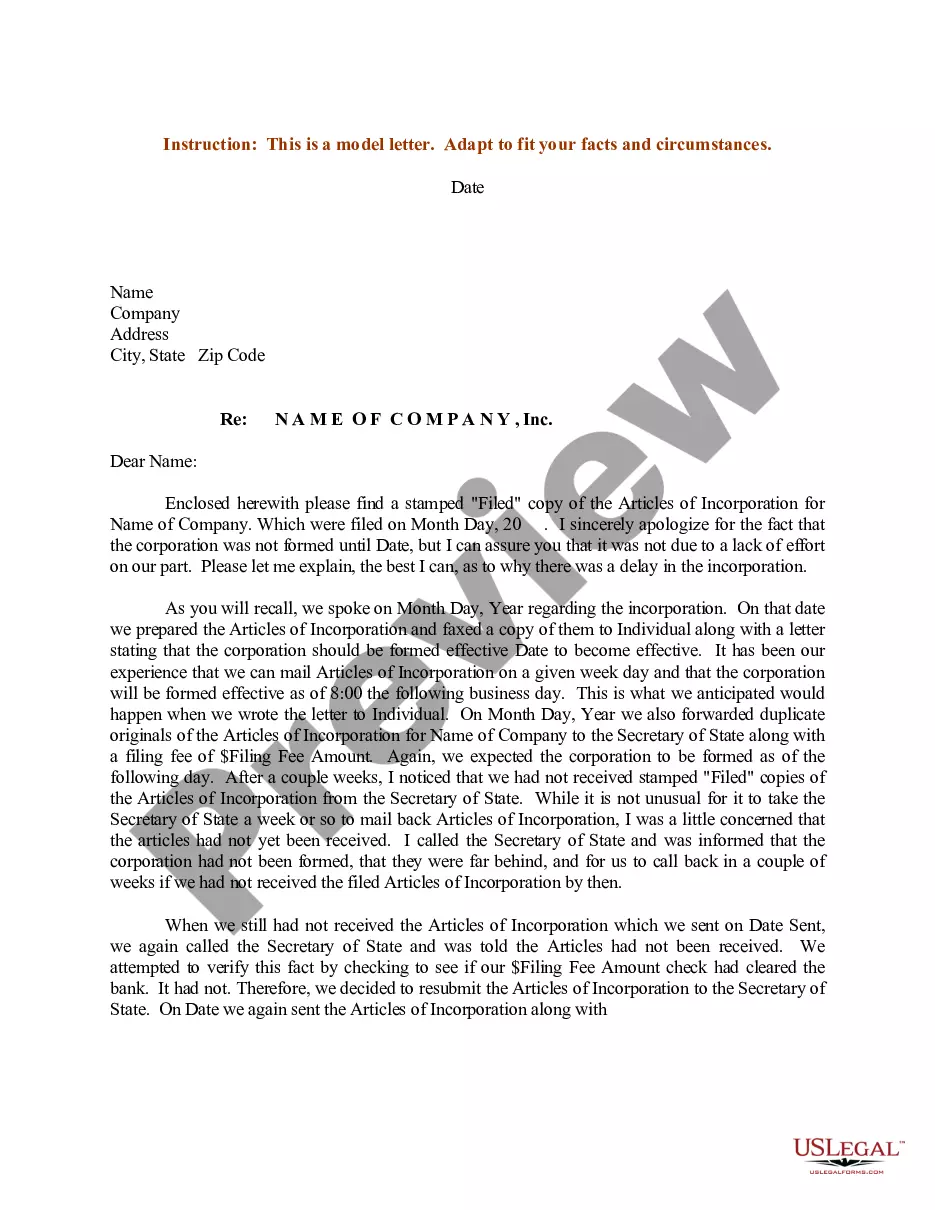
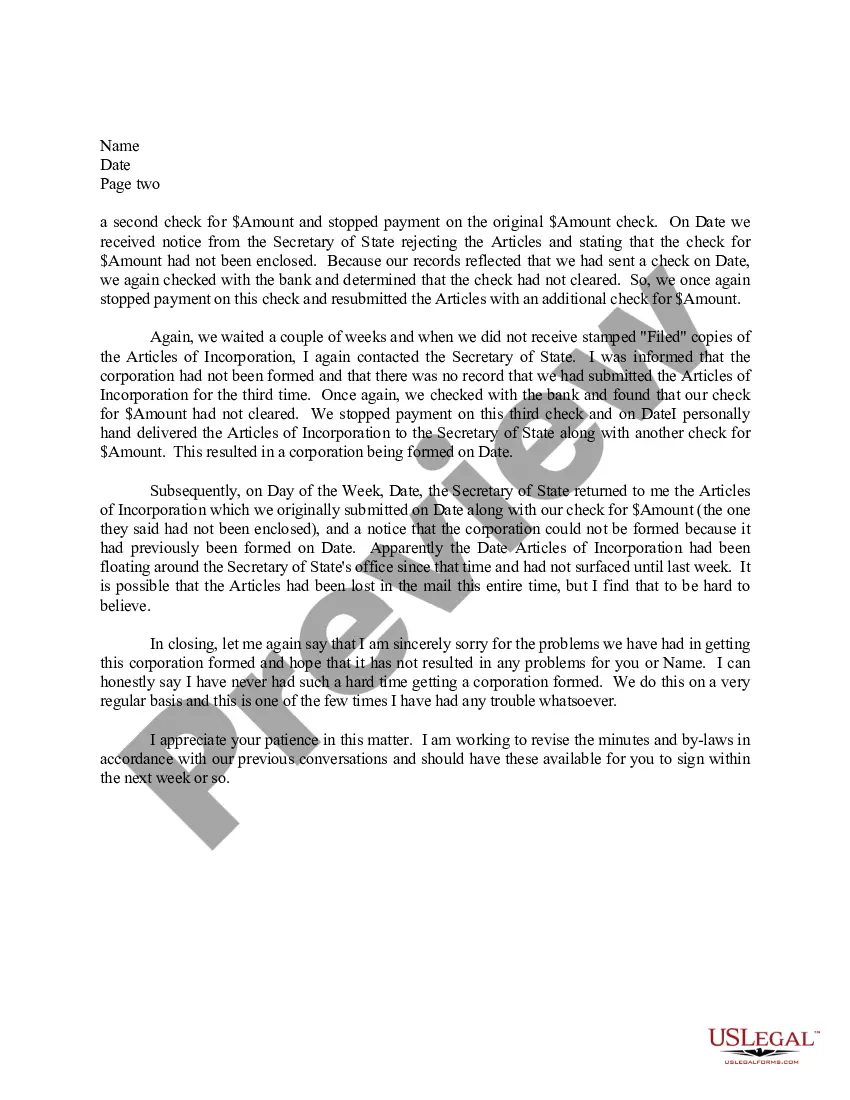
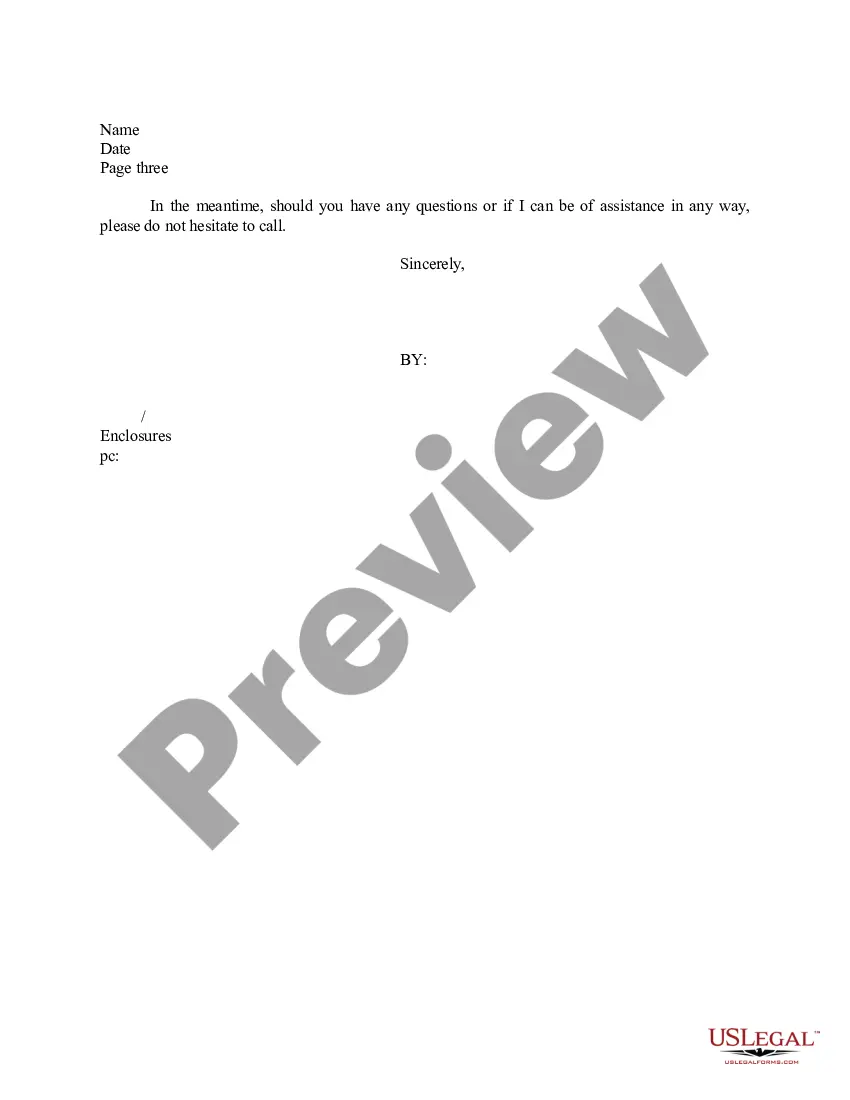
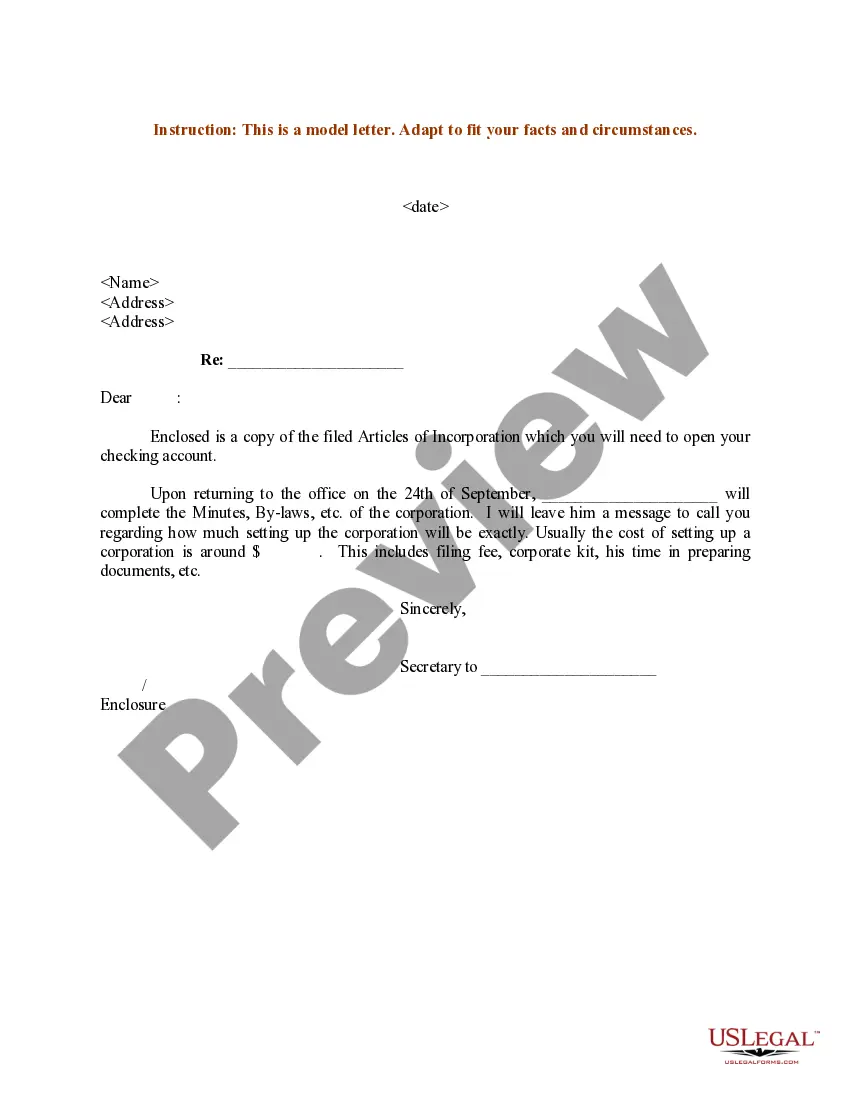
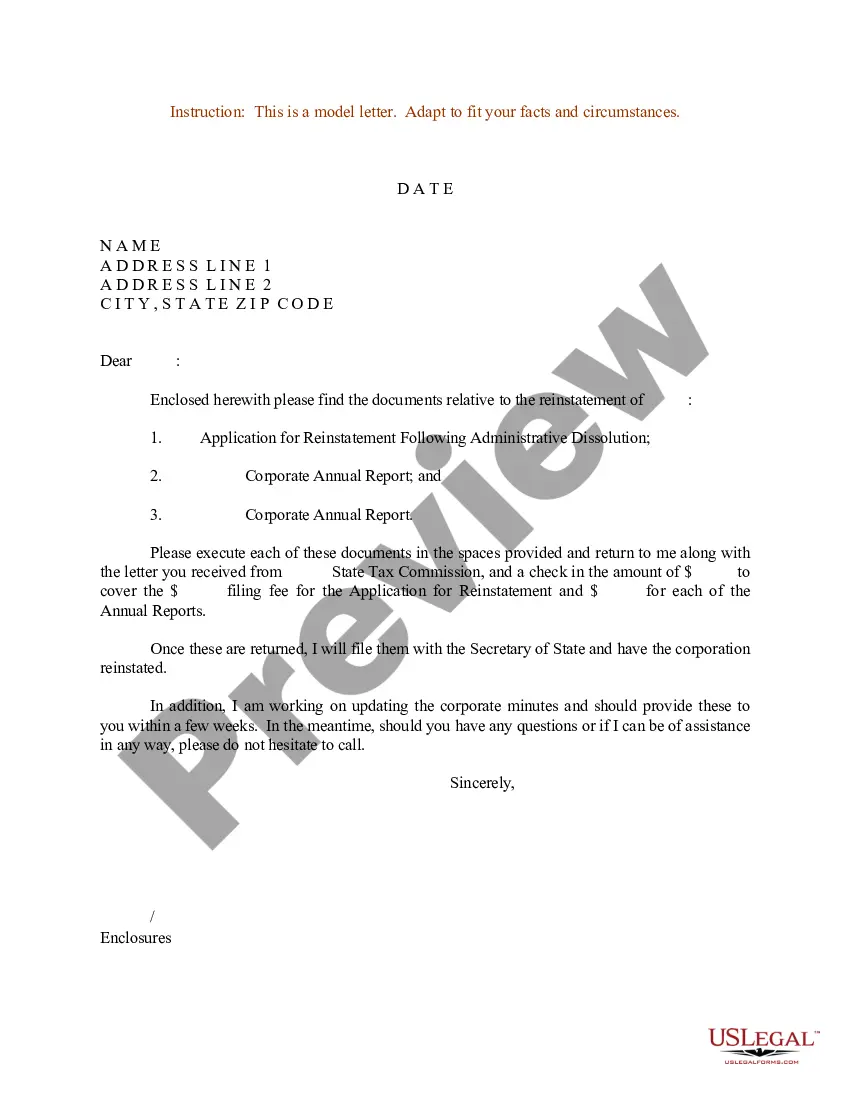
Get your form ready online
Our built-in tools help you complete, sign, share, and store your documents in one place.
Make edits, fill in missing information, and update formatting in US Legal Forms—just like you would in MS Word.
Download a copy, print it, send it by email, or mail it via USPS—whatever works best for your next step.
Sign and collect signatures with our SignNow integration. Send to multiple recipients, set reminders, and more. Go Premium to unlock E-Sign.
If this form requires notarization, complete it online through a secure video call—no need to meet a notary in person or wait for an appointment.
We protect your documents and personal data by following strict security and privacy standards.

Make edits, fill in missing information, and update formatting in US Legal Forms—just like you would in MS Word.

Download a copy, print it, send it by email, or mail it via USPS—whatever works best for your next step.

Sign and collect signatures with our SignNow integration. Send to multiple recipients, set reminders, and more. Go Premium to unlock E-Sign.

If this form requires notarization, complete it online through a secure video call—no need to meet a notary in person or wait for an appointment.

We protect your documents and personal data by following strict security and privacy standards.
Looking for another form?
How to fill out Sample Letter For Explanation As To Tardiness Of Corporation Formation?
Whether for commercial reasons or personal matters, everyone must deal with legal issues at some point in their life.
Completing legal documents requires meticulous attention, starting from selecting the appropriate form template.
Once it is saved, you can fill out the form using editing software or print it and complete it manually. With a vast US Legal Forms catalog available, you never need to waste time searching for the right template online. Utilize the library’s straightforward navigation to locate the appropriate template for any scenario.
- Locate the template you require by utilizing the search bar or catalog navigation.
- Review the form’s description to ensure it aligns with your circumstances, state, and county.
- Click on the form’s preview to examine it.
- If it’s the wrong document, return to the search function to find the Sample Of Explanation Letter For Being Late For Work sample you need.
- Download the file if it satisfies your needs.
- If you possess a US Legal Forms account, click Log in to access previously saved templates in My documents.
- If you do not have an account yet, you can acquire the form by clicking Buy now.
- Select the suitable pricing option.
- Complete the account registration form.
- Choose your payment method: you can use a credit card or PayPal account.
- Select the document format you desire and download the Sample Of Explanation Letter For Being Late For Work.
Form popularity
FAQ
Writing a write-up for tardiness involves outlining the facts surrounding the incident, including dates and details. Ensure that you cover the repeated nature of tardiness if applicable, and recommend corrective actions to avoid future occurrences. To simplify this process, refer to a sample of an explanation letter for being late for work, as it can help you structure your write-up effectively.
Nearly any adult can be a witness. If you name a health care agent, though, that person may not be a witness. Also, one of the witnesses must be a person who would not financially benefit by your death or handle your estate. You do not need to have the form notarized.
?An advance directive allows you to decide who you want to make health care decisions for you if you are unable to do so yourself. You can also use it to say what kinds of treatments you do or don't want, especially the treatments often used in a medical emergency or near the end of a person's life. Health Care Agent.
Under state law, living wills function a little differently from the wills we normally think of. Instead of bequeathing a person's property and possessions, a living will is a legally binding document that can state a person's medical treatment preferences, should they become unable to do so.
The most common types of advance directives are the living will and the durable power of attorney for health care (sometimes known as the medical power of attorney). There are many advance directive formats.
The form as a whole is called ?Maryland Advance Directive: Planning for Future Health Care Decisions.? It has three parts to it: Part I, Selection of Health Care Agent; Part II, Treatment Preferences (?Living Will?); and Part III, Signature and Witnesses.
In Maryland, a valid will must be (1) in writing, (2) signed, and (3) attested and signed by two credible witnesses. It may be handwritten or typed and any two adults can be witnesses. A will does not require a notary, though a notary can be a witness. Electronic, oral, and video wills are not valid in Maryland.
Advance directives (like a health care proxy and living will) document future care preference and are difficult to interpret in an emergency. Advance directives are for everyone 18 years of age and older. MOLST is a set of medical orders that defines life-sustaining treatment the patient wants to receive or avoid now.
In Maryland, the average cost for a will typically ranges from $200 to $600, depending on the attorney's fees and the complexity of the will. The average cost for a trust in Maryland can range from $1,000 to $3,000 or more, depending on the type of trust, attorney's fees, and the complexity of the trust's provisions.