Samples Of Church Constitutions
Description
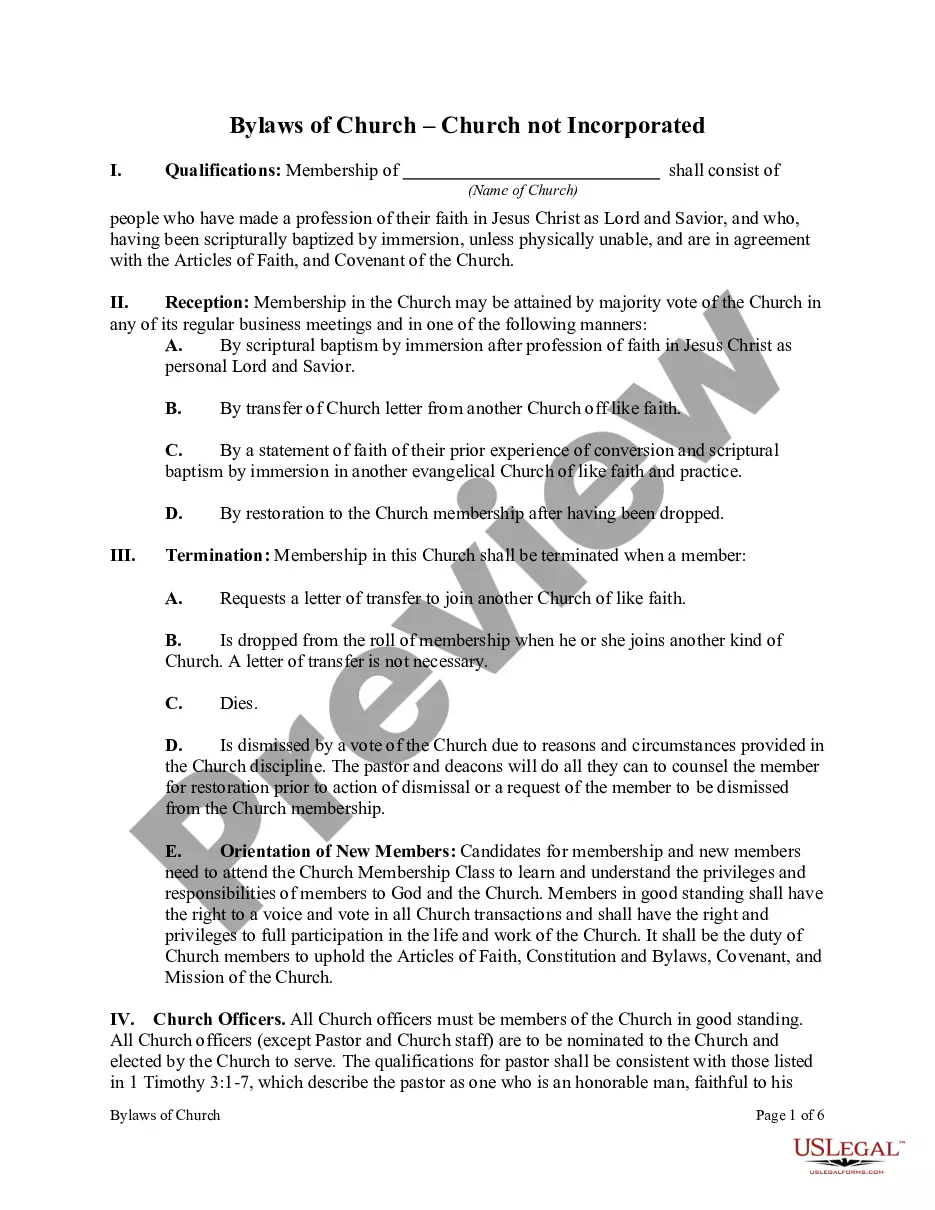
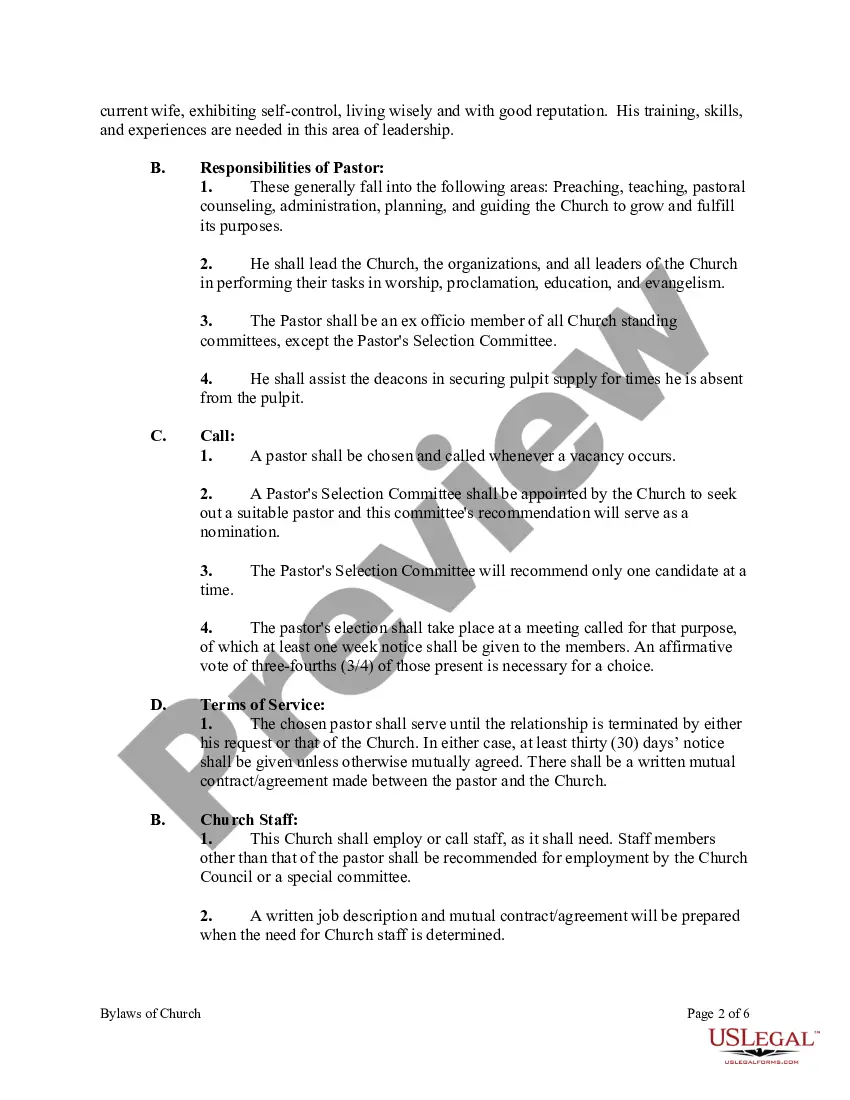
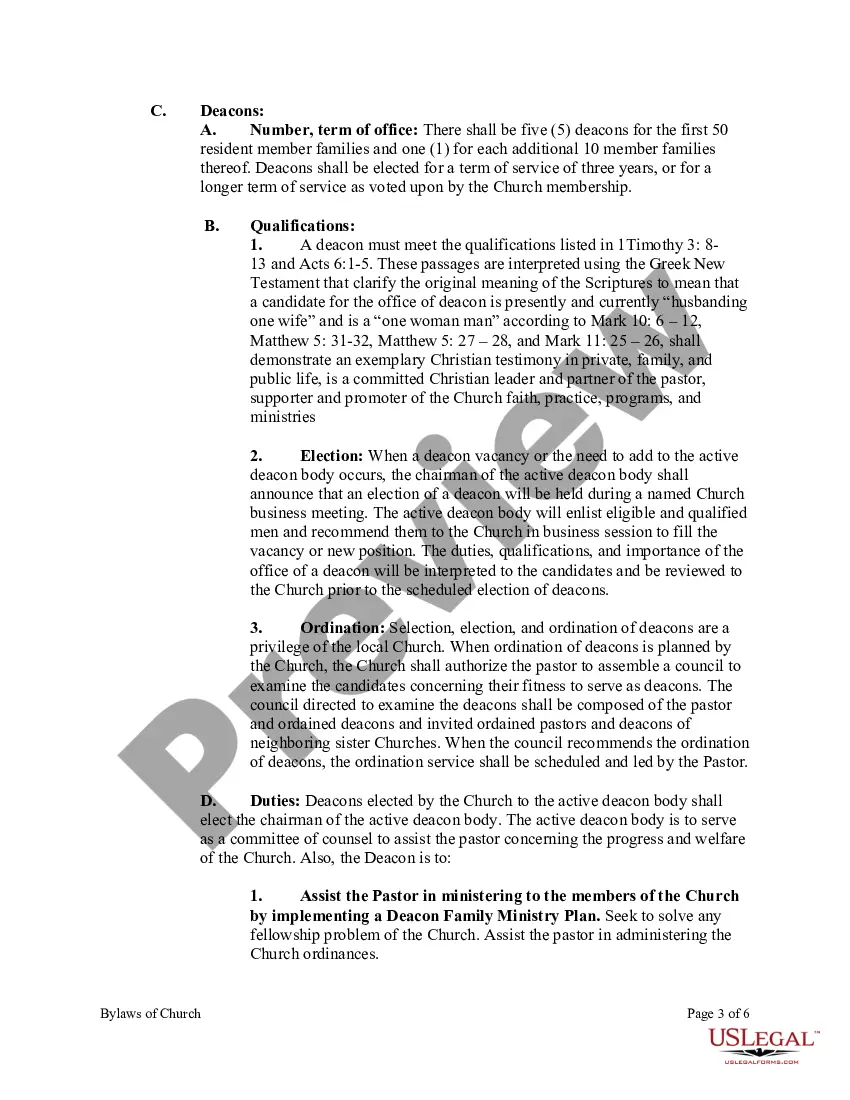
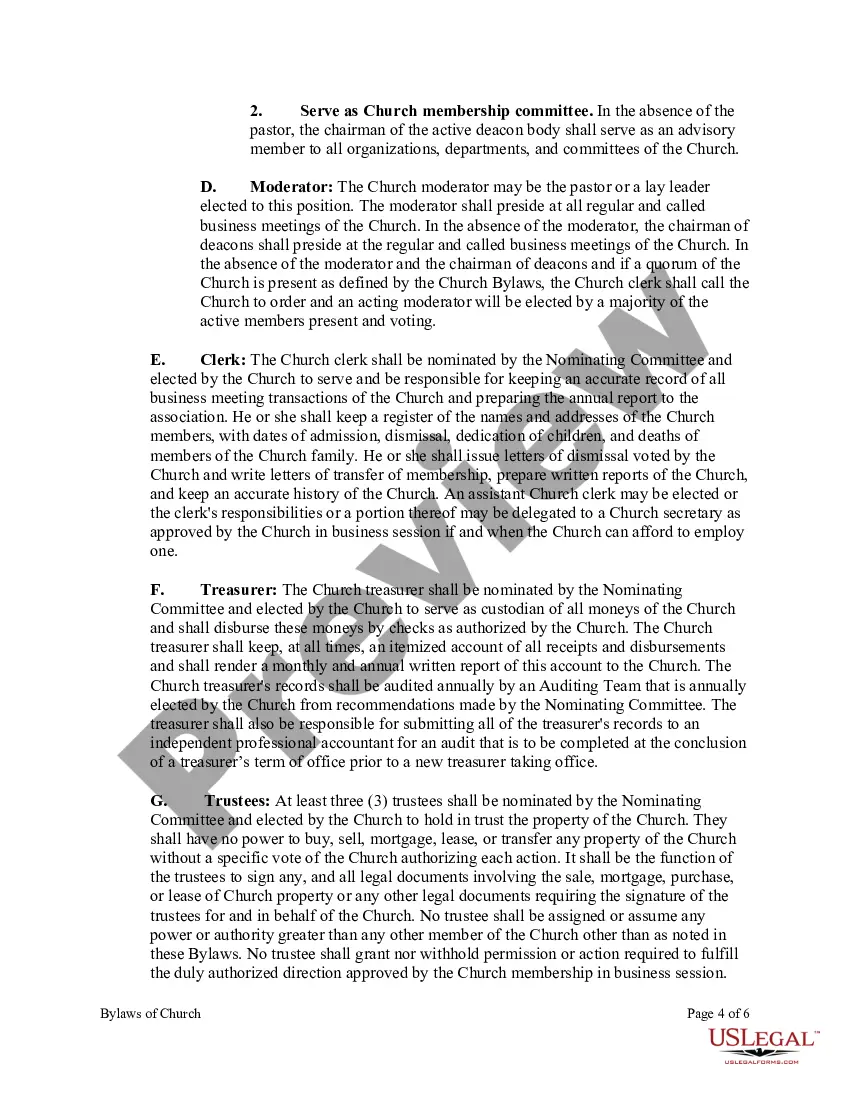
Get your form ready online
Our built-in tools help you complete, sign, share, and store your documents in one place.
Make edits, fill in missing information, and update formatting in US Legal Forms—just like you would in MS Word.
Download a copy, print it, send it by email, or mail it via USPS—whatever works best for your next step.
Sign and collect signatures with our SignNow integration. Send to multiple recipients, set reminders, and more. Go Premium to unlock E-Sign.
If this form requires notarization, complete it online through a secure video call—no need to meet a notary in person or wait for an appointment.
We protect your documents and personal data by following strict security and privacy standards.

Make edits, fill in missing information, and update formatting in US Legal Forms—just like you would in MS Word.

Download a copy, print it, send it by email, or mail it via USPS—whatever works best for your next step.

Sign and collect signatures with our SignNow integration. Send to multiple recipients, set reminders, and more. Go Premium to unlock E-Sign.

If this form requires notarization, complete it online through a secure video call—no need to meet a notary in person or wait for an appointment.

We protect your documents and personal data by following strict security and privacy standards.
Looking for another form?


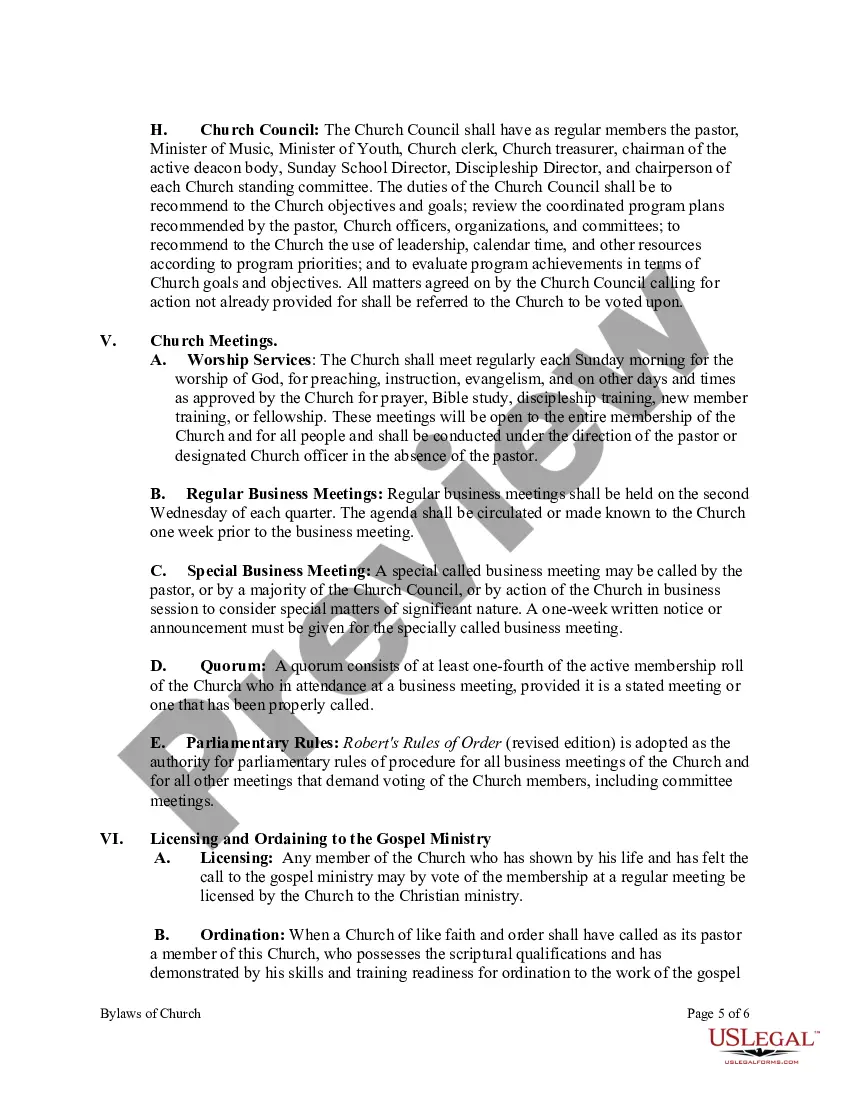
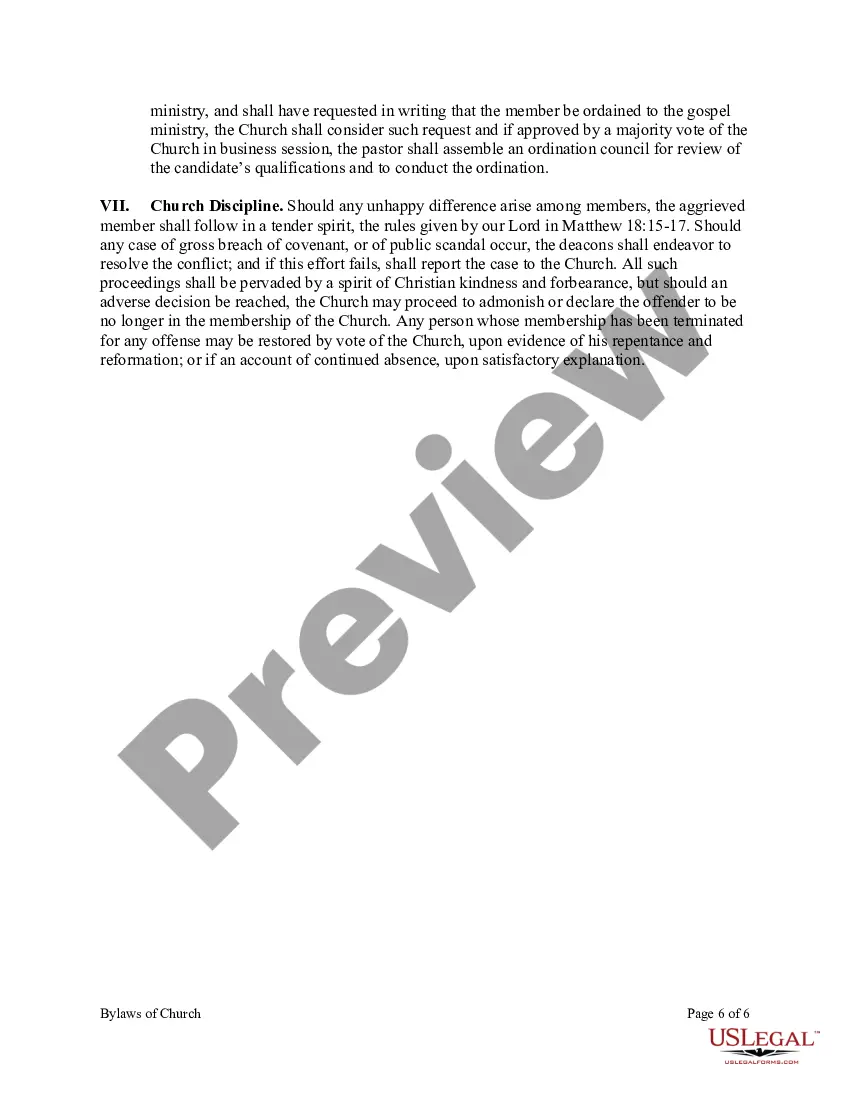
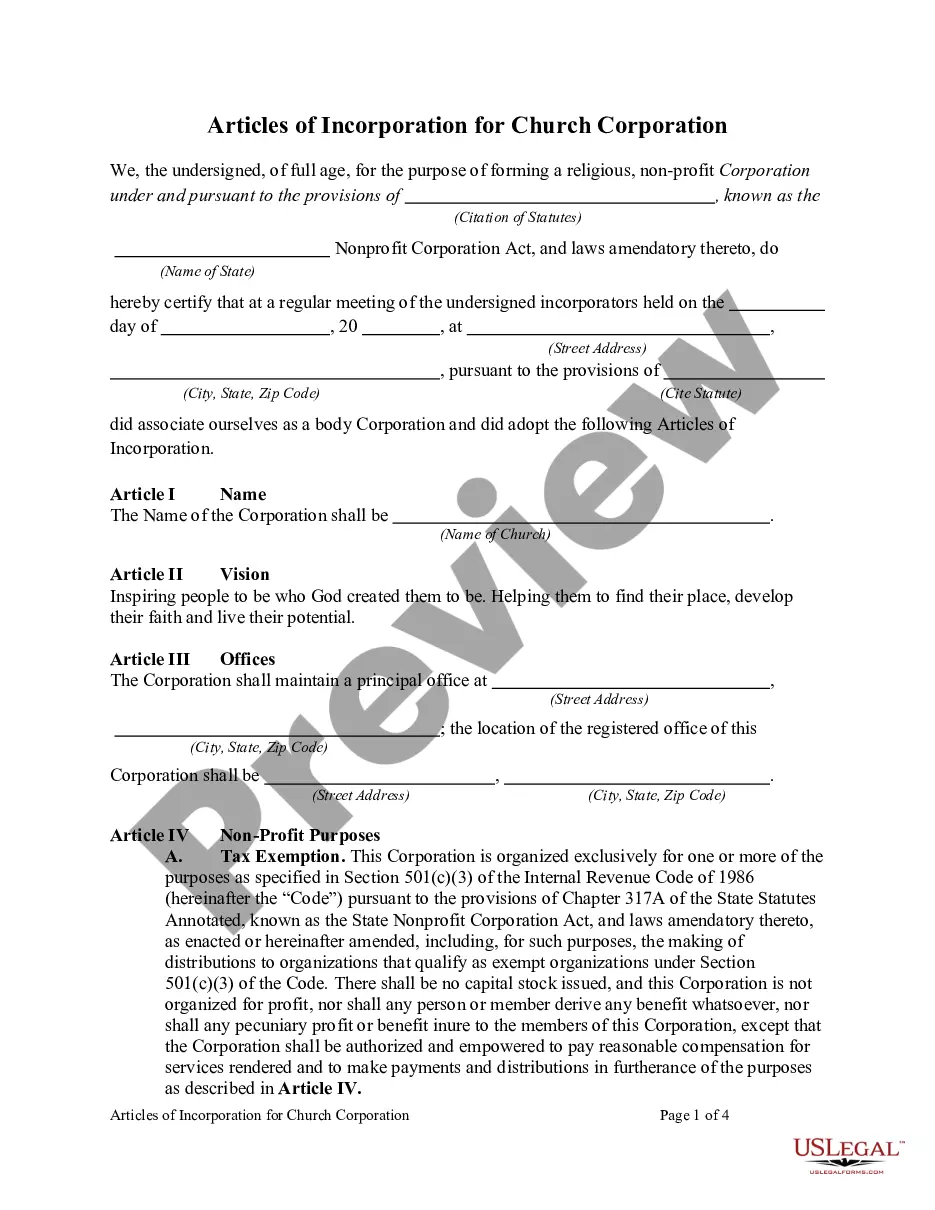
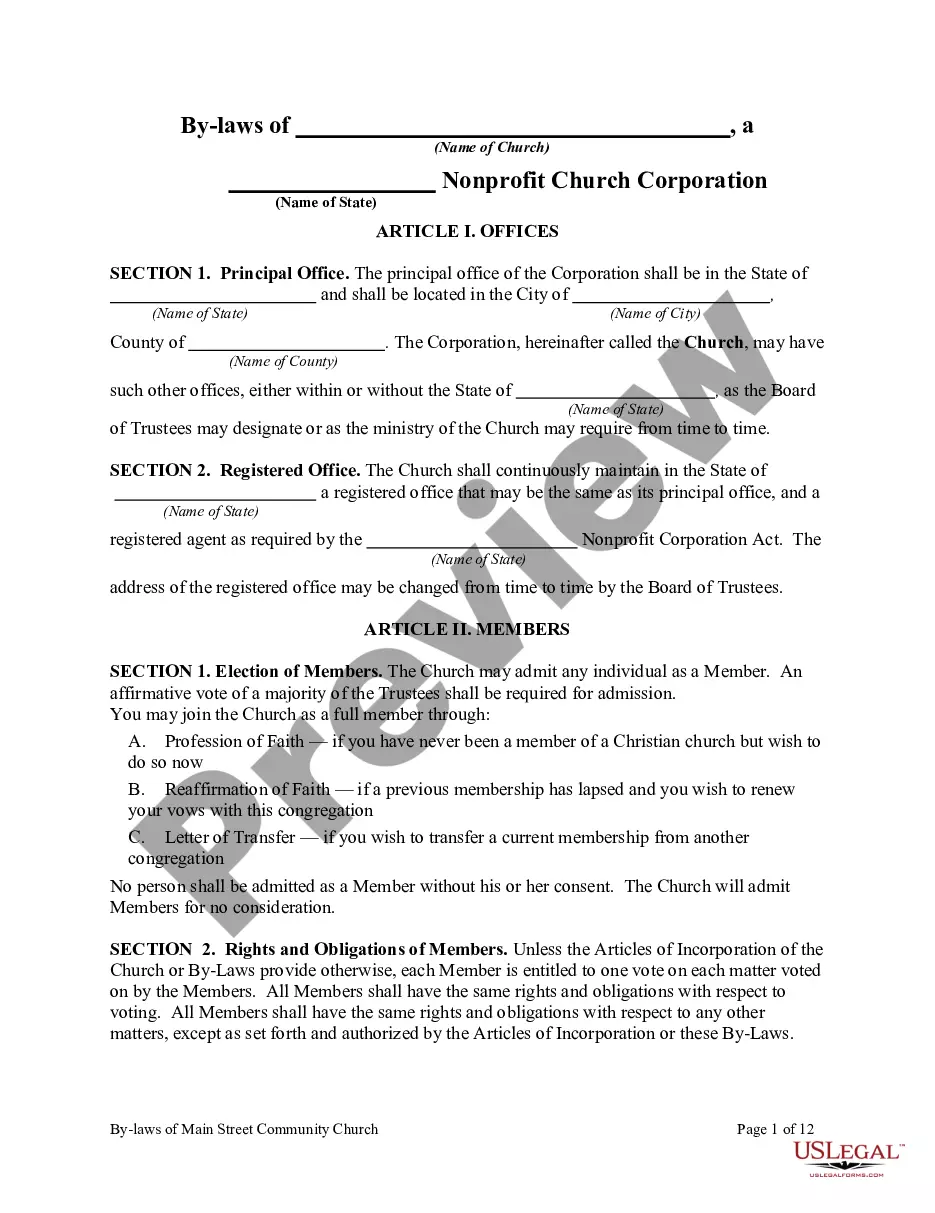
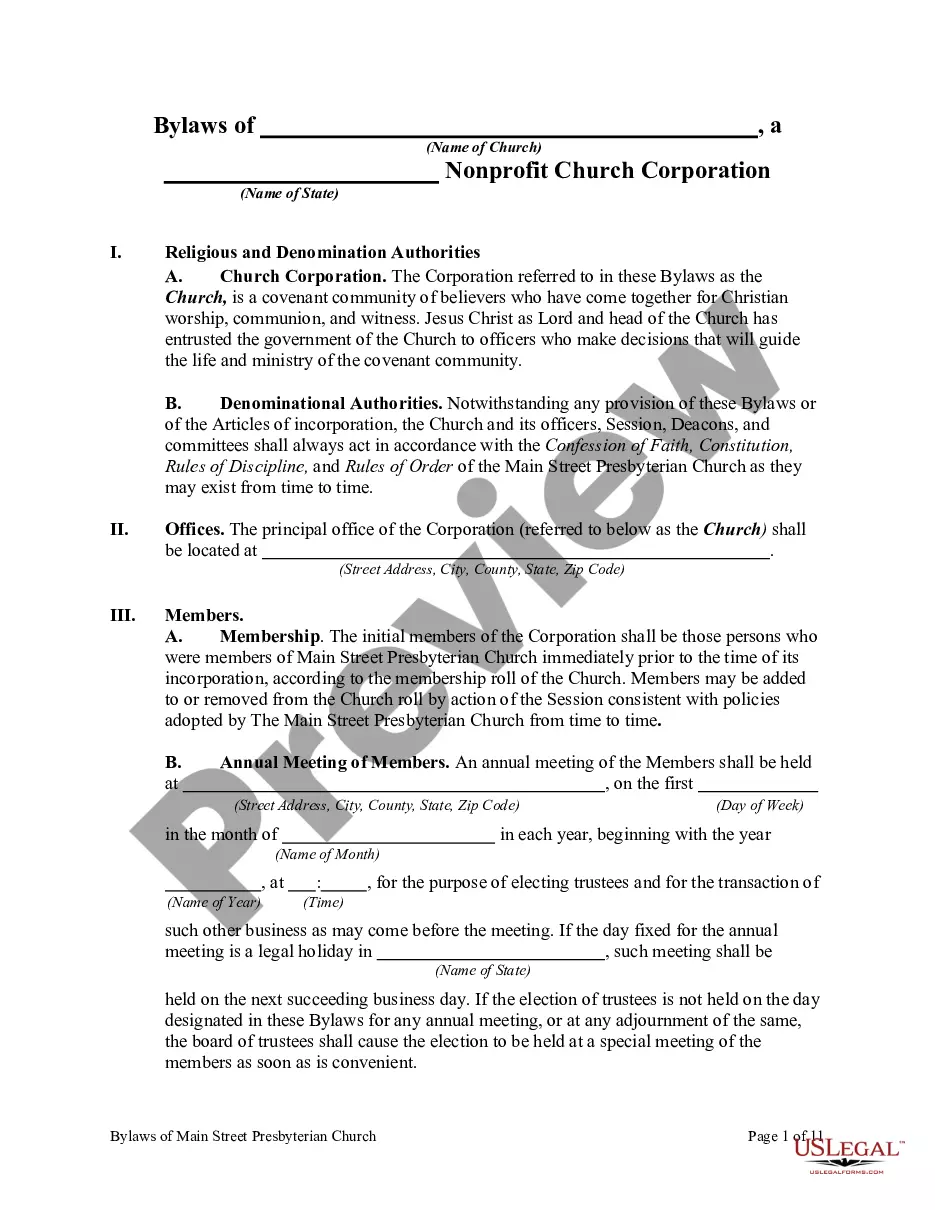
How to fill out Bylaws Of Church - Church Not Incorporated?
- Visit the US Legal Forms website and log in to your existing account. If you haven't registered yet, create a new account.
- Search for 'Samples of church constitutions' in the search bar. Review the form descriptions to select the most appropriate document for your needs.
- If you don't find a suitable form, use the Search function to browse other templates until you find the right one.
- Once you've selected your document, click the 'Buy Now' button and choose a subscription plan that fits your requirements.
- Complete your purchase by entering your payment details or using PayPal.
- After your payment is processed, download the form to your device from the 'My Forms' section for easy future access.
In conclusion, US Legal Forms provides a robust collection of legal documents, including samples of church constitutions, to help you easily create legally sound agreements. Their extensive library and user-friendly interface make it simpler than ever to find the right forms for your needs.
Start your journey to establish a well-defined church constitution today by visiting US Legal Forms for more information!
Form popularity
FAQ
Church bylaws and the constitution are not the same, though they are related. The constitution outlines the overall vision and structure, while bylaws specify operational procedures. Understanding this distinction is important, and reviewing samples of church constitutions can help highlight these differences effectively.
Yes, bylaws are legally binding as they create an agreement between the church and its members. They establish a clear set of rules, which can be referenced in legal matters if disputes arise. It’s wise to look at samples of church constitutions to ensure that your bylaws are both clear and enforceable.
Church bylaws are generally binding for the church members and leadership, serving as a guideline for how the church operates. They define rights and responsibilities, and failure to adhere to them can lead to disputes. Utilizing examples of well-crafted church constitutions can enhance the binding nature of your bylaws.
If a church fails to follow its bylaws, it risks internal conflicts and legal disputes. Members might challenge decisions made outside of the established rules, leading to a loss of trust. Maintaining adherence to bylaws is vital for operational integrity, so using clear samples of church constitutions can help ensure compliance.
A church constitution sets forth the foundational principles, beliefs, and organizational structure of the church. Bylaws, on the other hand, provide specific rules and procedures for day-to-day operations. Both are essential for effective governance, and reviewing samples of church constitutions can help clarify how each document functions.
Amending a church constitution typically involves following the procedure outlined within the existing document itself. Generally, this may require a vote from the church members or congregation. It is crucial to ensure that any amendments still align with applicable laws and regulations, and you can find helpful samples of church constitutions for guidance.
Yes, church bylaws serve as a legal document outlining the rules for how a church operates. They provide a framework for governance and decision-making, which can be important in legal settings. Properly structured church constitutions should include bylaws to ensure clarity and legal compliance.
Writing bylaws for a new church begins with understanding the specific needs and goals of your congregation. Start by outlining the key sections, such as membership, governance, and meeting procedures. Reviewing samples of church constitutions can offer great insights into common bylaws structure. Utilizing platforms like US Legal Forms can help you access templates tailored to your needs, making the process more straightforward and efficient.
The easiest way to amend your Constitution is to follow the procedures already detailed within the document. This usually involves presenting the amendment to the congregation, followed by a voting process. Reviewing samples of church constitutions can provide clarity and insight into effective amendment strategies. Remember, clear communication with members throughout this process fosters understanding and unity.
To change your church Constitution, you typically need to follow the procedures outlined within your current document. Most constitutions require a specific voting process by members, which may include a percentage of approval. It's essential to reference samples of church constitutions to understand common practices. Consulting legal resources or templates can also help you navigate the changes smoothly.