Churches By Laws With The Law
Description
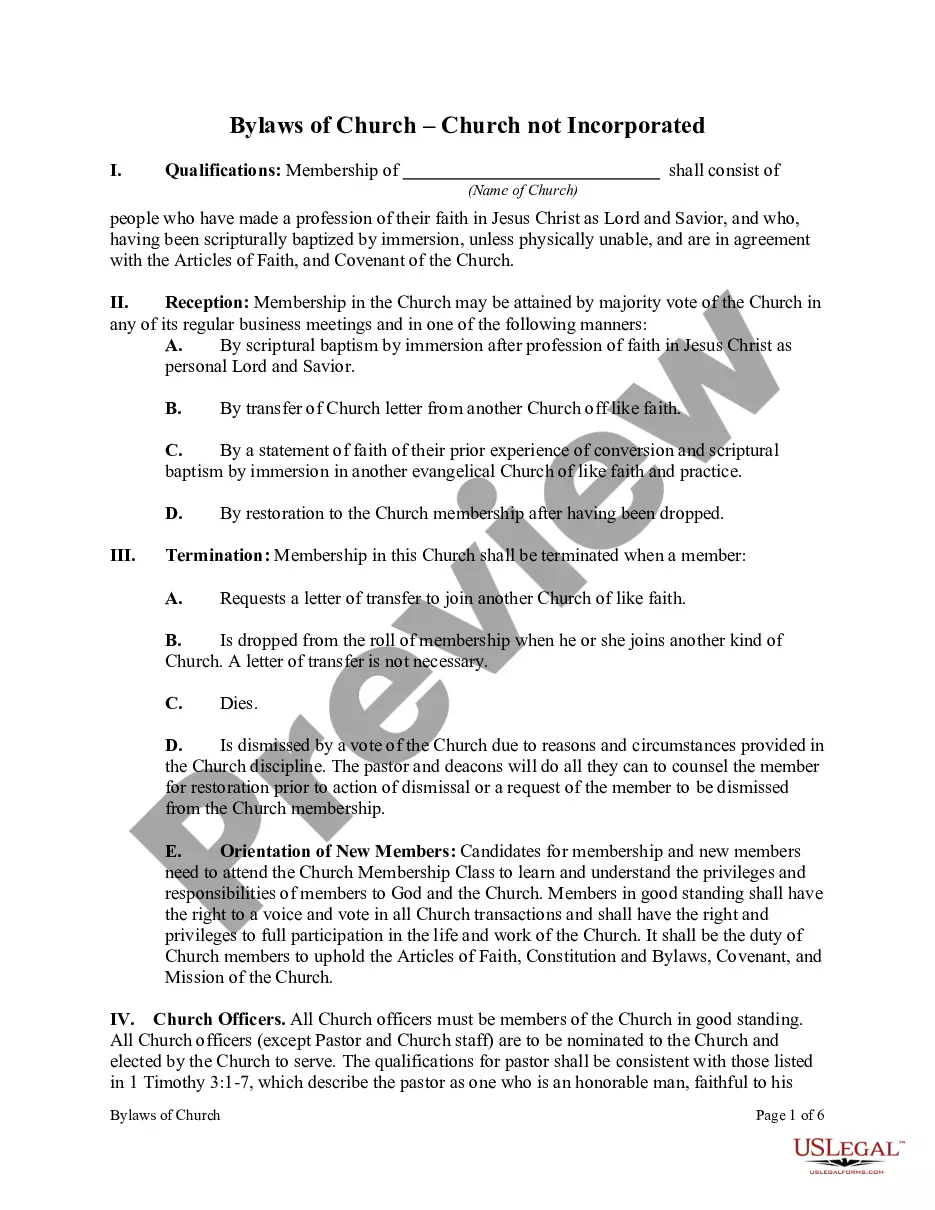
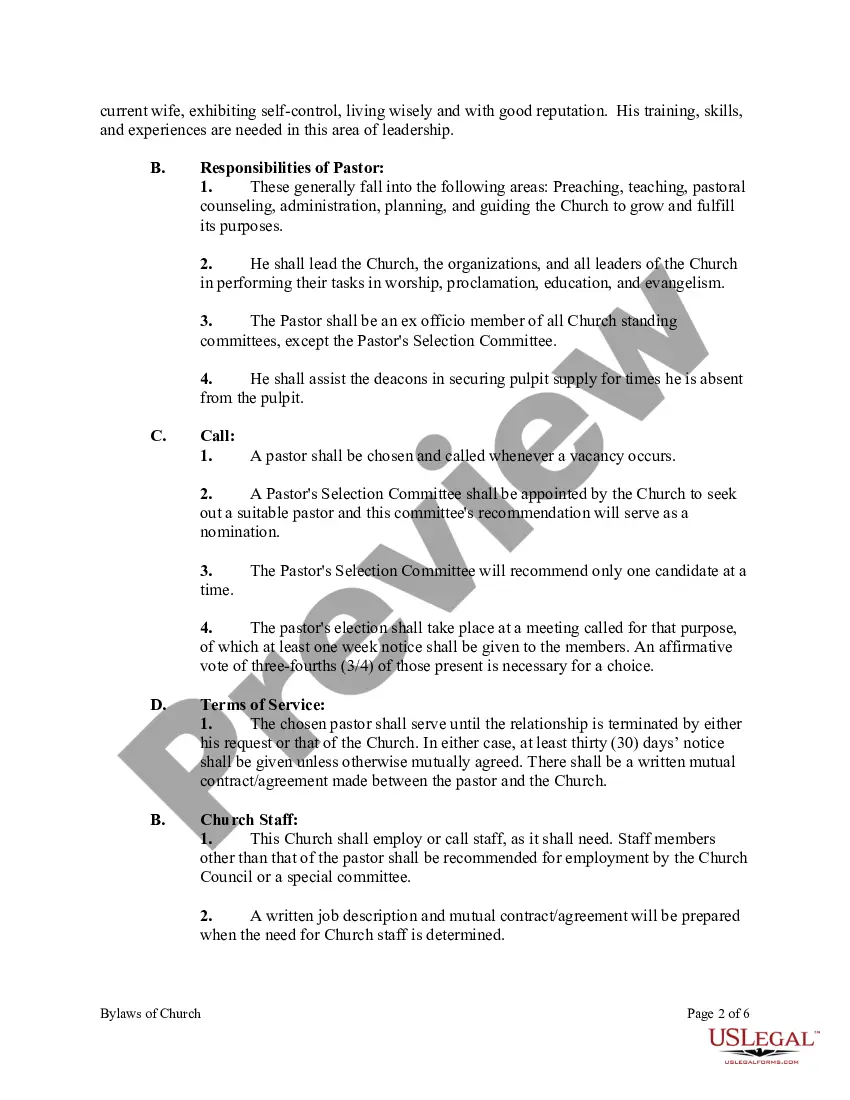
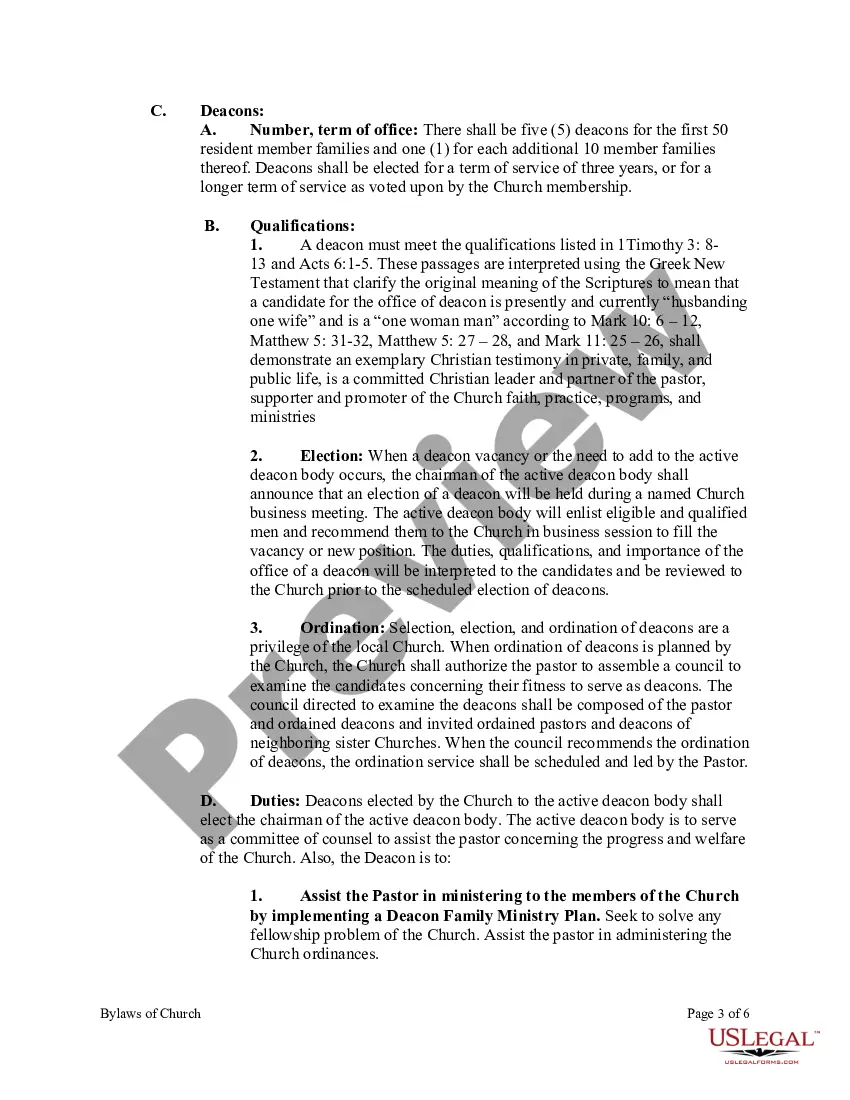
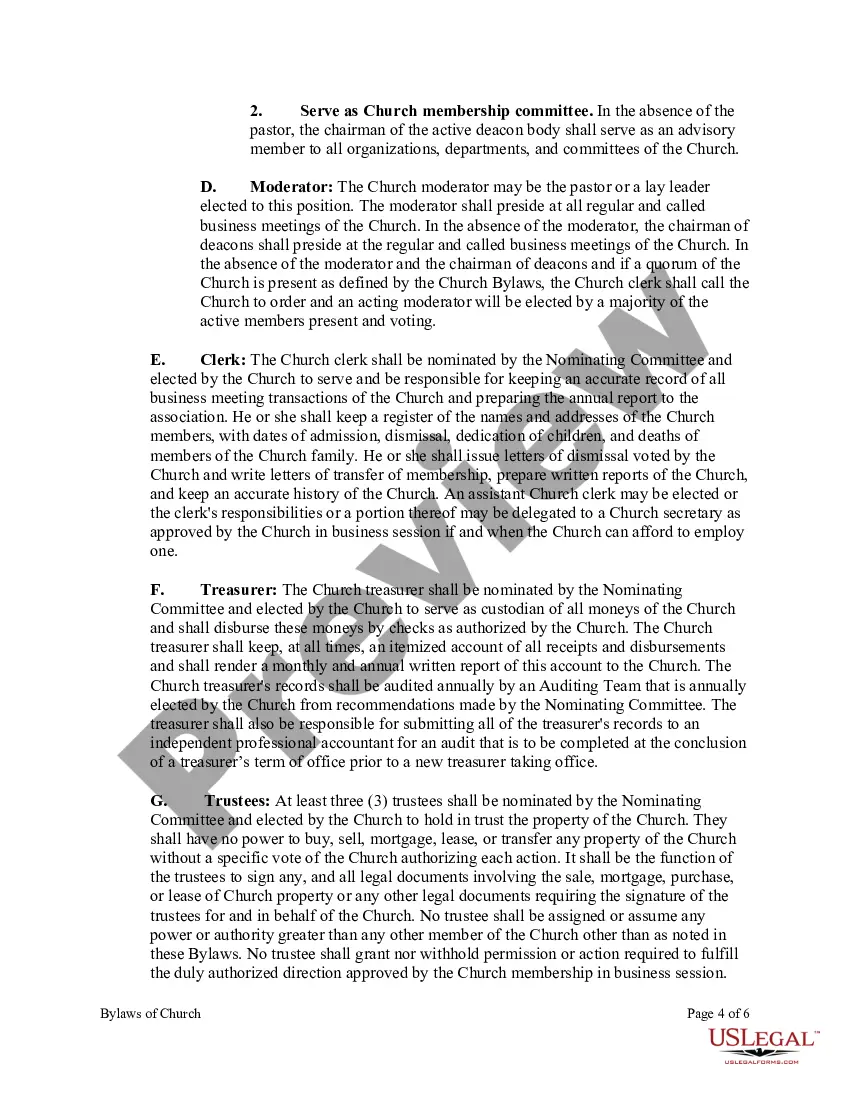
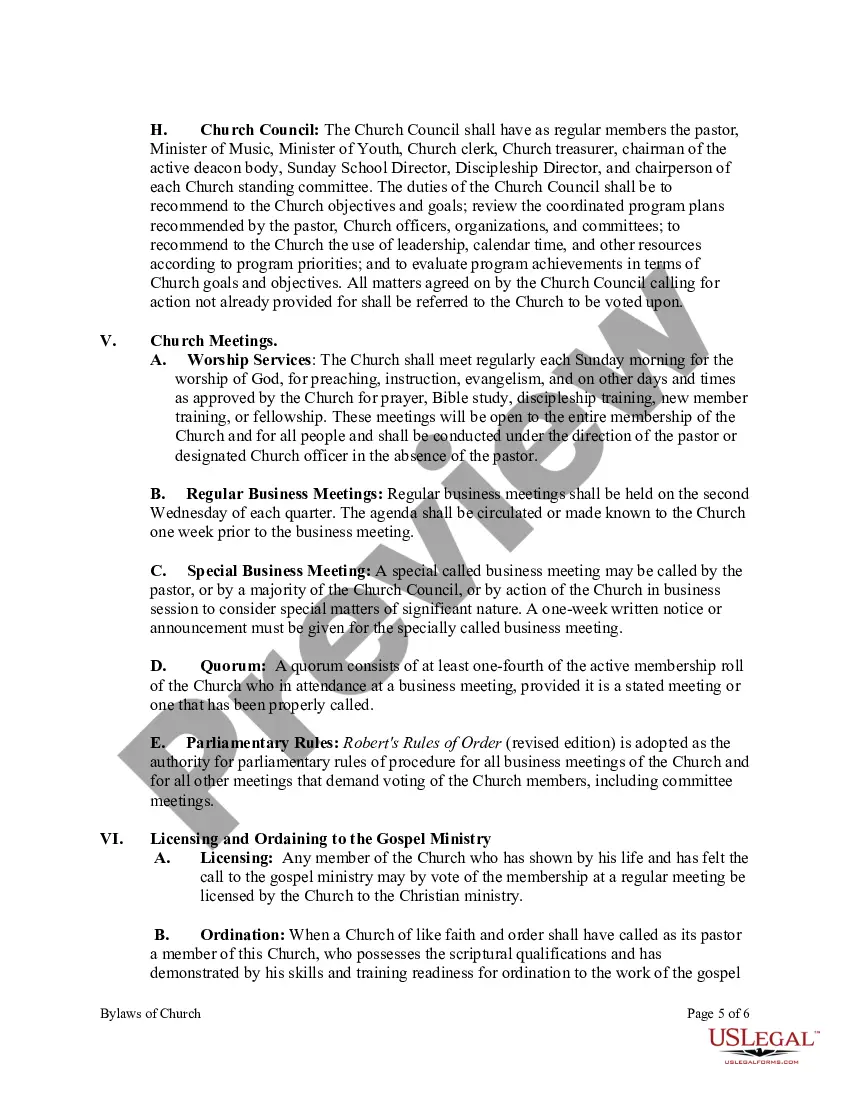
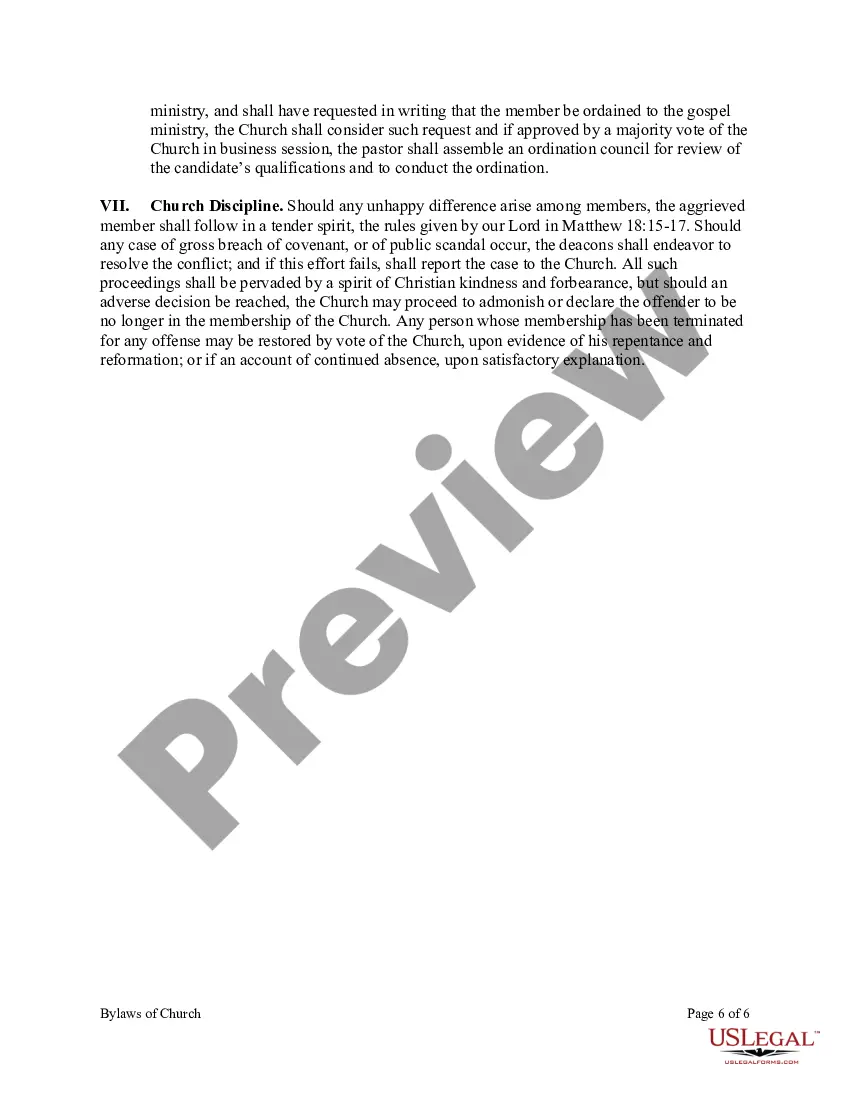
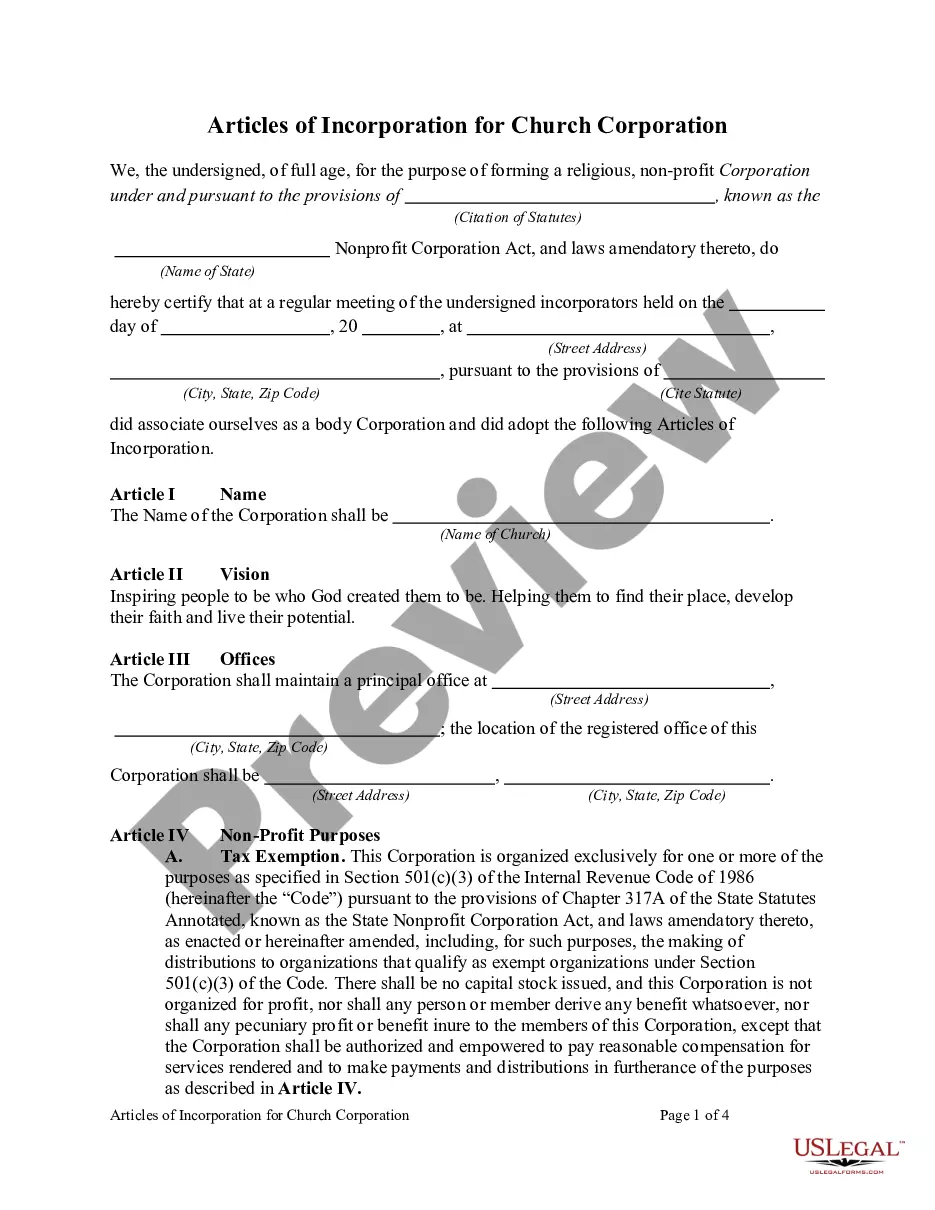
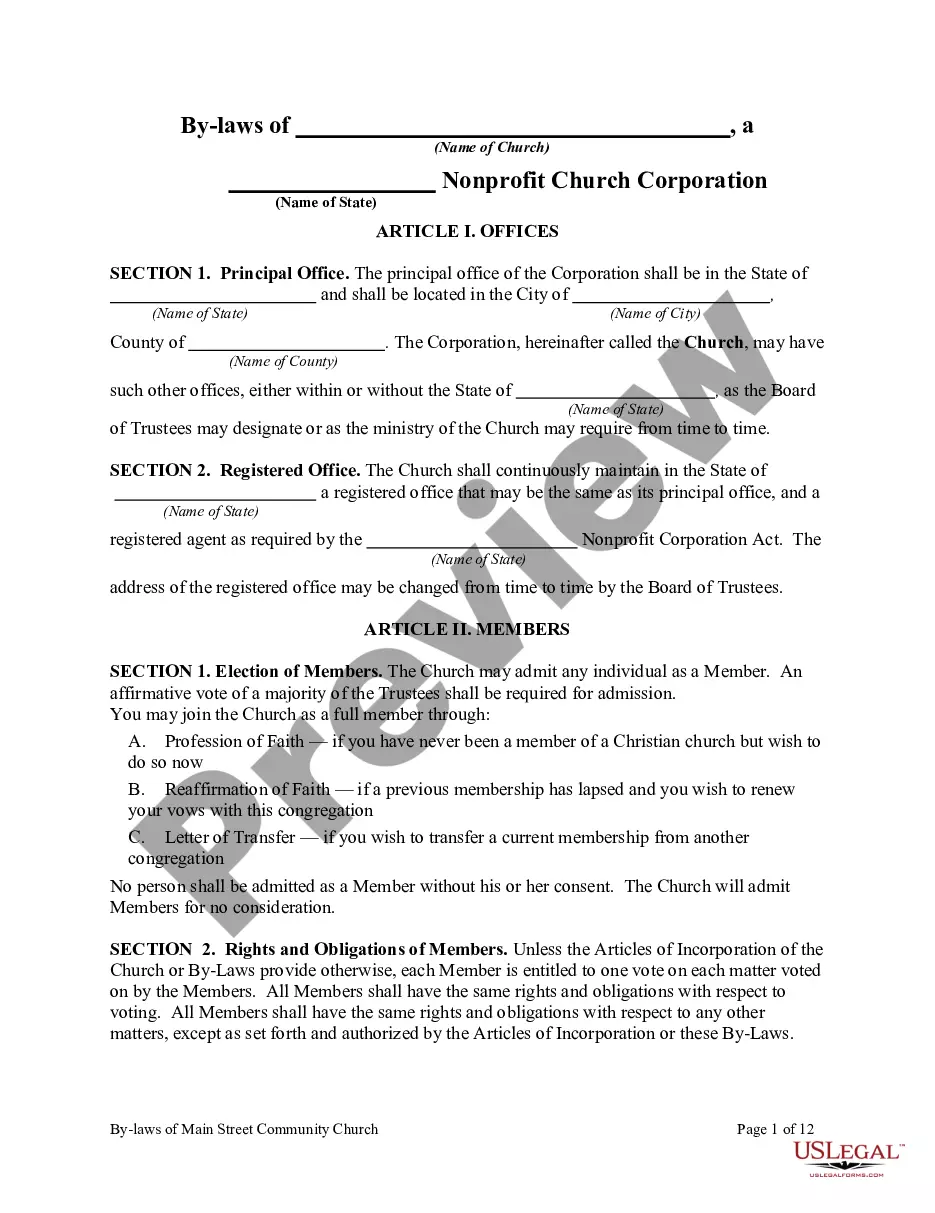
Get your form ready online
Our built-in tools help you complete, sign, share, and store your documents in one place.
Make edits, fill in missing information, and update formatting in US Legal Forms—just like you would in MS Word.
Download a copy, print it, send it by email, or mail it via USPS—whatever works best for your next step.
Sign and collect signatures with our SignNow integration. Send to multiple recipients, set reminders, and more. Go Premium to unlock E-Sign.
If this form requires notarization, complete it online through a secure video call—no need to meet a notary in person or wait for an appointment.
We protect your documents and personal data by following strict security and privacy standards.

Make edits, fill in missing information, and update formatting in US Legal Forms—just like you would in MS Word.

Download a copy, print it, send it by email, or mail it via USPS—whatever works best for your next step.

Sign and collect signatures with our SignNow integration. Send to multiple recipients, set reminders, and more. Go Premium to unlock E-Sign.

If this form requires notarization, complete it online through a secure video call—no need to meet a notary in person or wait for an appointment.

We protect your documents and personal data by following strict security and privacy standards.
Looking for another form?
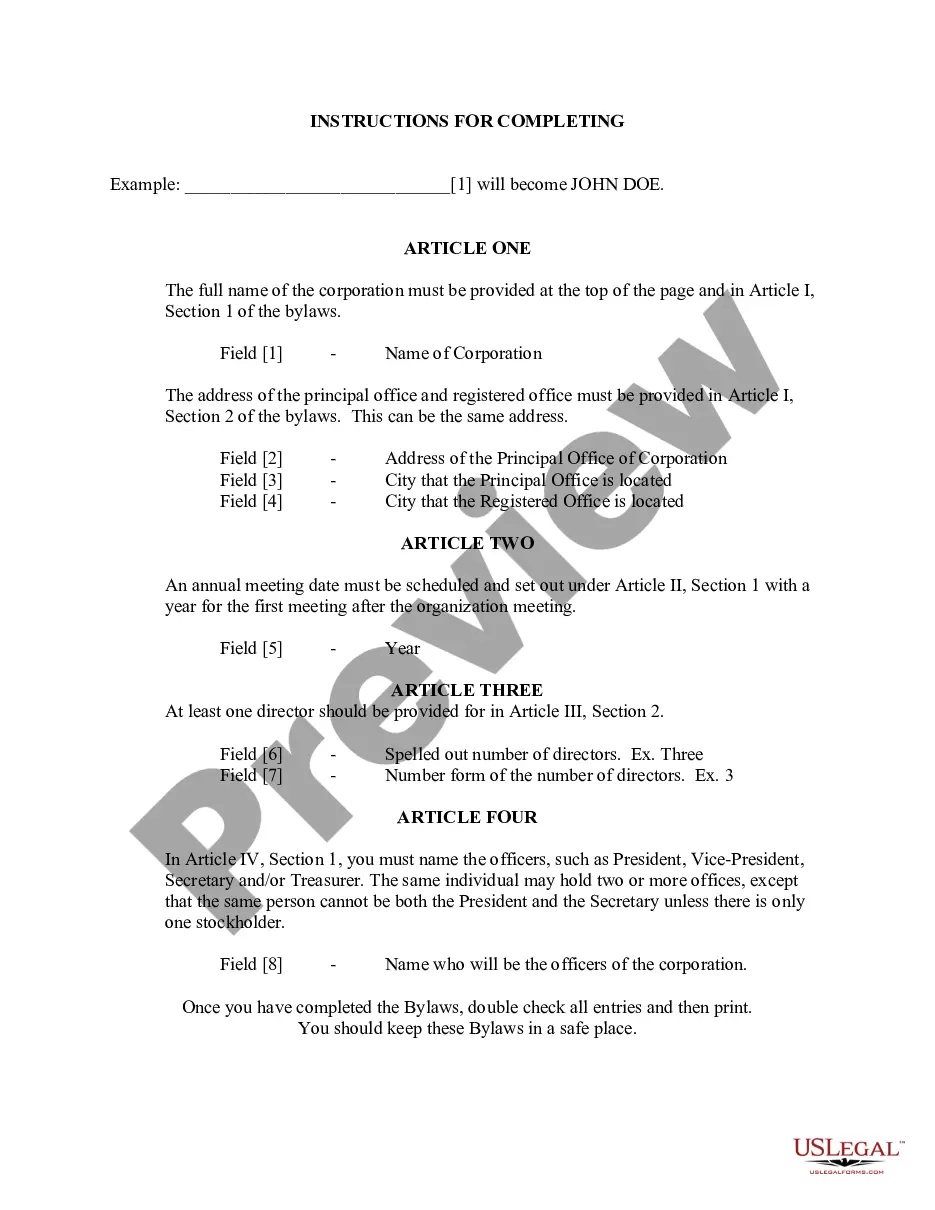

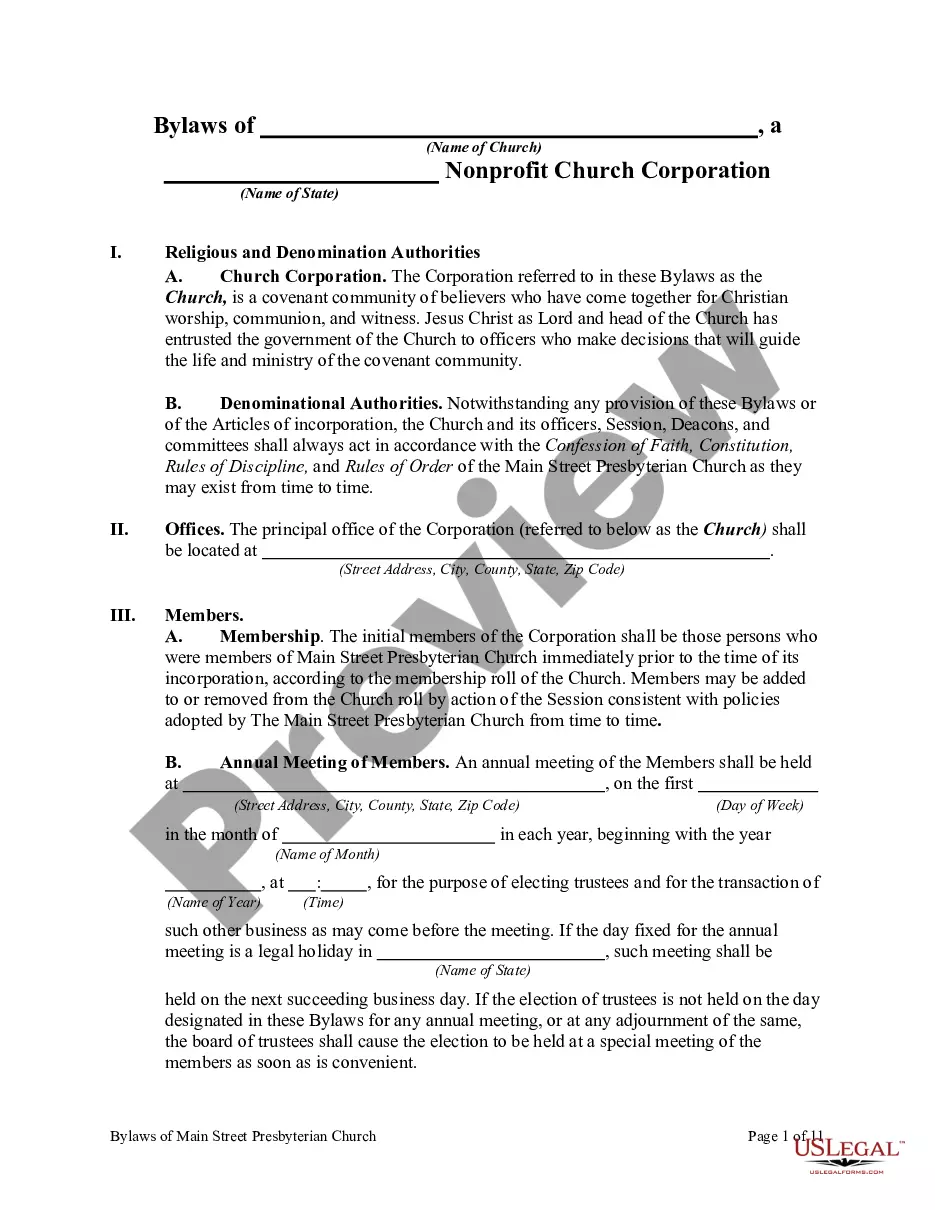
How to fill out Bylaws Of Church - Church Not Incorporated?
- If you're a returning user, access your account through the login page and ensure your subscription is active. Once confirmed, locate the desired form and click the Download button to save it on your device.
- For first-time users, begin by reviewing the form descriptions and previews to identify the document that aligns with your specific needs and complies with your local laws.
- If you need a different template, utilize the Search function to find a suitable alternative. Once you locate it, proceed to the next step.
- Select the document by clicking the Buy Now button, choose your preferred subscription, and create an account to unlock the full range of resources.
- Complete your purchase by entering your payment details via credit card or PayPal.
- Download your form, which will be saved on your device and also accessible at any time in the My Forms section of your profile.
US Legal Forms empowers you with an extensive collection of legal documents, exceeding offerings of competitors while ensuring affordability. The service also connects you with premium experts for guidance on form completion, promoting legally sound submissions.
In conclusion, US Legal Forms simplifies the process of obtaining church-related legal documents. By following these steps, you can ensure compliance with legal standards while streamlining your administrative tasks. Don’t wait—visit US Legal Forms today to access your legal needs efficiently!
Form popularity
FAQ
The ownership structure of a church typically involves collective ownership by the congregation rather than individual ownership. This means that the church property and assets are held in trust for the benefit of the members. Understanding the ownership structure of churches by laws with the law is vital to protect the church’s assets and ensure proper governance. Consulting resources like USLegalForms can help clarify these legal ownership details.
A church typically operates as a 501(c)(3) nonprofit organization, which provides specific tax benefits and legal protections. This legal structure establishes churches under state and federal laws, differentiating them from for-profit entities. When considering their legal structure, churches by laws with the law must ensure proper compliance to maintain their status and benefits. Using platforms like USLegalForms can simplify this process.
The structure of a church consists of its organization and the roles within it. Typically, there are leaders, such as pastors or ministers, who guide the congregation. Various groups may support these leaders, like committees or boards, which handle specific functions. Understanding the structure of churches by laws with the law is crucial for governance and compliance.
Several laws protect churches, including zoning laws, tax exemption statutes, and religious freedom protections outlined in the First Amendment. Additionally, there are specific state laws that may offer further protections to houses of worship. By creating comprehensive churches by laws with the law, your church can navigate these legal frameworks effectively and ensure compliance.
The Freedom of Access to Clinic Entrances Act, commonly known as the FACE Act, primarily protects access to healthcare facilities. However, it also emphasizes the importance of protecting places of worship from threats and violence. By understanding churches by laws with the law and aligning your church’s policies accordingly, you can better ensure a safe environment for all congregants.
Yes, the Americans with Disabilities Act (ADA) laws apply to churches, requiring accessibility for individuals with disabilities. This includes ensuring physical access to facilities and programs offered by the church. Incorporating churches by laws with the law that include ADA compliance can help your church uphold its commitment to inclusion and accessibility for all members and visitors.
Bylaws serve as a foundational document for churches, providing guidance on internal governance. These churches by laws with the law help establish clear procedures for operations and decision-making, reducing potential conflicts. Furthermore, they set expectations for member participation and leadership accountability, which fosters a sense of order within the congregation.
Creating bylaws for a church involves several key steps. First, you should outline the purpose and mission of your church, followed by defining the structure, such as the roles of leaders and members. Additionally, you should include rules for meetings, decision-making, and financial management. Using platforms like USLegalForms can help simplify the process of drafting and finalizing these churches by laws with the law, ensuring compliance and clarity.
When a church does not follow its bylaws, it may face internal conflict and potential legal challenges. Members may raise concerns or seek corrective actions, leading to delays or disruptions in decision-making. Furthermore, failing to adhere to bylaws can undermine the church's credibility. Leveraging the expertise of platforms like uslegalforms can help churches maintain compliance with churches by laws with the law.
Yes, bylaws are legally enforceable as long as they comply with state laws and the church's governing documents. This enforceability ensures that all members and leaders must adhere to the outlined processes and rules. If disputes arise, understanding the churches by laws with the law can guide resolutions. Seeking legal advice may also be valuable in addressing disputes.