Church Church
Description
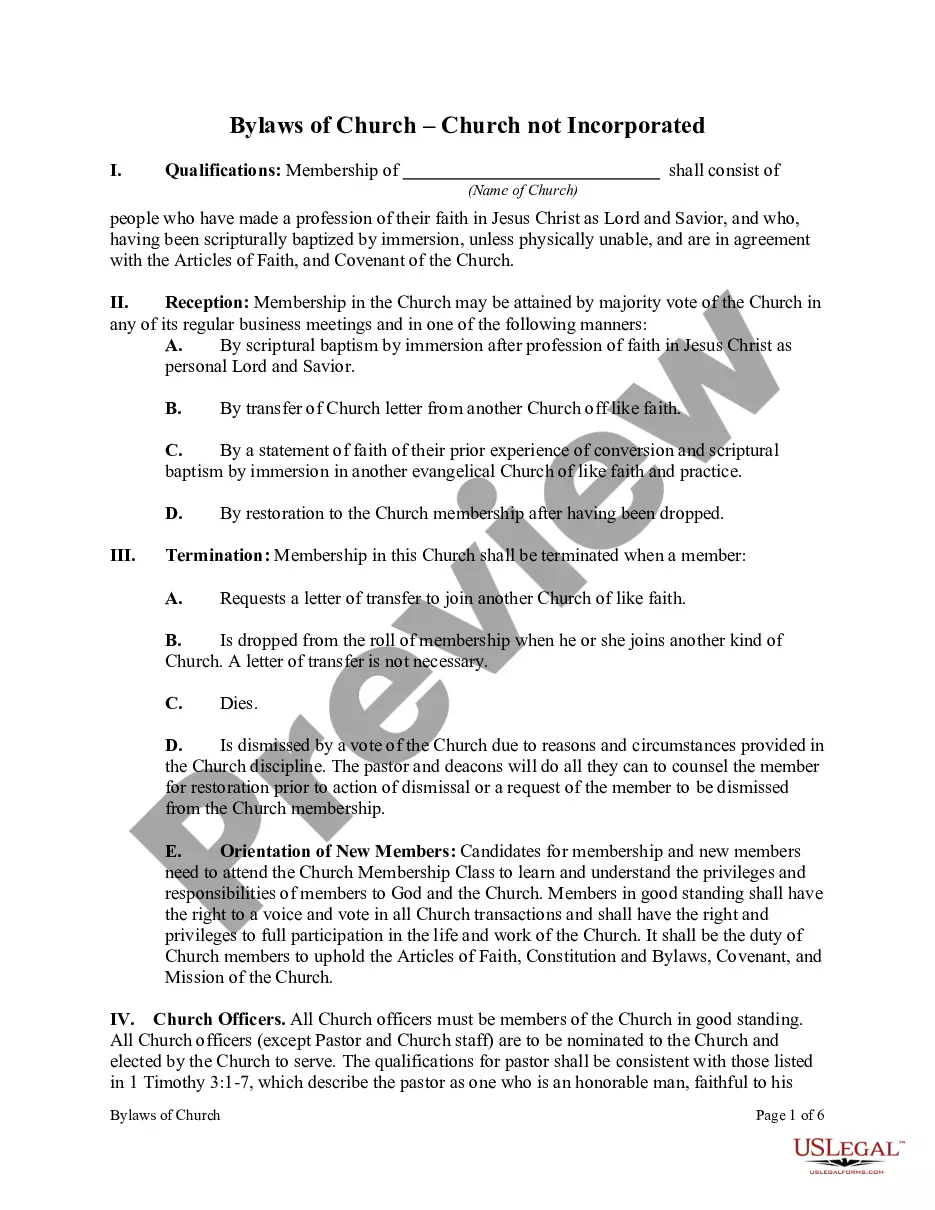
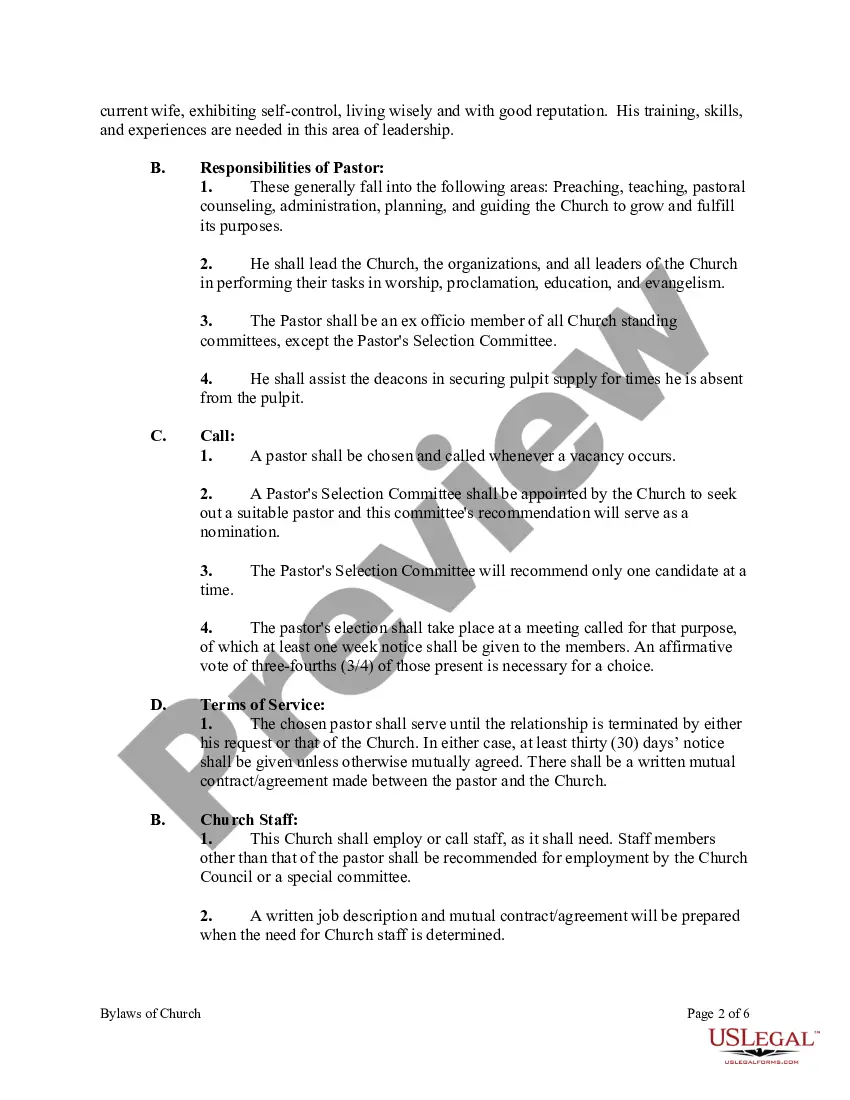
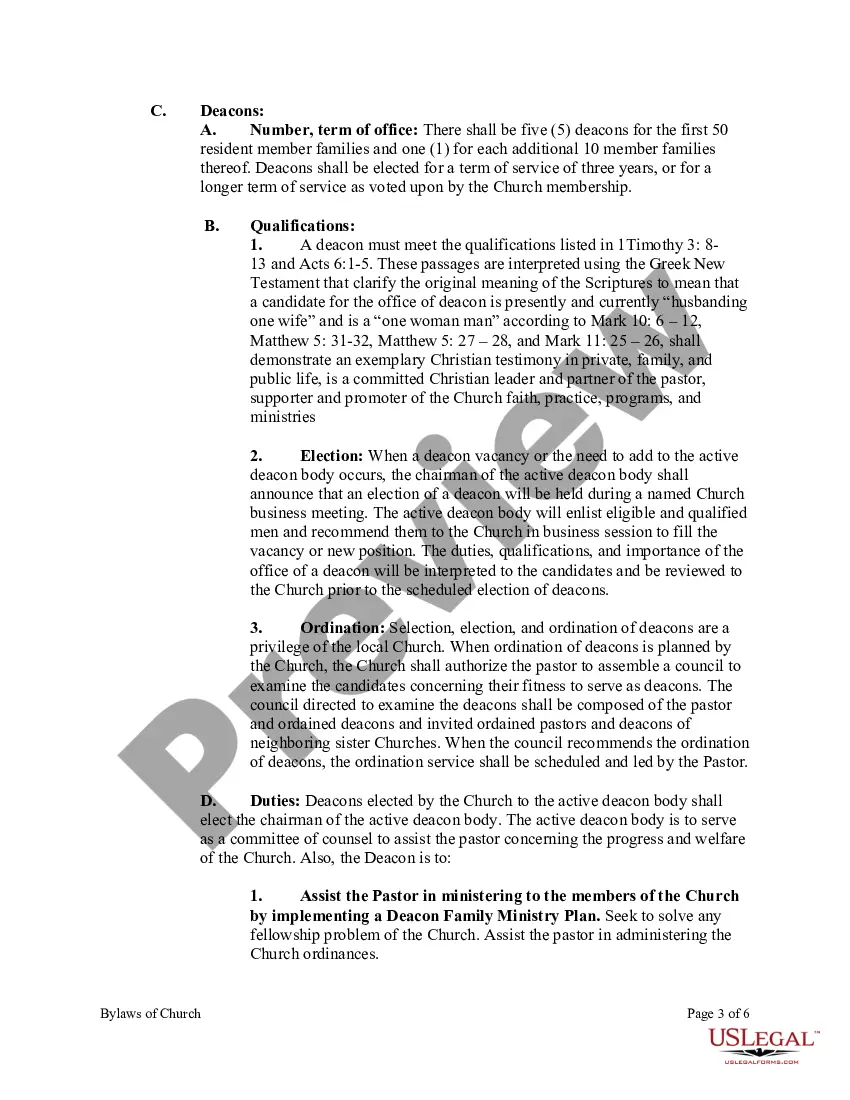
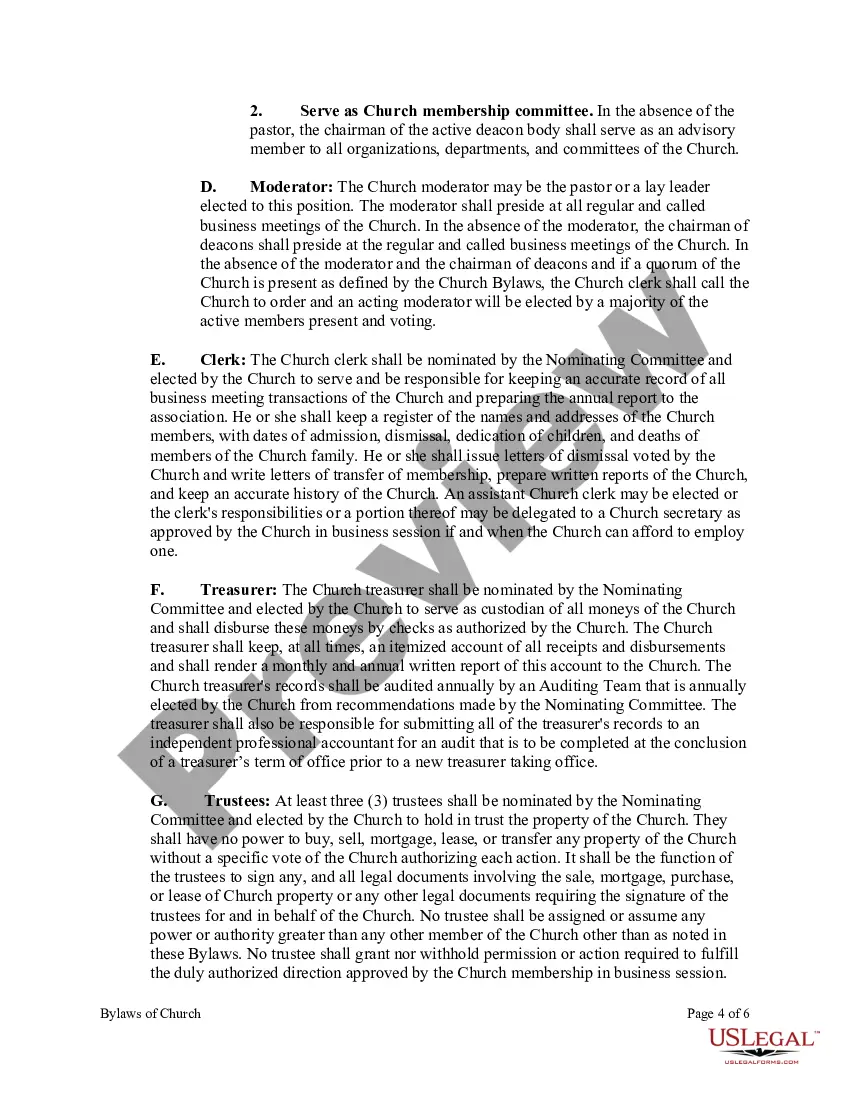
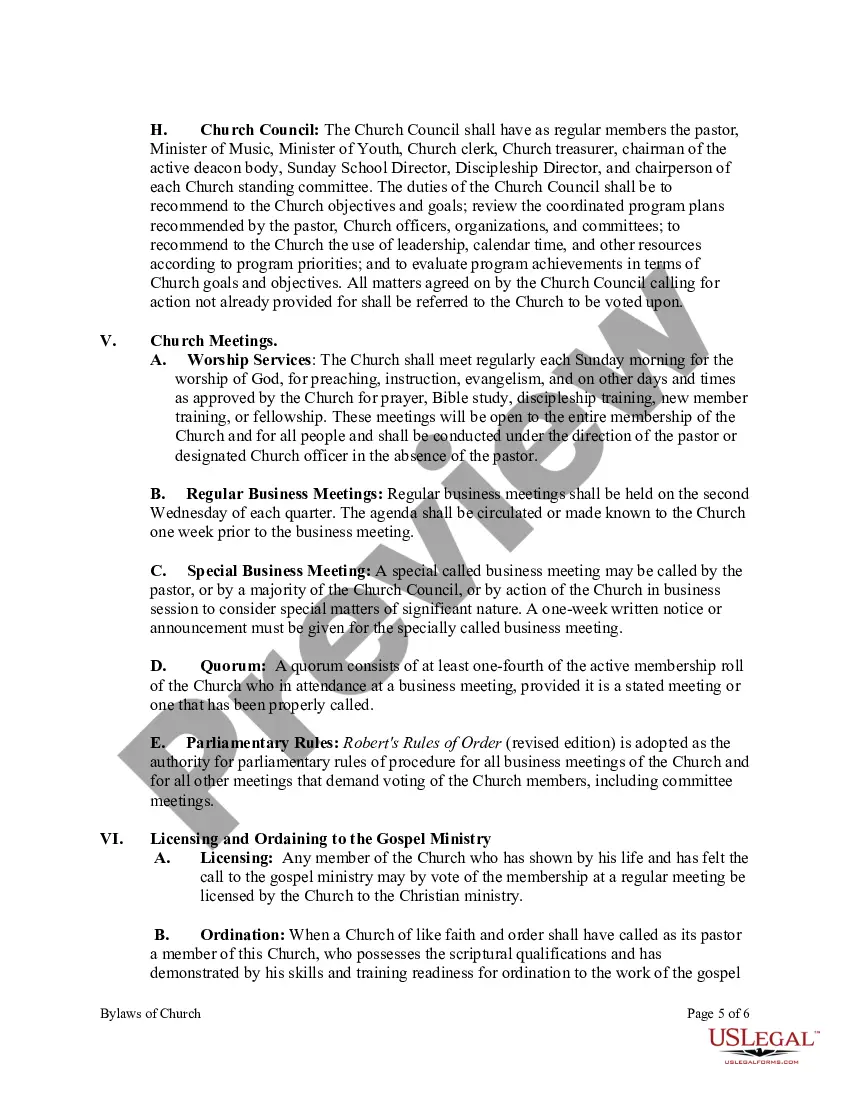
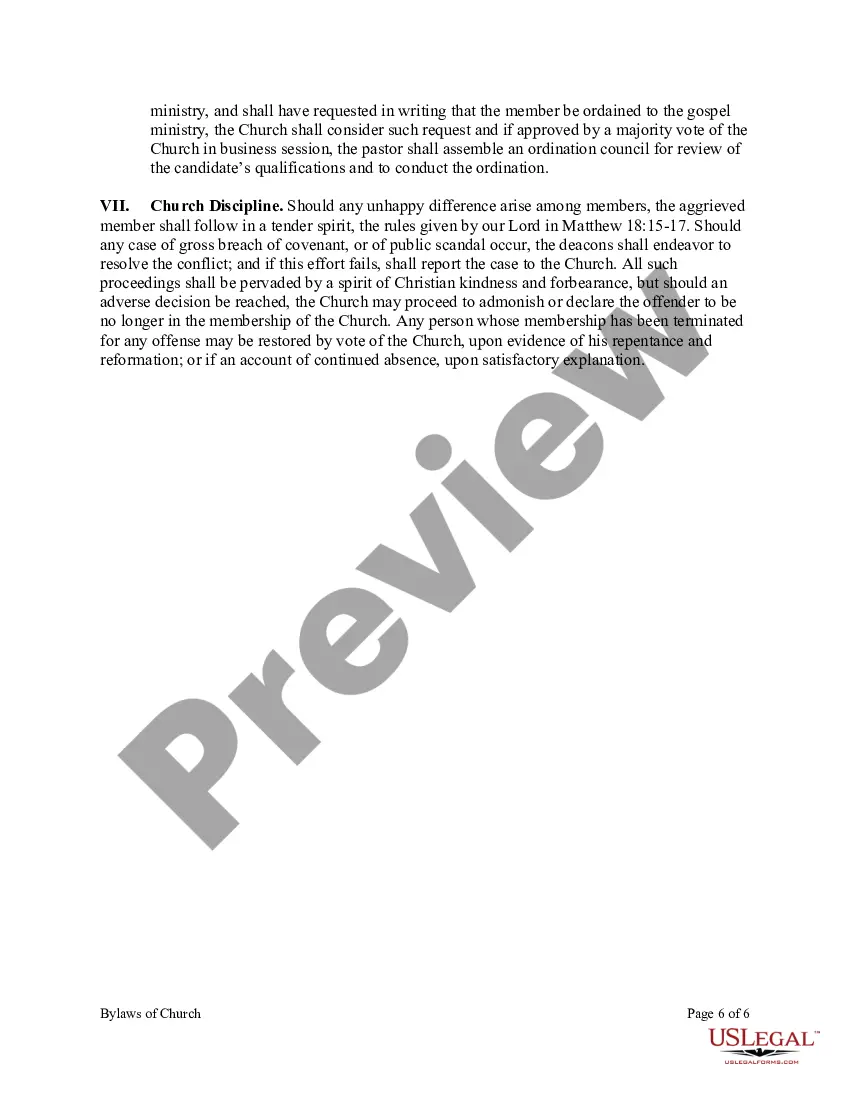
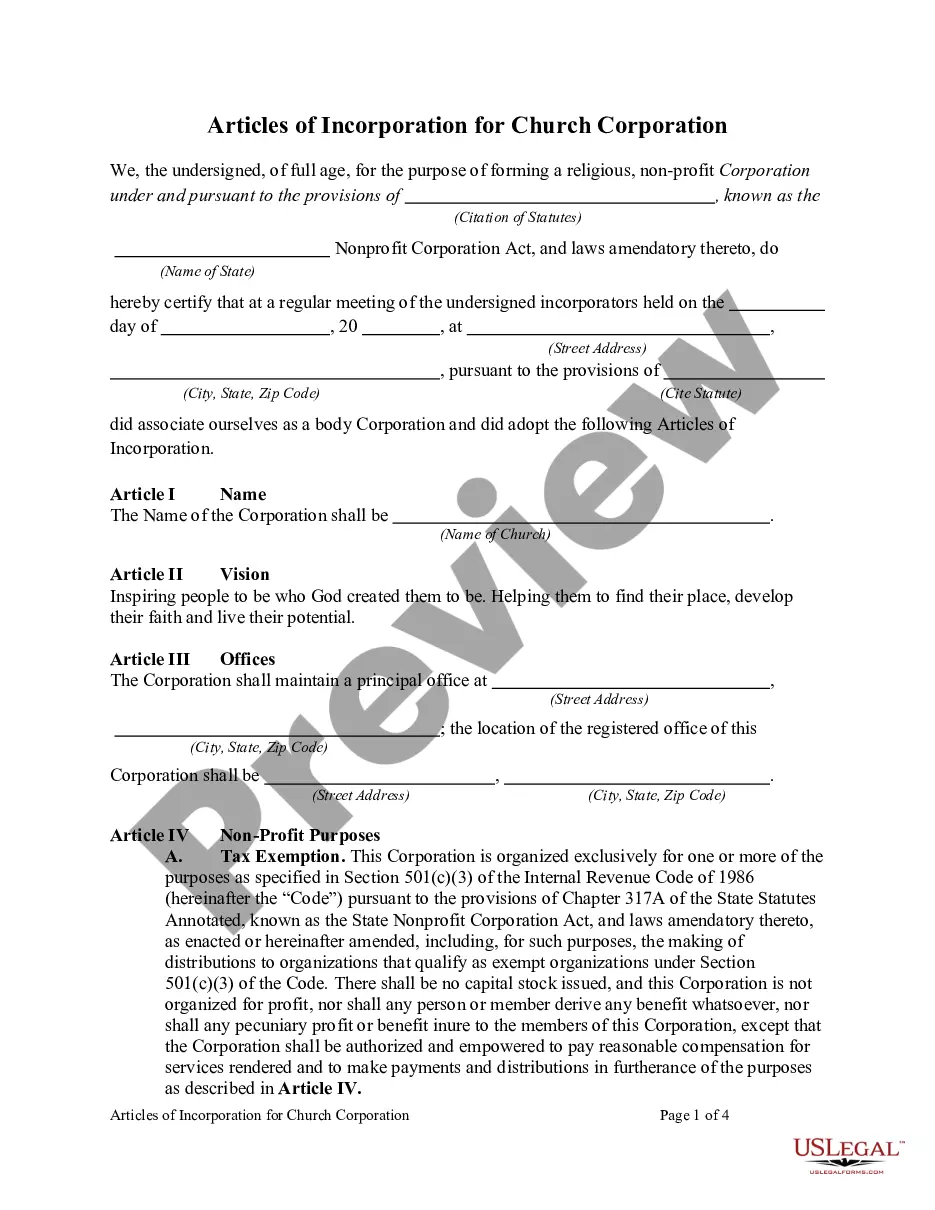
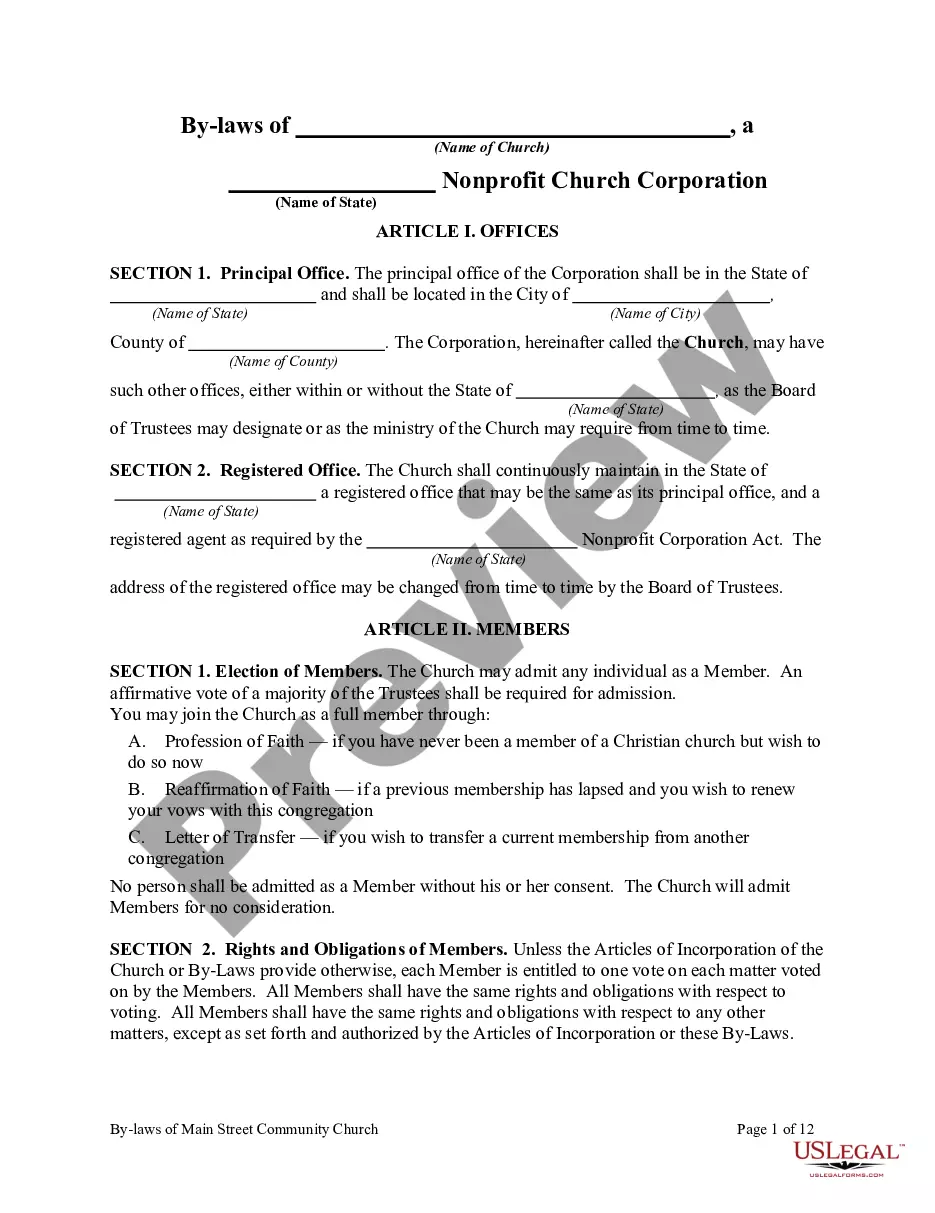
Get your form ready online
Our built-in tools help you complete, sign, share, and store your documents in one place.
Make edits, fill in missing information, and update formatting in US Legal Forms—just like you would in MS Word.
Download a copy, print it, send it by email, or mail it via USPS—whatever works best for your next step.
Sign and collect signatures with our SignNow integration. Send to multiple recipients, set reminders, and more. Go Premium to unlock E-Sign.
If this form requires notarization, complete it online through a secure video call—no need to meet a notary in person or wait for an appointment.
We protect your documents and personal data by following strict security and privacy standards.

Make edits, fill in missing information, and update formatting in US Legal Forms—just like you would in MS Word.

Download a copy, print it, send it by email, or mail it via USPS—whatever works best for your next step.

Sign and collect signatures with our SignNow integration. Send to multiple recipients, set reminders, and more. Go Premium to unlock E-Sign.

If this form requires notarization, complete it online through a secure video call—no need to meet a notary in person or wait for an appointment.

We protect your documents and personal data by following strict security and privacy standards.
Looking for another form?




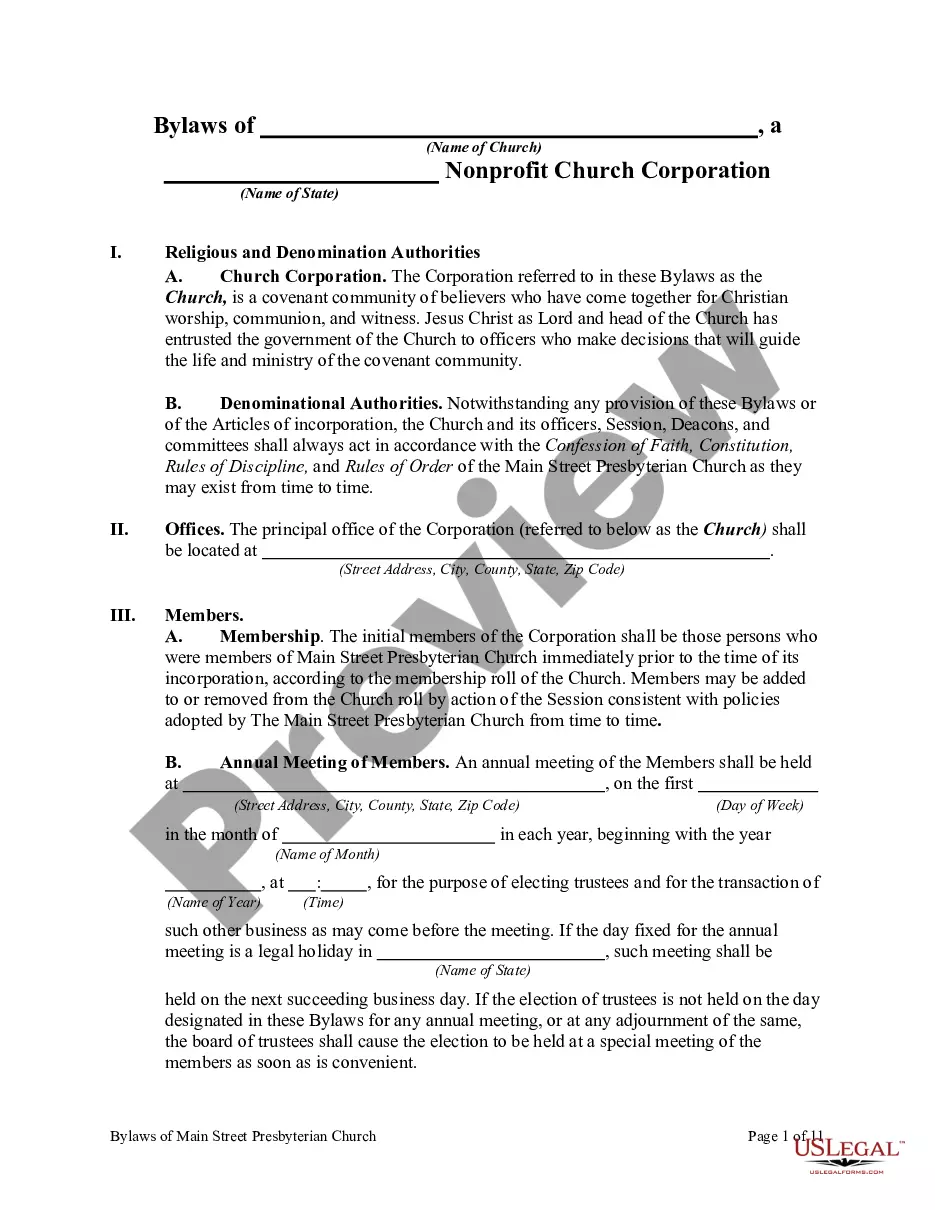
How to fill out Bylaws Of Church - Church Not Incorporated?
- Log in to your US Legal Forms account if you are a returning user. Ensure your subscription is active. If not, renew it as per your current payment plan.
- If you're a new user, begin by exploring the Preview mode and reading through the form descriptions to find the correct template that fits your jurisdictional requirements.
- Use the Search bar to locate alternative templates if necessary. Adjust your search to ensure that the forms you consider are suitable.
- Select the document you wish to purchase by clicking on the Buy Now button. Choose your preferred subscription plan and create an account to unlock access to an expansive library.
- Complete your purchase by entering your payment information. You can use either a credit card or Paypal for a smooth transaction.
- Once your payment is processed, download your chosen form to your device. Access it anytime through the My Forms section of your profile.
US Legal Forms provides an extensive library with over 85,000 fillable and editable legal documents, making it a superior choice compared to competitors.
Don't miss out on our premium support services, which connect you with legal experts for assistance in completing your forms accurately. Start utilizing US Legal Forms today and simplify your legal paperwork!
Form popularity
FAQ
Yes, Catholics capitalize 'Church' when referring to the Roman Catholic Church to indicate its significance as an institution. This practice acknowledges the Church church's role and authority within the religious community. It reflects a broader respect for established traditions and beliefs. Understanding capitalization conventions can enhance your engagement with religious texts and discussions.
Yes, the term 'Church' can be considered a proper noun when it refers to specific religious institutions or denominations. In contrast, 'church' as a generic term for any worship place is not capitalized. Recognizing when to treat the Church church as a proper noun helps in respectful communication. This distinction is crucial for theological discussions as well.
The term 'church' originates from the Greek word 'ekklesia', which means a gathering or assembly. Over time, it evolved to refer specifically to the community of Christian believers. Calling it 'church church' can emphasize both the spiritual gathering aspect and the institutional nature of the Church church. This understanding fosters a deeper appreciation of the role of churches in society.
Yes, the 'C' in church should be capitalized when it is part of a proper noun or is used to refer to the worldwide Christian Church church. This convention helps differentiate between the Church church as an institution and individual congregations or buildings. Consistency in capitalization aids in clear communication about faith structures.
Whether to capitalize the 'C' in church depends on usage. When referring to a specific denomination or the global Christian Church church, capitalization is necessary. However, when discussing the concept of a church generically or in a secular context, a lowercase 'c' is appropriate. Consistency in capitalization helps convey the intended meaning clearly.
In the Book of Revelation, Jesus commends the church of Philadelphia for its faithfulness and love. He assures them that because of their enduring spirit, He will protect them during trials. Jesus also encourages them to hold fast to what they have, promising that He will reward their perseverance. This message highlights the importance of maintaining faith within the Church church.
The difference between a capital 'C' and a small 'c' in the term Church church often reflects the context in which it is used. When capitalized, it usually refers to the Christian Church as a whole, indicating a formal institution. Conversely, a lowercase 'c' typically refers to a church building or a congregation within a community. Understanding this distinction can clarify discussions related to religious practices and beliefs.
If you need to report a church church to the IRS for potential tax violations or misconduct, you can do so by completing Form 13909, the Tax-Exempt Organization Complaint (Referral) Form. This form allows concerned individuals to detail their concerns and provide relevant information for investigation. Reporting should always be approached with caution and based on factual evidence to ensure a fair process.
Typically, a church church does not need to file Form 1023, which is the application for recognition of exemption under Section 501(c)(3). However, if a church opts for formal recognition by the IRS, filing this form can affirm its tax-exempt status. This choice can enhance donor trust and increase fundraising potential. It’s wise to weigh the pros and cons before making this decision.
When assessing a church church's standing with the IRS, several factors come into play. Compliance with tax laws, appropriate formation documents, and adherence to operational guidelines are essential. Additionally, churches should maintain an active engagement with their financial records, ensuring they meet all IRS standards for transparency and accountability. Monitoring these factors can help avoid scrutiny and maintain a positive relationship with the IRS.