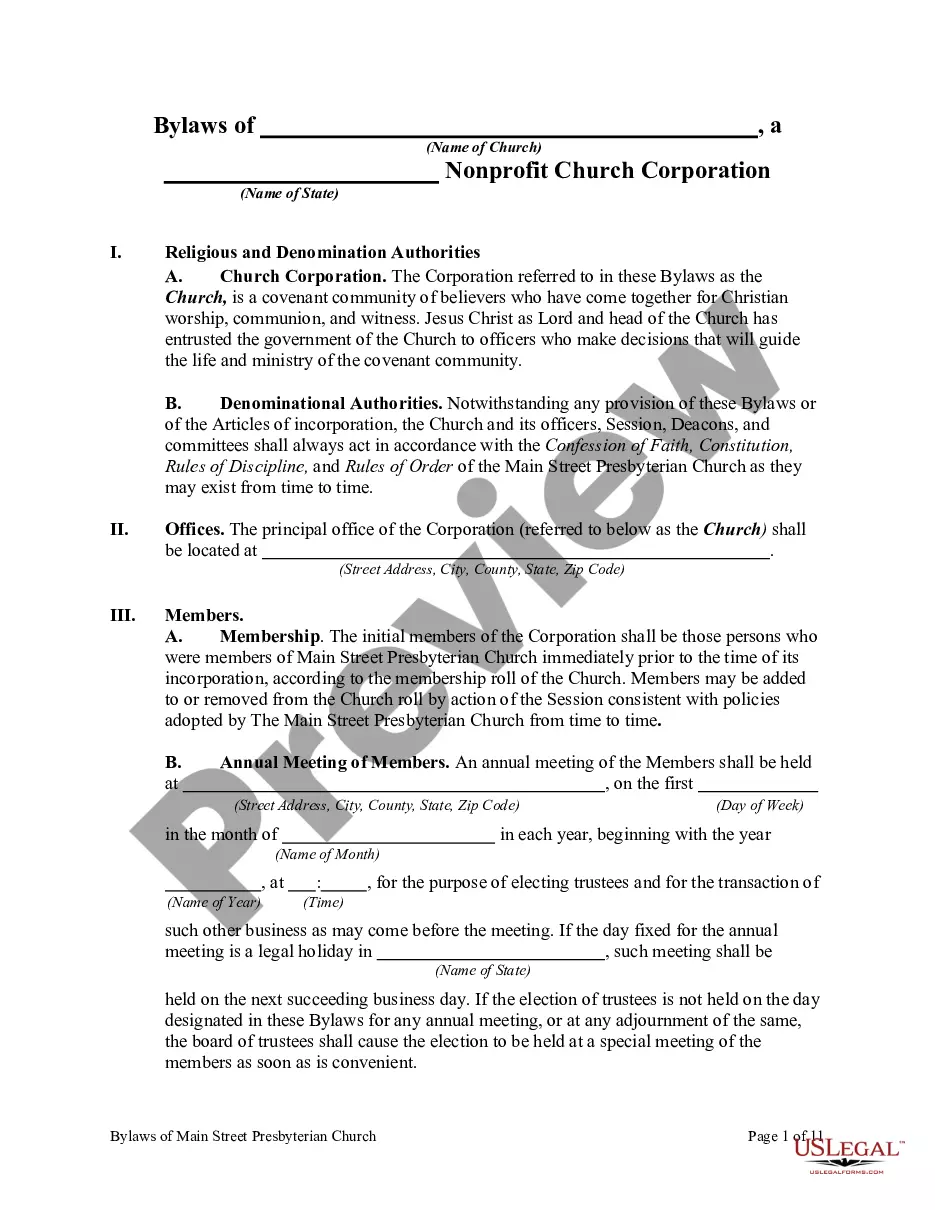
Church Bylaws With The Law
Description
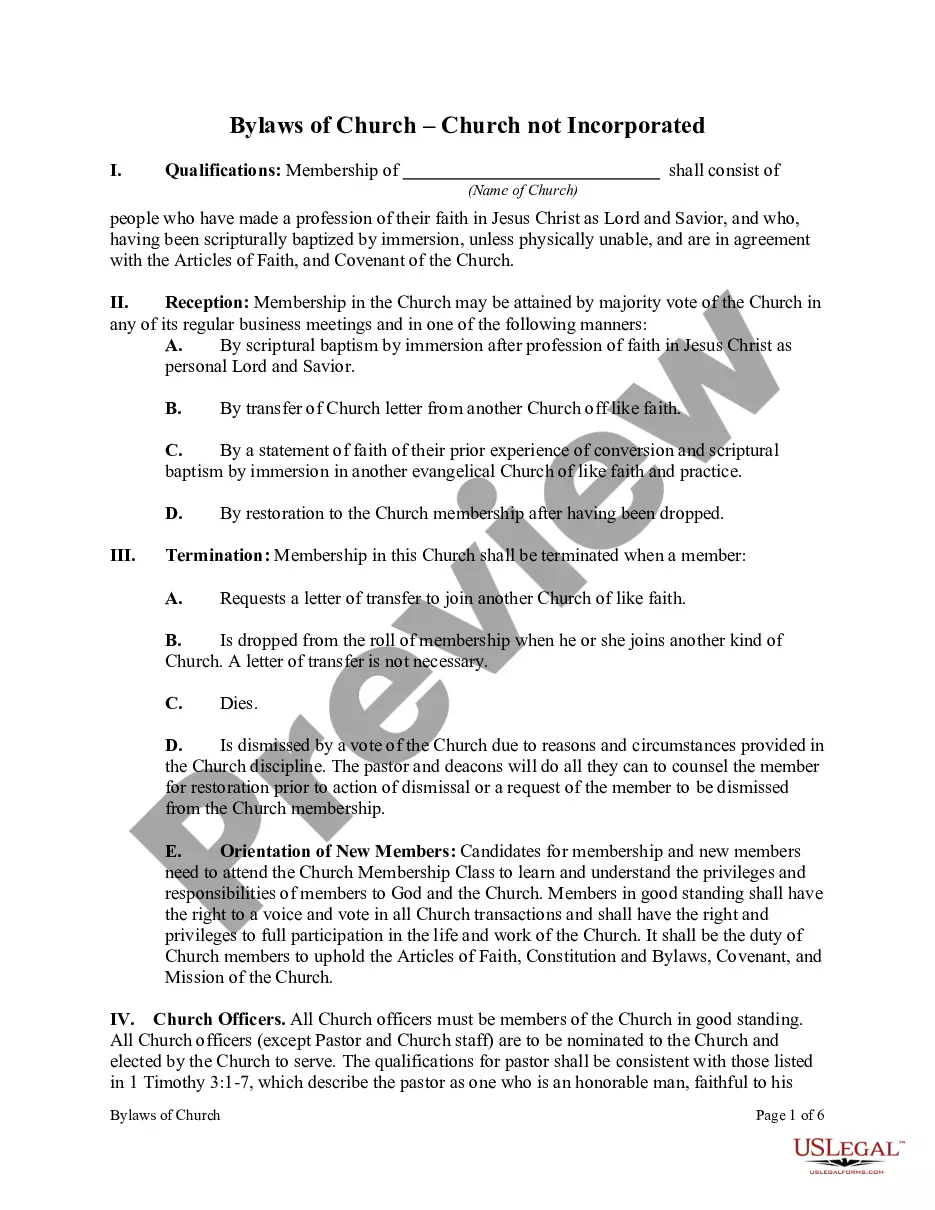
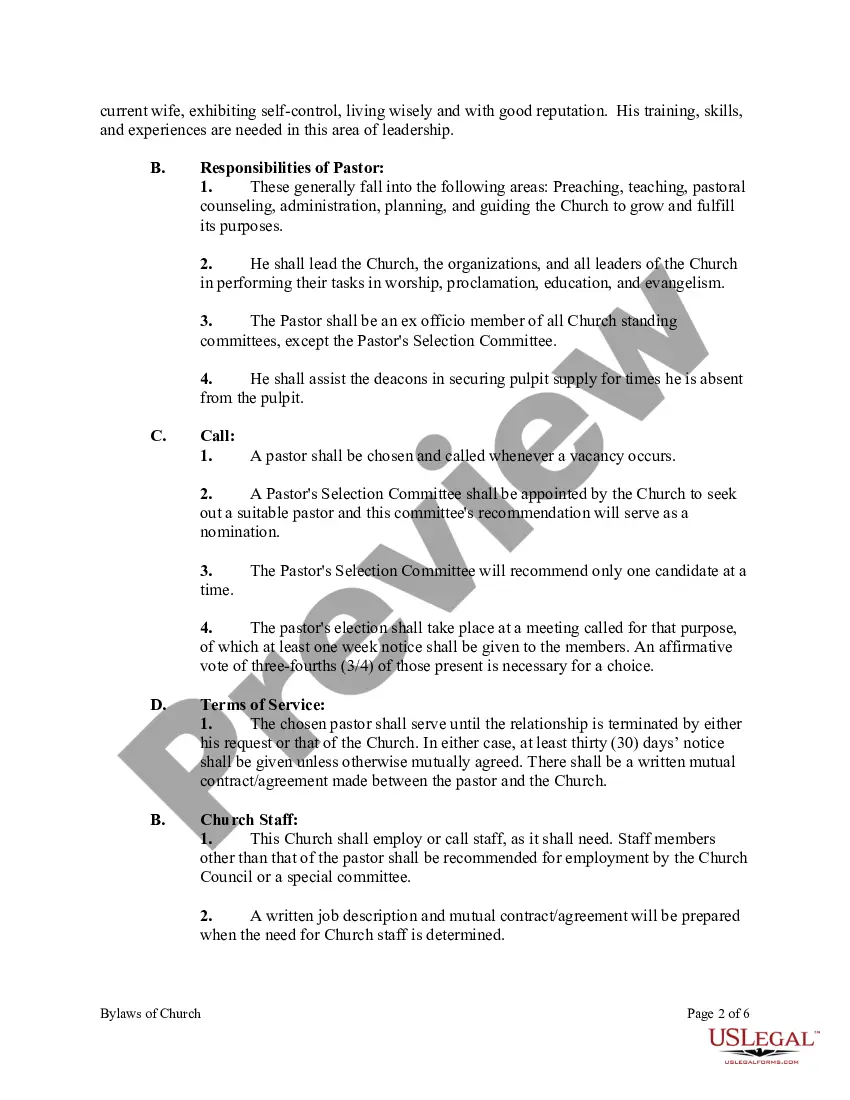
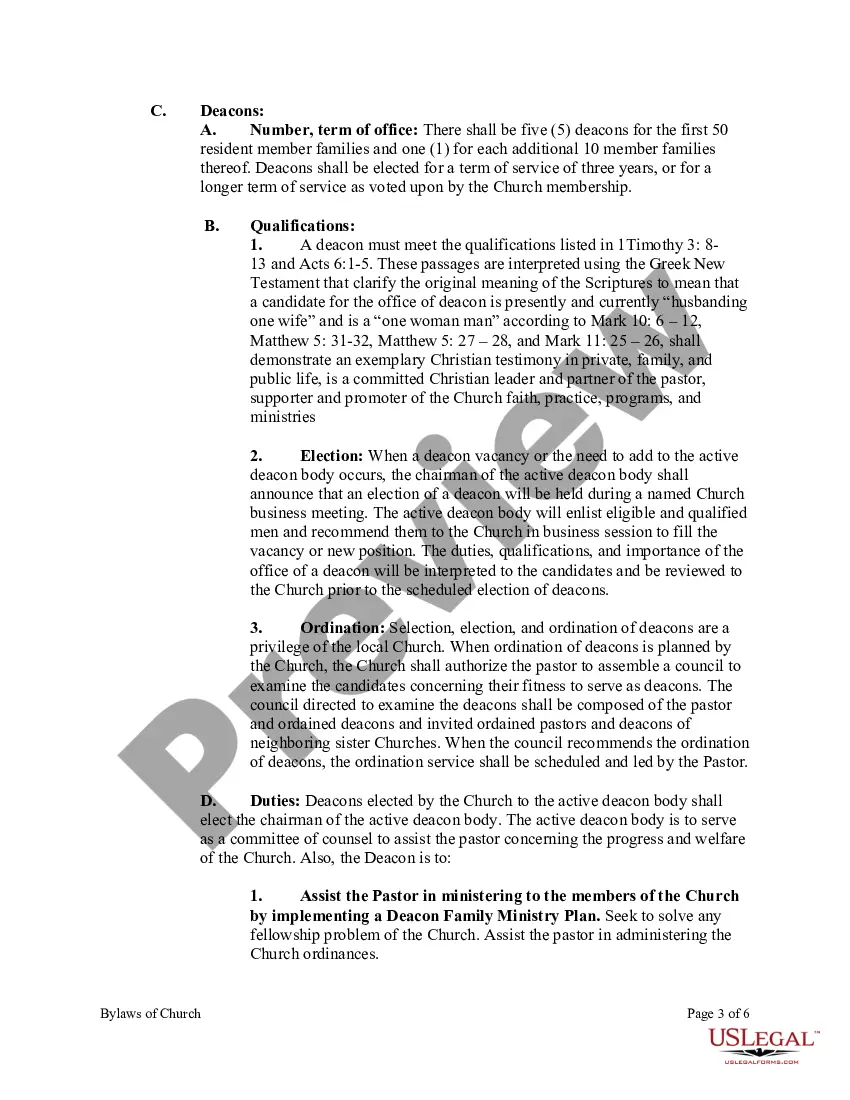
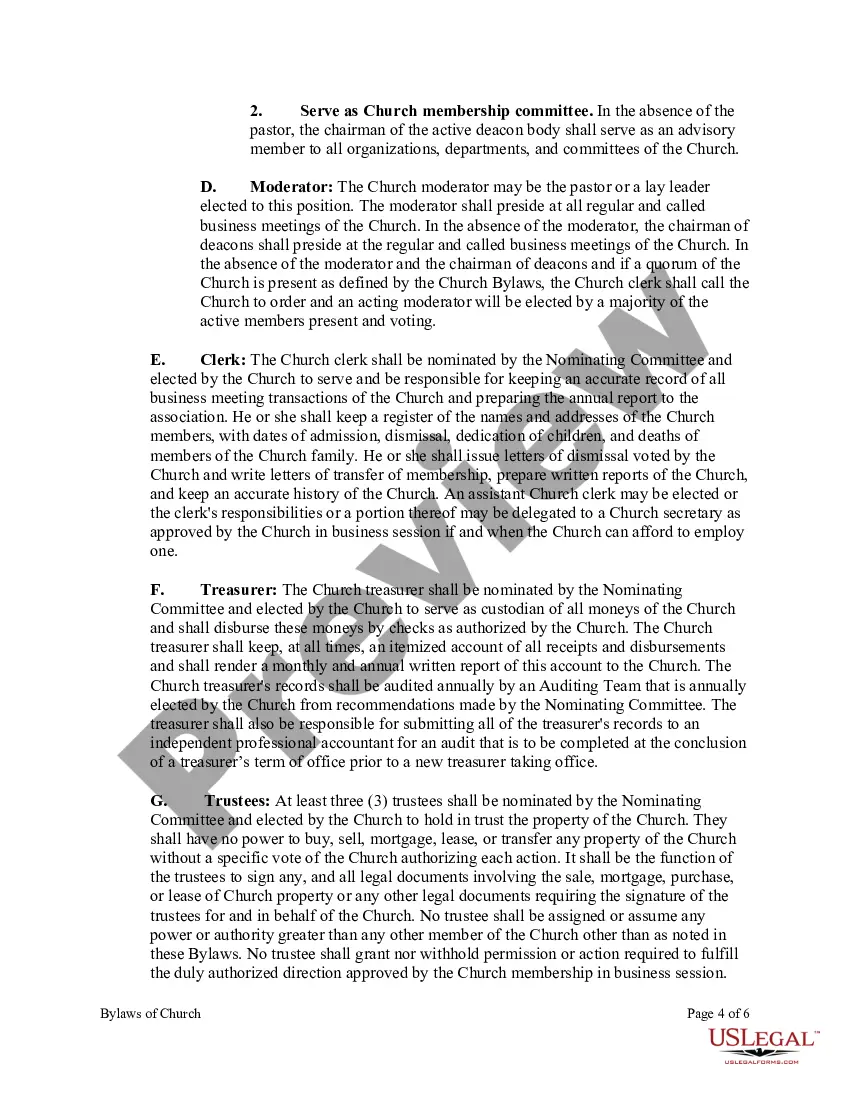
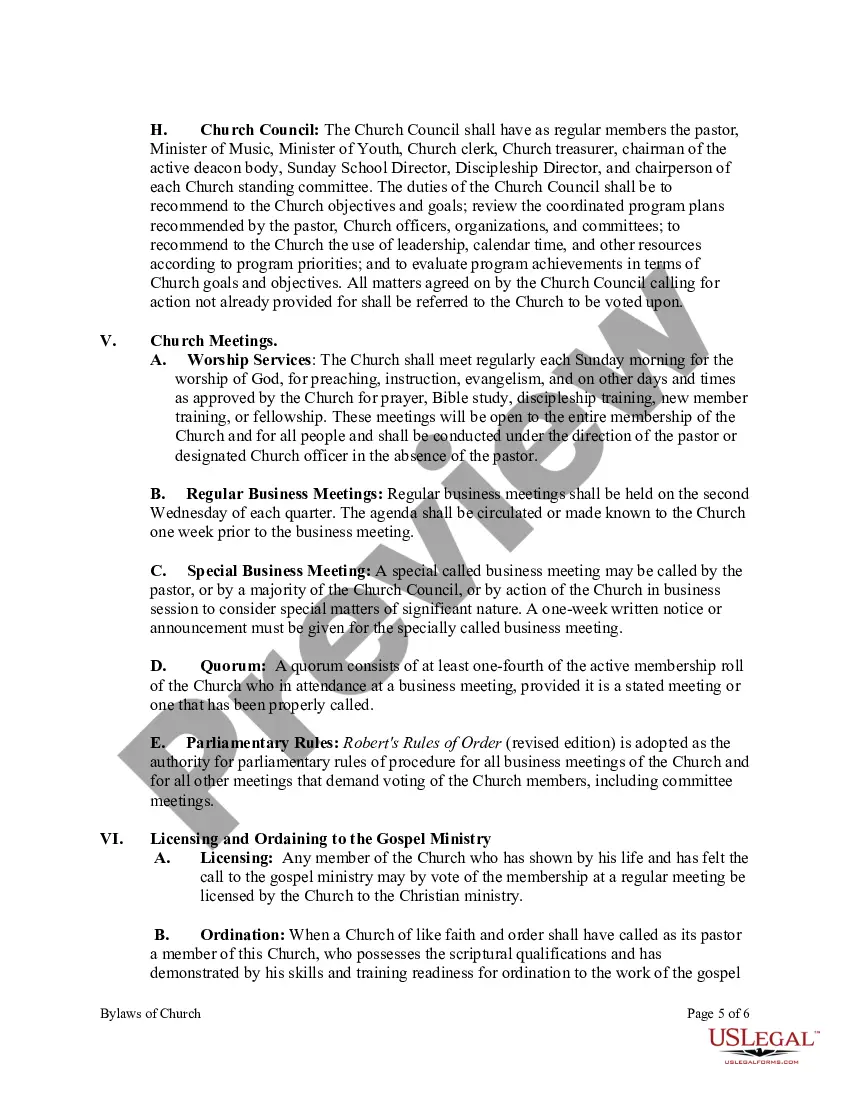
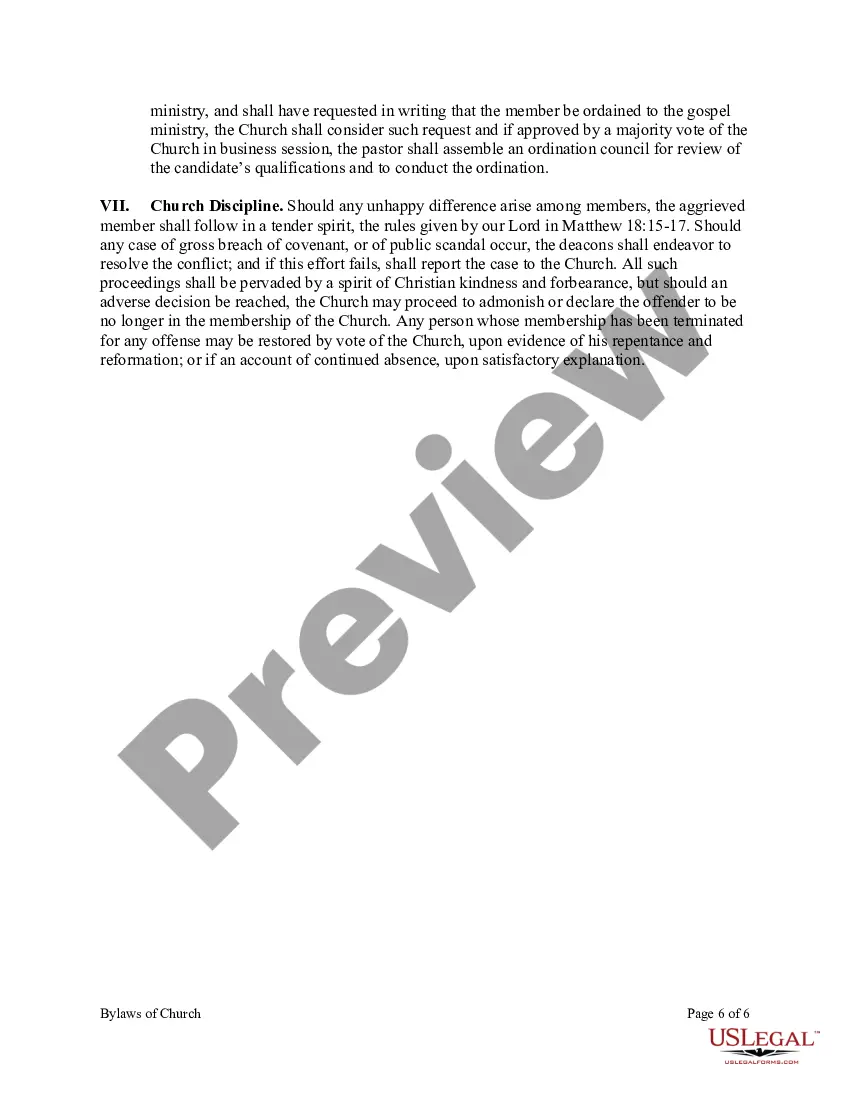
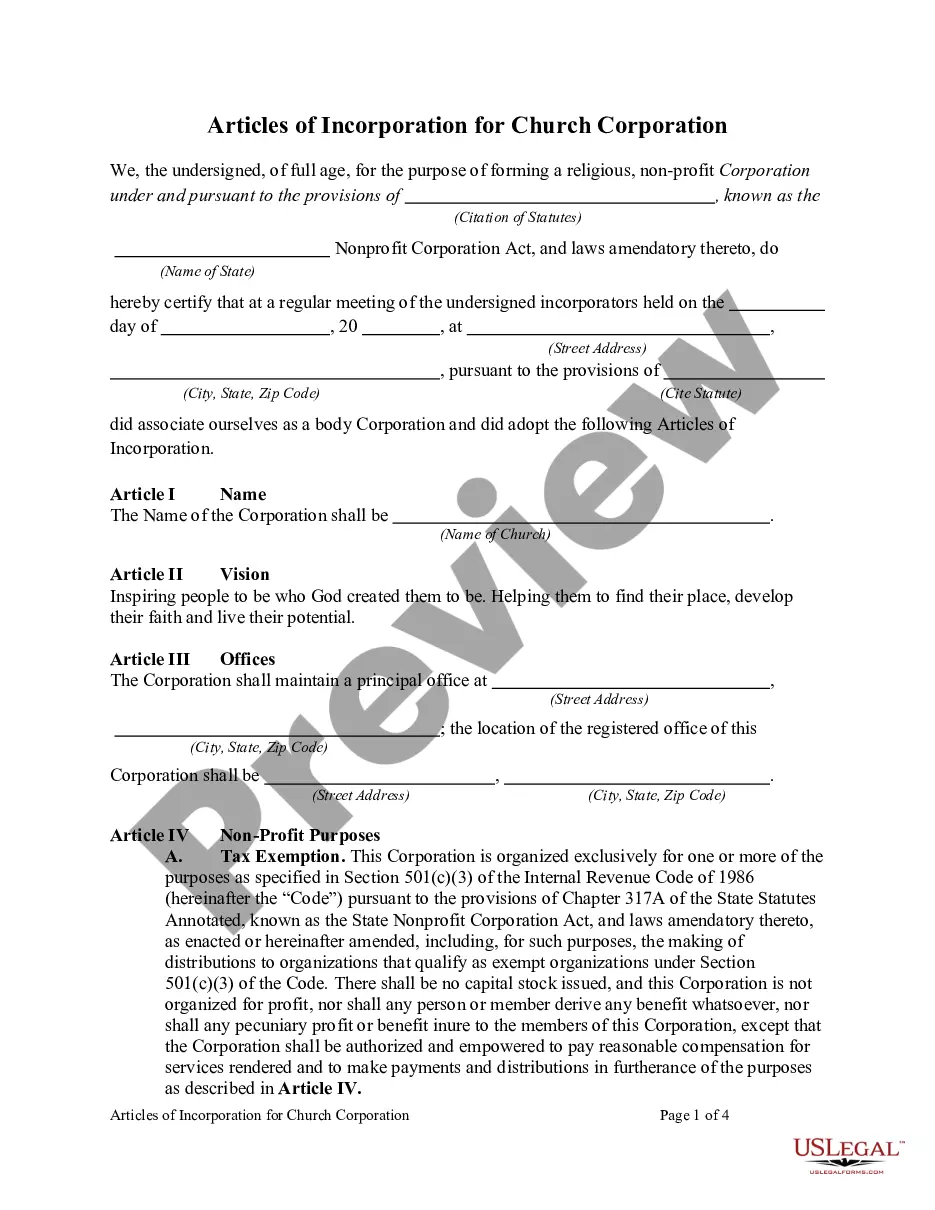
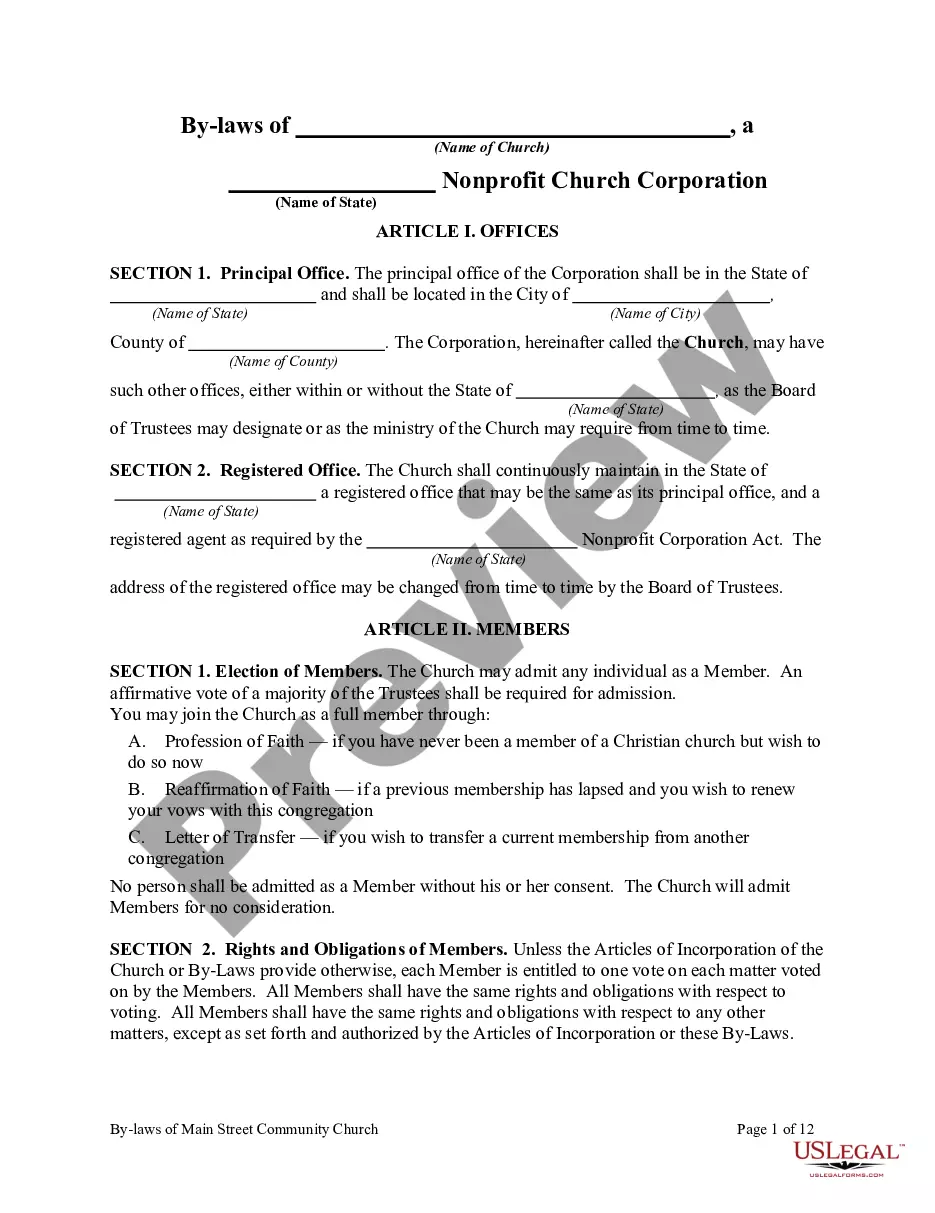
Get your form ready online
Our built-in tools help you complete, sign, share, and store your documents in one place.
Make edits, fill in missing information, and update formatting in US Legal Forms—just like you would in MS Word.
Download a copy, print it, send it by email, or mail it via USPS—whatever works best for your next step.
Sign and collect signatures with our SignNow integration. Send to multiple recipients, set reminders, and more. Go Premium to unlock E-Sign.
If this form requires notarization, complete it online through a secure video call—no need to meet a notary in person or wait for an appointment.
We protect your documents and personal data by following strict security and privacy standards.

Make edits, fill in missing information, and update formatting in US Legal Forms—just like you would in MS Word.

Download a copy, print it, send it by email, or mail it via USPS—whatever works best for your next step.

Sign and collect signatures with our SignNow integration. Send to multiple recipients, set reminders, and more. Go Premium to unlock E-Sign.

If this form requires notarization, complete it online through a secure video call—no need to meet a notary in person or wait for an appointment.

We protect your documents and personal data by following strict security and privacy standards.
Looking for another form?



How to fill out Bylaws Of Church - Church Not Incorporated?
- If you are an existing user, log in to your account and confirm your subscription is active. Then, download the church bylaws template by clicking the Download button.
- For first-time users, begin by browsing the extensive library of legal forms. Review the previews and descriptions carefully to ensure you select a template that aligns with your needs and local jurisdiction regulations.
- If the chosen template is not suitable, utilize the Search function at the top of the page to explore alternative options until you locate the right form.
- Once you find the desired template, click on the Buy Now button to select your preferred subscription plan. You will need to register for an account to gain access to the full resources available.
- Complete your purchase by entering your payment details through credit card or PayPal for secure checkout.
- After your purchase, download the form and save it on your device. You can access it later in the My Forms section of your profile.
By following these simple steps, you can create legally sound church bylaws that adhere to the law, providing a solid foundation for your organization’s governance.
Start your journey today with US Legal Forms and ensure your church operates within the legal framework by accessing the best legal templates available.
Form popularity
FAQ
Failing to follow church bylaws can lead to serious consequences, including disputes among members or challenges to leadership decisions. This neglect may result in legal action if members feel their rights, as outlined in the bylaws, have been violated. It is vital to consistently adhere to the bylaws with the law to prevent potential turmoil and maintain harmony within the congregation.
The bylaws of the church detail the governance structure, outlining how decisions are made and the roles of members and leadership. They typically cover aspects like membership requirements, meeting procedures, and powers of officers. Understanding these bylaws is essential for maintaining order and transparency within the church community.
Bylaws can be legally enforceable if they meet state legal requirements and reflect the church’s mission. Courts generally respect the internal governance of religious organizations, as long as the bylaws do not conflict with established laws. Hence, it’s essential that bylaws align with the church's objectives while considering church bylaws with the law.
Yes, church bylaws are legally binding as long as they comply with state laws and the church's governing documents. They define the rules for how a church operates and govern the rights and responsibilities of its members. Therefore, it is crucial to ensure that your church bylaws with the law are drafted accurately and adhered to.
When church bylaws are not followed, it is important to address the issue promptly. Start by reviewing the bylaws and discussing the breaches with relevant parties. Open communication can often resolve misunderstandings. If problems persist, consider seeking assistance from legal experts who understand the implications of church bylaws with the law.
If a church fails to follow its bylaws, it may create internal conflict and undermine its governance structure. Members may question the leadership's authority and the integrity of decisions made. Moreover, not adhering to the established guidelines could lead to legal challenges, especially if actions contradict the church bylaws with the law.
When drafting church bylaws, avoid including overly specific details that could quickly become outdated, such as staff roles or specific procedural steps. Instead, focus on high-level principles like governance structure and membership guidelines. Including too much unnecessary detail can complicate future amendments and create confusion.
Bylaws are rules established by an organization to govern its internal affairs, guiding operations and decision-making processes. Examples of church bylaws with the law include regulations on membership admission, officer elections, and conflict resolution procedures. Crafting effective bylaws helps ensure that your church functions smoothly and abides by legal standards.
To write a simple bylaw, start with a clear statement of purpose and outline the basic framework of governance. Use straightforward language to describe membership, leadership roles, and meeting procedures. This approach ensures that church bylaws with the law remain understandable and easy to follow for all members.
An example of a church law can be a policy that governs the conduct of members and leaders within the church community. This may include rules on financial management or guidelines for conflict resolution, aiding in maintaining order and promoting harmony. It’s important to align such policies closely with your church bylaws with the law.