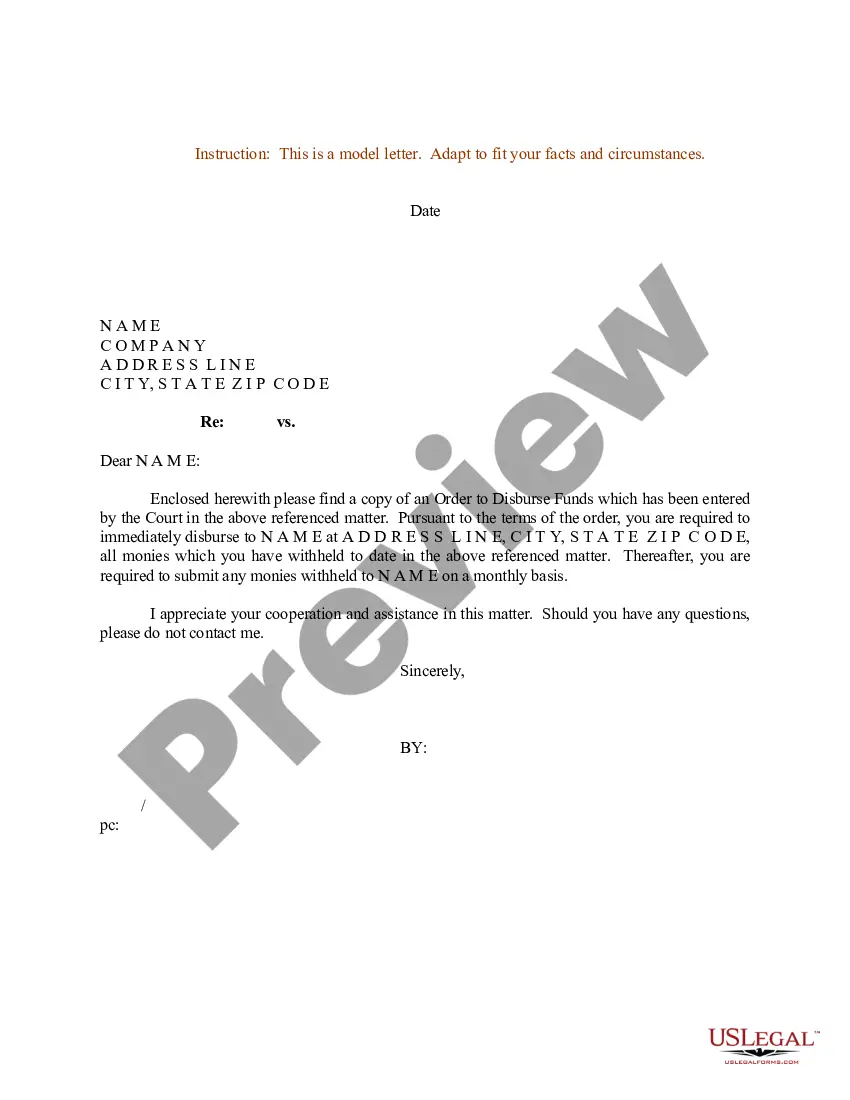
Sample Letter Requesting Funds For Building Project
Description
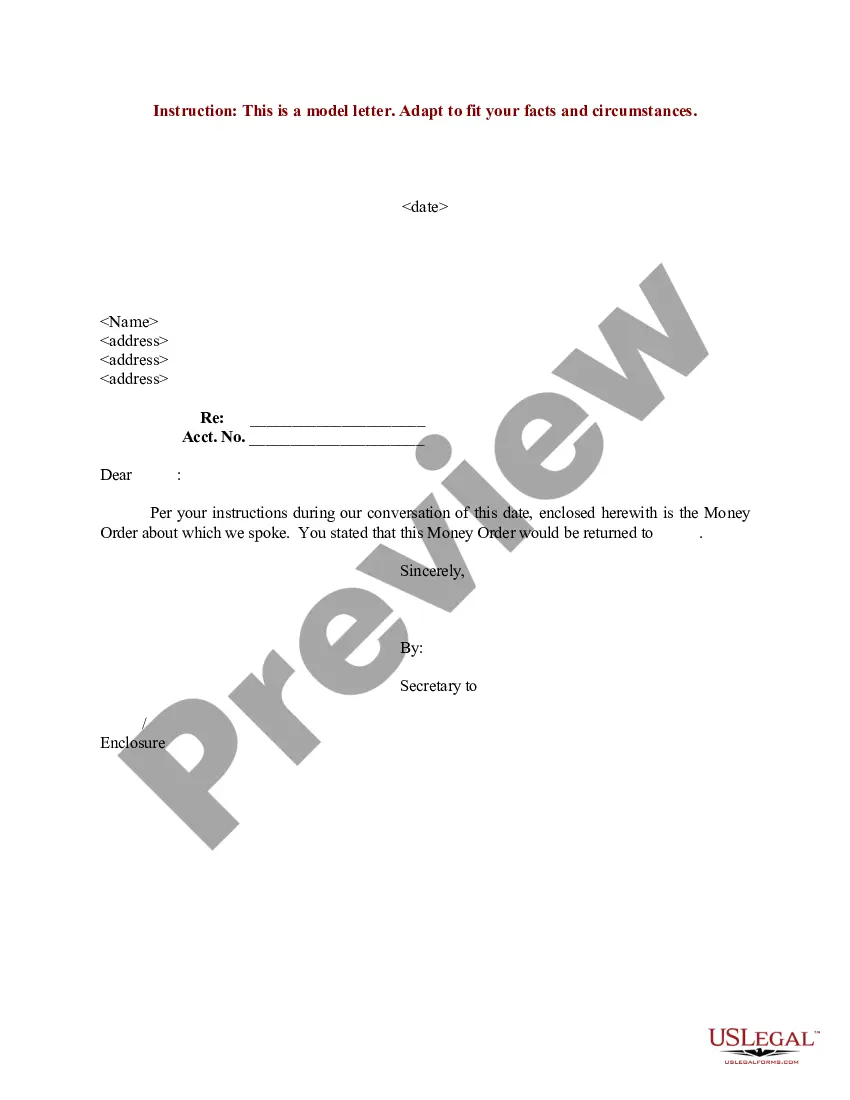
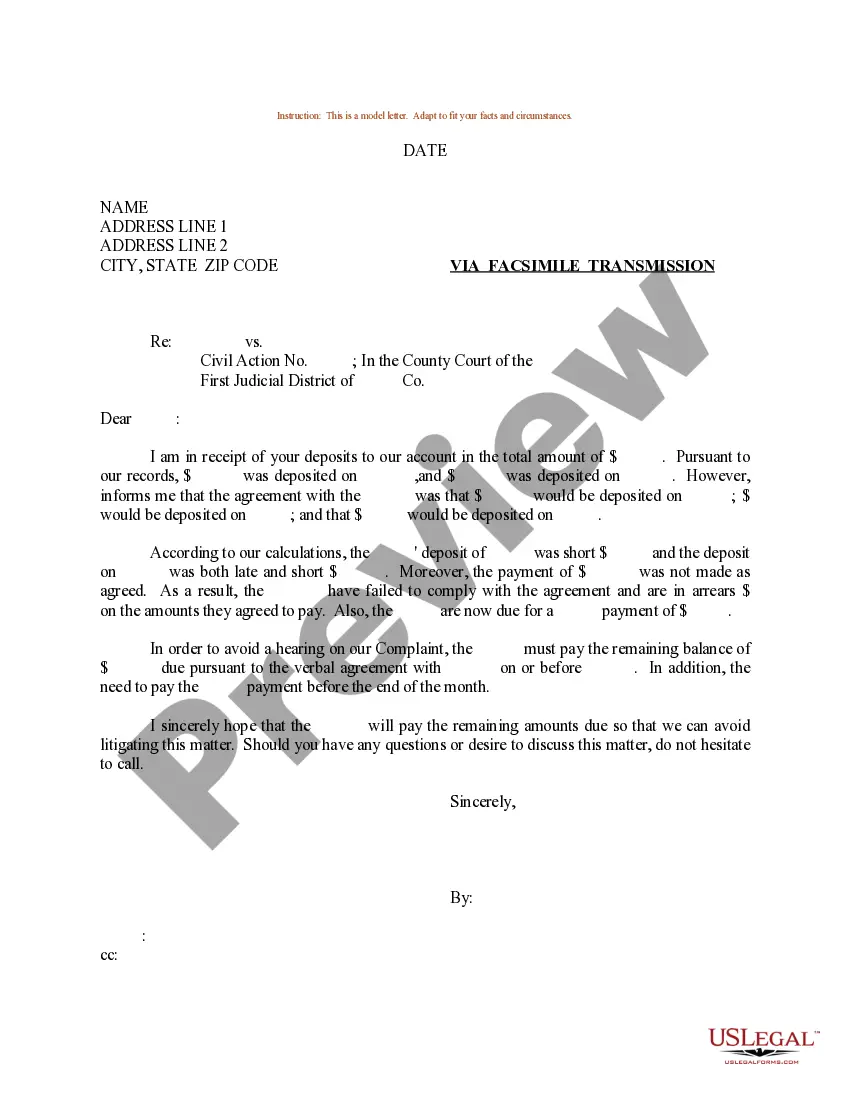
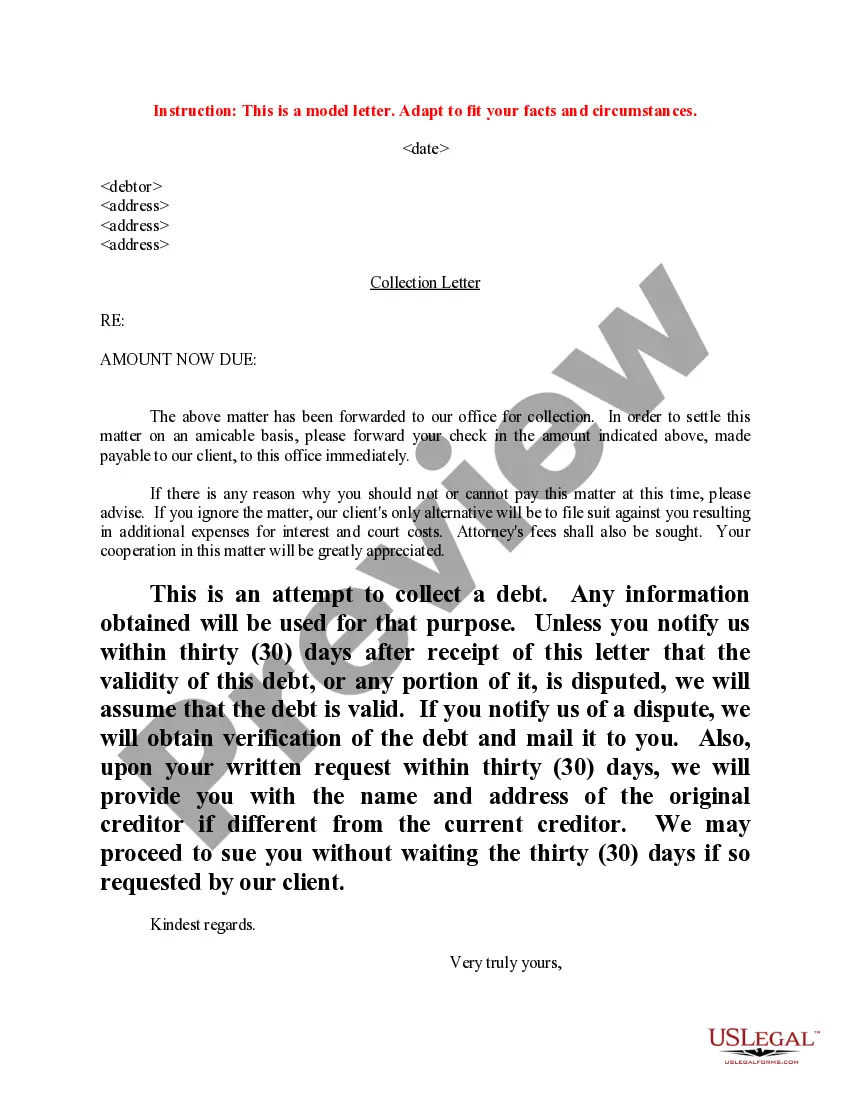
Get your form ready online
Our built-in tools help you complete, sign, share, and store your documents in one place.
Make edits, fill in missing information, and update formatting in US Legal Forms—just like you would in MS Word.
Download a copy, print it, send it by email, or mail it via USPS—whatever works best for your next step.
Sign and collect signatures with our SignNow integration. Send to multiple recipients, set reminders, and more. Go Premium to unlock E-Sign.
If this form requires notarization, complete it online through a secure video call—no need to meet a notary in person or wait for an appointment.
We protect your documents and personal data by following strict security and privacy standards.

Make edits, fill in missing information, and update formatting in US Legal Forms—just like you would in MS Word.

Download a copy, print it, send it by email, or mail it via USPS—whatever works best for your next step.

Sign and collect signatures with our SignNow integration. Send to multiple recipients, set reminders, and more. Go Premium to unlock E-Sign.

If this form requires notarization, complete it online through a secure video call—no need to meet a notary in person or wait for an appointment.

We protect your documents and personal data by following strict security and privacy standards.
Looking for another form?
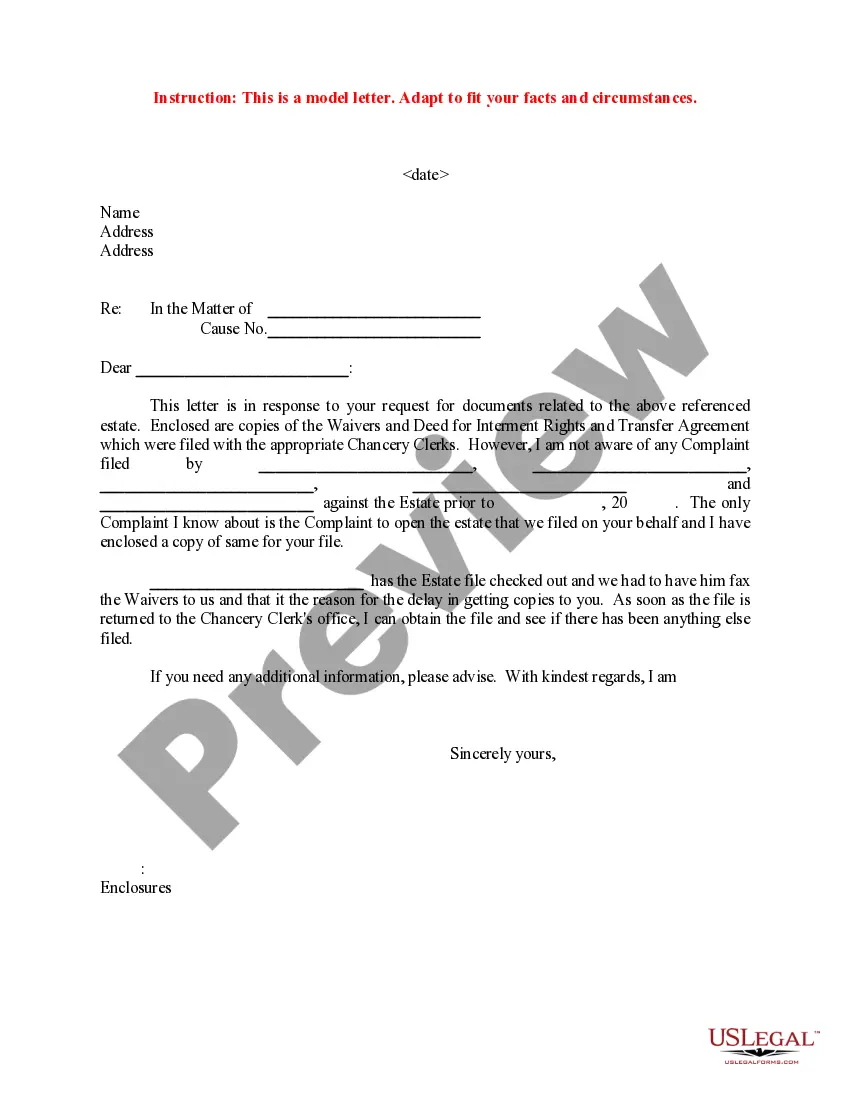
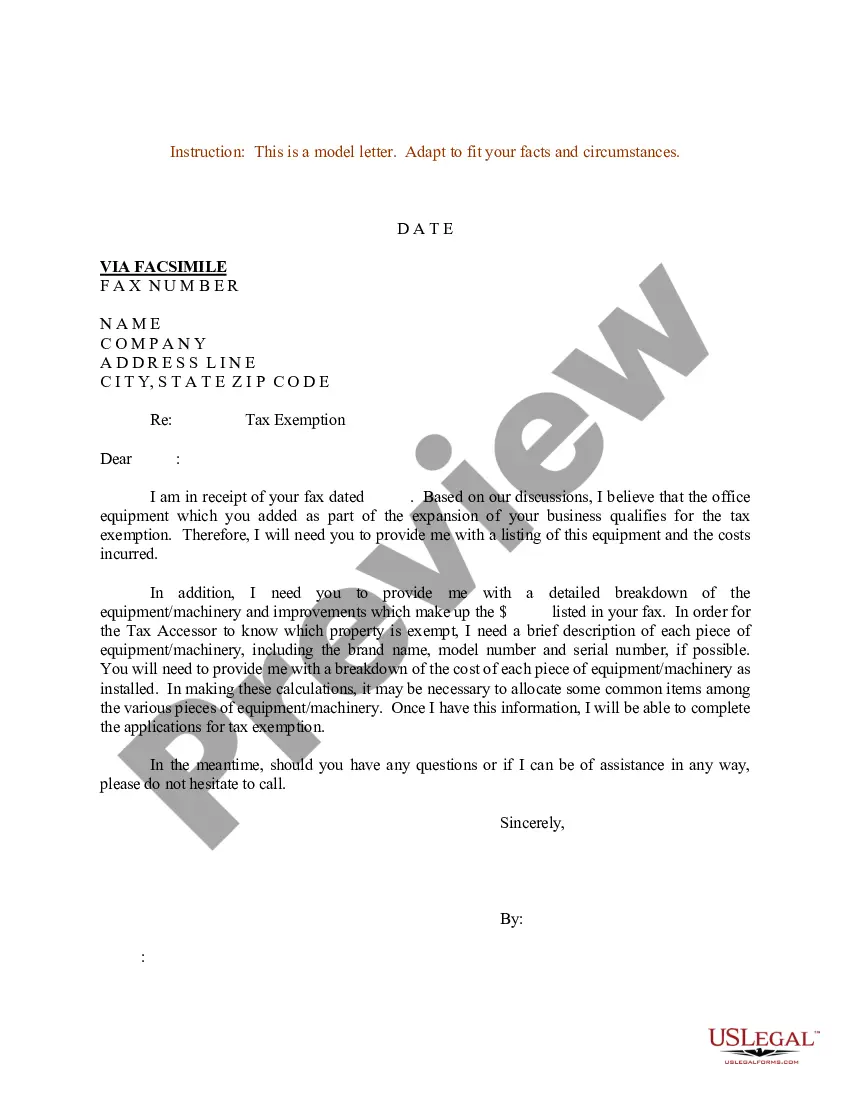
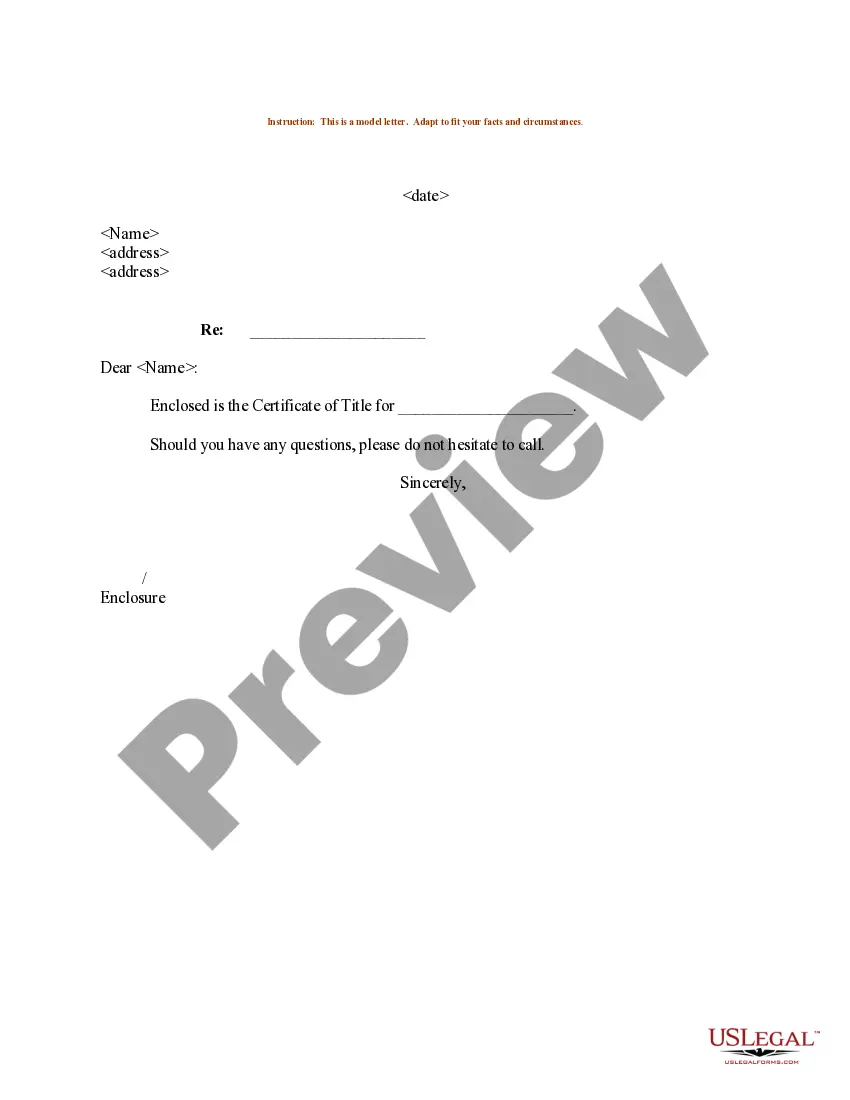
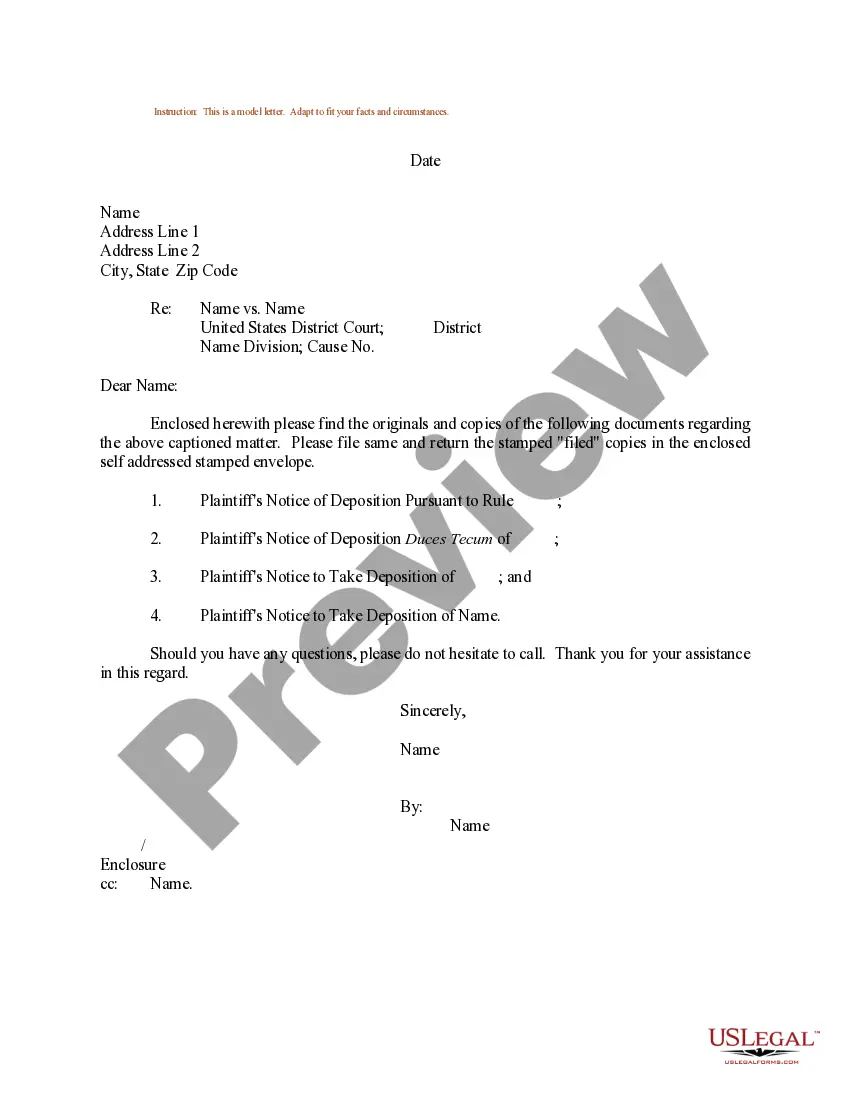
How to fill out Sample Letter Regarding Order To Disburse Funds?
Accessing legal document examples that comply with federal and local laws is essential, and the internet presents numerous choices to select from.
However, why waste time searching for the appropriate Sample Letter Requesting Funds For Building Project template online when the US Legal Forms digital library already compiles such templates in one location.
US Legal Forms is the largest online legal archive featuring over 85,000 editable templates created by attorneys for various business and personal situations.
Enjoy the most comprehensive and user-friendly legal document service!
- They are easy to navigate with all documents categorized by state and intended use.
- Our experts stay updated with legal modifications, ensuring your documents are current and compliant when acquiring a Sample Letter Requesting Funds For Building Project from our site.
- Acquiring a Sample Letter Requesting Funds For Building Project is quick and straightforward for both existing and new users.
- If you have an account with an active subscription, Log In and download the document sample you require in the desired format.
- If you are new to our site, follow the steps below.
Form popularity
FAQ
In other words, if parents agree that the child can spend more time with the non-custodial parent than what the order provides, the court encourages it. The court can deny or otherwise restrict parenting time if contact with the other parent is not in the child's best interests.
There is no set age when the judge will consider the child's preference; each judge determines each child's maturity on a case-by-case basis. However, teenagers are usually old enough to have an opinion the court must consider.
This 90-day waiting period applies even if you and your spouse are seeking a no-contest divorce in Iowa and have agreed on all terms. In very limited circumstances (such as emergencies) a judge may waive the 90-day period and grant your divorce sooner.
How long do you have to be separated before divorce in Iowa? While there is a 90 day waiting period between filing for divorce and when a divorce could be legally granted, Iowa does not have legal separation requirements.
Children who are considered legal adults (age 18 in most states) may always refuse to spend time with a parent. Technically, any child who is not yet a legal adult isn't allowed to refuse visitation.
Parties in a court case may access records and documents in their case through the Iowa Judicial Branch Electronic Document Management System (EDMS) at: .
These include: Use a graduated system to rectify the situation. Open up a reasonable line of communication with the noncustodial parent. Ascertain why the teen does not want to come home. Consider the age of the teen and the possibility for a change. Involve law enforcement. Seek a court order. Seek legal assistance.
The first thing you should do when a child refuses visitation is to notify the other parent as soon as possible. Let them know what's happening, and explain the situation as clearly as possible. Some custody orders include preferred communication methods, and you should notify them via that method when possible.