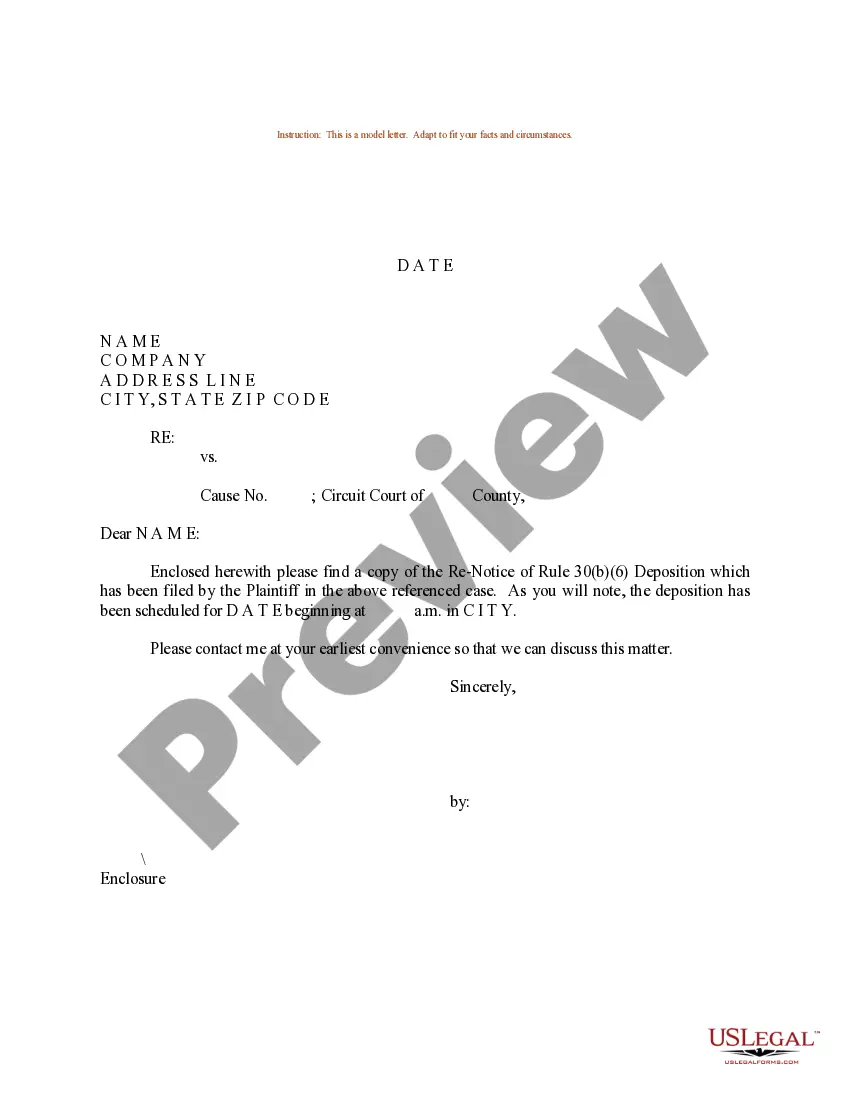
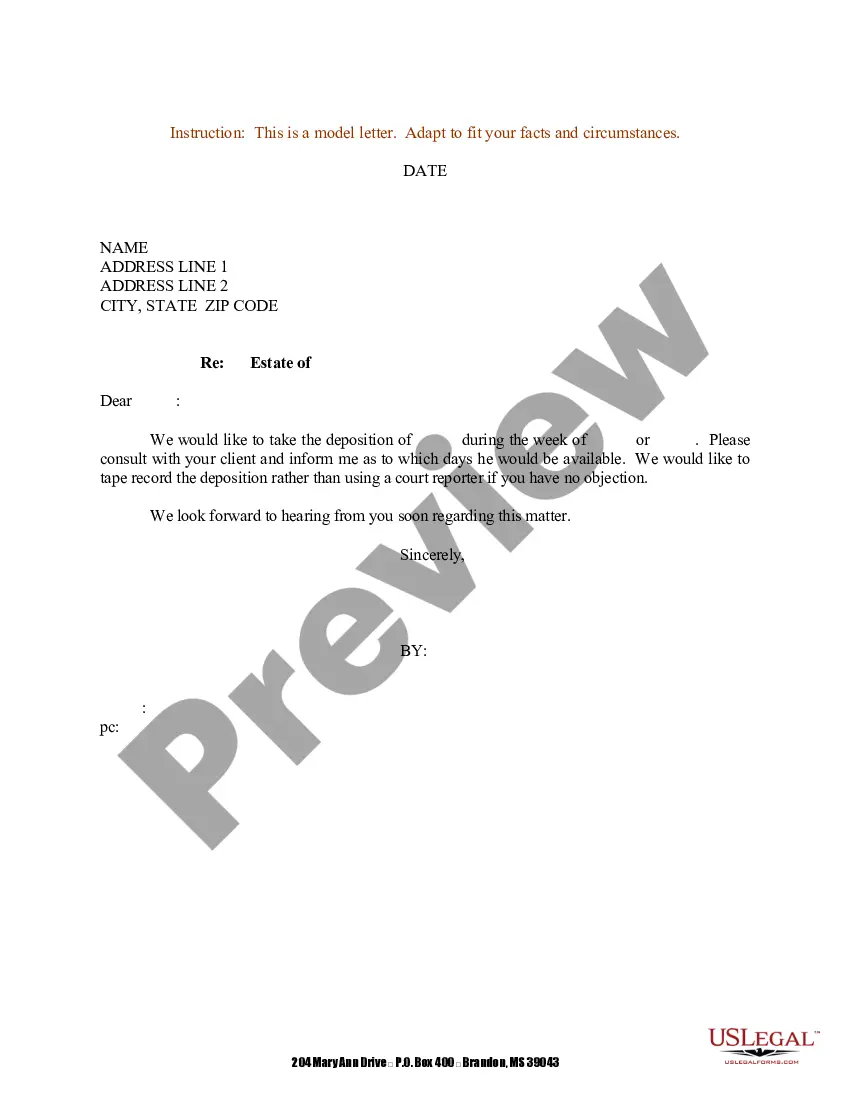
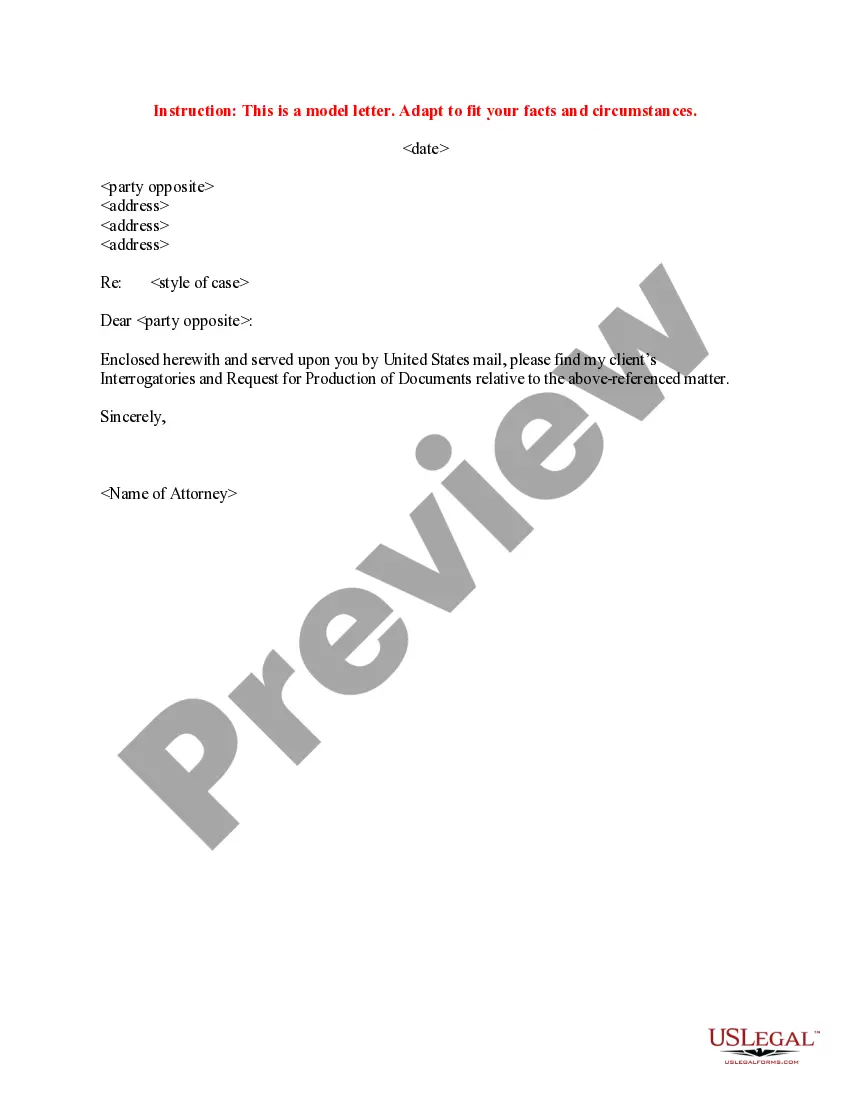
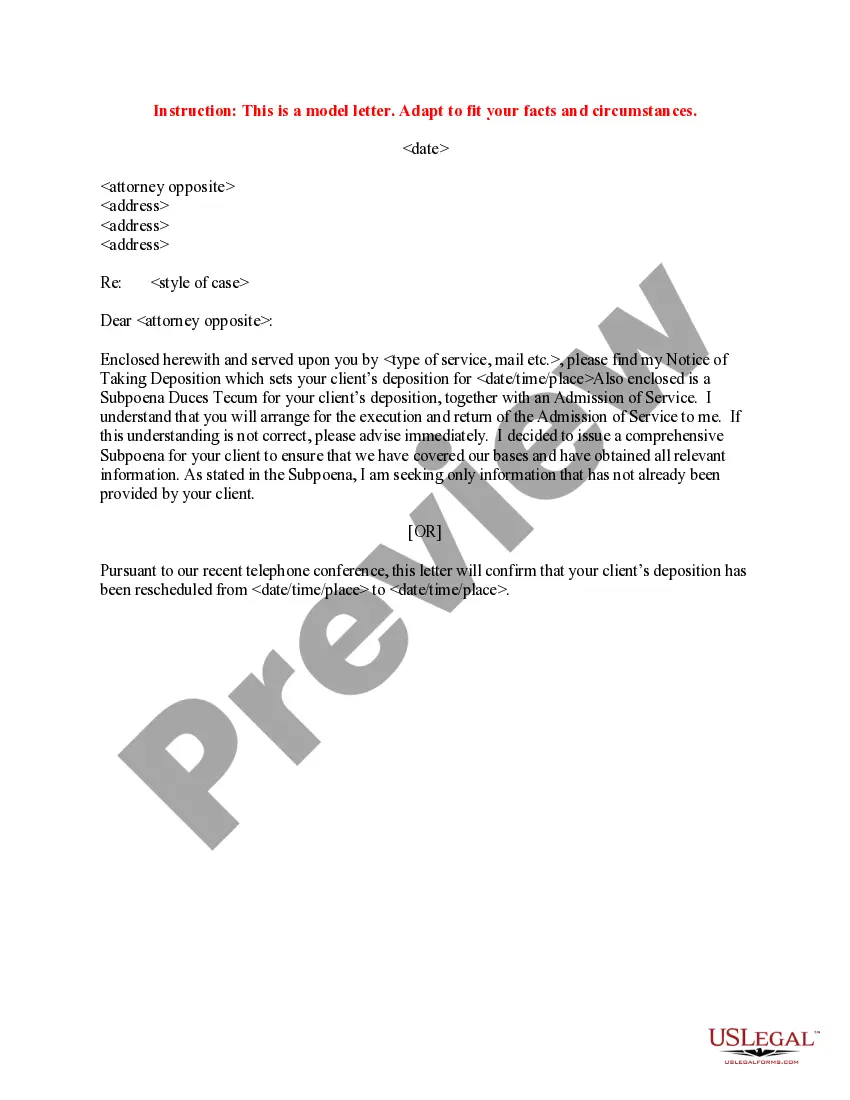
Sample Deposition Form Template With Questions
Description
Get your form ready online
Our built-in tools help you complete, sign, share, and store your documents in one place.
Make edits, fill in missing information, and update formatting in US Legal Forms—just like you would in MS Word.
Download a copy, print it, send it by email, or mail it via USPS—whatever works best for your next step.
Sign and collect signatures with our SignNow integration. Send to multiple recipients, set reminders, and more. Go Premium to unlock E-Sign.
If this form requires notarization, complete it online through a secure video call—no need to meet a notary in person or wait for an appointment.
We protect your documents and personal data by following strict security and privacy standards.

Make edits, fill in missing information, and update formatting in US Legal Forms—just like you would in MS Word.

Download a copy, print it, send it by email, or mail it via USPS—whatever works best for your next step.

Sign and collect signatures with our SignNow integration. Send to multiple recipients, set reminders, and more. Go Premium to unlock E-Sign.

If this form requires notarization, complete it online through a secure video call—no need to meet a notary in person or wait for an appointment.

We protect your documents and personal data by following strict security and privacy standards.
Looking for another form?
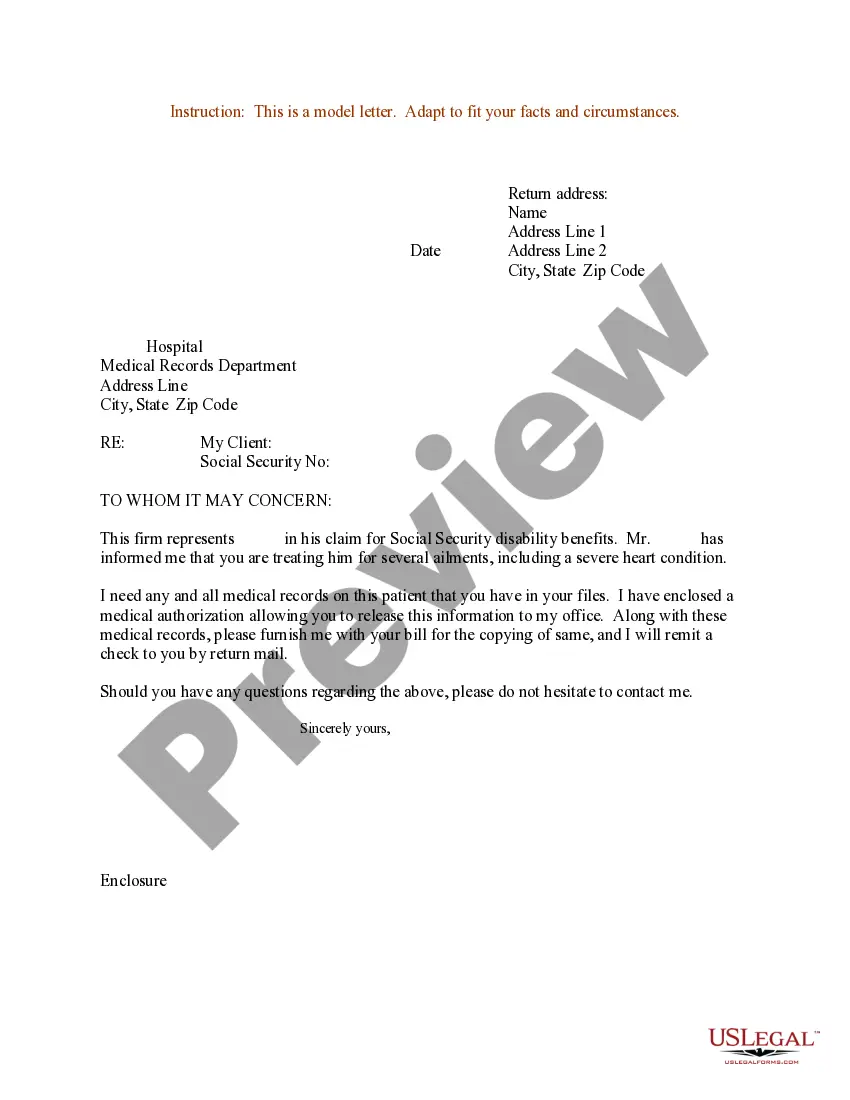
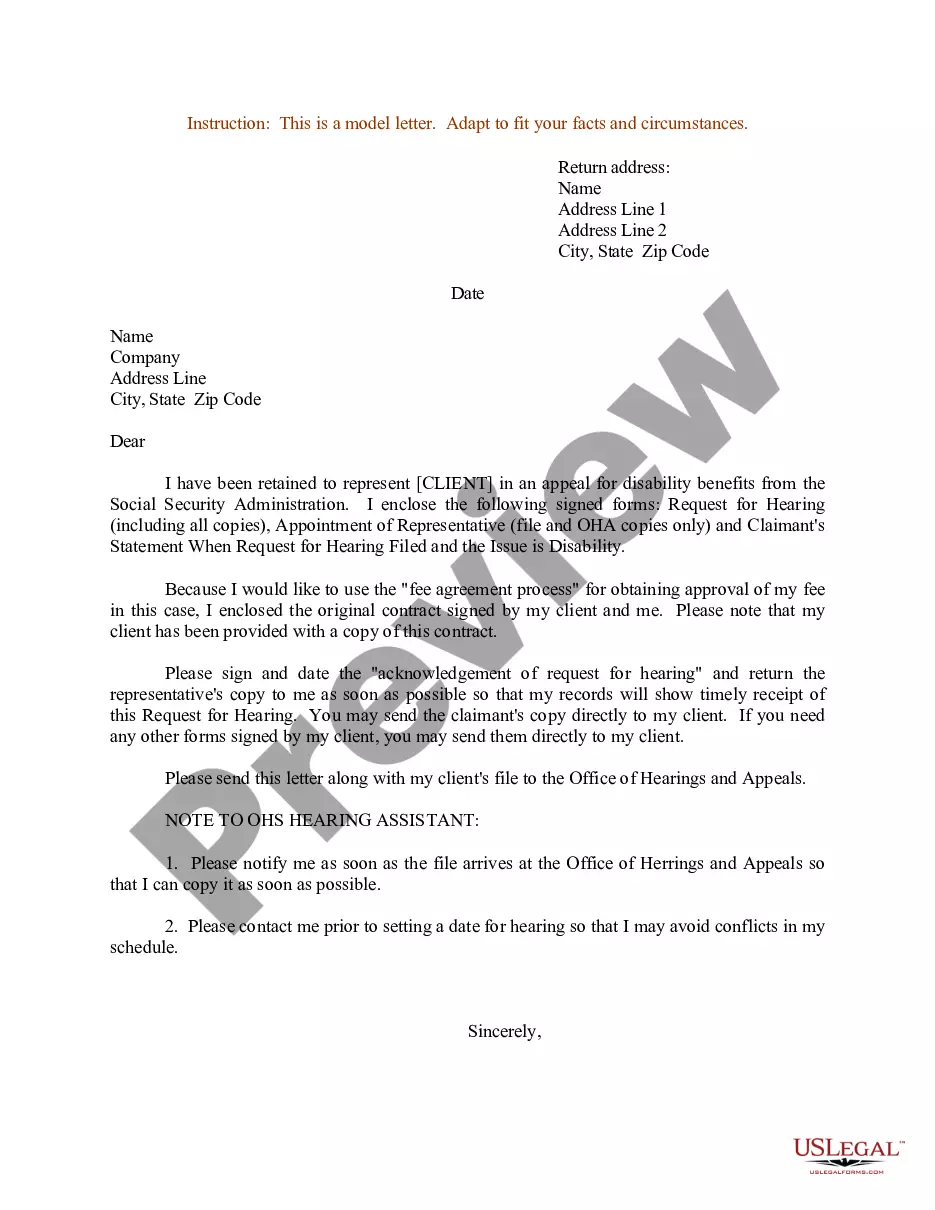
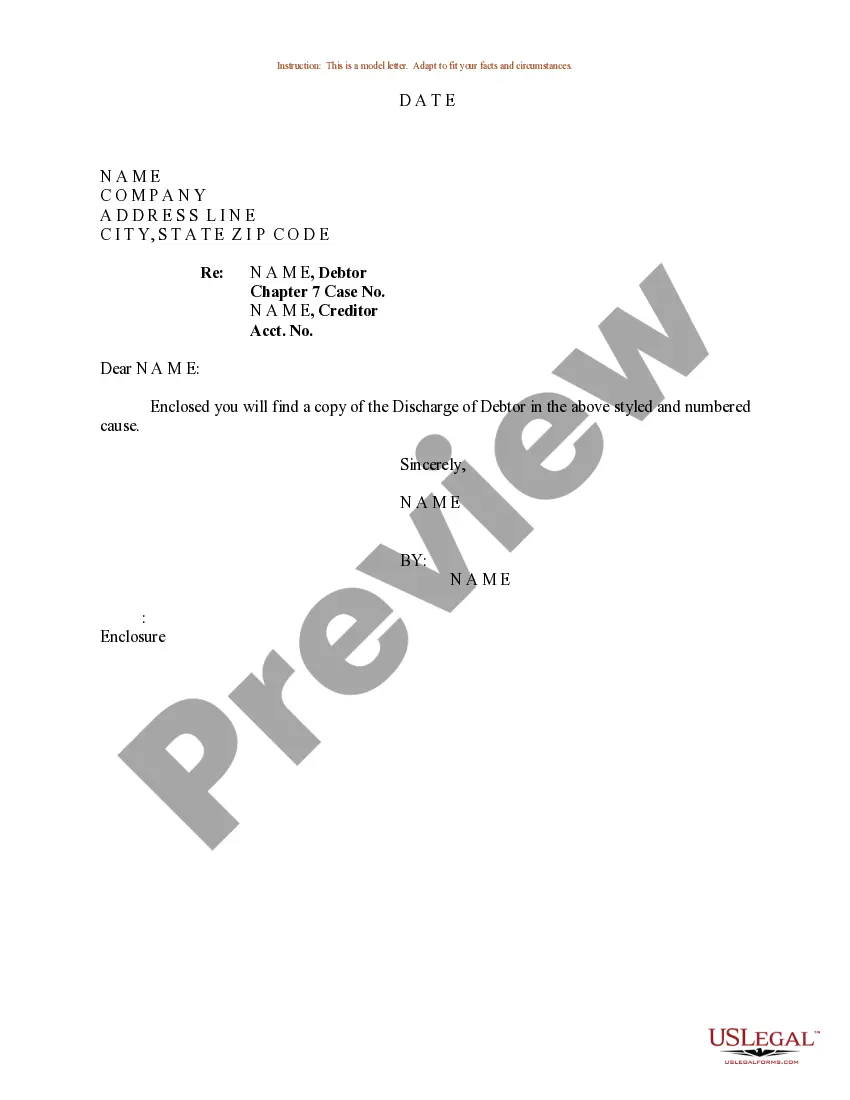
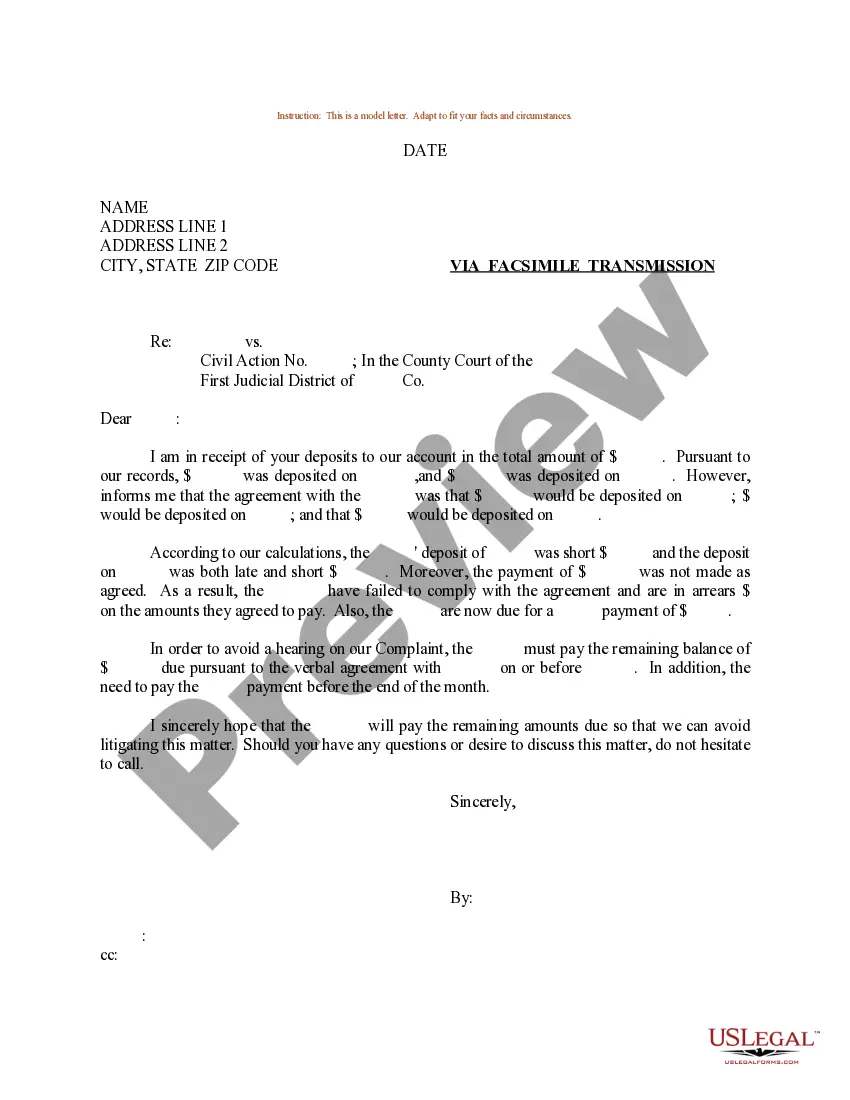
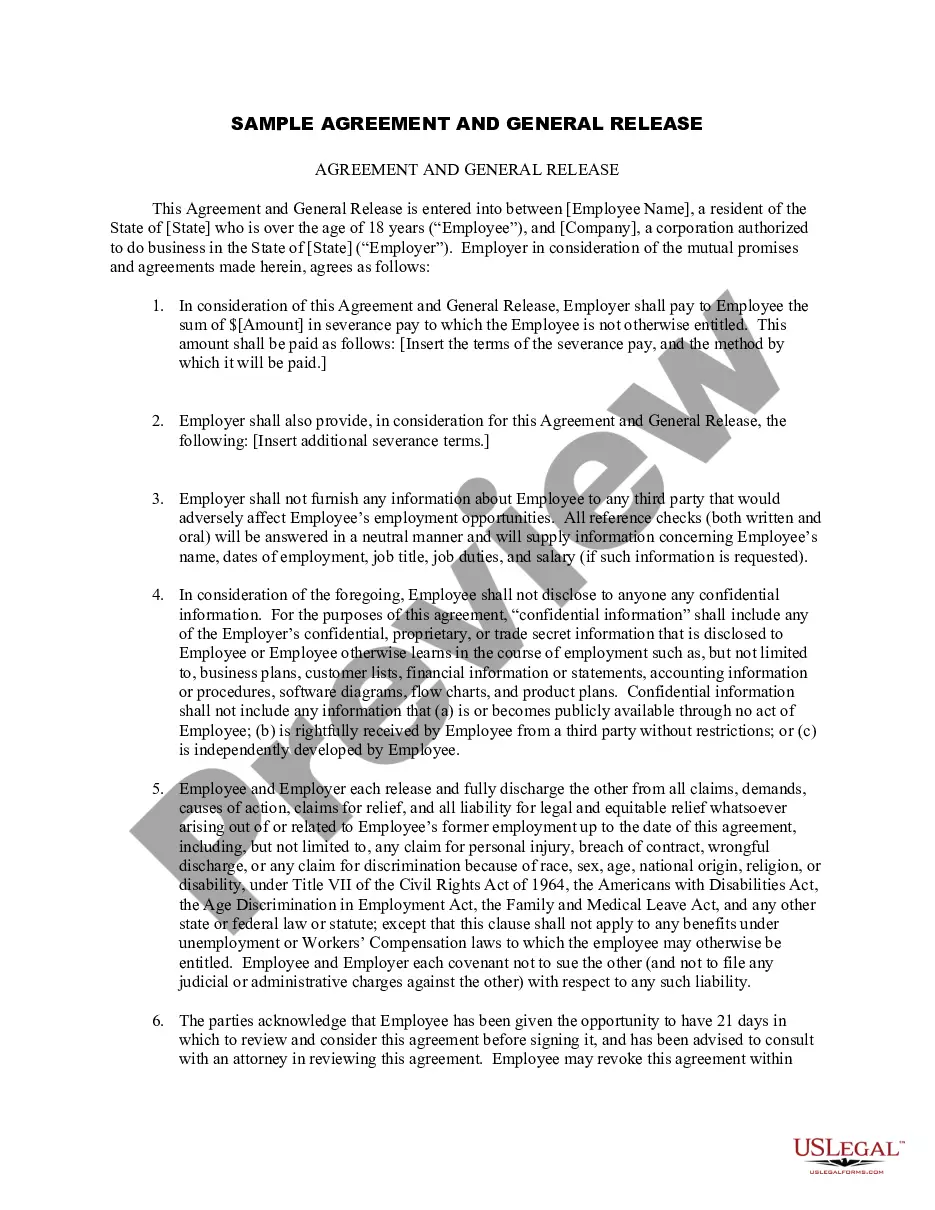
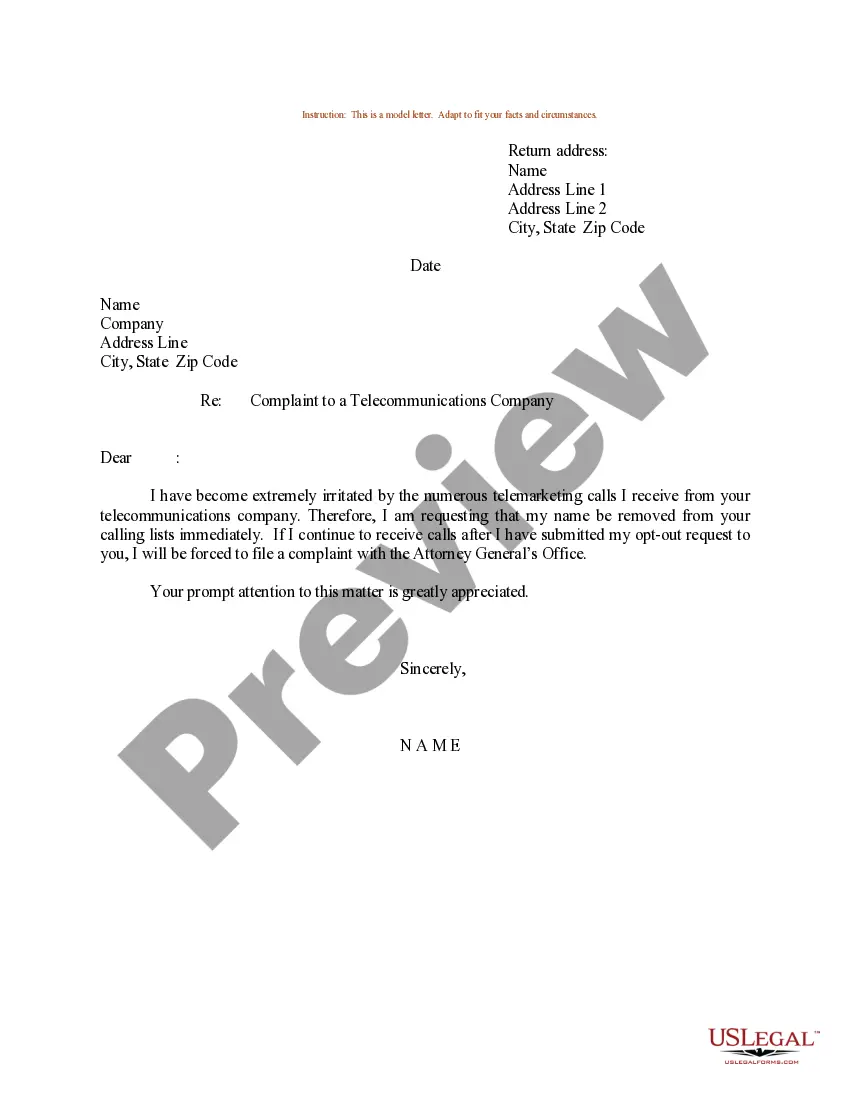
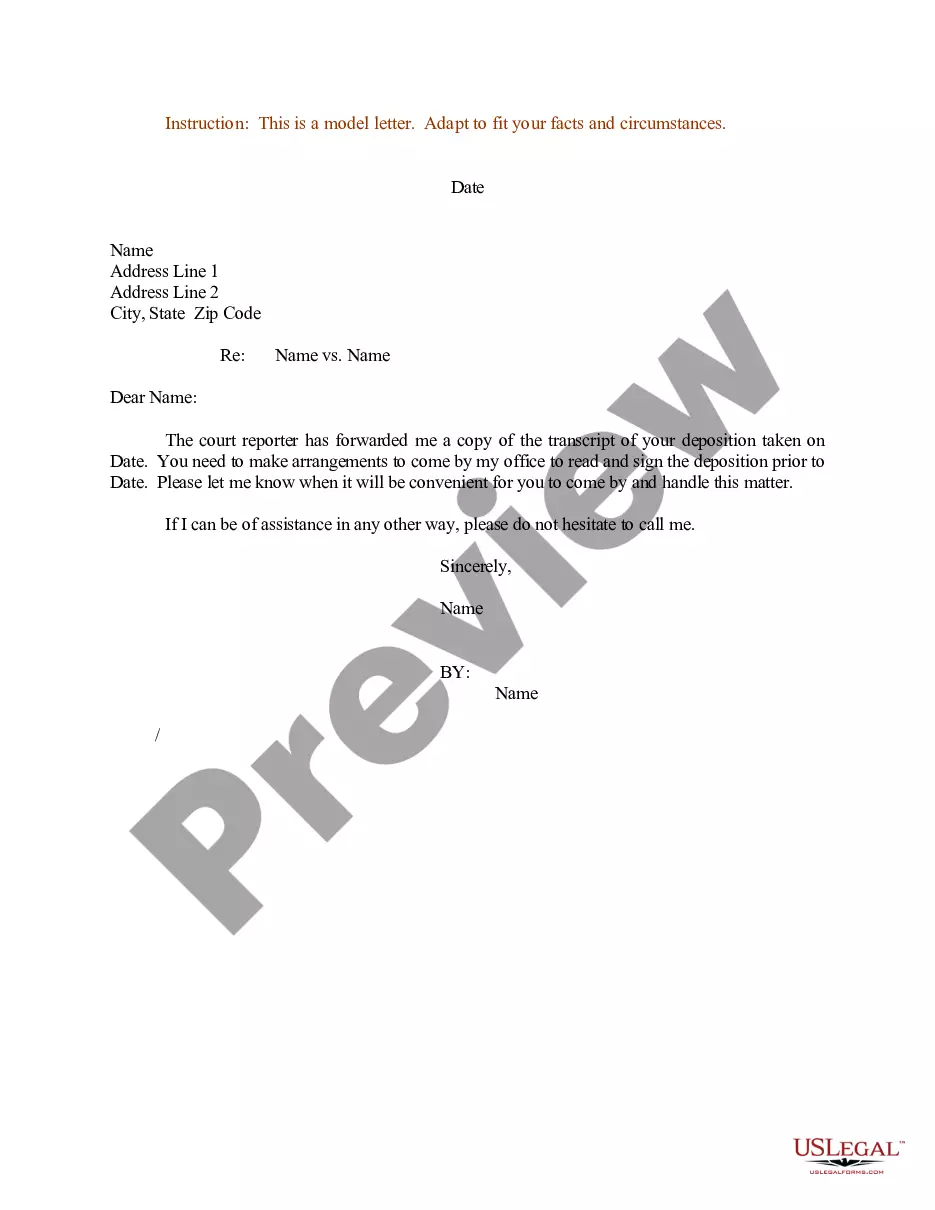
How to fill out Sample Letter Regarding Notice Of Deposition - Discovery?
The Sample Deposition Form Template with Queries you observe on this page is a reusable formal framework crafted by experienced attorneys in accordance with federal and local regulations.
For over 25 years, US Legal Forms has offered individuals, organizations, and lawyers more than 85,000 validated, state-specific documents for any business and personal circumstances. It’s the quickest, easiest, and most dependable method to acquire the paperwork you require, as the service guarantees the utmost level of data protection and anti-malware security.
Register for US Legal Forms to have validated legal templates for all of life’s situations at your fingertips.
- Search for the document you need and review it.
- Examine the example you looked for and view it or assess the form details to ensure it meets your needs. If it doesn’t, utilize the search bar to find the correct one. Click Buy Now when you have located the template you need.
- Register and Log In.
- Select the pricing plan that fits you and create an account. Use PayPal or a credit card for swift payment. If you already possess an account, Log In and check your subscription to continue.
- Obtain the fillable template.
- Select the format you prefer for your Sample Deposition Form Template with Questions (PDF, DOCX, RTF) and store the sample on your device.
- Fill out and sign the document.
- Print the template to complete it by hand. Alternatively, employ an online versatile PDF editor to quickly and accurately complete and sign your form with an electronic signature.
- Download your documentation one more time.
- Utilize the same document again whenever necessary. Open the My documents tab in your profile to redownload any previously downloaded forms.
Form popularity
FAQ
Usually the person who requested the deposition will ask questions first. The attorney who represents the person being deposed might ask follow-up questions only to clear up any misunderstandings that may have come up during the initial questioning.
The deposition summary should cover the main and relevant points of the deposition only, focusing on the following: Describing a deposition for the insurance client or adjuster. Refreshing recollection of the witness before the hearing or trial. Preparing other depositions of the same case. Preparing additional discovery.
In many cases, questions that do not have to be answered fall into three categories: Private information. You have a right to refuse any questions about a person's health, sexuality, or religious beliefs (including your own). ... Privileged information. ... Irrelevant information.
Background Questions Background deposition questions examples could include: Identification ? Name, aliases used, age, and place of birth. Residential ? How long have you lived at your current residence, alone or with someone, and at other residences in the past.
What follows are numerous points or rules to keep in mind throughout the deposition. Tell the truth. ... Think before you speak. ... Answer the question. ... Do not volunteer information. ... Do not answer a question you do not understand. ... Talk in full, complete sentences. ... You only know what you have seen or heard. ... Do not guess.