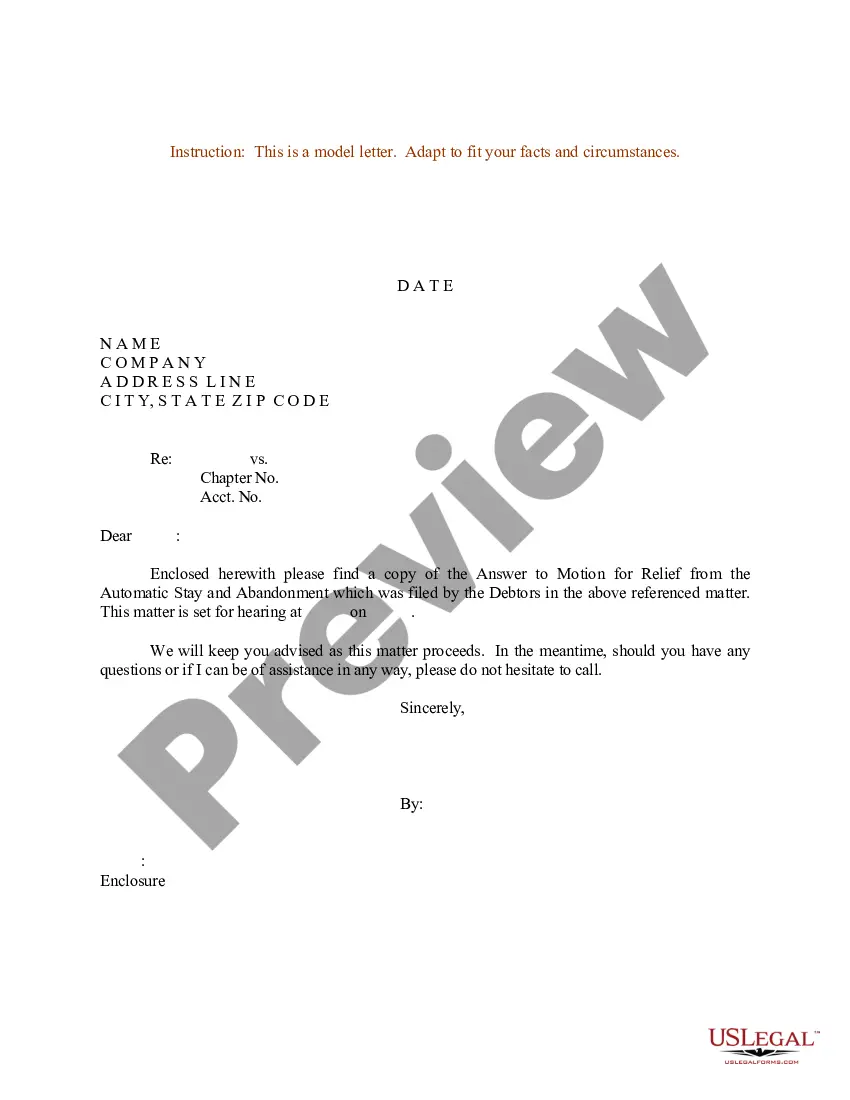
Motion For Relief From Judgment Michigan
Description
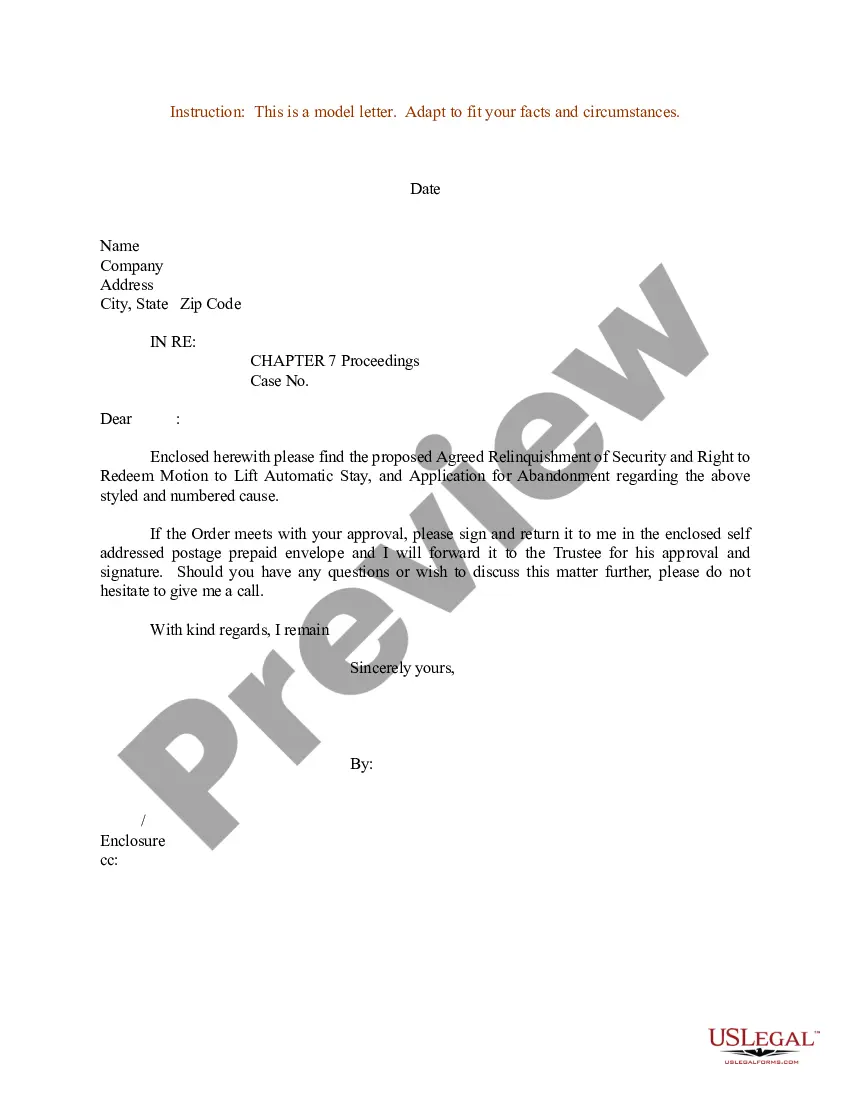
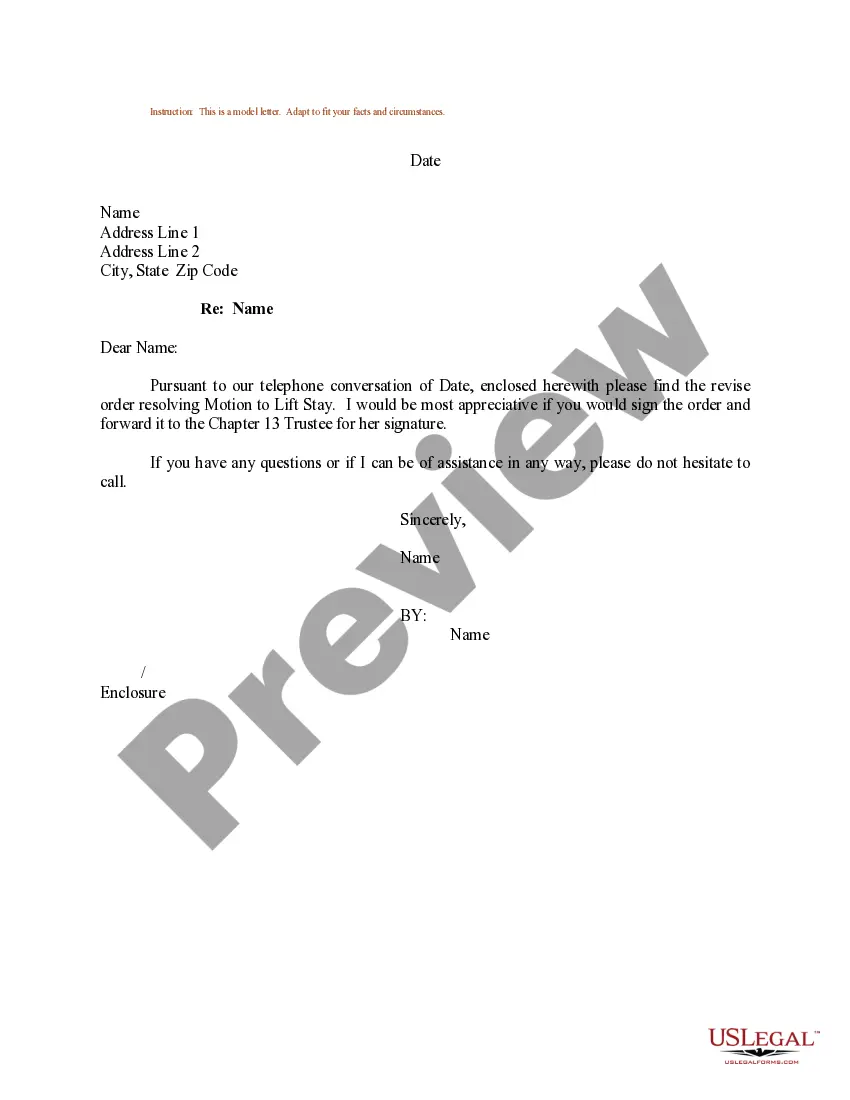
Get your form ready online
Our built-in tools help you complete, sign, share, and store your documents in one place.
Make edits, fill in missing information, and update formatting in US Legal Forms—just like you would in MS Word.
Download a copy, print it, send it by email, or mail it via USPS—whatever works best for your next step.
Sign and collect signatures with our SignNow integration. Send to multiple recipients, set reminders, and more. Go Premium to unlock E-Sign.
If this form requires notarization, complete it online through a secure video call—no need to meet a notary in person or wait for an appointment.
We protect your documents and personal data by following strict security and privacy standards.

Make edits, fill in missing information, and update formatting in US Legal Forms—just like you would in MS Word.

Download a copy, print it, send it by email, or mail it via USPS—whatever works best for your next step.

Sign and collect signatures with our SignNow integration. Send to multiple recipients, set reminders, and more. Go Premium to unlock E-Sign.

If this form requires notarization, complete it online through a secure video call—no need to meet a notary in person or wait for an appointment.

We protect your documents and personal data by following strict security and privacy standards.
Looking for another form?
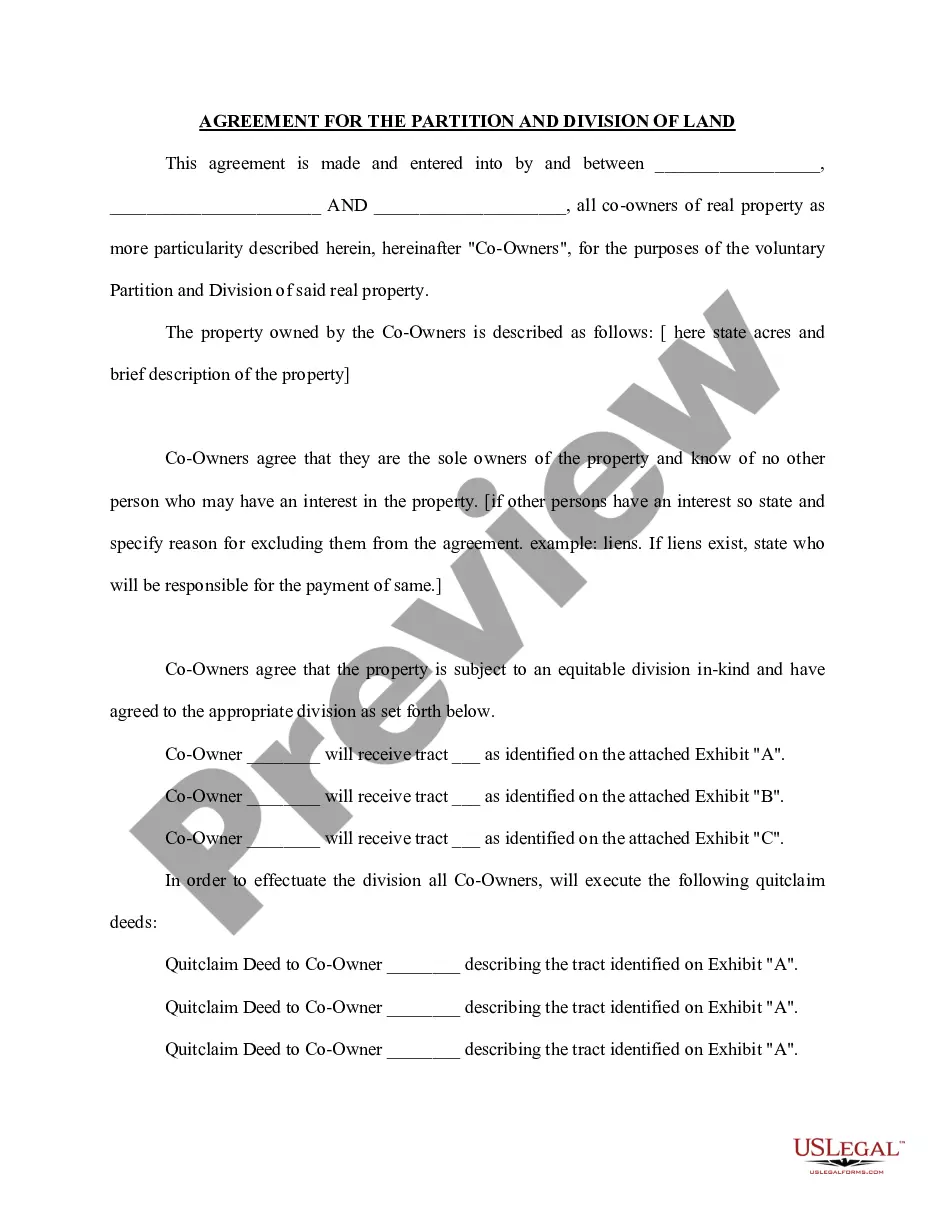
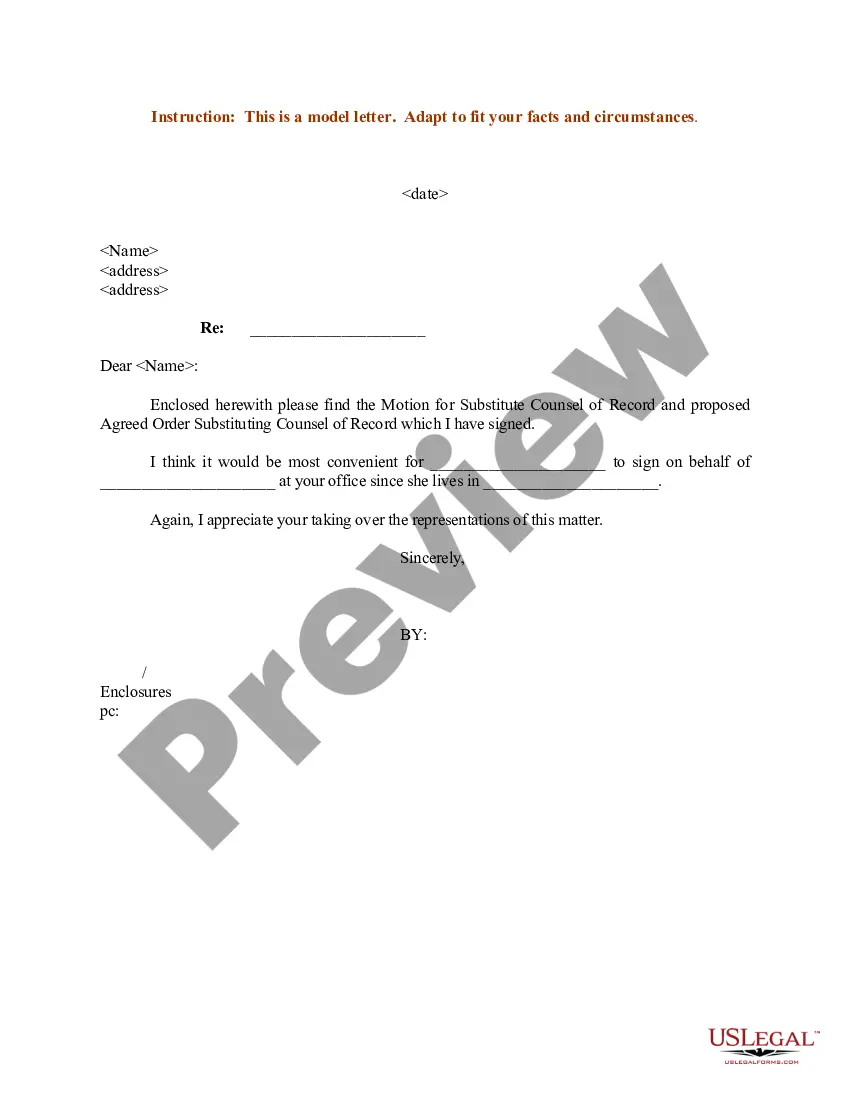
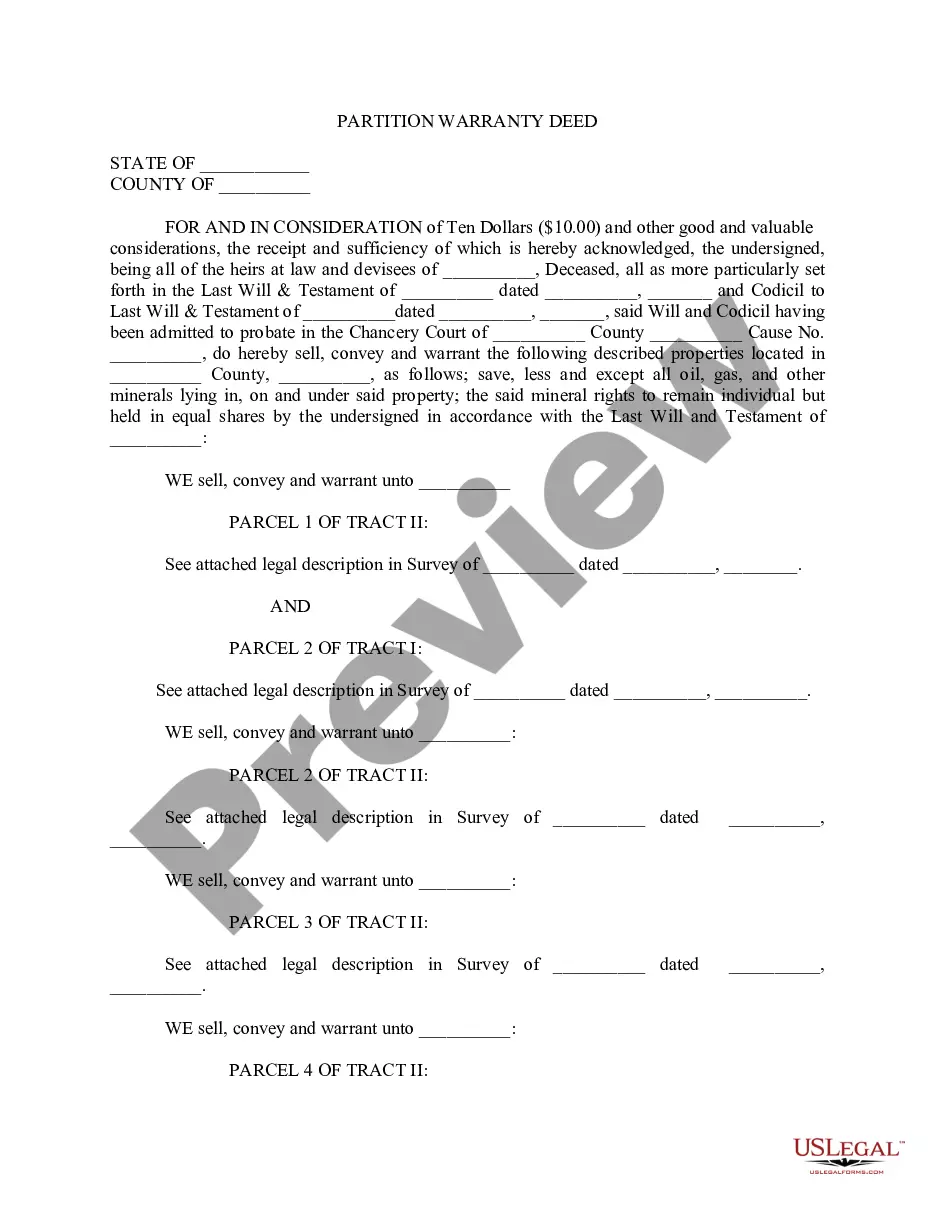
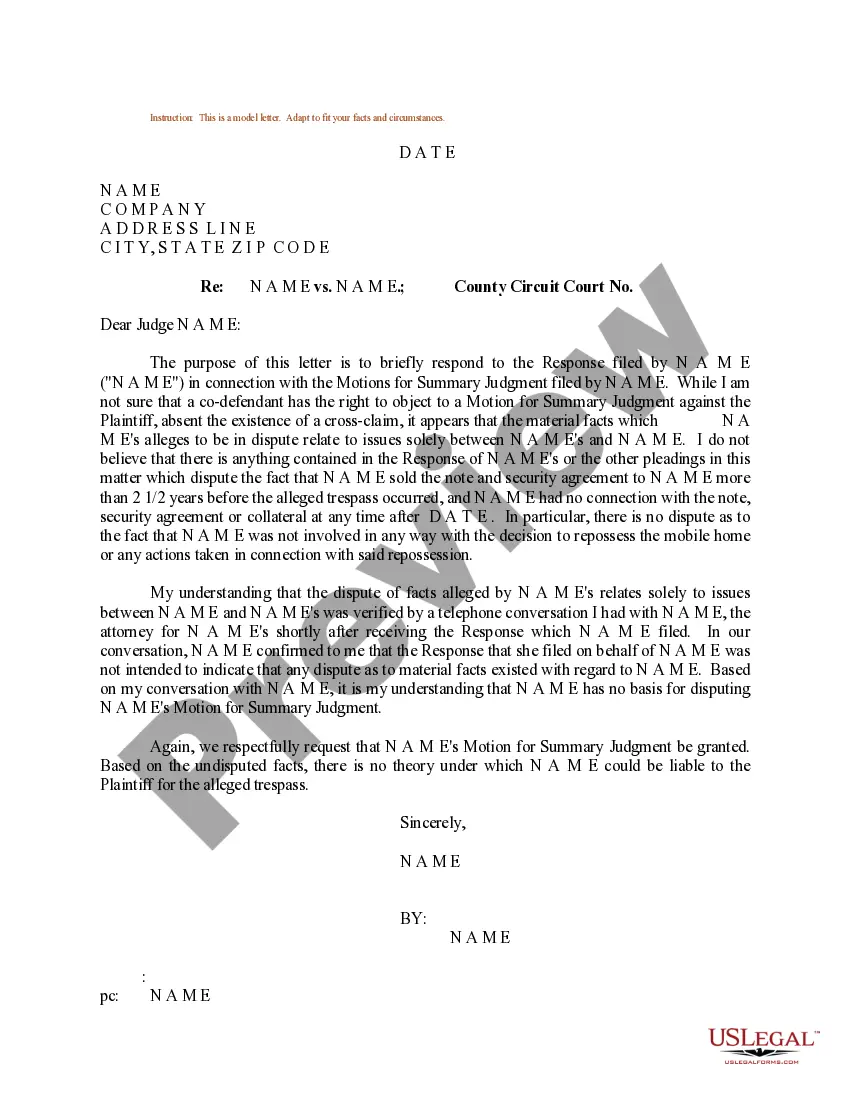
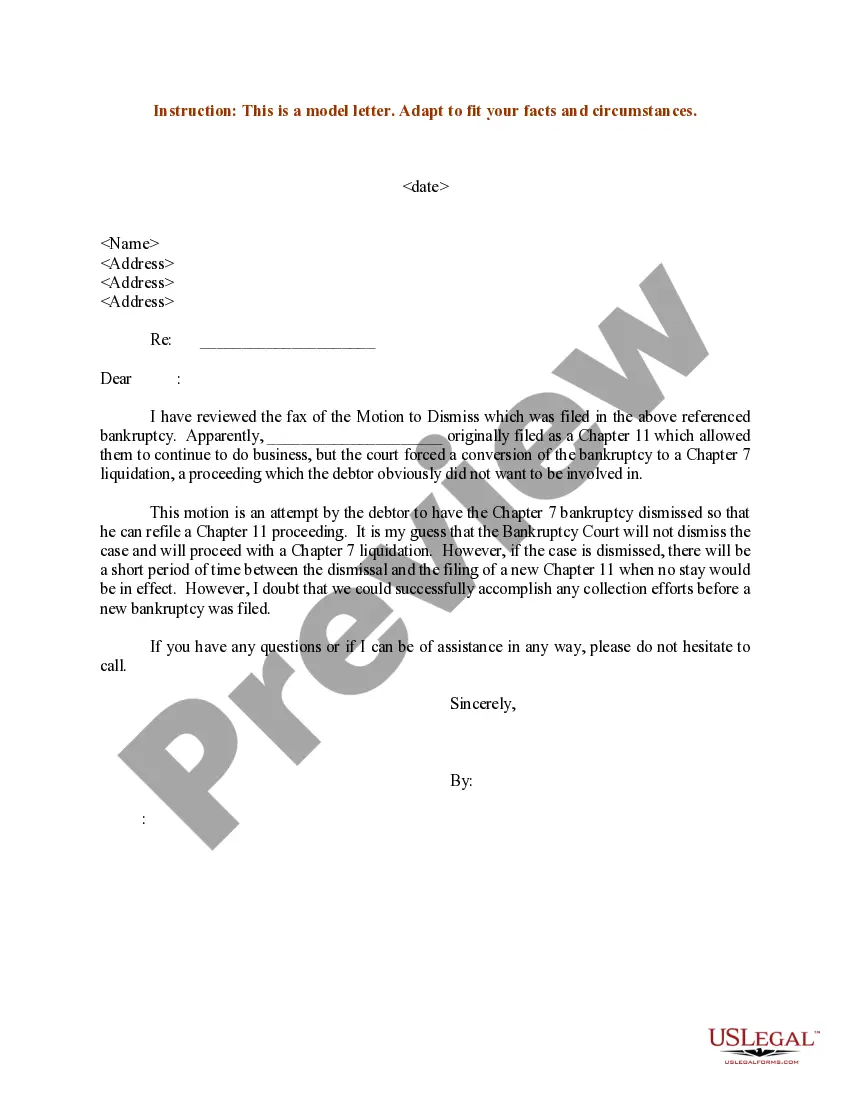
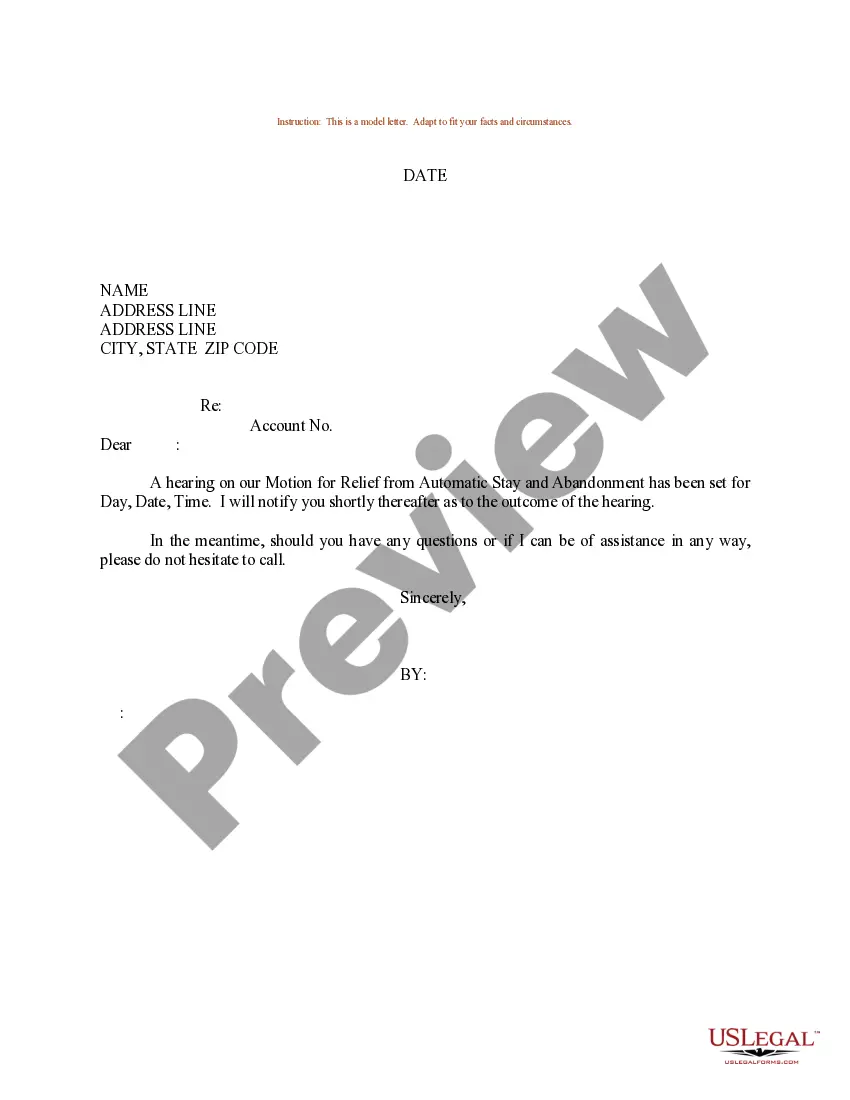
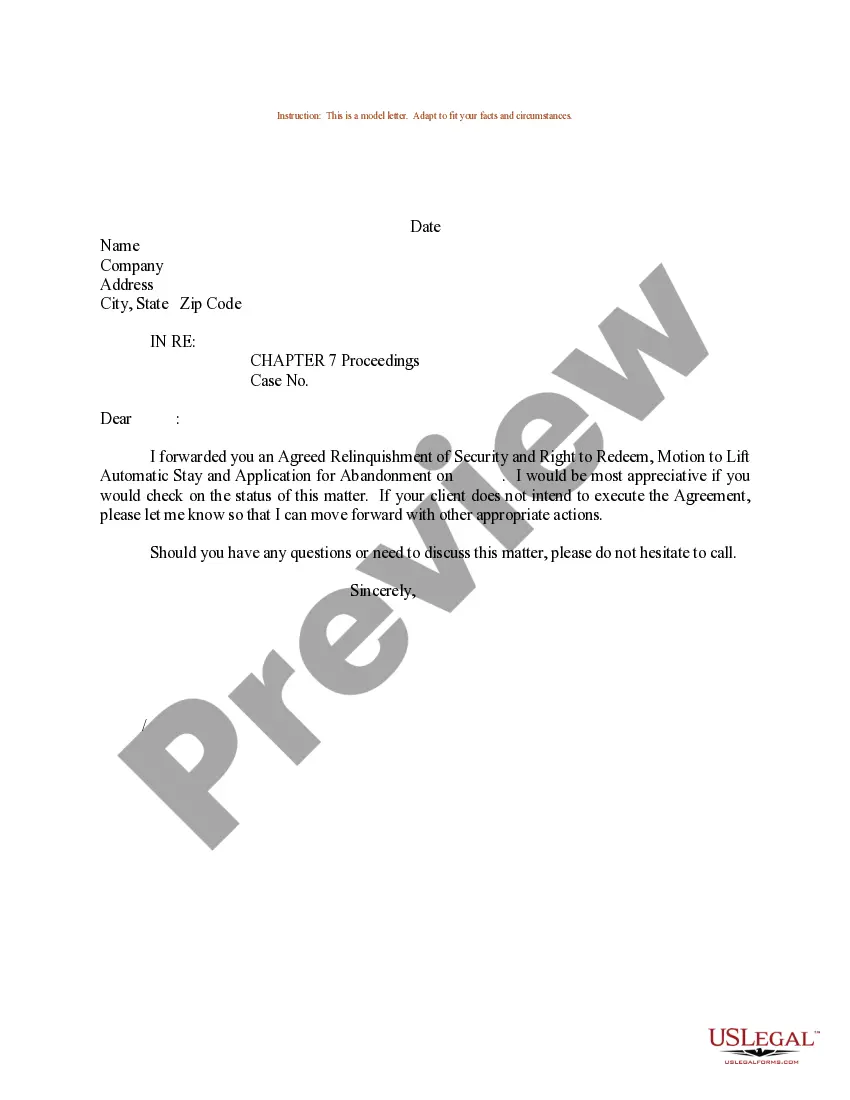
How to fill out Sample Letter Regarding Answer To Motion For Relief From The Automatic Stay And Abandonment?
Regardless of whether it is for corporate reasons or personal concerns, everyone encounters legal issues at some point in their lives.
Filling out legal documents requires meticulous care, beginning with choosing the appropriate form template.
With a comprehensive catalog from US Legal Forms available, you no longer need to waste time searching for the right template online. Utilize the library’s easy navigation to find the appropriate form for any circumstance.
- For example, if you choose an incorrect version of a Motion For Relief From Judgment Michigan, it will be denied upon submission.
- Thus, it is crucial to have a reliable source for legal templates like US Legal Forms.
- If you need to acquire a Motion For Relief From Judgment Michigan template, adhere to these straightforward steps.
- 1. Retrieve the template you require using the search bar or catalog browsing.
- 2. Review the form's details to ensure it aligns with your case, state, and county.
- 3. Click on the form's preview to examine it.
- 4. If it is not the correct document, return to the search feature to find the Motion For Relief From Judgment Michigan template you need.
- 5. Obtain the template when it fits your requirements.
- 6. If you possess a US Legal Forms account, click Log in to access previously saved templates in My documents.
- 7. If you don’t have an account yet, you can acquire the form by clicking Buy now.
- 8. Choose the appropriate pricing option.
- 9. Complete the profile registration form.
- 10. Select your payment method: either use a credit card or PayPal account.
- 11. Choose your desired file format and download the Motion For Relief From Judgment Michigan.
- 12. Once it is downloaded, you can either fill out the form using editing software or print it and complete it by hand.
Form popularity
FAQ
The rule 60 motion for relief from judgment allows a party to request the court to vacate or revise a judgment under specific circumstances. This could include newly discovered evidence or instances of fraud. Understanding rule 60 can be critical when pursuing a motion for relief from judgment Michigan, as it provides a legal framework for appealing past decisions.
When responding to a motion for relief from judgment Michigan, carefully review the claims made in the motion. Prepare a written response that addresses each point raised, providing evidence and arguments to counter the claims. Be sure to submit your response within the timeline set by the court to ensure your voice is heard.
Filing a motion for judgment involves drafting a clear, concise document outlining your request and the reasons for it. You should include all relevant facts and supporting evidence to strengthen your case. After completing your motion, file it with the appropriate court according to Michigan regulations and serve it to all parties involved. Platforms like USLegalForms can guide you through creating and filing your motion seamlessly.
A motion for relief from judgment in Michigan is a legal request asking the court to reconsider or overturn a previous ruling due to valid grounds. Such grounds may include errors during the trial, new evidence, or other factors affecting the fairness of the original decision. This motion is vital for individuals seeking justice or a second chance after an unfavorable judgment. Utilizing legal resources online, like USLegalForms, can enhance your understanding and preparation for this motion.
To file a motion for judgment, you will need to prepare a written document that articulates your request clearly and provides specific legal arguments. Include pertinent details of your case and any supporting documentation. Once prepared, file your motion with the appropriate court and serve copies to the involved parties. Using a platform like USLegalForms can simplify this process, ensuring all legal requirements are met.
A Rule 60 motion for relief from judgment allows a party to request that the court set aside or modify a previous judgment due to specific grounds such as mistake, newly discovered evidence, or fraud. In Michigan, this provision serves as a crucial way to correct injustices that may arise from prior court decisions. Utilizing this rule effectively can reopen cases, offering a fresh start in legal matters.
The purpose of a motion for judgment is to request the court to rule in your favor based on the available evidence and legal standards. Specifically, a motion for relief from judgment in Michigan aims to address mistakes or inequities in previous rulings. This legal tool helps protect your rights and can be a pathway to appeal unfavorable decisions. Always ensure to provide substantial reasoning and evidence to support your motion.
Relief from judgment refers to a legal mechanism that enables a party to challenge and potentially overturn a court's decision. In Michigan, this process often involves filing a motion for relief from judgment, allowing you to bring attention to errors or newly discovered facts. This option is crucial for ensuring justice, especially if the original judgment did not reflect the true merits of the case. Utilizing resources like US Legal Forms can simplify filing these motions and guide you through the process.
A motion for relief of judgment allows a party to request a court to set aside or modify a previous judgment. In Michigan, this process can help when new evidence emerges, or there are legal errors that affected the judgment. By filing a motion for relief from judgment in Michigan, you can seek a fair reconsideration of your case, providing an opportunity to present new arguments or evidence. This tool can be especially vital for those seeking to rectify past decisions.