Unincorporated Associations Form With Decimals
Description
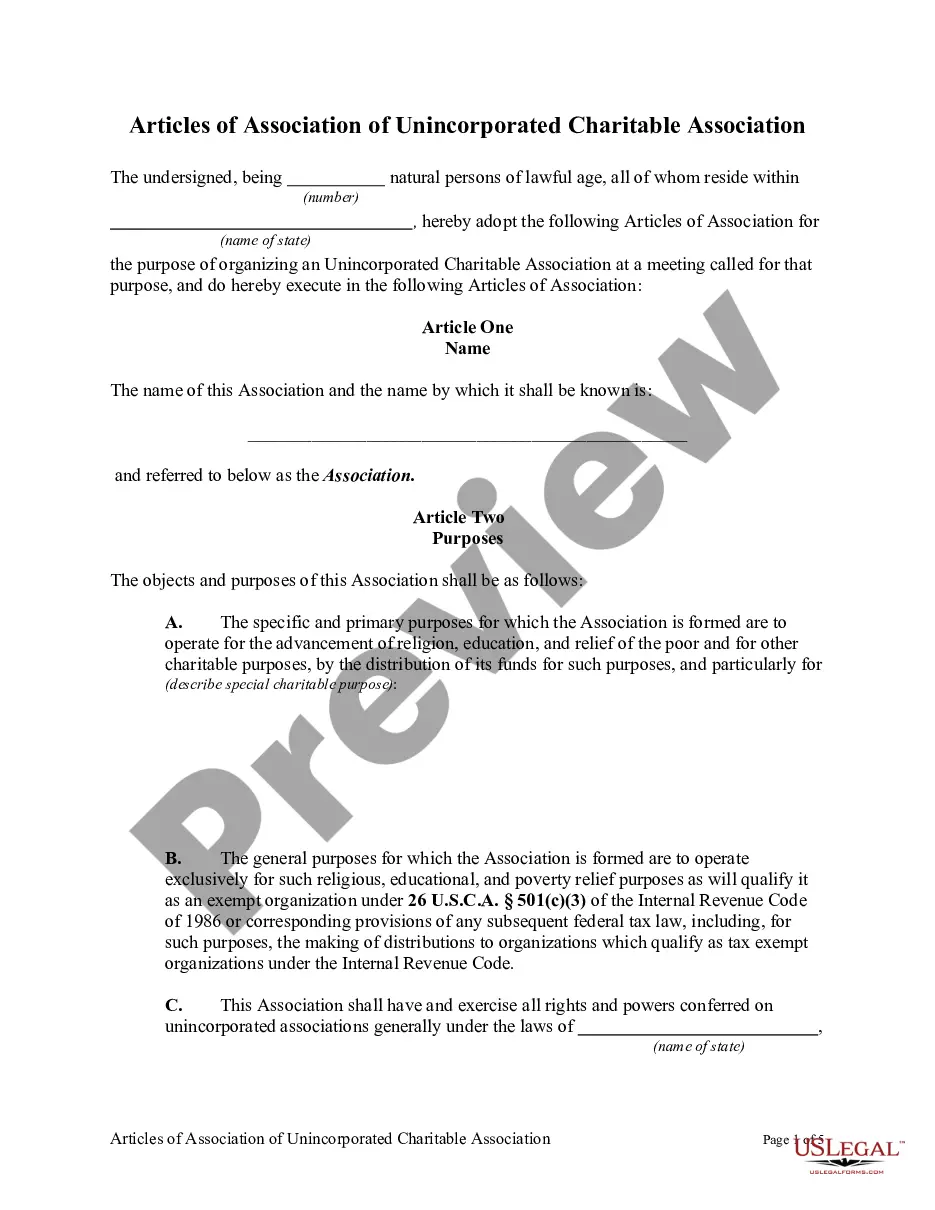
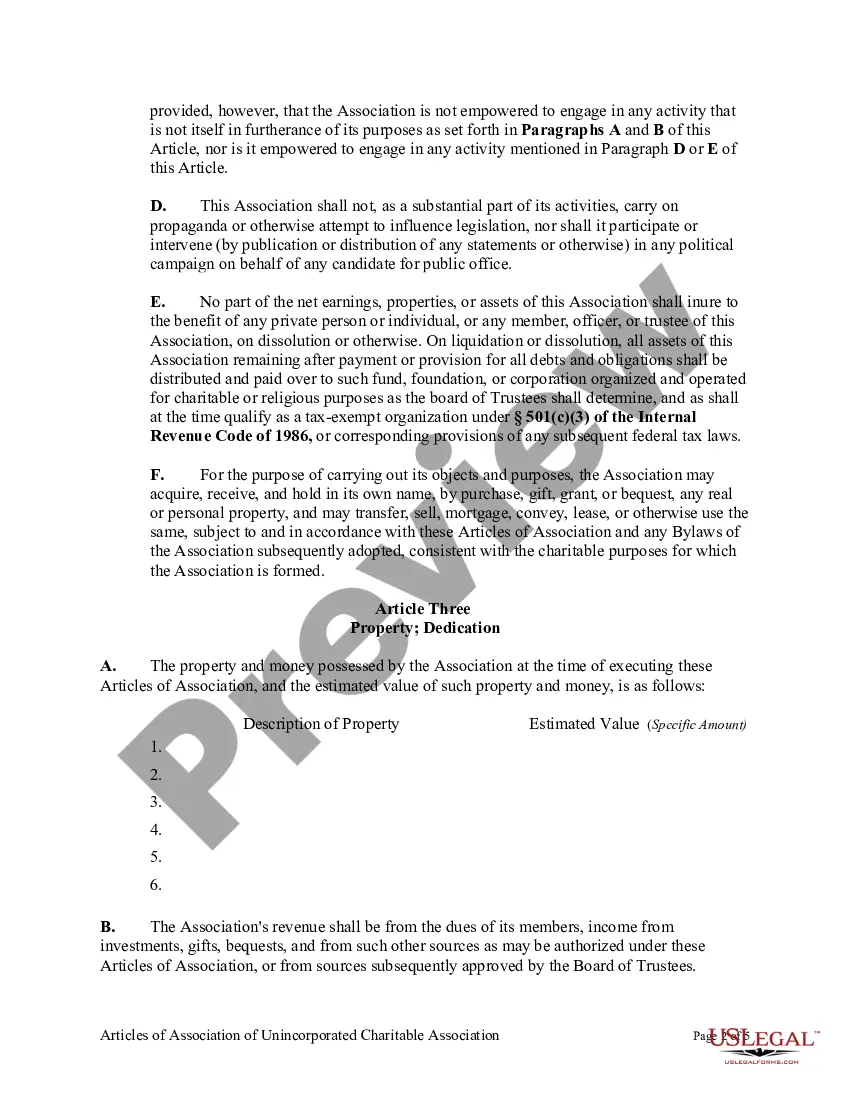
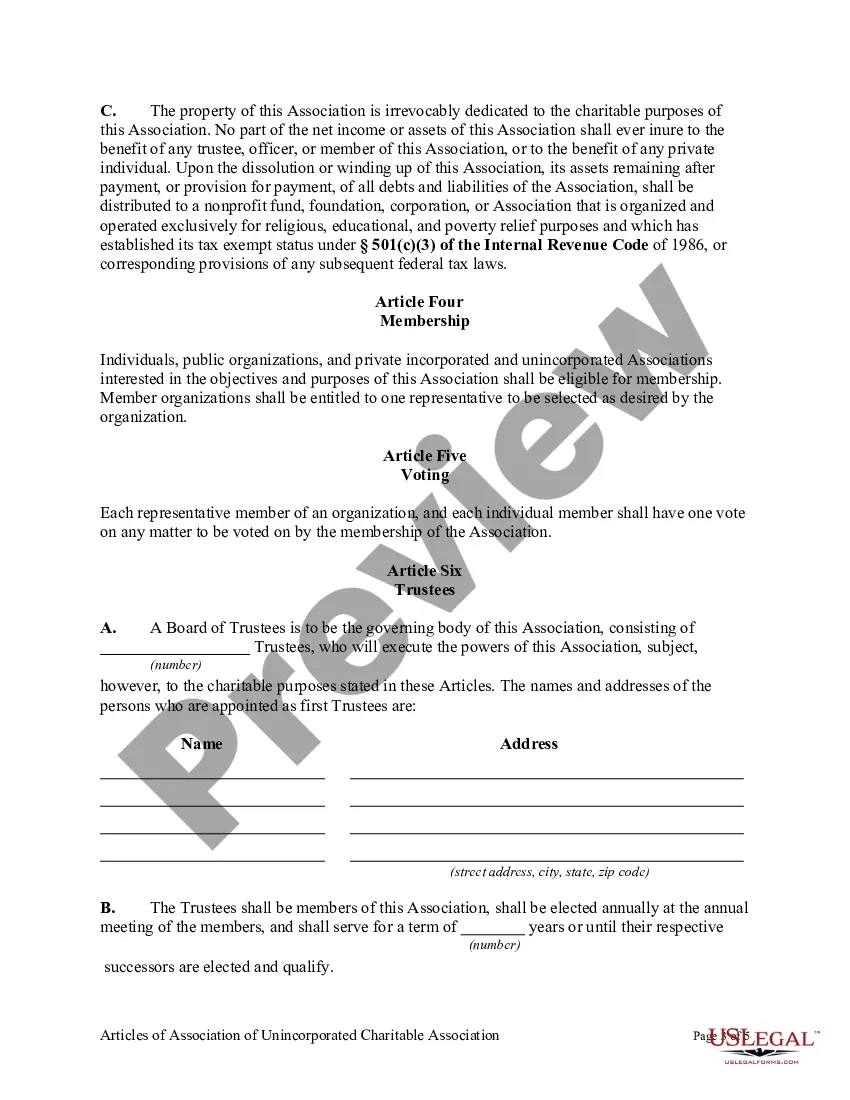
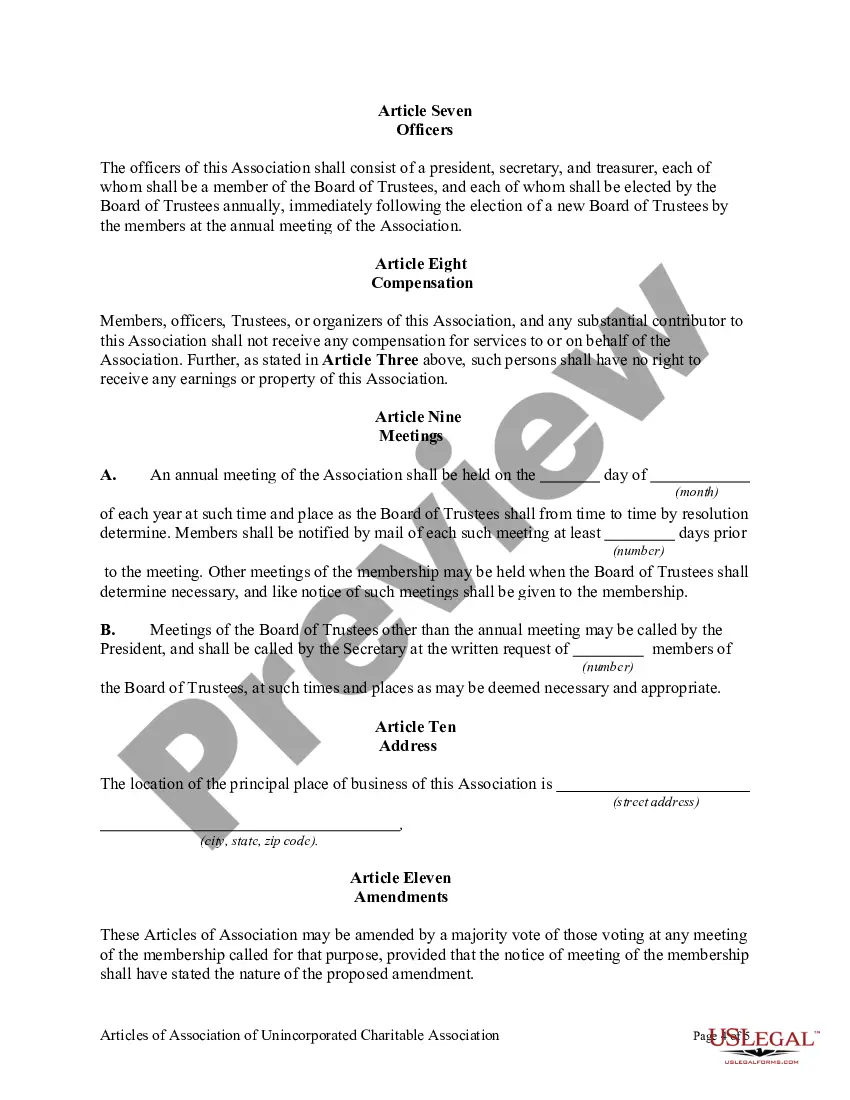
Get your form ready online
Our built-in tools help you complete, sign, share, and store your documents in one place.
Make edits, fill in missing information, and update formatting in US Legal Forms—just like you would in MS Word.
Download a copy, print it, send it by email, or mail it via USPS—whatever works best for your next step.
Sign and collect signatures with our SignNow integration. Send to multiple recipients, set reminders, and more. Go Premium to unlock E-Sign.
If this form requires notarization, complete it online through a secure video call—no need to meet a notary in person or wait for an appointment.
We protect your documents and personal data by following strict security and privacy standards.

Make edits, fill in missing information, and update formatting in US Legal Forms—just like you would in MS Word.

Download a copy, print it, send it by email, or mail it via USPS—whatever works best for your next step.

Sign and collect signatures with our SignNow integration. Send to multiple recipients, set reminders, and more. Go Premium to unlock E-Sign.

If this form requires notarization, complete it online through a secure video call—no need to meet a notary in person or wait for an appointment.

We protect your documents and personal data by following strict security and privacy standards.
Looking for another form?
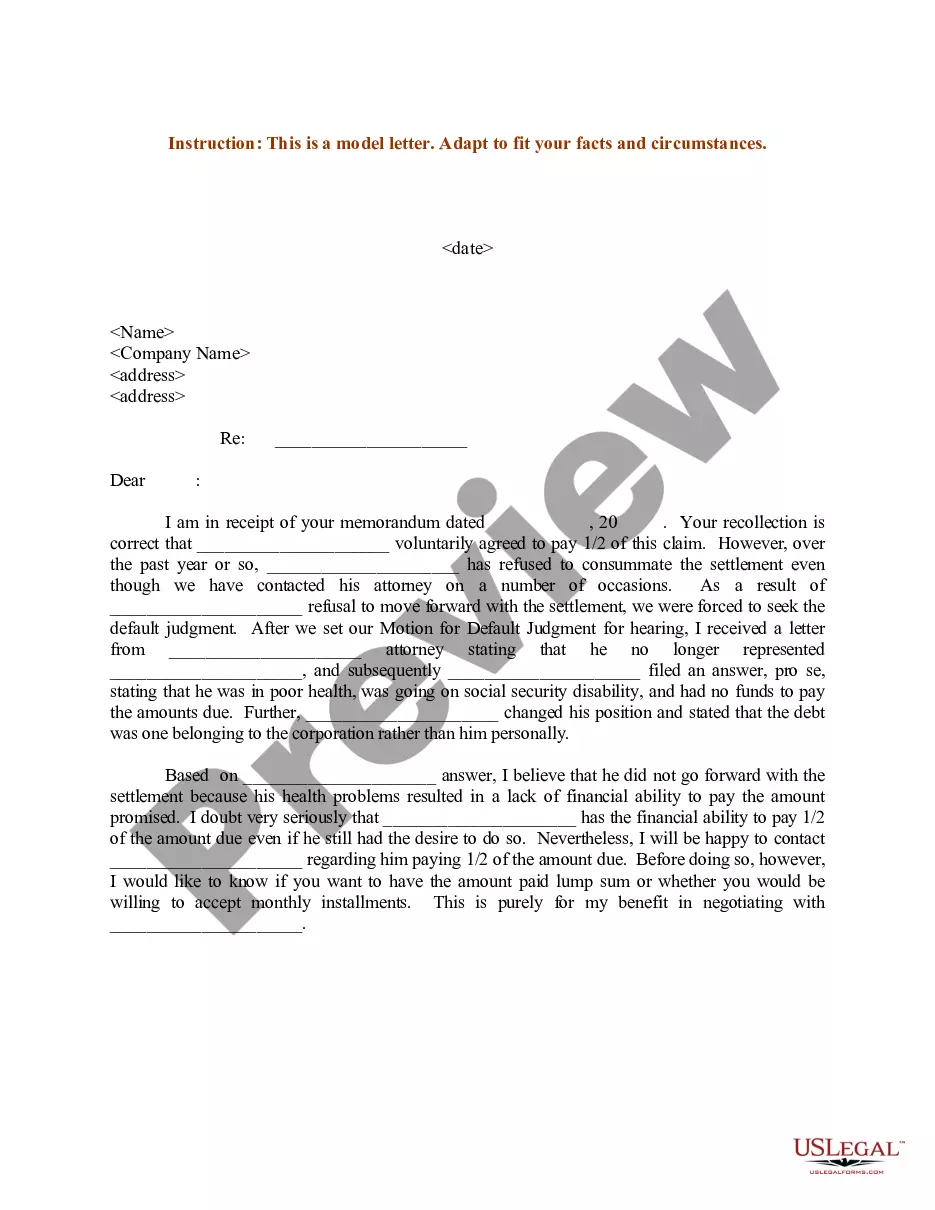



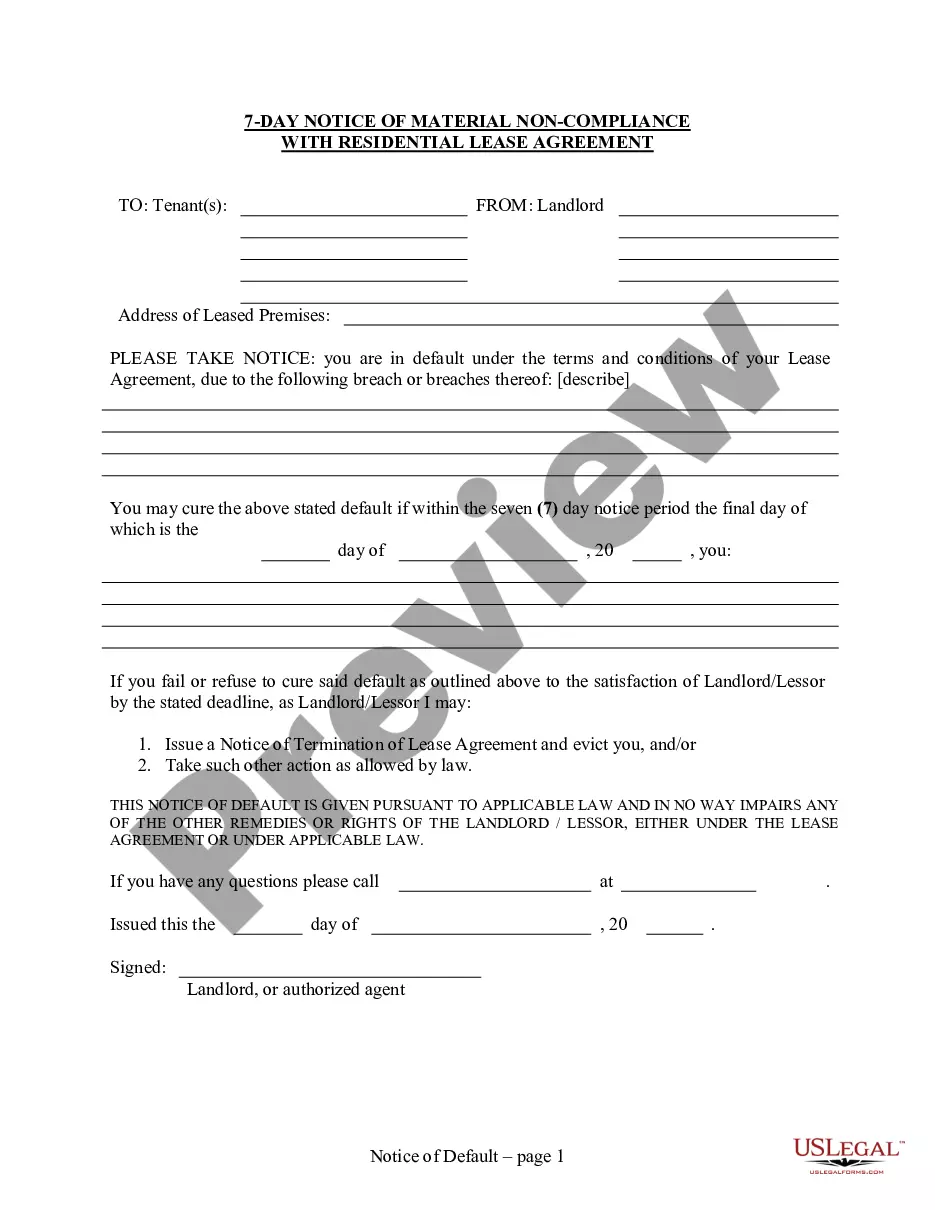

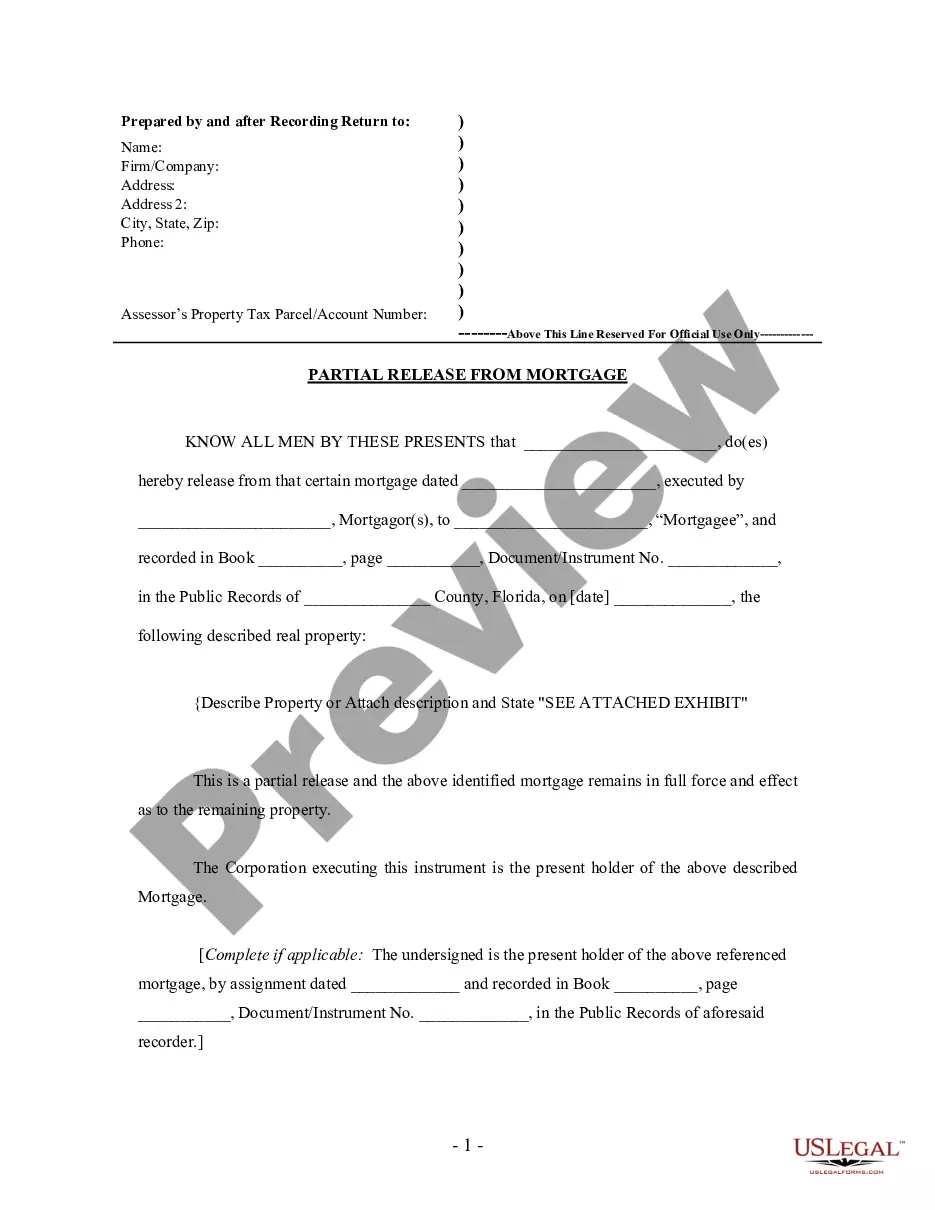



How to fill out Articles Of Association Of Unincorporated Charitable Association?
Finding a reliable source for the latest and pertinent legal templates is half the battle when navigating bureaucracy. Selecting the appropriate legal documents requires precision and carefulness, which is why it is crucial to obtain samples of Unincorporated Associations Form With Decimals exclusively from reputable sources, such as US Legal Forms. An incorrect template will squander your time and prolong the situation you are facing. With US Legal Forms, you have minimal concerns. You can review and verify all the specifics regarding the document’s applicability and significance for your situation and in your state or county.
Follow these steps to finalize your Unincorporated Associations Form With Decimals.
Remove the hassle associated with your legal paperwork. Explore the extensive US Legal Forms catalog to discover legal templates, verify their applicability to your situation, and download them right away.
- Use the library navigation or search bar to locate your template.
- Review the form’s description to confirm it meets the criteria of your state and county.
- Access the form preview, if available, to verify that the template matches your requirements.
- Return to the search and find the appropriate template if the Unincorporated Associations Form With Decimals does not suit your needs.
- If you are confident about the form’s applicability, download it.
- As an authorized user, click Log in to validate and access your selected templates in My documents.
- If you do not have an account yet, click Buy now to purchase the template.
- Choose the pricing plan that satisfies your needs.
- Proceed to the registration to finalize your purchase.
- Complete your transaction by selecting a payment method (credit card or PayPal).
- Choose the file format for downloading Unincorporated Associations Form With Decimals.
- After obtaining the form on your device, you can modify it using the editor or print it out and complete it manually.
Form popularity
FAQ
An incorporated organization can enter into contracts, buy land, borrow money, have bank accounts, etc., in its own name. An unincorporated association is an agreement between individuals, and generally has no legal status. The members may be personally liable to the creditors for the full amount of any debts.
Unincorporated associations refer to groups of individuals who come together for a common purpose but do not form a legal entity. While these associations can be a cost-effective way for small businesses in British Columbia to operate, they also come with potential legal risks and challenges.
An unincorporated association is a group of people who have decided to do things together for a purpose or goal other than profit. When would you use an unincorporated association? Some groups don't need the legal protection from certain personal liabilities that a corporation provides.
An unincorporated association is defined as an association of two or more persons formed for some religious, educational, charitable, social or other non-commercial purpose.
Incorporating a business allows you to be taxed at a lower rate compared to the tax rate for individuals. Businesses that operate as sole-proprietorships or partnerships generally pay a higher personal income tax rate on profits as opposed to incorporated business.