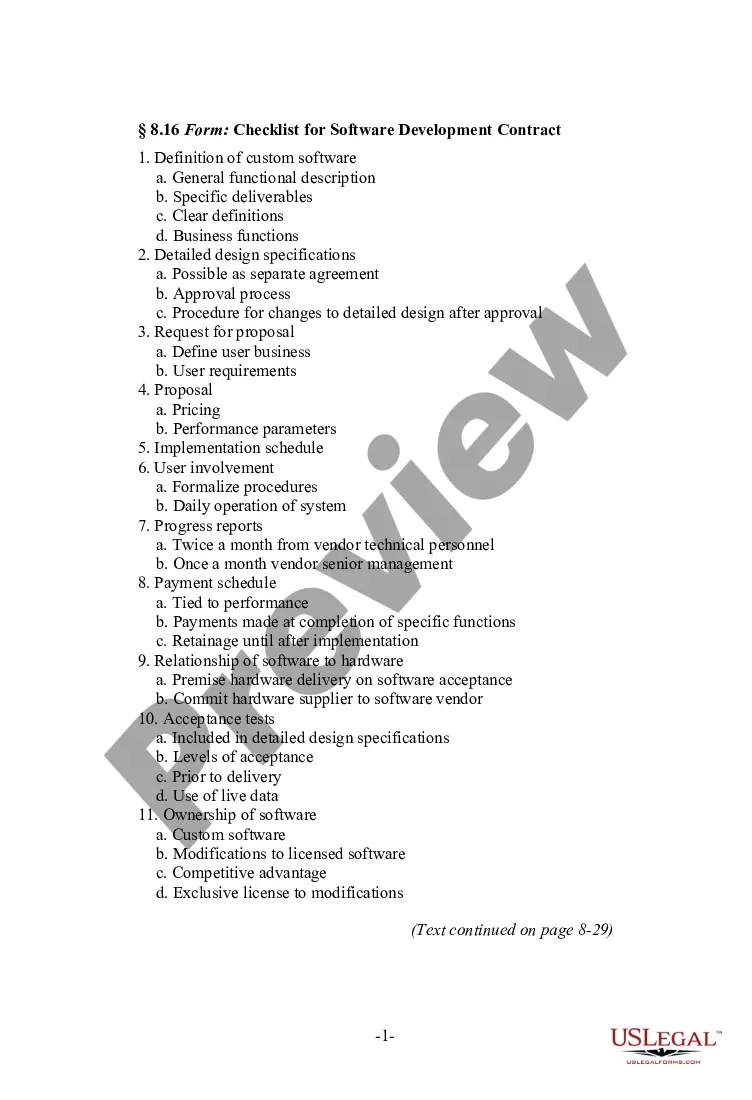
Terms And Conditions Checklist
Description
Get your form ready online
Our built-in tools help you complete, sign, share, and store your documents in one place.
Make edits, fill in missing information, and update formatting in US Legal Forms—just like you would in MS Word.
Download a copy, print it, send it by email, or mail it via USPS—whatever works best for your next step.
Sign and collect signatures with our SignNow integration. Send to multiple recipients, set reminders, and more. Go Premium to unlock E-Sign.
If this form requires notarization, complete it online through a secure video call—no need to meet a notary in person or wait for an appointment.
We protect your documents and personal data by following strict security and privacy standards.

Make edits, fill in missing information, and update formatting in US Legal Forms—just like you would in MS Word.

Download a copy, print it, send it by email, or mail it via USPS—whatever works best for your next step.

Sign and collect signatures with our SignNow integration. Send to multiple recipients, set reminders, and more. Go Premium to unlock E-Sign.

If this form requires notarization, complete it online through a secure video call—no need to meet a notary in person or wait for an appointment.

We protect your documents and personal data by following strict security and privacy standards.
Looking for another form?

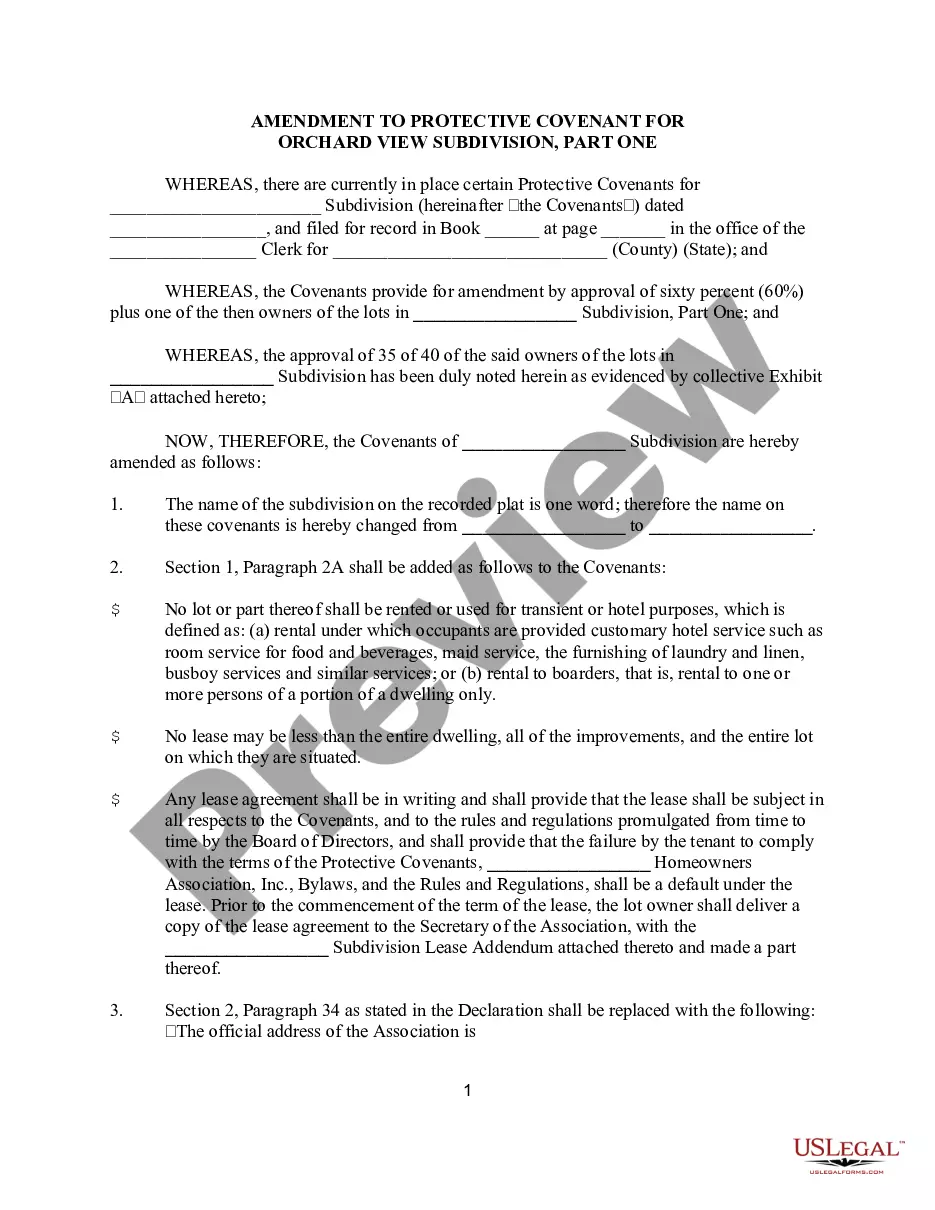





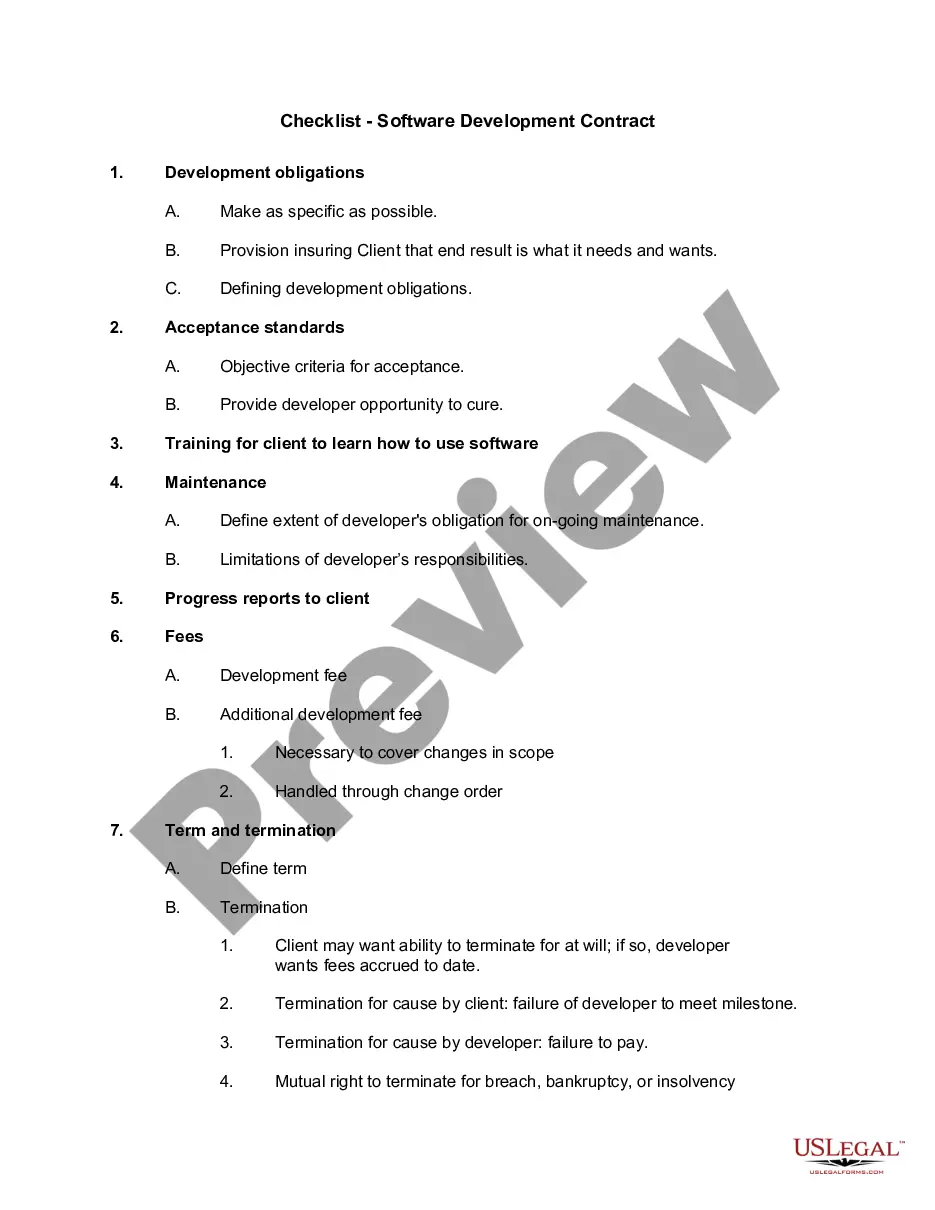
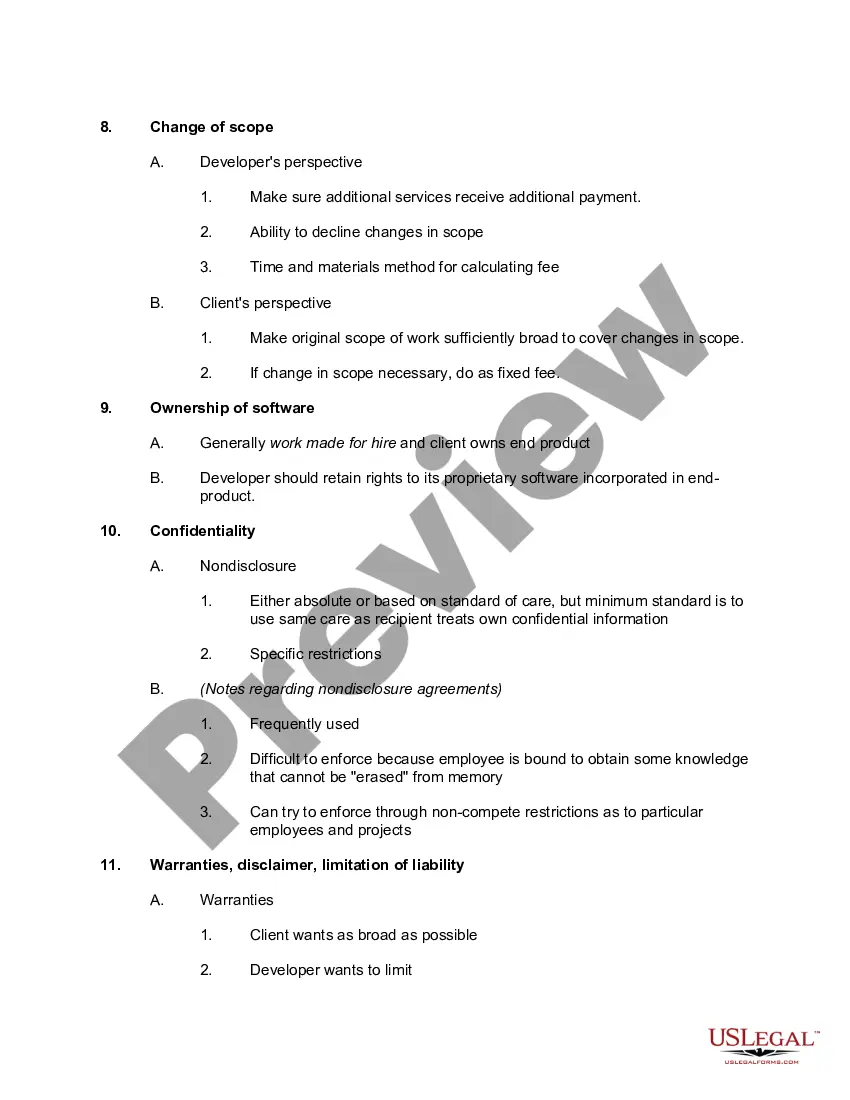
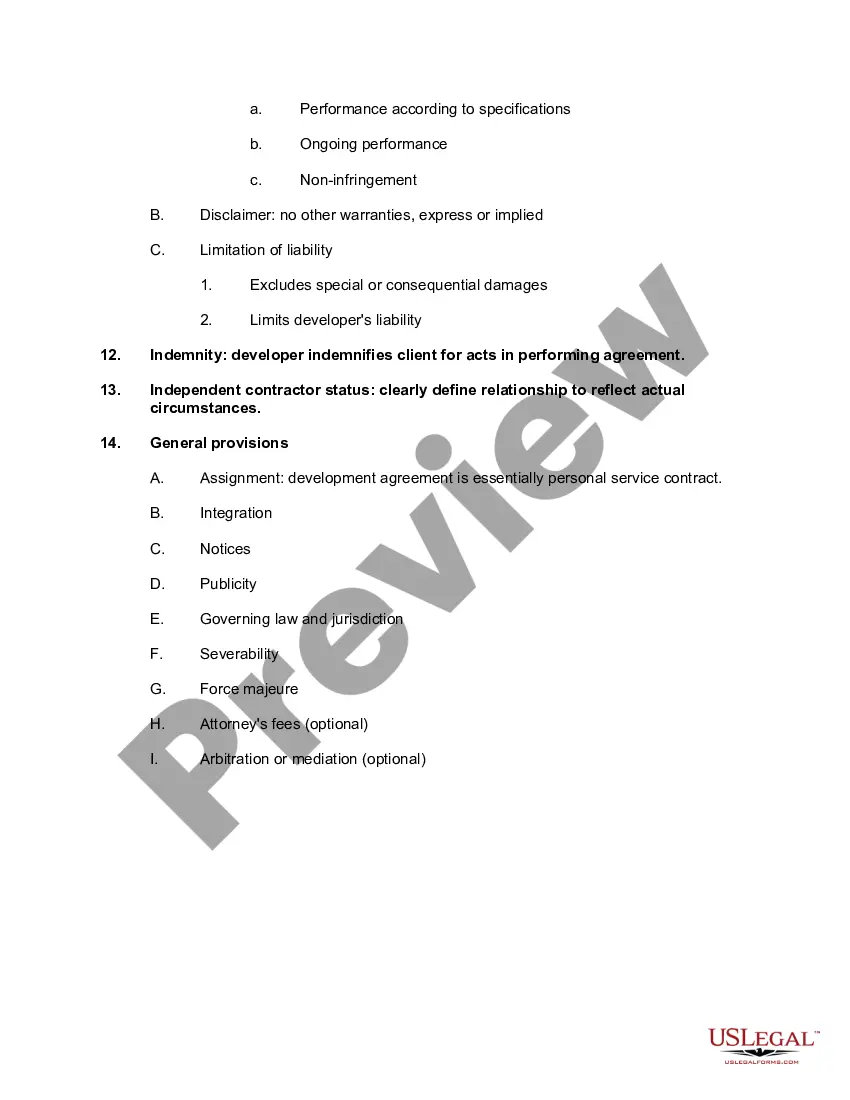
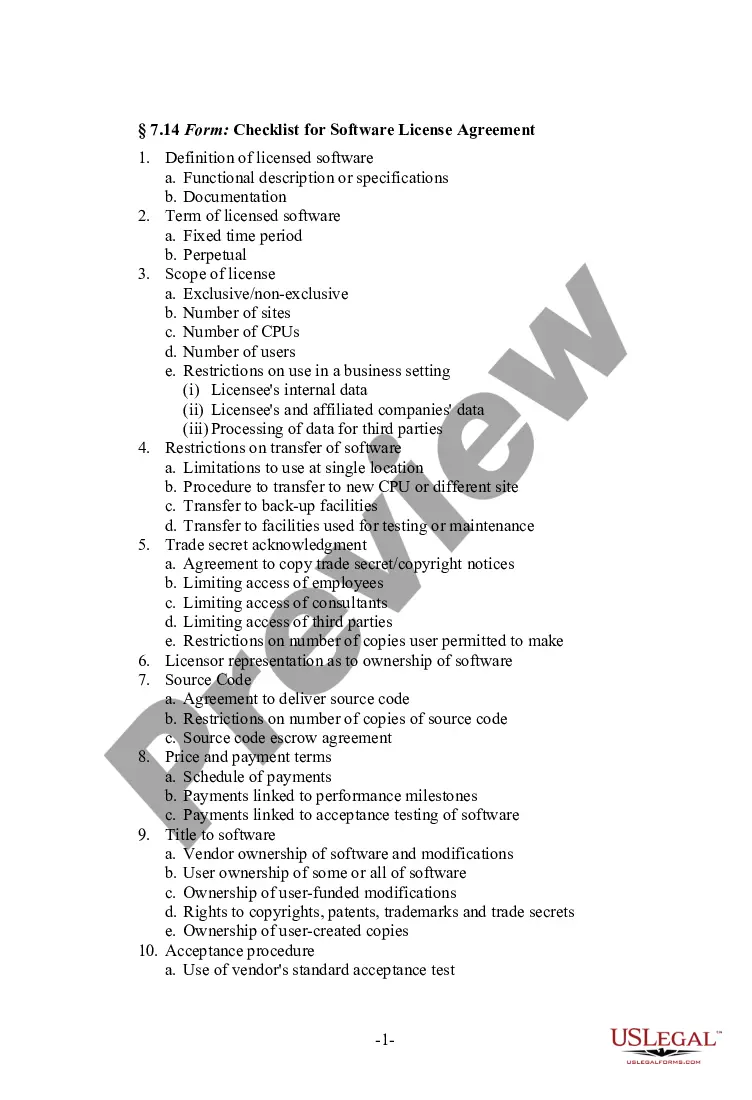
How to fill out Checklist - Software Development Contract?
Whether for commercial objectives or personal matters, everyone must confront legal scenarios at some point in their life.
Completing legal documents requires meticulous consideration, starting with selecting the correct template.
Once downloaded, you can fill out the form using editing software or print it and complete it manually. With an extensive US Legal Forms catalog available, you don't have to waste time searching for the appropriate template online. Utilize the library's user-friendly navigation to find the right template for any scenario.
- For instance, if you select an incorrect version of the Terms And Conditions Checklist, it will be rejected when submitted.
- Thus, it is crucial to have a trustworthy source of legal documents like US Legal Forms.
- If you need to acquire a Terms And Conditions Checklist template, follow these straightforward steps.
- Locate the template you require by using the search bar or catalog navigation.
- Review the form’s description to ensure it aligns with your situation, state, and locality.
- Click on the form’s preview to view it.
- If it is the wrong document, return to the search feature to find the Terms And Conditions Checklist template you need.
- Download the template when it fulfills your criteria.
- If you have an existing US Legal Forms account, simply click Log in to access previously saved documents in My documents.
- If you do not possess an account yet, you can download the document by clicking Buy now.
- Select the suitable pricing option.
- Complete the account registration form.
- Choose your payment method: utilize a credit card or PayPal account.
- Select the file format you desire and download the Terms And Conditions Checklist.
Form popularity
FAQ
A Terms and Conditions agreement is where you let the public know the terms, rules and guidelines for using your website or mobile app. They include topics such as acceptable use, restricted behavior and limitations of liability.
Step-by-Step Guide To Writing Your Terms and Conditions Step One: Determine what laws apply to your business. Step Two: Make an outline. Step Three: Pick all clauses relevant to your business. Step Four: Start writing using clear, straightforward language. Step Five: Link to other necessary legal and website policies.
However, every Terms and Conditions agreement should have, at minimum, the following clauses: A brief introduction. The effective date. Jurisdiction/governing law. Link to your Privacy Policy. Contact information. Limitation of liability and disclaimer of warranties. Rules of conduct. User restrictions.
Keep this checklist of terms in mind before signing any contract for your business: indemnification, limitation of liability, insurance, termination provisions, automatic renewal, default provisions, integration clause, and dispute resolution.
Here are a few examples of what you can include in yours: Establish and clarify your intellectual property rights. Limit your liabilities. Outline your dispute resolution options. Disclose your governing laws. Establish payment terms. Include shipping policy and return and refund details.