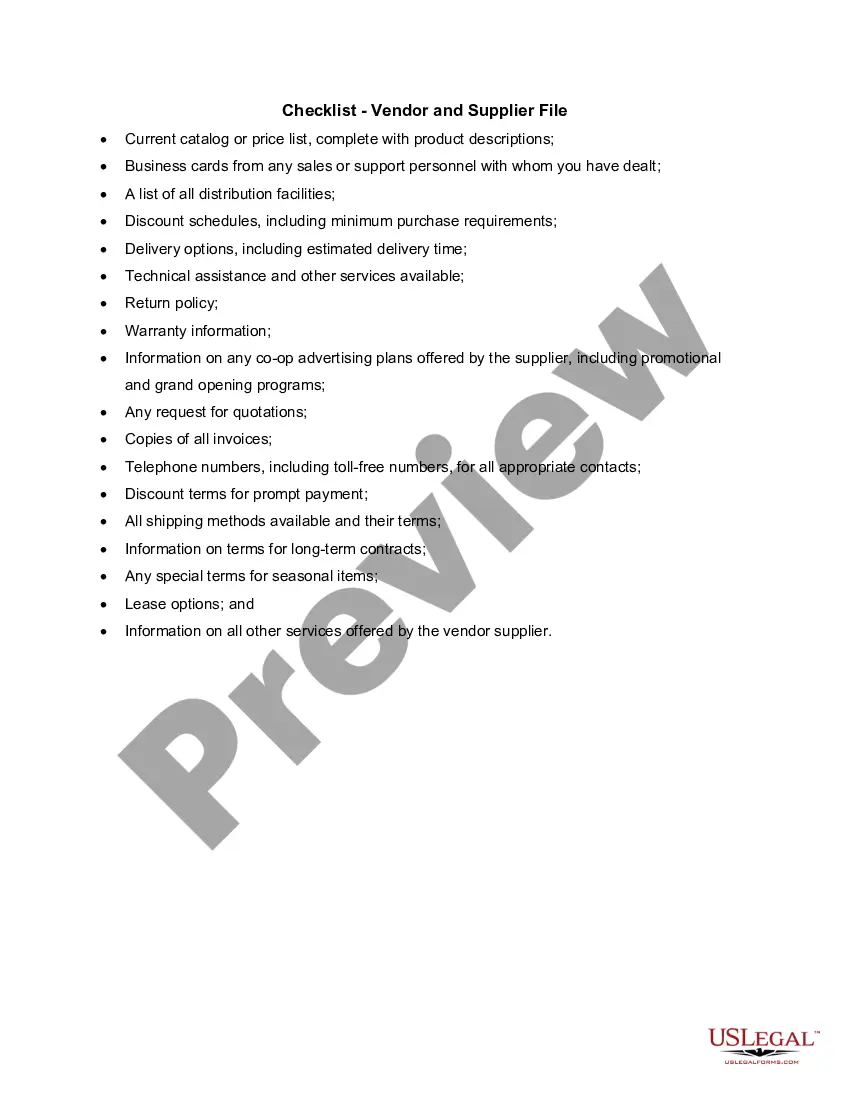
Supplier Evaluation Form Format
Description
Get your form ready online
Our built-in tools help you complete, sign, share, and store your documents in one place.
Make edits, fill in missing information, and update formatting in US Legal Forms—just like you would in MS Word.
Download a copy, print it, send it by email, or mail it via USPS—whatever works best for your next step.
Sign and collect signatures with our SignNow integration. Send to multiple recipients, set reminders, and more. Go Premium to unlock E-Sign.
If this form requires notarization, complete it online through a secure video call—no need to meet a notary in person or wait for an appointment.
We protect your documents and personal data by following strict security and privacy standards.

Make edits, fill in missing information, and update formatting in US Legal Forms—just like you would in MS Word.

Download a copy, print it, send it by email, or mail it via USPS—whatever works best for your next step.

Sign and collect signatures with our SignNow integration. Send to multiple recipients, set reminders, and more. Go Premium to unlock E-Sign.

If this form requires notarization, complete it online through a secure video call—no need to meet a notary in person or wait for an appointment.

We protect your documents and personal data by following strict security and privacy standards.
Looking for another form?







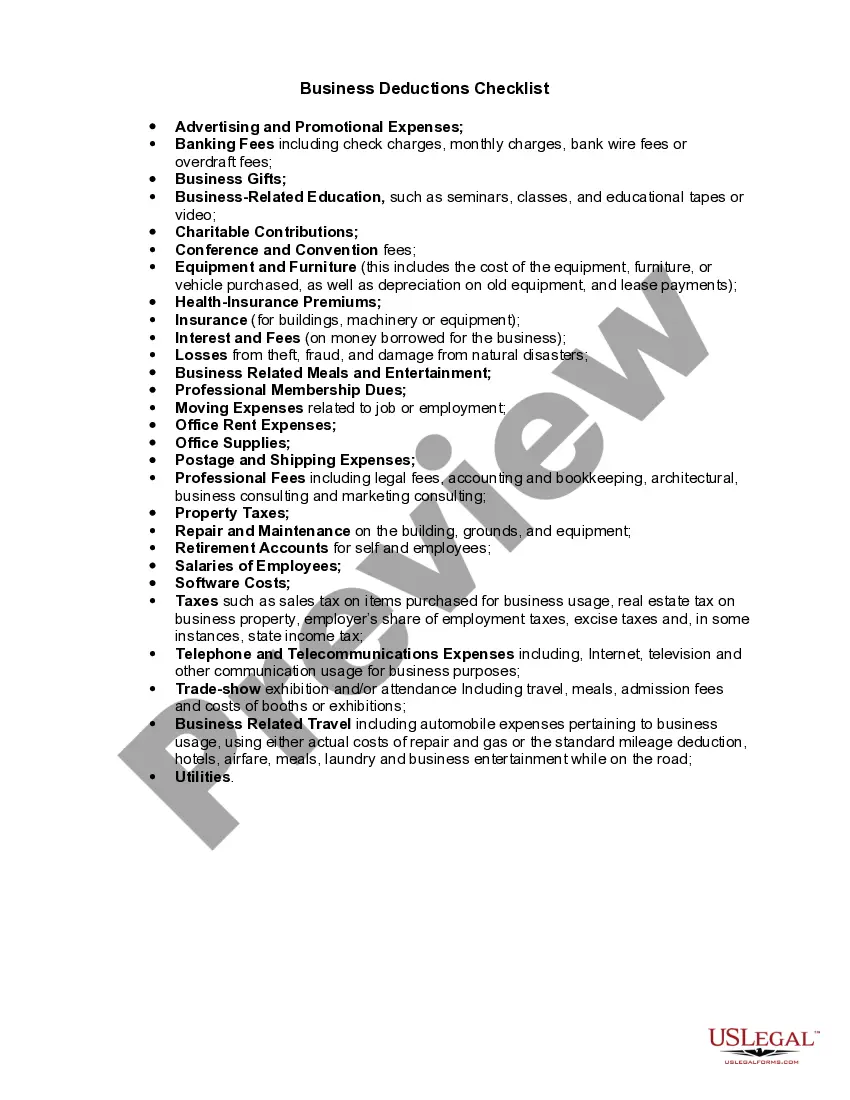
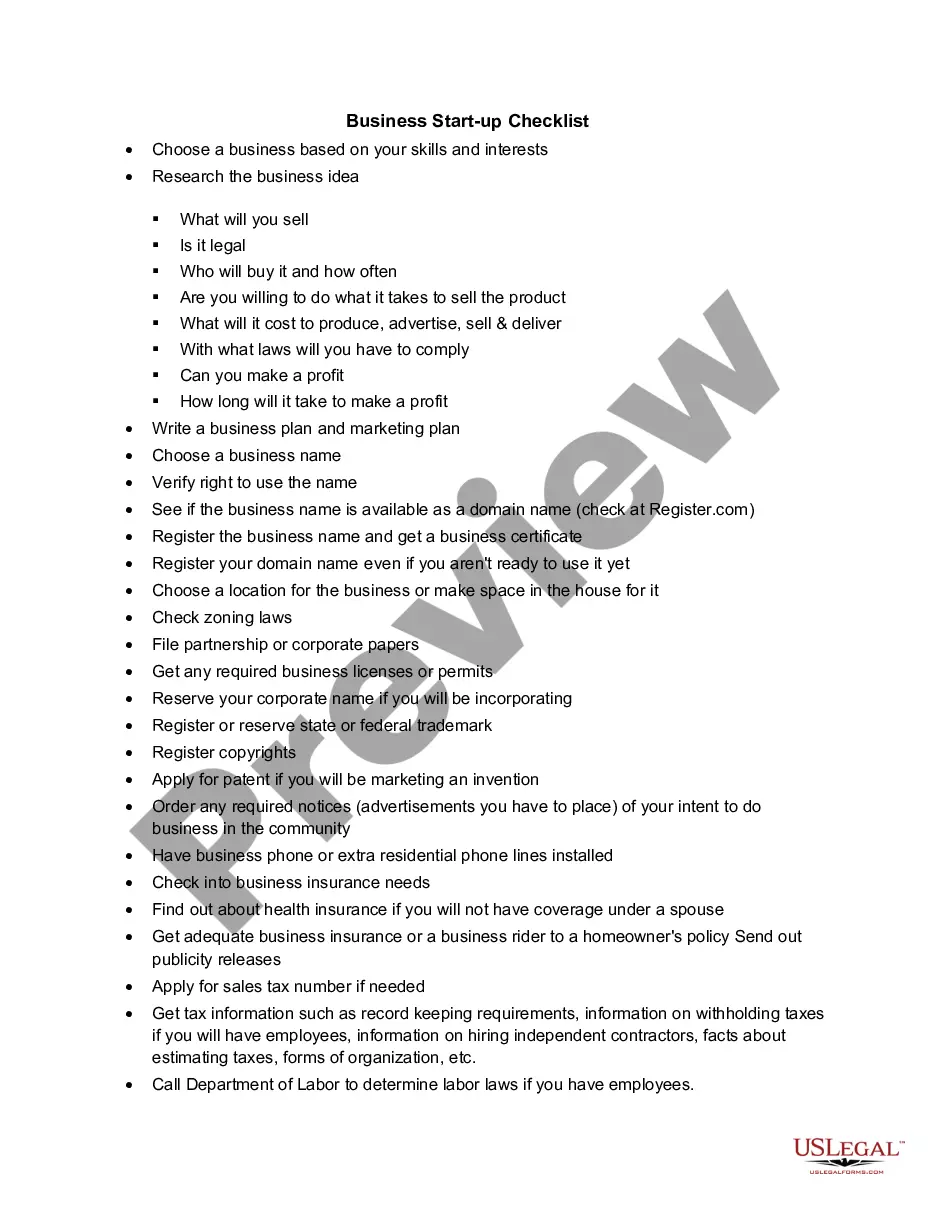
How to fill out Checklist - Vendor And Supplier File?
The Supplier Evaluation Form Template you view on this page is a versatile legal blueprint crafted by experienced attorneys in adherence to federal and local regulations.
For over 25 years, US Legal Forms has supplied individuals, enterprises, and legal experts with more than 85,000 authenticated, state-specific documents for any business or personal situation. It’s the fastest, simplest, and most dependable method to acquire the forms you require, as the service assures bank-level data protection and anti-malware safeguards.
Pick the format you desire for your Supplier Evaluation Form Template (PDF, Word, RTF) and save the sample to your device. Print out the template to fill it out manually. Alternatively, use an online multifunctional PDF editor to quickly and accurately complete and sign your form with a valid signature. Use the same document again whenever necessary. Access the My documents tab in your profile to redownload any previously downloaded forms. Subscribe to US Legal Forms to have authenticated legal templates for every situation in life at your fingertips.
- Explore the document you require and review it.
- Browse through the file you searched and preview it or examine the form description to confirm it meets your requirements. If it doesn’t, use the search feature to locate the right one. Click Buy Now once you have found the template you need.
- Choose a subscription plan and Log In.
- Select the pricing plan that fits you and create an account. Use PayPal or a credit card to make an immediate payment. If you already have an account, Log In and check your subscription to proceed.
- Acquire the editable template.
Form popularity
FAQ
To fill out an evaluation form, begin by gathering all relevant information about the supplier, including their performance history and compliance with your standards. Next, systematically address each section of the form, providing specific examples where applicable. Utilize a clear supplier evaluation form format to ensure consistency and clarity in your responses. This approach not only saves time but also enhances the overall evaluation process.
A supplier evaluation form is a structured document used to assess the capabilities and performance of suppliers. It helps businesses determine if a supplier meets their quality, delivery, and service standards. By using a well-defined supplier evaluation form format, companies can streamline their selection process and ensure they partner with reliable suppliers. This form is essential for maintaining quality control and fostering strong supplier relationships.
When evaluating suppliers, focus on five key criteria: quality, reliability, financial stability, capacity, and service. Quality ensures that the products meet your standards, while reliability assesses whether suppliers can deliver on time consistently. Financial stability helps you gauge the longevity of your partnership, and capacity evaluates whether the supplier can meet your demand. Lastly, service reflects the level of support and communication you can expect, which is crucial for a successful relationship. Utilizing a well-structured supplier evaluation form format can help you systematically assess these criteria.
The basic supplier evaluation form is a straightforward document used to assess suppliers against specific criteria. It generally includes sections for ratings on performance, quality, and compliance, as well as space for comments. You can easily customize a supplier evaluation form format on our platform to meet your unique needs, helping you simplify the evaluation process and enhance supplier relationships.
Conducting a supplier evaluation involves several key steps. First, gather all necessary data regarding your suppliers, including past performance and compliance with standards. Then, utilize a supplier evaluation form format to assess their capabilities systematically, which will help you make informed decisions and foster stronger partnerships.
To create an effective evaluation form, start by defining the criteria you want to assess. Next, structure your form clearly, using a mix of open-ended and closed questions to gather detailed insights. Utilize the supplier evaluation form format available on our platform to streamline this process, ensuring you cover essential aspects while maintaining clarity and usability.
Supplier Evaluation Form ? Everything You Should Know General Supplier Information. Supplier Background and Experience. Products and Service Quality. Delivery Times. Pricing and Financial Stability. Customer Service and Support. Ethical and Sustainability Considerations.
The steps are: recognize a supplier selection need, identify supply requirements, determine a supply strategy, identify potential suppliers, reduce the number of suppliers in the selection pool, conduct a formal evaluation, and select a supplier and reach agreement.
There are several steps you can take to evaluate a supplier: Define your metrics. ... Identify potential vendors. ... Create an evaluation process. ... Communicate with vendors. ... Understanding business needs. ... Defining performance indicators. ... Improving vendor relationships. ... Identifying risks.
There are several steps you can take to evaluate a supplier: Define your metrics. ... Identify potential vendors. ... Create an evaluation process. ... Communicate with vendors. ... Understanding business needs. ... Defining performance indicators. ... Improving vendor relationships. ... Identifying risks.