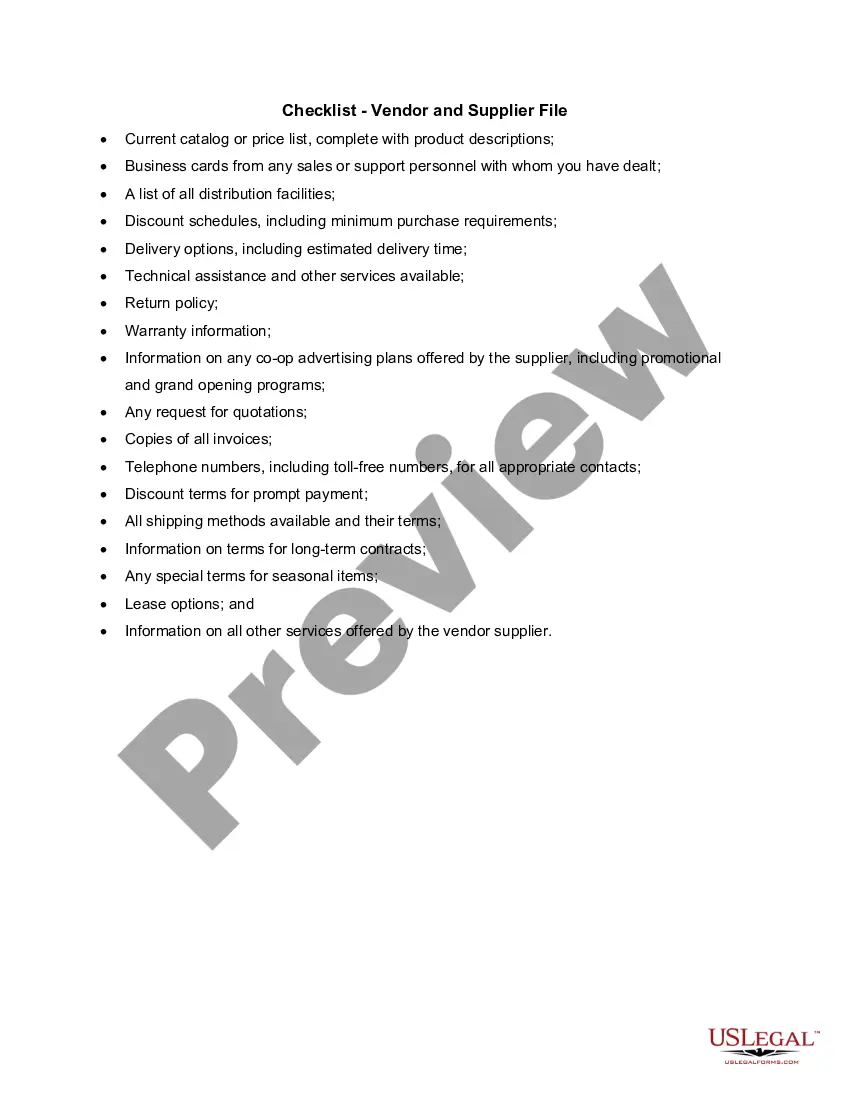
Supplier Evaluation Form For Food Industry
Description
Get your form ready online
Our built-in tools help you complete, sign, share, and store your documents in one place.
Make edits, fill in missing information, and update formatting in US Legal Forms—just like you would in MS Word.
Download a copy, print it, send it by email, or mail it via USPS—whatever works best for your next step.
Sign and collect signatures with our SignNow integration. Send to multiple recipients, set reminders, and more. Go Premium to unlock E-Sign.
If this form requires notarization, complete it online through a secure video call—no need to meet a notary in person or wait for an appointment.
We protect your documents and personal data by following strict security and privacy standards.

Make edits, fill in missing information, and update formatting in US Legal Forms—just like you would in MS Word.

Download a copy, print it, send it by email, or mail it via USPS—whatever works best for your next step.

Sign and collect signatures with our SignNow integration. Send to multiple recipients, set reminders, and more. Go Premium to unlock E-Sign.

If this form requires notarization, complete it online through a secure video call—no need to meet a notary in person or wait for an appointment.

We protect your documents and personal data by following strict security and privacy standards.
Looking for another form?




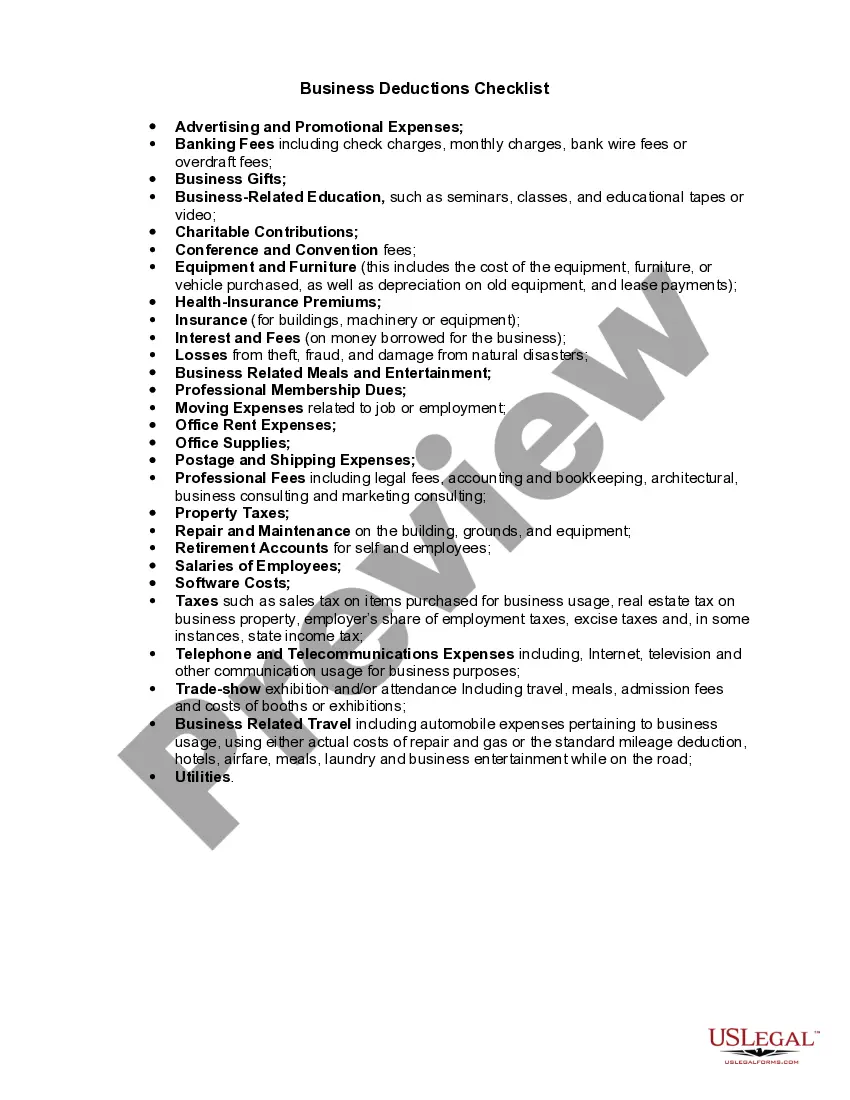
How to fill out Checklist - Vendor And Supplier File?
It’s clear that you cannot instantly become a legal expert, nor can you swiftly learn to draft a Supplier Evaluation Form For Food Industry without possessing a specialized skill set.
Drafting legal documents is a labor-intensive endeavor that demands specific training and expertise.
So why not entrust the creation of the Supplier Evaluation Form For Food Industry to the professionals.
Preview it (if this feature is available) and read the accompanying description to see if the Supplier Evaluation Form For Food Industry is what you need.
Start your search again if you require another form.
- With US Legal Forms, one of the largest repositories of legal documents, you can access everything from court papers to templates for internal communication.
- We understand how crucial it is to comply with federal and state laws and regulations.
- That’s the reason all forms on our website are tailored to specific locations and are current.
- Here’s how you can begin using our platform and obtain the document you need in just a few minutes.
- Find the document you require using the search bar at the top of the page.
Form popularity
FAQ
A basic supplier evaluation form is a structured document designed to assess the qualifications and performance of potential suppliers. It typically includes sections for supplier information, product details, quality metrics, delivery timelines, and compliance with industry standards. Using a supplier evaluation form for the food industry allows you to streamline the evaluation process and ensure you choose suppliers who align with your quality and safety requirements.
To conduct a supplier evaluation, start by utilizing a supplier evaluation form for the food industry. This form should include criteria such as quality, delivery performance, and compliance with regulations. After collecting data, analyze the results to identify strengths and weaknesses. This thorough evaluation process allows you to make informed decisions and enhance your supply chain management.
The process of supplier approval in the food industry typically involves several stages. Initially, businesses collect and review supplier information through a supplier evaluation form for the food industry. Next, they conduct site visits and audits to verify compliance with safety standards. Finally, upon successful evaluation, suppliers are approved and added to the approved vendor list, ensuring a reliable supply chain.
A supplier evaluation form for the food industry is a structured document designed to assess potential or existing suppliers. This form helps organizations evaluate factors like quality, reliability, and compliance with food safety regulations. By using a comprehensive supplier evaluation form, businesses can make informed decisions about their supply chain and ensure they partner with reliable suppliers.
Filling a supplier evaluation form for the food industry involves several key steps. First, gather all necessary information about the supplier, including their credentials and product offerings. Next, assess their compliance with food safety standards, quality control measures, and delivery capabilities. Finally, provide your observations and ratings based on established criteria to ensure a thorough evaluation.
Supplier assessment is carried out to evaluate a supplier, based on the specific requirements of the buyer organization. For example, if a supplier lists their association to a specific category of materials during registration, then the supplier can be asked questions on the category of materials.
In any supplier evaluation, whether for a new or current vendor, it's important to gauge the company's production capacity, performance, risk, quality, and environmental impact.
There are several steps you can take to evaluate a supplier: Define your metrics. ... Identify potential vendors. ... Create an evaluation process. ... Communicate with vendors. ... Understanding business needs. ... Defining performance indicators. ... Improving vendor relationships. ... Identifying risks.
7 Steps for Evaluating Supplier Performance, Supply Chain Management Align performance goals. ... Choose evaluation approach. ... Develop information collection method. ... Design a robust assessment system. ... Roll out the system. ... Provide actionable feedback. ... Showcase results.