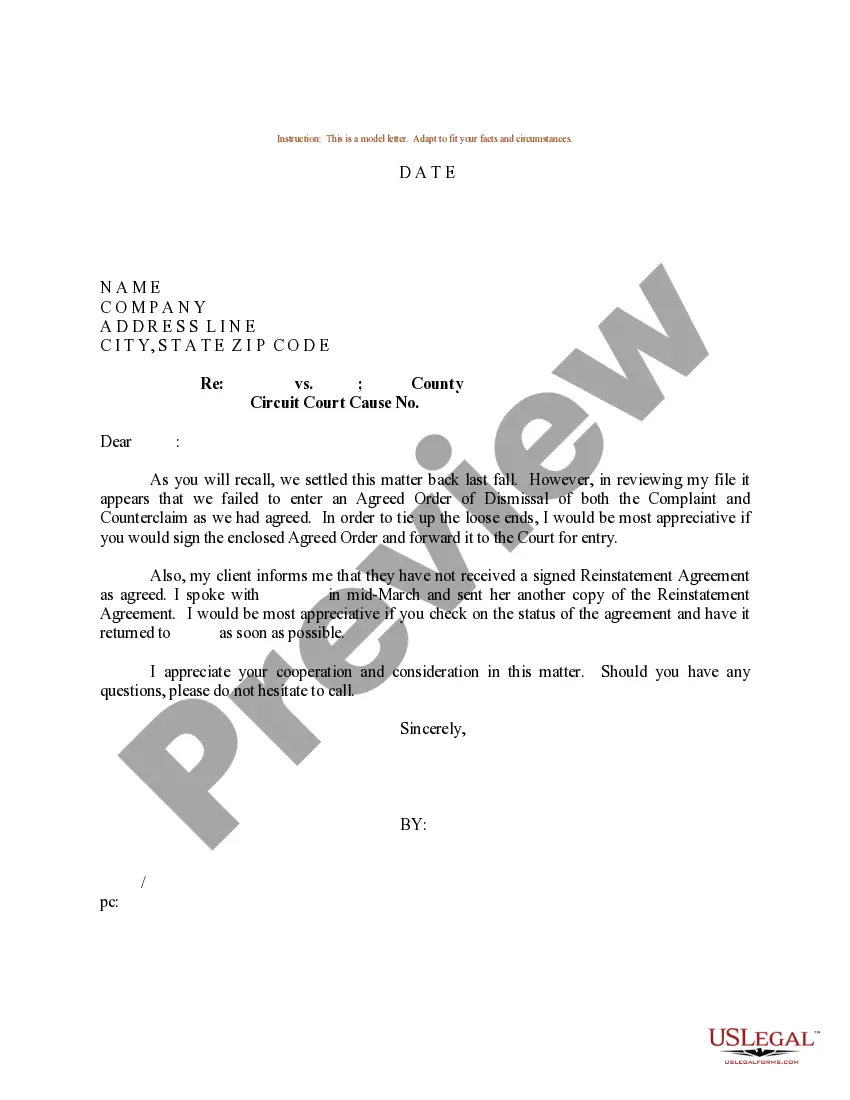
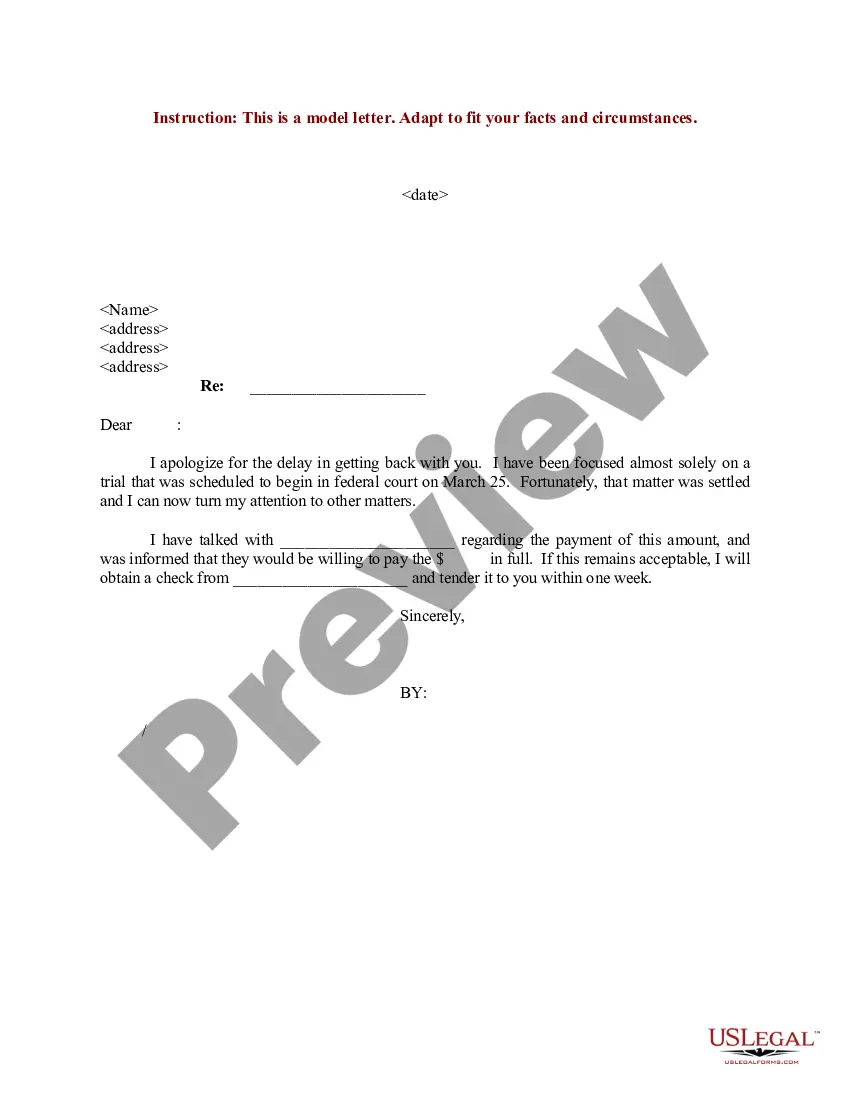
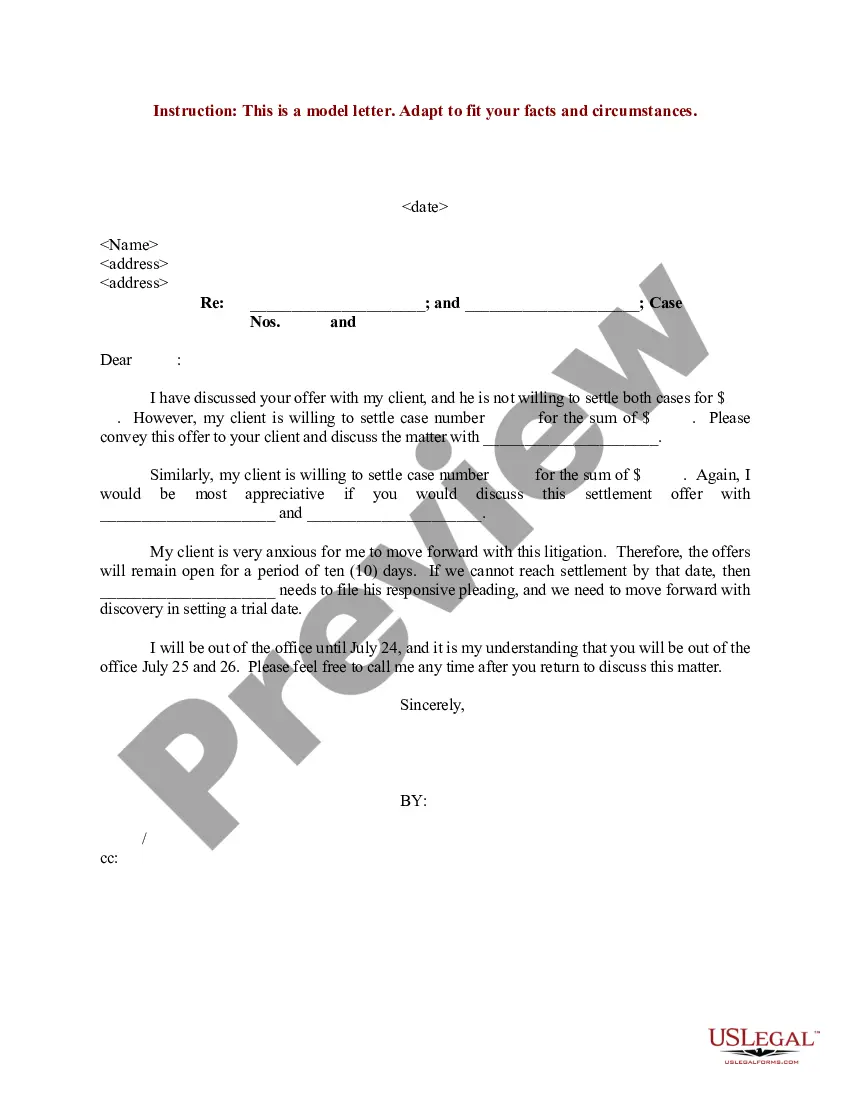
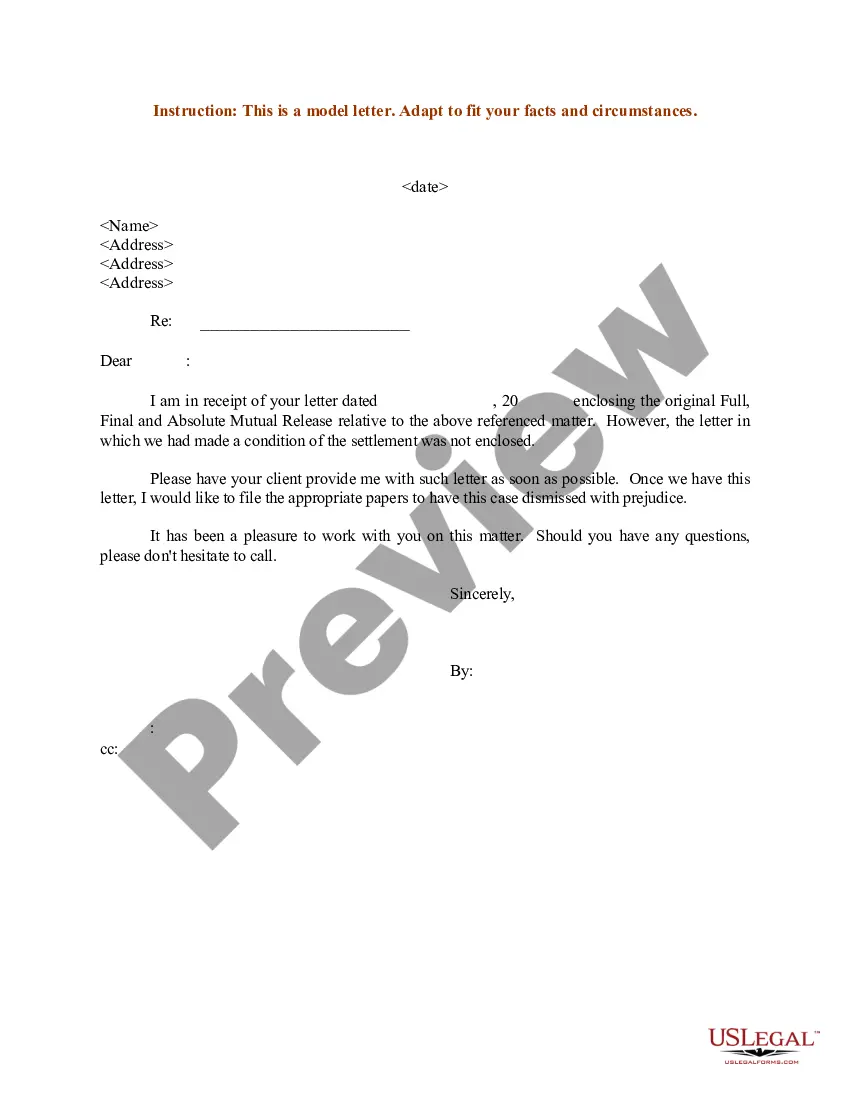
Sample Letter To Opposing Counsel With Settlement Offer Without Lawyer
Description
Get your form ready online
Our built-in tools help you complete, sign, share, and store your documents in one place.
Make edits, fill in missing information, and update formatting in US Legal Forms—just like you would in MS Word.
Download a copy, print it, send it by email, or mail it via USPS—whatever works best for your next step.
Sign and collect signatures with our SignNow integration. Send to multiple recipients, set reminders, and more. Go Premium to unlock E-Sign.
If this form requires notarization, complete it online through a secure video call—no need to meet a notary in person or wait for an appointment.
We protect your documents and personal data by following strict security and privacy standards.

Make edits, fill in missing information, and update formatting in US Legal Forms—just like you would in MS Word.

Download a copy, print it, send it by email, or mail it via USPS—whatever works best for your next step.

Sign and collect signatures with our SignNow integration. Send to multiple recipients, set reminders, and more. Go Premium to unlock E-Sign.

If this form requires notarization, complete it online through a secure video call—no need to meet a notary in person or wait for an appointment.

We protect your documents and personal data by following strict security and privacy standards.
Looking for another form?
How to fill out Sample Letter To Opposing Counsel Concerning Settlement Of Litigation?
Creating legal documents from the ground up can occasionally feel overwhelming. Certain situations may require extensive research and a significant financial investment.
If you’re seeking a simpler and more budget-friendly method for drafting Sample Letter To Opposing Counsel With Settlement Offer Without Lawyer or any other forms without unnecessary complications, US Legal Forms is readily available to you.
Our online collection of over 85,000 current legal documents encompasses nearly every facet of your financial, legal, and personal matters. With just a few clicks, you can swiftly access state- and county-compliant templates meticulously assembled for you by our legal professionals.
Utilize our website whenever you require a dependable and trustworthy service through which you can effortlessly find and obtain the Sample Letter To Opposing Counsel With Settlement Offer Without Lawyer. If you’re already familiar with our services and have previously created an account with us, just Log In to your account, choose the template, and download it or re-download it anytime in the My documents tab.
Download the form, then complete, sign, and print it. US Legal Forms has a flawless reputation and over 25 years of experience. Join us today and make document completion easy and efficient!
- New to our services? No problem. Setting up takes just a few minutes, allowing you to explore the catalog.
- Before you rush to download Sample Letter To Opposing Counsel With Settlement Offer Without Lawyer, please follow these guidelines.
- Review the document preview and descriptions to ensure you have identified the correct form.
- Confirm that the form you select meets the standards of your state and county.
- Select the appropriate subscription plan to purchase the Sample Letter To Opposing Counsel With Settlement Offer Without Lawyer.
Form popularity
FAQ
A demand letter becomes legal when it is clear, specific, and includes essential details such as the facts of the dispute, the requested remedy, and a deadline for response. Including relevant documentation can strengthen your position. By referencing a sample letter to opposing counsel with settlement offer without lawyer, you can ensure your letter meets necessary legal standards. This clarity helps both parties understand the context and facilitates resolution.
The best way to send a demand letter is through certified mail, ensuring you have proof of delivery. You can also email a copy for speed, but it's wise to follow up with a physical copy. Using a sample letter to opposing counsel with settlement offer without lawyer can help ensure your letter is complete before sending. This method ensures your letter receives the attention it deserves.
Yes, you can write a demand letter without a lawyer. It is often beneficial to express your demands clearly and professionally. Reference a sample letter to opposing counsel with settlement offer without lawyer to craft a compelling demand letter. This empowers you to take control of your situation while maintaining clarity and professionalism.
Writing a settlement letter involves outlining your grievances and proposing a resolution. Clearly state the facts of the case, your position, and the settlement terms you're willing to accept. You can find a sample letter to opposing counsel with settlement offer without lawyer to help structure your letter effectively. Be concise and respectful in your tone.
To write a letter to settle out of court, start by clearly stating the purpose of your letter. Include relevant details about the case, the reasons for seeking a settlement, and the desired outcome. You may want to use a sample letter to opposing counsel with settlement offer without lawyer for guidance. End with a polite request for their response.
To respond to opposing counsel, begin with a polite acknowledgment of their previous communication. Address each point they raised in a clear manner, and incorporate any necessary rebuttals or clarifications. If proposing a settlement, reference your sample letter to opposing counsel with settlement offer without lawyer to ensure your points are effectively communicated. Close by inviting further discussion, showing your willingness to resolve matters amicably.
When writing to opposing counsel, keep your message concise and clear. Use a sample letter to opposing counsel with settlement offer without lawyer for guidance on what to include. Make sure to articulate your position and any requests clearly while remaining respectful and professional. This approach enhances the chances of a constructive response.
Address opposing counsel in a letter using their full name and title, followed by their firm's name and address. Begin your letter with 'Dear Counsel's Name' to maintain formality. Consistently using correct titles shows respect and professionalism, which can facilitate better communication during negotiations.
To write a settlement request letter, start by clearly stating your intent to settle. Use a sample letter to opposing counsel with settlement offer without lawyer to help structure your content. Outline the key points of your claim, your proposed settlement terms, and any supporting evidence. Closing with an invitation for further discussion can foster a positive dialogue.
When addressing a letter to opposing counsel, use their full name and title at the top of the document. Begin with a formal salutation, such as 'Dear Counsel's Name'. This sets a professional tone for your correspondence. It's helpful to include the case name and number for clarity, especially if multiple cases are being handled.