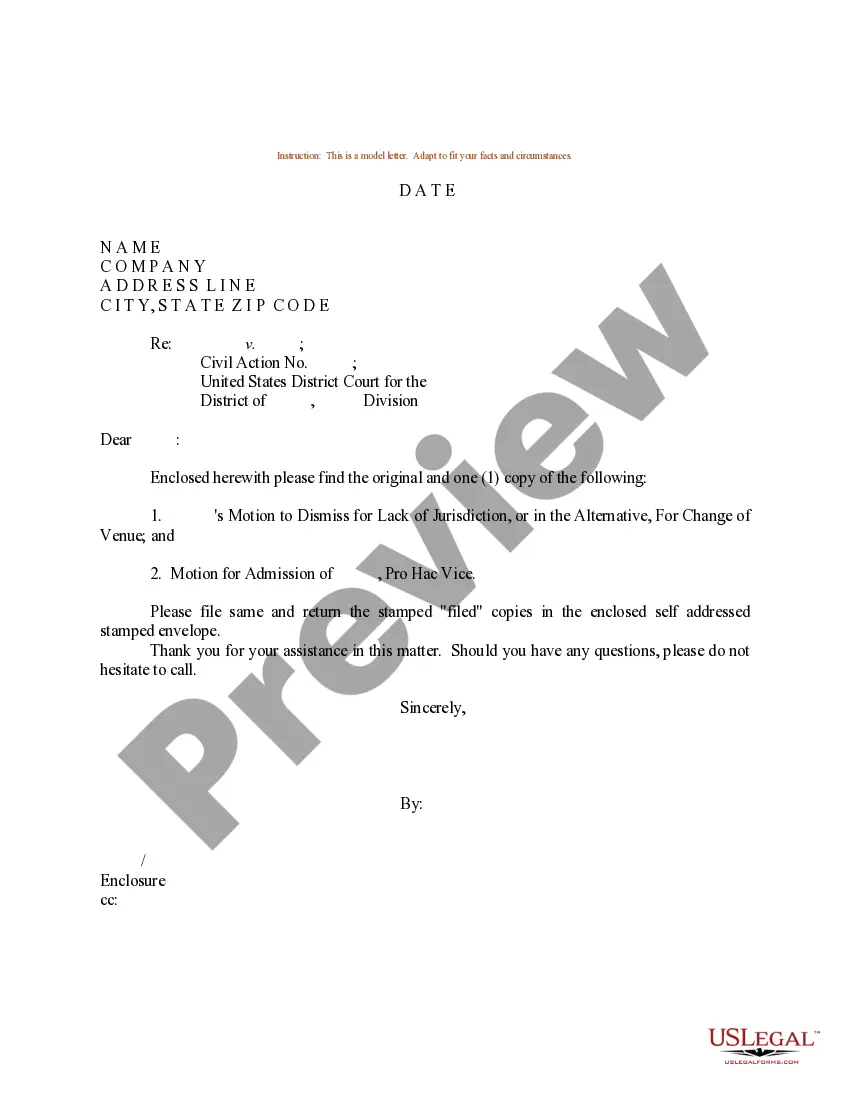
Motion To Dismiss For Naming Wrong Party
Description
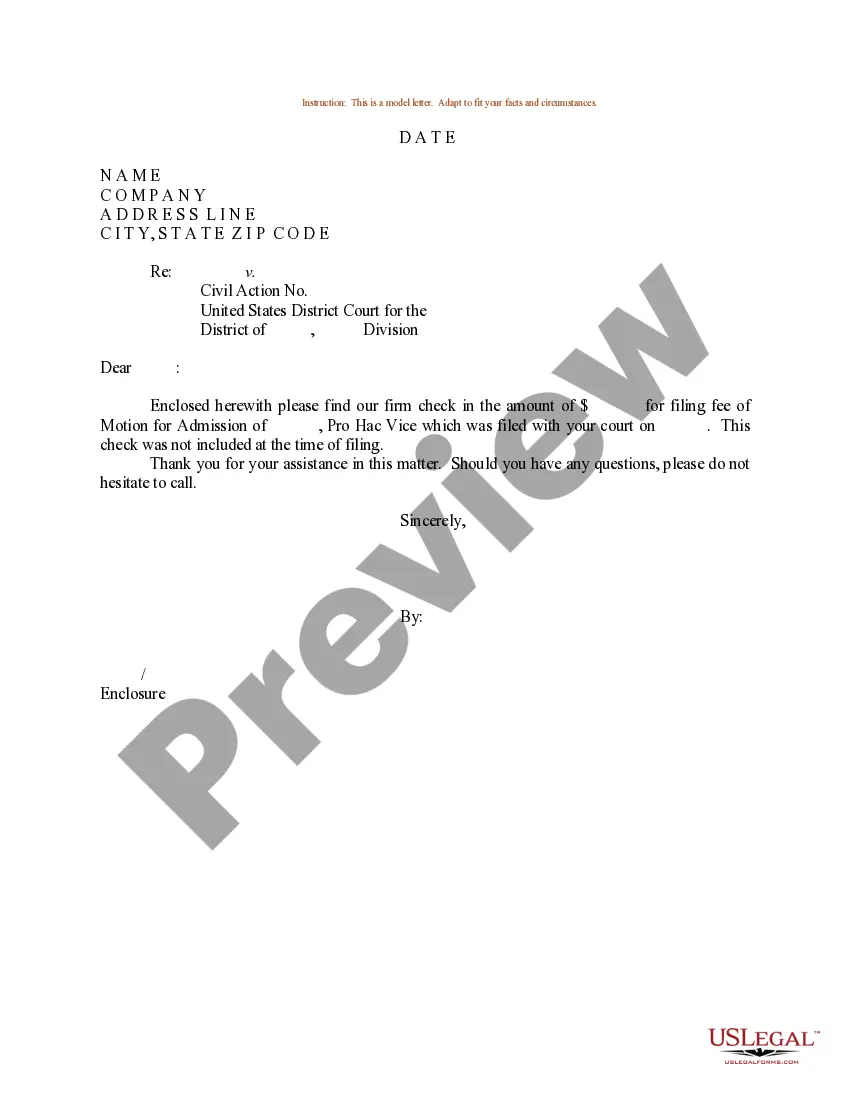
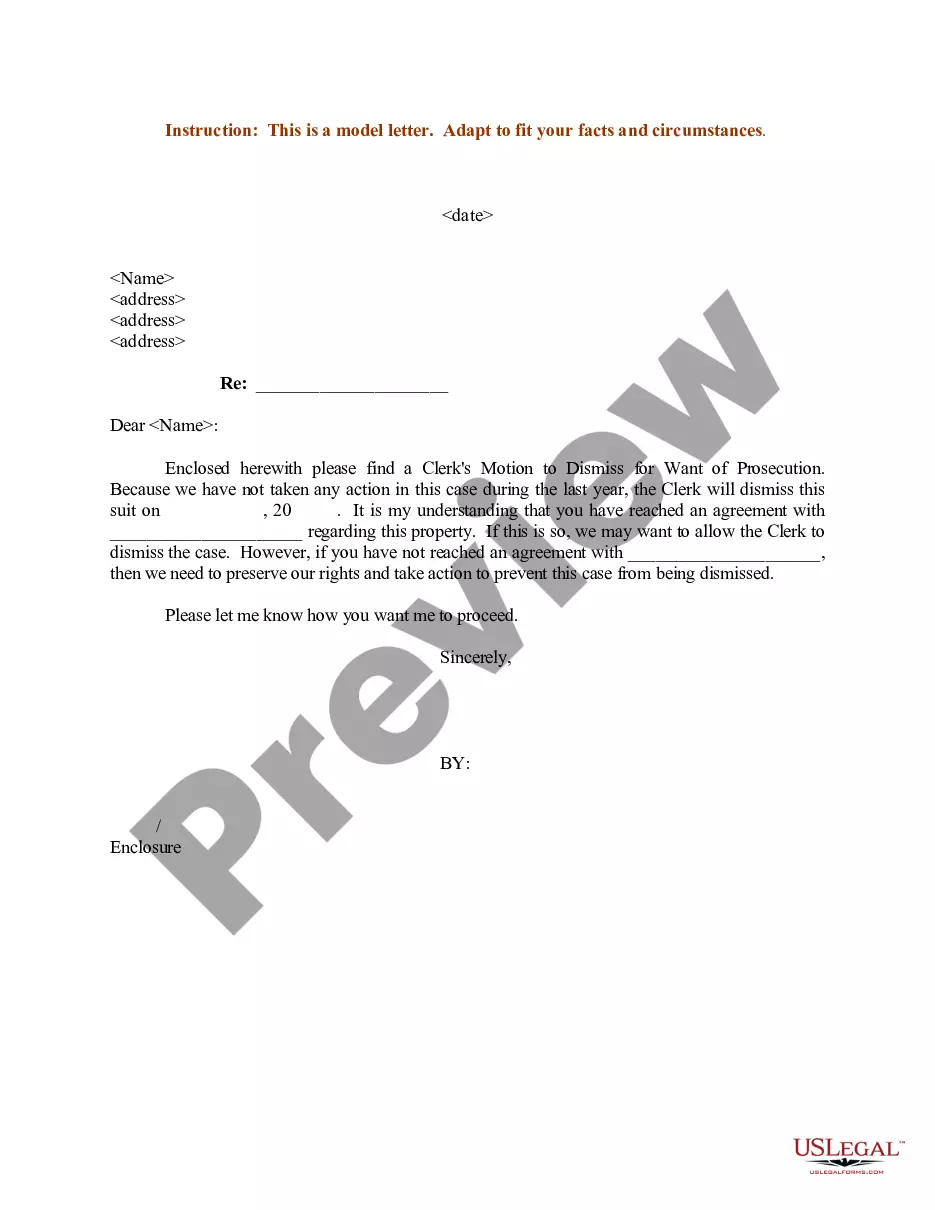
Get your form ready online
Our built-in tools help you complete, sign, share, and store your documents in one place.
Make edits, fill in missing information, and update formatting in US Legal Forms—just like you would in MS Word.
Download a copy, print it, send it by email, or mail it via USPS—whatever works best for your next step.
Sign and collect signatures with our SignNow integration. Send to multiple recipients, set reminders, and more. Go Premium to unlock E-Sign.
If this form requires notarization, complete it online through a secure video call—no need to meet a notary in person or wait for an appointment.
We protect your documents and personal data by following strict security and privacy standards.

Make edits, fill in missing information, and update formatting in US Legal Forms—just like you would in MS Word.

Download a copy, print it, send it by email, or mail it via USPS—whatever works best for your next step.

Sign and collect signatures with our SignNow integration. Send to multiple recipients, set reminders, and more. Go Premium to unlock E-Sign.

If this form requires notarization, complete it online through a secure video call—no need to meet a notary in person or wait for an appointment.

We protect your documents and personal data by following strict security and privacy standards.
Looking for another form?
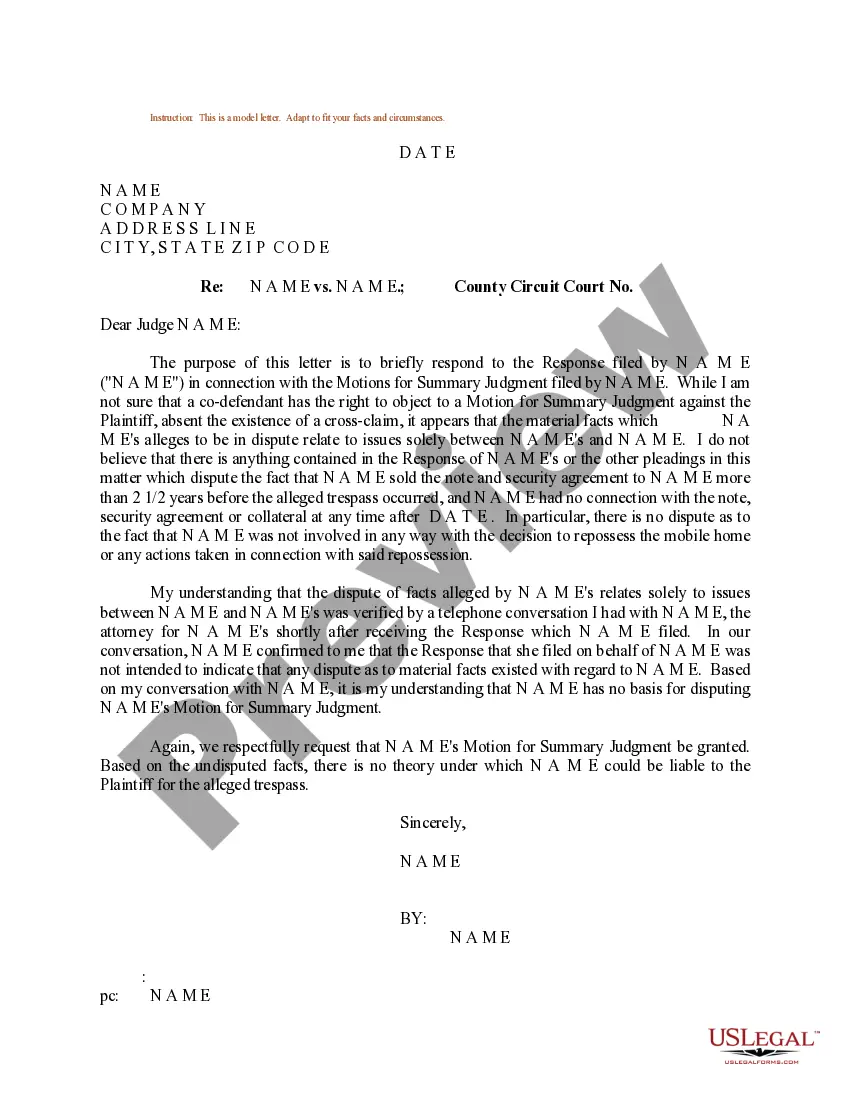
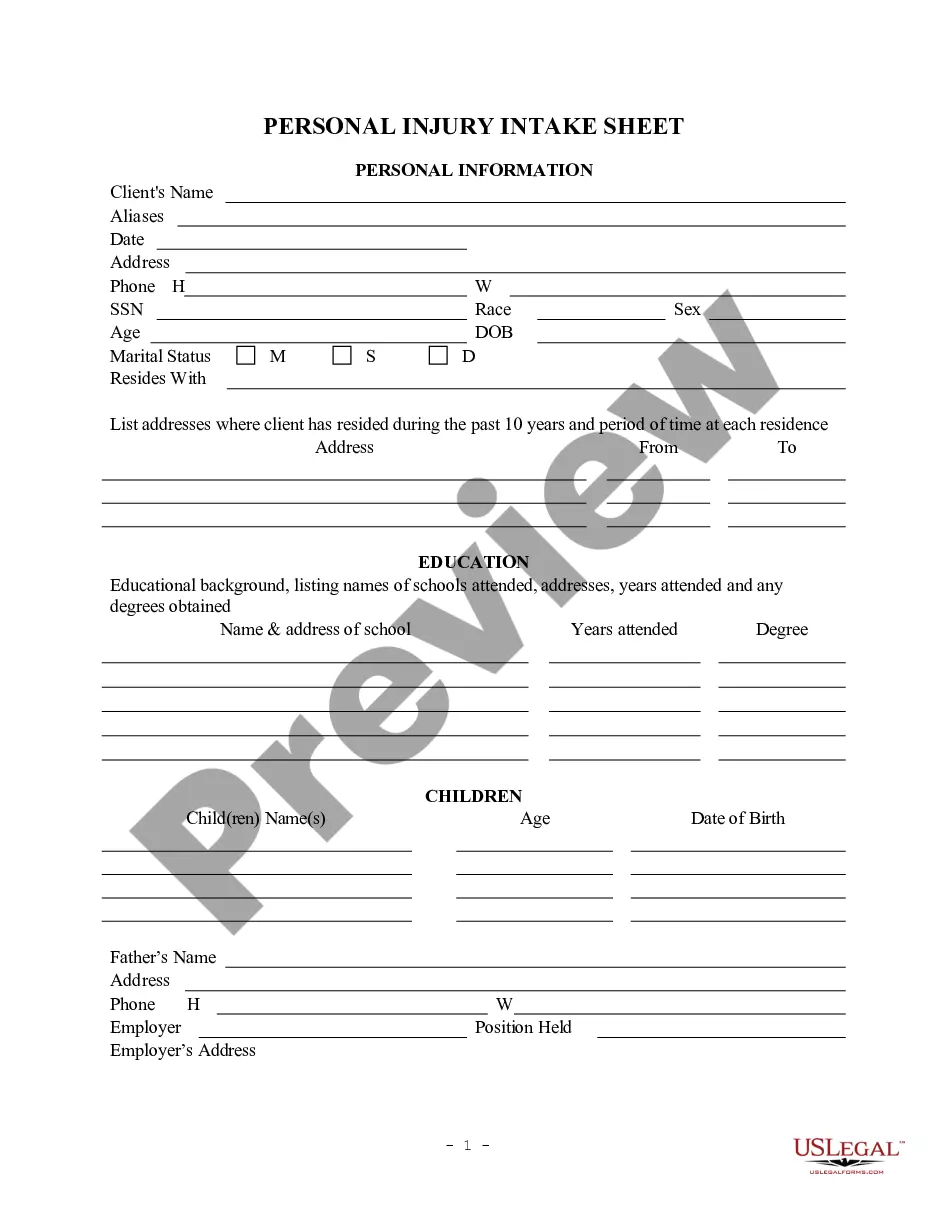
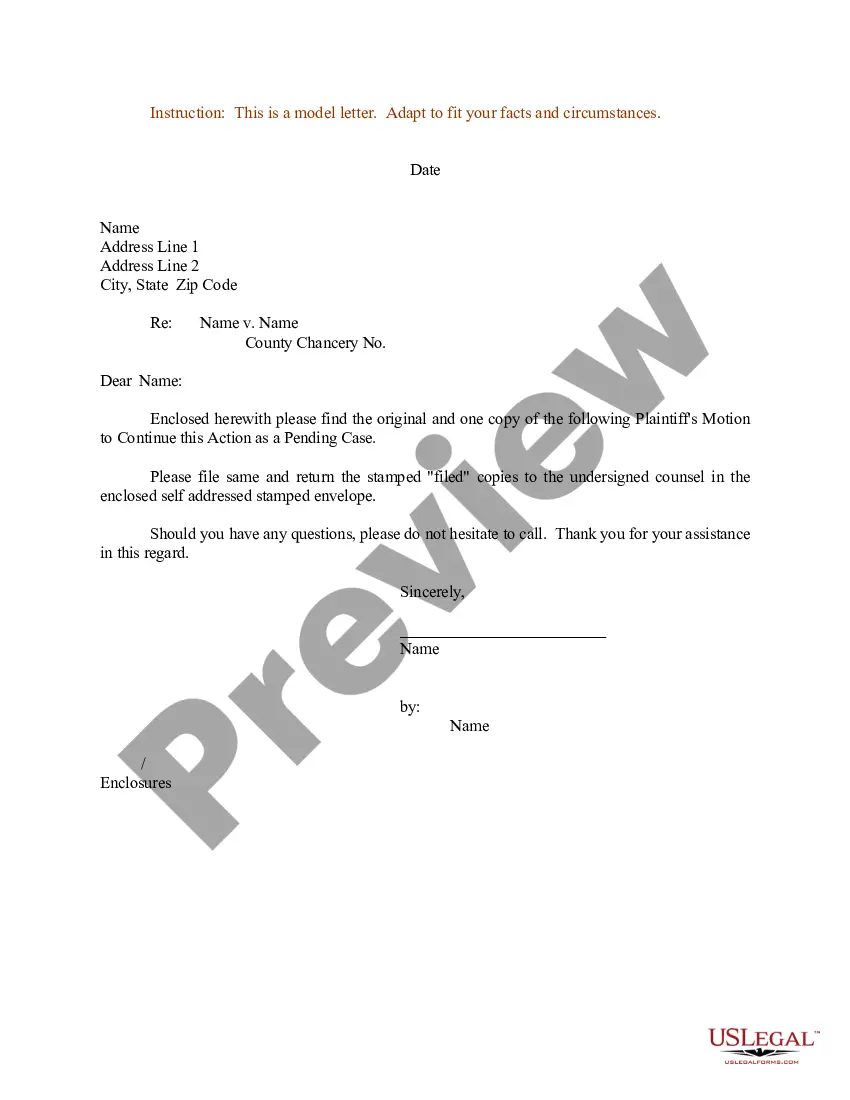
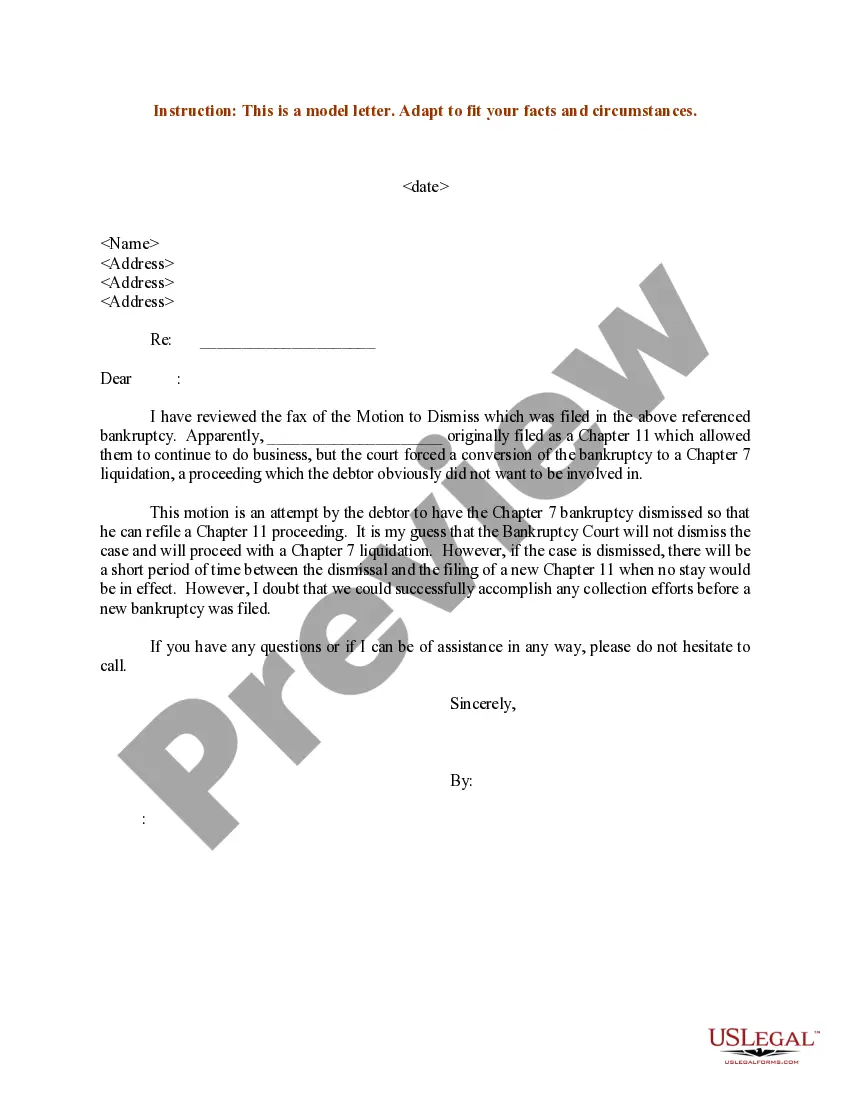
How to fill out Sample Letter For Filing Of Motion To Dismiss - Motion Of Admission?
Creating legal documents from the ground up can occasionally be daunting.
Certain instances may require extensive research and significant financial expenditure.
If you're seeking a more straightforward and cost-effective method of preparing a Motion To Dismiss For Naming Wrong Party or other documentation without navigating through obstacles, US Legal Forms is always available to assist you.
Our online repository of over 85,000 current legal forms covers nearly every facet of your financial, legal, and personal concerns.
Examine the form preview and descriptions to ensure you have located the form you are looking for. Verify that the form you choose meets the standards of your state and county. Select the appropriate subscription option to purchase the Motion To Dismiss For Naming Wrong Party. Download the document, then complete, sign, and print it out. US Legal Forms enjoys a solid reputation and over 25 years of expertise. Join us today and make form completion a simple and efficient process!
- With just a few clicks, you can swiftly access state- and county-specific templates carefully crafted for you by our legal experts.
- Utilize our platform whenever you require a trustworthy and dependable service to quickly find and download the Motion To Dismiss For Naming Wrong Party.
- If you're familiar with our website and have previously established an account, simply Log In to your account, select the form, and download it or retrieve it later from the My documents section.
- Not registered yet? No problem. It only takes a few minutes to create an account and browse the library.
- But before diving directly into downloading the Motion To Dismiss For Naming Wrong Party, consider these recommendations.
Form popularity
FAQ
A Rule 41 motion to dismiss allows a plaintiff to voluntarily dismiss their case without prejudice, generally before the case reaches trial. This motion provides flexibility as it enables the plaintiff to refile in the future if necessary. Also, it serves as an option for correcting issues like a motion to dismiss for naming wrong party. Engaging with platforms like UsLegalForms can simplify this process.
In criminal procedure, Rule 12 allows defendants to file pre-trial motions, including motions to dismiss for various reasons. This rule enables defendants to challenge the sufficiency of criminal charges before a trial commences. Thus, understanding this rule is crucial for anyone navigating the complexities of criminal law. Consulting with legal experts can facilitate this understanding.
Arguing a motion to dismiss effectively requires clear and concise reasoning. You should prepare to outline the specific deficiencies in the plaintiff’s complaint, such as lack of legal basis or factual inaccuracies. Ensure your arguments align with the standards outlined in Rule 12. Resources from UsLegalForms can provide templates and guidance to bolster your case.
Rule 12(b) outlines several grounds for filing a motion to dismiss, including lack of jurisdiction, improper venue, failure to state a claim, and more. Each ground provides a valid reason to halt proceeding with a case before trial. For instance, if a case is misdirected due to a motion to dismiss for naming wrong party, it can be dismissed based on these grounds. Understanding these rules can enhance your legal strategy.
The primary purpose of a motion to dismiss is to terminate a case without going to trial. This legal motion allows defendants to argue that the plaintiff's claims do not hold legal merit or are procedurally flawed. By filing such a motion, defendants aim to save time and resources. In some cases, this includes addressing issues like a motion to dismiss for naming wrong party.
The Rule 12(b)(6) motion and Rule 12(c) motion serve different purposes in the litigation process. A 12(b)(6) motion is filed before a responsive pleading and argues that the complaint lacks sufficient facts to support a claim. In contrast, a Rule 12(c) motion is a motion for judgment on the pleadings that occurs after the answer is filed, focusing on the sufficiency of both parties’ pleadings. Knowing these differences is essential when considering a motion to dismiss for naming wrong party.
If a defendant is incorrectly named in a lawsuit, they can file a motion to dismiss for naming wrong party. This allows the court to address the misidentification at an early stage. Additionally, the plaintiff may need to amend the complaint to include the correct party. Utilizing resources from UsLegalForms can guide you through the process of correcting the naming errors.
The Rule 12 motion to dismiss is a legal tool used by defendants to challenge the validity of a plaintiff's complaint before the trial begins. This motion can assert various defenses, including failure to state a claim or lack of jurisdiction. By filing such a motion, a defendant can seek to terminate the case early, preventing unnecessary litigation. This is particularly relevant when a motion to dismiss for naming wrong party is necessary.
To beat a motion to dismiss, focus on presenting a strong argument that counters the claims made against your case. This involves gathering facts and evidence to show that the court should allow your claims to proceed. If a motion to dismiss for naming the wrong party is at play, ensure that you accurately identify the correct party and provide compelling reasons for your stance. Utilizing platforms like USLegalForms can help you access resources to prepare your defense effectively.
A Rule 41 dismissal in North Carolina permits a plaintiff to voluntarily dismiss their case before a verdict is reached. This type of dismissal is often seen in situations where there are errors, such as naming the wrong party in the complaint. It's important to recognize that this allows the plaintiff to avoid a definitive ruling while retaining the right to bring the case back again later. Familiarizing yourself with local rules can aid in successfully navigating your legal issues.