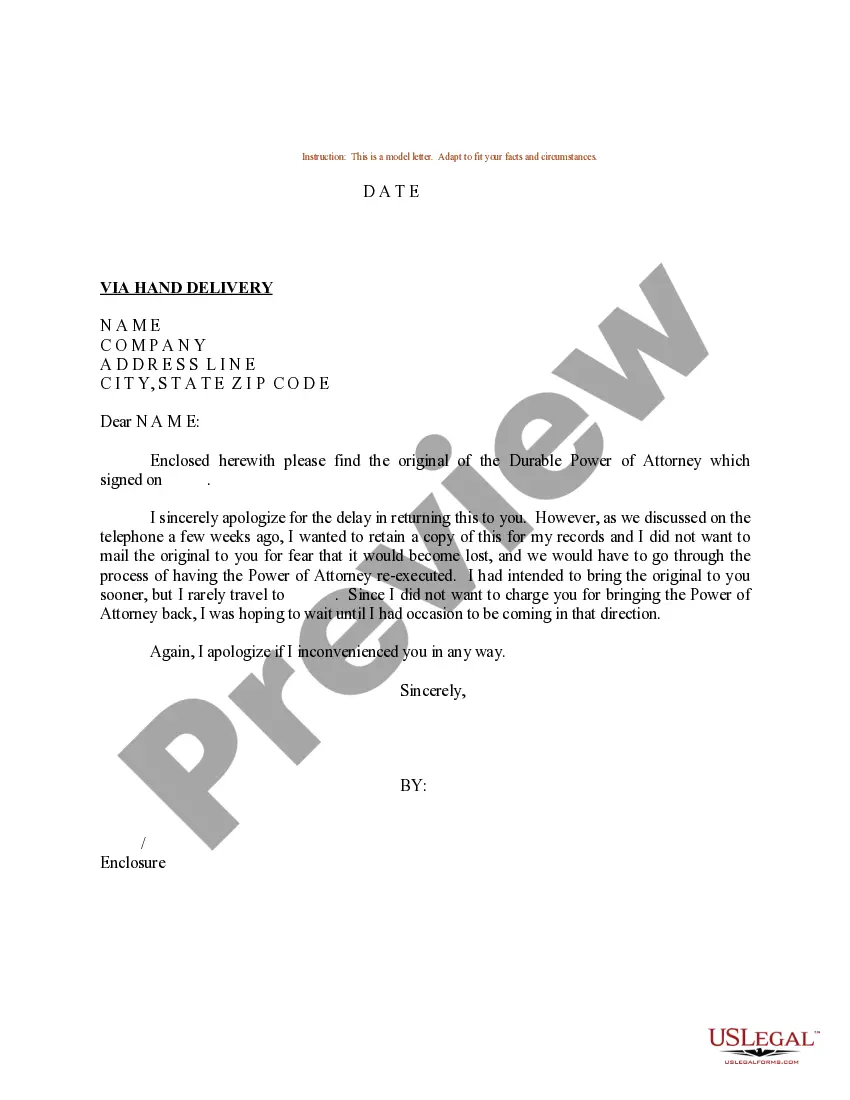
Sample Power Of Attorney To Sell Property
Description
Get your form ready online
Our built-in tools help you complete, sign, share, and store your documents in one place.
Make edits, fill in missing information, and update formatting in US Legal Forms—just like you would in MS Word.
Download a copy, print it, send it by email, or mail it via USPS—whatever works best for your next step.
Sign and collect signatures with our SignNow integration. Send to multiple recipients, set reminders, and more. Go Premium to unlock E-Sign.
If this form requires notarization, complete it online through a secure video call—no need to meet a notary in person or wait for an appointment.
We protect your documents and personal data by following strict security and privacy standards.

Make edits, fill in missing information, and update formatting in US Legal Forms—just like you would in MS Word.

Download a copy, print it, send it by email, or mail it via USPS—whatever works best for your next step.

Sign and collect signatures with our SignNow integration. Send to multiple recipients, set reminders, and more. Go Premium to unlock E-Sign.

If this form requires notarization, complete it online through a secure video call—no need to meet a notary in person or wait for an appointment.

We protect your documents and personal data by following strict security and privacy standards.
Looking for another form?
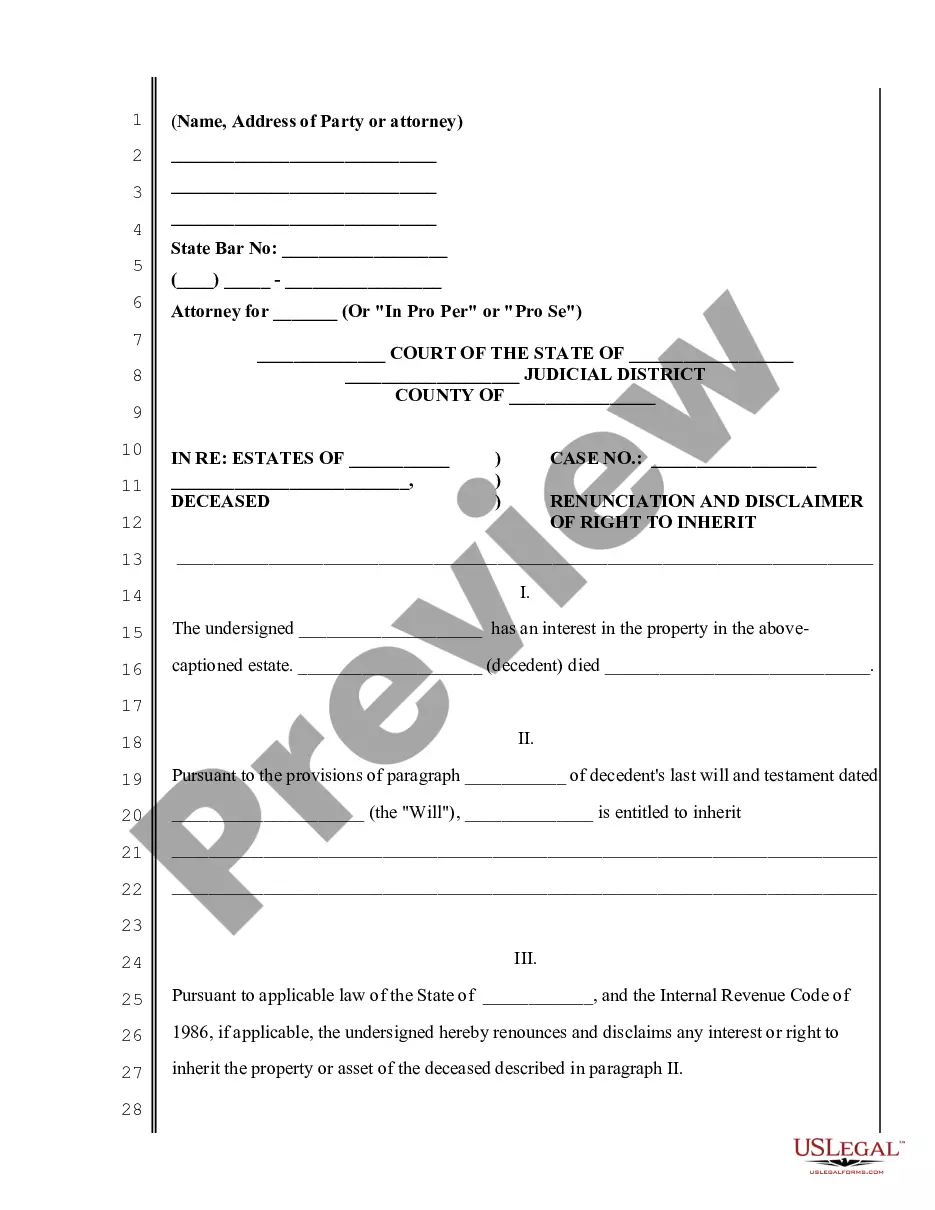
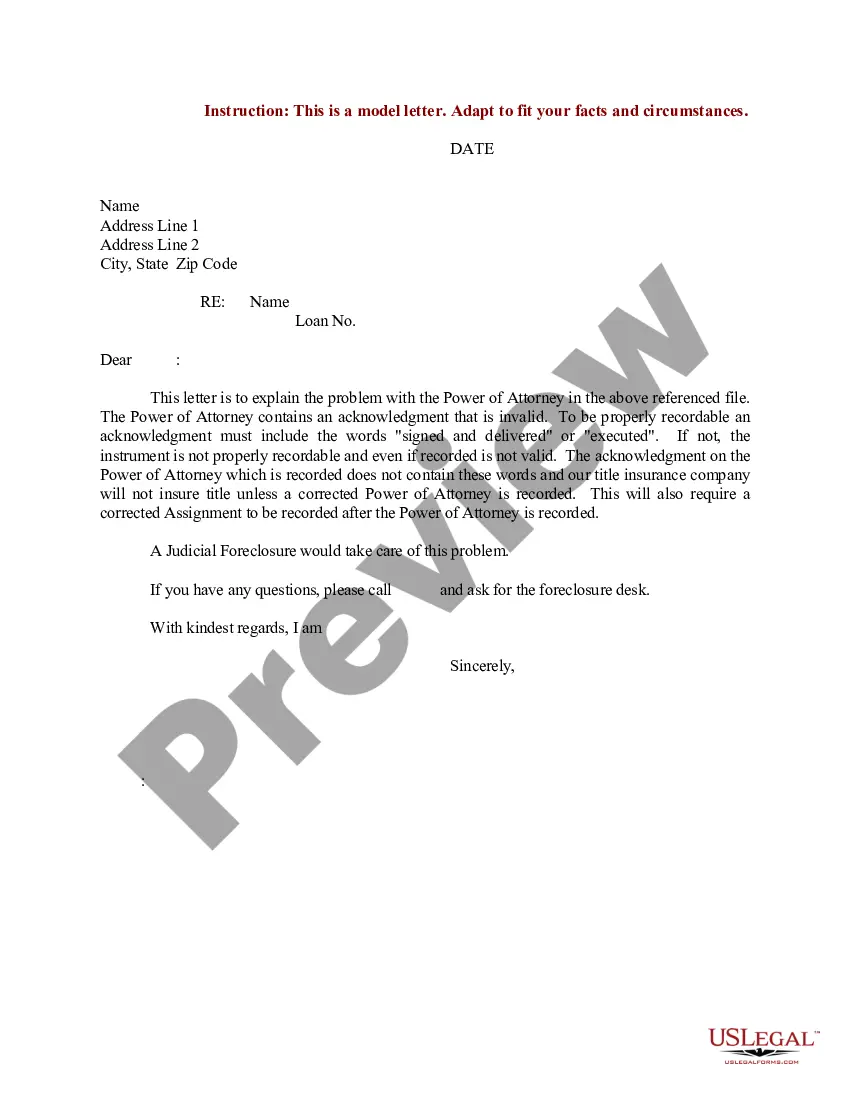
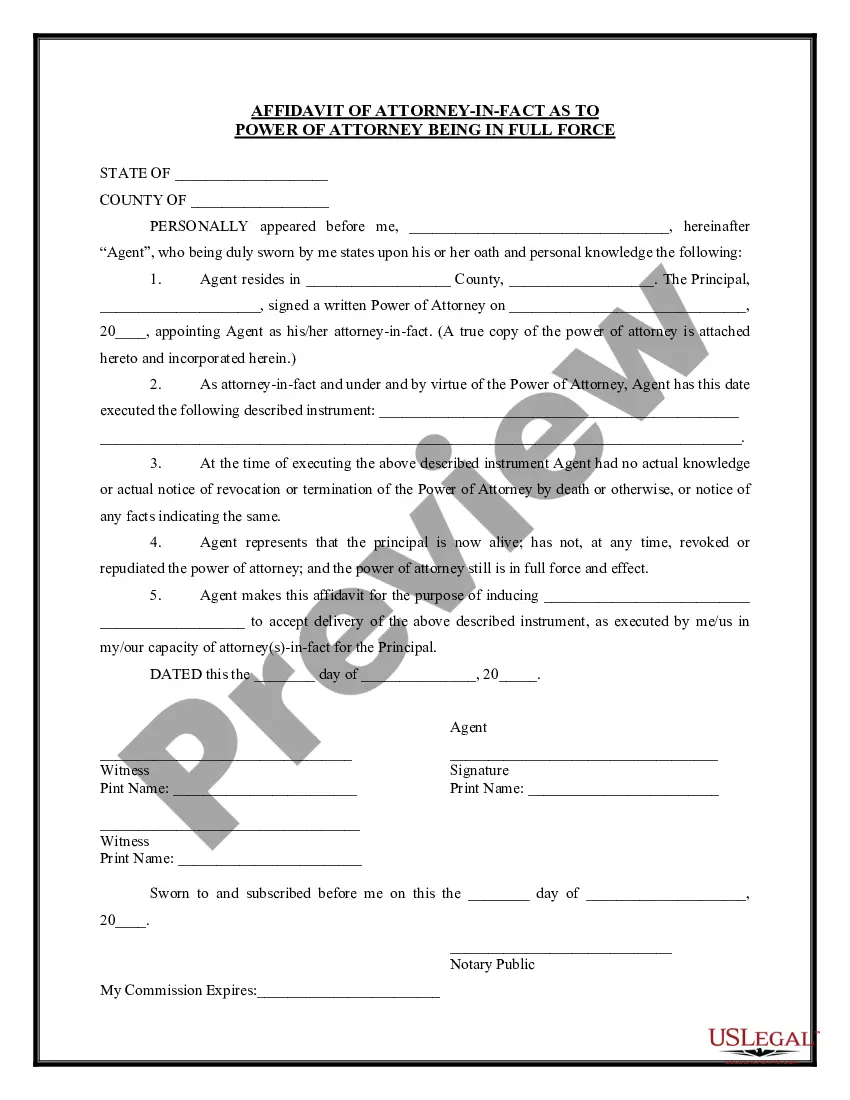
How to fill out Sample Letter Regarding Durable Power Of Attorney?
Whether for business purposes or for personal matters, everyone has to deal with legal situations sooner or later in their life. Completing legal papers needs careful attention, starting with selecting the proper form sample. For instance, if you choose a wrong edition of the Sample Power Of Attorney To Sell Property, it will be rejected once you submit it. It is therefore essential to have a dependable source of legal papers like US Legal Forms.
If you need to get a Sample Power Of Attorney To Sell Property sample, follow these easy steps:
- Find the sample you need by utilizing the search field or catalog navigation.
- Check out the form’s description to ensure it matches your situation, state, and region.
- Click on the form’s preview to see it.
- If it is the wrong form, return to the search function to find the Sample Power Of Attorney To Sell Property sample you require.
- Get the file when it meets your requirements.
- If you already have a US Legal Forms profile, just click Log in to gain access to previously saved documents in My Forms.
- In the event you don’t have an account yet, you may obtain the form by clicking Buy now.
- Select the correct pricing option.
- Complete the profile registration form.
- Choose your transaction method: use a credit card or PayPal account.
- Select the file format you want and download the Sample Power Of Attorney To Sell Property.
- After it is downloaded, you are able to complete the form by using editing applications or print it and complete it manually.
With a large US Legal Forms catalog at hand, you do not need to spend time looking for the right sample across the web. Make use of the library’s simple navigation to find the right template for any situation.
Form popularity
FAQ
The POA cannot transfer the responsibility to another Agent at any time. The POA cannot make any legal or financial decisions after the death of the Principal, at which point the Executor of the Estate would take over. The POA cannot distribute inheritances or transfer assets after the death of the Principal.
A power of attorney is a legal document that involves the agent or attorney-in-fact, and the principal. It is used in the event of a principal's temporary or permanent illness or disability, or when they can't sign necessary documents. The principal must choose a POA who they trust to handle their affairs for them.
It allows you to give someone the authority to buy or sell real estate for you, or to conduct any other business concerning real estate that you own. The person you name to represent you is called your "attorney-in-fact." Any trusted person with common sense can do the job.
A power of attorney gives one or more persons the power to act on your behalf as your agent. The power may be limited to a particular activity, such as closing the sale of your home, or be general in its application. The power may give temporary or permanent authority to act on your behalf.
Short answer: a principal (aka, the person who granted the power of attorney) can override a power of attorney (POA). However, if the principal is not of sound mind then a loved one or a guardian can take steps to override a POA.