Employer Employee Law Force
Description
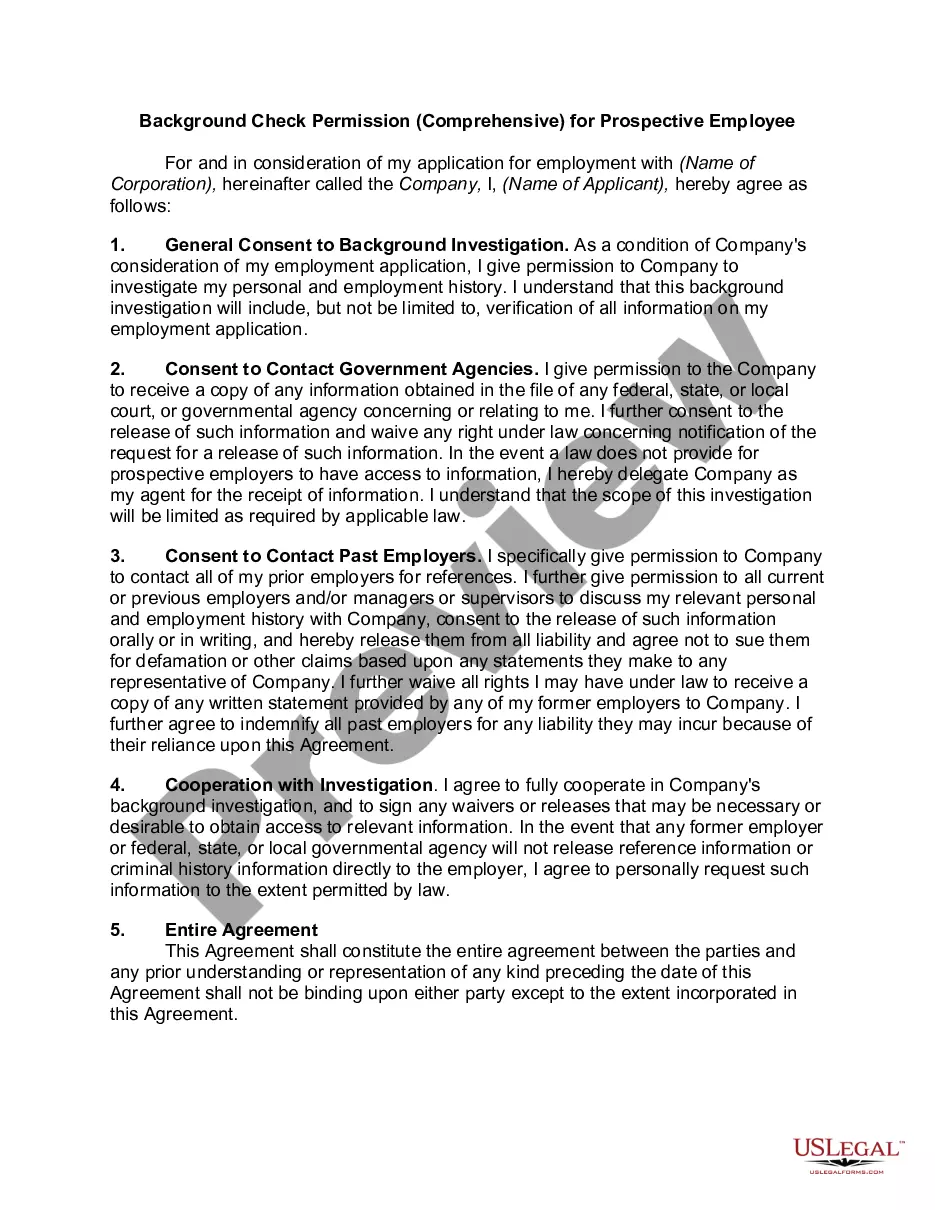
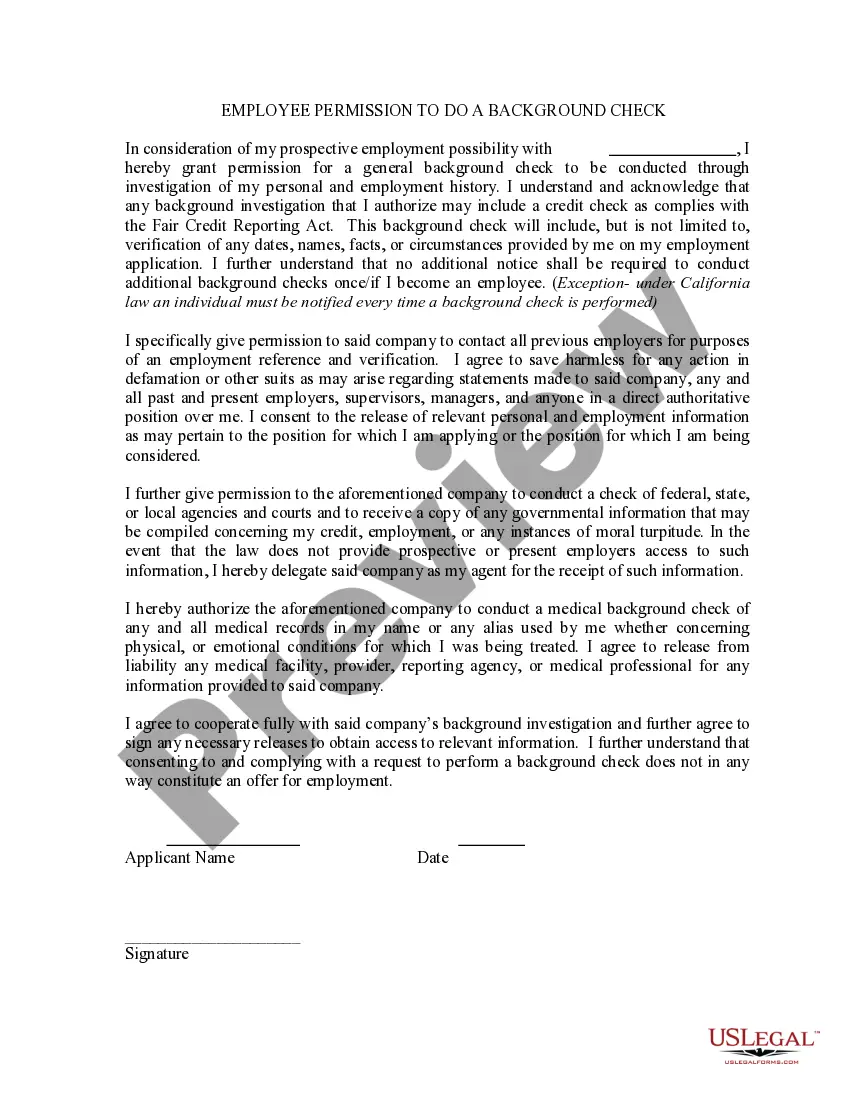
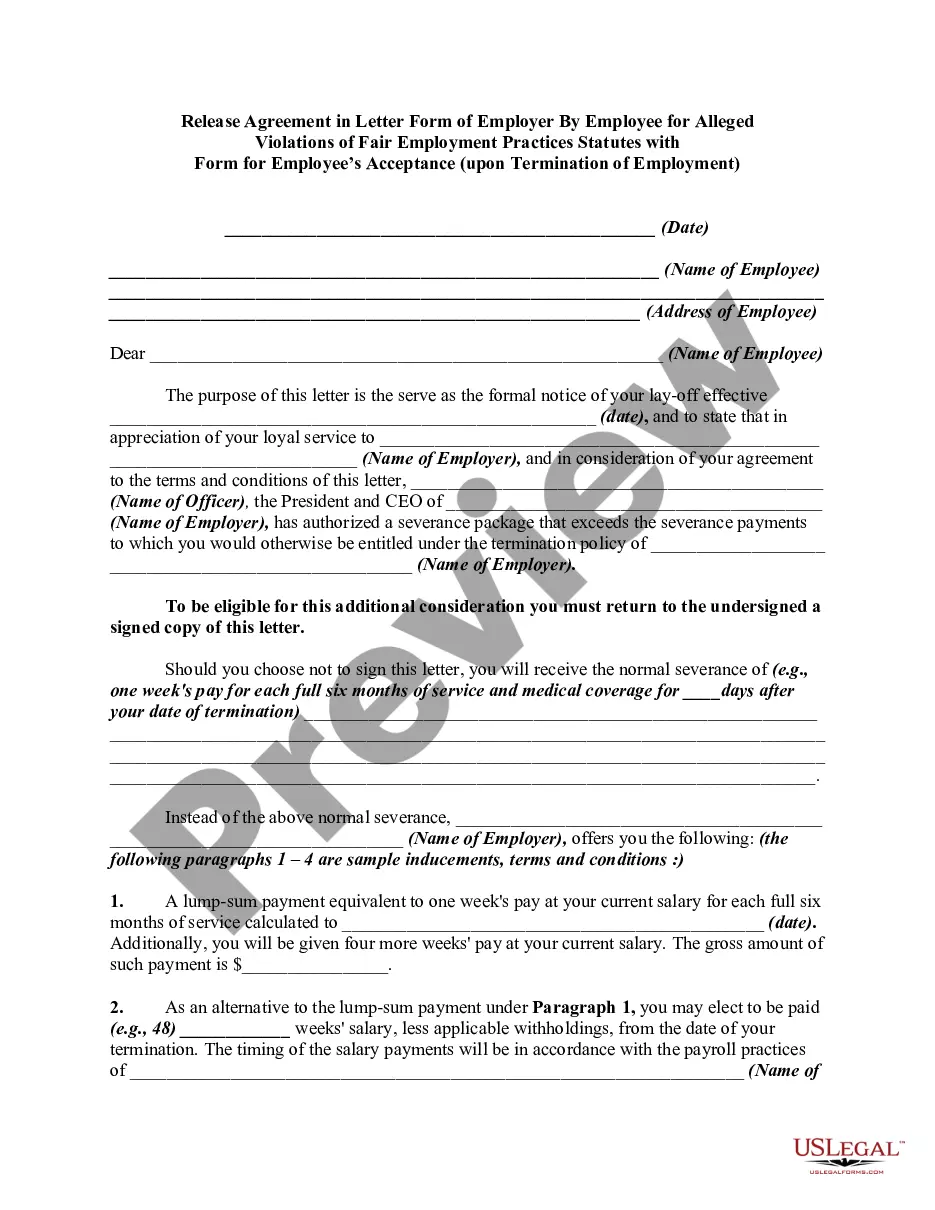
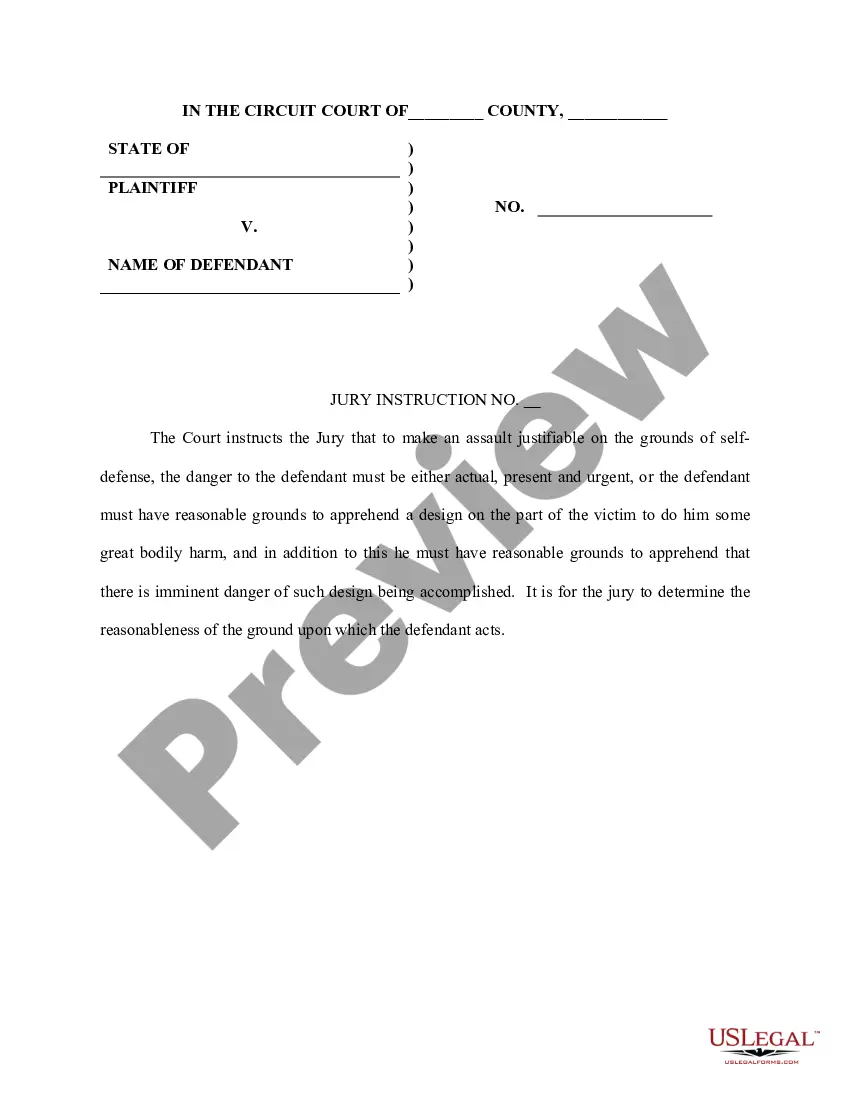
How to fill out Background Check Permission (Comprehensive) For Prospective Employee?
Finding a reliable source for the most up-to-date and relevant legal templates is half the battle when dealing with bureaucracy.
Identifying the correct legal documents requires precision and carefulness, which is why it is crucial to obtain samples of Employer Employee Law Force exclusively from trustworthy sources, such as US Legal Forms.
Once you have the document on your device, you can modify it using the editor or print it out and fill it in manually. Alleviate the stress that comes with your legal documents. Explore the extensive US Legal Forms library where you can discover legal templates, evaluate their applicability to your circumstances, and download them immediately.
- Make use of the catalog navigation or search bar to locate your template.
- Examine the form’s details to verify if it aligns with the requirements of your state and locality.
- Check the form preview, if available, to ensure it is indeed the document you are looking for.
- Return to the search to find the appropriate document if the Employer Employee Law Force does not meet your needs.
- Once you are confident about the form’s applicability, download it.
- If you are a registered user, click Log in to authenticate and access your selected templates in My documents.
- If you do not yet have an account, click Buy now to purchase the template.
- Select the pricing option that fits your needs.
- Proceed to the registration process to finalize your purchase.
- Complete your transaction by choosing a payment method (credit card or PayPal).
- Select the file format for downloading the Employer Employee Law Force.
Form popularity
FAQ
The four types of employment law include labor law, discrimination law, wage and hour law, and health and safety law. Each segment encompasses specific regulations that protect employees and define employer responsibilities within the framework of employer employee law force. Knowing these types can help you navigate workplace challenges and understand your legal protections. For comprehensive resources, uslegalforms can assist you in finding the legal forms you may need related to these laws.
As a worker, you have the right to fair treatment, a safe workplace, and freedom from discrimination. These rights are essential components of employer employee law force. Additionally, you are entitled to receive your wages on time and to report any violations without fear of retaliation. Understanding these rights can empower you to advocate for yourself in any situation.
Employer conduct that violates the law can include wrongful termination, discrimination, and harassment. These actions create an unfair workplace and undermine the principles of employer employee law force. If you feel that your rights are being violated, it's crucial to document the incidents and consult legal resources for guidance. Platforms like uslegalforms offer tools that help you understand your rights and take action.
Employers who fail to comply with Department of Labor standards may face severe consequences, including fines, back wages owed to employees, and potential lawsuits. Additionally, non-compliance can tarnish an employer's reputation and lead to further legal action. Knowing this can encourage you to understand your rights under the employer employee law force.
Yes, you can report an employer to the Department of Labor (DOL) anonymously. However, keep in mind that providing your contact information could be beneficial for follow-up and investigation purposes. If you're uncertain about the process, platforms like UsLegalForms can help you navigate the employer employee law force and ensure your report is filed correctly.
Workers' rights encompass a variety of protections that can include the right to join a union, the right to fair wages, and the right to safe working conditions. These rights also cover protections against wrongful termination and harassment. Awareness of these rights can empower you to advocate for yourself within the employer employee law force.
If you believe your employer is treating you unfairly, start by documenting specific incidents and collecting any relevant evidence. Next, consider discussing the matter with your supervisor or human resources department to seek resolution. Additionally, you may want to consult resources like UsLegalForms, which can guide you through the complexities of employer employee law force.
Employment laws in the United States are primarily enforced by the Department of Labor (DOL) and various state labor agencies. These entities investigate complaints, ensure compliance, and promote worker rights across industries. When you require assistance with these laws, consider utilizing platforms like USLegalForms, which guide you through legal processes and help clarify your rights under the employer employee law force.
Employees in the United States enjoy several fundamental rights under labor laws, including the right to fair wages, safe working conditions, and the freedom from discrimination. Additionally, employees have the right to join unions and participate in collective bargaining. Familiarizing yourself with these rights enhances your understanding of the employer employee law force and empowers you to advocate for yourself in the workplace.
The Major Employment Act refers to several key pieces of legislation that govern labor rights and protections in the workplace. Notably, the National Labor Relations Act (NLRA) plays a pivotal role in protecting employees' rights to organize and bargain collectively. Each law is essential in establishing the employer employee law force that protects your rights and supports equitable treatment for all workers.