Tenant Azure
Description
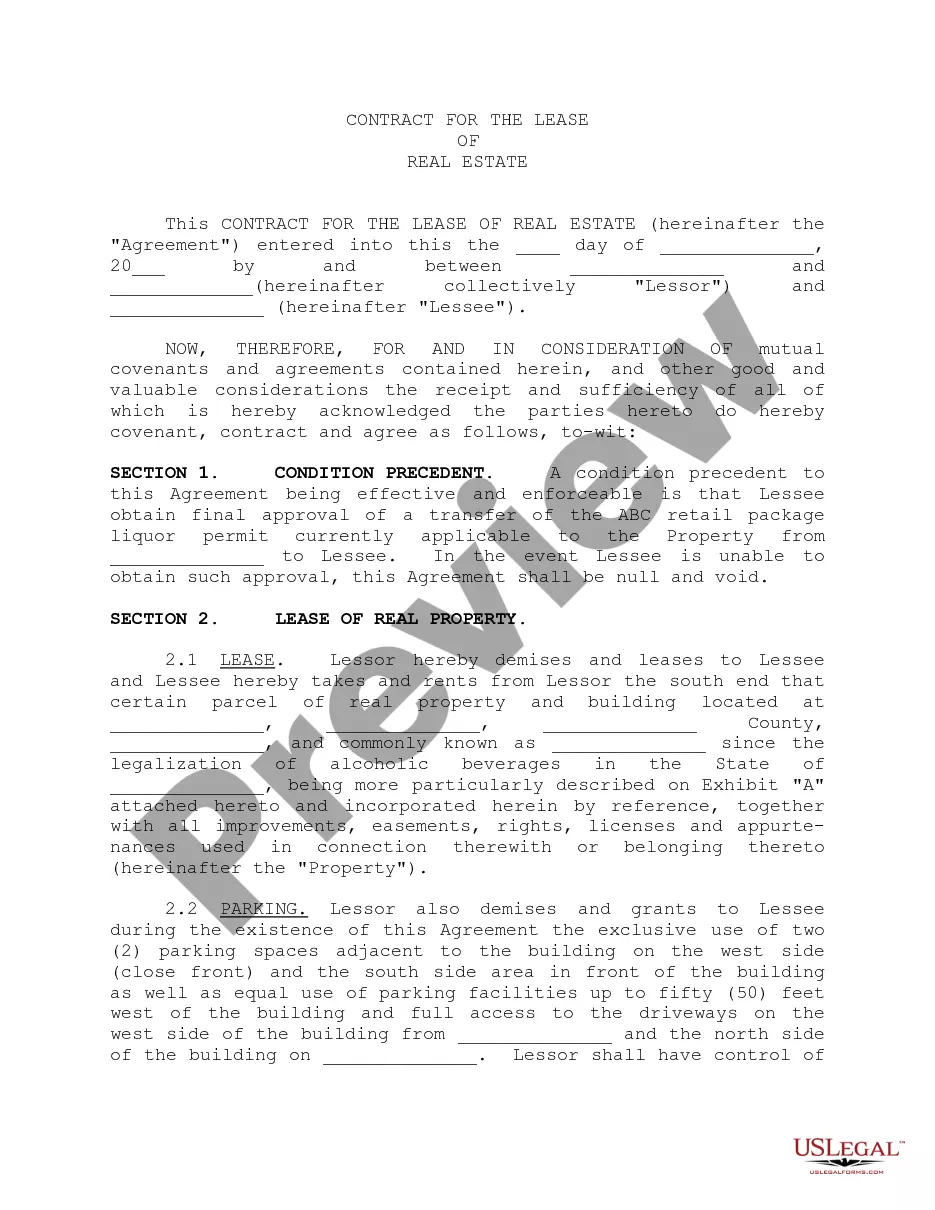

How to fill out Tenant's Intent To Accept Lifetime Lease?
- Log in to your account if you are a returning user. Ensure your subscription is active to access your needed documents.
- For first-time users, check the Preview mode and read the form description to ensure it fits your specific requirements and local jurisdiction.
- Utilize the search feature if you need to find another template that better suits your needs.
- Select the appropriate form and click on the Buy Now button, then choose your preferred subscription plan and create your account.
- Complete your purchase by providing your credit card information or signing in with your PayPal account.
- Download your form and save it on your device, as it will be accessible later in the My Forms menu of your profile.
By following these steps, you can confidently obtain your legal documents quickly and efficiently. US Legal Forms not only offers a vast selection but also ensures that you have the support you need for accurate form completion.
Start your journey to more manageable legal documentation today!
Form popularity
FAQ
To integrate your Office 365 tenant with Azure, start by logging into the Azure portal. Navigate to 'Azure Active Directory', and then select 'Enterprise applications'. Choose 'Add an application', and search for 'Office 365'. By linking your Office 365 tenant to your tenant Azure, you enable seamless management and collaboration across services.
To add a user to your Azure subscription, go to the Azure portal and select 'Active Directory'. Then, choose 'Users', and click on 'New user'. Fill in the required details, assign appropriate roles, and ensure the user is linked to your tenant Azure. This empowers you to control access and manage resources efficiently.
A tenant in Azure represents a dedicated environment linked to your organization, wherein you can manage Azure resources and services. For example, if your company is called 'Tech Innovations', your Azure tenant might be 'techinnovations.onmicrosoft'. This structure allows you to maintain control over your resources, subscriptions, and users proficiently.
To add an owner to your Azure subscription, navigate to the Azure portal and select 'Subscriptions'. Choose the subscription you want to modify, then go to 'Access control (IAM)'. From there, click on 'Add role assignment', select the 'Owner' role, and specify the user you wish to grant ownership. This enhances management capabilities within your tenant Azure.
Your Azure tenant name is a unique identifier for your organization within the Azure framework. It typically reflects your domain name used during the signup process. You can find it in the Azure portal under 'Overview' in your Active Directory section. Knowing your tenant Azure name helps in managing subscriptions and resources effectively.
In Azure, a tenant generally refers to the organizational scope, while a directory is specifically the Azure Active Directory associated with that tenant. Your directory contains all the information about users, groups, and applications tied to your tenant. Understanding this distinction ensures that you can effectively manage both your users and the services they access within the tenant Azure environment.
A tenant on Azure is a dedicated environment created for your organization, providing resources such as identity management, security policies, and cloud services. It serves as a secure space where you can control user access and manage devices seamlessly. Knowing what your tenant encompasses is vital for optimizing your Azure experience and adhering to best practices.
A tenant is the organizational unit that includes Azure Active Directory, while a subscription is the billing unit for Azure services. Your tenant can contain one or more subscriptions, enabling segmented billing for different projects or departments. Understanding this separation will help you manage your financial and resource planning effectively within the tenant Azure framework.
In Azure, a tenant is the overall entity housing your applications and user identities, while a client typically refers to an application or service that interacts with Azure resources. Your tenant is the container that holds all your identities, whereas clients act as end-points for utilizing Azure features. Recognizing this difference allows for better management of applications and security protocols within your tenant Azure infrastructure.
A tenant in Azure refers to a dedicated instance of the Azure Active Directory service for your organization. It acts as a secure boundary for managing users, groups, and applications. Being aware of your tenant is essential for proper identity management and resource allocation in your Azure ecosystem. This understanding enables you to leverage Azure's capabilities fully.