Release Of Executor Form With 2 Points
Description

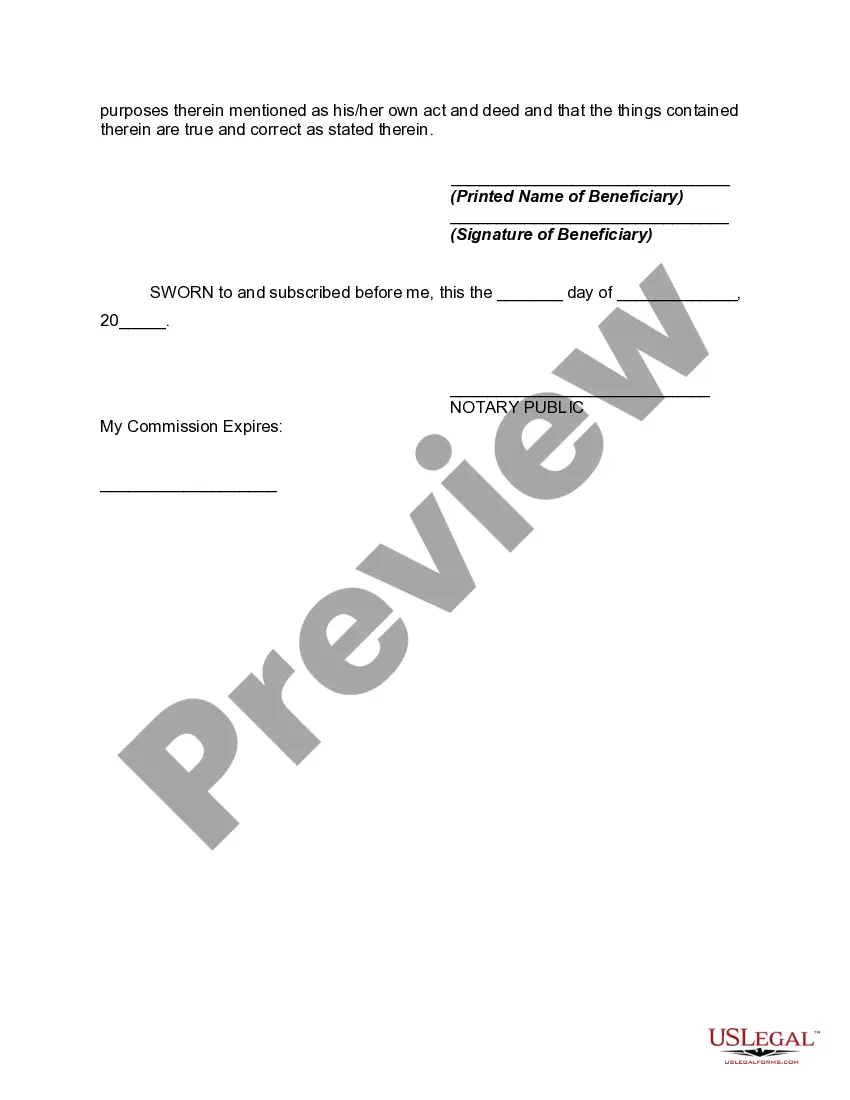
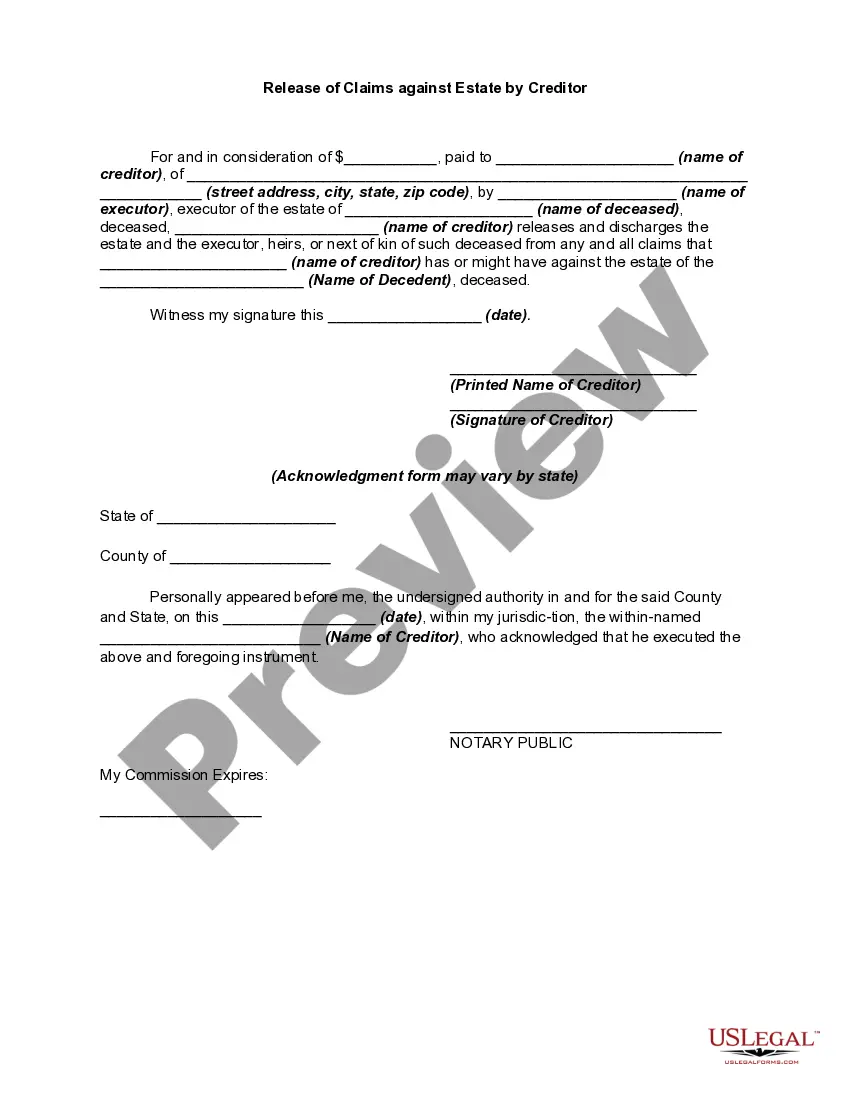
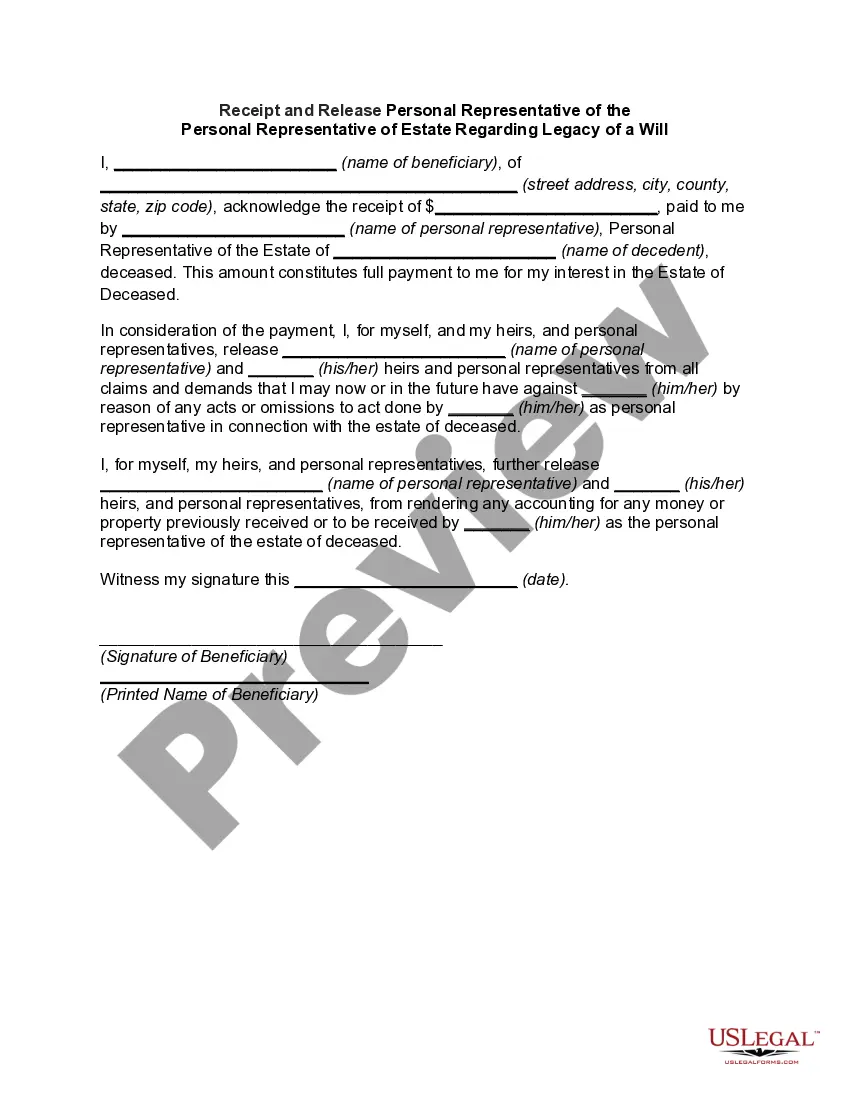
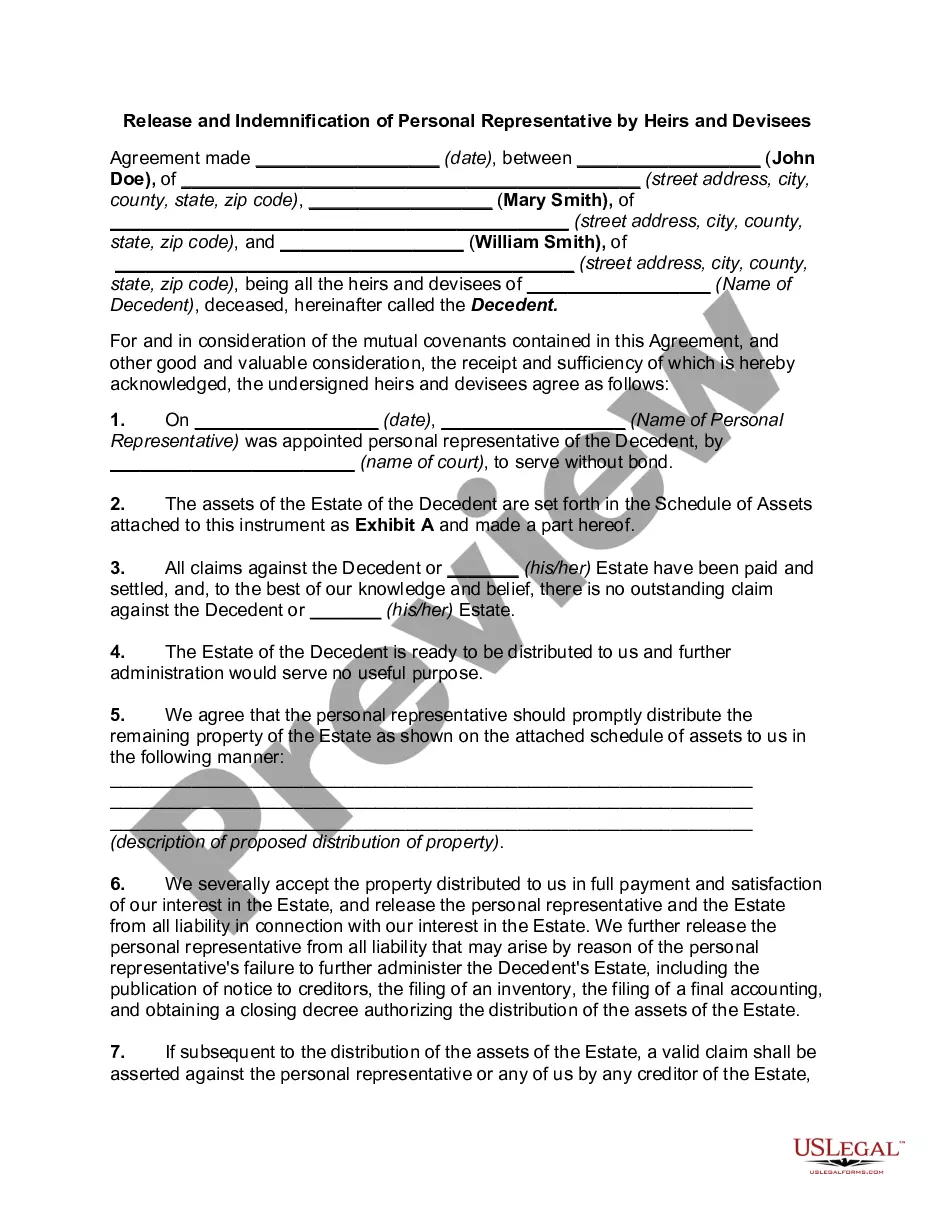
Get your form ready online
Our built-in tools help you complete, sign, share, and store your documents in one place.
Make edits, fill in missing information, and update formatting in US Legal Forms—just like you would in MS Word.
Download a copy, print it, send it by email, or mail it via USPS—whatever works best for your next step.
Sign and collect signatures with our SignNow integration. Send to multiple recipients, set reminders, and more. Go Premium to unlock E-Sign.
If this form requires notarization, complete it online through a secure video call—no need to meet a notary in person or wait for an appointment.
We protect your documents and personal data by following strict security and privacy standards.

Make edits, fill in missing information, and update formatting in US Legal Forms—just like you would in MS Word.

Download a copy, print it, send it by email, or mail it via USPS—whatever works best for your next step.

Sign and collect signatures with our SignNow integration. Send to multiple recipients, set reminders, and more. Go Premium to unlock E-Sign.

If this form requires notarization, complete it online through a secure video call—no need to meet a notary in person or wait for an appointment.

We protect your documents and personal data by following strict security and privacy standards.
Looking for another form?








How to fill out Release And Exoneration Of Executor On Distribution To Beneficiary Of Will And Waiver Of Citation Of Final Settlement?
The Publication Of Executor Document With 2 Points you observe on this site is a versatile legal template crafted by experienced attorneys in accordance with national and local laws and regulations.
For over 25 years, US Legal Forms has supplied individuals, enterprises, and legal experts with more than 85,000 authenticated, state-specific documents for any business and personal circumstance. It’s the quickest, simplest, and most reliable method to acquire the paperwork you require, as the service ensures the utmost level of data security and anti-malware safeguards.
Select the format you prefer for your Publication Of Executor Document With 2 Points (PDF, DOCX, RTF) and store the sample on your device. Fill out and endorse the document. Print out the template to complete it manually, or alternatively, utilize an online multifunctional PDF editor to swiftly and accurately fill out and sign your form with an eSignature. Download your documents again. Reuse the same document whenever needed. Access the My documents tab in your profile to redownload any previously saved forms. Subscribe to US Legal Forms to have verified legal templates for all of life’s situations readily available.
- Search for the document you require and evaluate it.
- Peruse the file you searched and preview it or assess the form description to verify it meets your needs. If it does not, utilize the search bar to find the appropriate one. Click Buy Now when you have found the template you seek.
- Register and access your account.
- Choose the payment plan that best fits your needs and create an account. Use PayPal or a credit card to make a quick payment. If you already possess an account, Log In and check your subscription to proceed.
- Obtain the editable template.
Form popularity
FAQ
The estate executors must file a written notification containing the reason for resignation and an indication that another estate administrator can take over.
If you have been made executor in a Will and you don't want the responsibility, then you do not have to act. You can give up your right to act as executor (renounce) by signing a ?deed of renunciation? but only before you take any action (intermeddle is the jargon) in dealing with the estate.
People usually designate one person to serve as the executor of their will, but it is also possible to designate two or more co-executors. Most lawyers advise that one executor is best, as it avoids potential disputes, but there are situations where it may make sense to appoint co-executors.
A Letter of Appointment of Executor helps prove you have been put in charge of someone's estate after they have passed away. As Executor, you've been given the duty to manage the estate and carry out the directions of the will; however, a court may require official documentation.
If a beneficiary requests access to financial institution statements and the executor refuses to provide them, the beneficiary can take legal action. They can follow the court for an order compelling the executor to reveal the requested information.