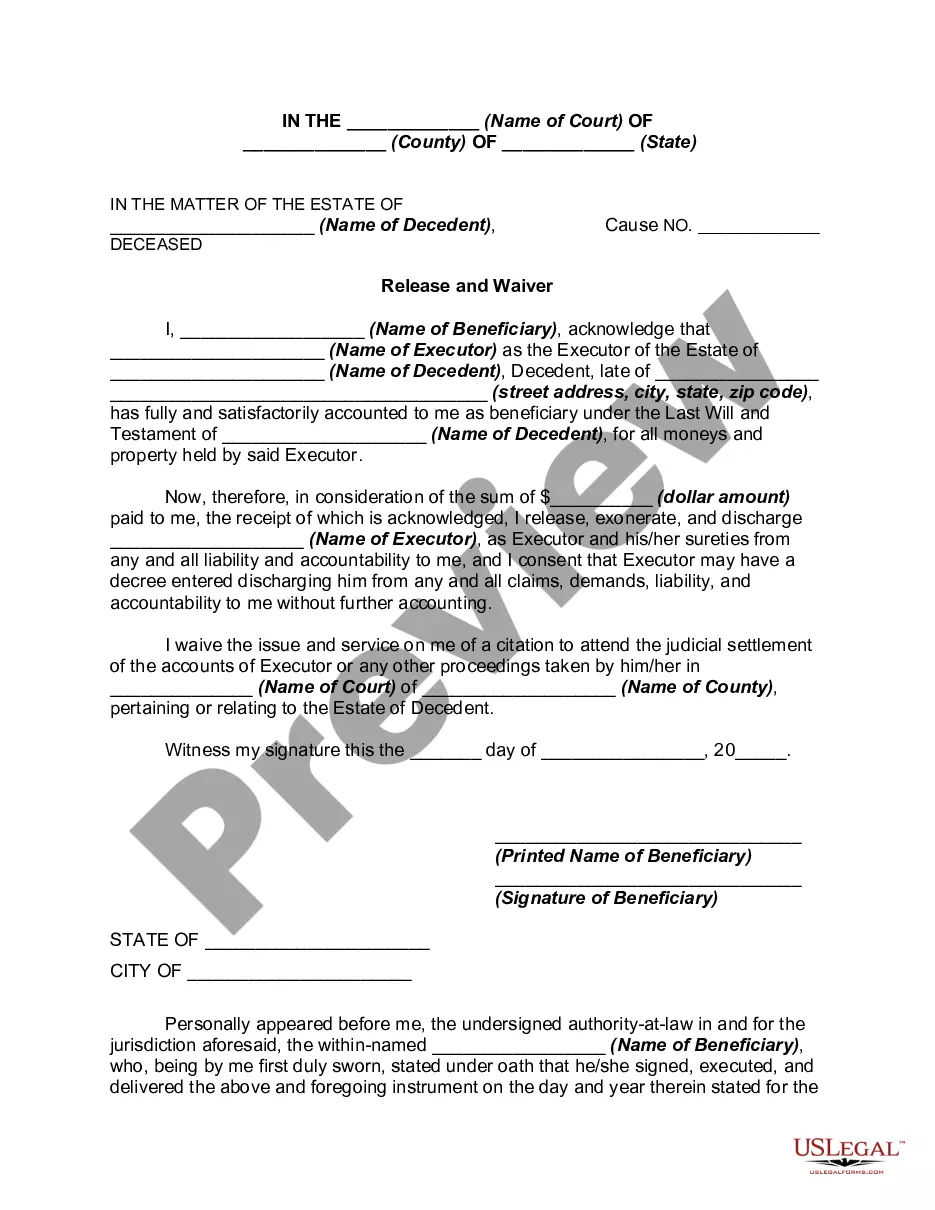
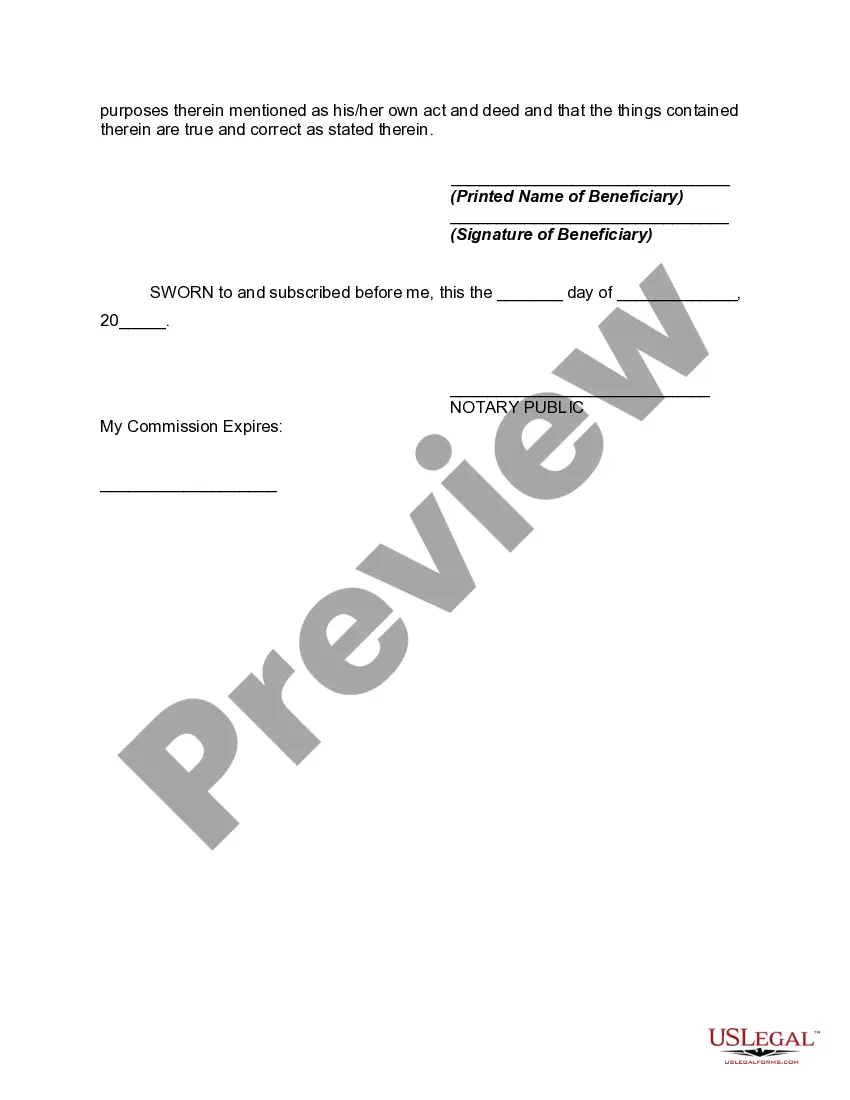
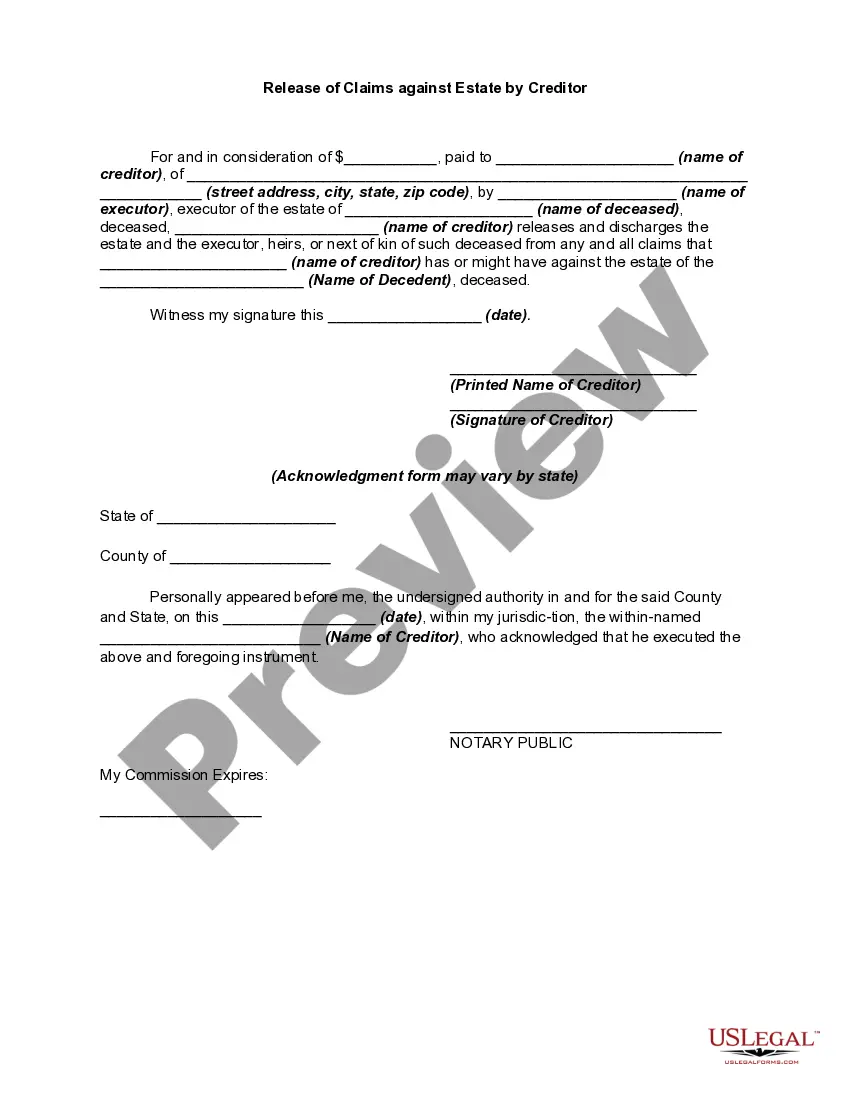
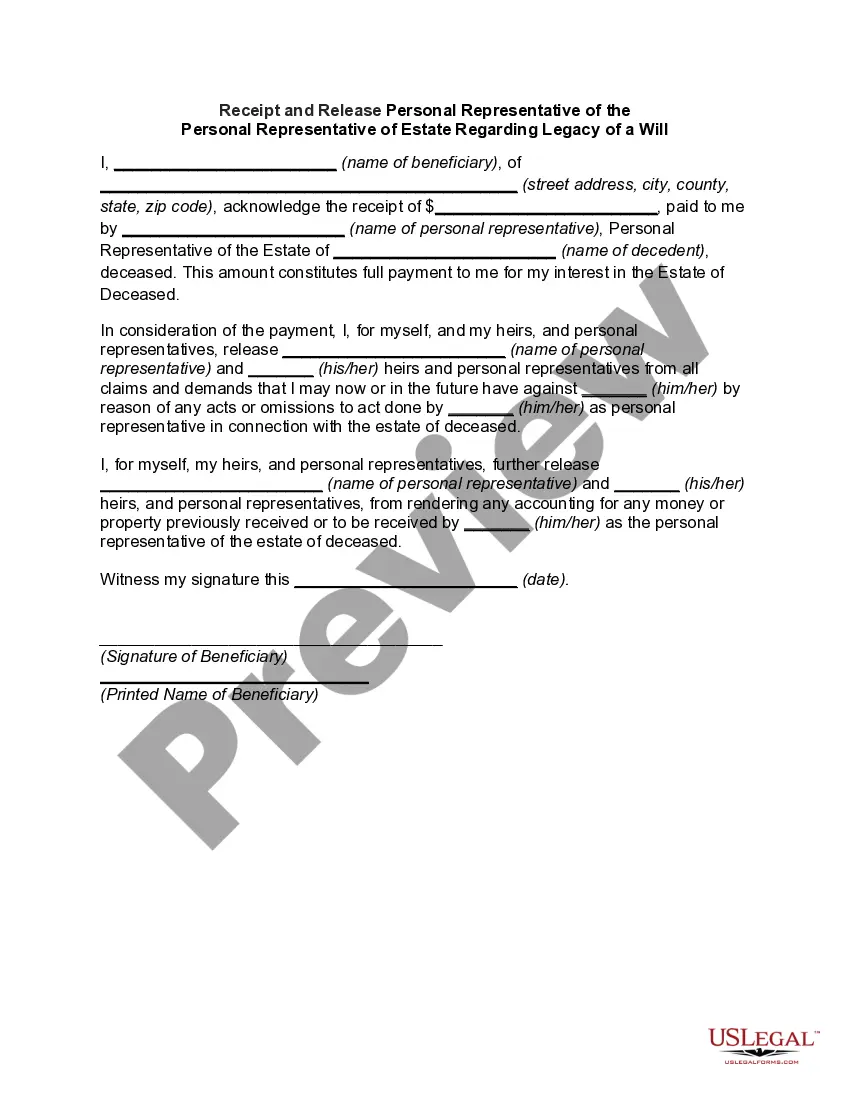
Name Executor Estate Form Georgia
Description
Get your form ready online
Our built-in tools help you complete, sign, share, and store your documents in one place.
Make edits, fill in missing information, and update formatting in US Legal Forms—just like you would in MS Word.
Download a copy, print it, send it by email, or mail it via USPS—whatever works best for your next step.
Sign and collect signatures with our SignNow integration. Send to multiple recipients, set reminders, and more. Go Premium to unlock E-Sign.
If this form requires notarization, complete it online through a secure video call—no need to meet a notary in person or wait for an appointment.
We protect your documents and personal data by following strict security and privacy standards.

Make edits, fill in missing information, and update formatting in US Legal Forms—just like you would in MS Word.

Download a copy, print it, send it by email, or mail it via USPS—whatever works best for your next step.

Sign and collect signatures with our SignNow integration. Send to multiple recipients, set reminders, and more. Go Premium to unlock E-Sign.

If this form requires notarization, complete it online through a secure video call—no need to meet a notary in person or wait for an appointment.

We protect your documents and personal data by following strict security and privacy standards.
Looking for another form?
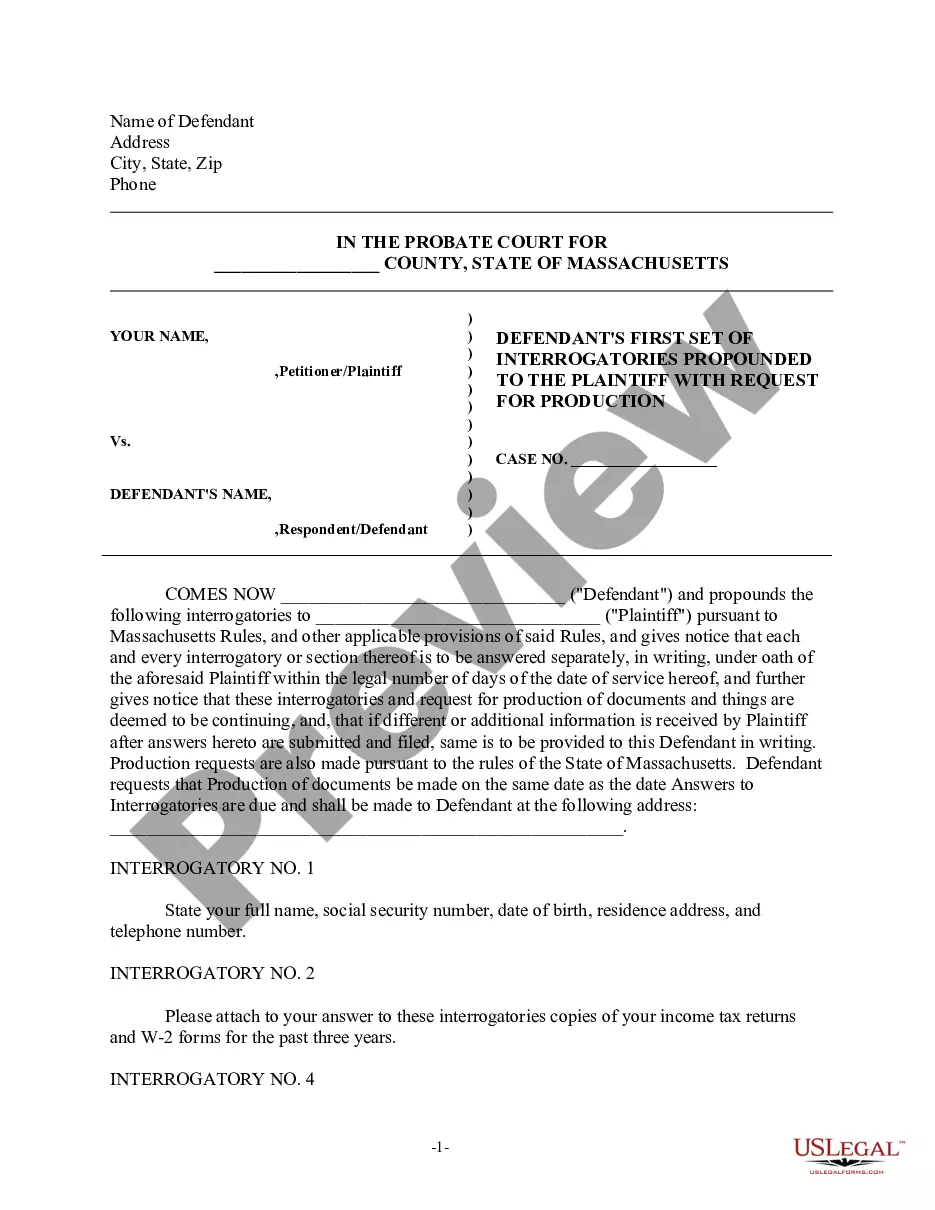
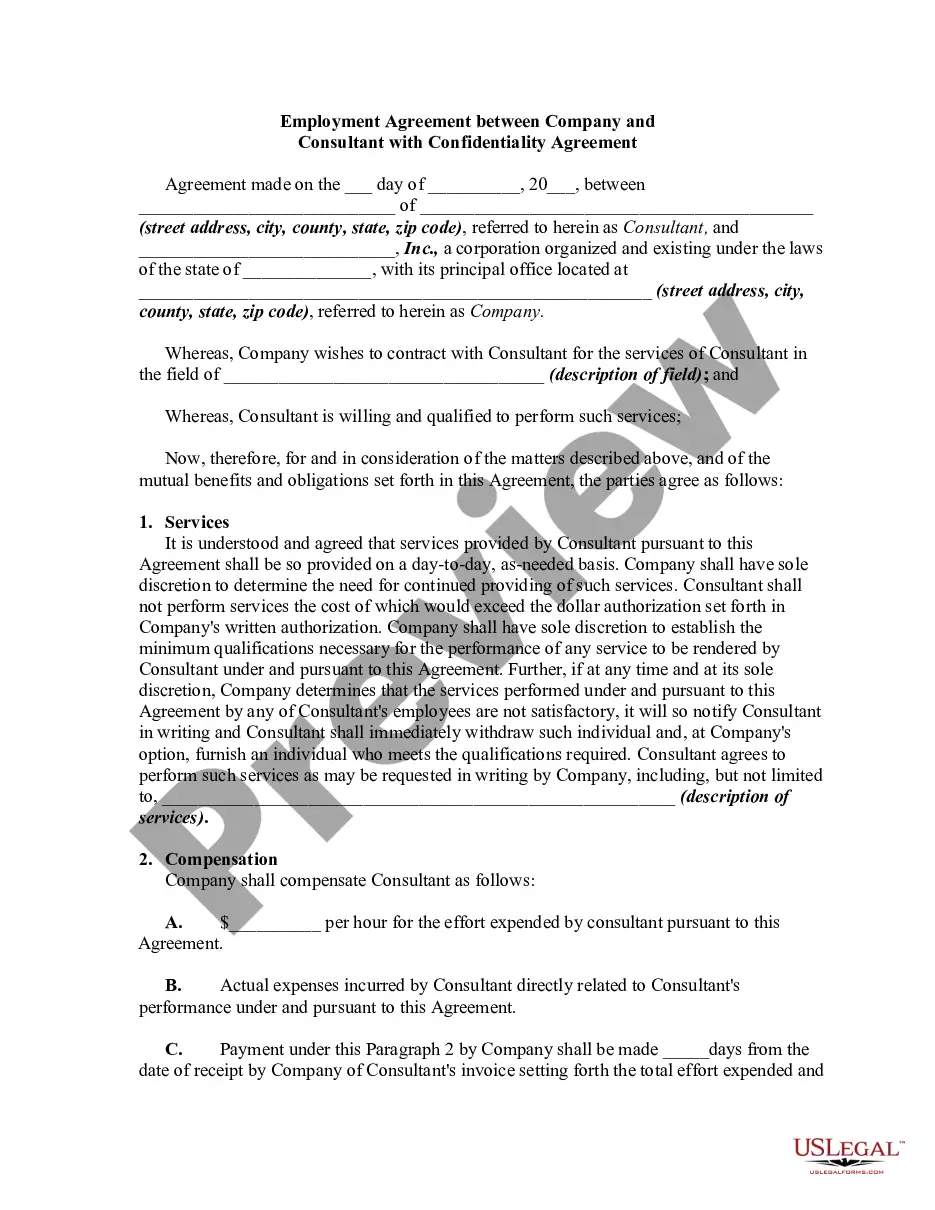

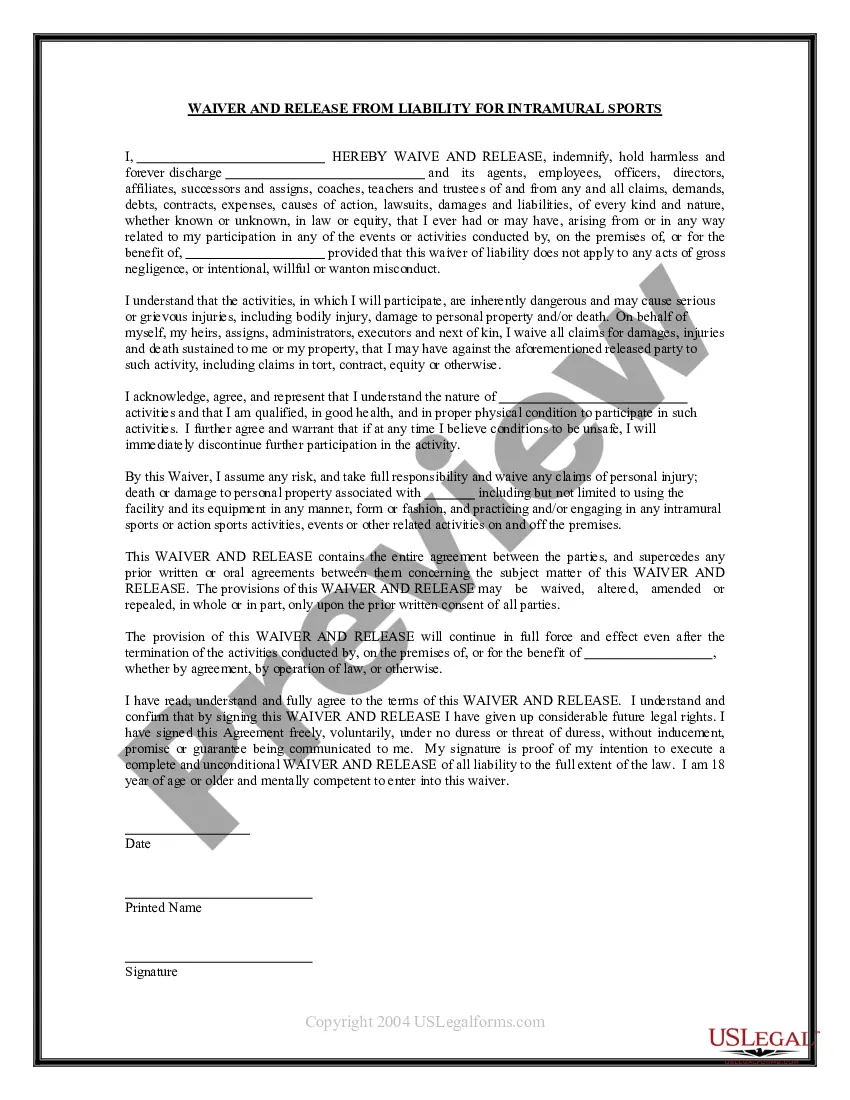




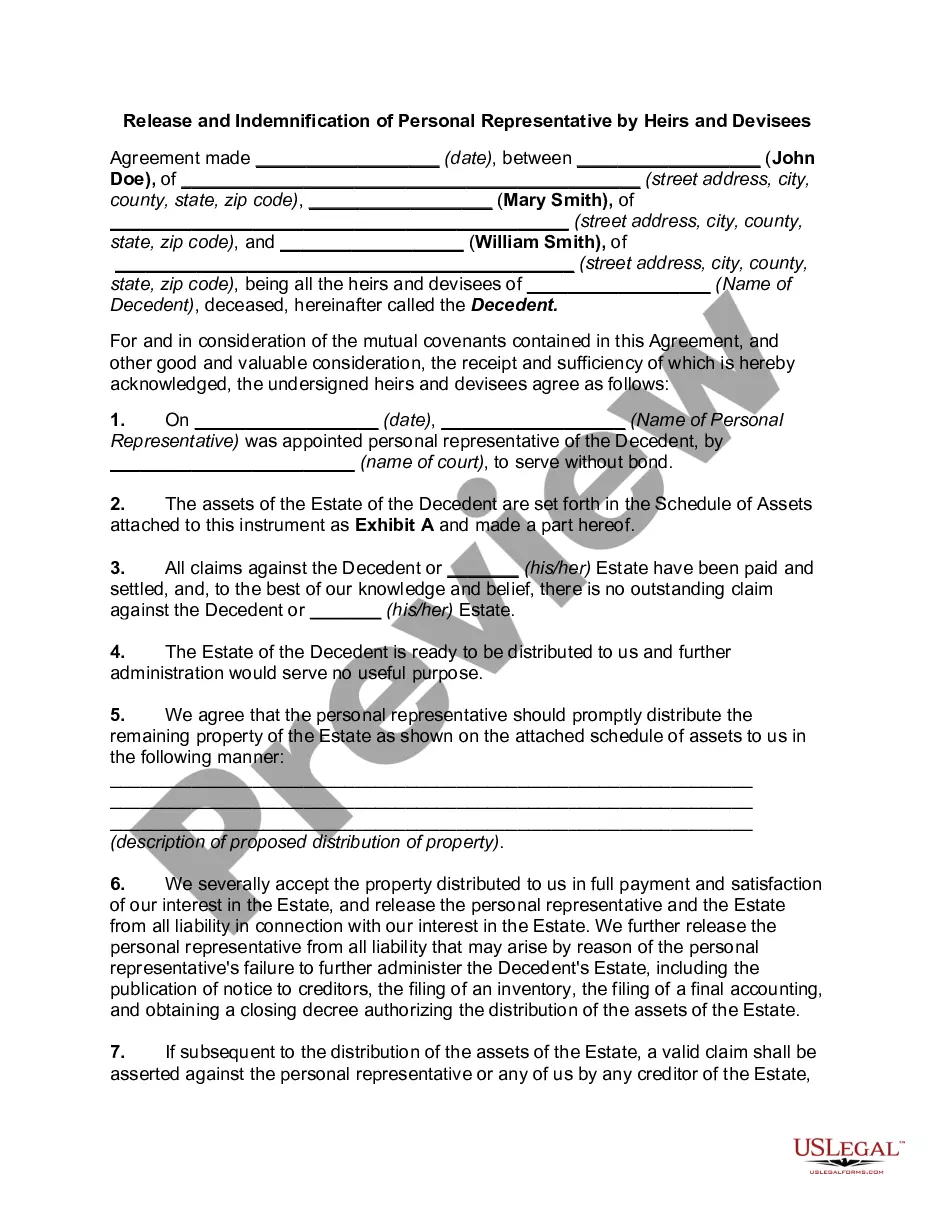
How to fill out Release And Exoneration Of Executor On Distribution To Beneficiary Of Will And Waiver Of Citation Of Final Settlement?
Regardless of whether it’s for professional reasons or personal issues, everyone must confront legal matters at some stage in their life.
Completing legal paperwork requires meticulous attention, beginning with selecting the right form template.
With a comprehensive US Legal Forms library available, you never need to waste time hunting for the suitable template online. Utilize the library’s simple navigation to discover the perfect template for any occasion.
- For instance, if you select an incorrect version of a Name Executor Estate Form Georgia, it will be denied upon submission.
- Thus, it is crucial to find a trustworthy source of legal documents like US Legal Forms.
- To acquire a Name Executor Estate Form Georgia template, follow these straightforward steps.
- 1. Locate the sample you require by using the search box or catalog navigation.
- 2. Review the form’s details to ensure it aligns with your needs, state, and locality.
- 3. Click on the form’s preview to inspect it.
- 4. If it’s not the correct form, revert to the search option to find the Name Executor Estate Form Georgia template you need.
- 5. Download the file if it suits your requirements.
- 6. If you have a US Legal Forms account, simply click Log in to access previously saved documents in My documents.
- 7. If you don’t have an account yet, you can obtain the form by clicking Buy now.
- 8. Choose the correct pricing option.
- 9. Fill out the account registration form.
- 10. Select your payment method: you may use a credit card or PayPal account.
- 11. Pick the document format you desire and download the Name Executor Estate Form Georgia.
- 12. After it is saved, you can either fill out the form using editing software or print it and complete it by hand.
Form popularity
FAQ
Technically, ing to Utah Law, the ?desires of a child 14 years of age or older shall be given added weight but is not the single controlling factor.? Again, 14 and above, the court may consider the preference of children and what they have to say, but even that will be the exception and not the normal case.
Most justice, district and appellate court records are public. Anyone can see and make copies of public records. Rule of Judicial Administration 4-202.02(2).
If you are a custodial parent, you cannot deny visitation rights to the non-custodial parent if there is a custody agreement or custody order in place. You must comply with the court order or agreement regardless of whether you want to do so or not.
MyCase is an online system available from the Utah State Courts. You can use MyCase to: See your case history (a record of what has happened in your case) See the papers that have been filed in your case.
The court will consider the child's wishes to the extent that the child is sufficiently mature to express reasoned and independent preferences as to the parenting time schedule. Usually the court will not consider child's preference unless the child is at least 14 years old.
Free public XChange access is available at most district courthouses and may be available in some justice court locations. Contact the district or justice court to verify public XChange access. Free public XChange access is also available at the Utah State Law Library.
Can a Parent Legally Keep a Child from the Other Parent in Utah? Generally, the answer would be no so long as there is a custody order or agreement in place. If there is no custody order or if your child is under your control and custody, then you can keep the child from the other parent.
In Utah, the court will usually not consider a child's preference unless they are 14. However, the child's preferences are not the only factor the court finds. The judge may place more weight on the child's wishes if they are 16 or older.