Name Beneficiary Executor Without Telling Them
Description


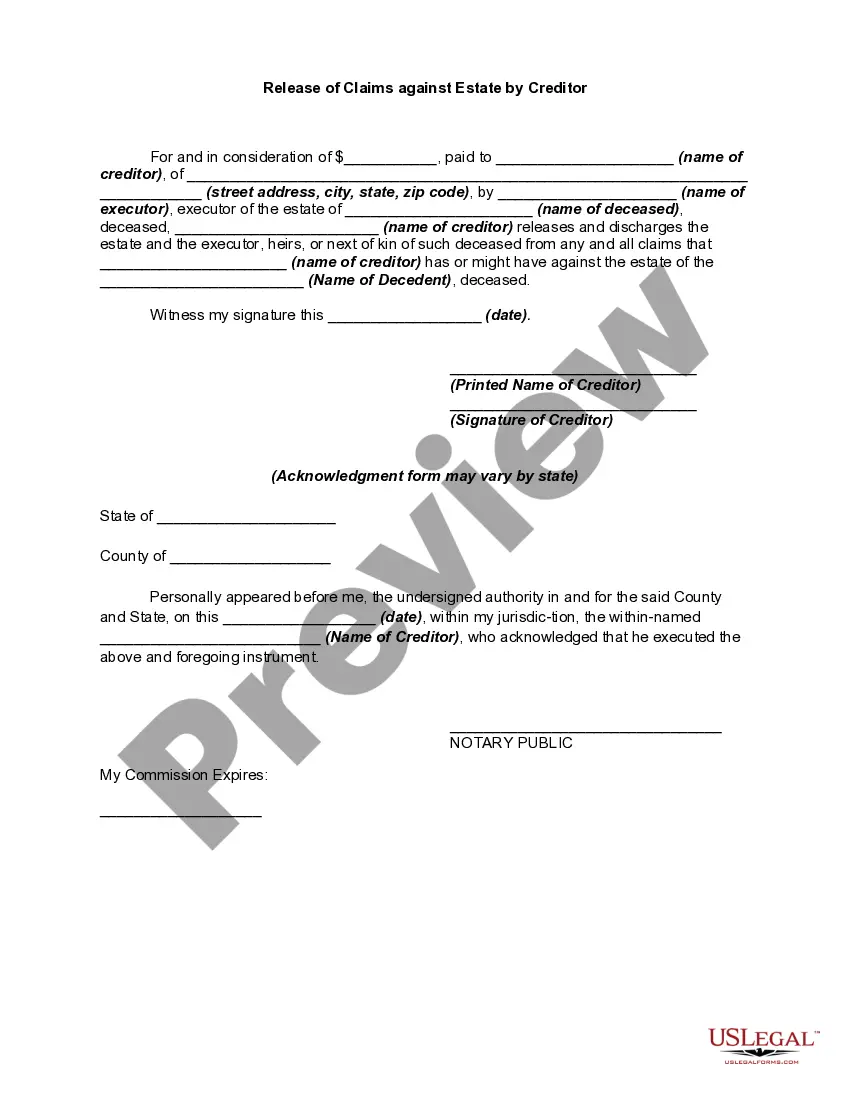
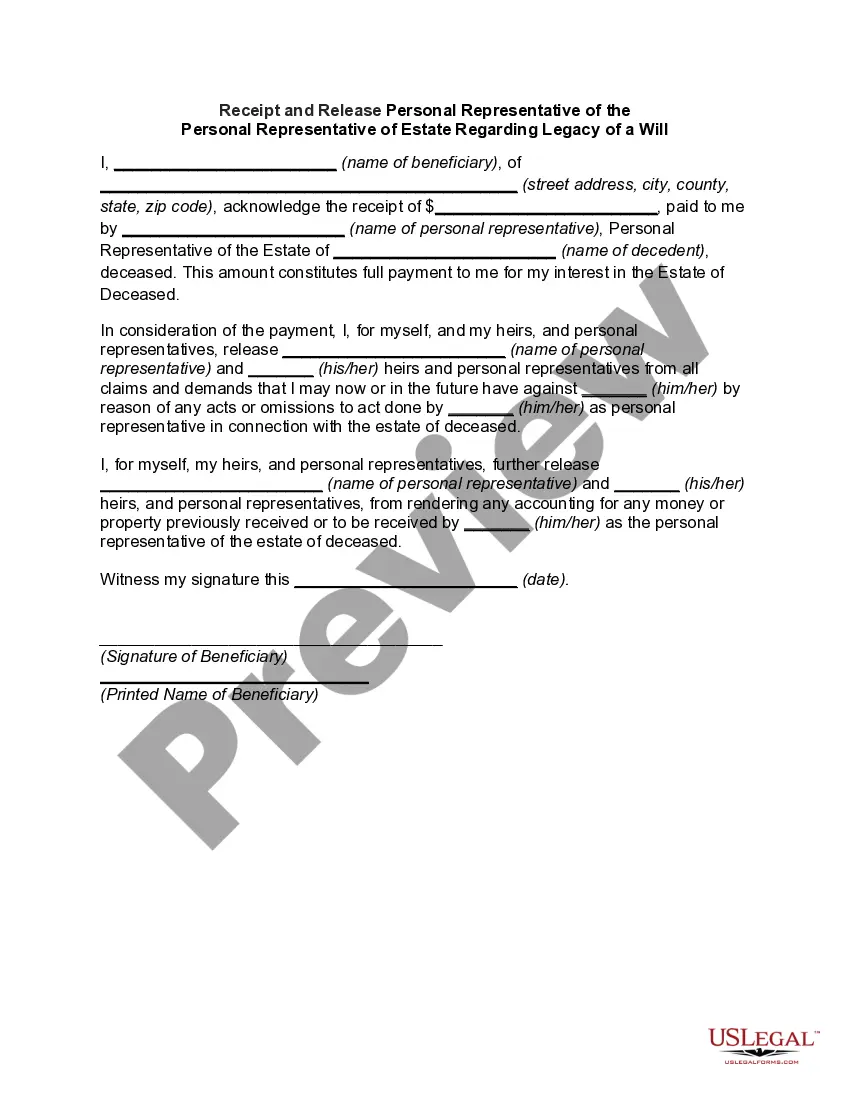
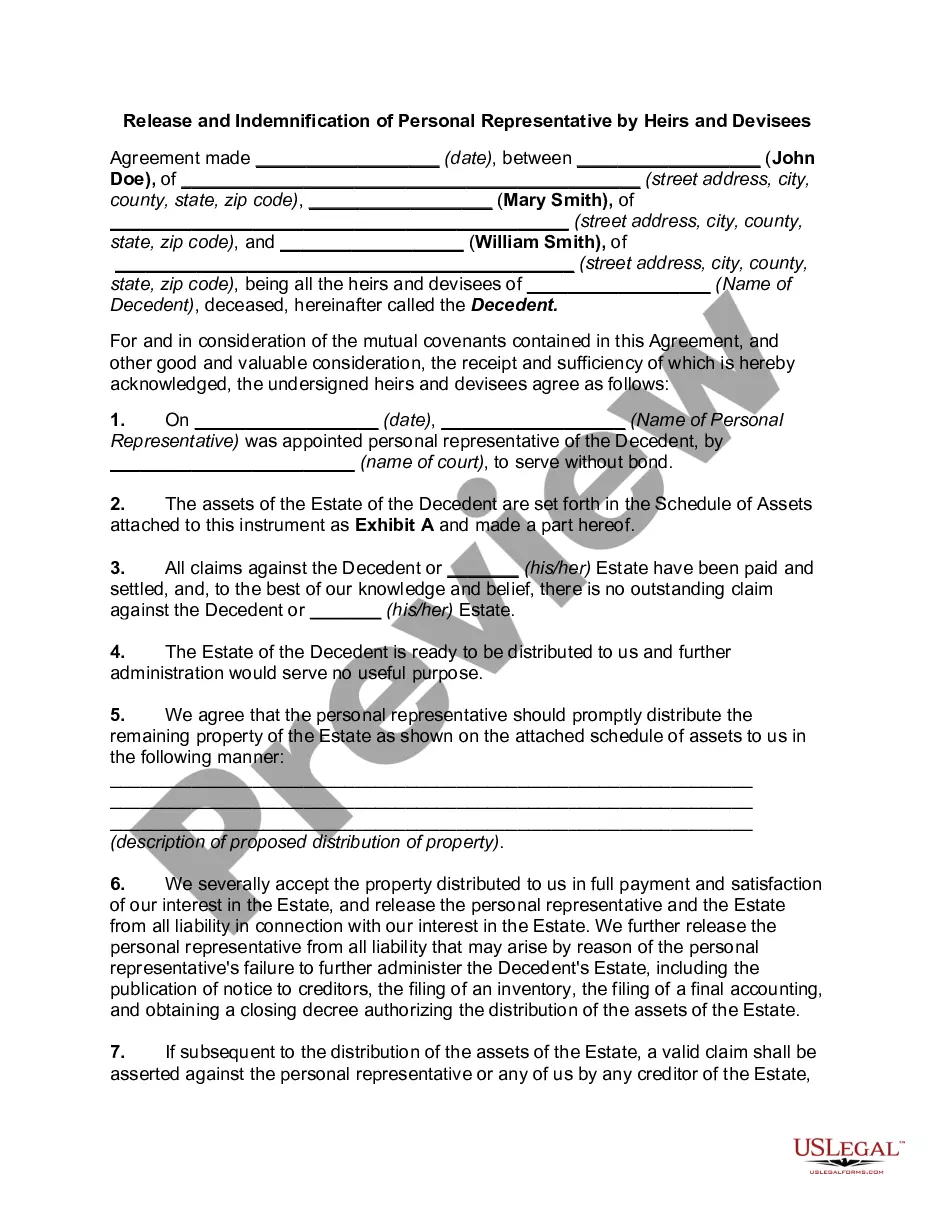
Get your form ready online
Our built-in tools help you complete, sign, share, and store your documents in one place.
Make edits, fill in missing information, and update formatting in US Legal Forms—just like you would in MS Word.
Download a copy, print it, send it by email, or mail it via USPS—whatever works best for your next step.
Sign and collect signatures with our SignNow integration. Send to multiple recipients, set reminders, and more. Go Premium to unlock E-Sign.
If this form requires notarization, complete it online through a secure video call—no need to meet a notary in person or wait for an appointment.
We protect your documents and personal data by following strict security and privacy standards.

Make edits, fill in missing information, and update formatting in US Legal Forms—just like you would in MS Word.

Download a copy, print it, send it by email, or mail it via USPS—whatever works best for your next step.

Sign and collect signatures with our SignNow integration. Send to multiple recipients, set reminders, and more. Go Premium to unlock E-Sign.

If this form requires notarization, complete it online through a secure video call—no need to meet a notary in person or wait for an appointment.

We protect your documents and personal data by following strict security and privacy standards.
Looking for another form?






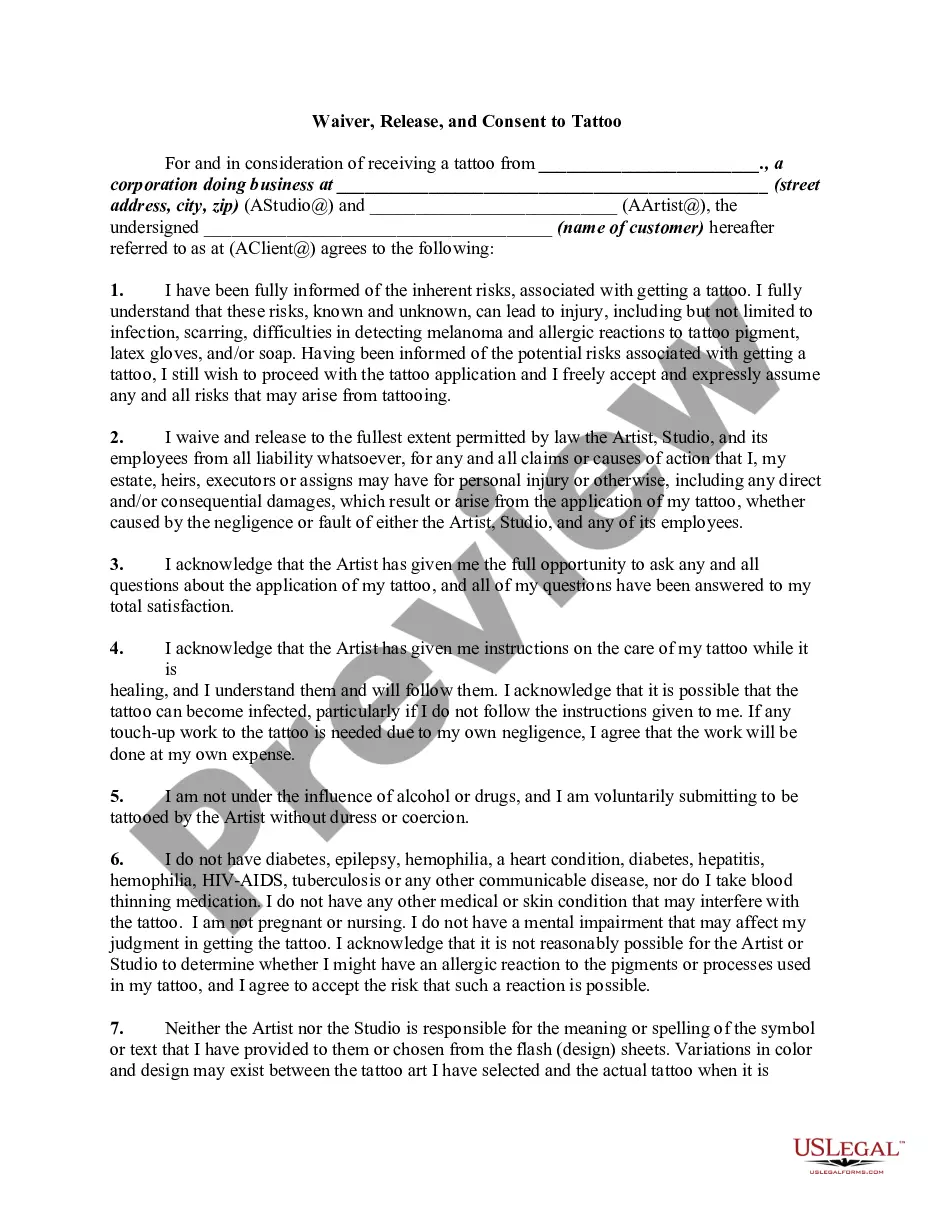


How to fill out Release And Exoneration Of Executor On Distribution To Beneficiary Of Will And Waiver Of Citation Of Final Settlement?
Creating legal documents from the ground up can occasionally feel a bit daunting. Certain situations may require extensive investigation and significant financial resources. If you're seeking a simpler and more economical method of generating Name Beneficiary Executor Without Telling Them or any other paperwork without unnecessary complications, US Legal Forms is always accessible to you.
Our online inventory of more than 85,000 current legal forms encompasses nearly every aspect of your financial, legal, and personal affairs. With only a few clicks, you can swiftly obtain state- and county-compliant documents meticulously assembled for you by our legal experts.
Utilize our platform whenever you require a dependable and trustworthy service through which you can effortlessly locate and download the Name Beneficiary Executor Without Telling Them. If you’re familiar with our offerings and have previously set up an account, simply Log In to your account, choose the template, and download it or re-download it at any moment in the My documents section.
Don’t have an account? No problem. It only takes a few minutes to register and browse the catalog. But before you jump straight into downloading Name Beneficiary Executor Without Telling Them, adhere to these suggestions.
US Legal Forms enjoys a solid reputation and over 25 years of experience. Join us today and simplify the form execution process!
- Review the document preview and descriptions to confirm that you have located the document you need.
- Verify if the form you select adheres to the rules and regulations of your state and county.
- Select the appropriate subscription plan to access the Name Beneficiary Executor Without Telling Them.
- Download the file. Afterward, complete, validate, and print it.
Form popularity
FAQ
Clients sometime ask me, ?Should I tell someone that they are my executor?? I think it is an excellent idea to let your executors know that they have been appointed in your will, so that they know what to expect.
Yes, the executor and beneficiary can be named as the same person in the Will. It's perfectly normal and legal. It's actually a common approach because the executor should be someone you know and trust and it's common sense that your beneficiaries fall into that column.
Executors are bound to the terms of the will, which means that they are not permitted to change beneficiaries. The beneficiaries who were named by the decedent will remain beneficiaries so long as the portions of the will in which they appear are not invalidated through a successful will contest.
A beneficiary can override an executor if the executor fails to follow the terms of the Will. Beneficiaries can override an executor if the executor breaches their fiduciary duty. A beneficiary who simply disagrees with an executor or does not like the executor's decisions cannot override the executor.
If the deceased individual had a will, then typically, the will names someone to be the executor. However, Safi pointed out, if someone passes away without a will, then one of their close family members can apply to the court to become the executor of the estate before legally administering it.