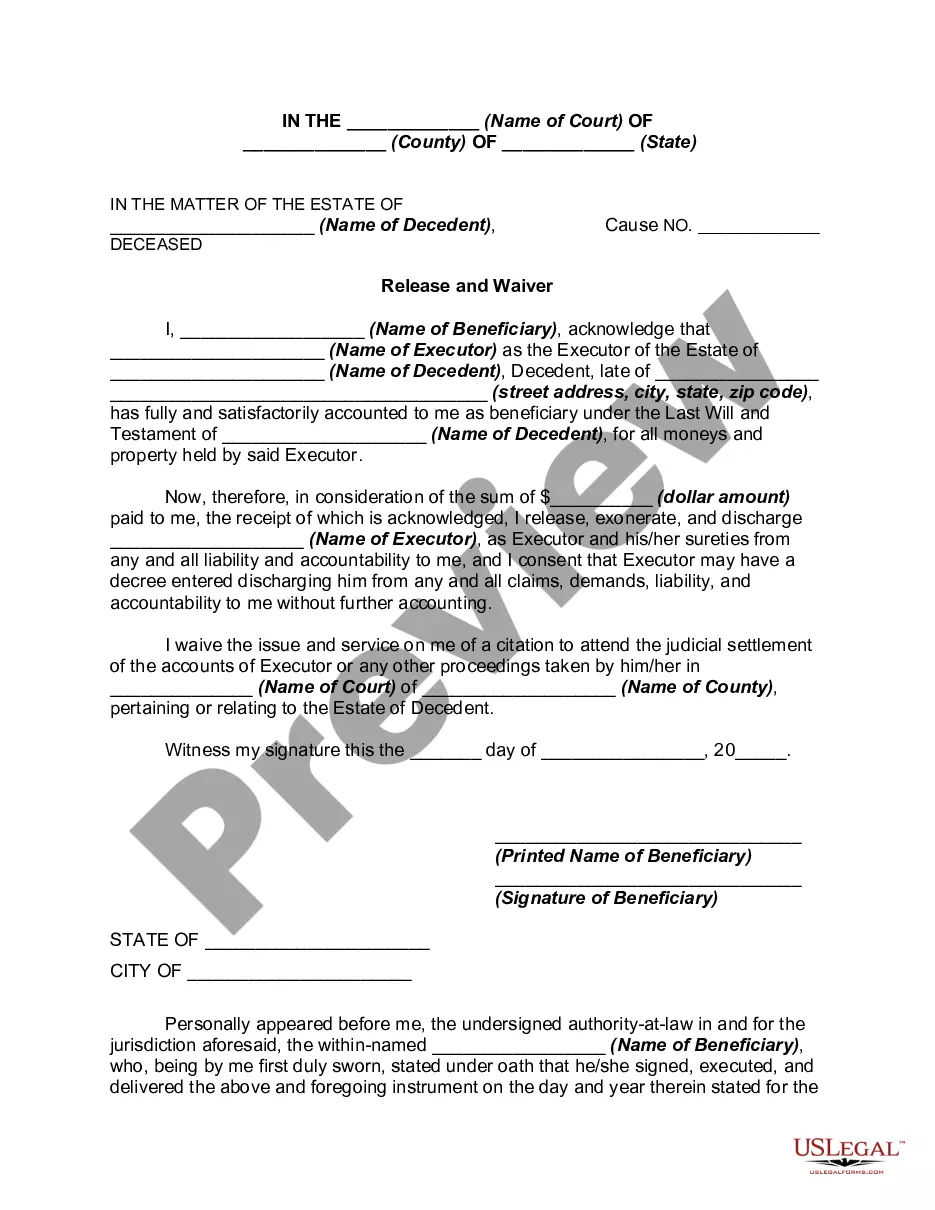
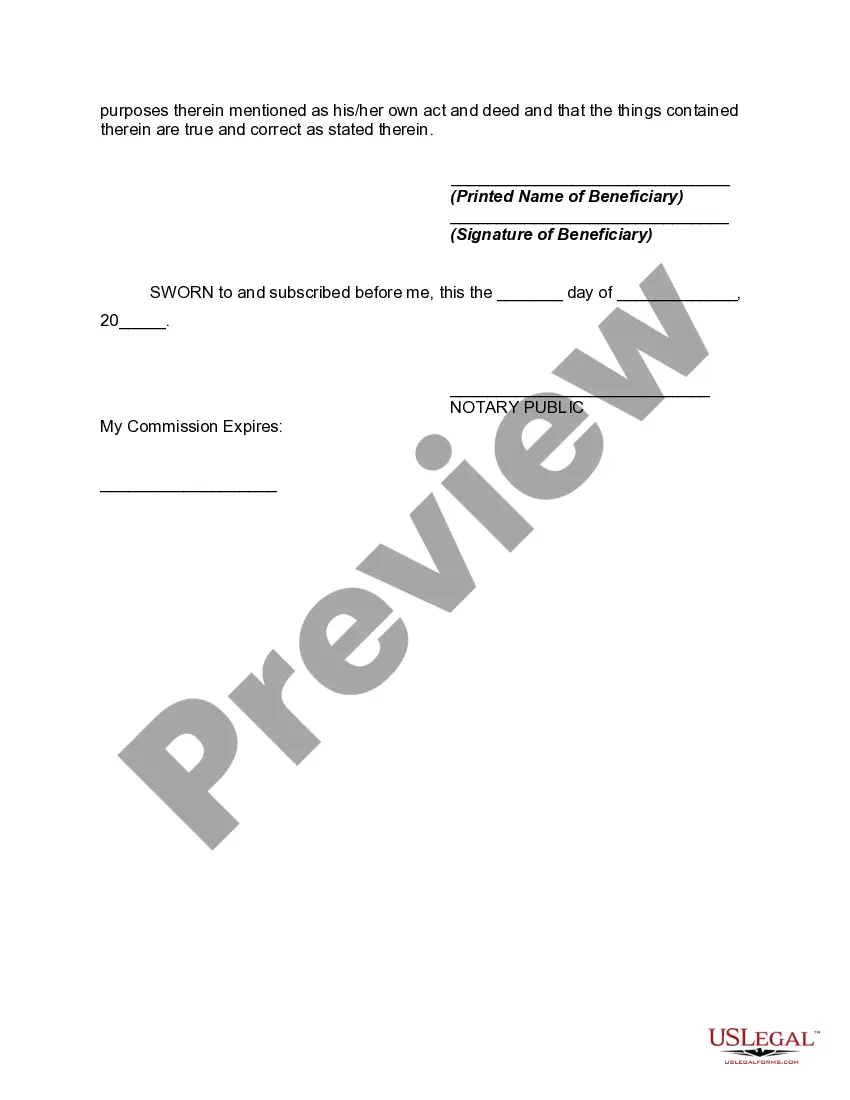
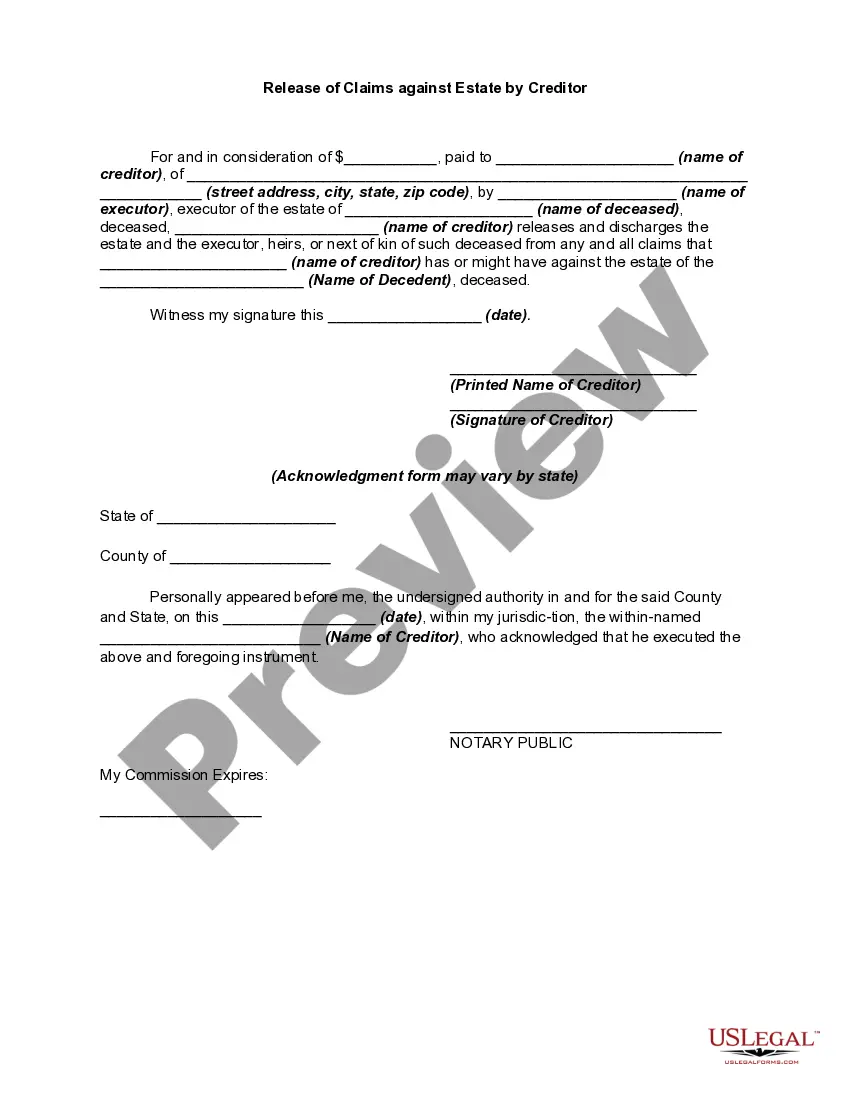
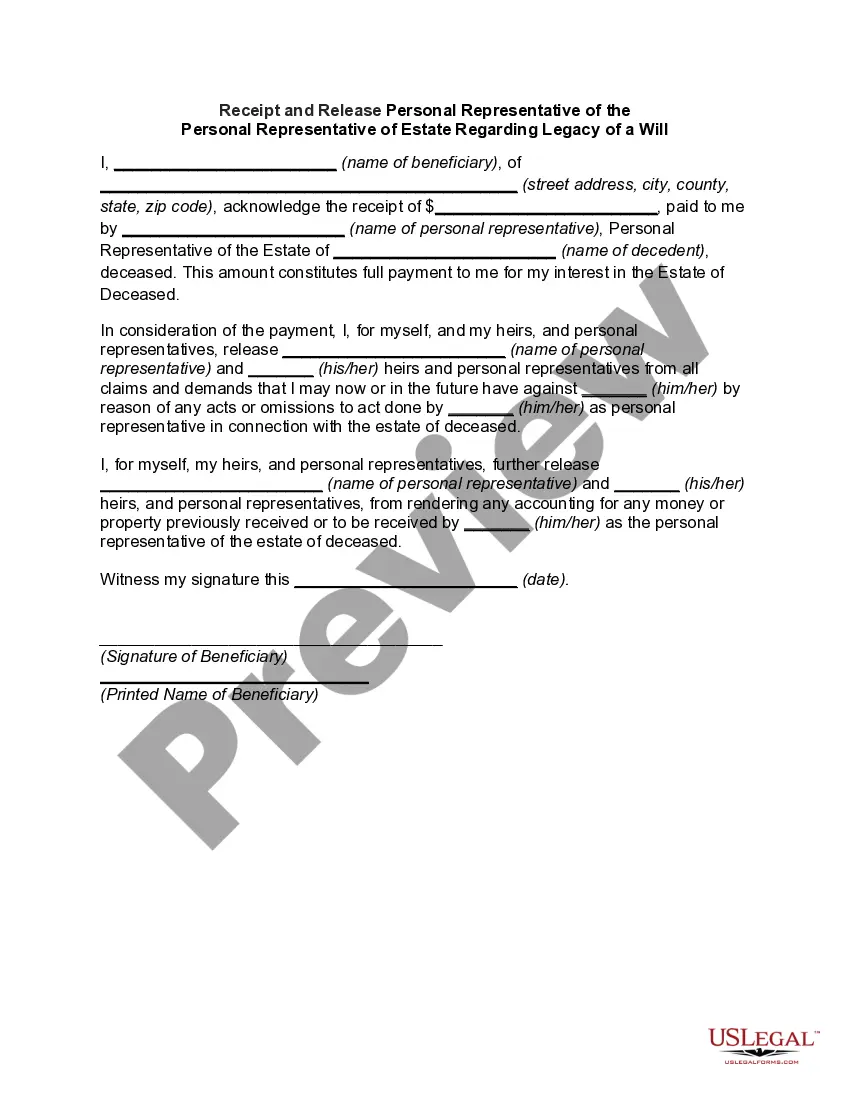
Exoneration Form For California
Description
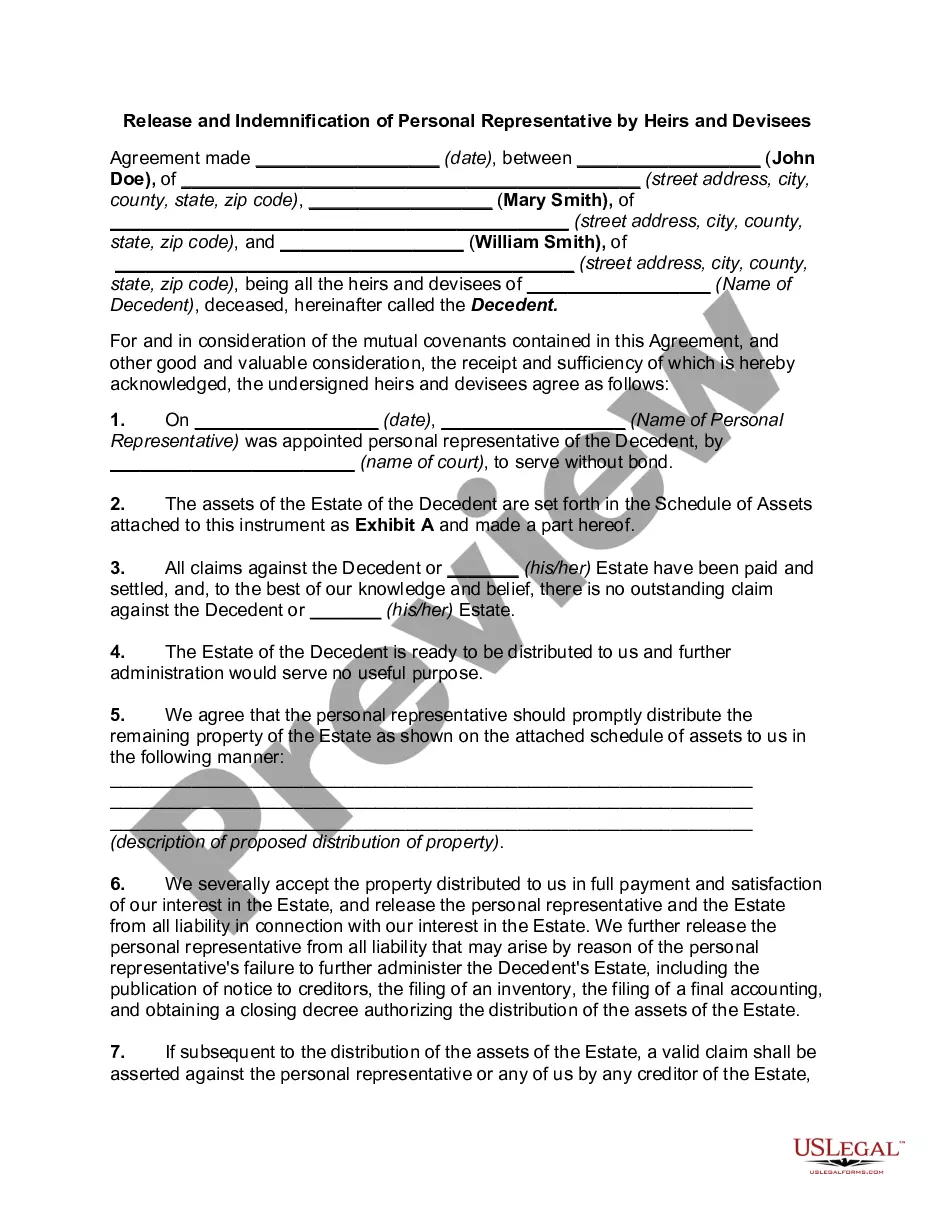
Get your form ready online
Our built-in tools help you complete, sign, share, and store your documents in one place.
Make edits, fill in missing information, and update formatting in US Legal Forms—just like you would in MS Word.
Download a copy, print it, send it by email, or mail it via USPS—whatever works best for your next step.
Sign and collect signatures with our SignNow integration. Send to multiple recipients, set reminders, and more. Go Premium to unlock E-Sign.
If this form requires notarization, complete it online through a secure video call—no need to meet a notary in person or wait for an appointment.
We protect your documents and personal data by following strict security and privacy standards.

Make edits, fill in missing information, and update formatting in US Legal Forms—just like you would in MS Word.

Download a copy, print it, send it by email, or mail it via USPS—whatever works best for your next step.

Sign and collect signatures with our SignNow integration. Send to multiple recipients, set reminders, and more. Go Premium to unlock E-Sign.

If this form requires notarization, complete it online through a secure video call—no need to meet a notary in person or wait for an appointment.

We protect your documents and personal data by following strict security and privacy standards.
Looking for another form?




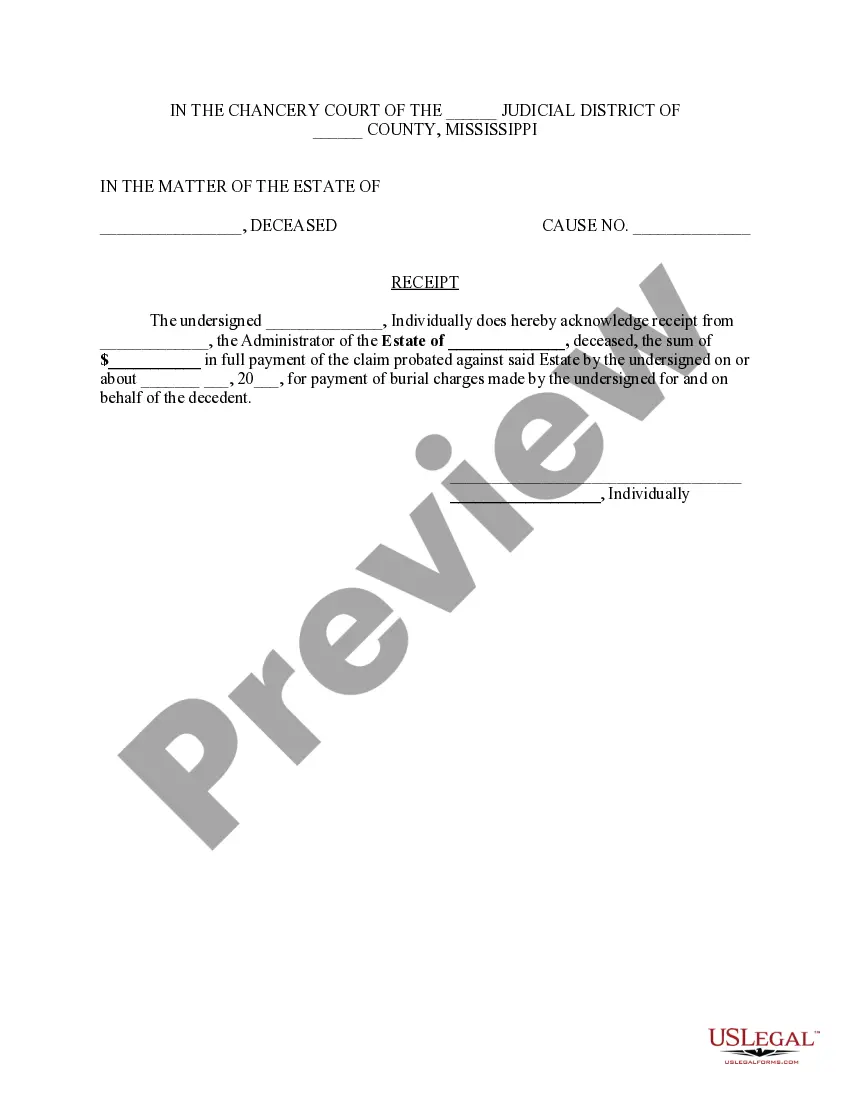




How to fill out Release And Exoneration Of Executor On Distribution To Beneficiary Of Will And Waiver Of Citation Of Final Settlement?
The Exoneration Document For California you find on this site is a reusable official template created by expert attorneys in compliance with federal and state laws and regulations.
For over 25 years, US Legal Forms has delivered users, businesses, and lawyers with more than 85,000 confirmed, state-specific documents for any business and personal situation. It’s the quickest, simplest, and most reliable way to acquire the paperwork you require, as the service assures bank-level data protection and anti-malware security.
Print the template to complete it manually. Alternatively, use an online multifunctional PDF editor to swiftly and accurately fill in and sign your form with a legally-binding electronic signature.
- Search for the document you need and examine it.
- Browse through the sample you looked for and preview it or review the form description to confirm it meets your requirements. If it does not, utilize the search feature to find the appropriate one. Click Buy Now once you have found the template you need.
- Register and Log In.
- Choose the subscription plan that works best for you and create an account. Use PayPal or a credit card for a swift payment. If you already possess an account, Log In and verify your subscription to proceed.
- Acquire the fillable template.
- Select the format you desire for your Exoneration Document For California (PDF, DOCX, RTF) and save the file on your device.
- Fill out and sign the document.
Form popularity
FAQ
When the Court exonerates a bond, it releases the bond poster of his financial responsibility of making sure the Defendant appears to his Court hearings. If a Surety Bond was posted, the bond is returned to the Surety company. If cash was posted, then cash will be returned to the one who posted it.
Even when a defendant is acquitted or a charge is dismissed, it may take from 6 to 12 weeks to receive a cash bail back from the county after the conclusion of a case. If a defendant is found guilty, the bail money can be used toward paying his or her fines.
Decide how to pay the bail: There are three main ways to pay bail in California: cash, a bail bond, or property. Cash bail requires the full amount to be paid in cash, while a bail bond requires a non-refundable fee (usually 10%) and collateral.
As long as you make all of your scheduled court appearances, the full bail amount will be returned to you. If your bail is deposited through a bondsman, they will typically charge around 10% of the bail amount for this service.
Upon the exoneration of bail, the Clerk's Office will return the bail to: (a) the name(s) and address(s) provided on the Affidavit of Ownership of Cash Security; or (b) the name and address contained in any applicable court order identifying the owner of the bail.