Executor Of Estate With No Will
Description
Get your form ready online
Our built-in tools help you complete, sign, share, and store your documents in one place.
Make edits, fill in missing information, and update formatting in US Legal Forms—just like you would in MS Word.
Download a copy, print it, send it by email, or mail it via USPS—whatever works best for your next step.
Sign and collect signatures with our SignNow integration. Send to multiple recipients, set reminders, and more. Go Premium to unlock E-Sign.
If this form requires notarization, complete it online through a secure video call—no need to meet a notary in person or wait for an appointment.
We protect your documents and personal data by following strict security and privacy standards.

Make edits, fill in missing information, and update formatting in US Legal Forms—just like you would in MS Word.

Download a copy, print it, send it by email, or mail it via USPS—whatever works best for your next step.

Sign and collect signatures with our SignNow integration. Send to multiple recipients, set reminders, and more. Go Premium to unlock E-Sign.

If this form requires notarization, complete it online through a secure video call—no need to meet a notary in person or wait for an appointment.

We protect your documents and personal data by following strict security and privacy standards.
Looking for another form?








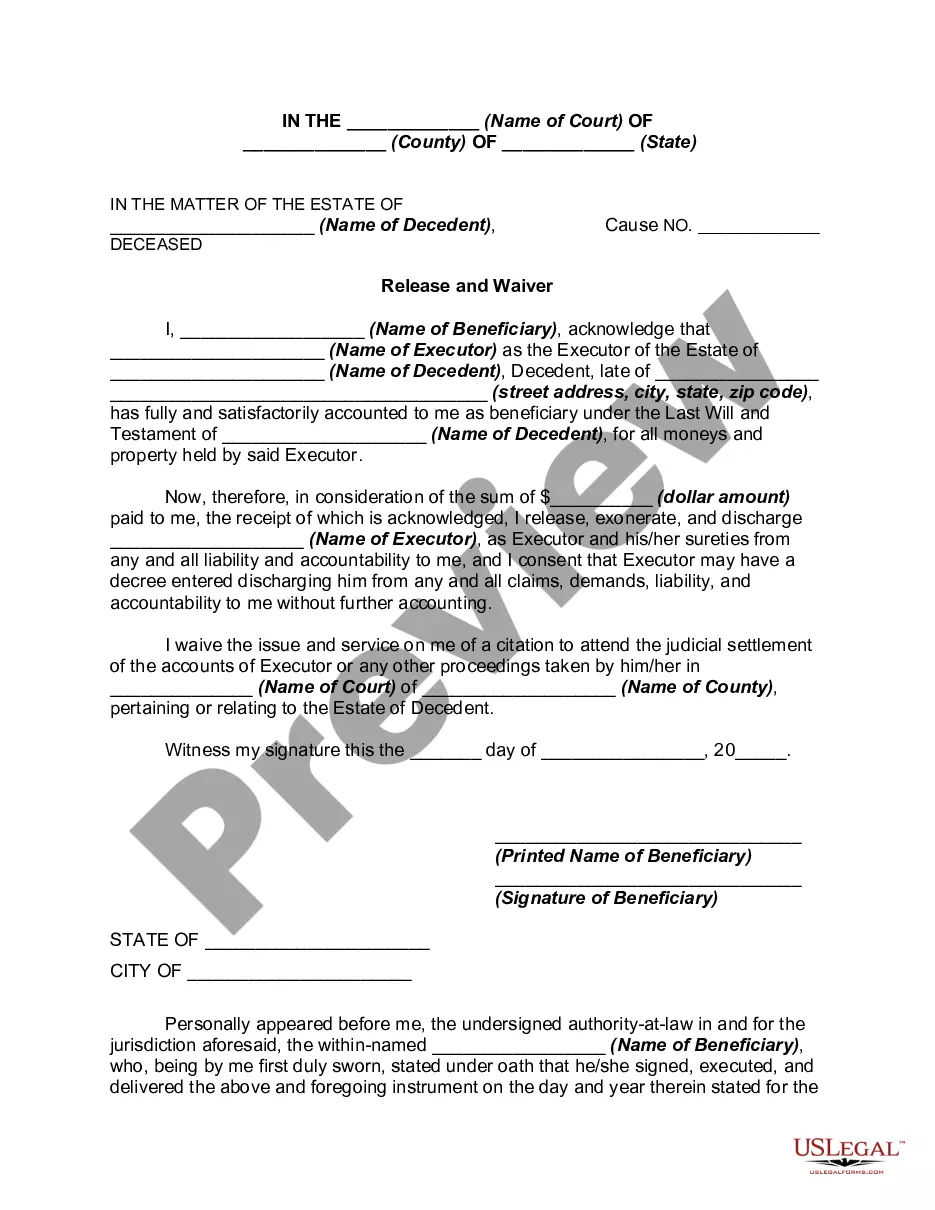
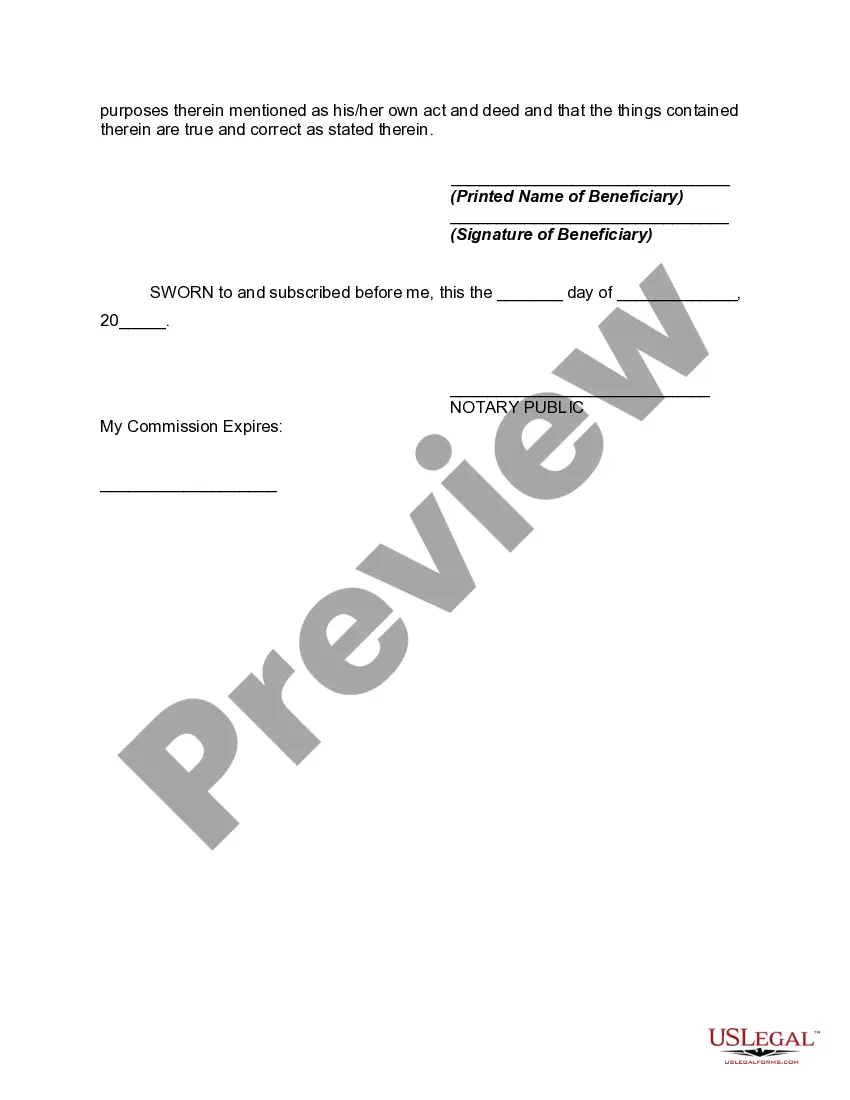
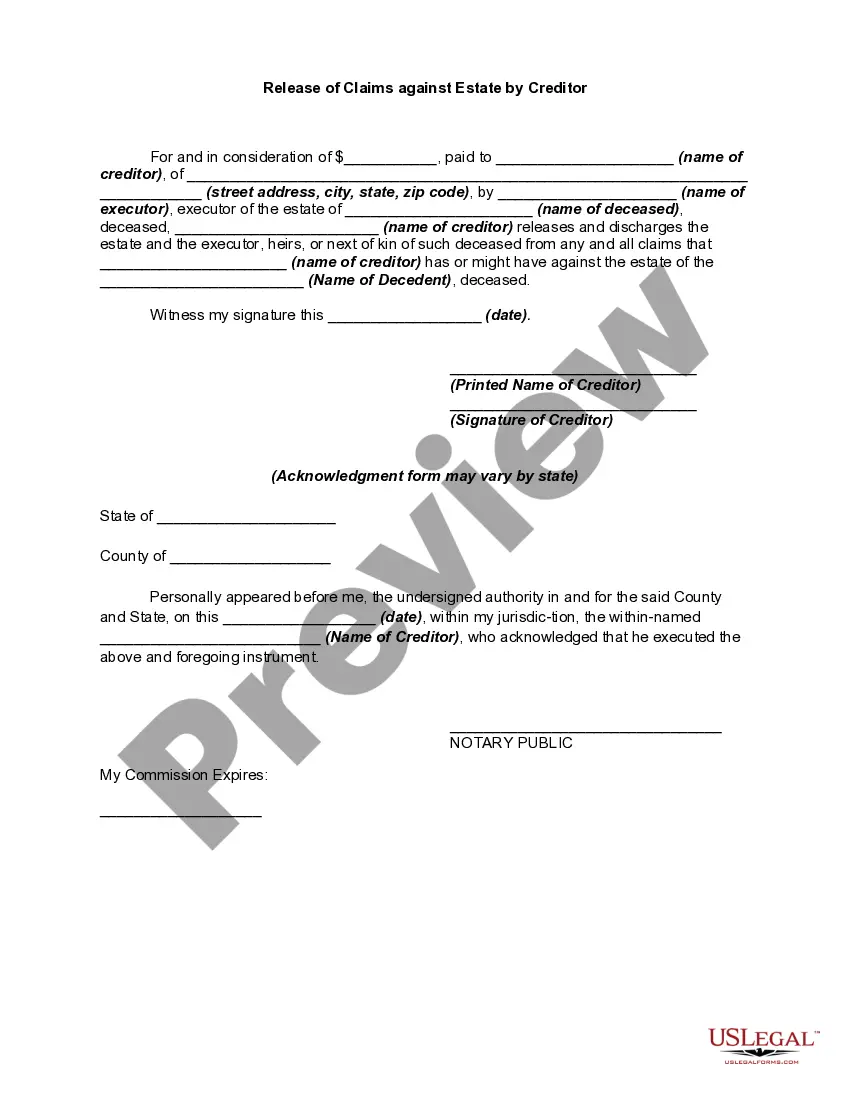
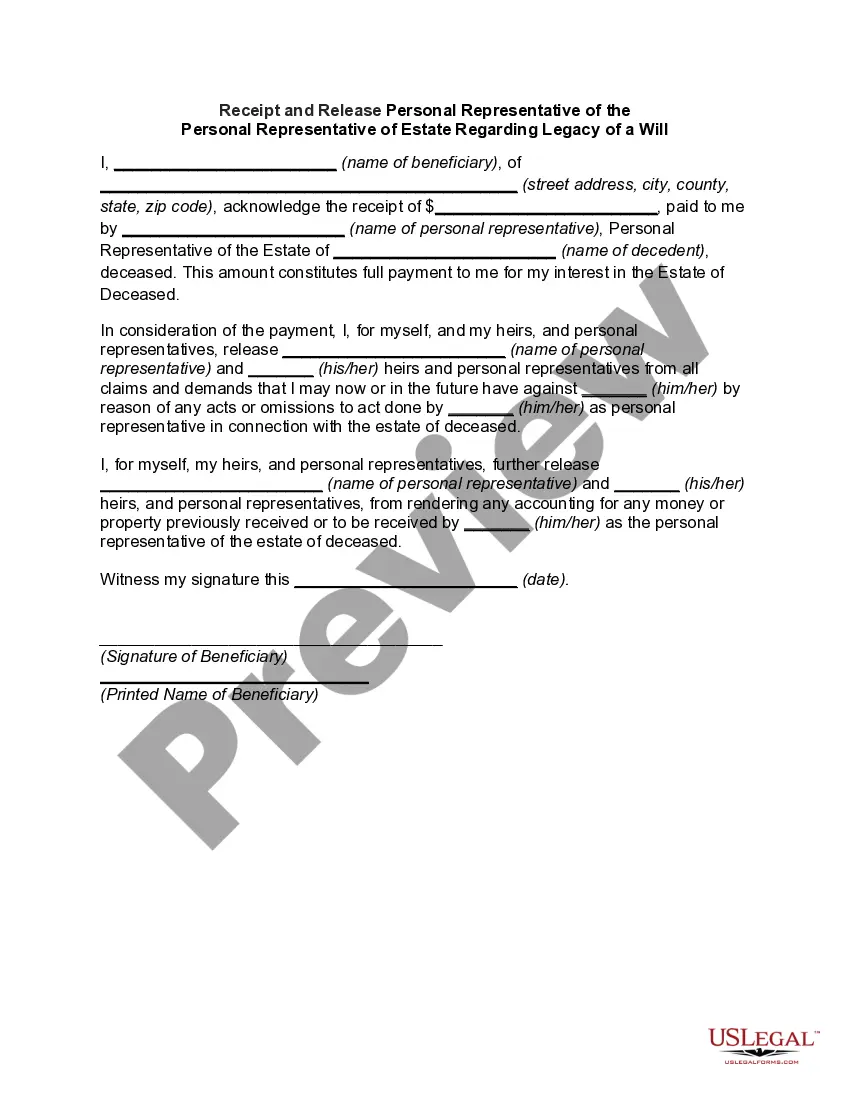
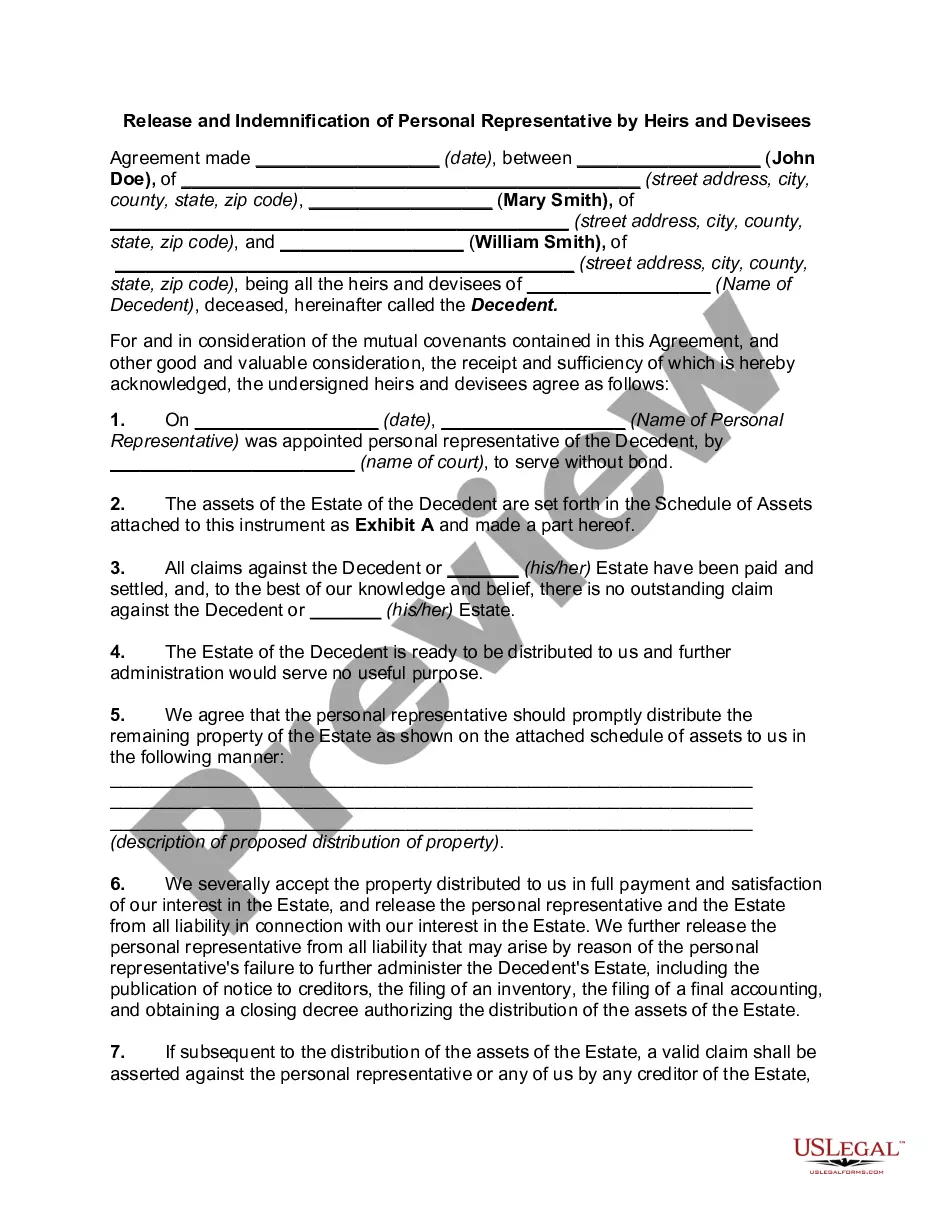
How to fill out Release And Exoneration Of Executor On Distribution To Beneficiary Of Will And Waiver Of Citation Of Final Settlement?
- Log in to your US Legal Forms account if you are a returning user, and make sure your subscription is active. If your subscription has expired, renew it according to your plan.
- For first-time users, start by checking the Preview mode to find the template that matches your needs and complies with local jurisdiction requirements.
- If necessary, utilize the Search feature to find a different template. Ensure it meets your criteria before proceeding.
- Once you’ve identified the correct document, click the 'Buy Now' button and select your desired subscription plan. You will need to create an account for access.
- Proceed to make your purchase by entering your credit card information or using PayPal.
- Finally, download the completed form to your device for easy access and completion later in the 'My Forms' section of your profile.
In conclusion, US Legal Forms empowers you as an executor to efficiently handle estate duties with an array of reliable legal resources. Their robust library ensures you have all the tools necessary for legal compliance and accuracy.
Start your journey with US Legal Forms today and take the guesswork out of your legal obligations!
Form popularity
FAQ
To make yourself the executor of an estate, you must be appointed through a probate court. If the deceased left a will that names you, you simply need to present the will to the court. In the absence of a will, you can petition the court for letters of administration, demonstrating your suitability for the role. Remember, the court must approve your appointment.
To apply for executor of an estate without a will, you need to file a petition for letters of administration with the probate court. This petition typically requires information about the deceased, their heirs, and the value of the estate. Be prepared to present evidence of your relationship to the deceased and any financial documents. Legal assistance can help streamline this process.
Proof of executor of estate includes letters testamentary or letters of administration issued by the probate court. These documents confirm that the named individual has the authority to act on behalf of the estate. In addition, court records and official documents related to estate administration can serve as proof. It's vital to keep these documents accessible during the estate management process.
An executor cannot take everything if there is no will, as they are obligated to distribute the estate according to state laws. Assets are typically divided among legal heirs defined by intestacy laws. While the executor can manage and settle the estate, they must do so fairly and transparently. Understanding these legal requirements is crucial for any executor of estate with no will.
You can verify the executor of an estate by checking the probate court records where the will was filed. The court maintains public records that document the appointment of the executor. If no will exists, the records will indicate the appointed administrator instead. This step confirms that the individual has the legal authority to manage the estate.
To prove yourself as the executor of an estate with no will, you need to apply for letters of administration through the probate court. Once granted, these letters serve as official proof of your authority to manage the estate. It’s essential to provide necessary documentation, such as proof of relationship to the deceased and any relevant financial information.
To obtain proof of executorship, you must acquire letters testamentary from the probate court. This document grants the executor authority to act on behalf of the estate. If there is no will, letters of administration may be provided to the appointed administrator instead. Always check with your local probate office for specific requirements.
If there is no executor named in the will, the court will appoint an administrator to handle the estate. This person is often a close relative or interested party. As the designated administrator, they will follow the legal guidelines to manage and distribute the assets of the estate. You may want to consult with a legal expert to navigate this process smoothly.
One significant disadvantage of being an executor of an estate with no will is the potential for conflict among beneficiaries. Additionally, it comes with a considerable amount of responsibility and legal obligations that can be stressful to manage. Executors may also face personal liability if mistakes are made during the administration of the estate.
When there is no executor named, the probate court will appoint an administrator to manage the estate with no will. This process can take more time and may lead to misunderstandings among potential heirs. It's crucial to understand these dynamics to appreciate the value of having an appointed executor.