Executor Beneficiary Form With Two Points
Description



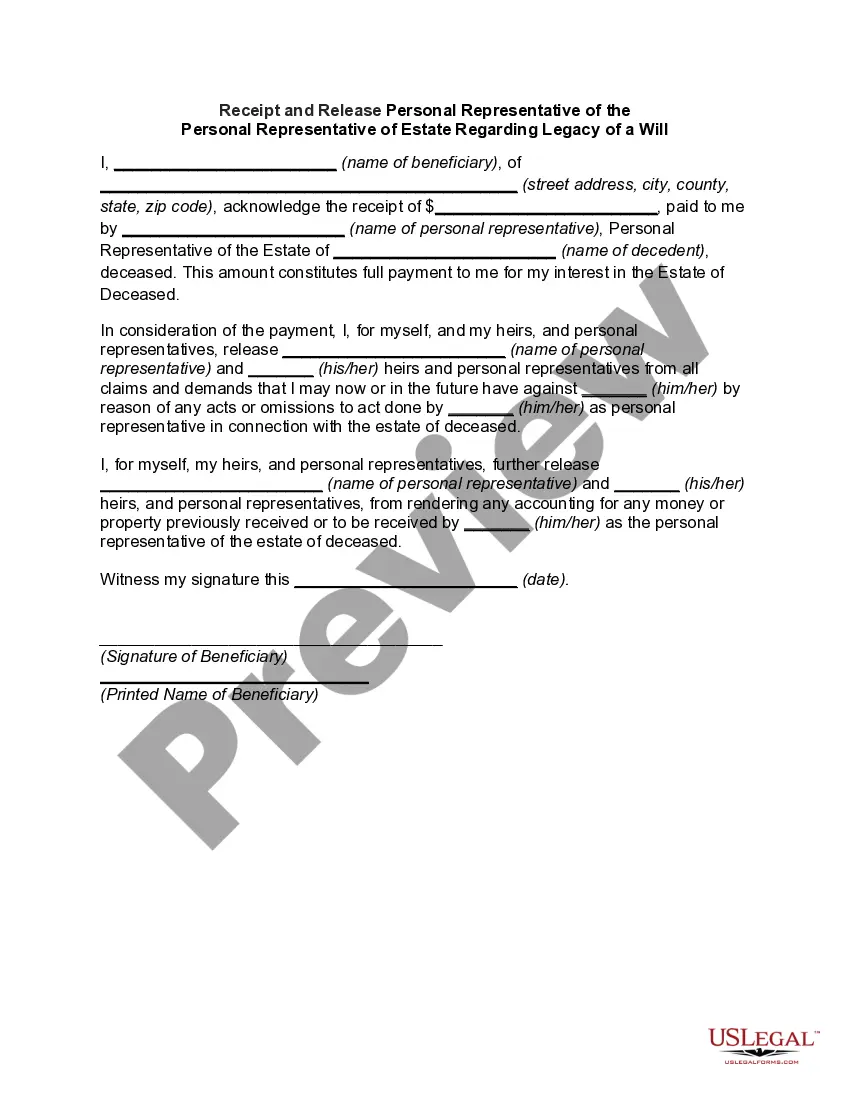
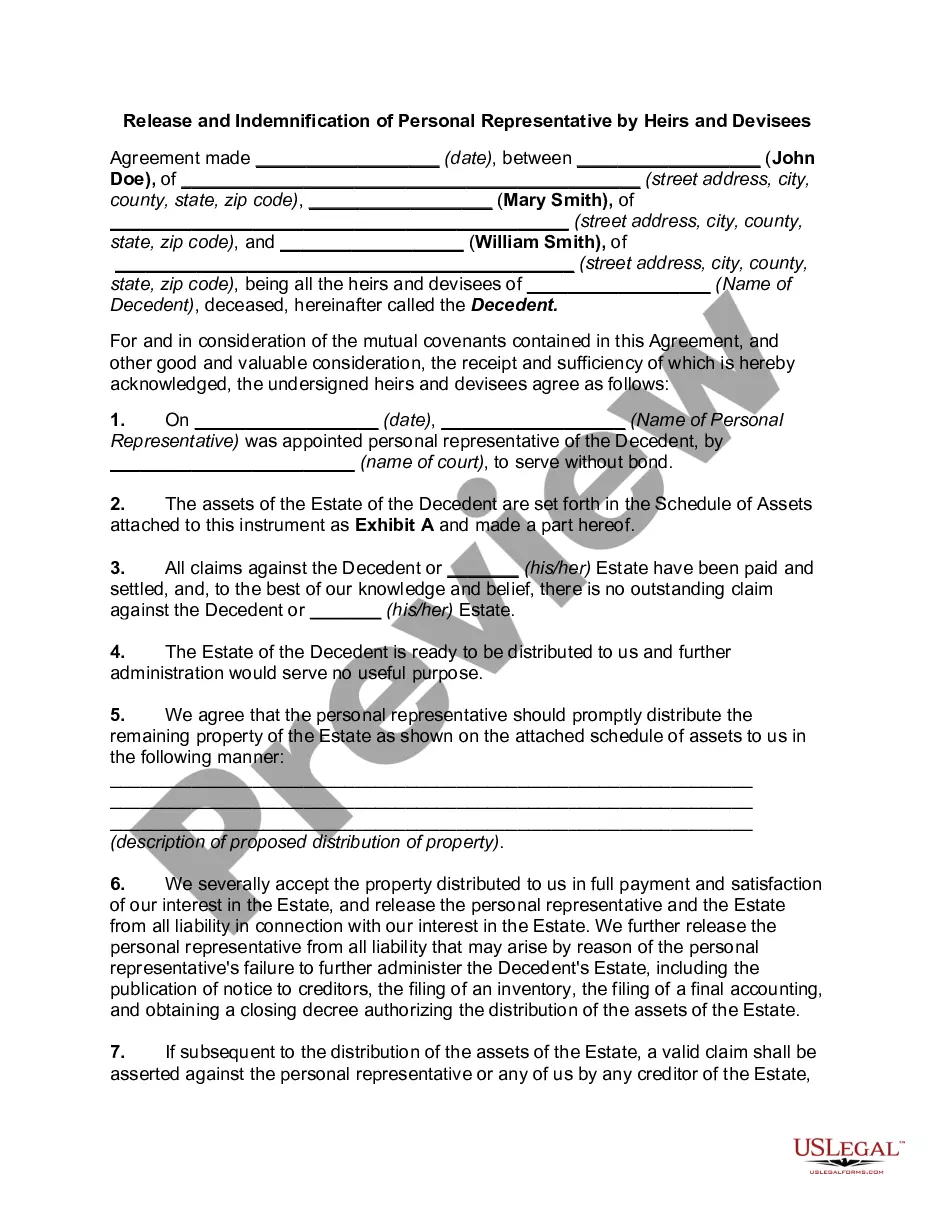
Get your form ready online
Our built-in tools help you complete, sign, share, and store your documents in one place.
Make edits, fill in missing information, and update formatting in US Legal Forms—just like you would in MS Word.
Download a copy, print it, send it by email, or mail it via USPS—whatever works best for your next step.
Sign and collect signatures with our SignNow integration. Send to multiple recipients, set reminders, and more. Go Premium to unlock E-Sign.
If this form requires notarization, complete it online through a secure video call—no need to meet a notary in person or wait for an appointment.
We protect your documents and personal data by following strict security and privacy standards.

Make edits, fill in missing information, and update formatting in US Legal Forms—just like you would in MS Word.

Download a copy, print it, send it by email, or mail it via USPS—whatever works best for your next step.

Sign and collect signatures with our SignNow integration. Send to multiple recipients, set reminders, and more. Go Premium to unlock E-Sign.

If this form requires notarization, complete it online through a secure video call—no need to meet a notary in person or wait for an appointment.

We protect your documents and personal data by following strict security and privacy standards.
Looking for another form?



How to fill out Release And Exoneration Of Executor On Distribution To Beneficiary Of Will And Waiver Of Citation Of Final Settlement?
Legal papers management might be overpowering, even for the most experienced experts. When you are interested in a Executor Beneficiary Form With Two Points and do not have the a chance to spend in search of the right and up-to-date version, the operations might be nerve-racking. A strong online form library might be a gamechanger for anyone who wants to manage these situations efficiently. US Legal Forms is a industry leader in web legal forms, with more than 85,000 state-specific legal forms available to you whenever you want.
With US Legal Forms, you can:
- Gain access to state- or county-specific legal and organization forms. US Legal Forms handles any needs you could have, from individual to business paperwork, all in one place.
- Use innovative tools to finish and deal with your Executor Beneficiary Form With Two Points
- Gain access to a resource base of articles, guides and handbooks and resources connected to your situation and requirements
Help save time and effort in search of the paperwork you will need, and use US Legal Forms’ advanced search and Preview tool to discover Executor Beneficiary Form With Two Points and get it. If you have a membership, log in to your US Legal Forms profile, look for the form, and get it. Take a look at My Forms tab to see the paperwork you previously saved as well as deal with your folders as you see fit.
If it is your first time with US Legal Forms, make an account and acquire unrestricted access to all advantages of the library. Listed below are the steps to take after getting the form you need:
- Confirm this is the right form by previewing it and reading through its description.
- Be sure that the sample is accepted in your state or county.
- Select Buy Now once you are all set.
- Select a monthly subscription plan.
- Pick the format you need, and Download, complete, sign, print and send your document.
Take advantage of the US Legal Forms online library, backed with 25 years of expertise and stability. Enhance your day-to-day document management in to a smooth and intuitive process today.
Form popularity
FAQ
Spouse, partner, children, parents, brothers and sisters, business partner, key employee, trust and charitable organization.
Generally, an estate executor in Ontario gets paid 5% of the estate's value. The logic behind the 5% benchmark is as follows: 2.5% on all capital receipts and disbursements. The remaining 2.5% represents all revenue receipts and disbursements.
The grantor can opt to have the beneficiaries receive trust property directly without any restrictions. The trustee can write the beneficiary a check, give them cash, and transfer real estate by drawing up a new deed or selling the house and giving them the proceeds.
Bank accounts, retirement accounts, and life insurance will automatically transfer an inheritance if beneficiaries are designated. Listing beneficiaries on these accounts can be the easiest and quickest way to transfer those assets outside probate court.
An executor must account to the residuary beneficiaries named in the Will (and sometimes to others) for all the assets of the estate, including all receipts and disbursements occurring over the course of administration.