Executor Beneficiary Document For Estate Account
Description
Get your form ready online
Our built-in tools help you complete, sign, share, and store your documents in one place.
Make edits, fill in missing information, and update formatting in US Legal Forms—just like you would in MS Word.
Download a copy, print it, send it by email, or mail it via USPS—whatever works best for your next step.
Sign and collect signatures with our SignNow integration. Send to multiple recipients, set reminders, and more. Go Premium to unlock E-Sign.
If this form requires notarization, complete it online through a secure video call—no need to meet a notary in person or wait for an appointment.
We protect your documents and personal data by following strict security and privacy standards.

Make edits, fill in missing information, and update formatting in US Legal Forms—just like you would in MS Word.

Download a copy, print it, send it by email, or mail it via USPS—whatever works best for your next step.

Sign and collect signatures with our SignNow integration. Send to multiple recipients, set reminders, and more. Go Premium to unlock E-Sign.

If this form requires notarization, complete it online through a secure video call—no need to meet a notary in person or wait for an appointment.

We protect your documents and personal data by following strict security and privacy standards.
Looking for another form?
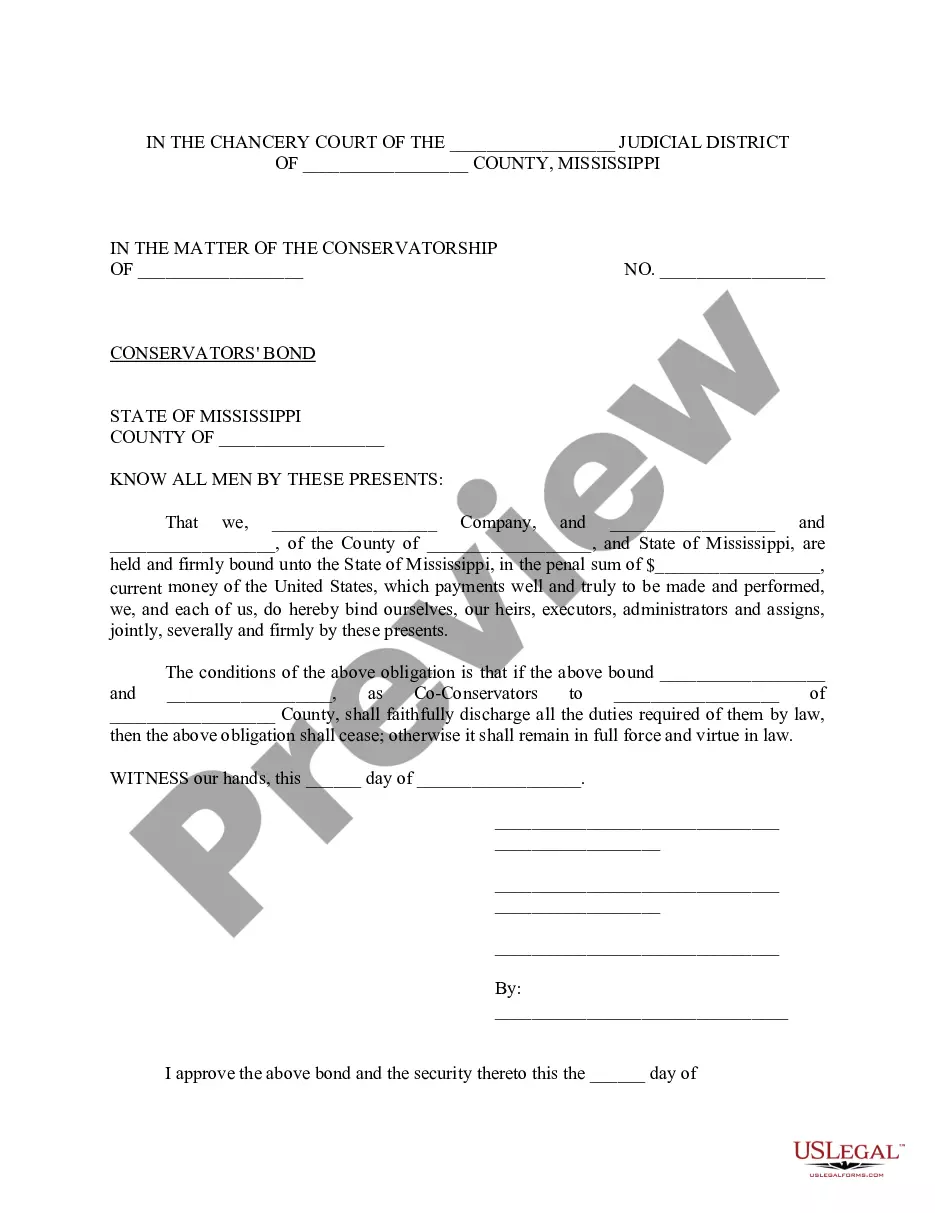




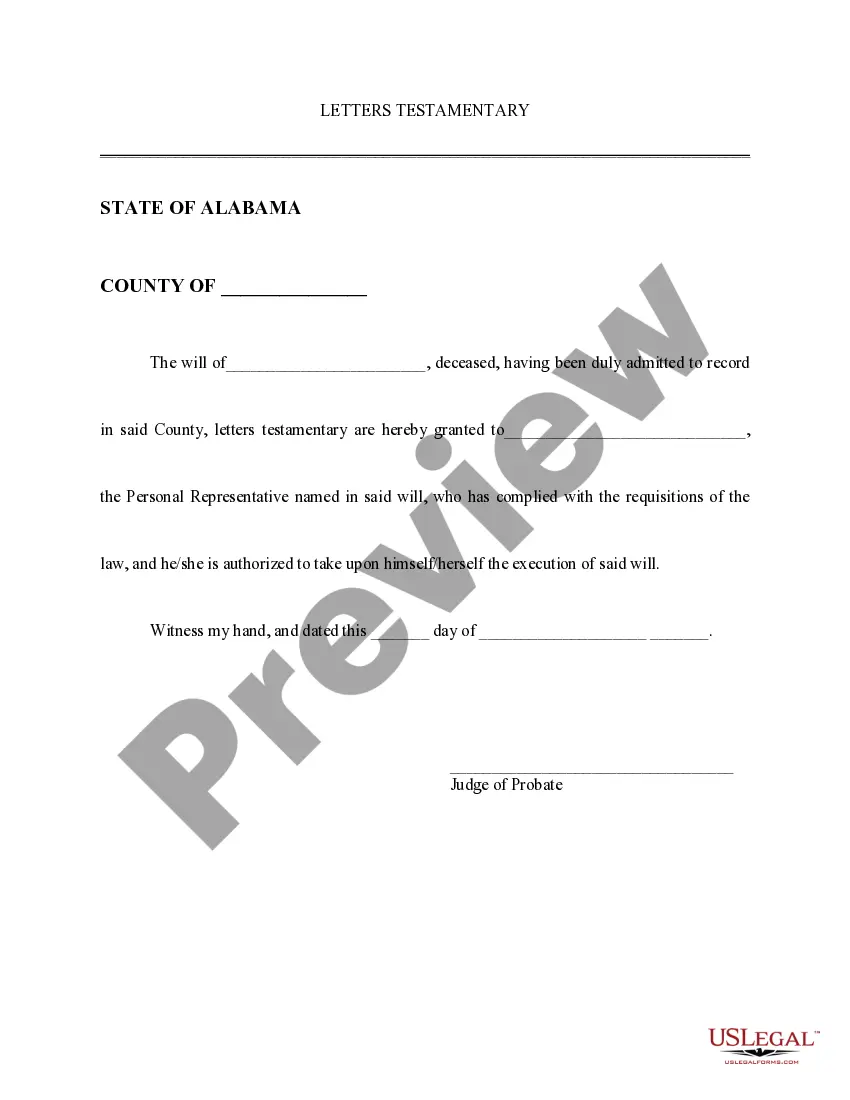

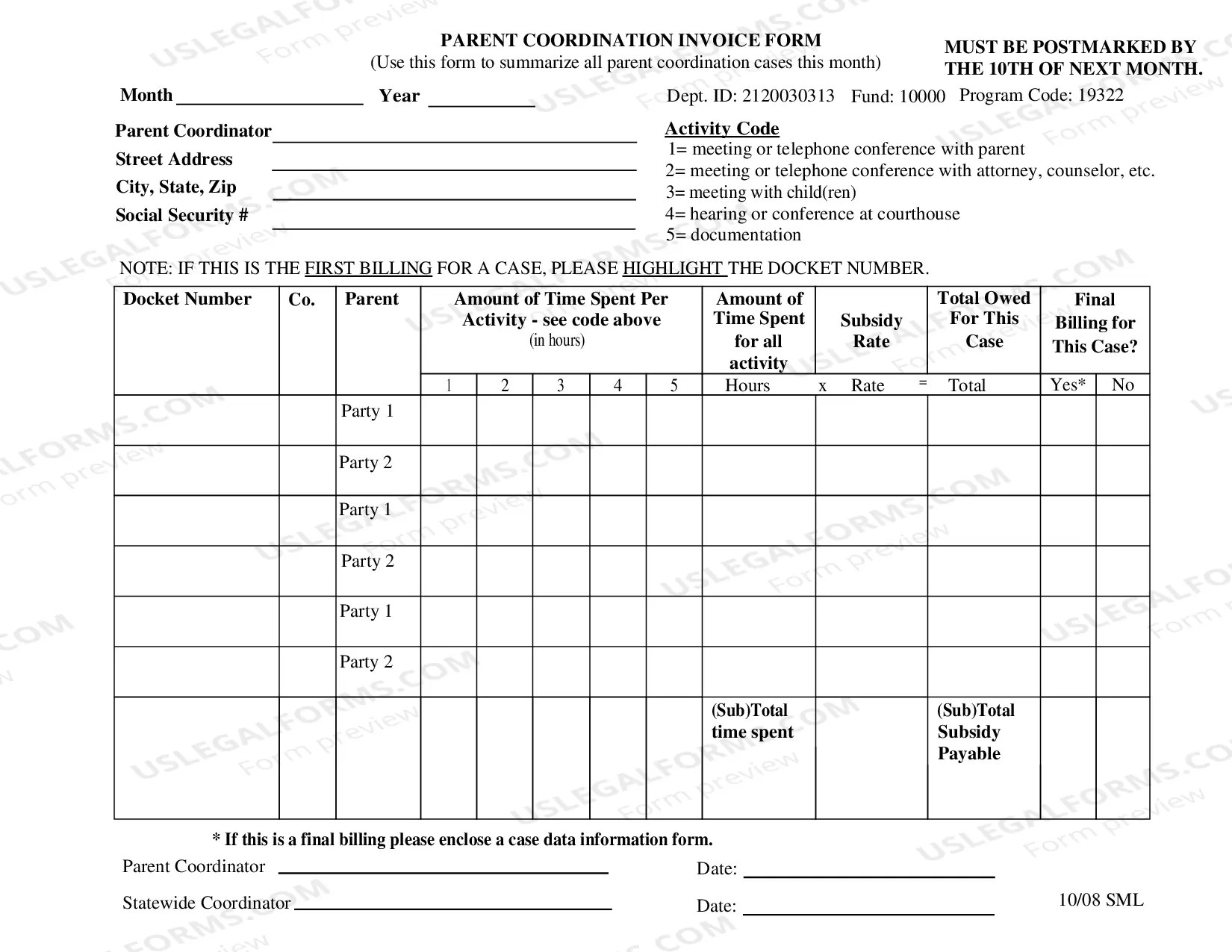
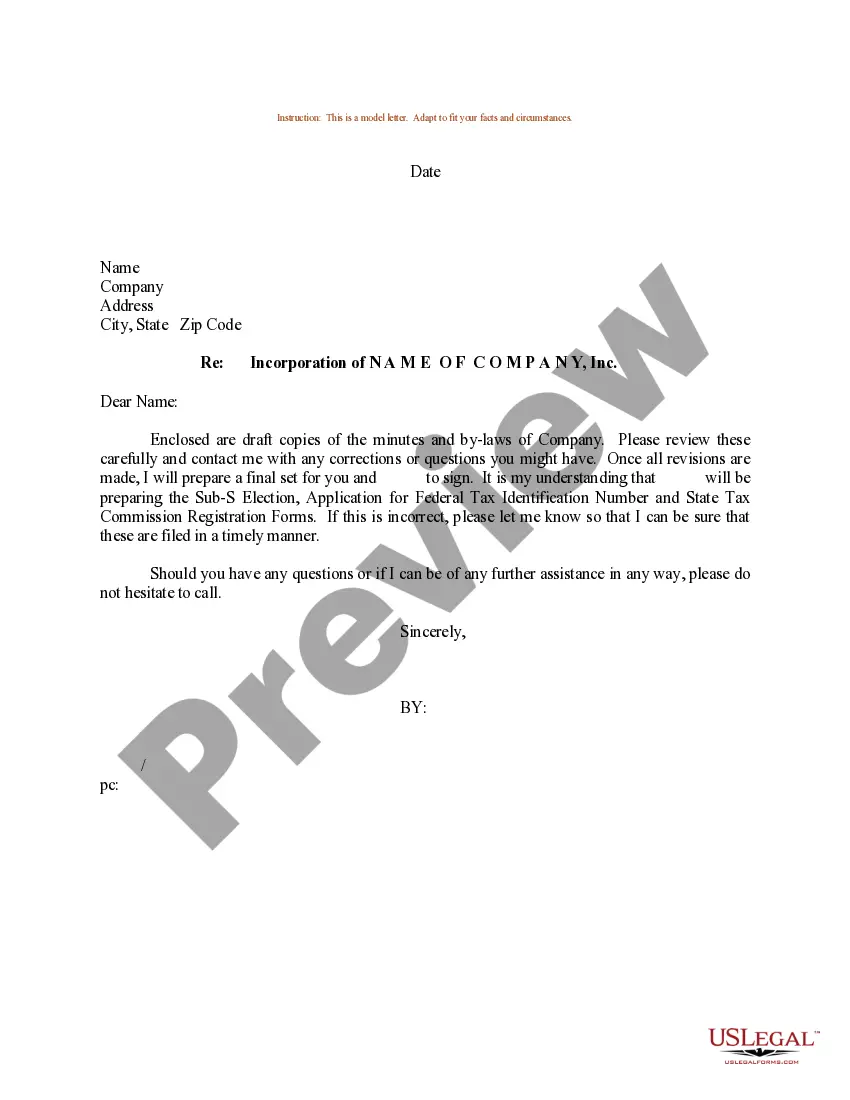
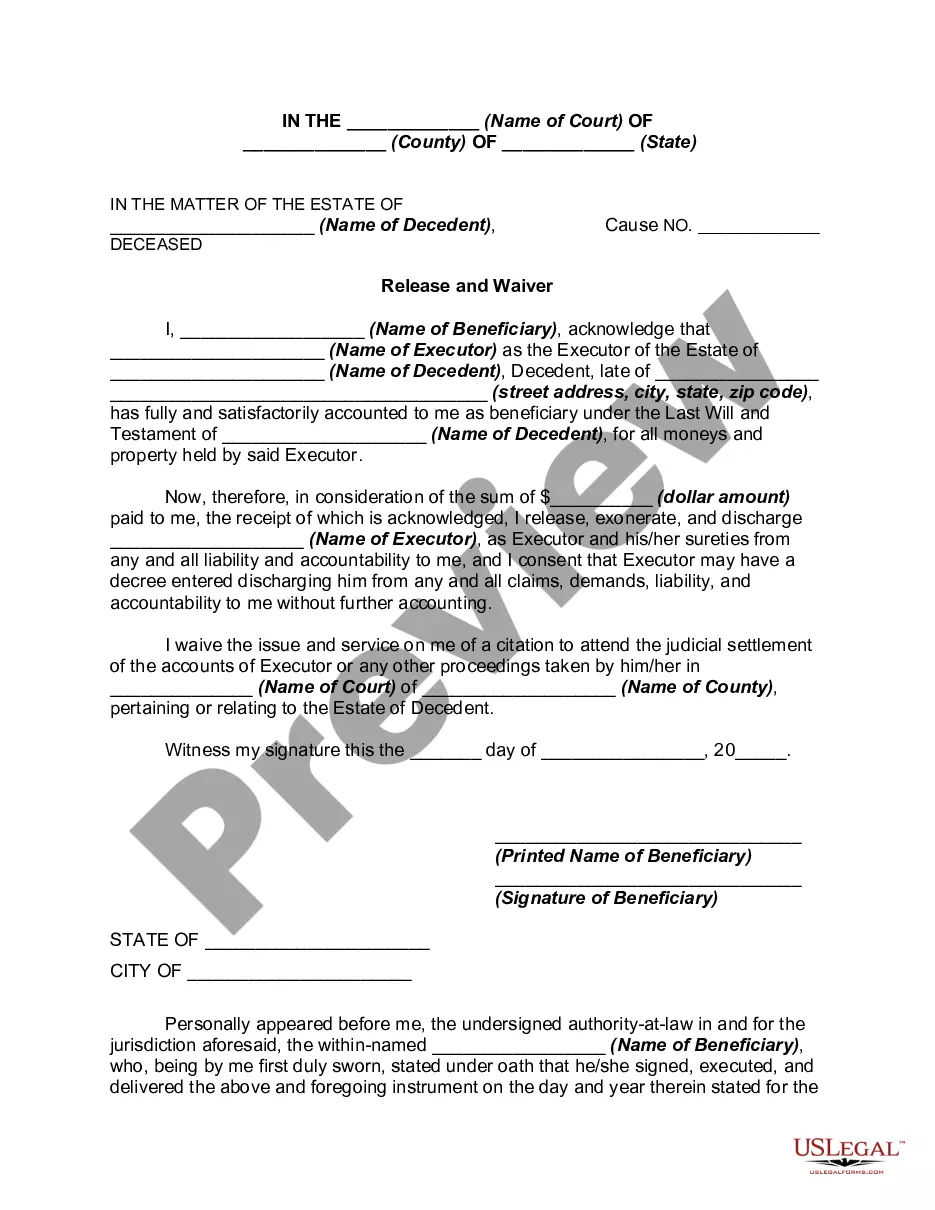
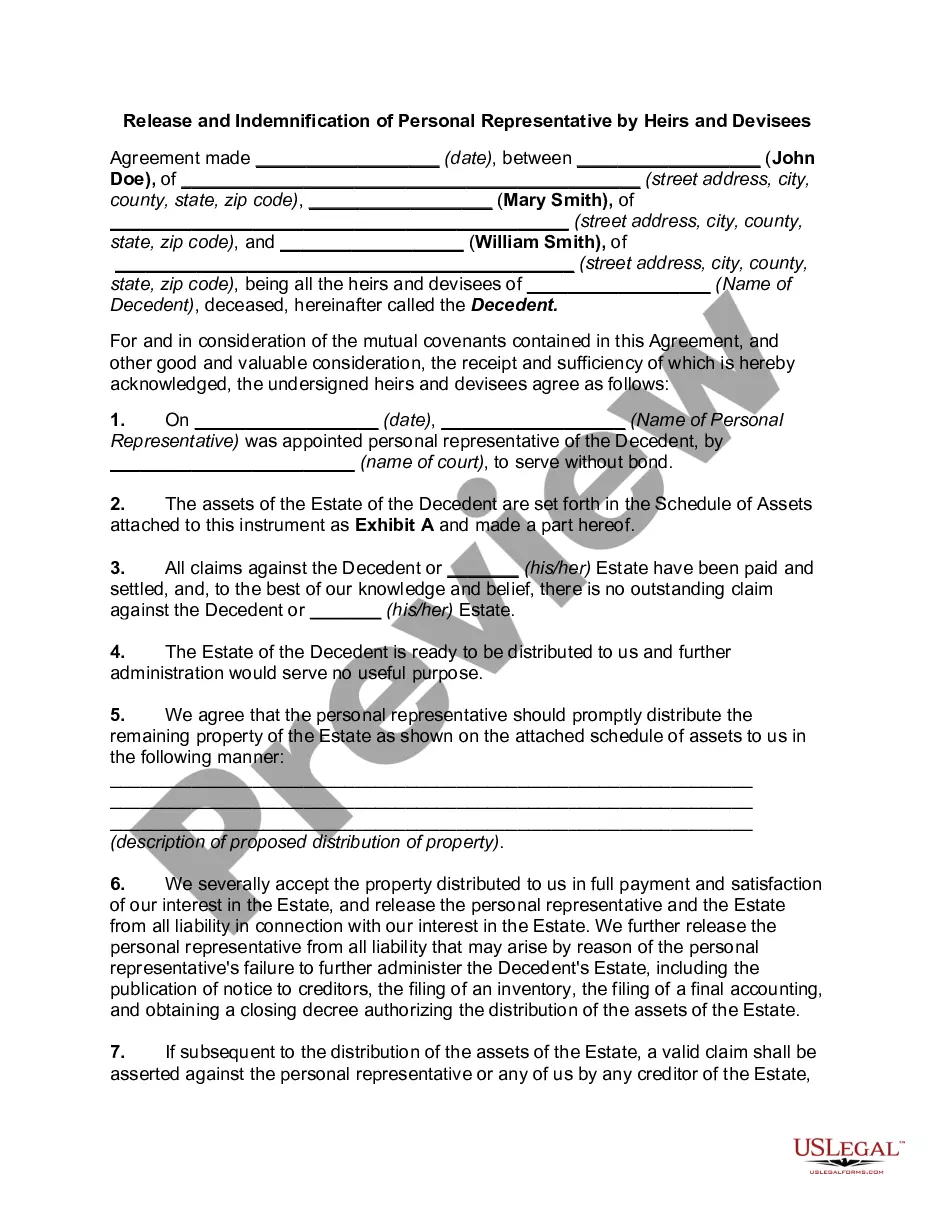
How to fill out Release And Exoneration Of Executor On Distribution To Beneficiary Of Will And Waiver Of Citation Of Final Settlement?
It’s a well-known fact that you cannot instantly become a legal authority, nor can you quickly understand how to efficiently draft an Executor Beneficiary Document For Estate Account without having the proper knowledge. Creating legal paperwork is a lengthy operation necessitating a specific education and expertise. So why not entrust the drafting of the Executor Beneficiary Document For Estate Account to the professionals.
With US Legal Forms, one of the most extensive legal document libraries, you can obtain anything from court forms to templates for internal business communication. We understand how crucial compliance and adherence to federal and local statutes and regulations are. That’s why, on our website, all templates are region-specific and current.
Let’s get started with our website and acquire the document you need in just a few minutes.
You can re-access your documents from the My documents tab at any time. If you're an existing client, you can simply Log In and locate and download the template from the same tab.
Regardless of the purpose of your documents—be it financial and legal, or personal—our website caters to your needs. Give US Legal Forms a try now!
- Locate the document you need by utilizing the search bar at the top of the page.
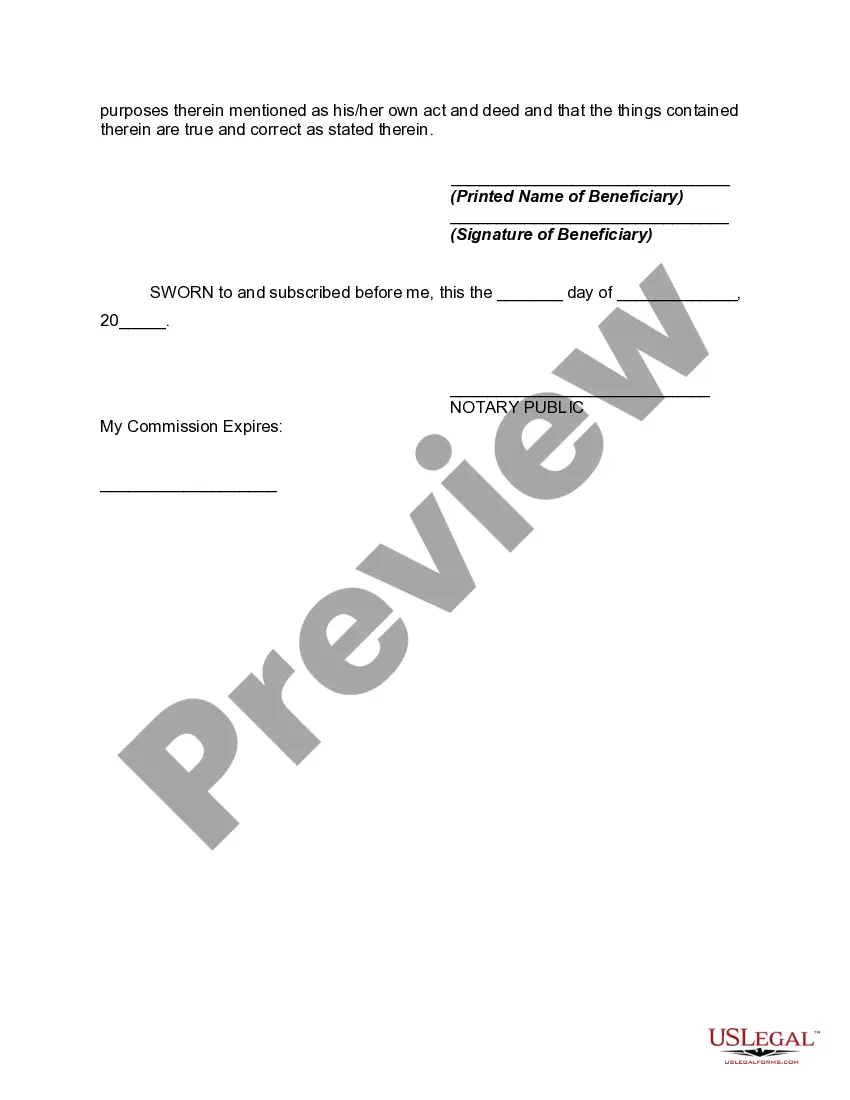
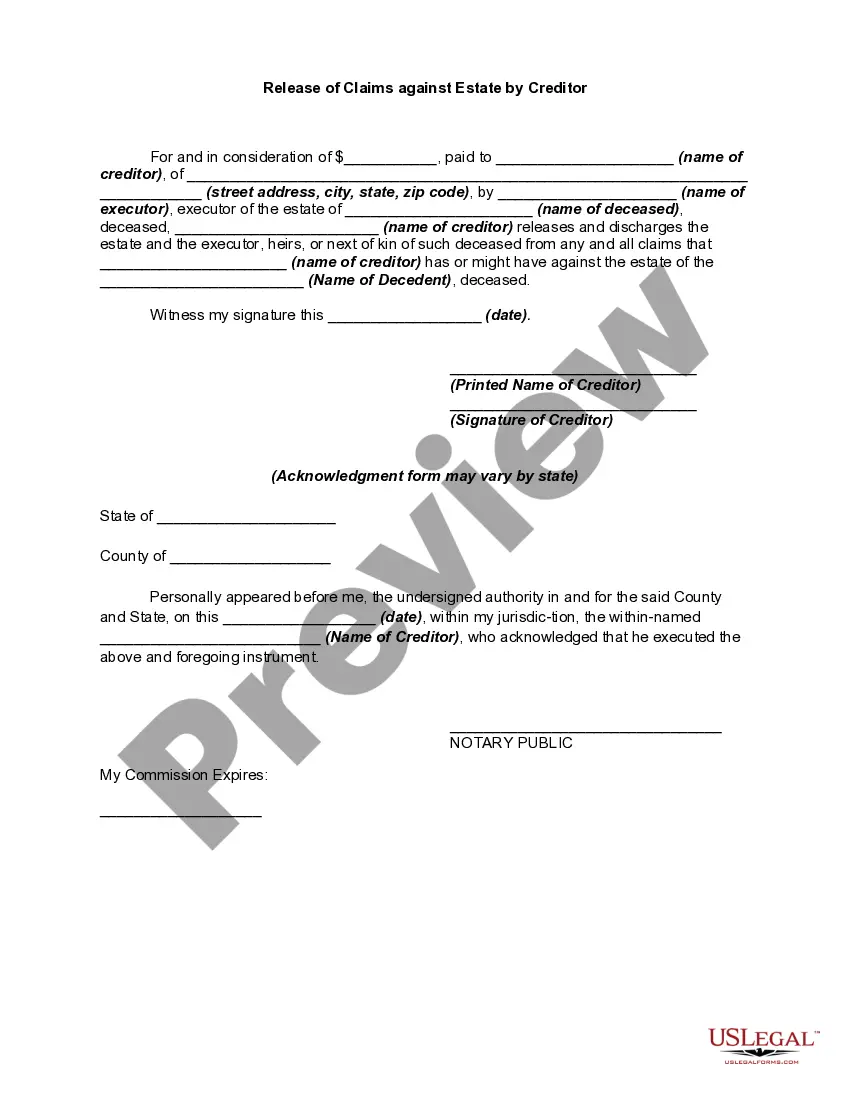
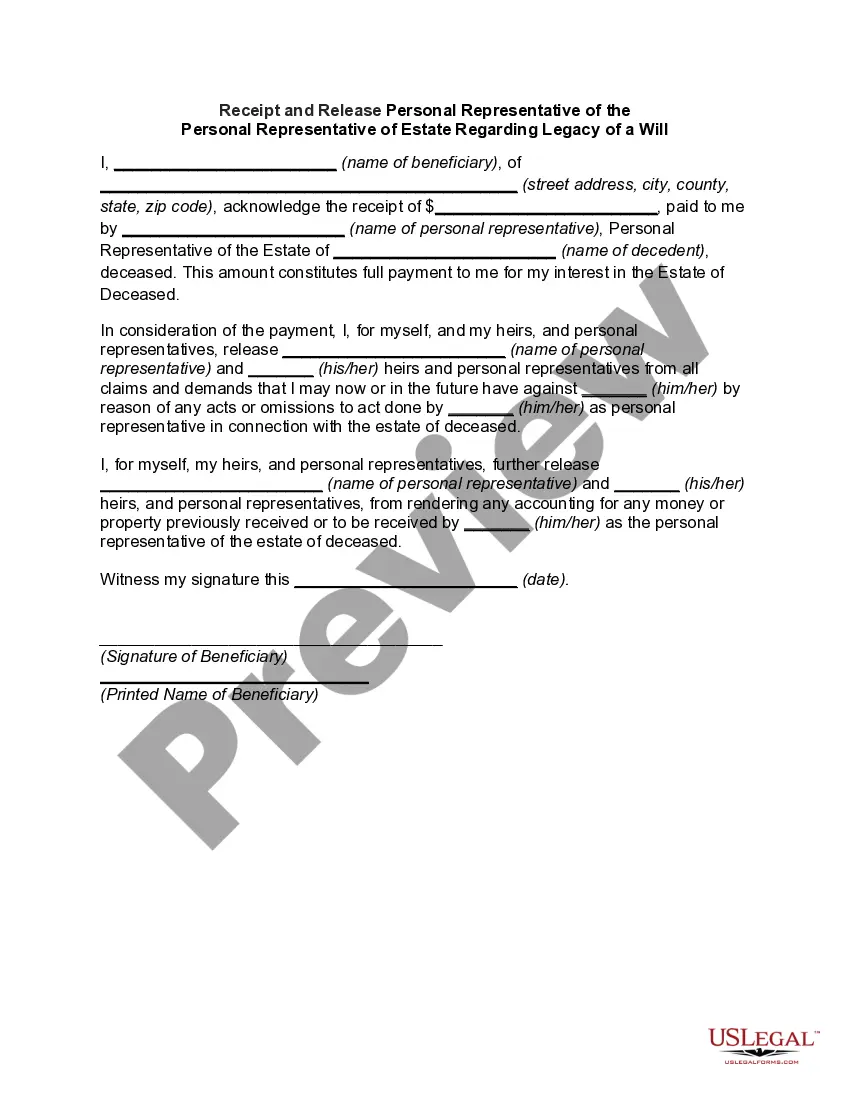
- Preview it (if this option is available) and review the accompanying description to determine whether the Executor Beneficiary Document For Estate Account meets your needs.
- Begin your search again if you require a different template.
- Create a free account and choose a subscription plan to purchase the form.
- Click Buy now. Once the payment is finalized, you can download the Executor Beneficiary Document For Estate Account, fill it out, print it, and send or mail it to the designated recipients or organizations.
Form popularity
FAQ
'Estate of' accounts can be opened at any bank. All Executor(s)/Administrator(s)/next of kin must visit their chosen branch with the Death Certificate and Will (if applicable) and advise the staff that they wish to open an 'Estate of' account.
How to open an estate account Begin the probate process. The steps for beginning this process depend on the state in which the deceased person resided. ... Obtain a tax ID number for the estate account. ... Bring all required documents to the bank. ... Open the estate account.
Executors and administrators of a decedent's estate can only access their bank accounts if the decedent had not designated a beneficiary for the account. The documents an executor/administrator generally will be required to present to the bank include: A valid government-issued ID.
A beneficiary designation allows you to specifically name who will get particular assets, typically without the need for court supervision in a probate proceeding. Usually you'll name primary and contingent beneficiaries. The primary beneficiary is the first person or entity named to receive the asset.
There is no set format for estate accounts, however they should as a minimum detail all estate assets as they were at the date of death, all liabilities and any increases/ decreases in the value of estate assets once they have been liquidated.