Right Spouse Surviving For Tax Purposes
Description

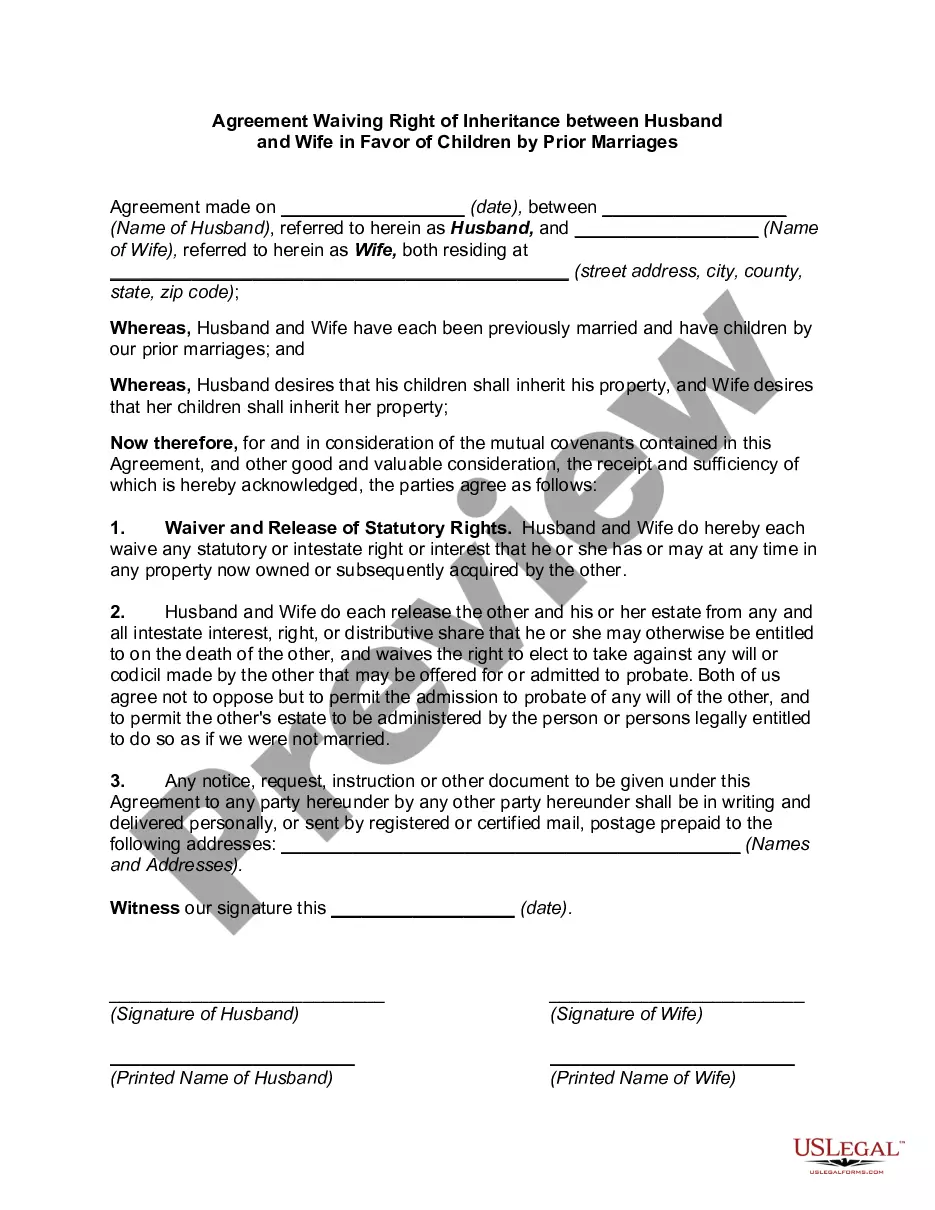
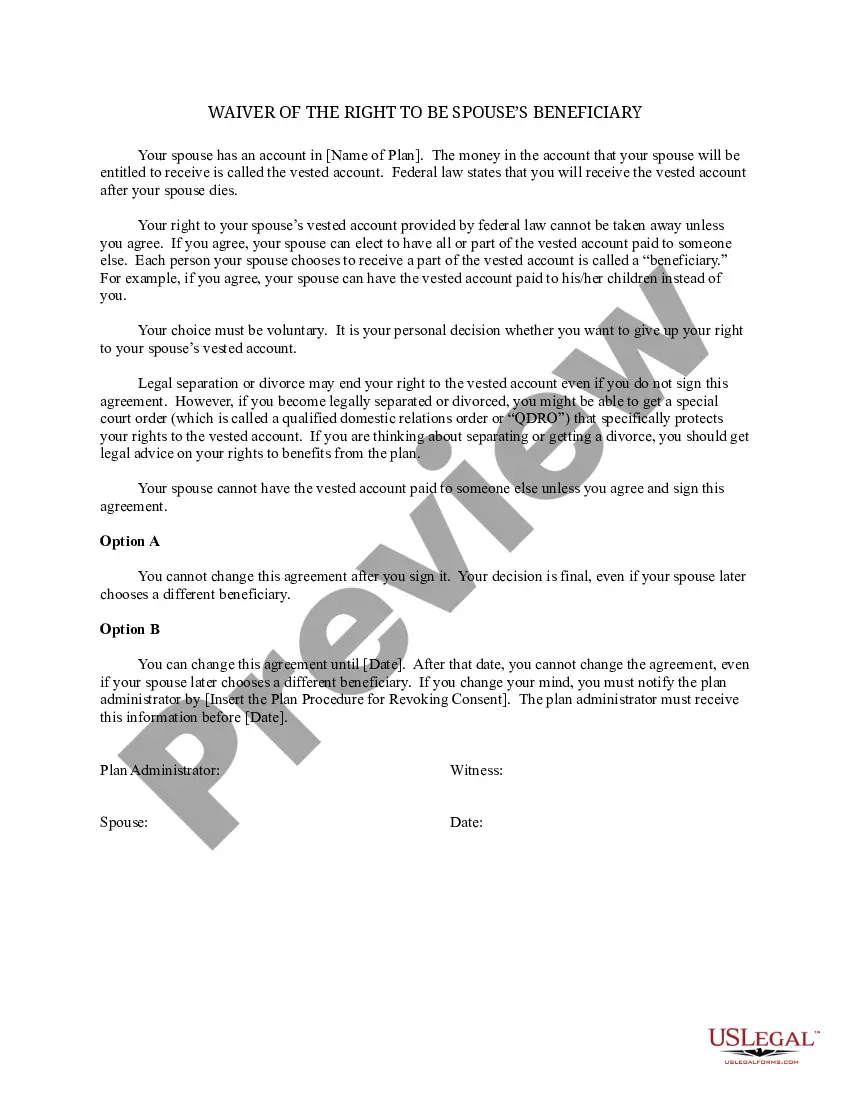
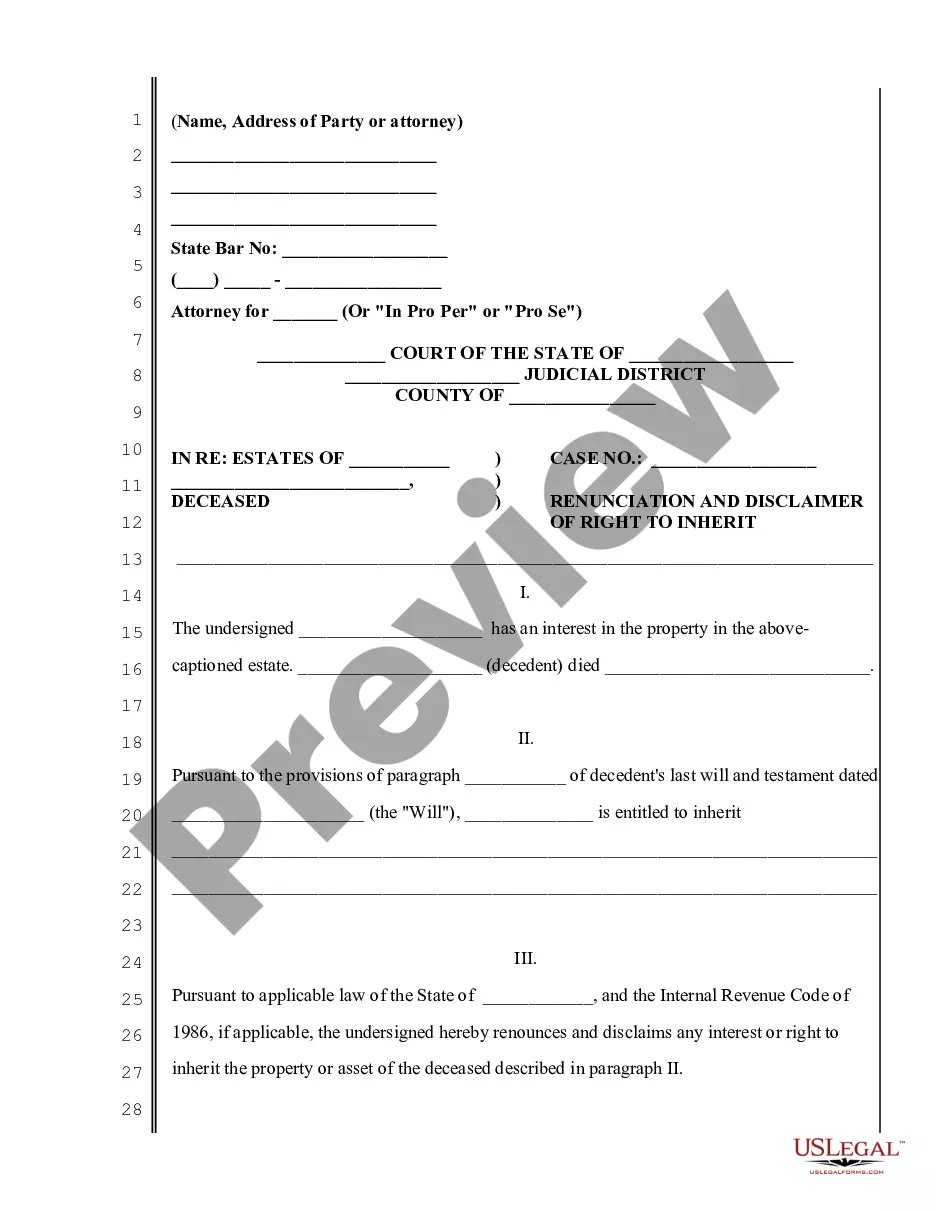
Get your form ready online
Our built-in tools help you complete, sign, share, and store your documents in one place.
Make edits, fill in missing information, and update formatting in US Legal Forms—just like you would in MS Word.
Download a copy, print it, send it by email, or mail it via USPS—whatever works best for your next step.
Sign and collect signatures with our SignNow integration. Send to multiple recipients, set reminders, and more. Go Premium to unlock E-Sign.
If this form requires notarization, complete it online through a secure video call—no need to meet a notary in person or wait for an appointment.
We protect your documents and personal data by following strict security and privacy standards.

Make edits, fill in missing information, and update formatting in US Legal Forms—just like you would in MS Word.

Download a copy, print it, send it by email, or mail it via USPS—whatever works best for your next step.

Sign and collect signatures with our SignNow integration. Send to multiple recipients, set reminders, and more. Go Premium to unlock E-Sign.

If this form requires notarization, complete it online through a secure video call—no need to meet a notary in person or wait for an appointment.

We protect your documents and personal data by following strict security and privacy standards.
Looking for another form?




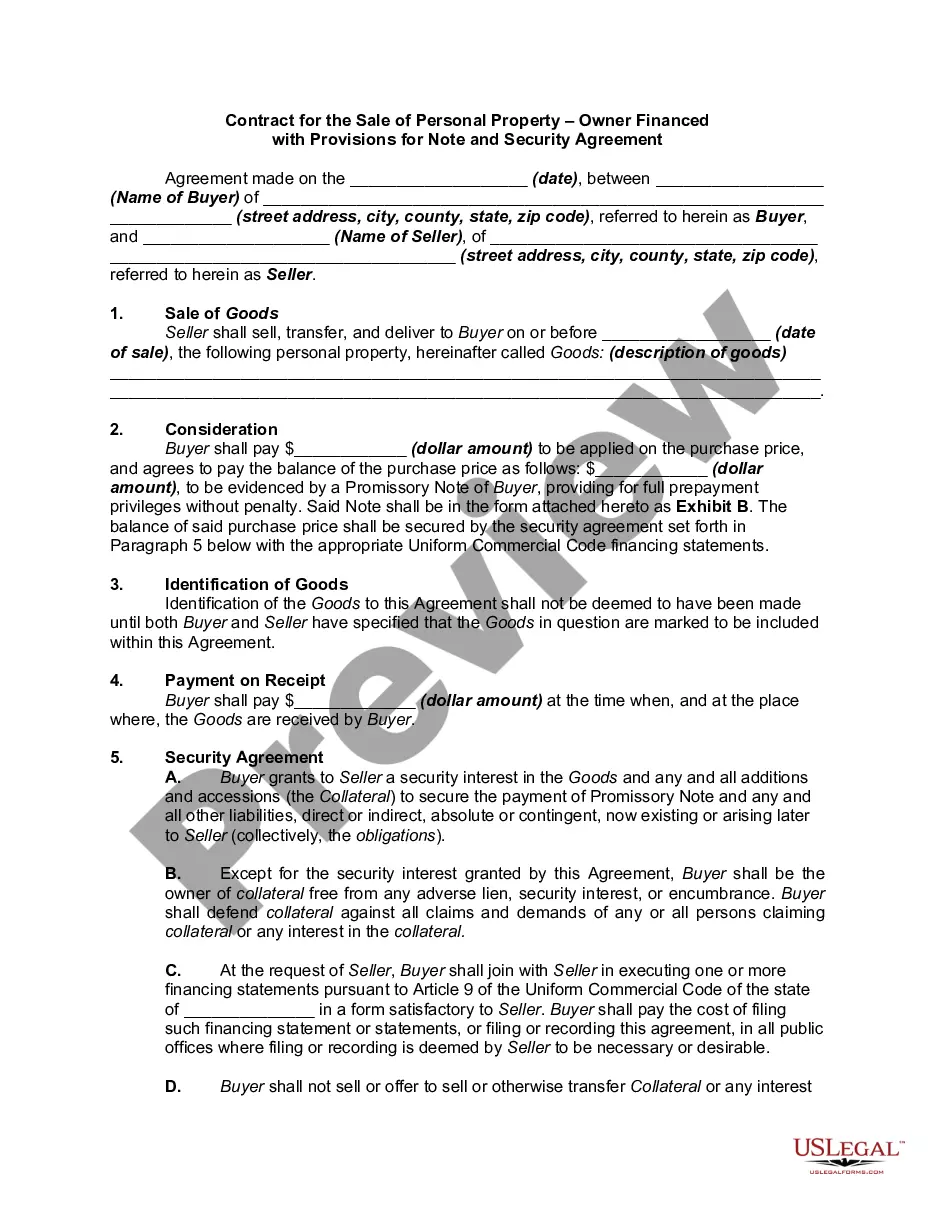


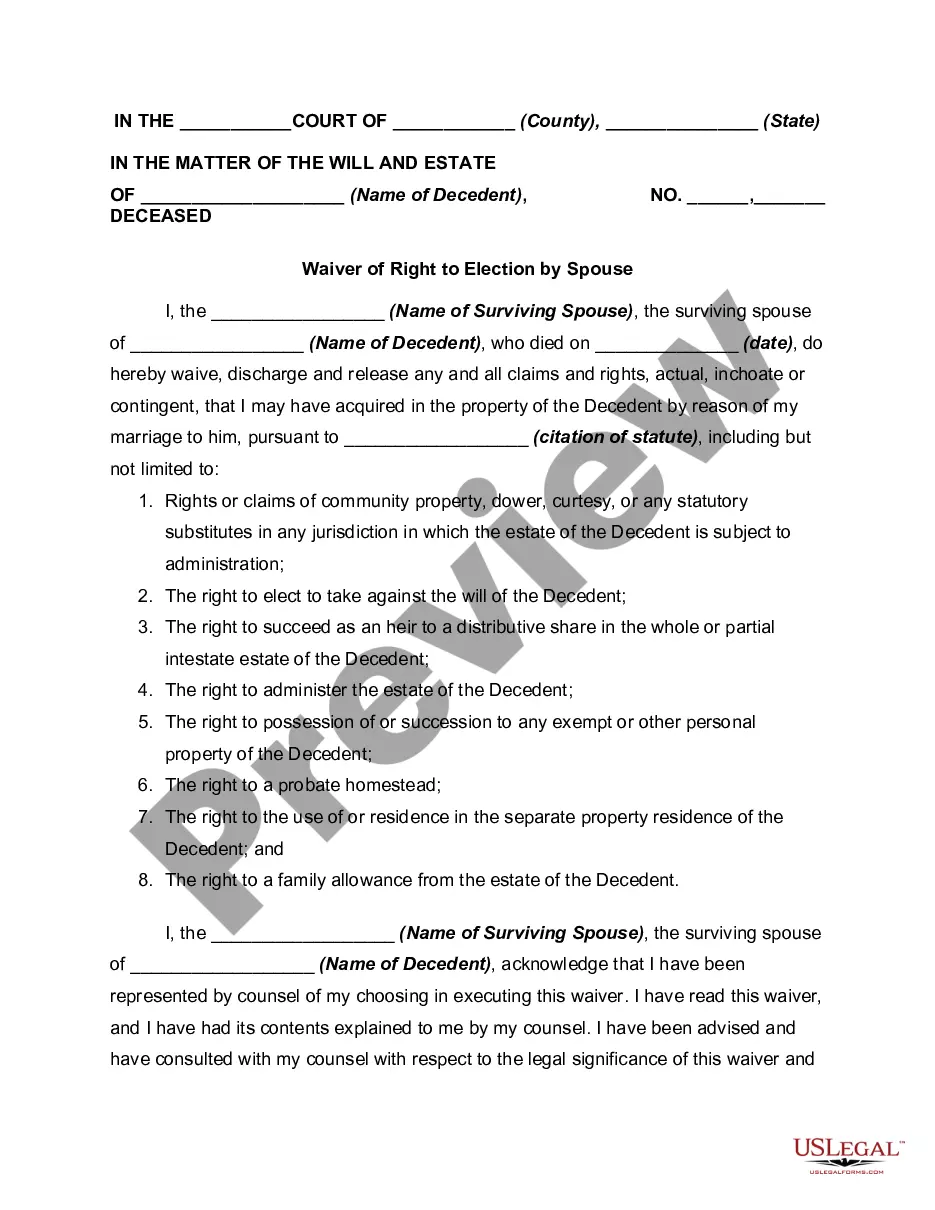
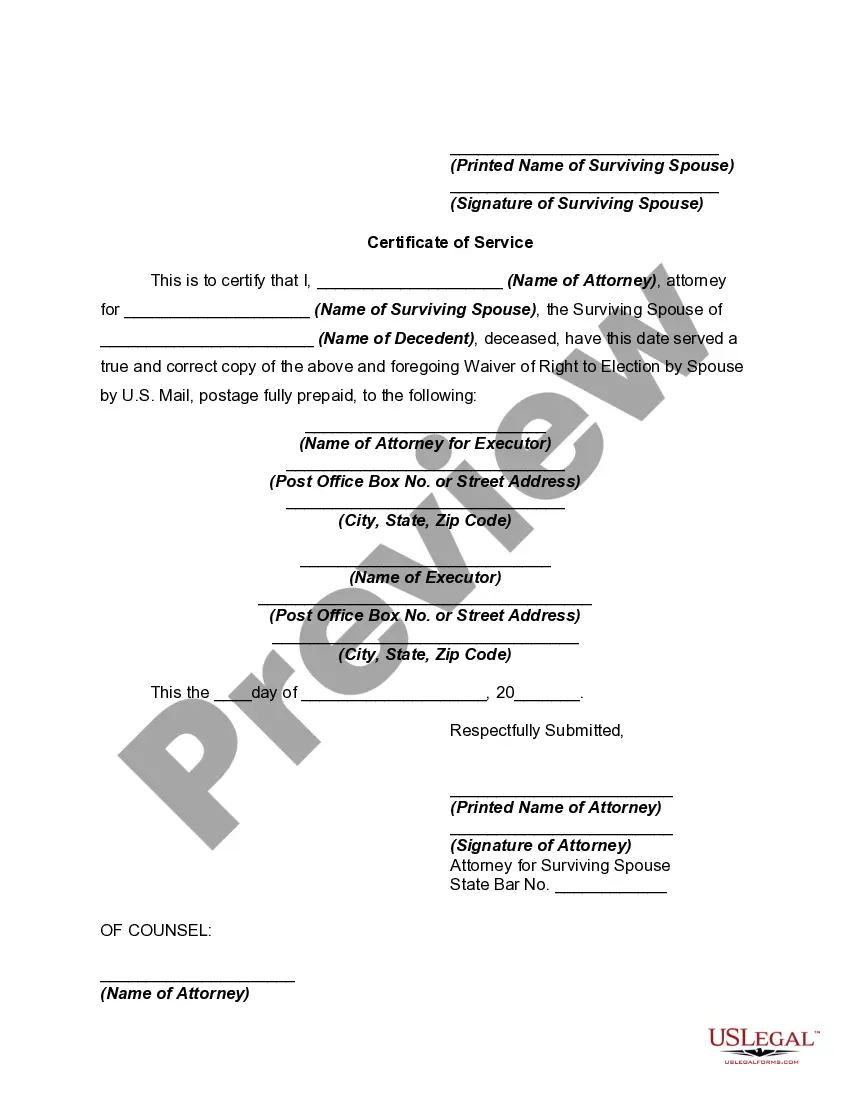
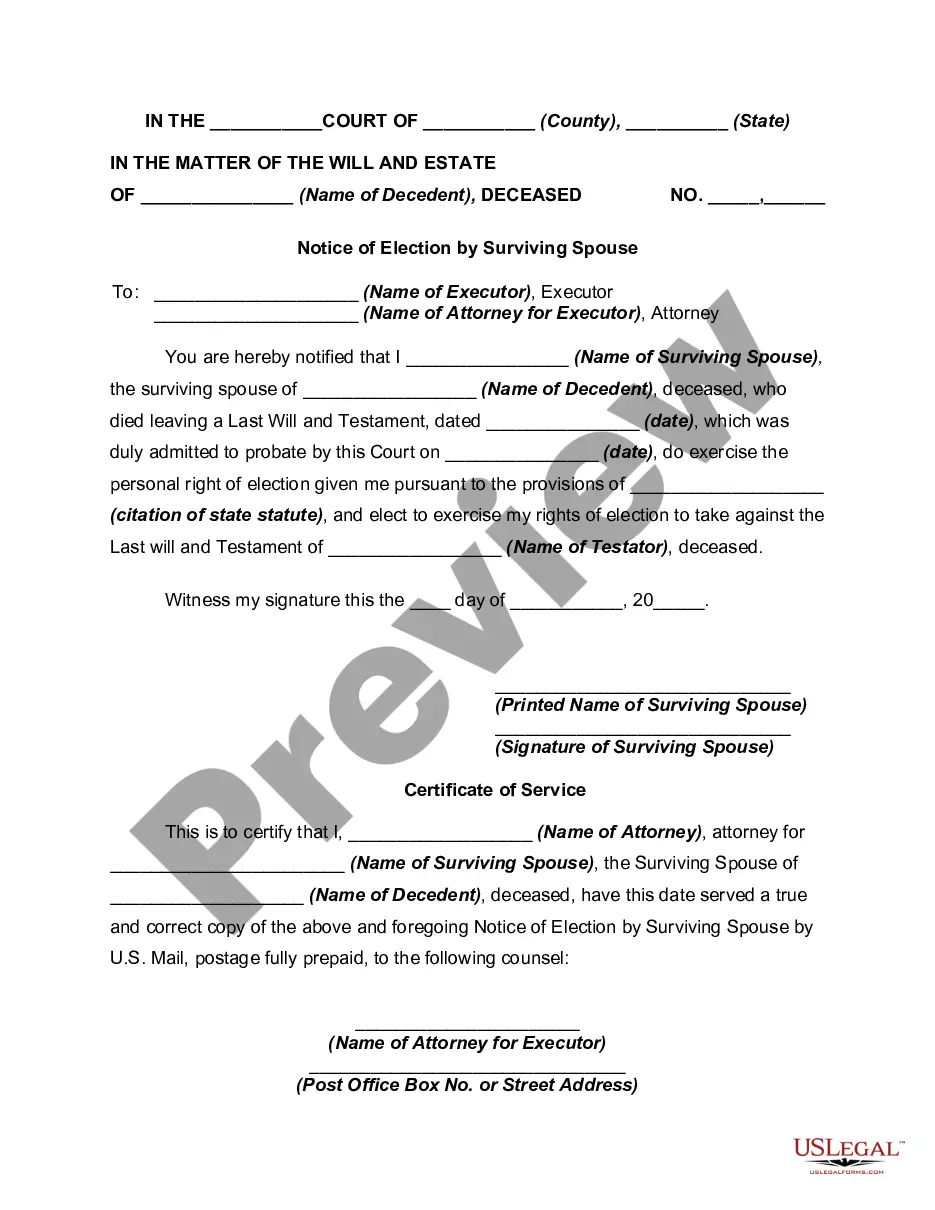
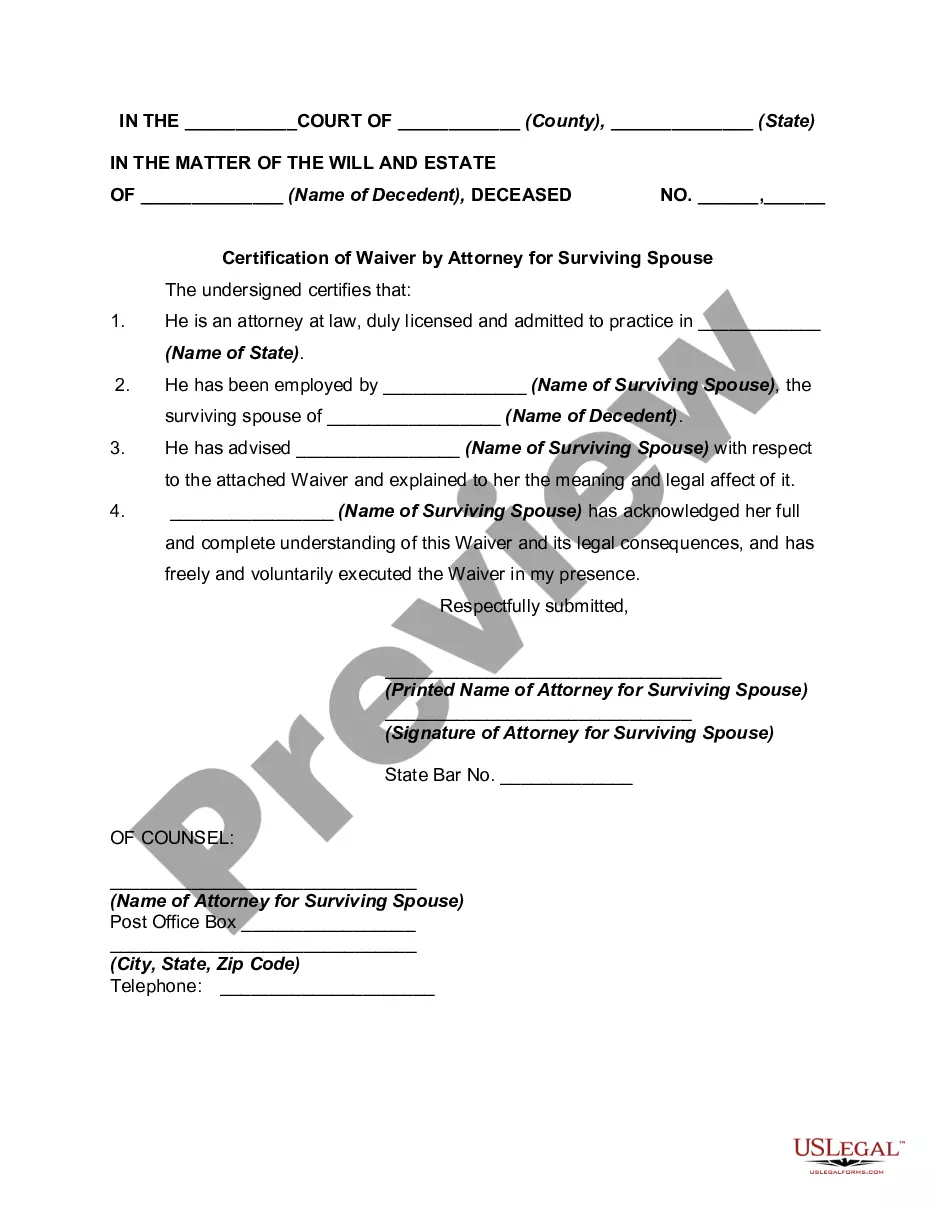
How to fill out Waiver Of Right To Election By Spouse?
Regardless of whether for professional objectives or personal matters, everyone must confront legal issues at some stage in their existence.
Completing legal documents requires meticulous care, starting from selecting the proper form template.
With an extensive US Legal Forms directory at your disposal, you do not need to waste time searching for the correct template across the internet. Take advantage of the library’s user-friendly navigation to find the relevant form for any circumstance.
- Locate the template you require using the search bar or catalog browsing.
- Review the form’s details to ensure it aligns with your circumstances, state, and county.
- Select the form’s preview to view it.
- If it is the incorrect form, return to the search tool to find the Right Spouse Surviving For Tax Purposes template you need.
- Obtain the file if it meets your standards.
- If you possess a US Legal Forms account, simply click Log in to access previously saved documents in My documents.
- If you do not yet have an account, you may download the form by selecting Buy now.
- Select the suitable pricing option.
- Fill out the account registration form.
- Select your payment method: either a credit card or PayPal account.
- Choose the desired file format and download the Right Spouse Surviving For Tax Purposes.
- After it is downloaded, you can complete the form using editing tools or print it and fill it out by hand.
Form popularity
FAQ
Qualifying as a surviving spouse on tax forms allows you to claim certain tax benefits after the death of your spouse. This status can provide you with a lower tax rate and the ability to use the same standard deduction as when you filed jointly. To qualify, you must meet specific criteria, including having a dependent child and not remarrying within the year. Understanding the right spouse surviving for tax purposes can significantly affect your financial situation during a challenging time.
Yes, widows can receive various tax breaks, primarily through the surviving spouse status. This status allows for more favorable tax rates and higher standard deductions, which can ease the financial burden during a challenging time. Additionally, tax credits related to dependents may also apply. Utilizing resources like uslegalforms can provide you with the necessary information to understand the right spouse surviving for tax purposes.
Yes, a surviving spouse is responsible for taxes, but the tax implications can differ based on your filing status. If you qualify as a surviving spouse, you may benefit from lower tax rates and additional deductions. It's essential to keep accurate records and consult with tax professionals to ensure you are filing correctly. The right spouse surviving for tax purposes can help you better understand your obligations and benefits.
The IRS defines the surviving spouse rule as a provision that allows eligible individuals to file as a qualifying widow or widower. This status provides tax benefits, including the ability to use the married filing jointly tax rates. To be eligible, you must have lost your spouse in the last two tax years and have a dependent child. Knowing the right spouse surviving for tax purposes can maximize your financial advantages.
You can qualify as a surviving spouse for up to two years after your spouse's death if you meet certain criteria. To maintain this status, you need to have a dependent child and not have remarried during this period. This classification allows you to utilize tax benefits that can significantly reduce your tax burden. Understanding the right spouse surviving for tax purposes can help you navigate your finances during this time.
The most advantageous filing status for a widow typically is qualifying widow or widower. This status allows you to enjoy the same tax benefits as married couples for up to two years after your spouse's death, provided you meet certain criteria. Being the right spouse surviving for tax purposes can significantly reduce your tax burden. To understand your options better, consider using services like US Legal Forms to find tailored guidance and resources.
Filing taxes as a surviving spouse involves specific steps to ensure you maximize benefits. You must determine if you qualify as the right spouse surviving for tax purposes, allowing you to file jointly for the two years following your spouse's death. This status often leads to lower tax rates and increased deductions. Utilize platforms like US Legal Forms to access resources that simplify the filing process and ensure compliance.
When a spouse dies, it is crucial to avoid making hasty financial decisions. Don’t rush to change your tax filing status immediately; take time to understand the implications of being the right spouse surviving for tax purposes. Additionally, refrain from neglecting estate matters, as these can significantly affect your future tax obligations. Instead, consider seeking guidance to navigate this complex period.
The IRS designates a qualifying surviving spouse as someone who meets specific criteria, primarily involving marital status and dependents. You must have been married to your deceased spouse for the entire tax year and have a dependent child living with you. This classification allows you to utilize the right spouse surviving for tax purposes, providing you with the ability to file jointly and take advantage of lower tax brackets. For detailed assistance with this classification, the US Legal Forms platform can offer the resources you need.
To prevent higher taxes after the death of your spouse, it is crucial to understand your tax filing options. Filing as a qualifying surviving spouse can help maintain lower tax rates and access beneficial deductions. Additionally, consider adjusting your withholding or estimated tax payments based on your new financial situation. For tailored advice and tools, the US Legal Forms platform offers valuable resources to help you navigate these decisions effectively.